
1922–06.1999
Research · Sources · Context
Artists
Biographies, facts and images with open sources and verified rights.
Found: 1775
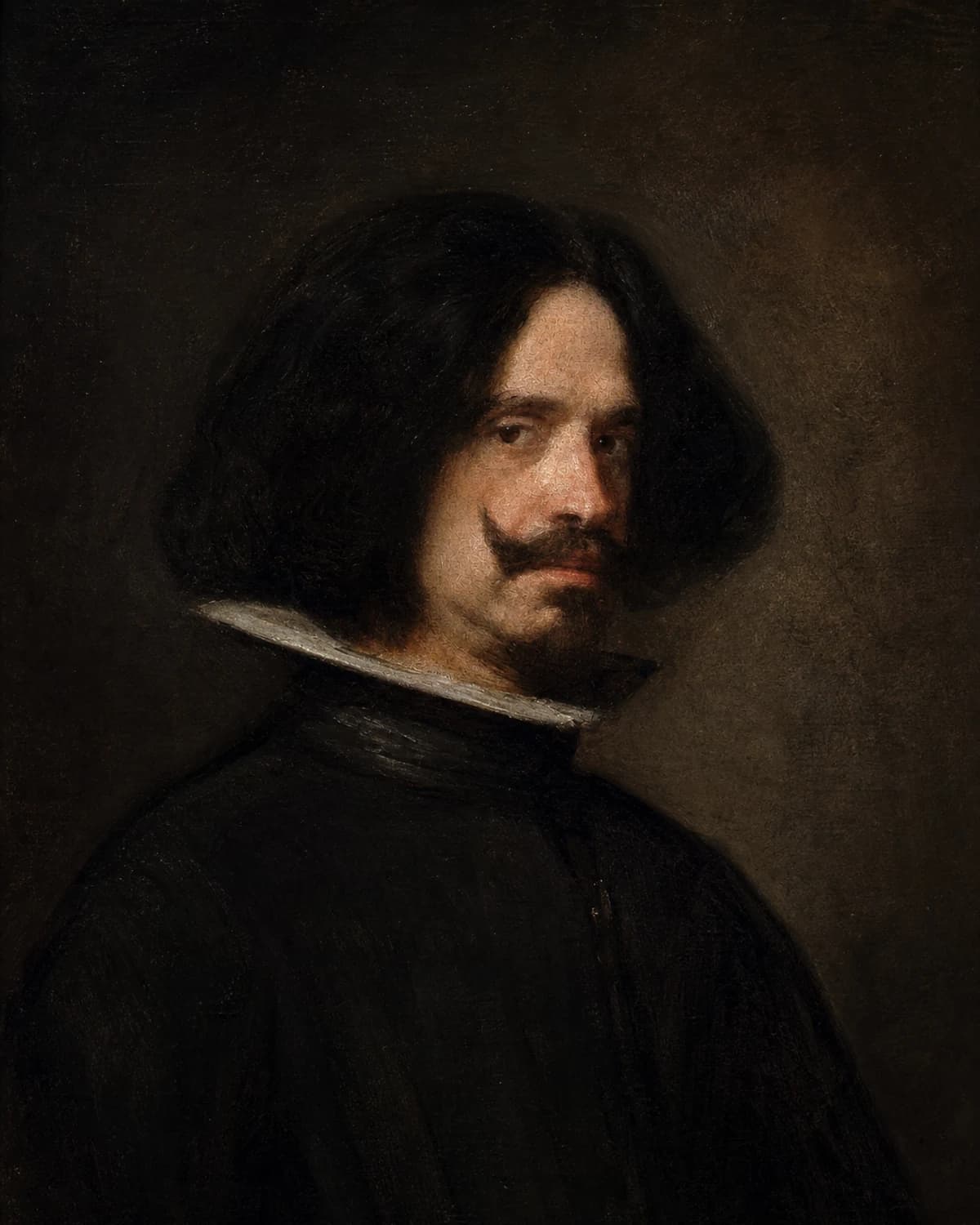
06.06.1599–06.08.1660
Diego Velázquez
Diego Velázquez (1599–1660) began in Seville with bodegones, kitchen scenes, and from 1623 until the end of his life served Philip IV in Madrid as court painter. He travelled to Italy twice and painted “The Surrender of Breda”, the portrait of Pope Innocent X, “Las Meninas” and “The Spinners”. Most of his pictures stayed in the Spanish royal collection, and the finest group of them is now in the Prado.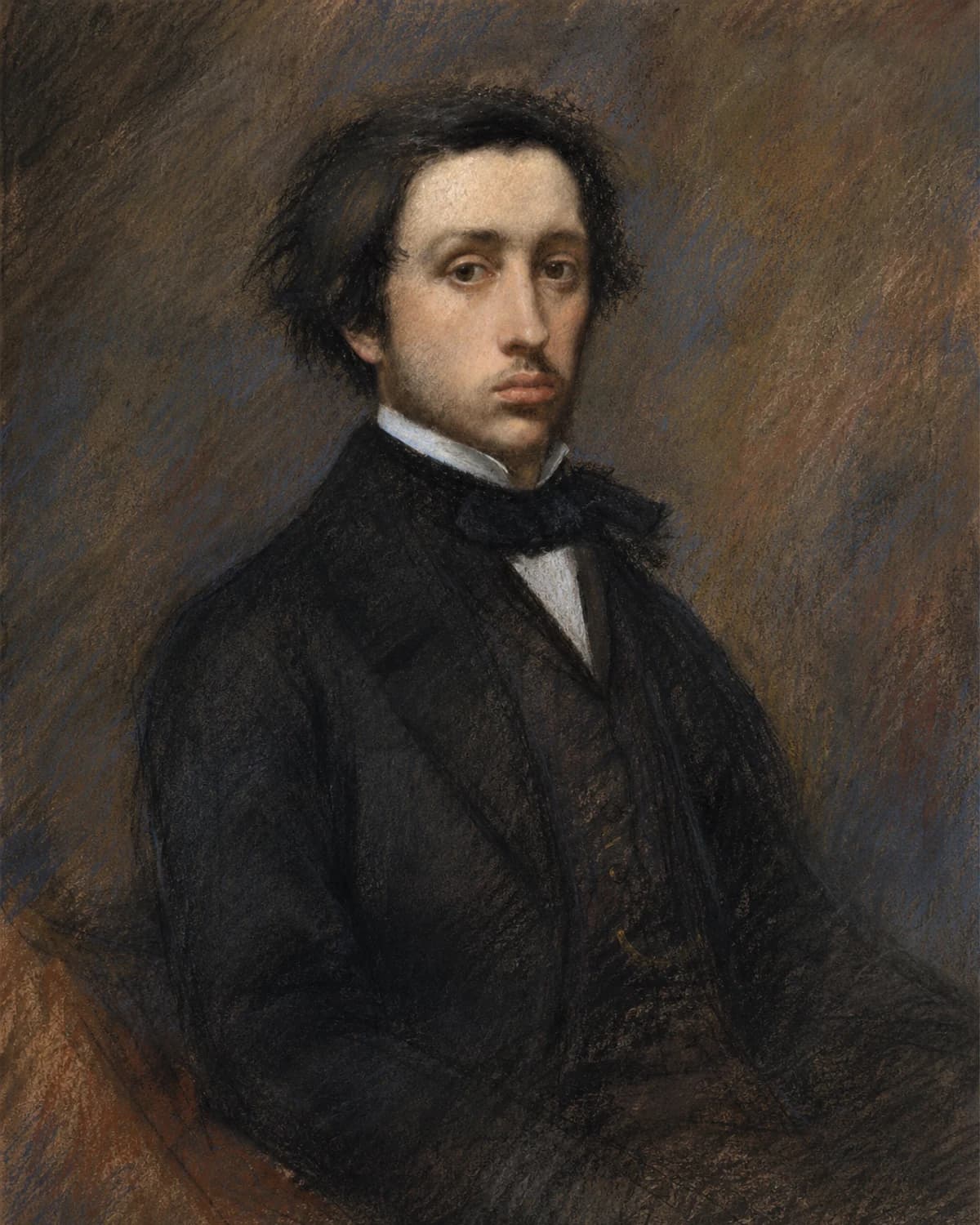
19.07.1834–27.09.1917
Edgar Degas
Edgar Degas (1834–1917) devoted more than half of his work to dancers: rehearsals, the wings, the orchestra pit of the Paris Opéra. He took part in seven of the eight Impressionist exhibitions, though he called himself a realist and laughed at plein-air painting. He worked in oil, pastel and monotype and modelled in wax; in his lifetime he showed the public only one sculpture, “Little Dancer Aged Fourteen”.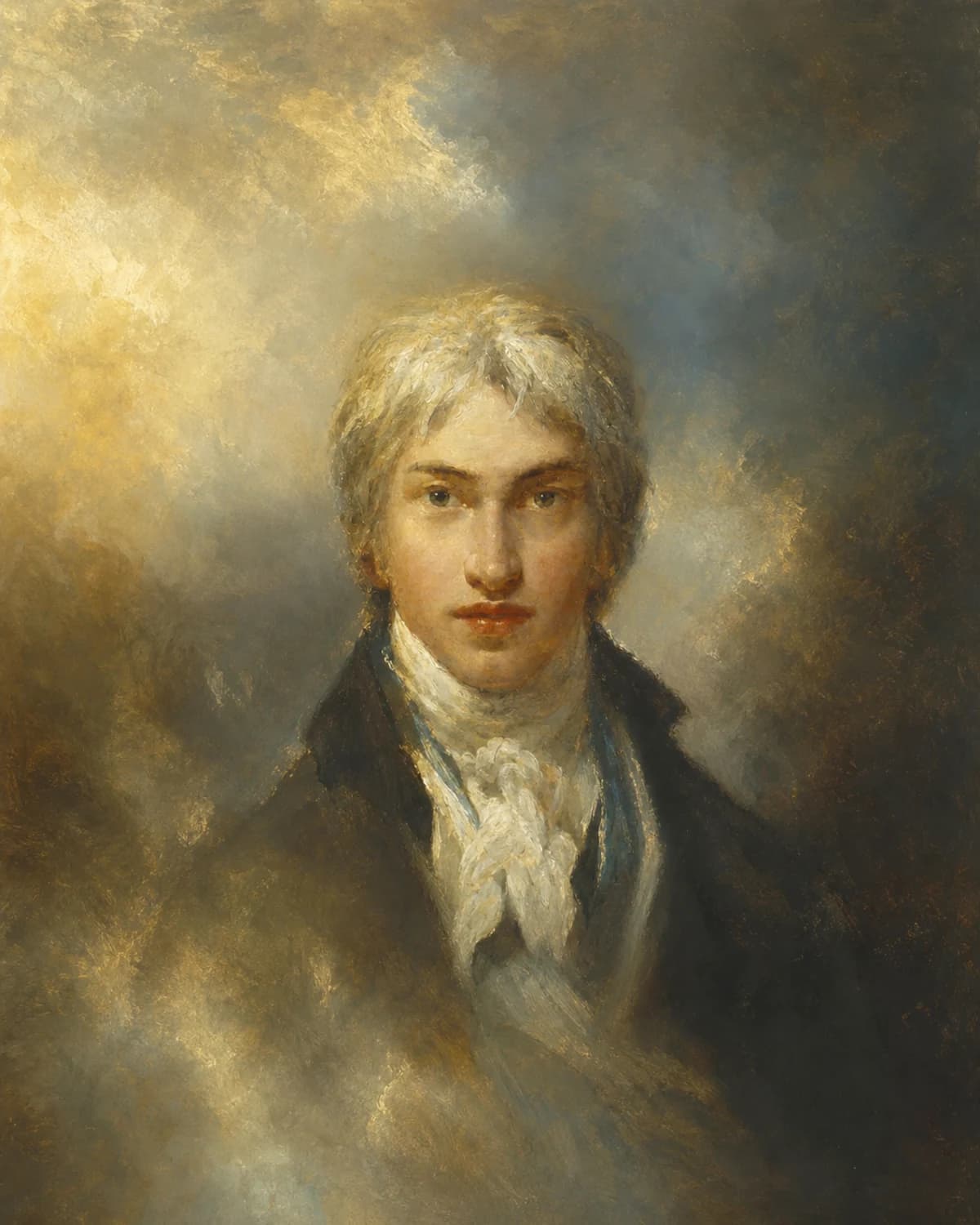
23.04.1775–19.12.1851
J. M. W. Turner
J. M. W. Turner (1775–1851), the son of a London barber, became a Royal Academician at twenty-seven. He painted storms, shipwrecks, Venice and steam trains, and towards the end dissolved objects in light and mist so thoroughly that critics laughed at him. He left more than 550 oil paintings and around two thousand watercolours, and bequeathed the main part of his legacy to the British nation.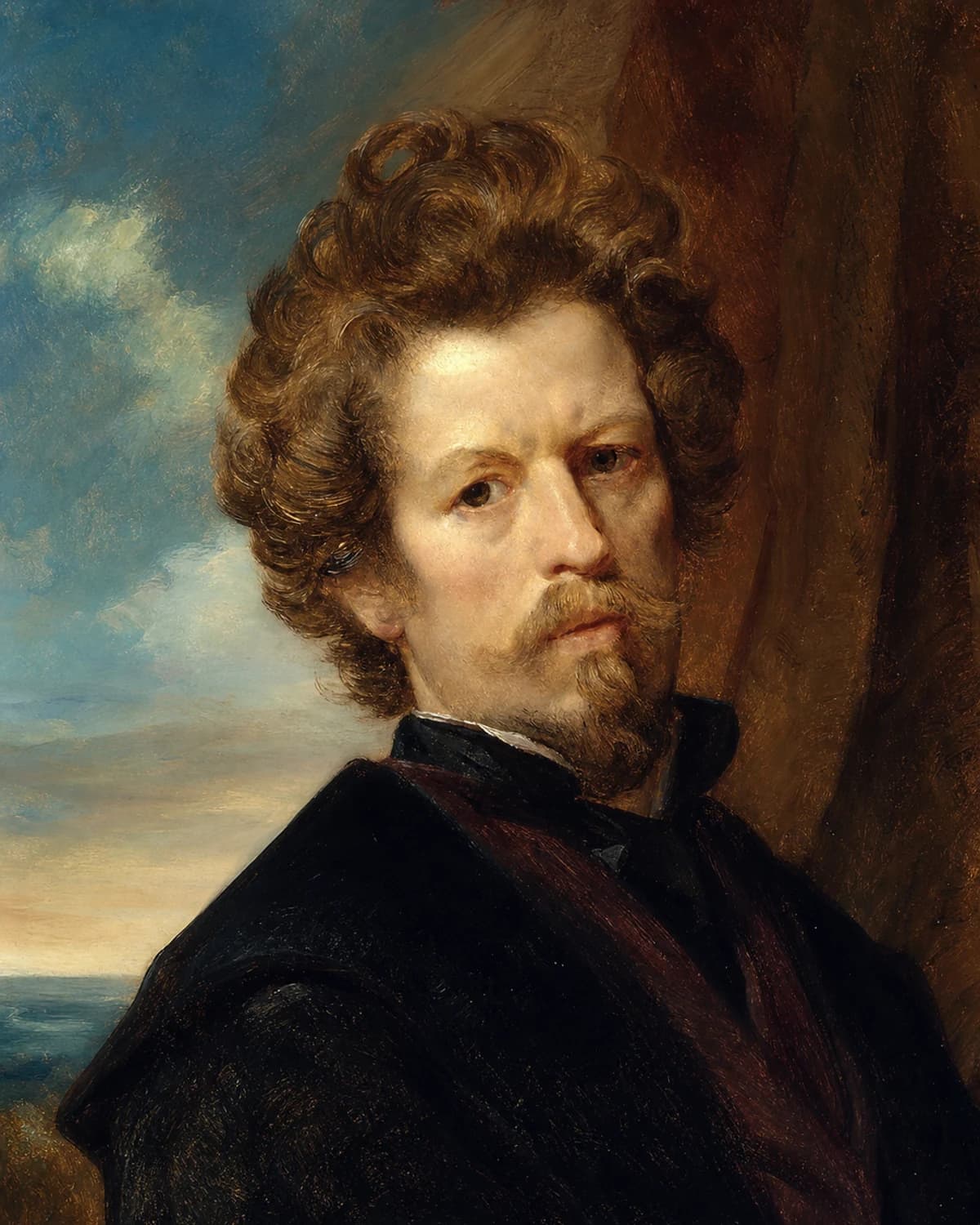
12.12.1799–11.06.1852
Karl Bryullov
Karl Bryullov (1799–1852) painted history pictures, portraits, watercolours and dome murals; in the St Petersburg of Nicholas I he was known as “the Great Karl”. European fame, for himself and for the whole Russian school, came with “The Last Day of Pompeii”, which won a gold medal at the Paris Salon of 1834. He was a professor at the Academy of Arts, and Taras Shevchenko was among his pupils.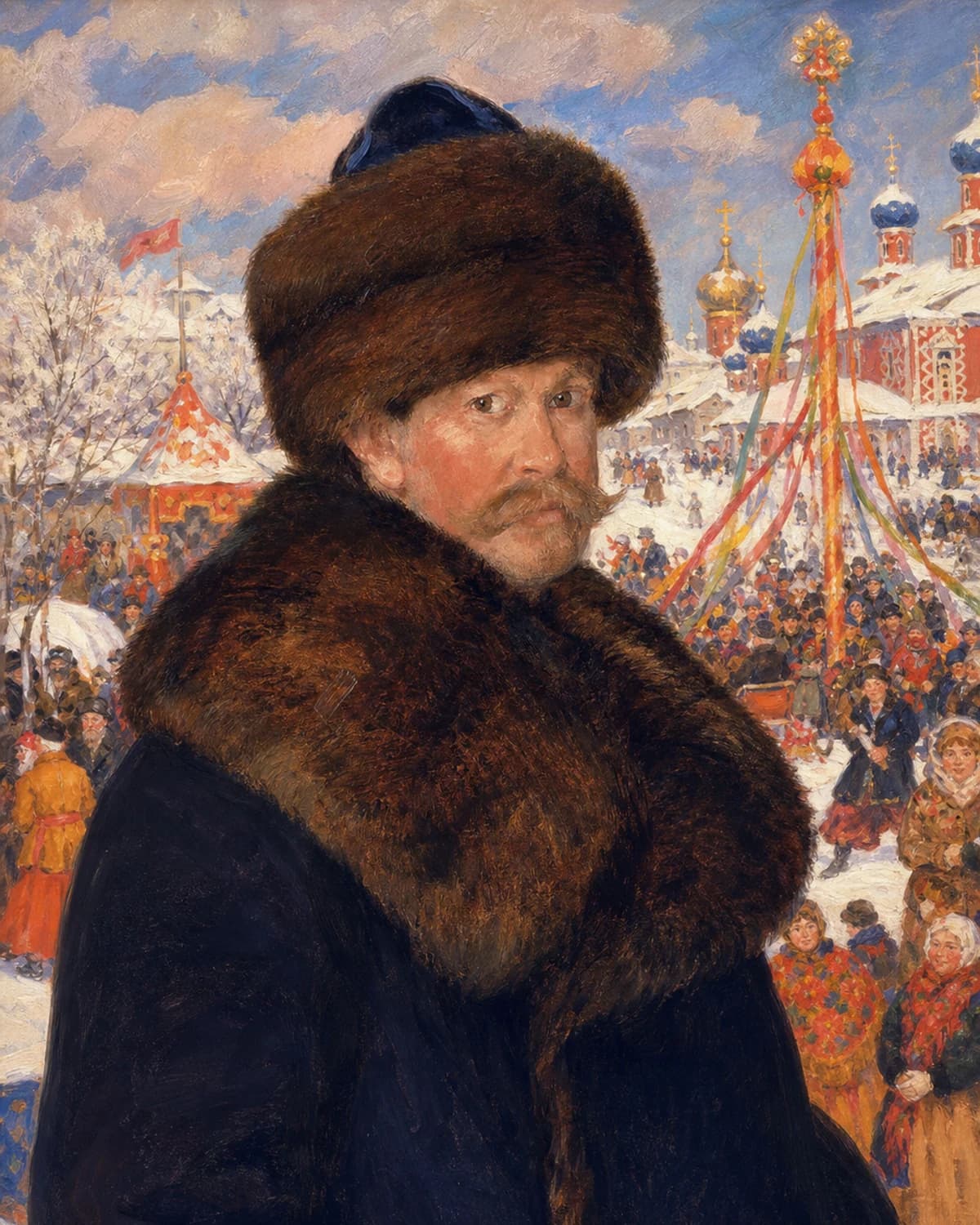
23.02.1878–28.05.1927
Boris Kustodiev
Boris Kustodiev (1878–1927), Repin’s pupil and assistant, painted fairs, Maslenitsa revels, merchants’ wives at the samovar and the Volga towns of his Astrakhan childhood. From 1916 he could not walk, and he made his most cheerful canvases in a wheelchair. He also worked as a portraitist, an illustrator of Leskov and Gogol and a stage designer; he was an Academician of painting from 1909.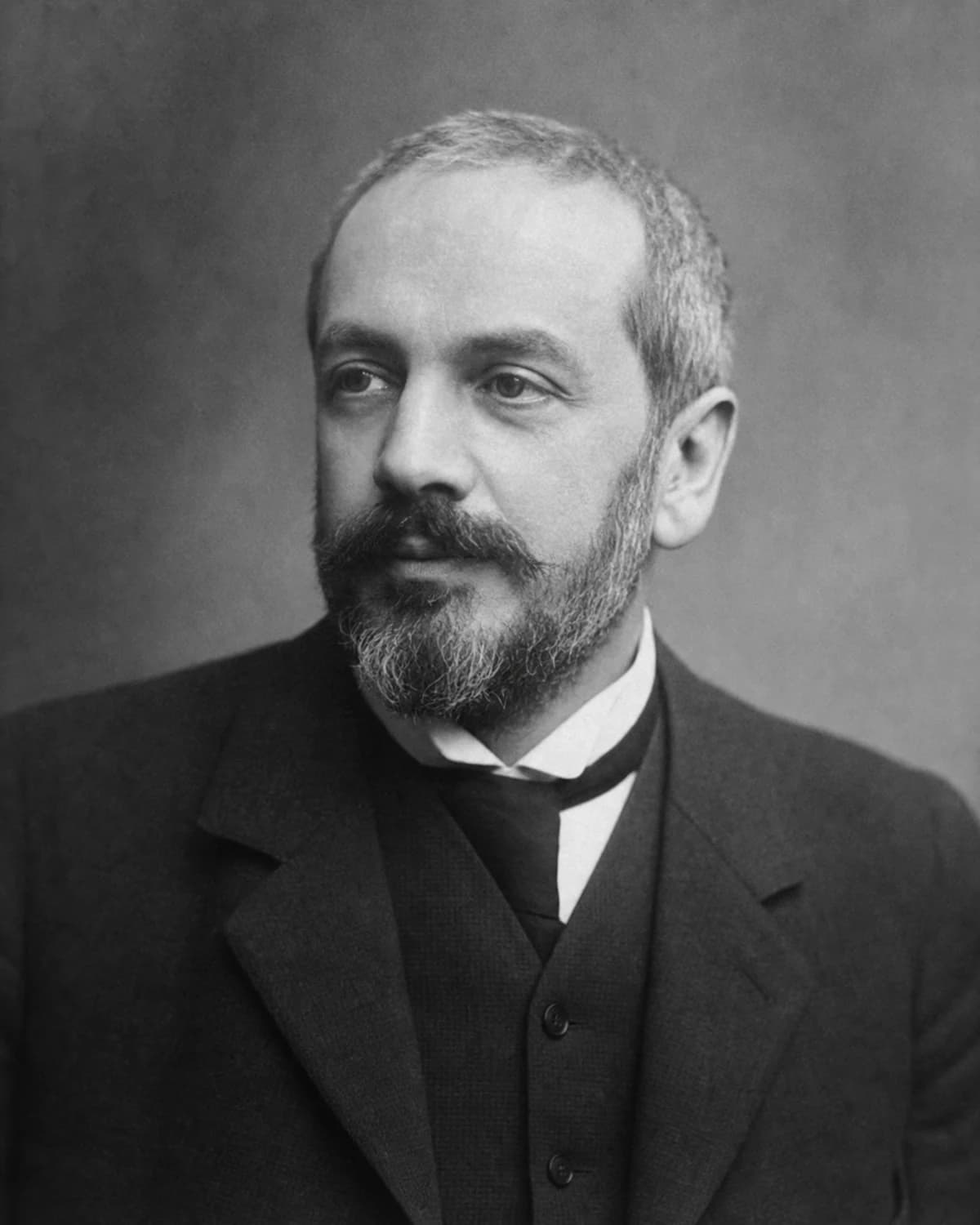
21.04.1870–09.02.1960
Alexandre Benois
Alexandre Benois (1870–1960) gathered the circle of friends from which the World of Art magazine and society grew. He painted watercolours of Versailles and of 18th-century St Petersburg, illustrated “The Bronze Horseman” and “The Queen of Spades”, and designed “Le Pavillon d’Armide” and “Petrushka” for Diaghilev. An art historian and critic, after the revolution he ran the Hermitage picture gallery, and from the mid-1920s he lived in Paris.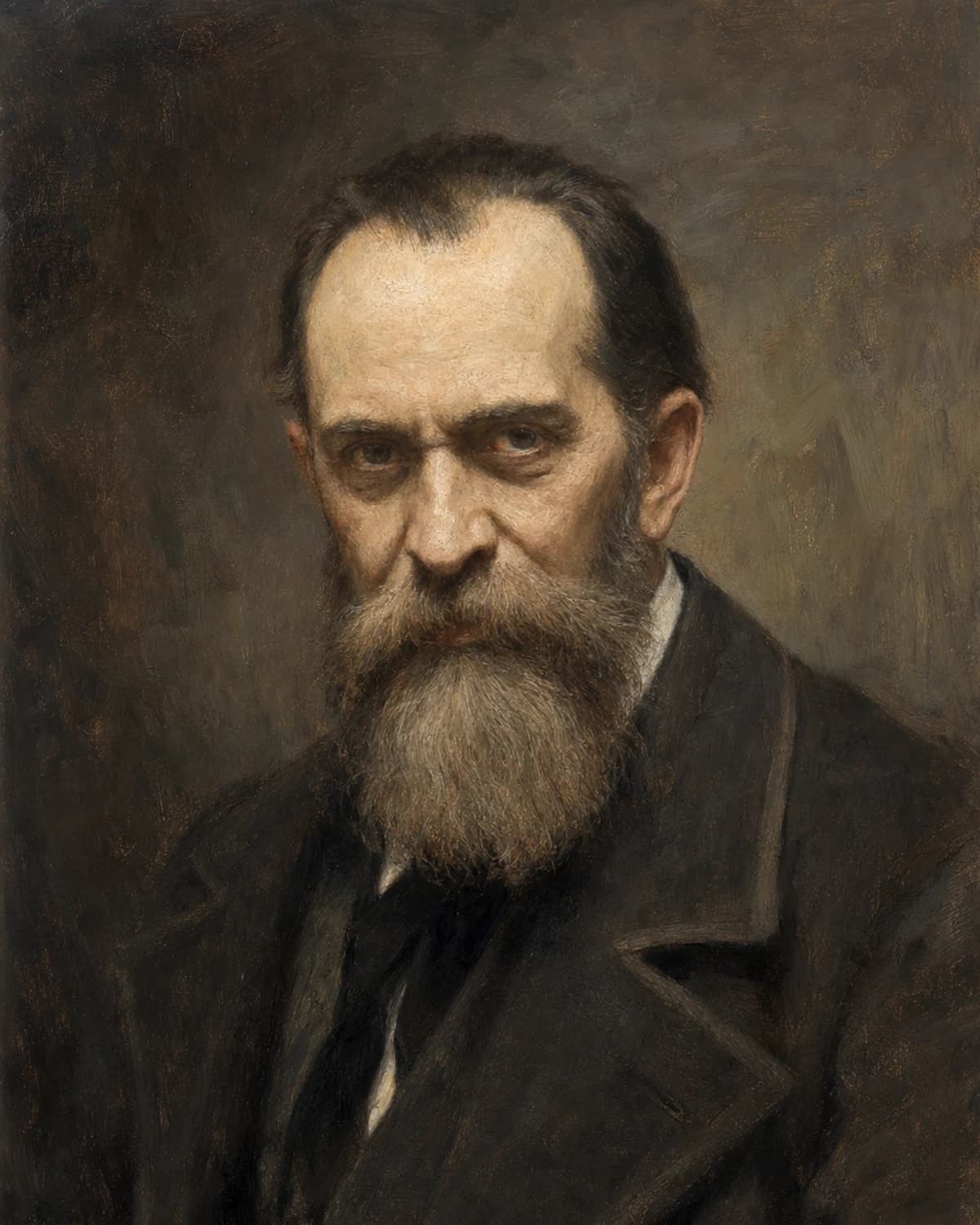
21.12.1833–29.05.1882
Vasily Perov
Vasily Perov (1833/1834–1882) painted “Easter Procession in the Country”, “Tea Drinking in Mytishchi”, “Troika” and “Seeing Off the Dead”, and later “Hunters at Rest” and the portrait of Dostoevsky. He was among the founders of the Society of Travelling Art Exhibitions (the Peredvizhniki), and from 1871 he taught at the Moscow School of Painting, Sculpture and Architecture, where Mikhail Nesterov was one of his pupils. He also published stories.16.06.1894–18.03.1980
Tamara de Lempicka
Tamara de Lempicka (1894 or 1898 – 1980) was born in Warsaw, fled revolutionary Petrograd and became the leading Art Deco portraitist in Paris. She studied with Maurice Denis and André Lhote and combined a softened Cubism with smooth, almost porcelain painting in the manner of Ingres. She painted “La Belle Rafaëla” and the self-portrait in a green Bugatti; from 1939 she lived in the United States, and she died in Mexico.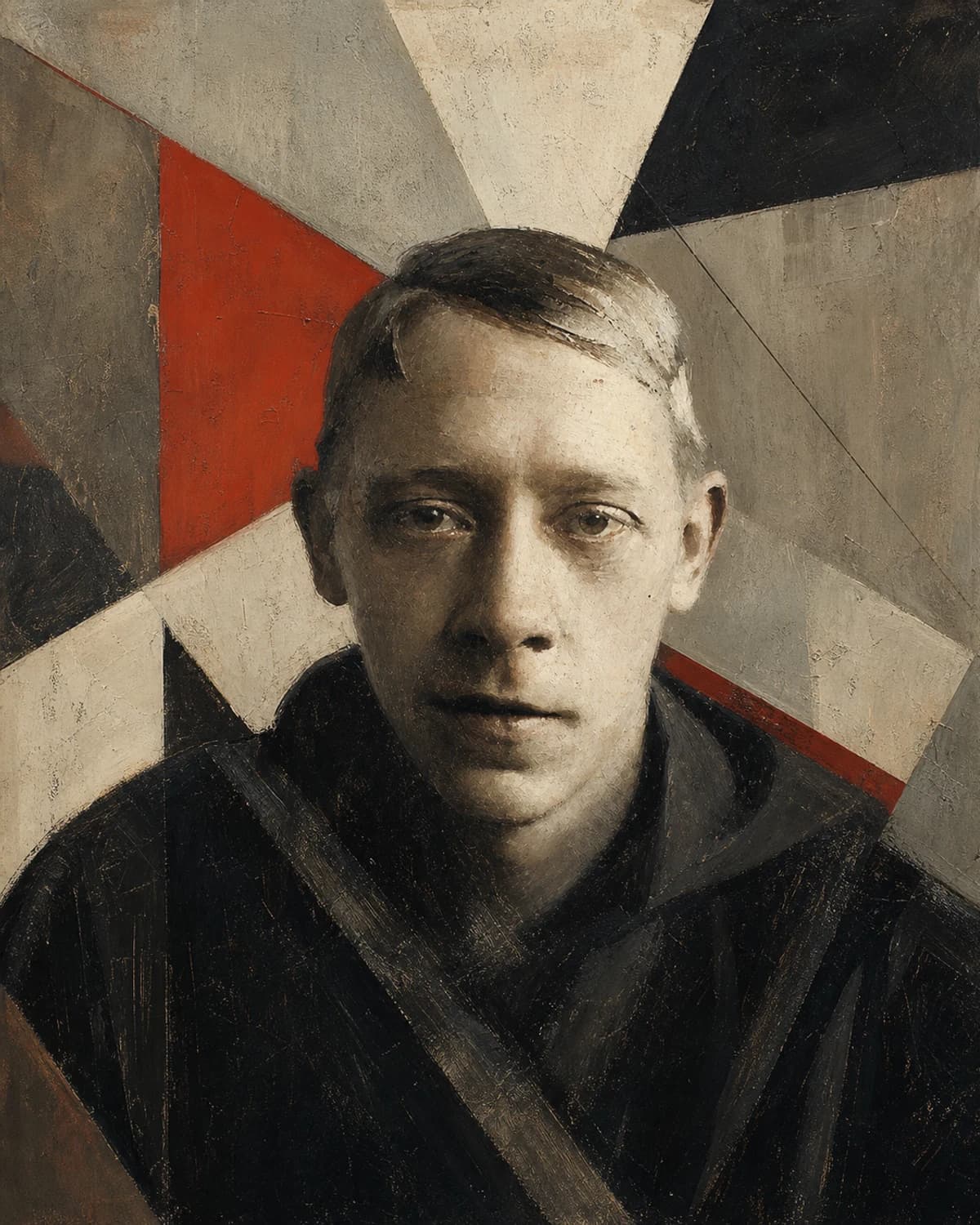
16.12.1885–31.05.1953
Vladimir Tatlin
Vladimir Tatlin (1885–1953) conceived the Monument to the Third International: a leaning double spiral of iron four hundred metres high with rotating glass volumes inside. The tower was never built, but its model became an emblem of the whole Russian avant-garde. Before the revolution Tatlin made counter-reliefs of wood and metal; later he built Letatlin, an engineless flying machine, and designed stage productions and books.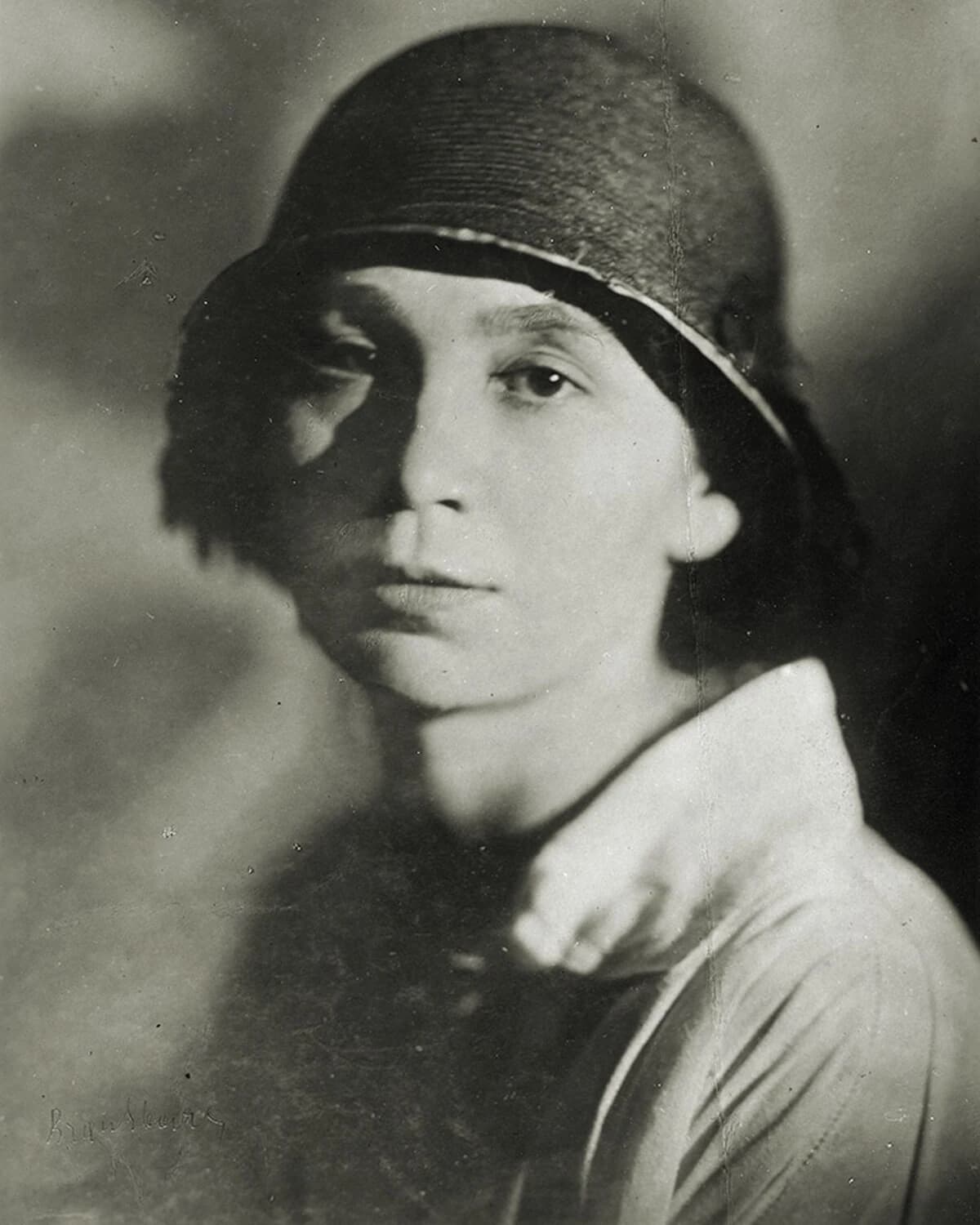
21.06.1881–17.10.1962
Natalia Goncharova
Natalia Goncharova (1881–1962) invented Rayonism together with Mikhail Larionov and organised the Jack of Diamonds, Donkey’s Tail and Target exhibitions. She painted peasants, icons and cyclists, illustrated Futurist books, and twice faced prosecution and the seizure of her paintings. From 1915 she worked for Diaghilev’s Ballets Russes, lived in Paris, designed ballets and created clothing designs.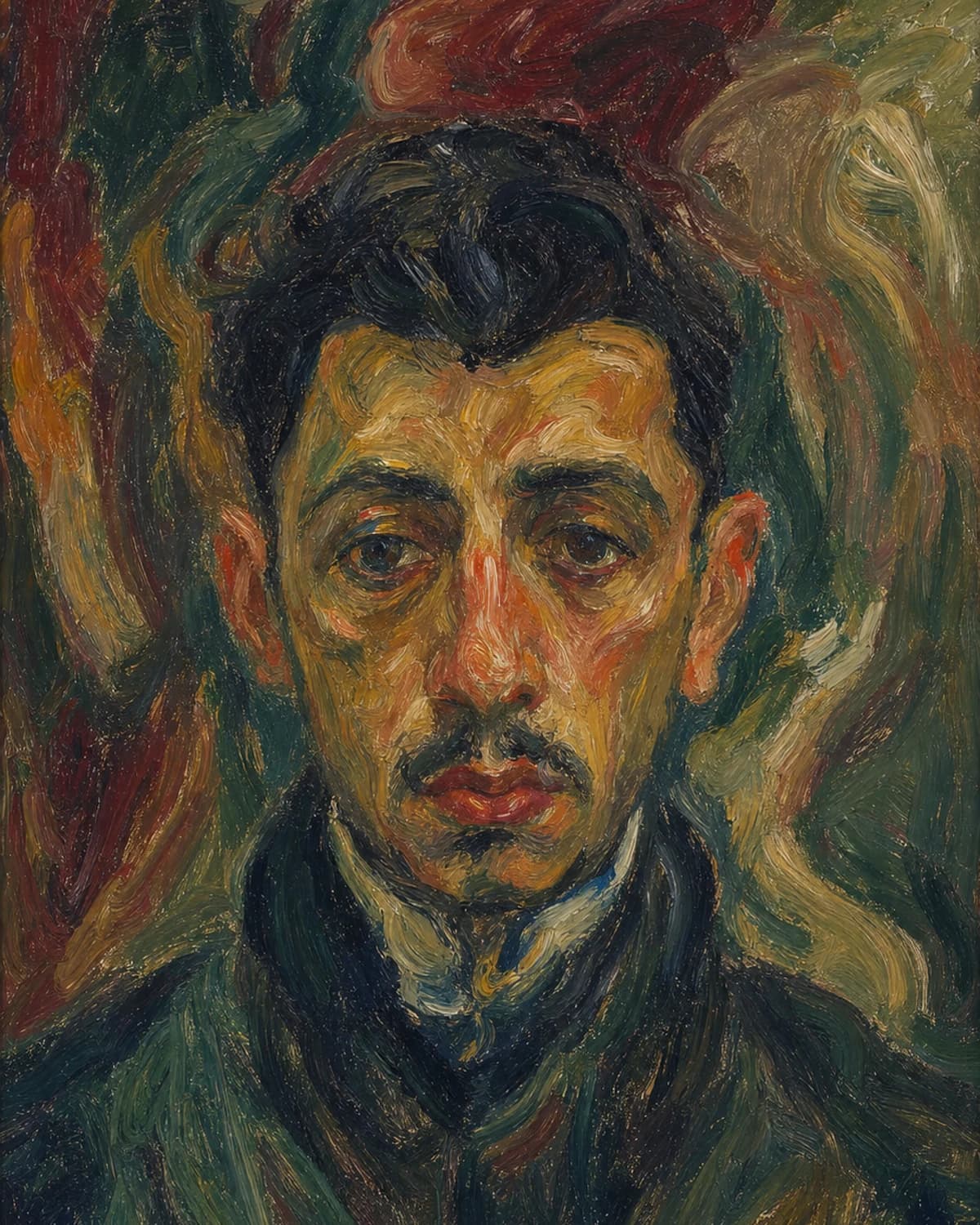
13.01.1893–09.08.1943
Chaïm Soutine
Chaïm Soutine (1893–1943), a native of the shtetl of Smilovichi near Minsk, arrived in Paris in 1913 with no money and almost no French and became one of the leading painters of the School of Paris. He painted the warped landscapes of Céret and Cagnes, beef carcasses, plucked chickens, young cooks and hotel bellboys. He was a friend of Modigliani; during the Occupation he hid in the provinces, and he died in Paris.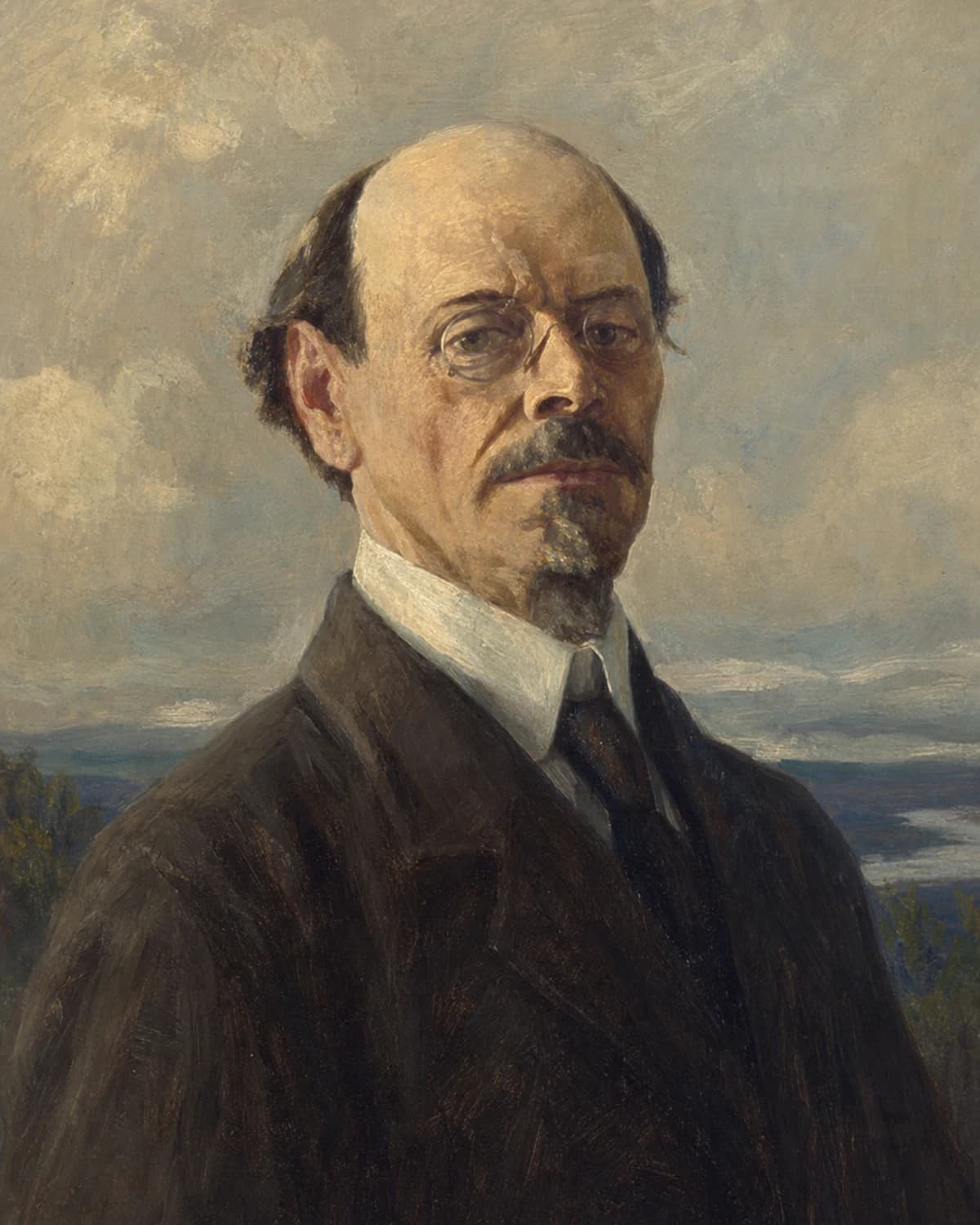
19.05.1862–18.10.1942
Mikhail Nesterov
Mikhail Nesterov (1862–1942) made his name with “The Vision to the Youth Bartholomew”, which opened his half-century cycle on St Sergius of Radonezh. For more than twenty years he painted churches, from St Vladimir’s Cathedral in Kiev to the Marfo-Mariinsky Convent in Moscow, and after the revolution he became a portraitist: his portrait of the physiologist Ivan Pavlov won him a Stalin Prize in 1941.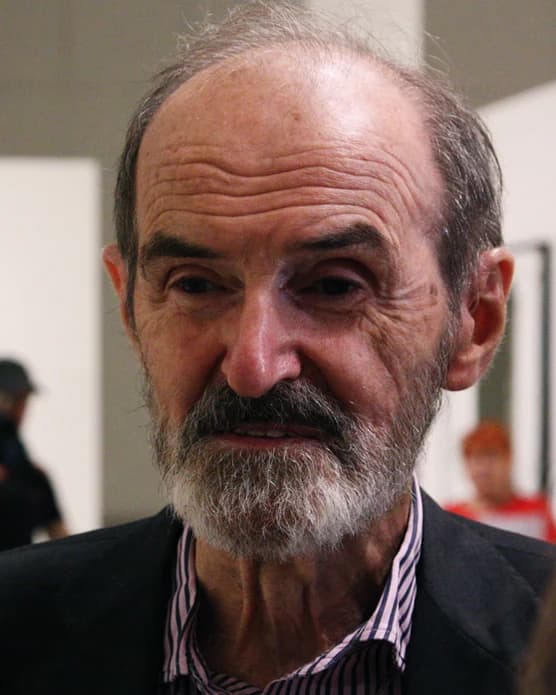
05.09.1933–09.11.2025
Erik Bulatov
For almost thirty years Erik Bulatov (1933–2025) earned his living by illustrating children’s books, which he made together with Oleg Vasiliev, and gave the rest of his time to painting. His large canvases with slogans and inscriptions written over sky and landscape, beginning with “Horizon” (1972), were shown in 1988 by the Kunsthalle Zürich and the Centre Pompidou. From 1992 he lived in Paris.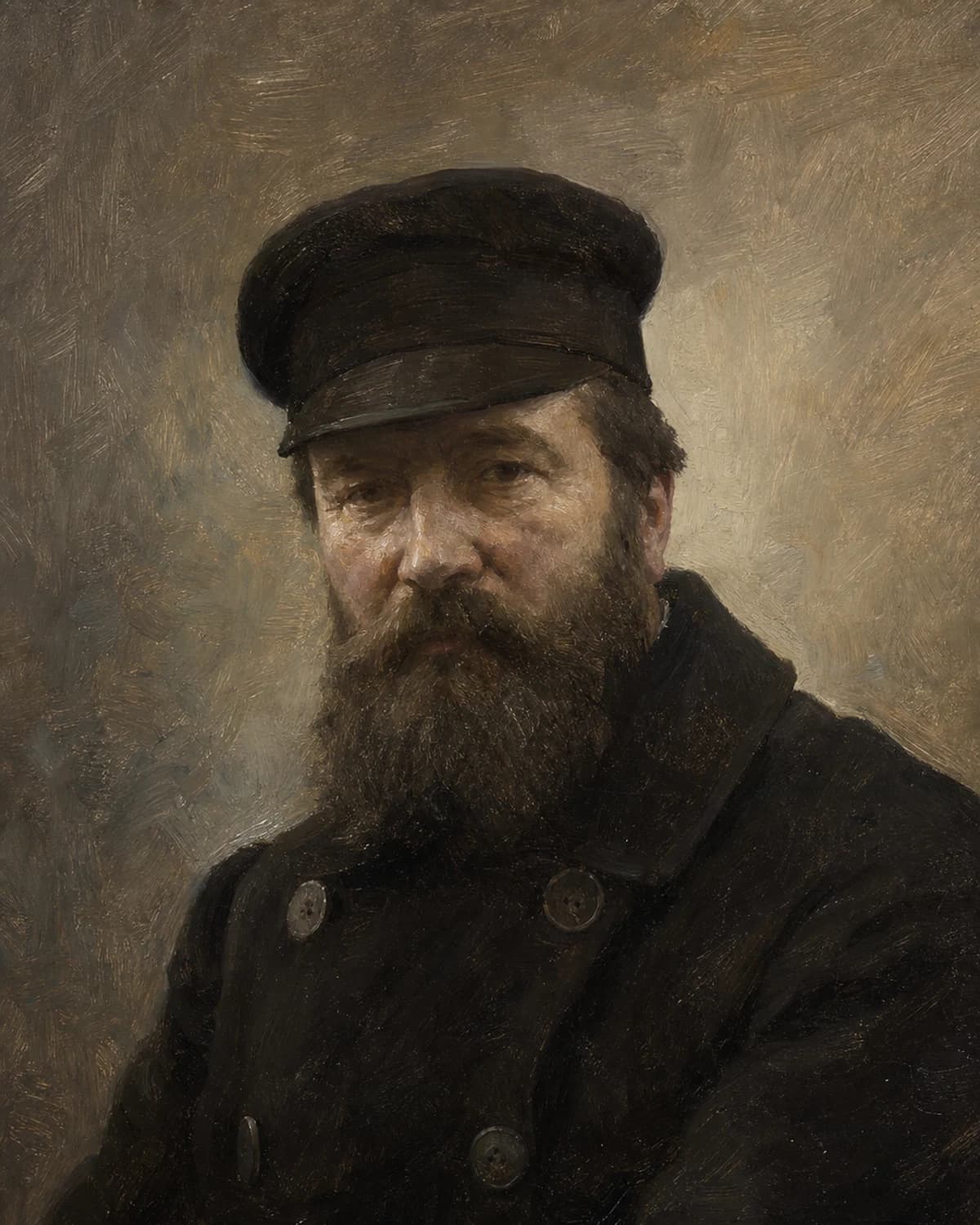
05.12.1861–11.09.1939
Konstantin Korovin
Konstantin Korovin (1861–1939) was among the first in Russia to paint pictures entirely in the open air, with a quick Impressionist brush: northern harbours, Paris boulevards, Crimean roses. For twelve years he was chief designer of the Moscow theatres and changed the very idea of stage decor. After 1922 he lived in France, where he wrote hundreds of stories.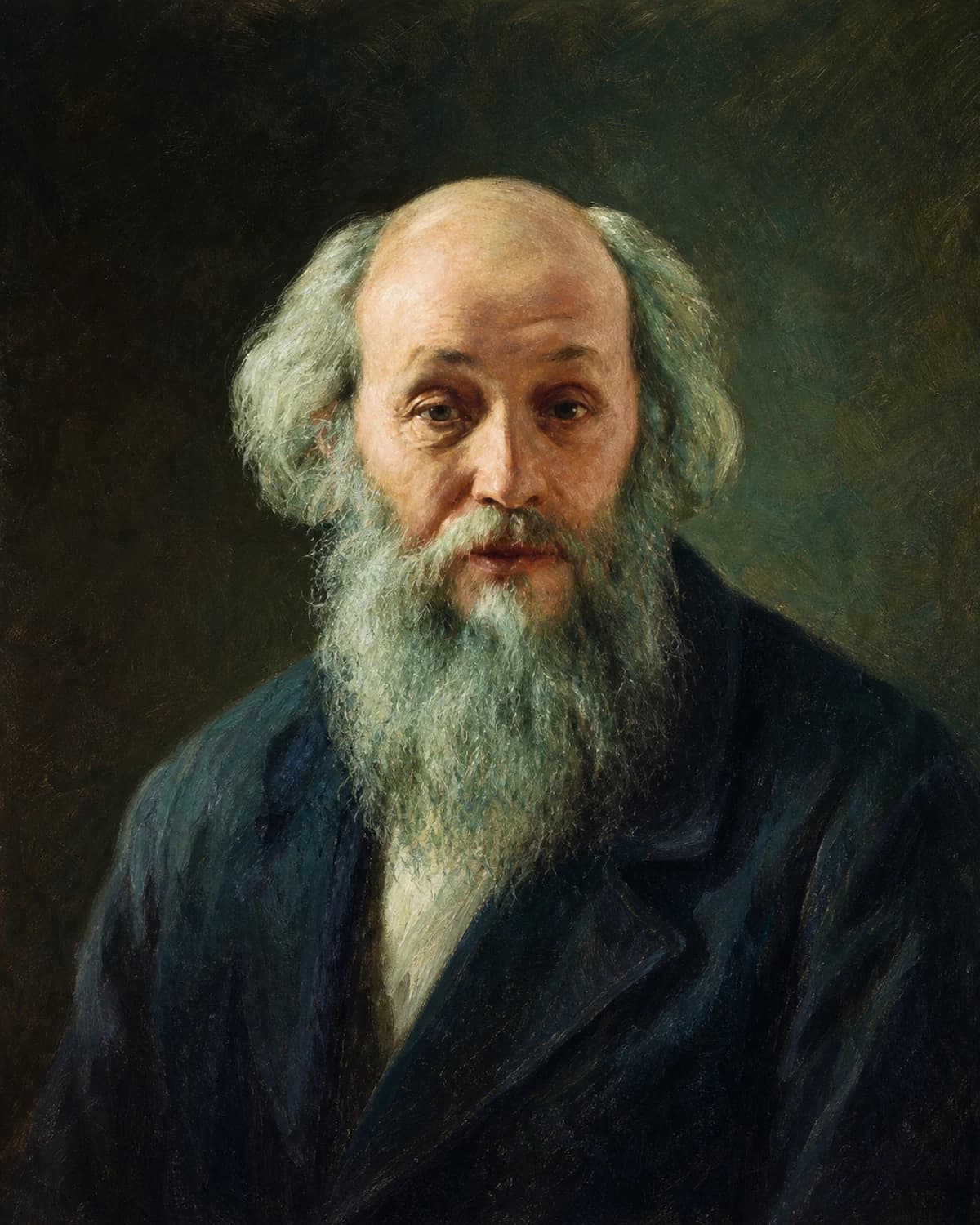
15.02.1831–01.06.1894
Nikolai Ge
Nikolai Ge (1831–1894) made his name with “The Last Supper”: in 1863 it was bought by the emperor, and the Academy of Arts made its author a professor. He was among the founders of the Society of Itinerant Art Exhibitions and painted “Peter the Great Interrogating Tsarevich Alexei” and a portrait of Herzen. His late Gospel paintings, beginning with “What Is Truth?”, were removed from exhibitions at the demand of the authorities.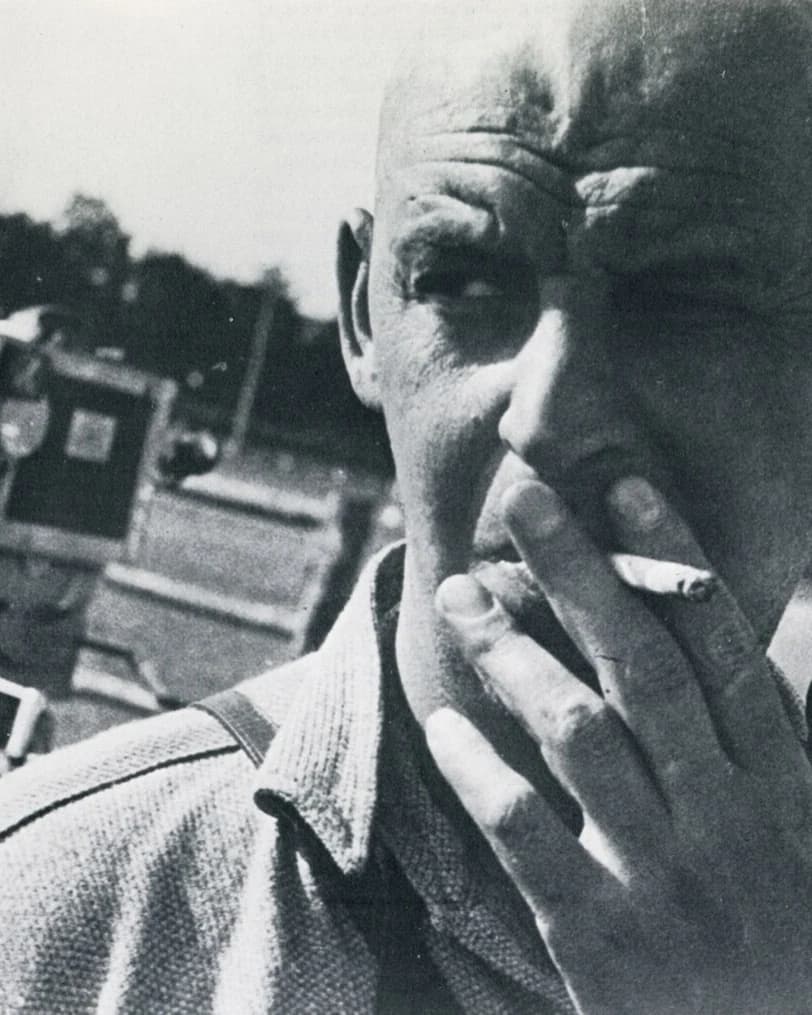
23.11.1891–03.12.1956
Alexander Rodchenko
In 1921 Alexander Rodchenko (1891–1956) exhibited three single-colour canvases and declared painting finished, after which he turned to posters, books, furniture and photography. He designed the magazines LEF and Novy LEF and Mayakovsky’s books, drew advertising posters, and as a photographer became famous for shooting from high and low viewpoints. For almost his whole life he worked together with his wife, Varvara Stepanova.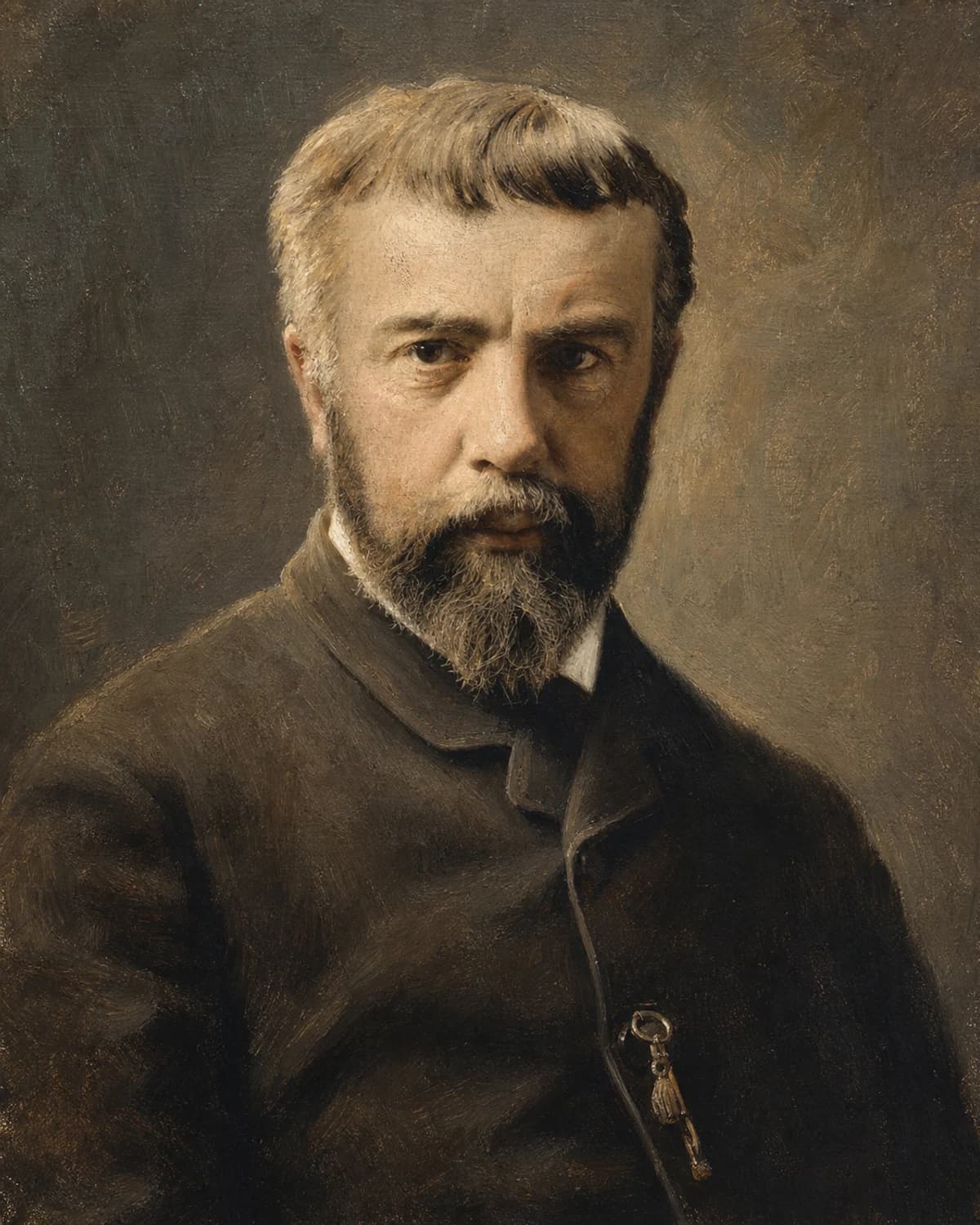
01.06.1844–18.07.1927
Vasily Polenov
Vasily Polenov (1844–1927) painted “Moscow Courtyard” (1878), with which the small-scale, “intimate” landscape began in Russian painting, and the large canvas “Christ and the Sinner”. For more than ten years he taught at the Moscow School of Painting, where Levitan and Korovin were among his pupils. He spent his last decades on Borok, the estate he built on the Oka, which became a museum.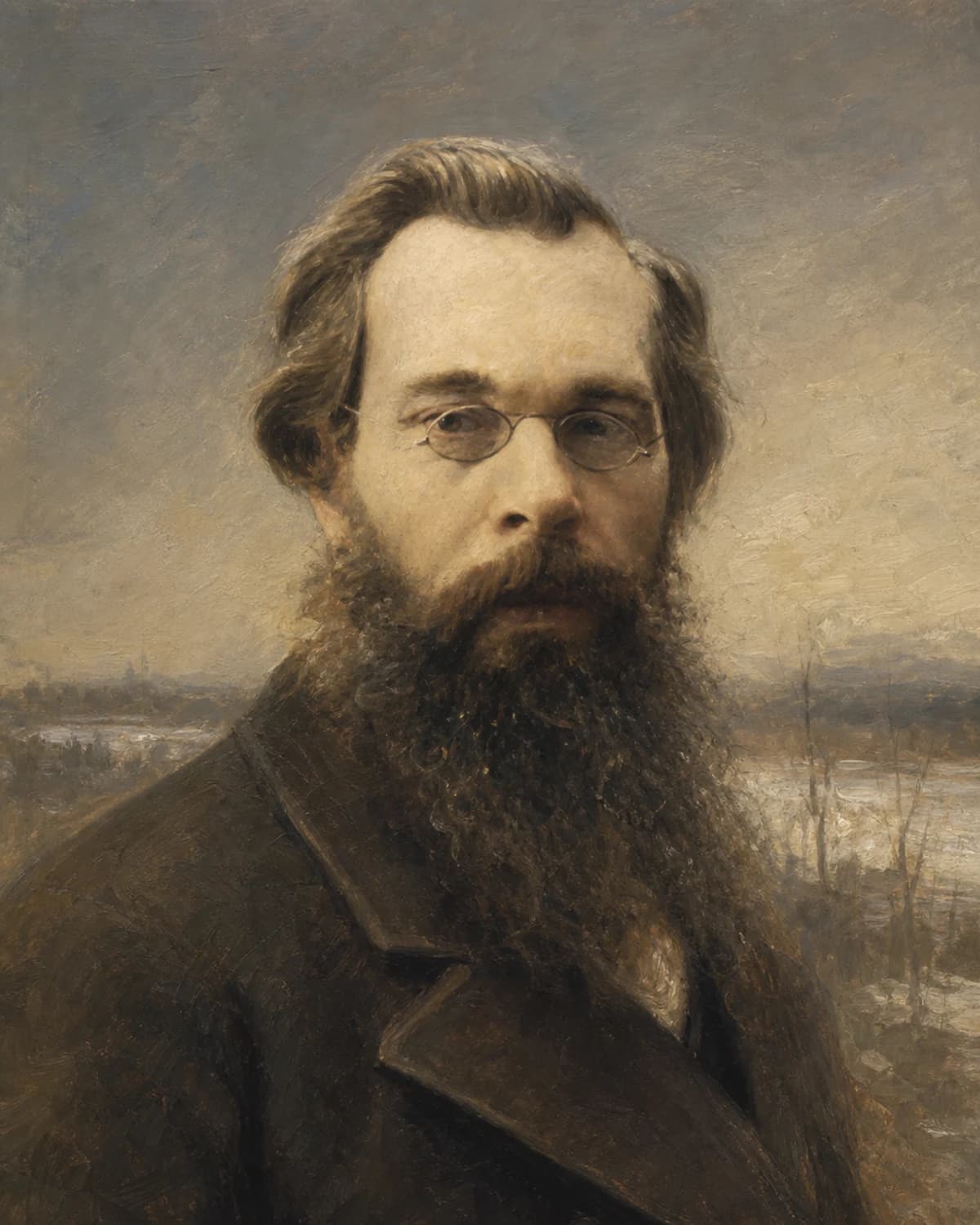
12.05.1830–26.09.1897
Alexei Savrasov
For more than twenty years Alexei Savrasov (1830–1897) led the landscape class of the Moscow School of Painting, Sculpture and Architecture, where Levitan and Korovin studied. His “The Rooks Have Returned” (1871), a plain spring view with birches and birds, is usually regarded as the beginning of the Russian lyrical landscape. He was among the founders of the Itinerants and spent his last fifteen years in poverty.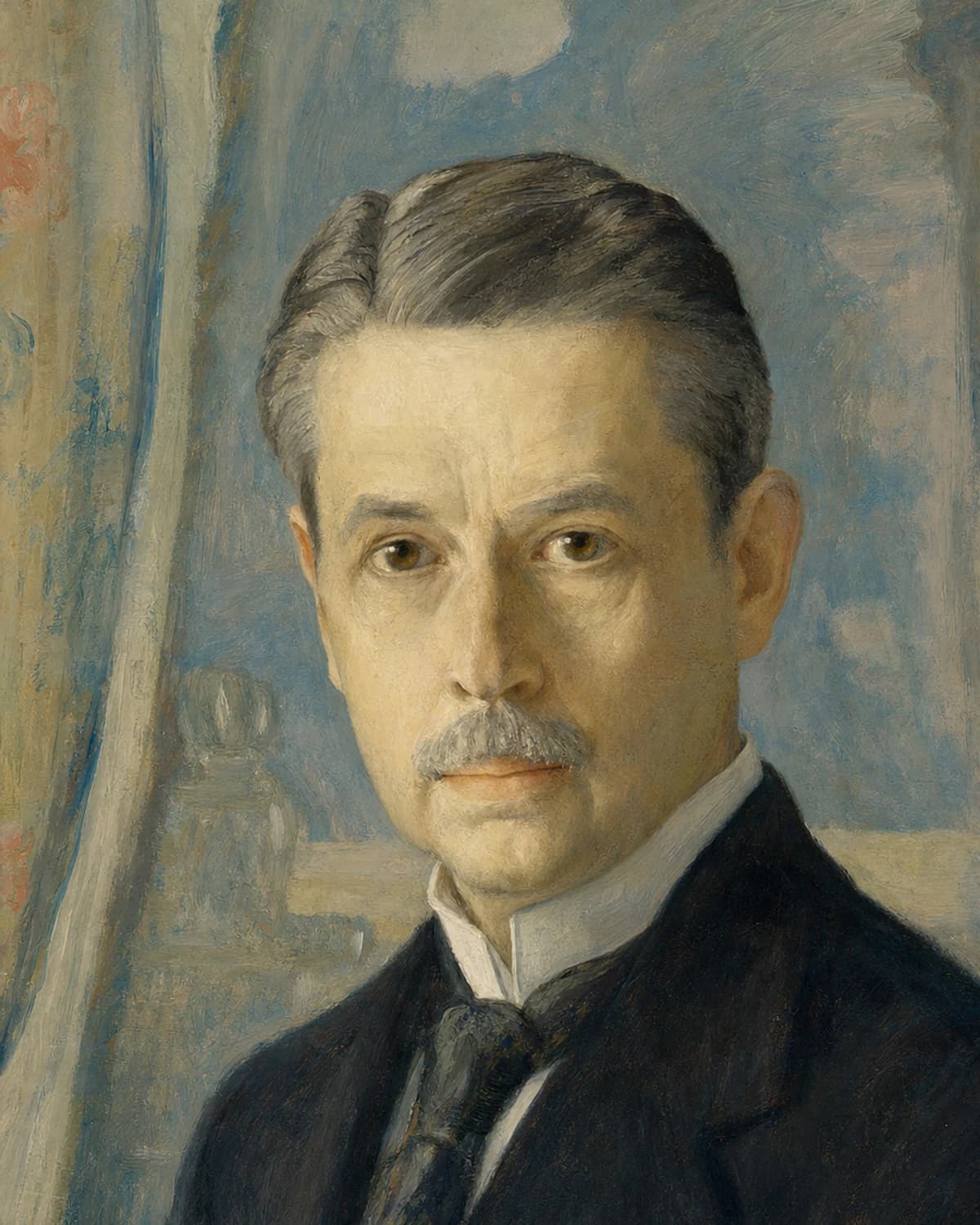
30.11.1869–06.05.1939
Konstantin Somov
Konstantin Somov (1869–1939) was one of the founders of the World of Art and painted the past as a masquerade: gallant scenes, harlequinades, and “Lady in Blue” in the manner of eighteenth-century portraitists. He also illustrated Pushkin and Gogol, designed covers for Silver Age poets and made porcelain figurines. In 1923 he went to America with an exhibition and never returned to Russia; from 1925 he lived in Paris.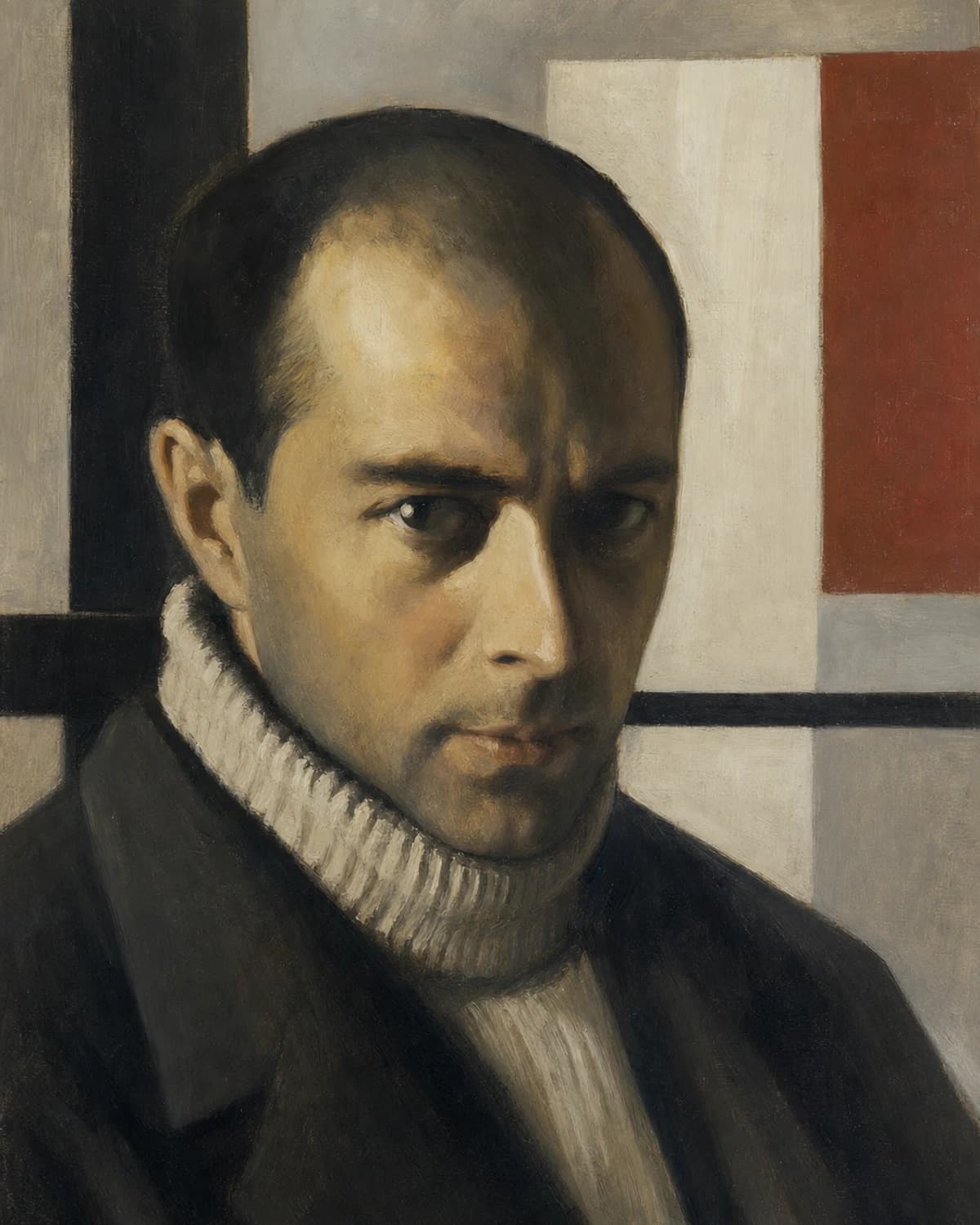
10.11.1890–30.12.1941
El Lissitzky
El Lissitzky (1890–1941), an architect by training, began by illustrating children’s books in Yiddish, and in Vitebsk, alongside Malevich, invented the “Prouns”, a three-dimensional variant of Suprematism. He designed Mayakovsky’s “For the Voice” and projected “horizontal skyscrapers” for Moscow and the Ogonyok printing plant, but regarded exhibitions as his main work, among them the Soviet pavilion at Pressa in Cologne (1928).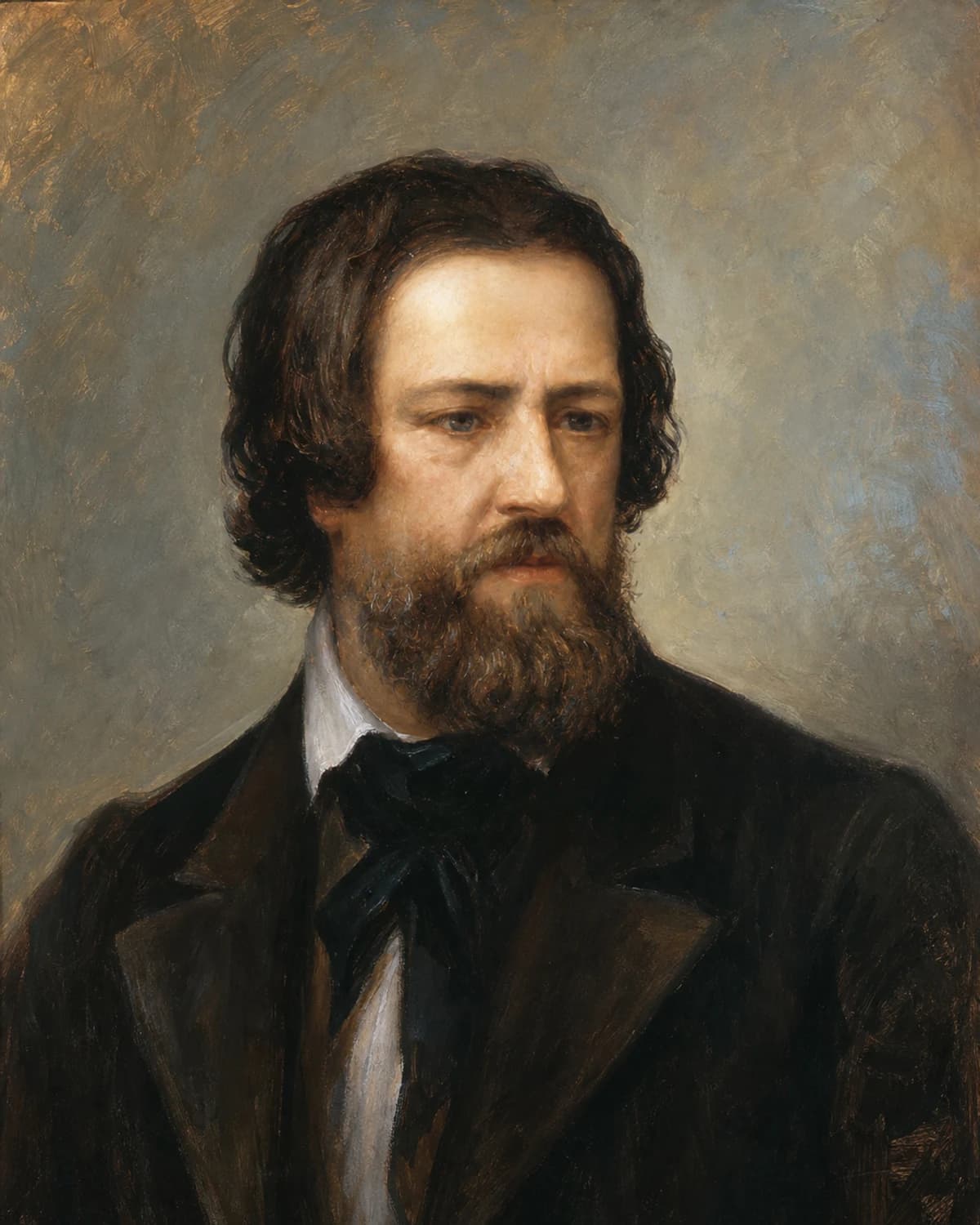
16.07.1806–03.07.1858
Alexander Andreyevich Ivanov
Alexander Ivanov (1806–1858) lived in Rome for almost thirty years and spent twenty of them painting a single picture, “The Appearance of Christ Before the People” (1837–1857), a canvas measuring 540 by 750 centimetres. For it he made hundreds of studies of people and landscape, which were later prized almost above the painting itself. In the summer of 1858 he brought the picture to St Petersburg and died a month and a half later.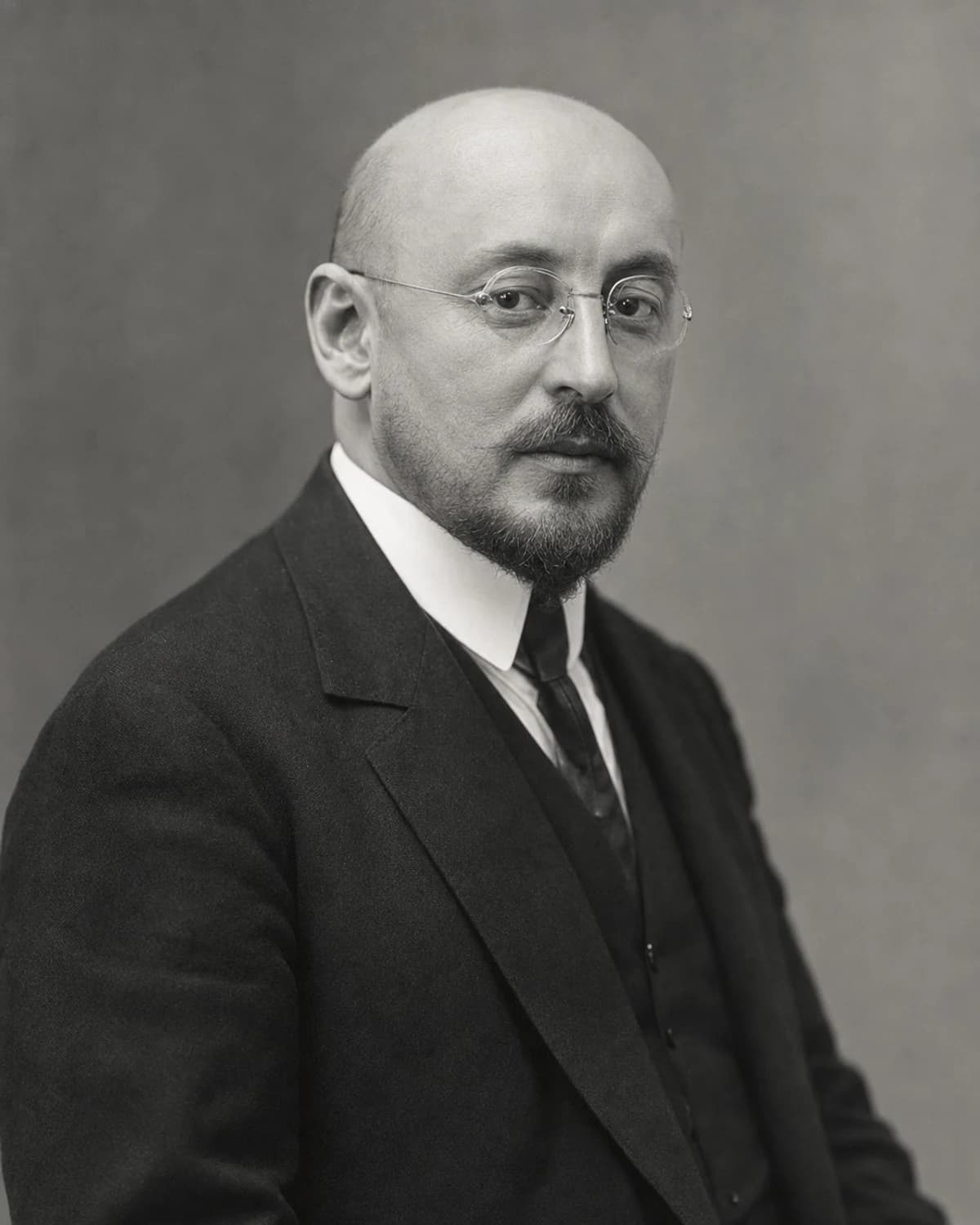
13.03.1871–16.05.1960
Igor Grabar
Igor Grabar (1871–1960) studied under Repin and at Anton Ažbe’s school in Munich, and painted his best-known pictures, snow and winter azure, in 1903–1907. Afterwards painting long gave way to the “History of Russian Art”, the Tretyakov Gallery and restoration: in 1918 he founded restoration workshops in Moscow that now bear his name.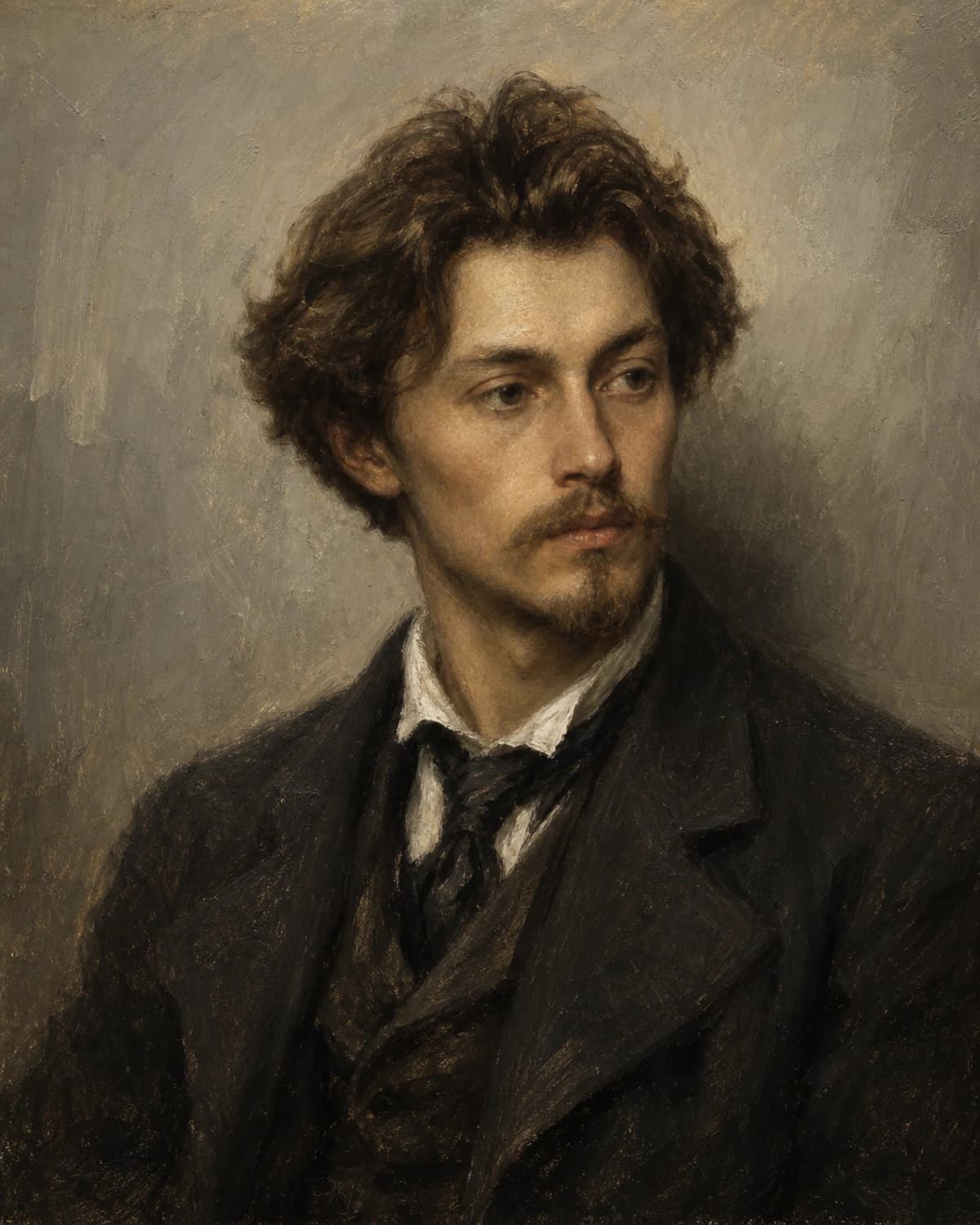
10.02.1850–24.09.1873