
1960–present
Research · Sources · Context
Artists
Biographies, facts and images with open sources and verified rights.
Found: 1775
17.10.1955–present
Kerry James Marshall
Kerry James Marshall grew up in the Watts district of Los Angeles and since 1980 has painted Black people an almost absolute black, in large “grand manner” compositions on historical and everyday subjects. He taught painting at the University of Illinois at Chicago, won a MacArthur Fellowship and made stained glass for Washington National Cathedral. In 2016 the Museum of Contemporary Art Chicago gave him the retrospective “Mastry”.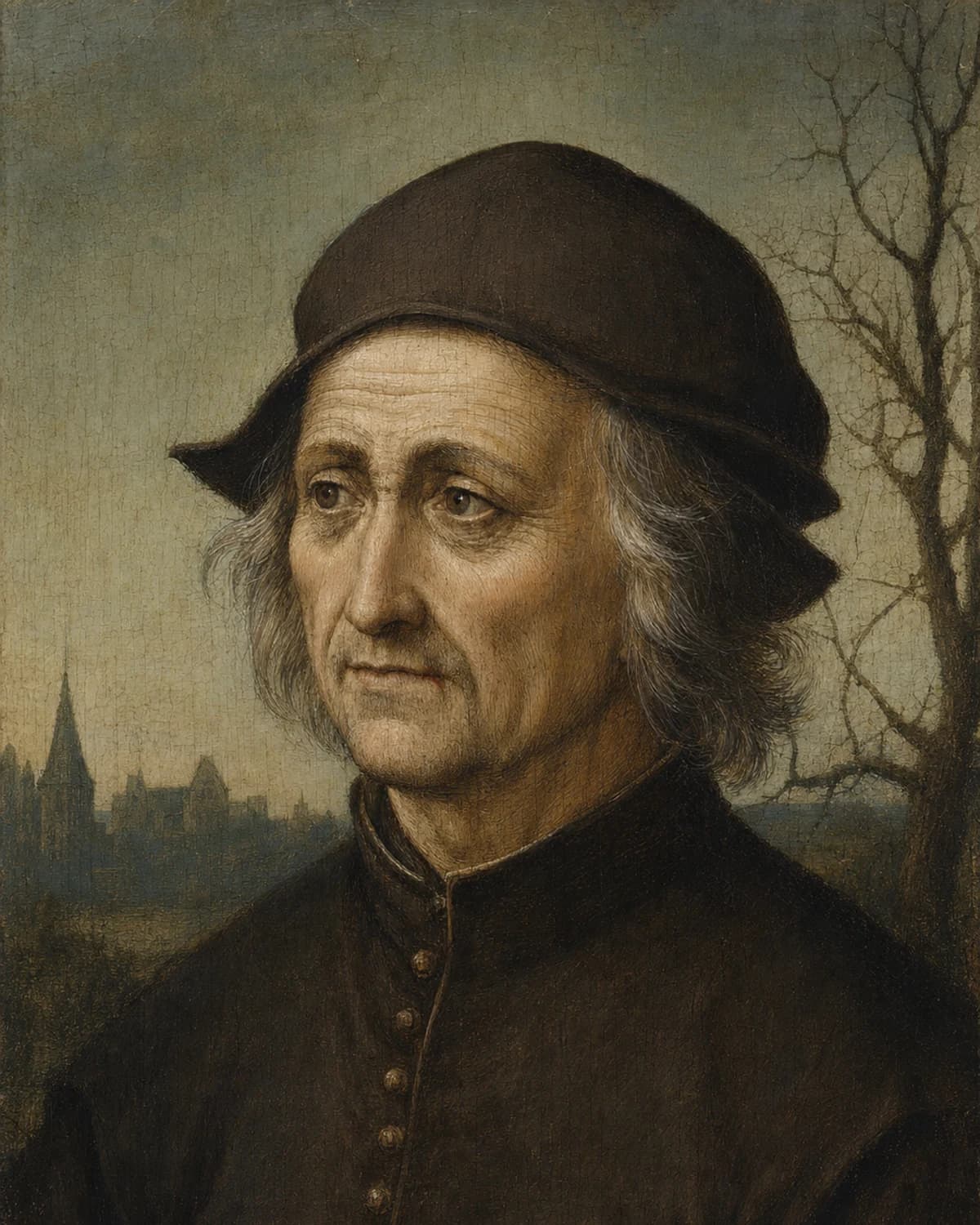
1450–08.1516
Hieronymus Bosch
Hieronymus Bosch, born Jeroen van Aken, lived all his life in ’s-Hertogenbosch in Brabant, belonged to the town’s Brotherhood of Our Lady and painted heaven, hell and human sins on oak panels, peopled with unheard-of hybrids. His “Garden of Earthly Delights”, “Haywain” and “Seven Deadly Sins” were bought by Philip II of Spain and are now in the Prado. About twenty-five paintings are now accepted as his beyond dispute.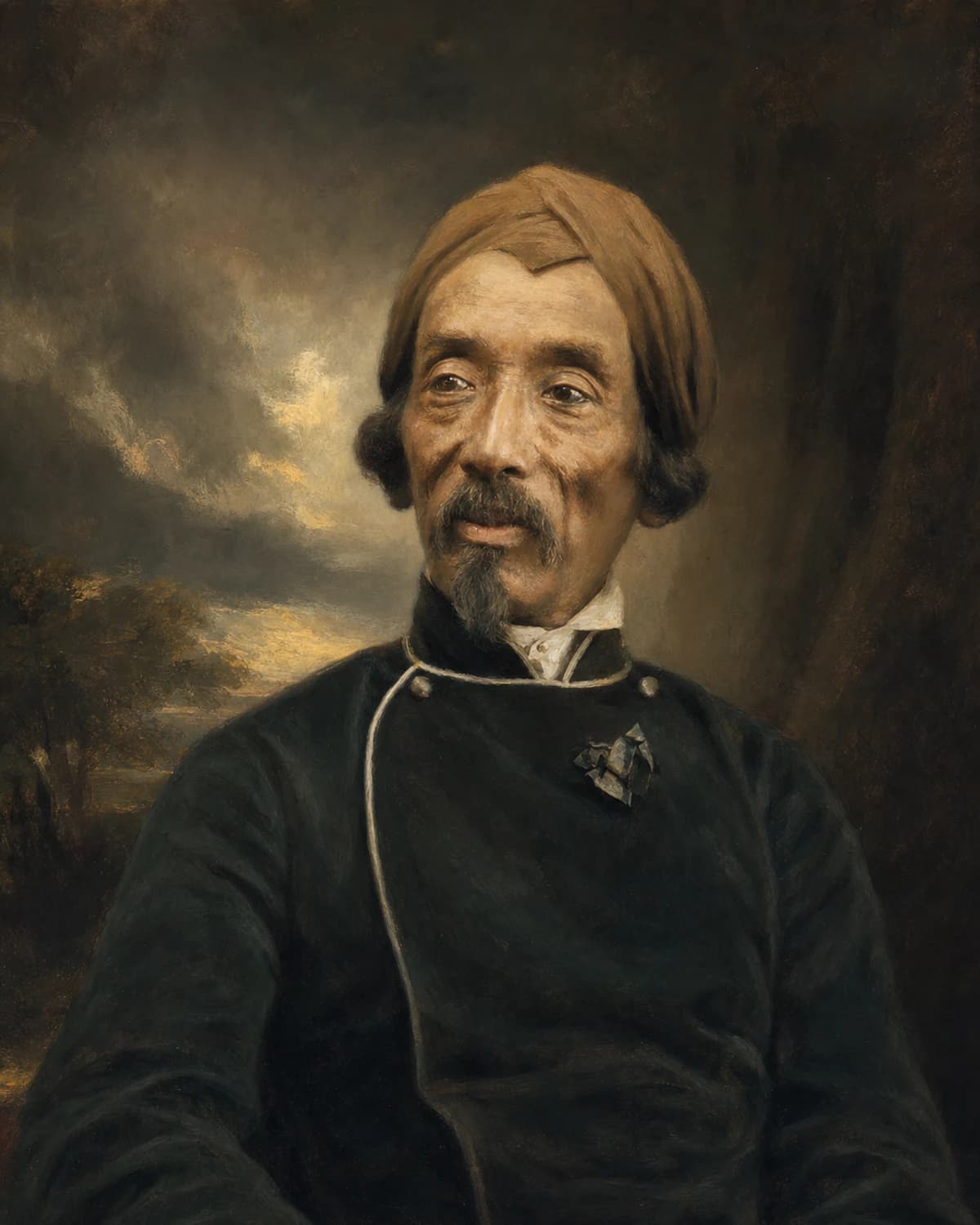
1811–23.04.1880
Raden Saleh
Raden Saleh was born around 1811 near Semarang on Java into a noble Arab-Javanese family, and in 1829 he left to study painting in the Netherlands. He spent twenty years in Europe, painting portraits and lion hunts and working at the court of the Duke of Saxe-Coburg and Gotha. His painting “The Arrest of Pangeran Diponegoro” (1857) is now in Jakarta, in the museum of the Merdeka Palace.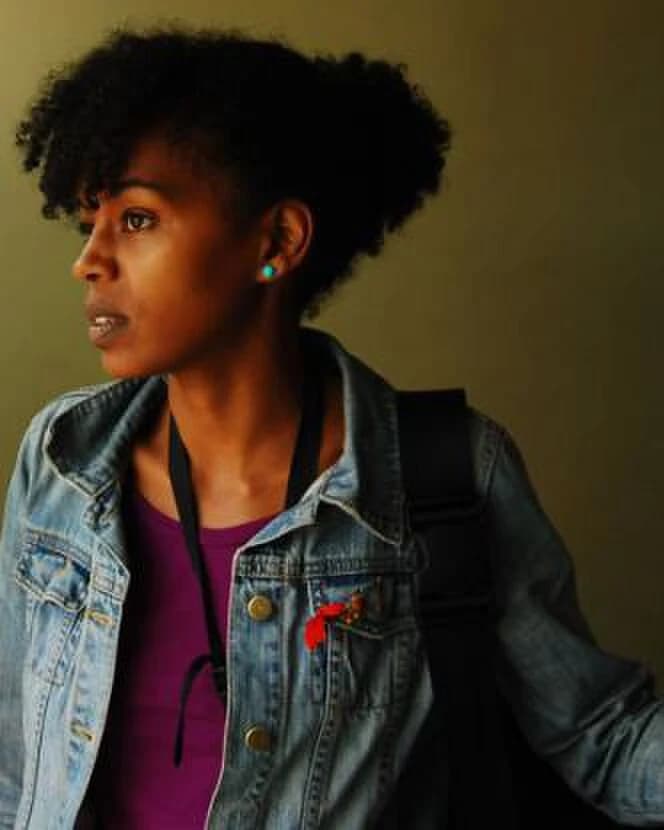
1974–present
Aïda Muluneh
Aïda Muluneh, a photographer from Addis Ababa (born 1974), grew up in Canada, studied at Howard University and worked as a photojournalist for “The Washington Post”. Her staged pictures of bodies painted blue, white and red have been shown at the Museum of Modern Art in New York and Tate Modern in London. In Addis Ababa she founded a photography festival and an organisation devoted to photographic education.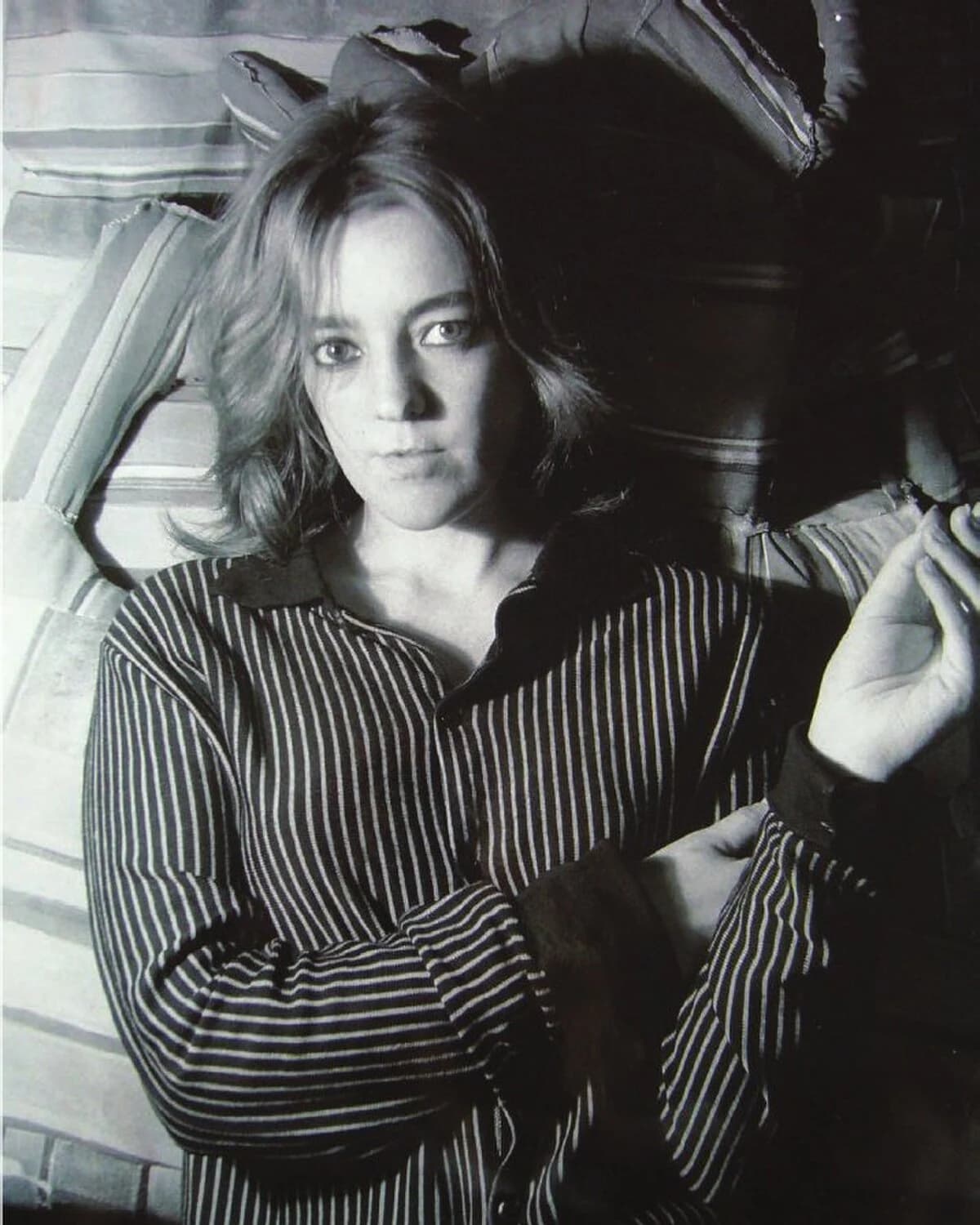
30.01.1943–present
Marta Minujín
Marta Minujín (born 1943) makes art out of events: happenings, labyrinths, huge structures that the public later takes apart piece by piece. In 1965 in Buenos Aires she built the labyrinth “La Menesunda” with Rubén Santantonín, and in December 1983 she raised on Avenida 9 de Julio a “Parthenon” of thirty thousand books banned under the military dictatorship.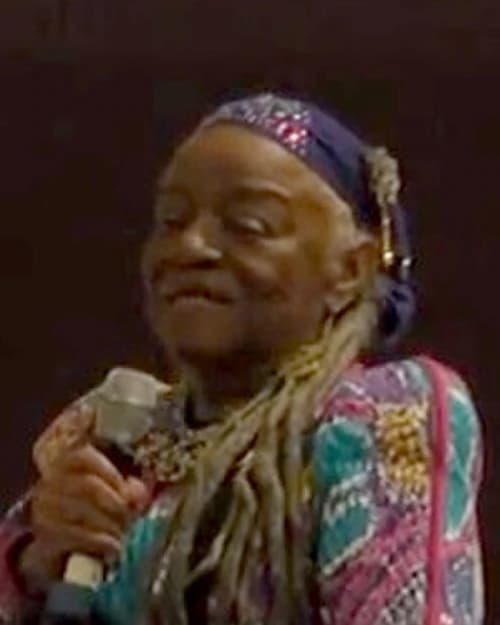
08.10.1930–13.04.2024
Faith Ringgold
Faith Ringgold (1930–2024), from Harlem, taught art in New York schools for almost twenty years and became famous for her “story quilts”: patchwork pieces in which painting sits beside handwritten text. Her “American People Series” of the 1960s is in the Museum of Modern Art in New York and the National Gallery of Art in Washington. Her children’s book “Tar Beach” (1991) won the Coretta Scott King Award for illustration.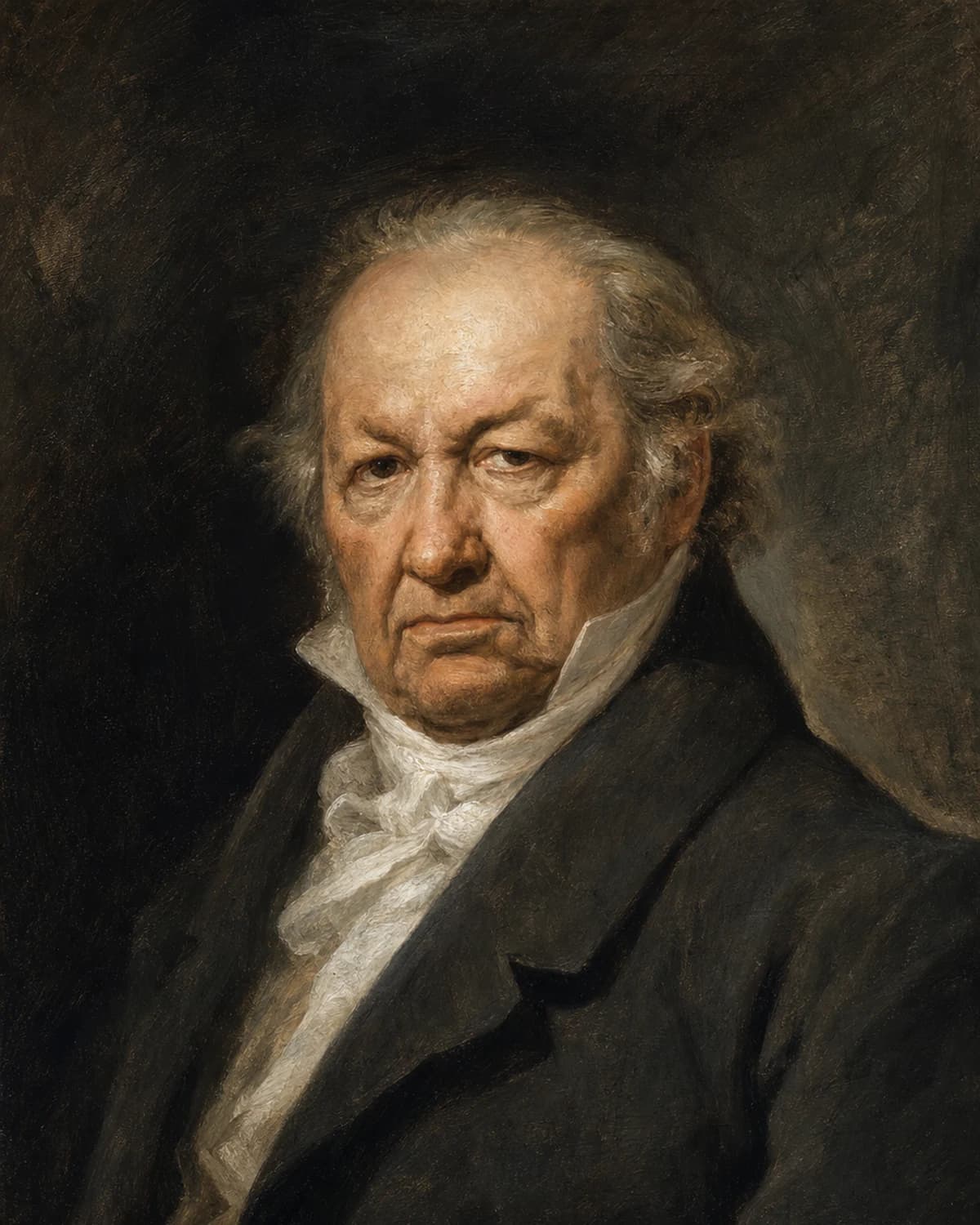
30.03.1746–16.04.1828
Francisco Goya
Francisco Goya (1746–1828) started out with cartoons for royal tapestries and rose to be first court painter to Charles IV. After a grave illness in the early 1790s he went deaf, and witches, executions and a starving Madrid entered his etchings, “Los Caprichos” and “The Disasters of War”. He spent his last years in France, in Bordeaux, and the “Black Paintings” from his walls are now in the Prado.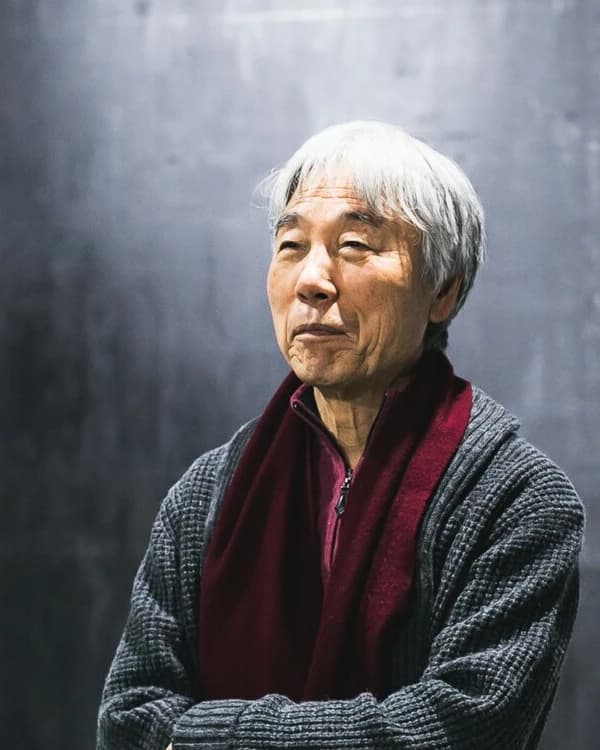
24.06.1936–present
Lee Ufan
Lee Ufan (born 1936), a native of Haman County in South Korea, has lived and worked in Japan since 1956, and since the 1980s in France as well. He was the chief theorist of the Japanese group Mono-ha, and is known for the stones set beside steel plates in his “Relatum” series and for paintings of one or two brushstrokes. Museums of his work have opened on the island of Naoshima (2010) and in Arles (2022).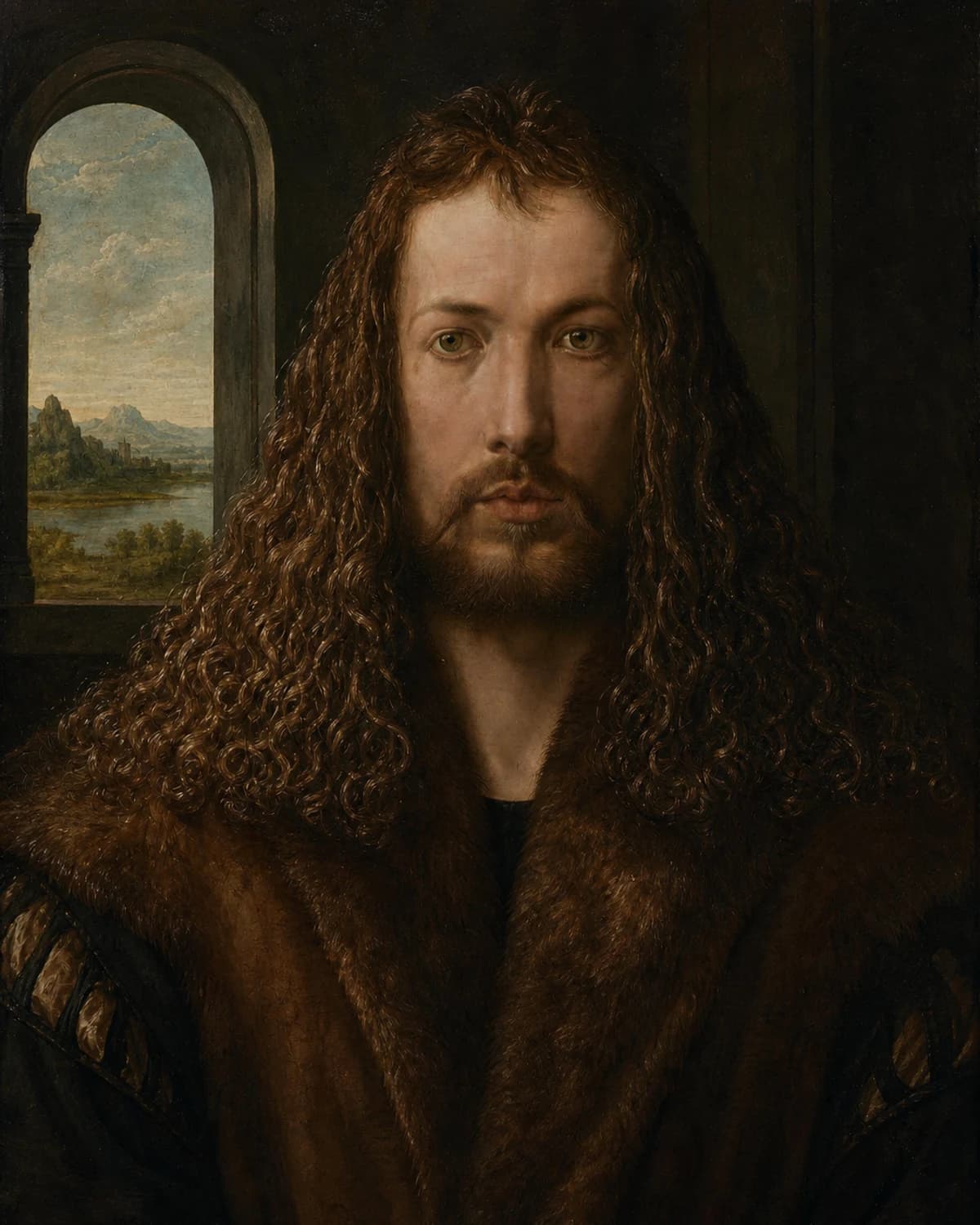
21.05.1471–06.04.1528
Albrecht Dürer
Albrecht Dürer (1471–1528) of Nuremberg painted altarpieces and portraits, but his fame rests above all on his prints: the “Apocalypse”, “Melencolia I”, “Knight, Death and the Devil” and the “Rhinoceros” spread across Europe in his own lifetime. He worked twice in Venice, served Emperor Maximilian I, kept a diary of his journey to the Netherlands and towards the end of his life wrote treatises on geometry, fortification and human proportion.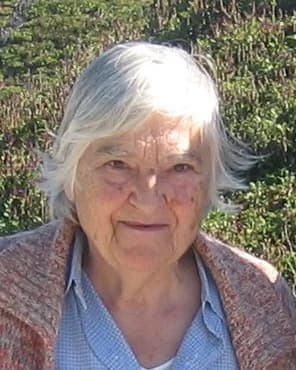
24.02.1925–14.11.2021
Etel Adnan
Etel Adnan (1925–2021) was born in Beirut, taught philosophy in California and wrote in French and English; her novel “Sitt Marie Rose” (1978) has been translated into Arabic. She painted for decades, but wide fame as an artist came to her at 87, after documenta 13 in Kassel: small canvases with pure planes of colour laid on with a palette knife.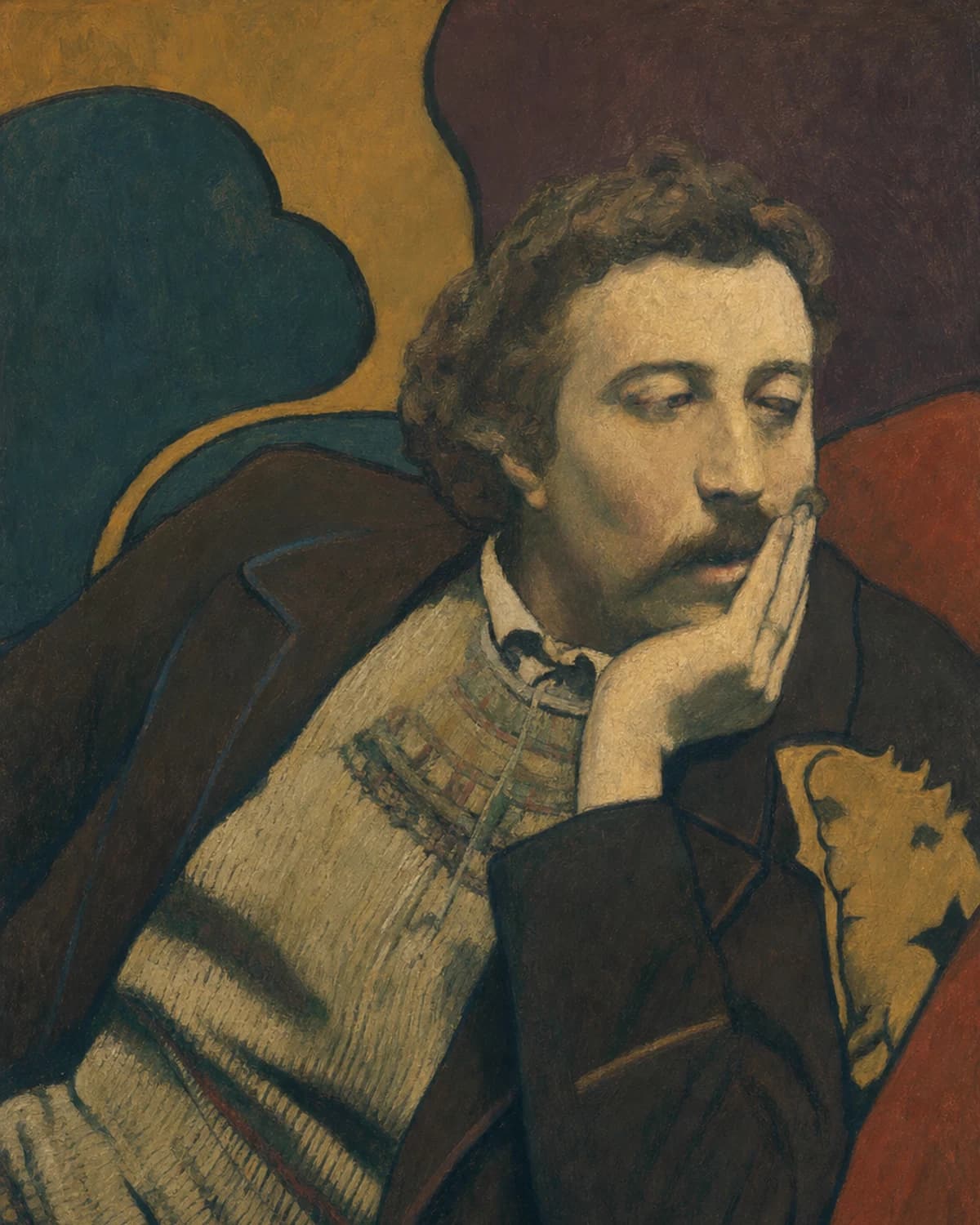
07.06.1848–08.05.1903
Paul Gauguin
Paul Gauguin (1848–1903) worked as a stockbroker for more than ten years and painted on Sundays with Pissarro, and at 35 decided to live by painting alone. By way of Pont-Aven, Martinique and Arles, where he worked beside Van Gogh, he came to the flat pure colour of “The Yellow Christ”. From 1891, with a two-year break in France, he lived on Tahiti, and he died in the Marquesas Islands.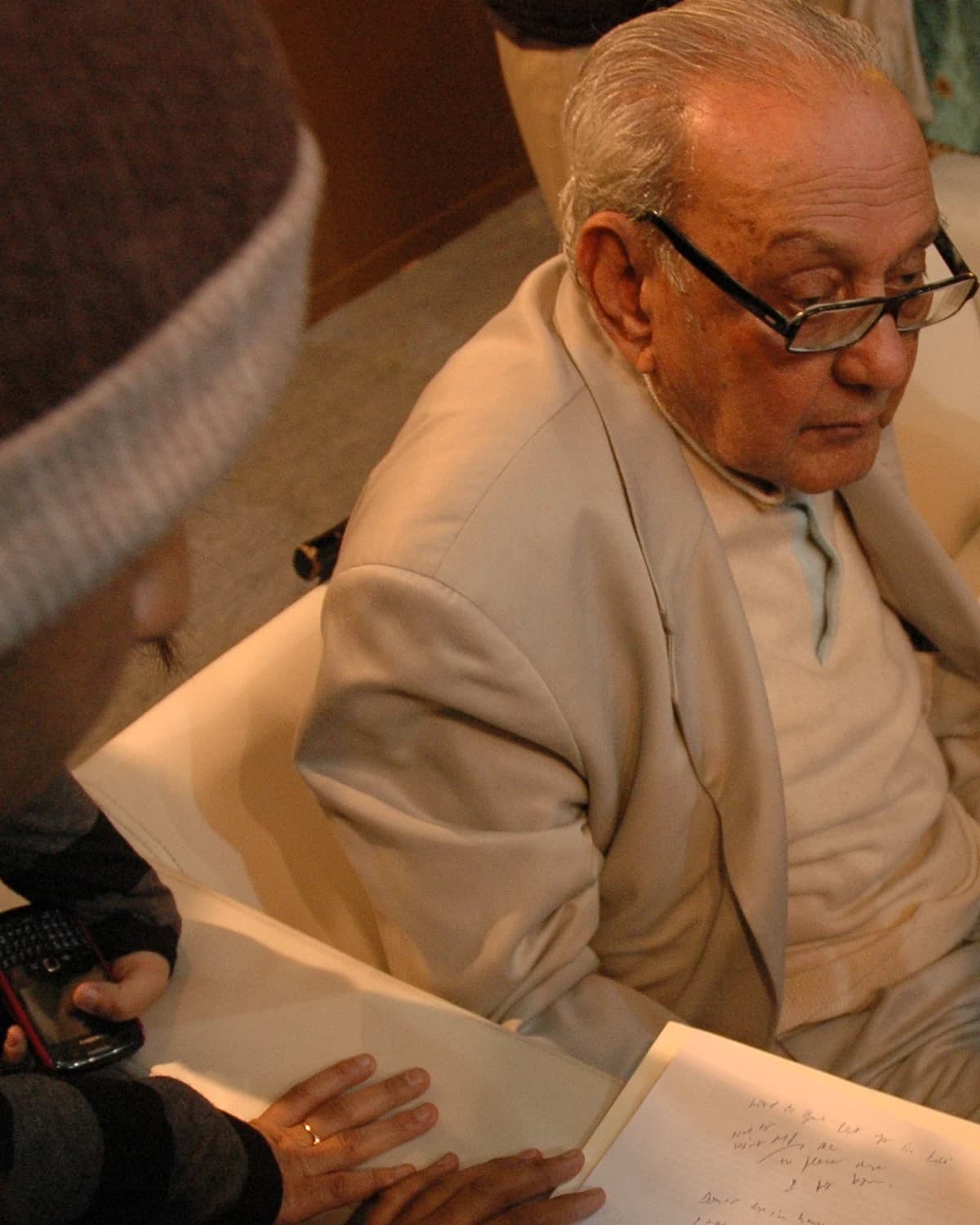
22.02.1922–23.07.2016
S. H. Raza
Sayed Haider Raza (1922–2016) founded the Progressive Artists’ Group in Bombay in 1947 together with F. N. Souza and K. H. Ara, and from 1950 lived and worked in France. He began with watercolour landscapes, and from 1980 built abstract canvases around the bindu, a black central dot. In 1956 he became the first foreigner to receive the Prix de la Critique in Paris.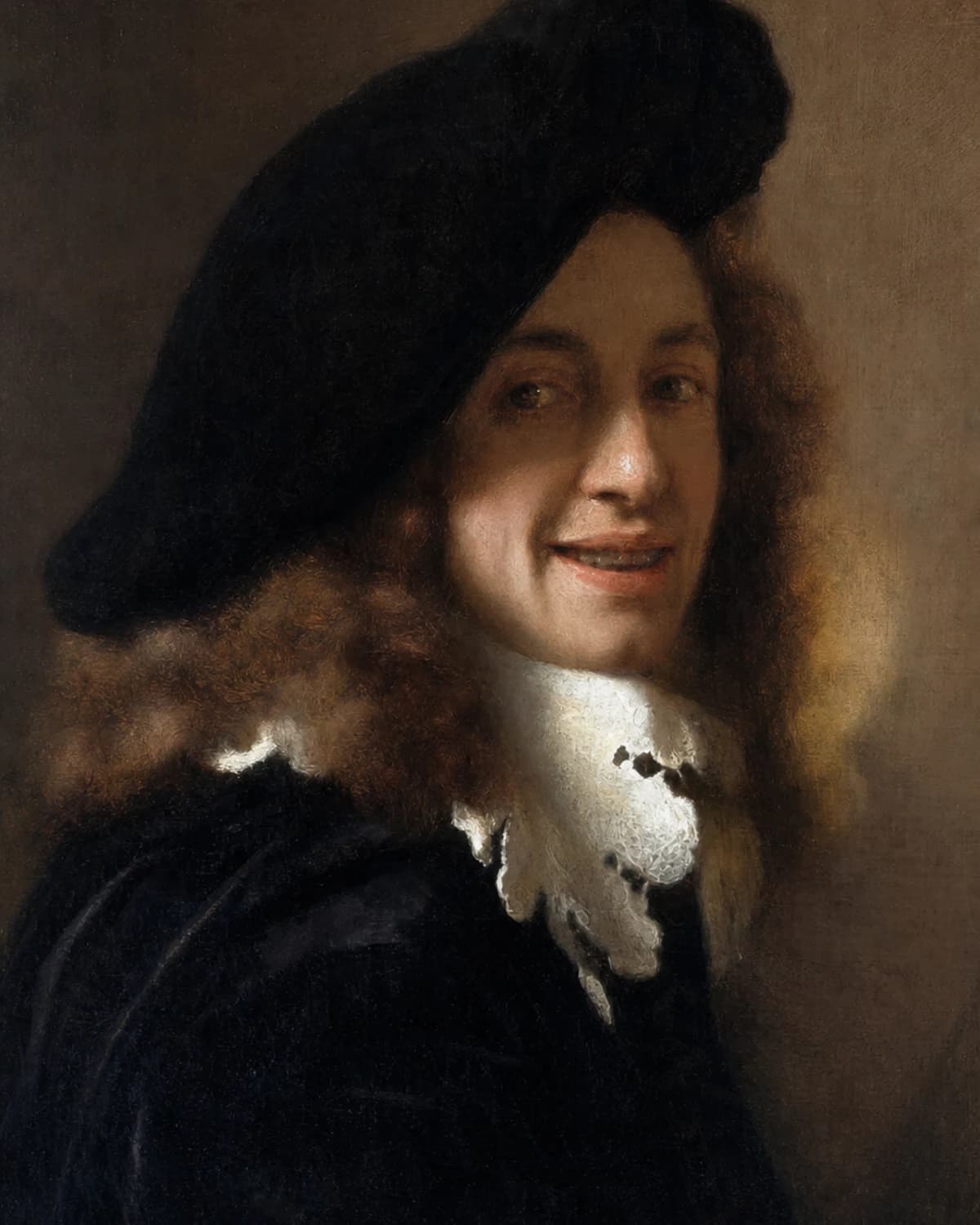
10.1632–15.12.1675
Johannes Vermeer
Johannes Vermeer (1632–1675) lived all his life in Delft, served as a headman of the local Guild of Saint Luke and, like his father, dealt in paintings. About thirty-five of his works are known, among them “The Milkmaid”, “View of Delft”, “Girl with a Pearl Earring”, “The Astronomer” and “The Geographer”. After his death he was almost forgotten; the French critic Théophile Thoré-Bürger rediscovered him in the 1860s.13.01.1922–20.04.2019
Monir Shahroudy Farmanfarmaian
Monir Shahroudy Farmanfarmaian (1922–2019), from Qazvin, began as a fashion illustrator in 1940s New York and became famous for her mirror mosaics: she carried the Iranian technique of aina-kari, cut mirror set in plaster, over into geometric abstraction. In 2015 the Guggenheim Museum showed her retrospective, and since 2017 the Monir Museum has been open in Tehran.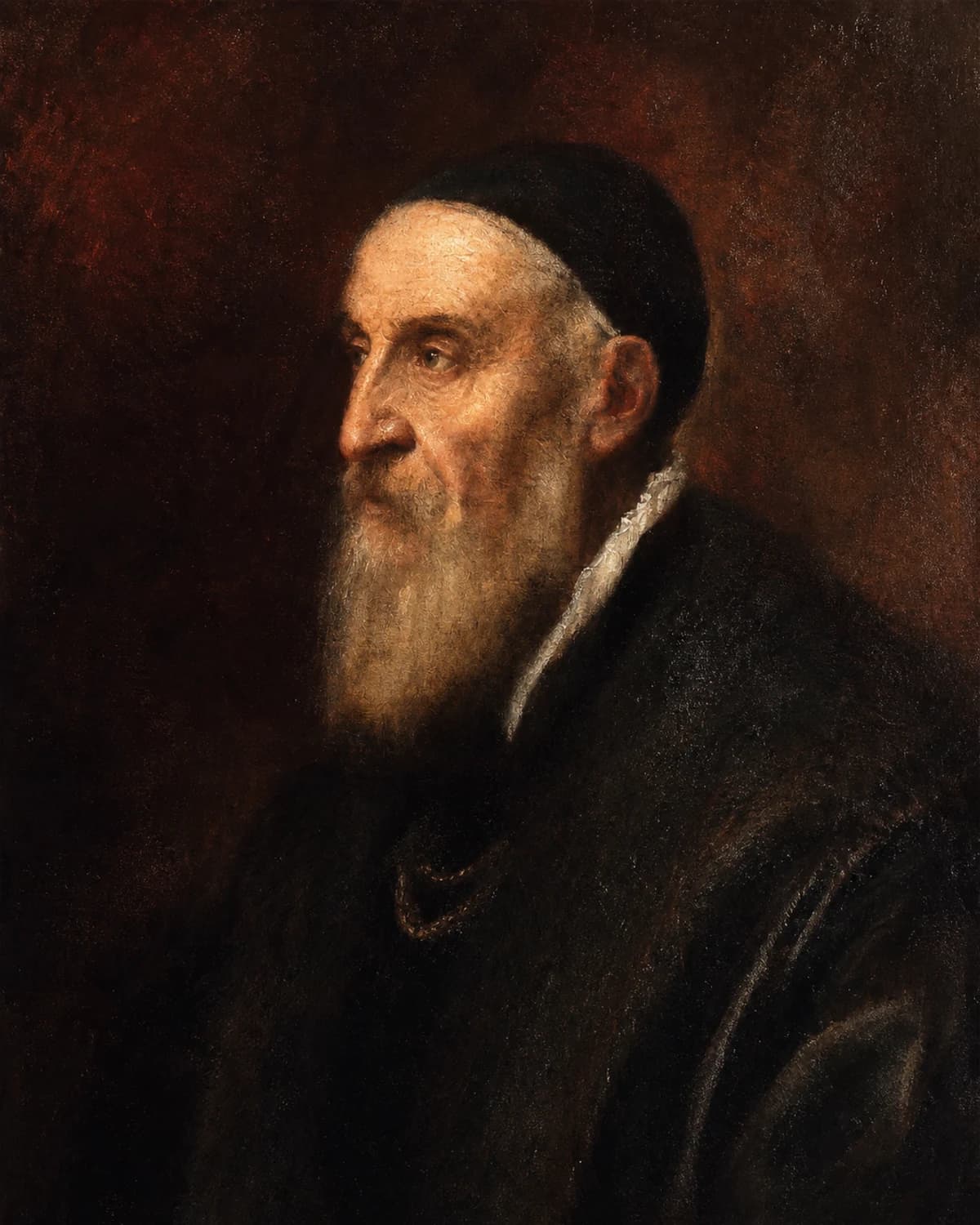
1488–27.08.1576
Titian
Titian Vecellio of Pieve di Cadore remained the first painter of Venice for some sixty years and worked for Charles V, Philip II, Pope Paul III and the dukes of Ferrara and Urbino. His “Assunta” has stood above the high altar of the Frari church since the late 1510s, and for Philip II he painted a cycle of mythologies after Ovid that he himself called “poesie”.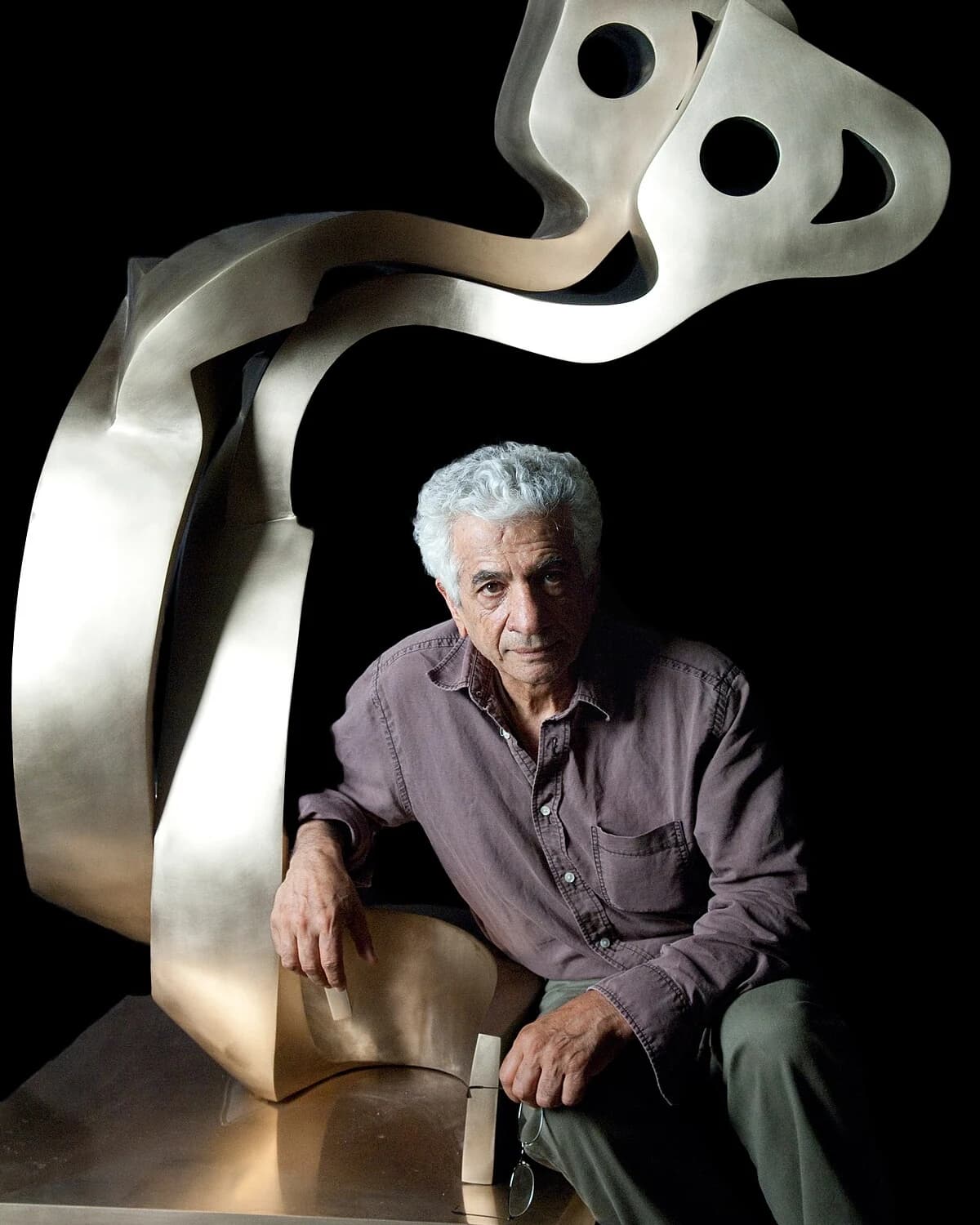
23.03.1937–present
Parviz Tanavoli
Parviz Tanavoli turned the Persian word “heech” (“nothing”), written in nastaliq script, into a series of sculptures now held by the British Museum and the Metropolitan Museum of Art. One of the founders of the neo-traditionalist Saqqakhaneh movement, he headed the sculpture department of the University of Tehran until 1979 and has written dozens of books on Iranian rugs, locks and crafts.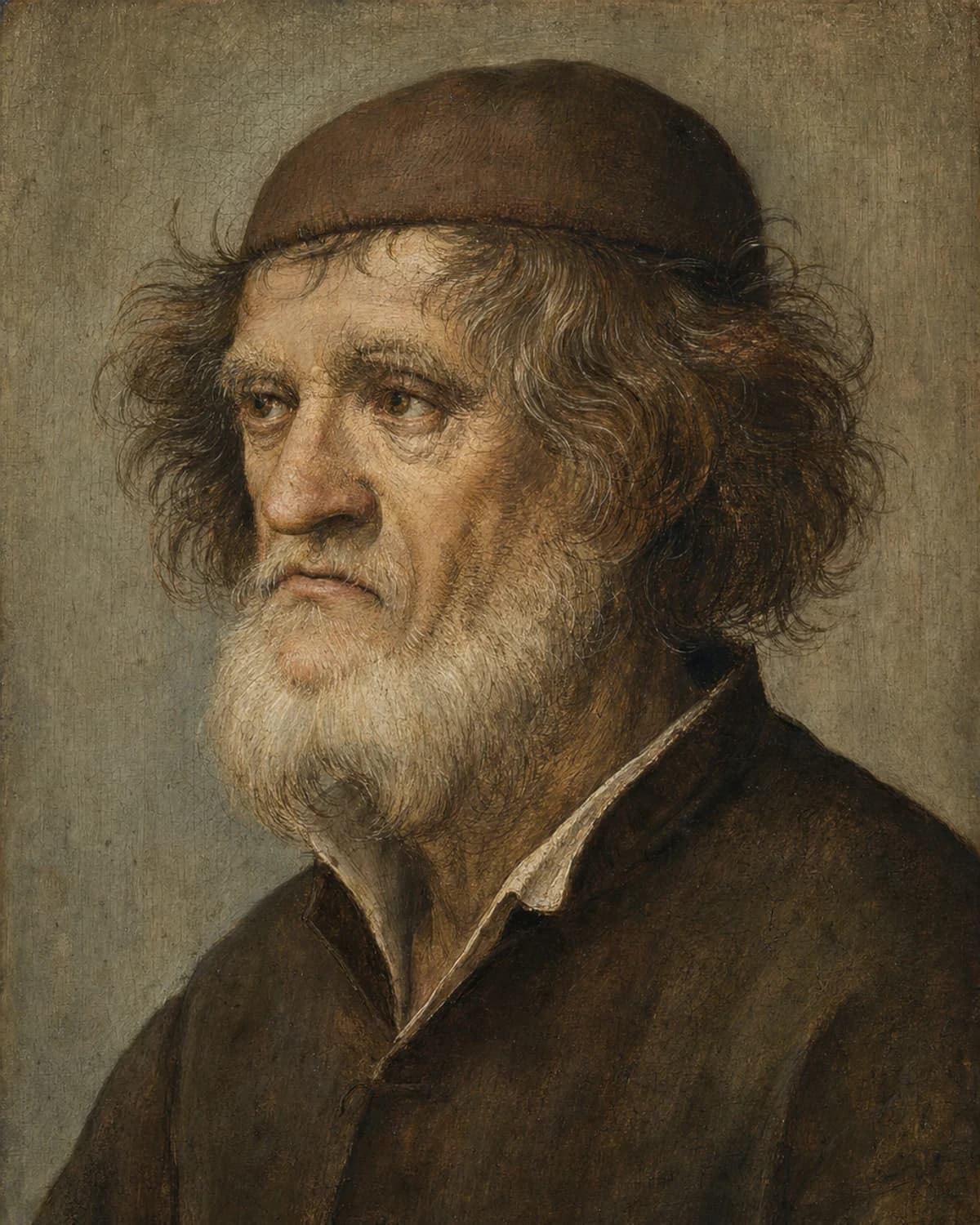
1525–09.09.1569
Pieter Bruegel the Elder
Pieter Bruegel the Elder was among the first to paint peasant festivals, children's games and work in the fields on large oil panels as pictures in their own right. Almost everything he is known for, from “Netherlandish Proverbs” to “The Hunters in the Snow”, was made within ten years, from 1559 to 1569, in Antwerp and Brussels. Both his sons, Pieter the Younger and Jan the Elder, also became painters.1963–present
Fang Lijun
Fang Lijun's shaven-headed young men, yawning, grinning or floating in water, became one of the emblems of “Cynical Realism”, the Chinese art that came after 1989. A graduate of the printmaking department of the Central Academy of Fine Arts in Beijing, he cuts huge woodcuts made up of several scrolls; versions of one of them are held by the Museum of Modern Art in New York and the Centre Pompidou in Paris.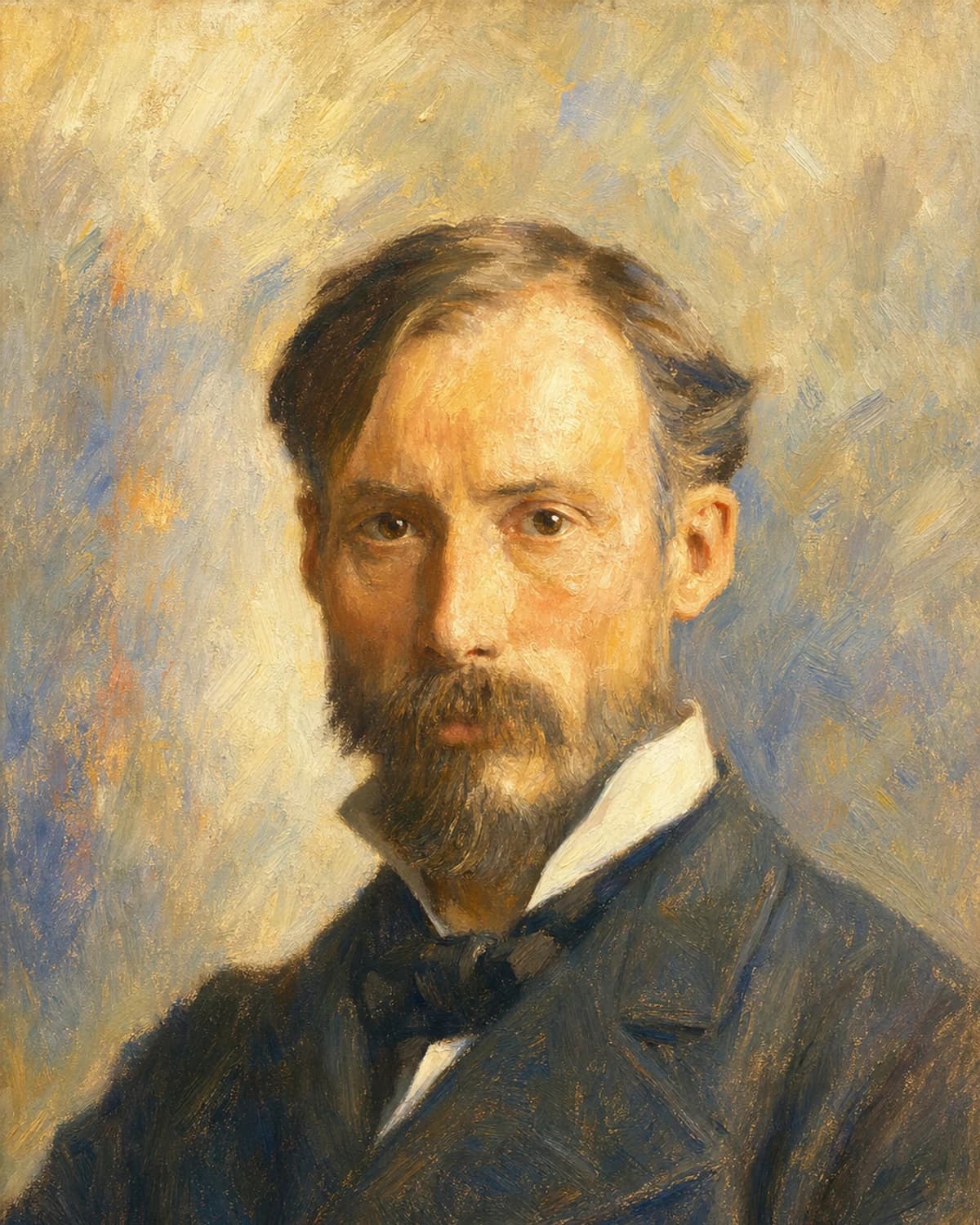
25.02.1841–03.12.1919
Pierre-Auguste Renoir
Renoir started out as a teenager in a porcelain workshop, painting plates at three sous apiece, and in 1874 showed six pictures at the first Impressionist exhibition. The painter of “Bal du moulin de la Galette” and “Luncheon of the Boating Party” turned to severe drawing in the mid-1880s and spent his last years working in Cagnes-sur-Mer, when the brush had to be placed in his hand.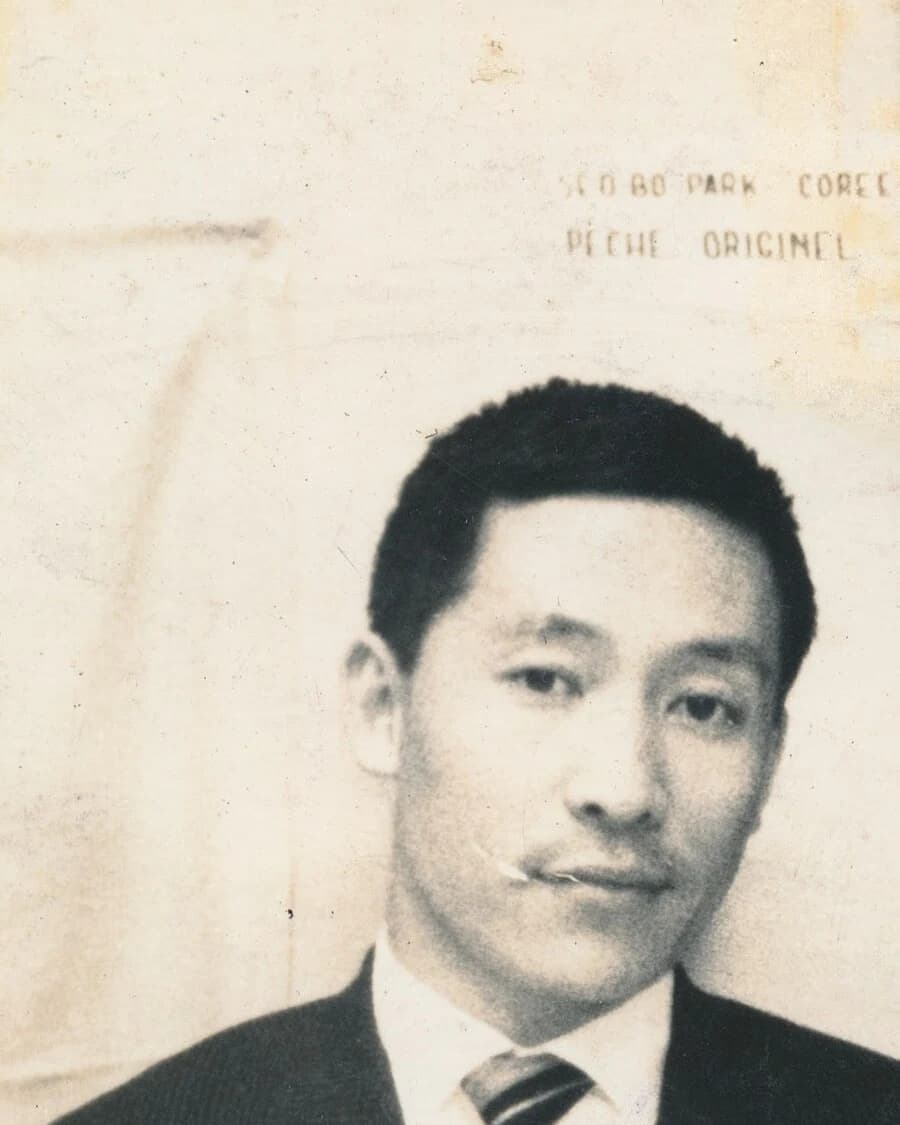
15.11.1931–14.10.2023
Park Seo-bo
For more than half a century Park Seo-bo worked on the “Écriture” series: he drew pencil line after line into wet ground, and later worked on damp Korean hanji paper. His “Painting No. 1” (1957) is considered the first work of Korean Informel, and he was one of the leading artists and organisers of the Dansaekhwa movement. The National Museum of Modern and Contemporary Art, Korea, gave him retrospectives in 1991 and 2019.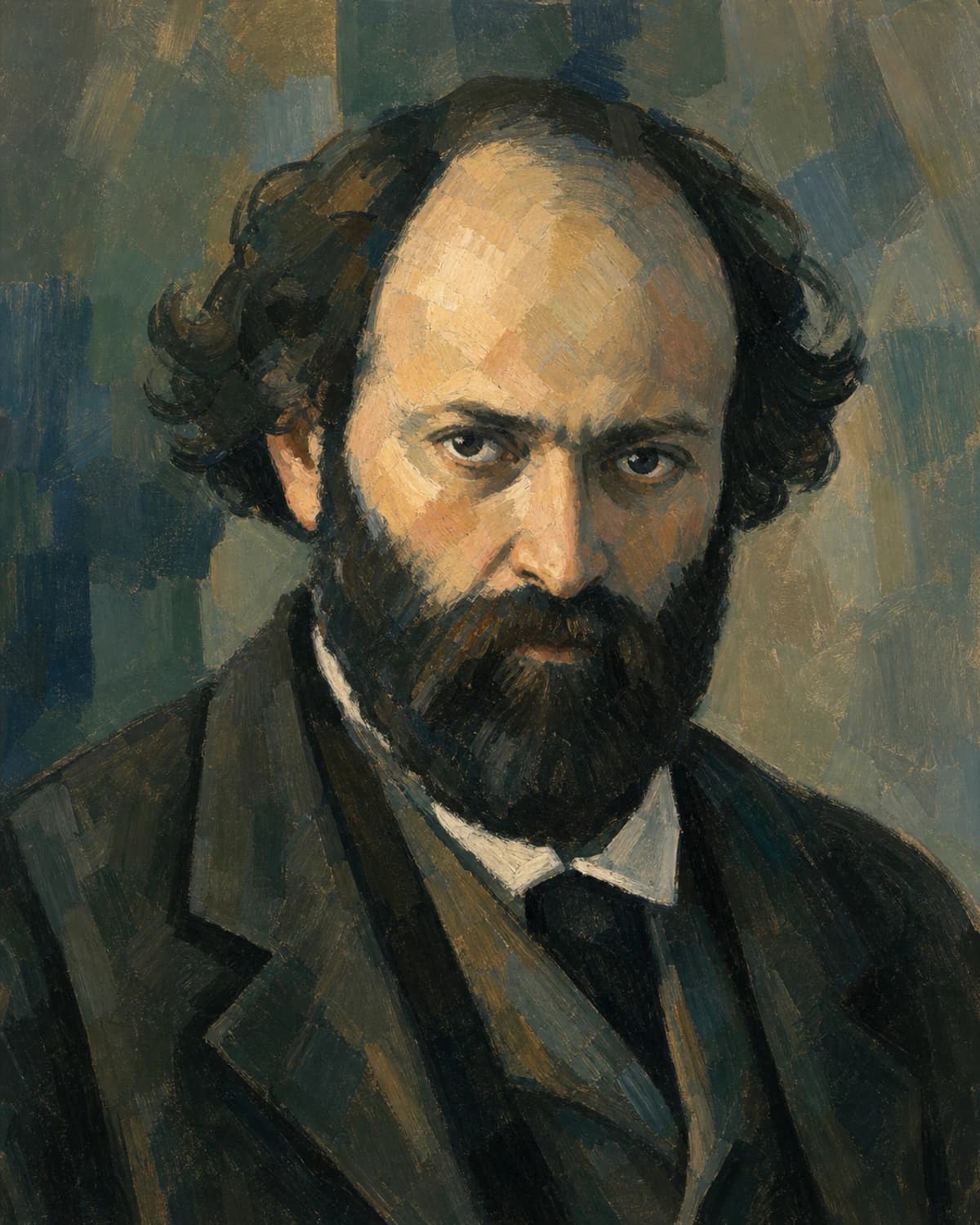
19.01.1839–22.10.1906
Paul Cézanne
The son of a banker from Aix-en-Provence, Paul Cézanne was turned down by the Salon for almost twenty years and only in 1895, at fifty-six, had his first solo exhibition, at Ambroise Vollard's. He painted Mont Sainte-Victoire, card players, apples and bathers dozens of times, and his advice to see in nature the cylinder, the sphere and the cone was taken up by the Cubists.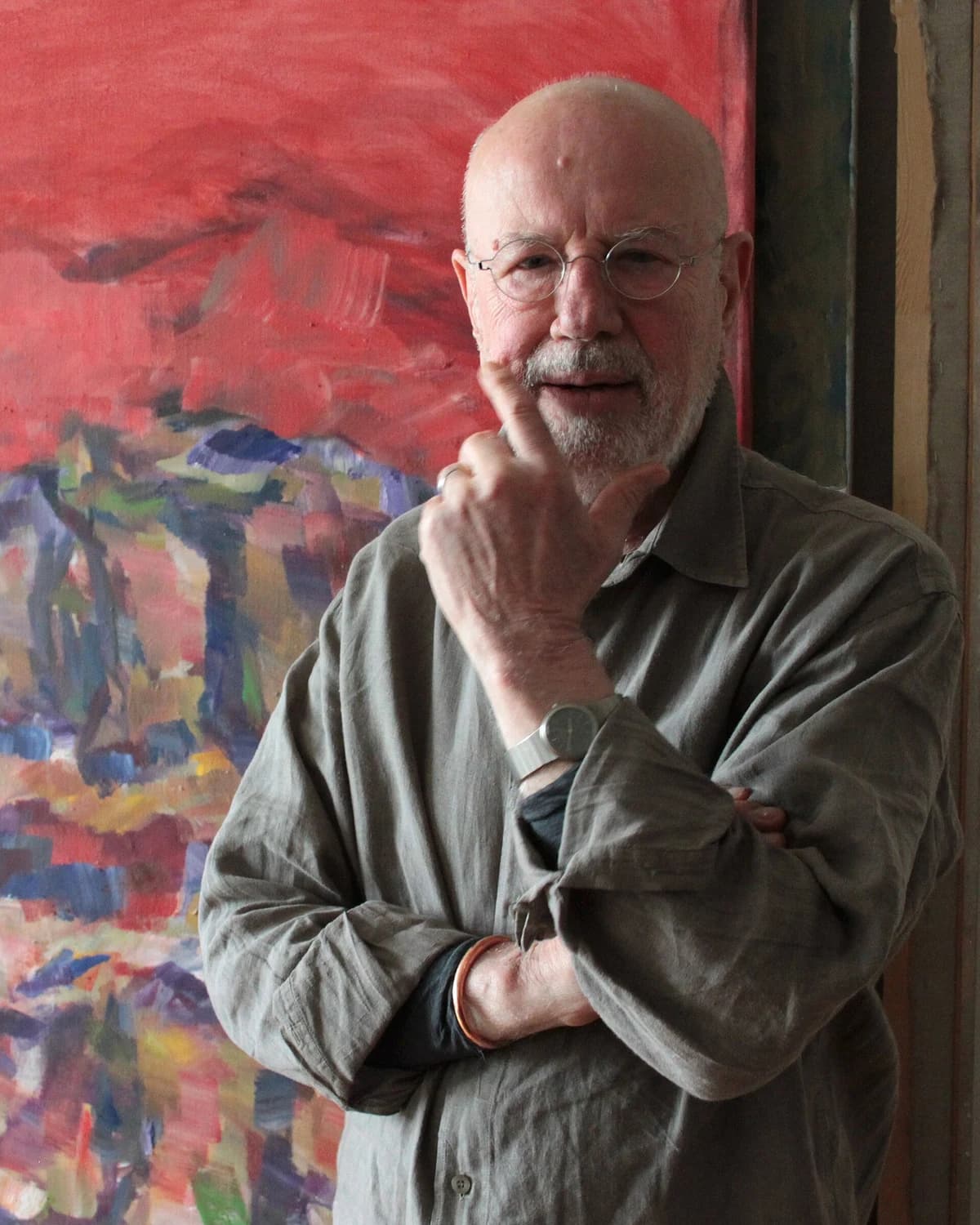
31.01.1934–22.10.2016
Marwan Kassab-Bachi
Born in Damascus, Marwan Kassab-Bachi came to Berlin in 1957 to study painting and stayed there for the rest of his life. In the Berlin art world he was known simply as Marwan; for more than twenty years he was professor of painting at the Hochschule der Künste, he became a member of the Akademie der Künste, and his works are held by the Centre Pompidou, Tate Modern and the Städel in Frankfurt.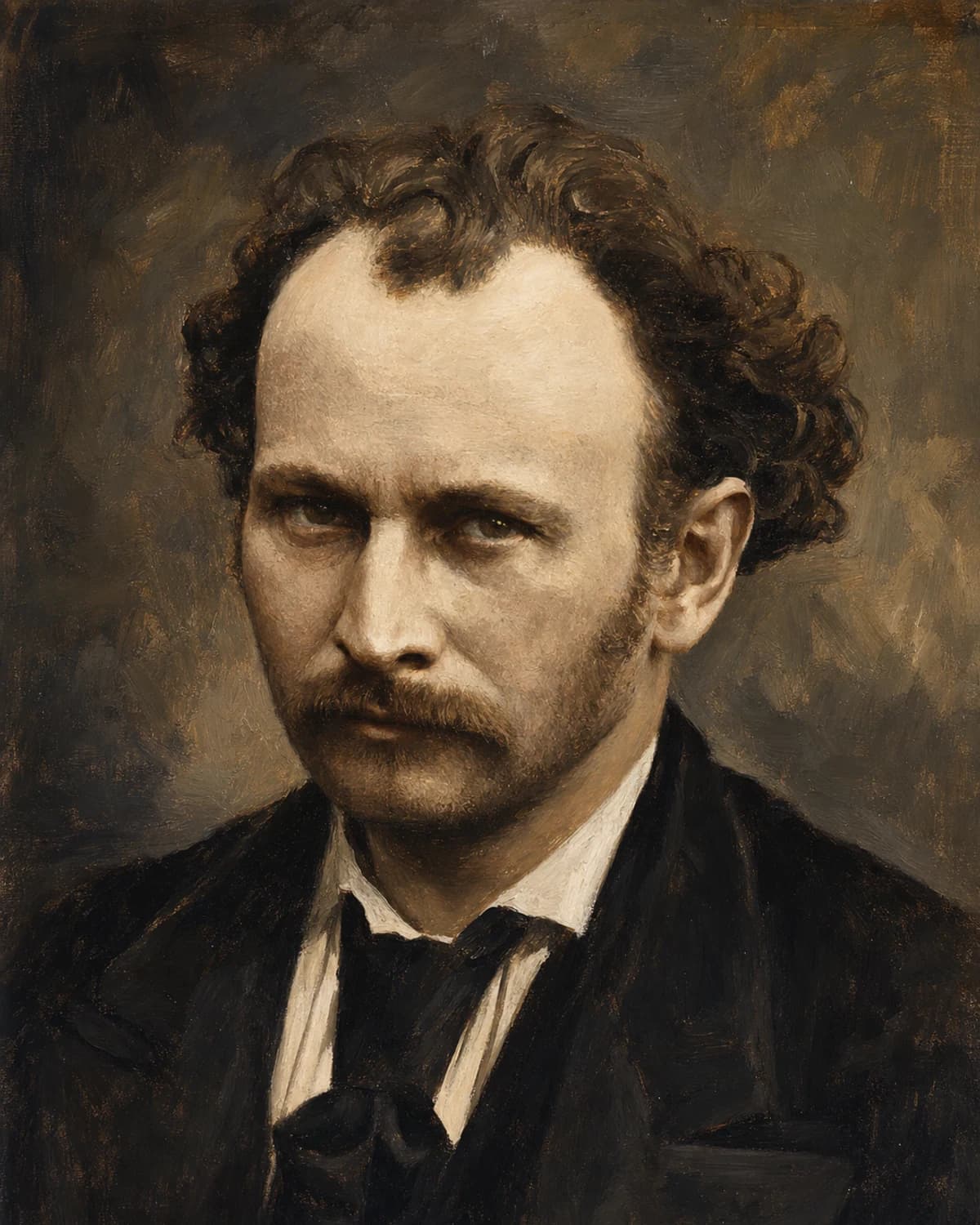
23.01.1832–30.04.1883