
22.07.1937–04.05.2003
Research · Sources · Context
Artists
Biographies, facts and images with open sources and verified rights.
Found: 1775
06.07.1919–10.03.1999
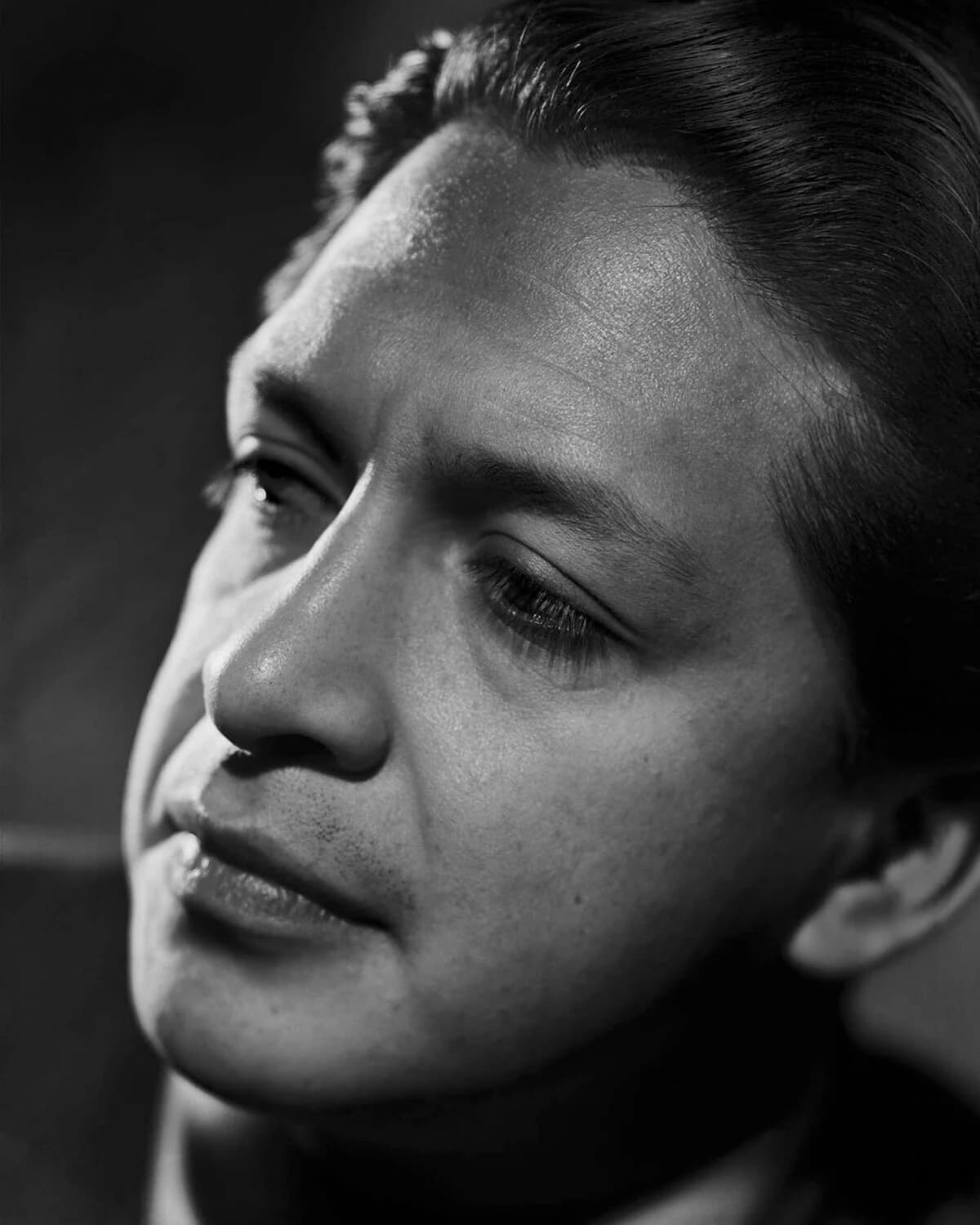
Oswaldo Guayasamín
The Ecuadorian Oswaldo Guayasamín (1919–1999), eldest of the ten children of a poor carpenter in Quito, painted the suffering, poverty and oppression of the indigenous peoples of Latin America. He worked with José Clemente Orozco, won first prize at the biennial in Barcelona and was named the best South American painter in São Paulo. He gave his collection to the state, and above Quito the Chapel of Man was built with his participation.25.04.1928–05.07.2011
Cy Twombly
The American Cy Twombly (1928–2011) studied at Black Mountain College, served as an army cryptographer and in 1957 settled in Rome, living in Italy for more than half a century. His large canvases are covered with scribbles, inscriptions and the names of classical heroes. He won the Golden Lion at the 2001 Venice Biennale and painted the ceiling of the Salle des Bronzes in the Louvre.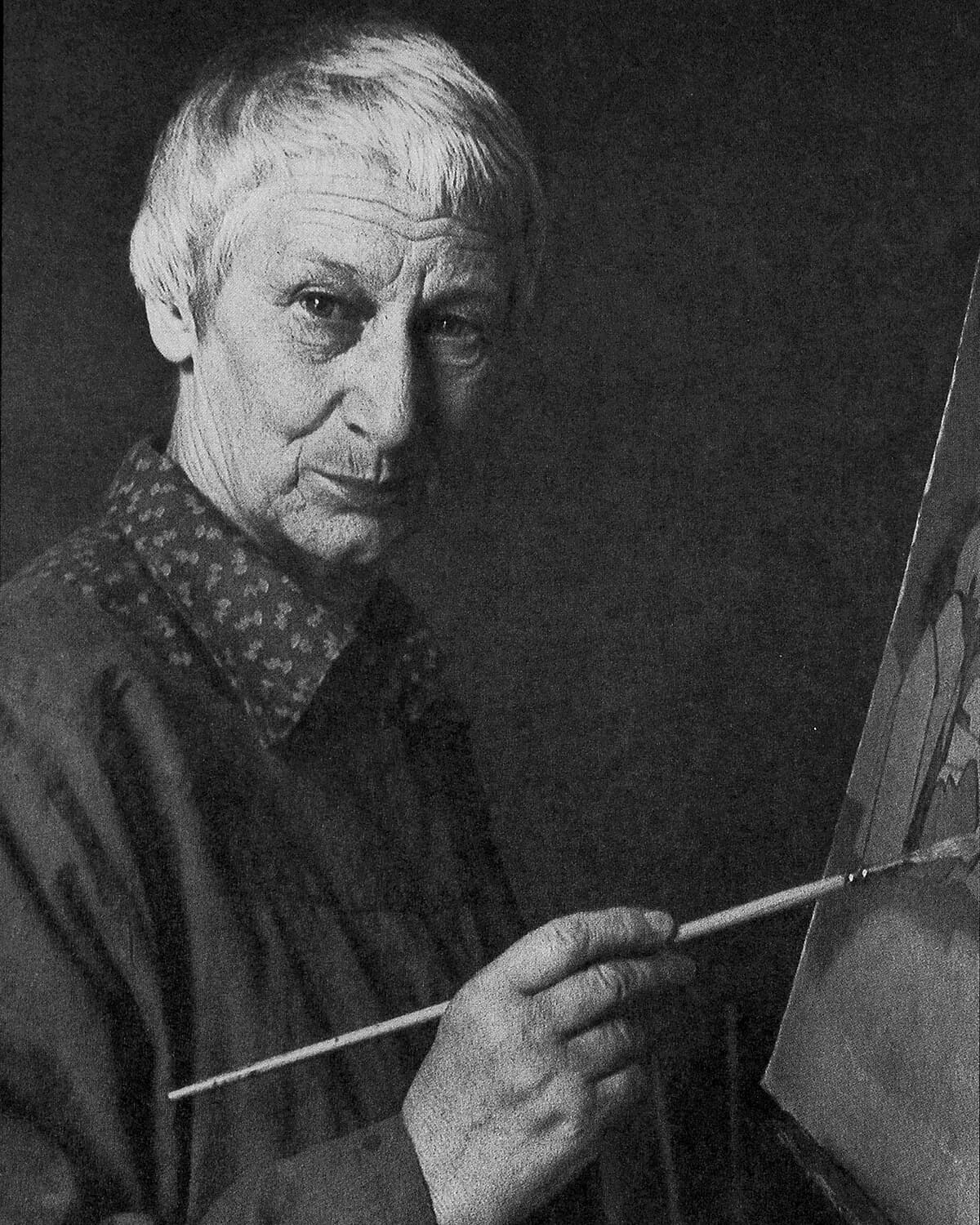
12.03.1908–25.01.1970
Rita Angus
The New Zealand painter Rita Angus (1908–1970) is regarded, together with Colin McCahon and Toss Woollaston, as one of the leading figures of twentieth-century New Zealand art. She worked in oil and watercolour, painting clear, hard-edged landscapes of Canterbury, Otago and Wellington and many portraits. In 2006 viewers voted her “Cass” (1936) the country’s best-loved painting.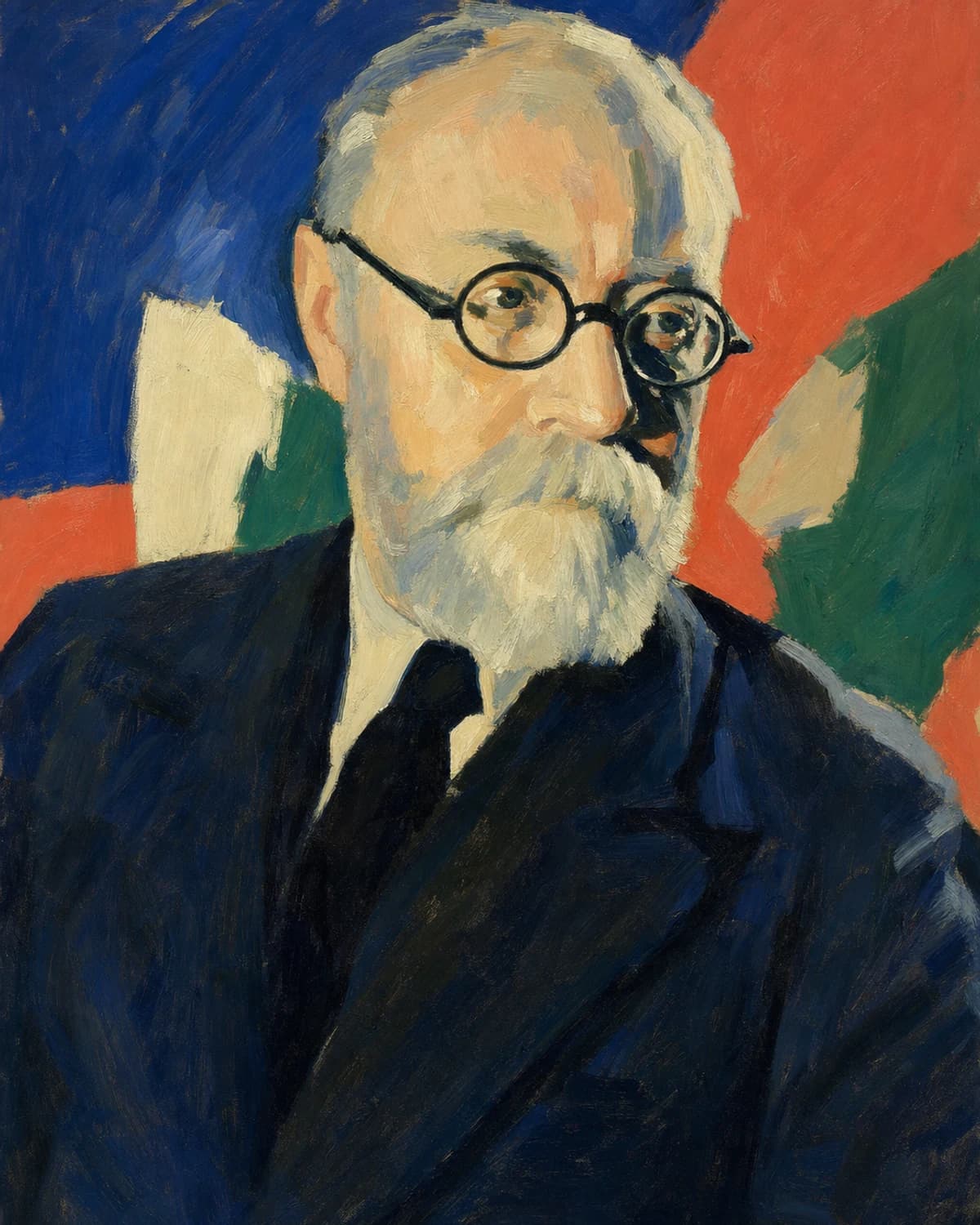
31.12.1869–03.11.1954
Henri Matisse
Henri Matisse (1869–1954) took up the brush only at nineteen, while recovering from an illness, and in 1905, together with André Derain, became a leader of the “wild beasts”, the Fauves. For Sergei Shchukin’s house in Moscow he painted “Dance” and “Music”, and from 1917 he lived in Nice. In his last years, when illness kept him from painting, he cut large compositions out of painted paper and designed the Chapel of the Rosary in Vence.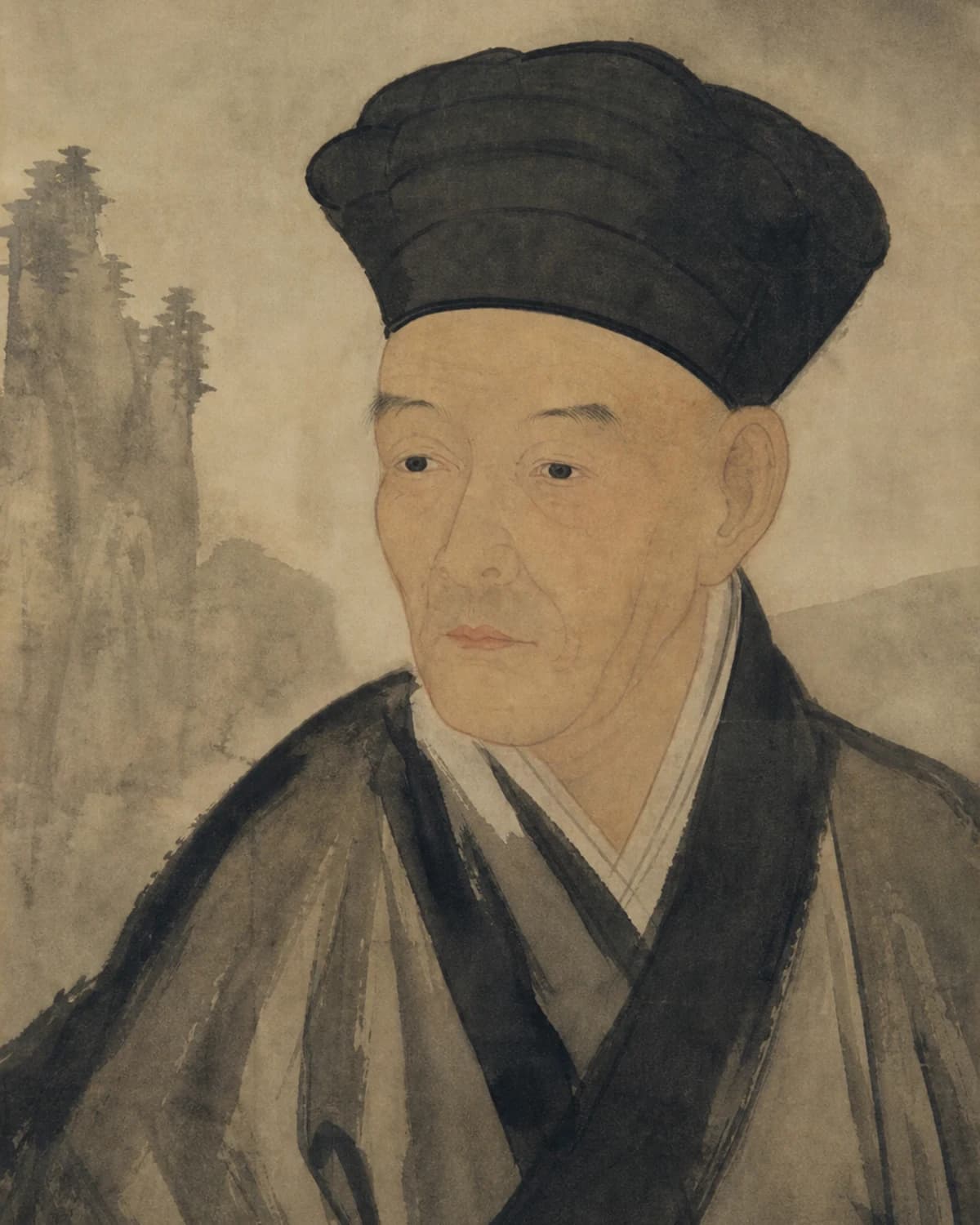
1420–26.08.1506
Sesshū Tōyō
Sesshū Tōyō (1420–1506), a Zen monk trained at the Shōkoku-ji monastery in Kyoto, spent most of his life painting in ink in the provinces, under the patronage of the Ōuchi clan in Yamaguchi. In the late 1460s he travelled to Ming China and got as far as Beijing. Several schools later claimed him as their founder, and six works securely attributed to him are designated National Treasures of Japan.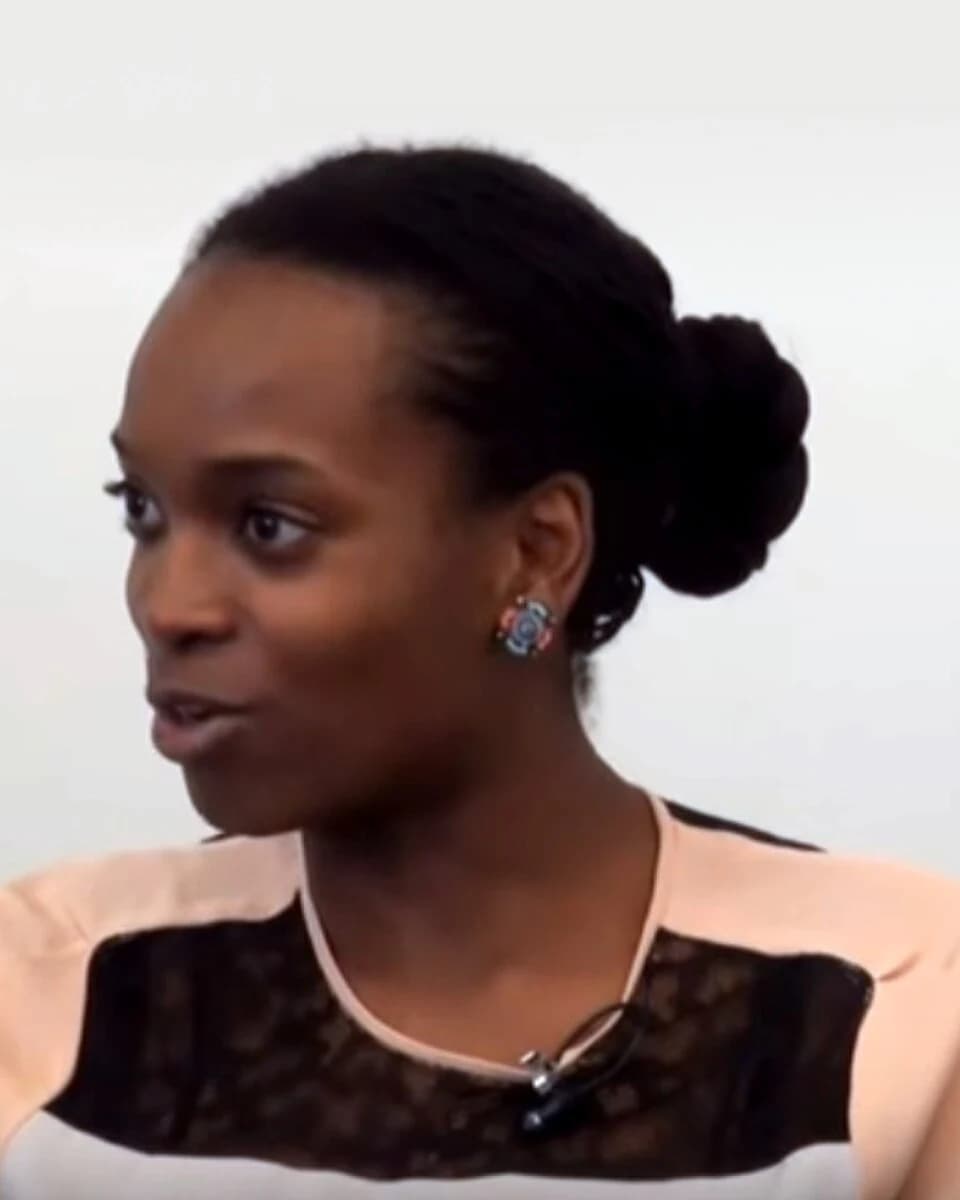
1983–present
Njideka Akunyili Crosby
Njideka Akunyili Crosby (born 1983) grew up in Enugu and Lagos, moved to the United States at sixteen and works in Los Angeles. Her large works on paper combine painting, drawing, collage and transfers of photographs from Nigerian magazines and family snapshots: rooms where things Nigerian and American sit side by side. In 2017 she received a MacArthur Fellowship.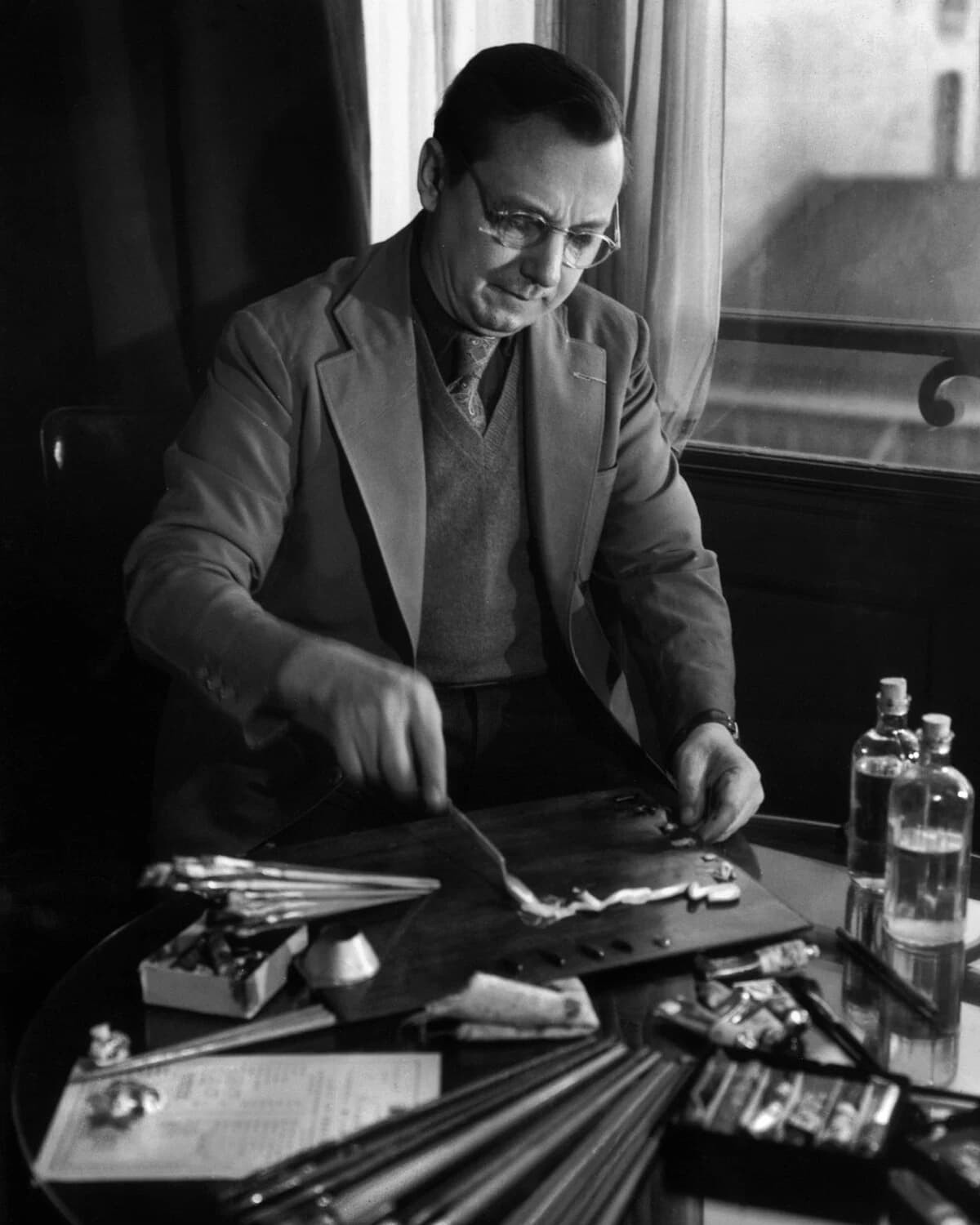
29.12.1903–06.02.1962
Candido Portinari
Candido Portinari (1903–1962), the son of Italian immigrants on a coffee plantation in the state of São Paulo, painted thousands of pictures of Brazilian workers, refugees from the north-east and his childhood in Brodowski. He was the first in Brazil to paint in fresco, decorated a ministry in Rio, the Library of Congress in Washington and a church at Pampulha, and his panels “War” and “Peace” hang at the United Nations Headquarters.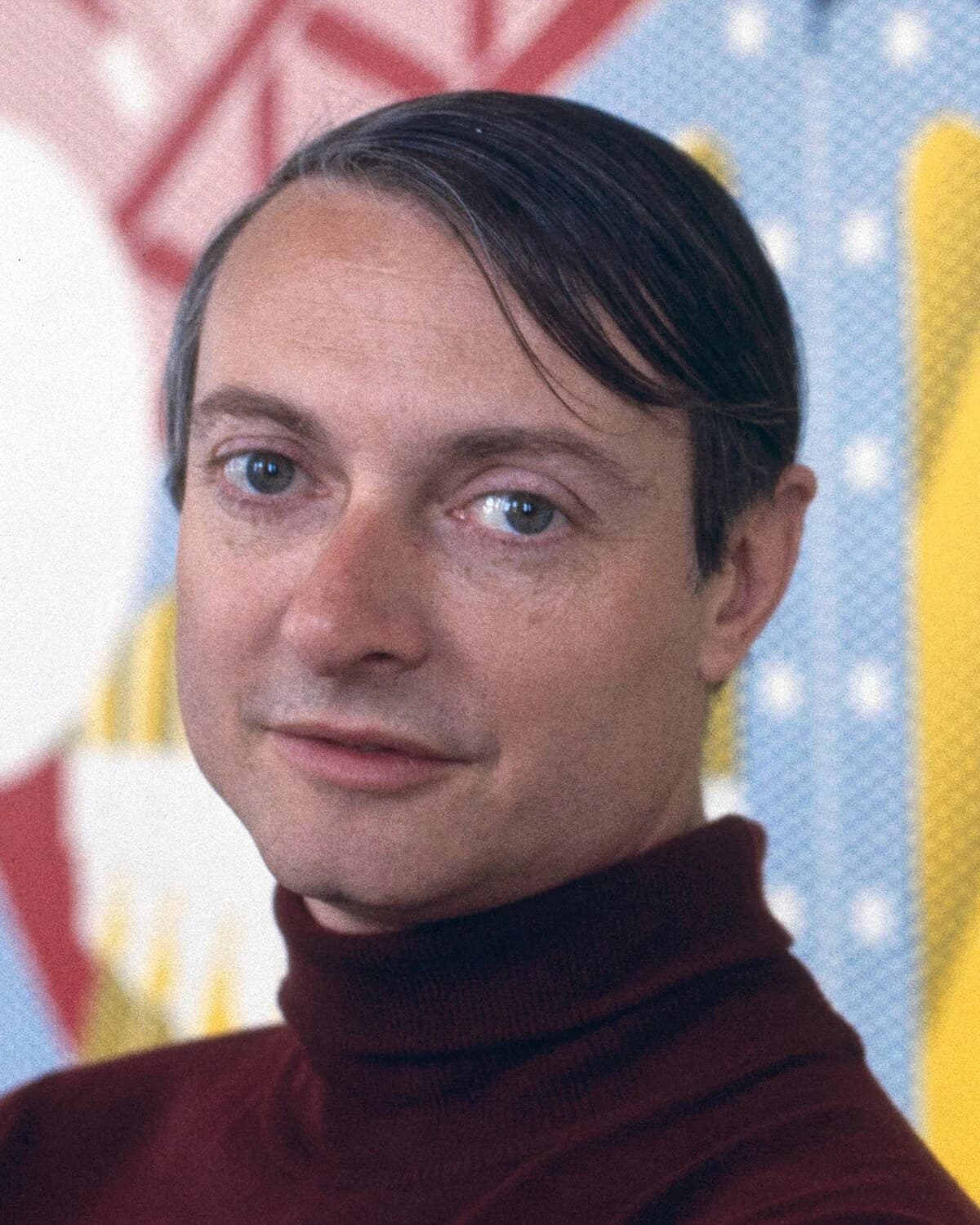
27.10.1923–15.09.1997
Roy Lichtenstein
In 1961 Roy Lichtenstein (1923–1997) transferred a picture from a Mickey Mouse comic onto canvas, printing dots and all, and became one of the leading figures of American Pop Art. Then came enlarged panels of war and romance, brushstrokes drawn as if they were printed reproductions, mirrors, entablatures, interiors, sculpture and more than three hundred prints.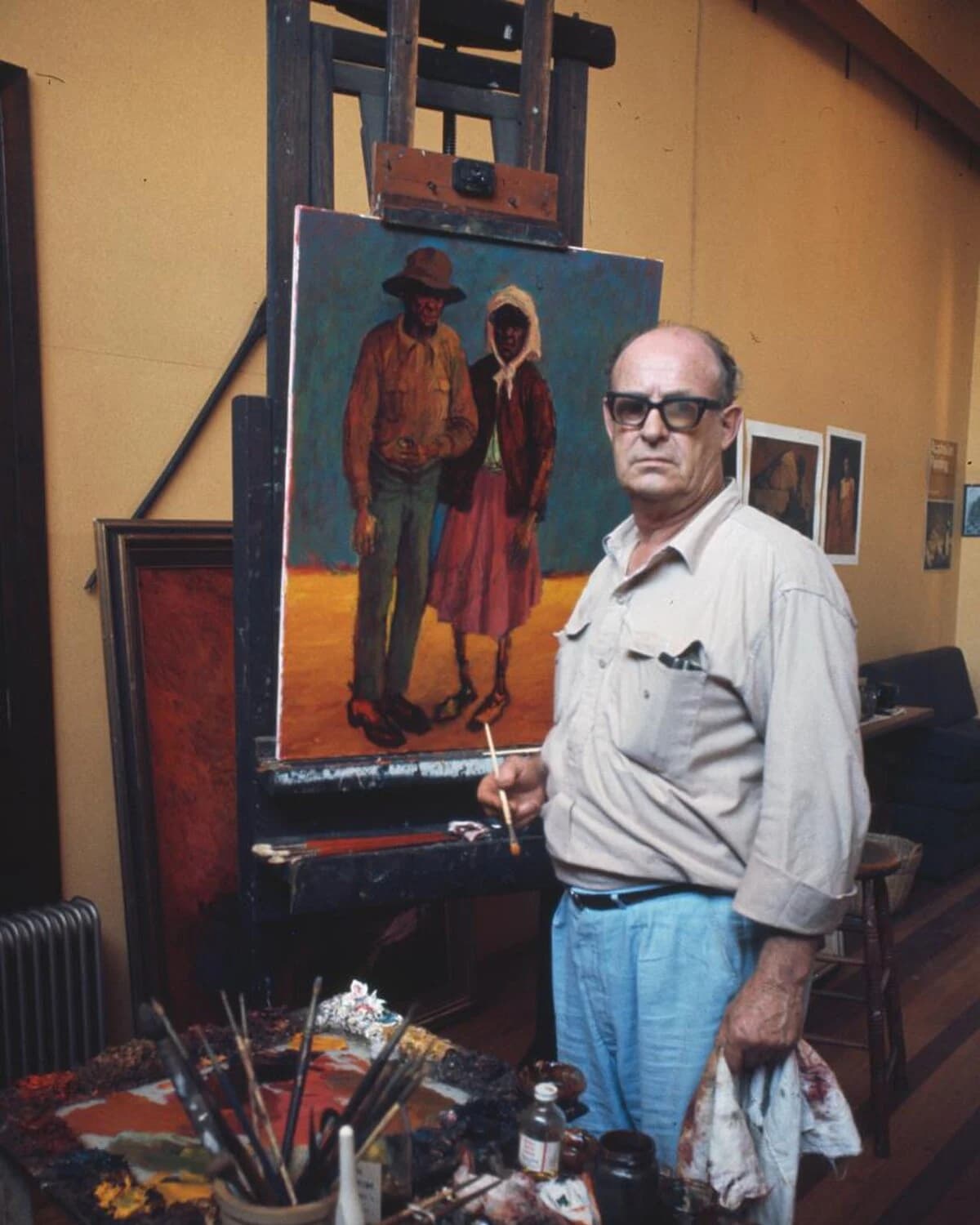
07.02.1912–29.06.1981
Russell Drysdale
Russell Drysdale (1912–1981), also known as Tass, made the Australian outback his main subject: red, parched earth, abandoned goldfields, lone figures under heavy skies. He won the 1947 Wynne Prize for “Sofala”, his London exhibition of 1950 opened British critics’ eyes to Australian painting, and in 1954 he represented Australia at the Venice Biennale.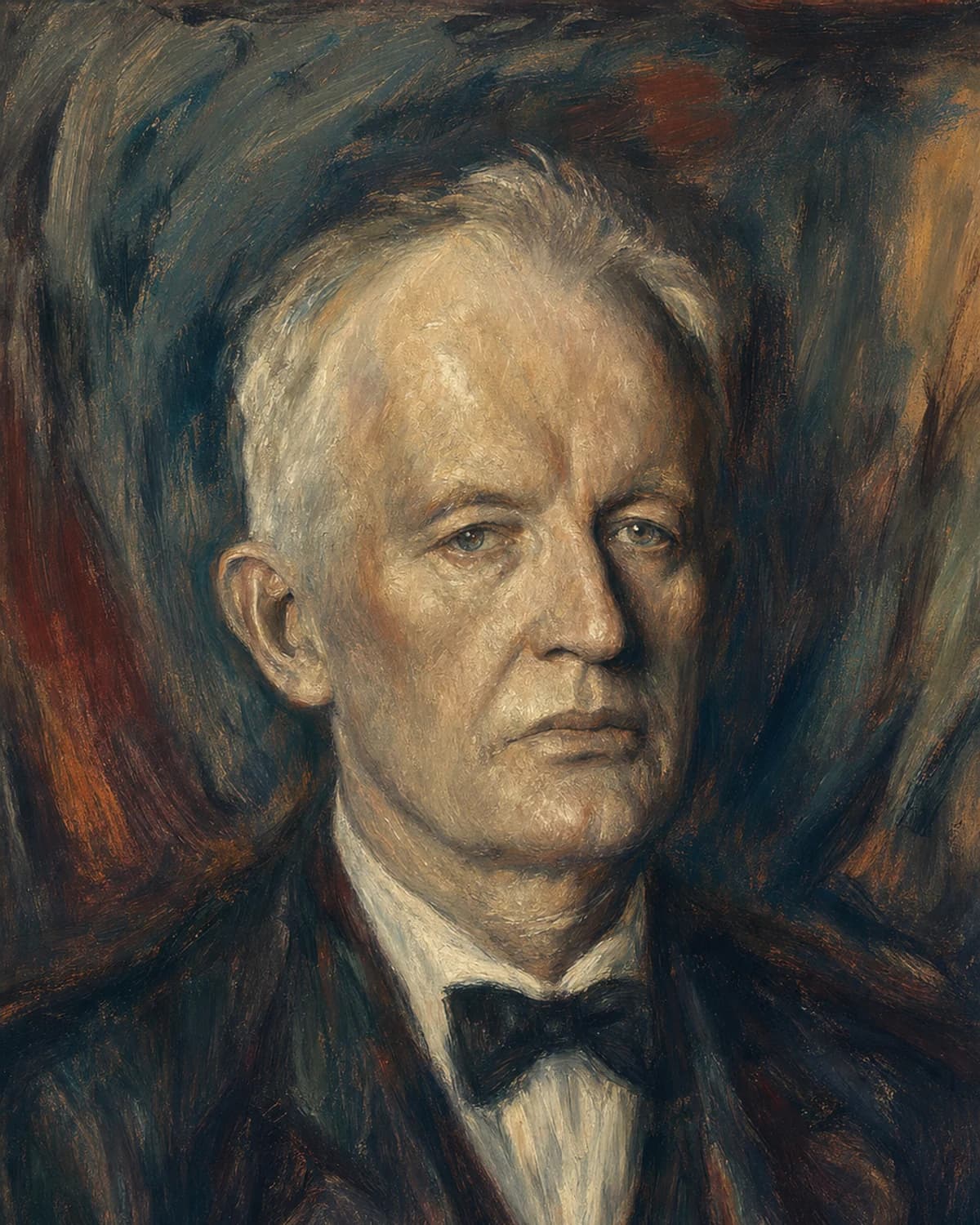
12.12.1863–23.01.1944
Edvard Munch
Edvard Munch (1863–1944) began among the bohemians of Kristiania, and in the 1890s, in Berlin and Paris, built from paintings of love, jealousy, anxiety and death the cycle “The Frieze of Life”, to which “The Scream” belongs. Later he decorated the assembly hall of the University of Oslo and spent his last decades on the Ekely estate. He left his collection to the city, and on its basis the Munch Museum opened in 1963.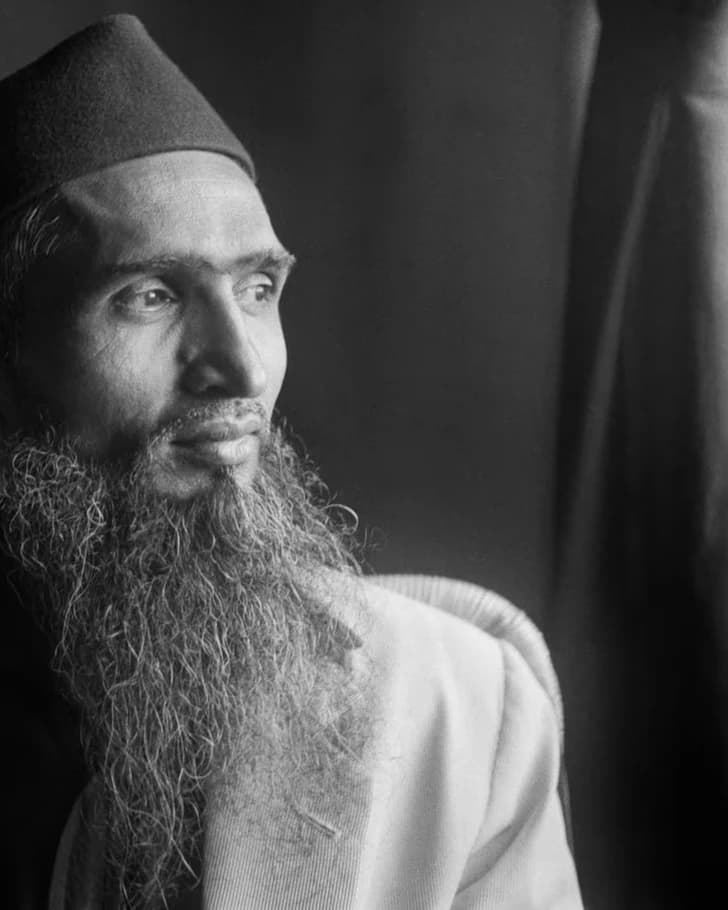
17.09.1915–09.06.2011
M. F. Husain
Maqbool Fida Husain (1915–2011) started out painting film posters and billboards in Bombay, in 1947 became one of the founders of the Bombay Progressive Artists’ Group and grew into one of the leading Indian modernists. He painted in a manner derived from Cubism, in series on Gandhi, the Ramayana, the Mahabharata and Indian life, made films, and spent his last years outside India, in Doha and London.03.05.1944–16.06.2011
Twins Seven Seven
Twins Seven Seven (1944–2011), a Nigerian painter, sculptor and musician, was an itinerant singer and dancer until, in 1964, he found his way to Ulli and Georgina Beier’s workshop in Osogbo. He emerged as one of the best-known artists of the Osogbo School: his paintings are peopled with humans, animals, plants and Yoruba gods, and he himself called his art contemporary Yoruba traditional art.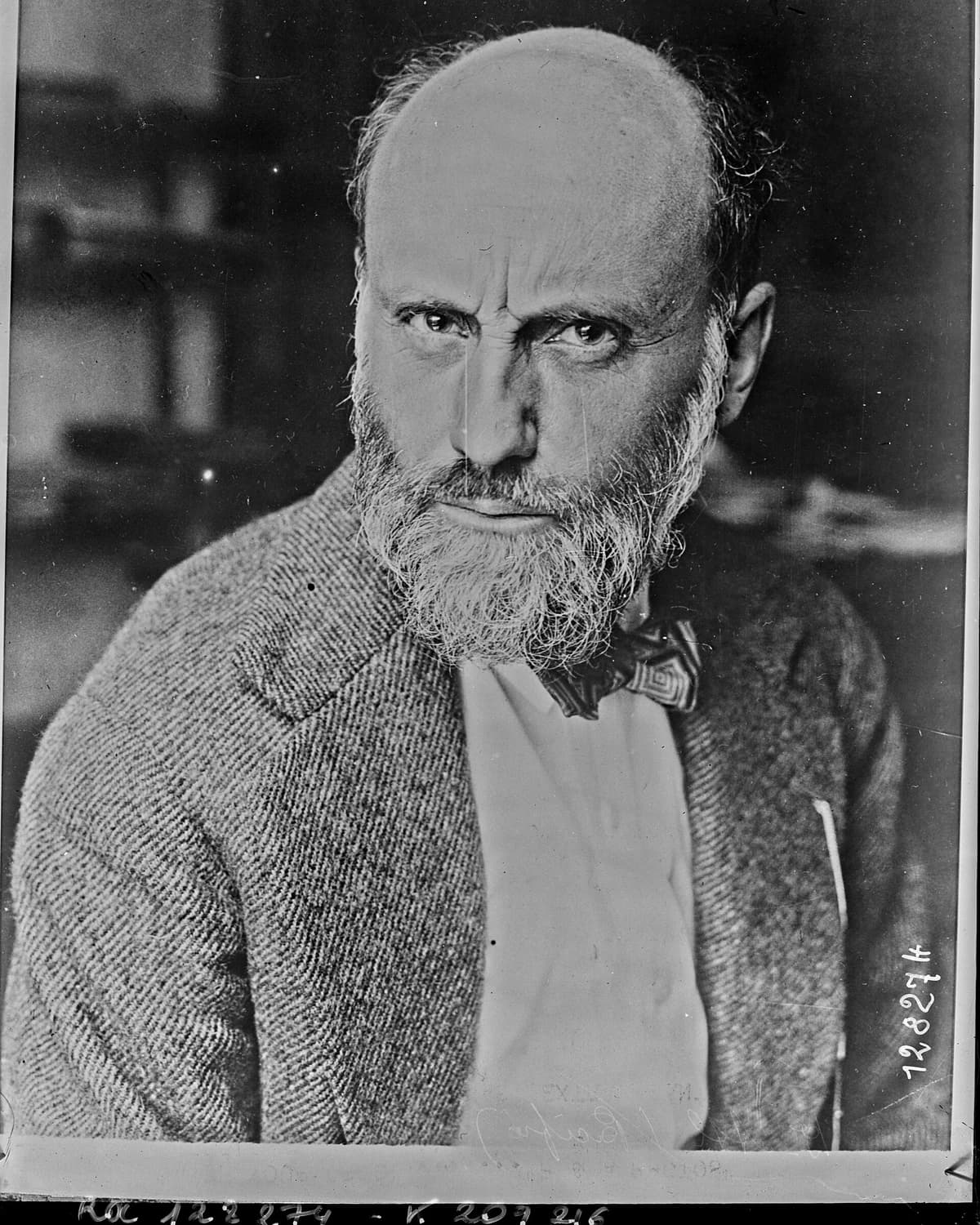
03.10.1875–15.08.1964
Dr. Atl
Dr. Atl, the Mexican painter and writer Gerardo Murillo Coronado (1875–1964), called in 1906 for a monumental public art in Mexico and became one of the forerunners of muralism. All his life he painted the volcanoes Popocatépetl and Iztaccíhuatl, and from 1943 he watched the birth of the volcano Paricutín, making thousands of drawings and a book about it.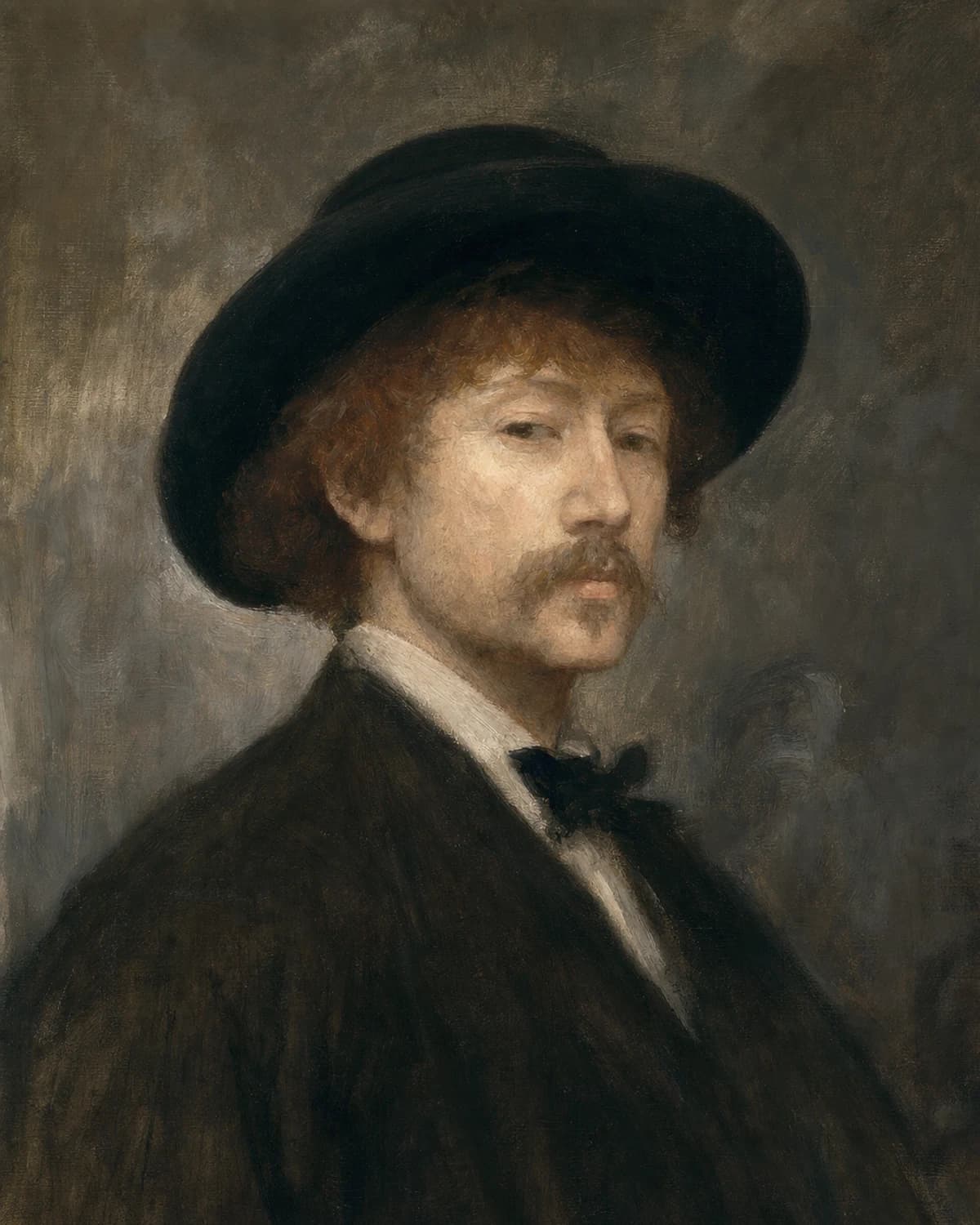
10.07.1834–17.07.1903
James McNeill Whistler
James McNeill Whistler (1834–1903), an American who spent part of his boyhood in St Petersburg and nearly all his life in London and Paris, called his paintings “nocturnes”, “symphonies” and “arrangements”, championed “art for art’s sake” and took Ruskin to court. His best-known painting is the portrait of his mother, “Arrangement in Grey and Black No. 1”; his etchings brought him no less fame.01.08.1919–27.05.1987
Colin McCahon
Colin McCahon began with Otago landscapes that his contemporaries found too abstract, and in his mature years painted huge dark canvases across which lines from the Bible and from poems run in white letters. Together with Toss Woollaston and Rita Angus, he is counted among those who brought modernism into New Zealand painting in the mid-twentieth century.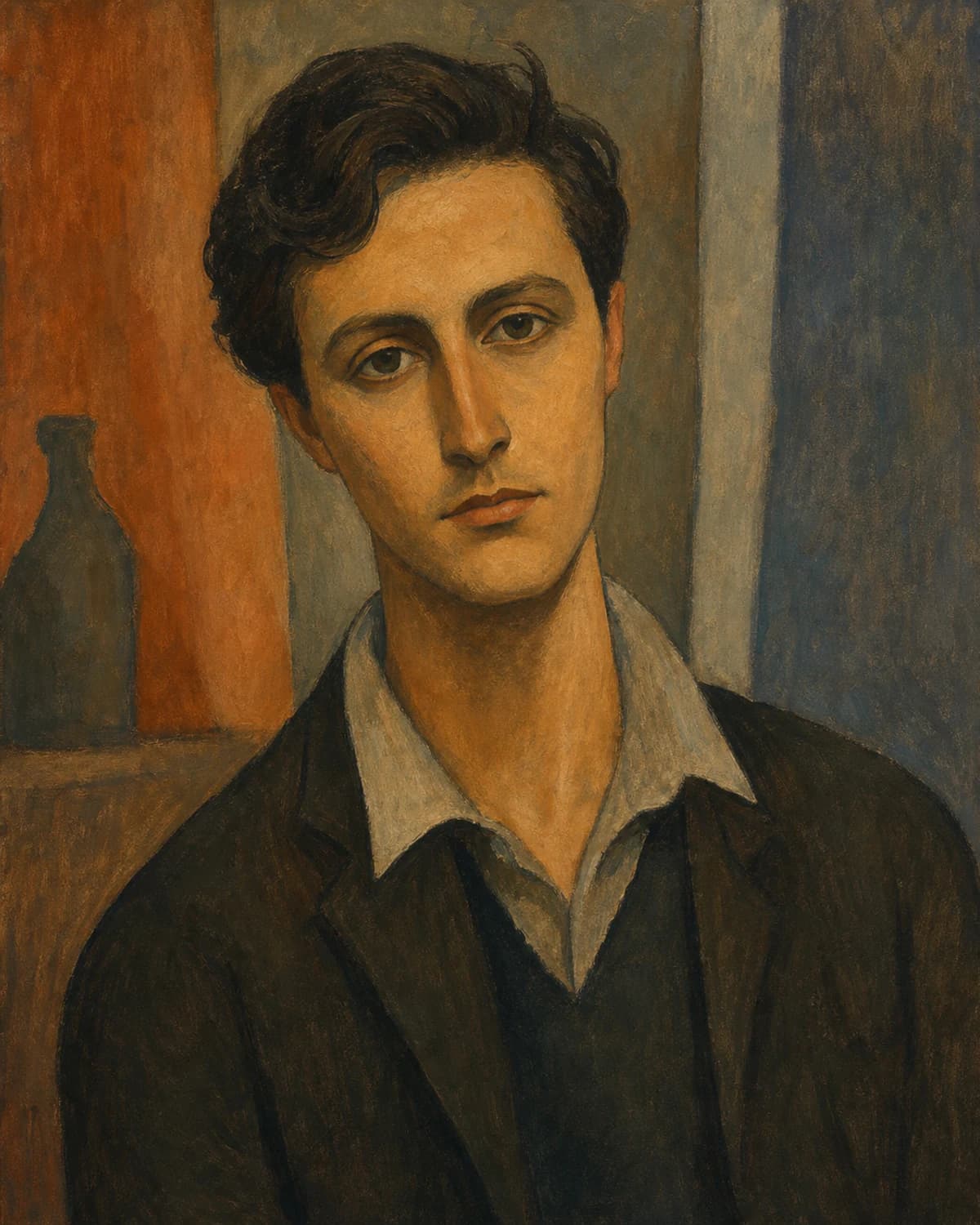
12.07.1884–24.01.1920
Amedeo Modigliani
Amedeo Modigliani grew up in Livorno, studied in Florence and Venice, and from 1906 lived in Paris. For five years he gave himself almost entirely to sculpture, then returned to painting, making portraits of friends and nudes with elongated necks and mask-like faces. His only solo exhibition in his lifetime, in 1917, was closed by the police; fame came to him after his death.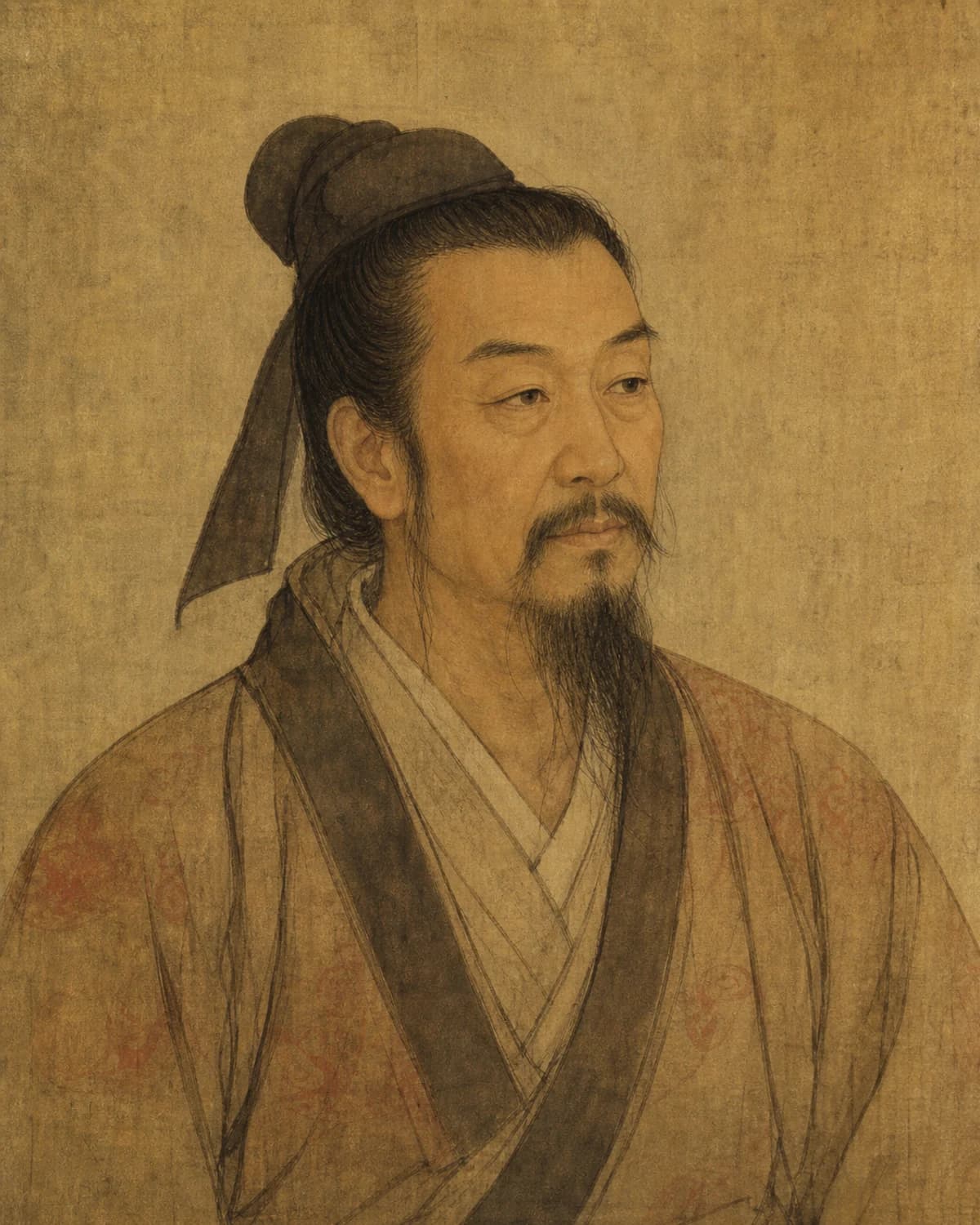
0345–0406
Gu Kaizhi
Gu Kaizhi lived in the southern Chinese state of the Eastern Jin, served as secretary to generals and high officials, and wrote poems and treatises on painting. Chinese tradition regards him as the founder of its painting. Three scrolls are linked to his name, the “Admonitions of the Instructress to the Court Ladies”, the “Nymph of the Luo River” and “Wise and Benevolent Women”, but all survive only in later anonymous copies.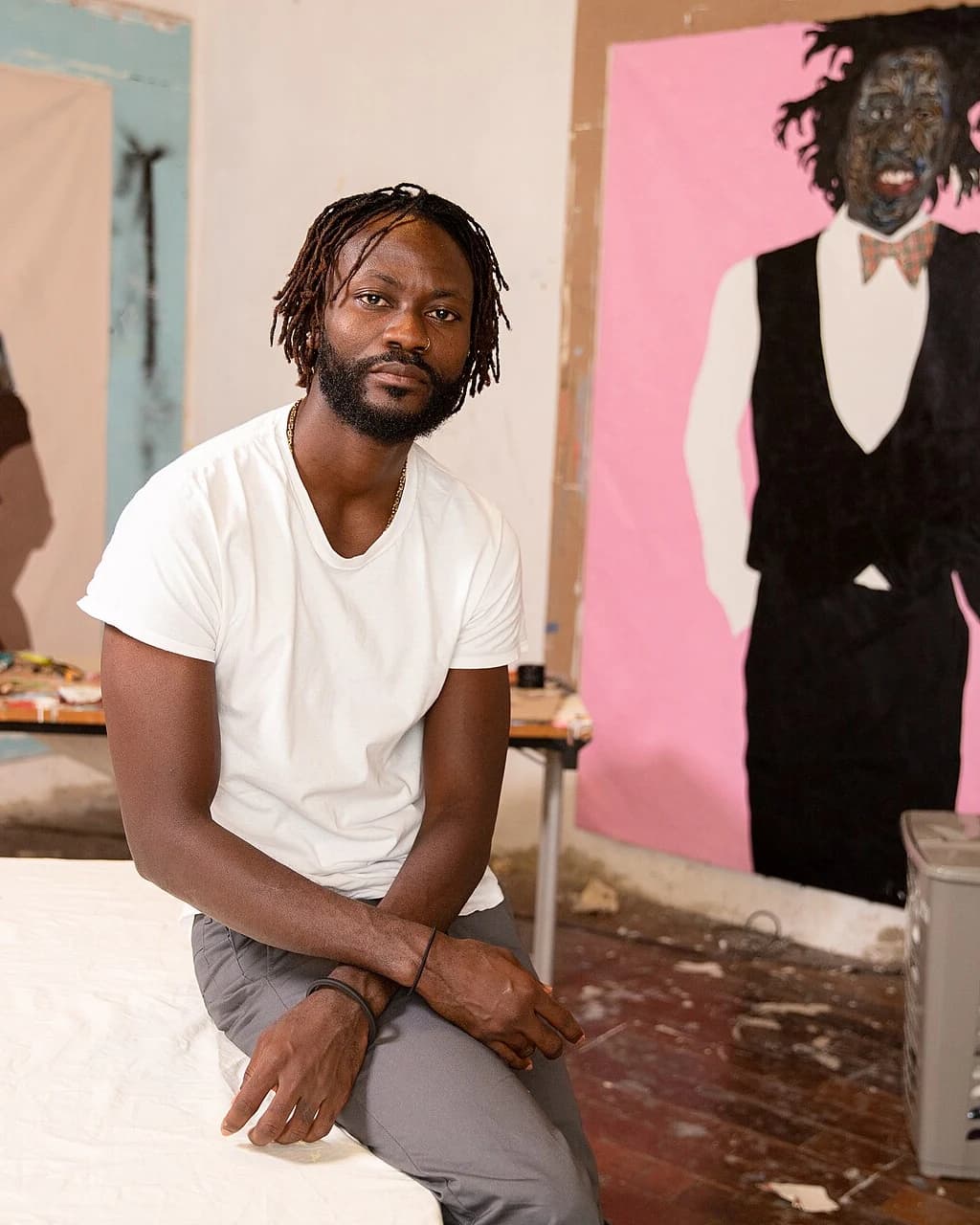
1984–present
Amoako Boafo
Amoako Boafo was born in Accra in 1984 and studied there at the Ghanatta College of Art and Design, then at the Academy of Fine Arts Vienna. He paints portraits of Black people, paying close attention to the sitter’s pose and clothing, and models the skin with his fingers. His work is in the collections of the Guggenheim Museum, the Hirshhorn Museum, the Los Angeles County Museum of Art and the Albertina in Vienna.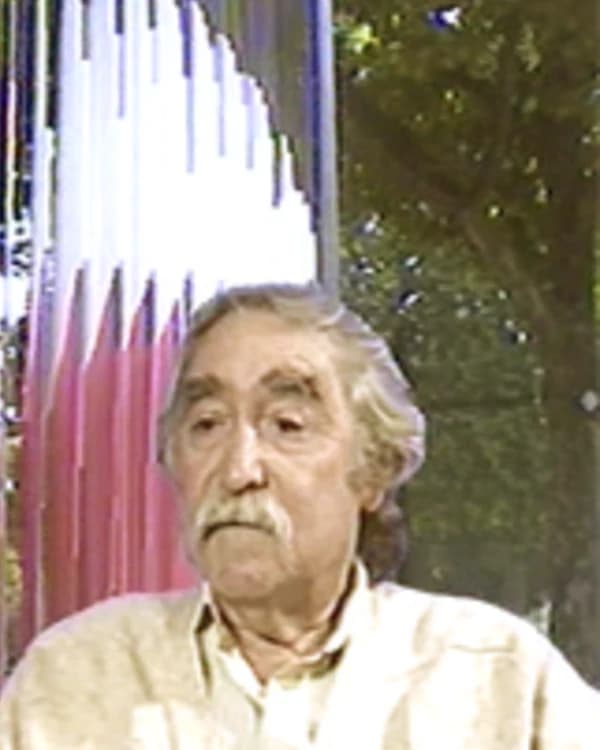
05.06.1923–14.01.2005
Jesús Rafael Soto
Jesús Rafael Soto, the son of a violinist from Ciudad Bolívar, began by painting cinema posters; from 1950 he lived in Paris and became one of the leading figures of kinetic art and op art. His “vibrating” constructions of rods and wire change as the viewer moves, and in his “Penetrables”, made of hanging threads, the viewer ends up inside the work.
12.07.1917–16.01.2009
Andrew Wyeth
For almost his whole life Andrew Wyeth painted two places: his native Chadds Ford in Pennsylvania and his summer home of Cushing in Maine, with their neighbours, farms and windows. He worked in tempera, watercolour and drybrush and avoided oil. His “Christina’s World” (1948) is in the Museum of Modern Art in New York; Wyeth was the first painter to receive the Presidential Medal of Freedom and was an honorary member of the USSR Academy of Arts.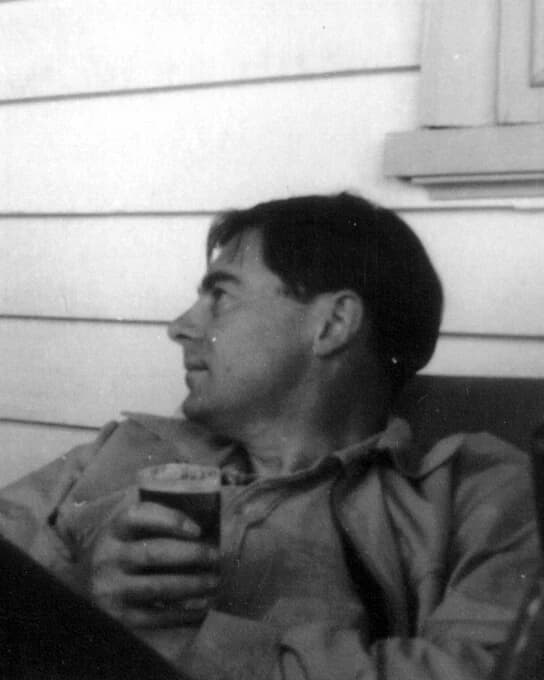
10.05.1920–11.02.1999
John Brack
John Brack, a Melbourne painter of the Antipodeans group, painted post-war Melbourne with biting irony in the 1950s: rush hour on Collins Street, the crush in a bar before closing time, the suburbs. Spare forms and deliberately drab browns and greys became his signature. He taught at Melbourne Grammar School and from 1962 to 1968 headed the National Gallery of Victoria Art School.
1445–1510
Sandro Botticelli
Sandro Botticelli, a pupil of Fra Filippo Lippi, spent almost his whole life in one Florentine neighbourhood near the church of Ognissanti and went away for a long stretch only once, to paint in the Sistine Chapel. He worked for the Medici and their allies. “Primavera” and “The Birth of Venus” in the Uffizi brought him fame later; in his lifetime he painted mostly altarpieces and round Madonnas.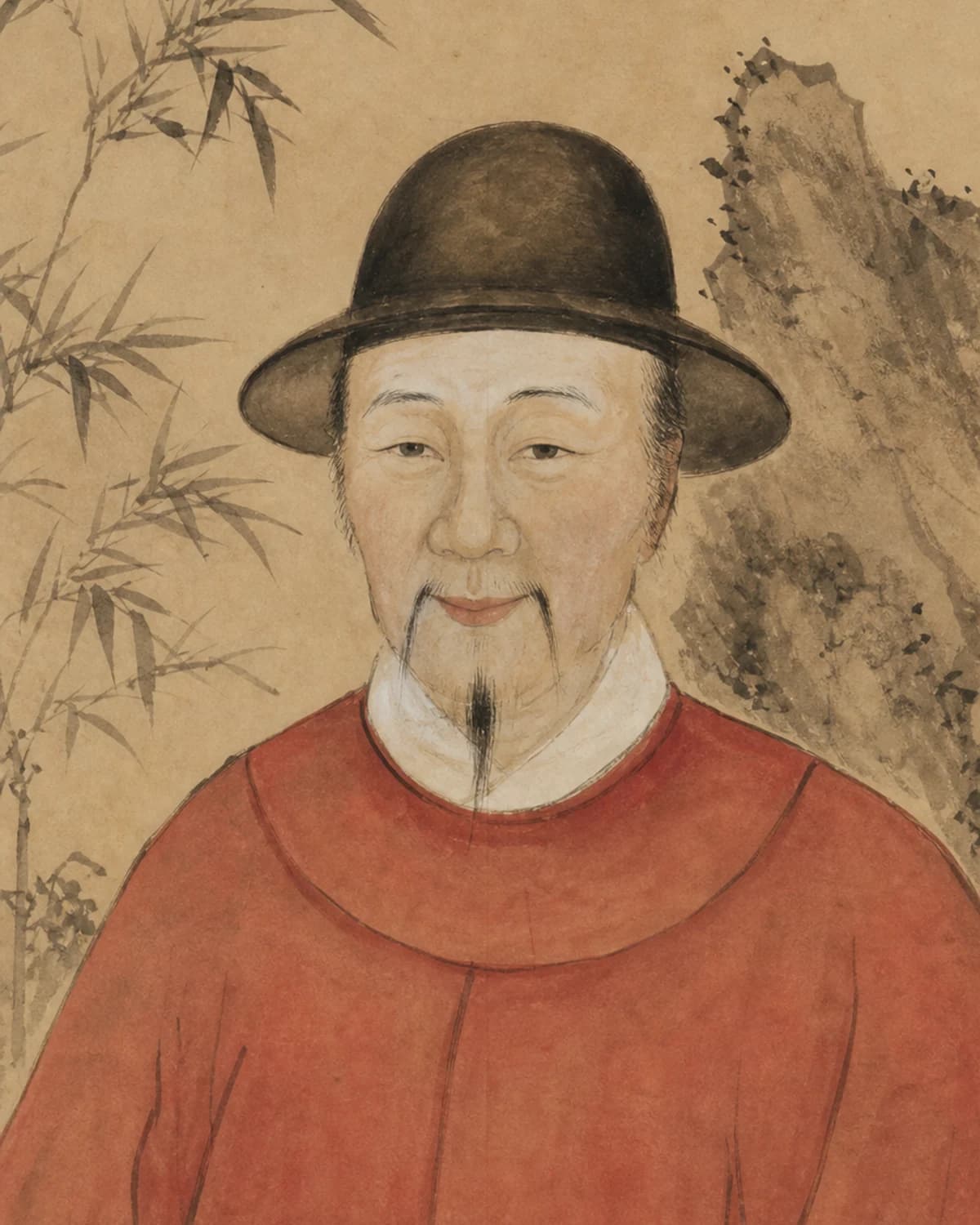
06.04.1470–07.01.1524