
Research · Sources · Context

Artists

Biographies, facts and images with open sources and verified rights.

Reset
Found: 1775
Jean-Auguste-Dominique Ingres

29.08.1780–14.01.1867

Jean-Auguste-Dominique Ingres

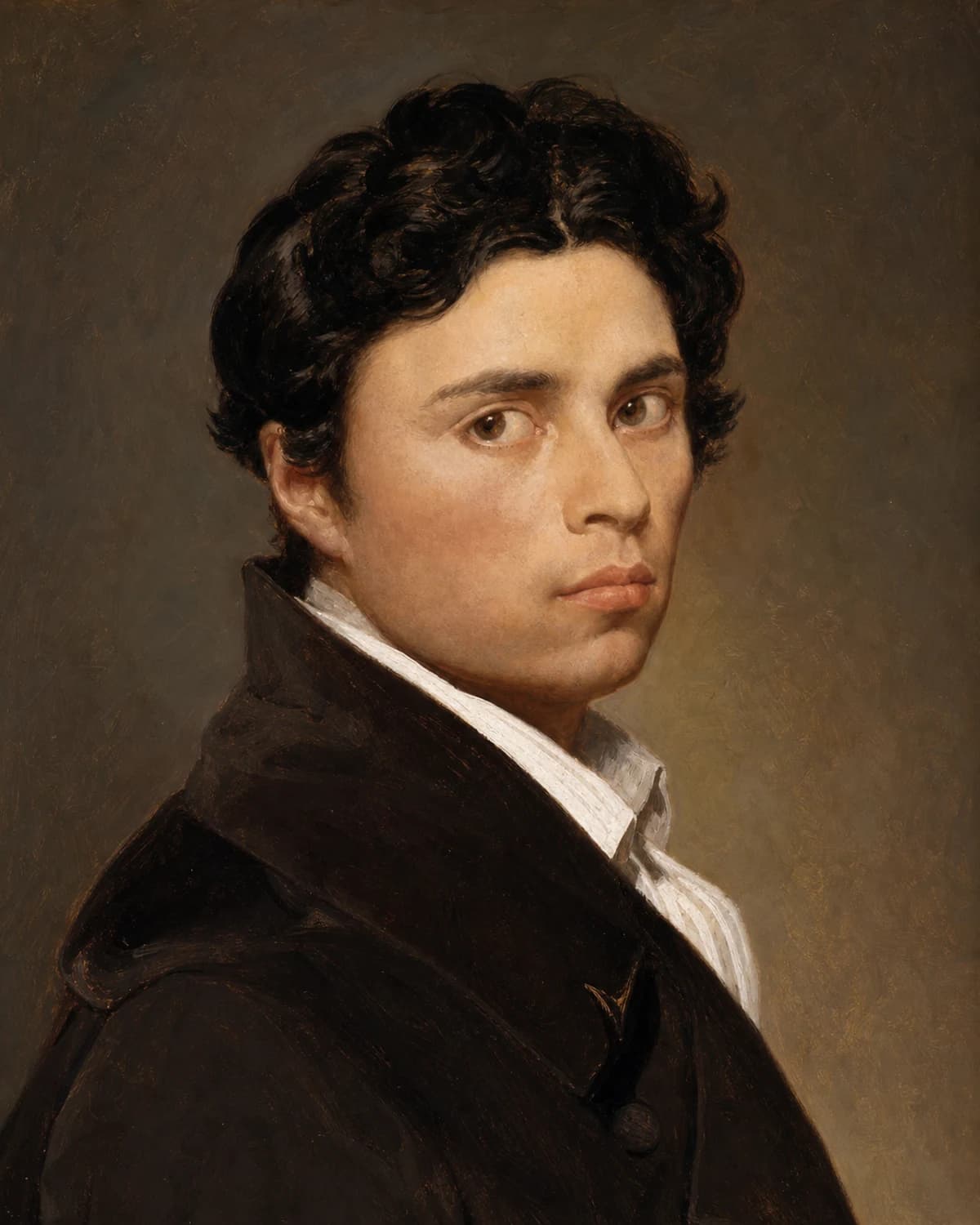
Jean-Auguste-Dominique Ingres (1780–1867) saw himself as a history painter and an heir to Raphael, yet he is remembered above all for portraits: the “Portrait of Monsieur Bertin”, the pencil sheets of his Roman years, the “Grande Odalisque” with its over-long back. A pupil of David, he argued with Delacroix for thirty years about line and colour, lived twice in Rome, and at eighty-three finished “The Turkish Bath”. To Montauban he bequeathed more than four thousand works and his violin.

30.11.1904–23.06.1980

Clyfford Still

Clyfford Still (1904–1980) arrived at non-objective painting between 1938 and 1942, ahead of Pollock and Rothko, and painted enormous canvases with a palette knife: ragged tongues of colour, as if one layer of paint had been torn away to show another beneath. In the early 1950s he broke with the galleries, from 1961 he lived on a farm in Maryland, and under his will some 2,400 of his works went to a city that built a separate museum for them; it opened in Denver in 2011.
He Xiangning

27.06.1878–01.09.1972

He Xiangning

He Xiangning (1878–1972) studied painting in Tokyo in the 1900s, between meetings of Sun Yat-sen’s revolutionary league, for which she sewed banners, and in the 1920s she sold her paintings to clothe and treat soldiers. All her life she painted plum blossom, pines, tigers and lions in the manner of the Lingnan School; in 1960 she headed the China Artists Association, and in 1997 China’s first national-level museum named after a single artist opened in Shenzhen, bearing her name.

02.05.1952–17.12.2012

Chinwe Chukwuogo-Roy

Chinwe Chukwuogo-Roy (1952–2012) grew up in Nigeria among her father’s cocoa plantations, lived through the Biafran War as a teenager, moved to England in 1975 and took up painting professionally only at thirty-six. In 2002 she painted the official Golden Jubilee portrait of Elizabeth II, the second Nigerian artist after Ben Enwonwu to receive such a commission; her series “Migrants” and “African Slave Trade” are about something else entirely: dread, despair and hope.
Xul Solar

14.12.1887–09.04.1963

Xul Solar

Xul Solar (1887–1963), born Oscar Schulz Solari, reversed the Latin lux and made a name out of it. Twelve years in Europe, friendships with Pettoruti and Borges, small-format watercolours and temperas with ladders, roads and the letters of two languages he invented; then horoscopes, chess by the stars, a repainted piano and puppets of the signs of the zodiac. His house in Buenos Aires is kept by the foundation that bears his name, and a museum has been open since 1993.
Cándido López

29.08.1840–31.12.1903

Cándido López

Cándido López (1840–1902) went to the Paraguayan War as a second lieutenant, lost his right arm at Curupayty in September 1866 and by 1869 had taught himself to paint with his left. His battle canvases, stretched horizontally in a proportion of one to three, with tiny figures of soldiers under calm skies, were painted from his front-line sketches in 1888–1902 with the support of the former president Bartolomé Mitre. Of the hundred pictures he planned, he finished 52.
Tintoretto

29.09.1518–31.05.1594

Tintoretto

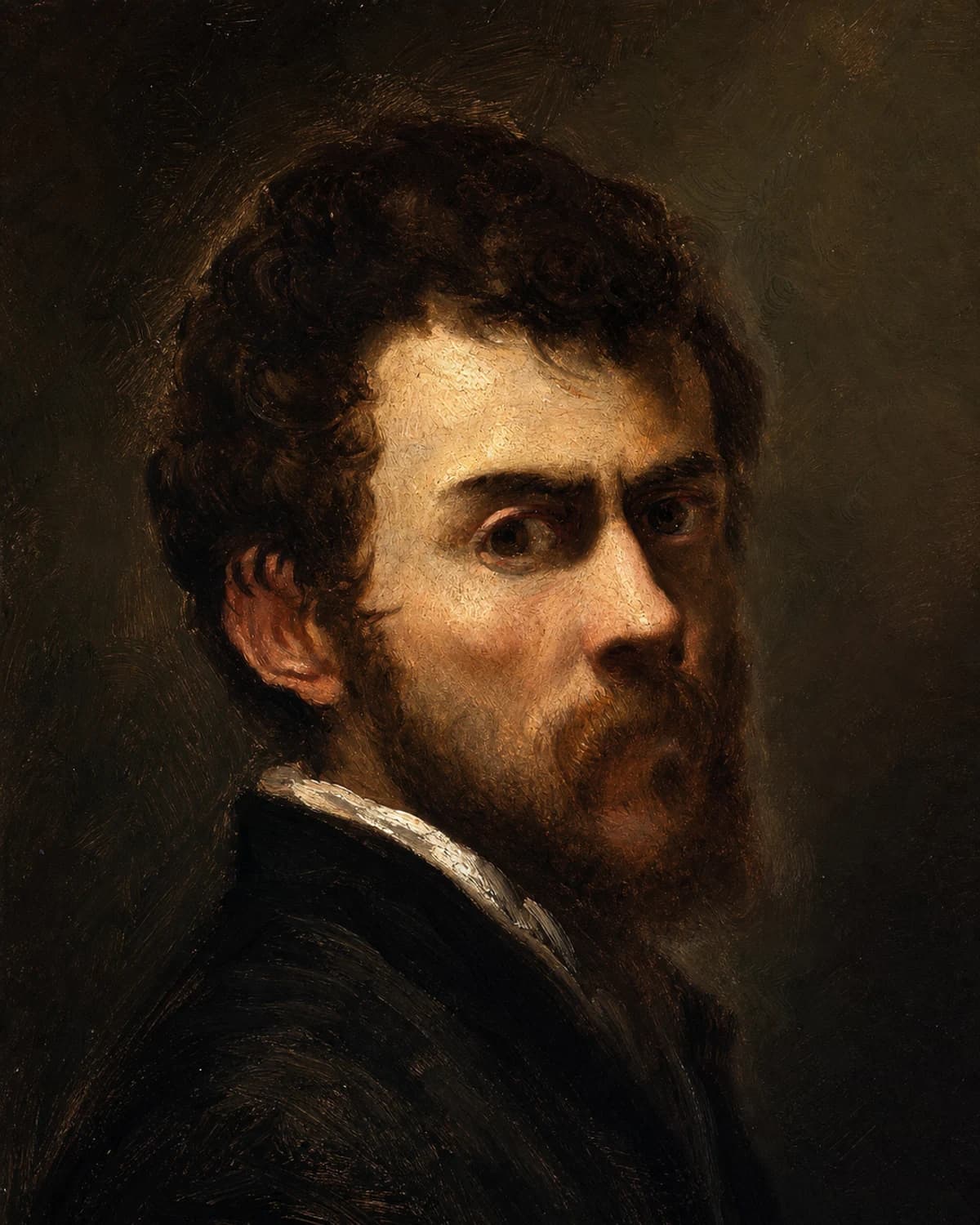
Tintoretto (Jacopo Robusti, 1518 or 1519 – 1594), a Venetian dyer’s son, spent half a century filling the Scuola di San Rocco, the Doge’s Palace and the churches of his city with canvases, hardly ever leaving it. He painted fast, often for a pittance or for nothing, so long as he got the commission; over his studio door he hung the motto “Michelangelo’s drawing and Titian’s colour”. His “Paradise” in the Doge’s Palace, nine metres by twenty-two, is reputed to be the largest painting on canvas.
Maruyama Ōkyo

12.06.1733–31.08.1795

Maruyama Ōkyo

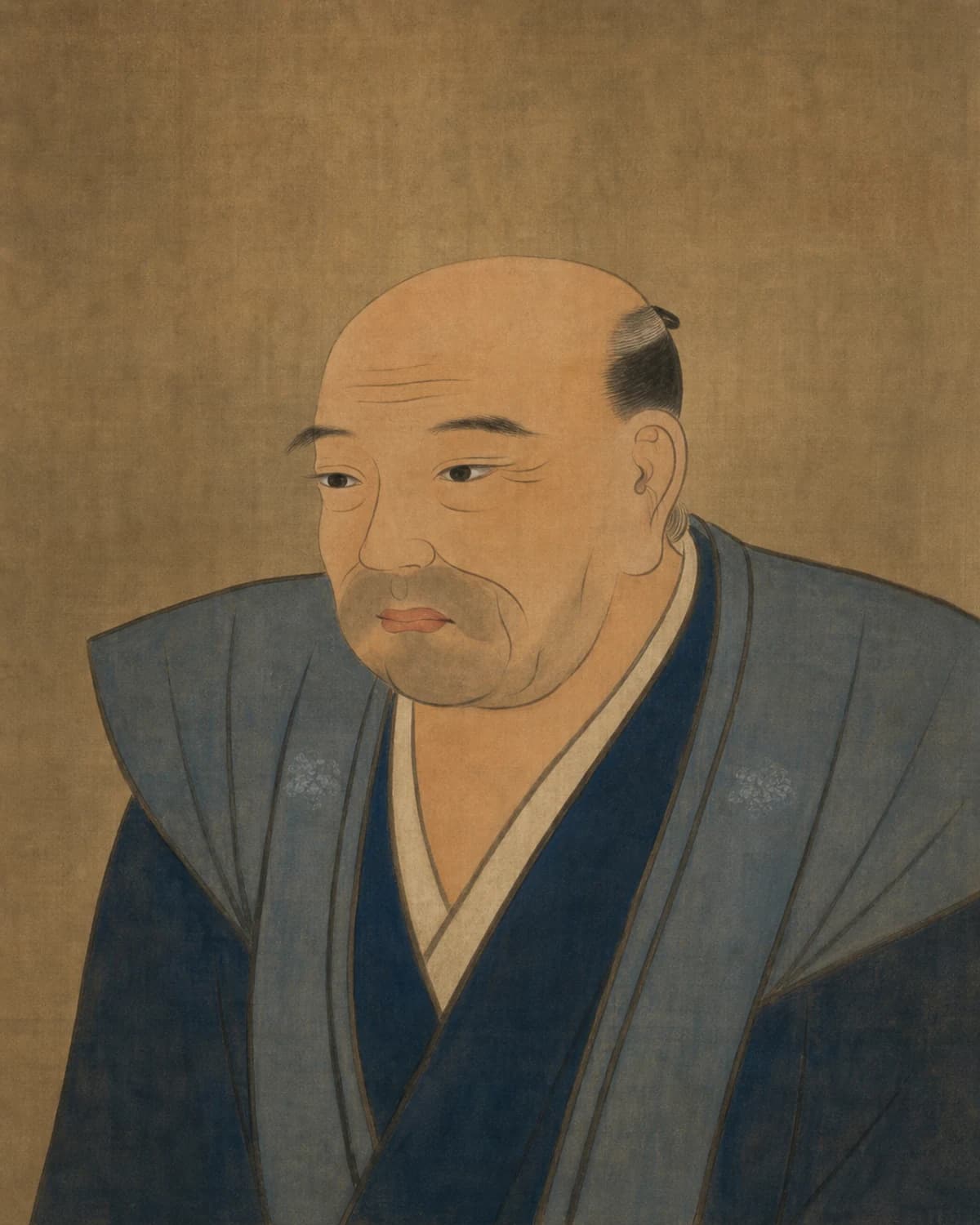
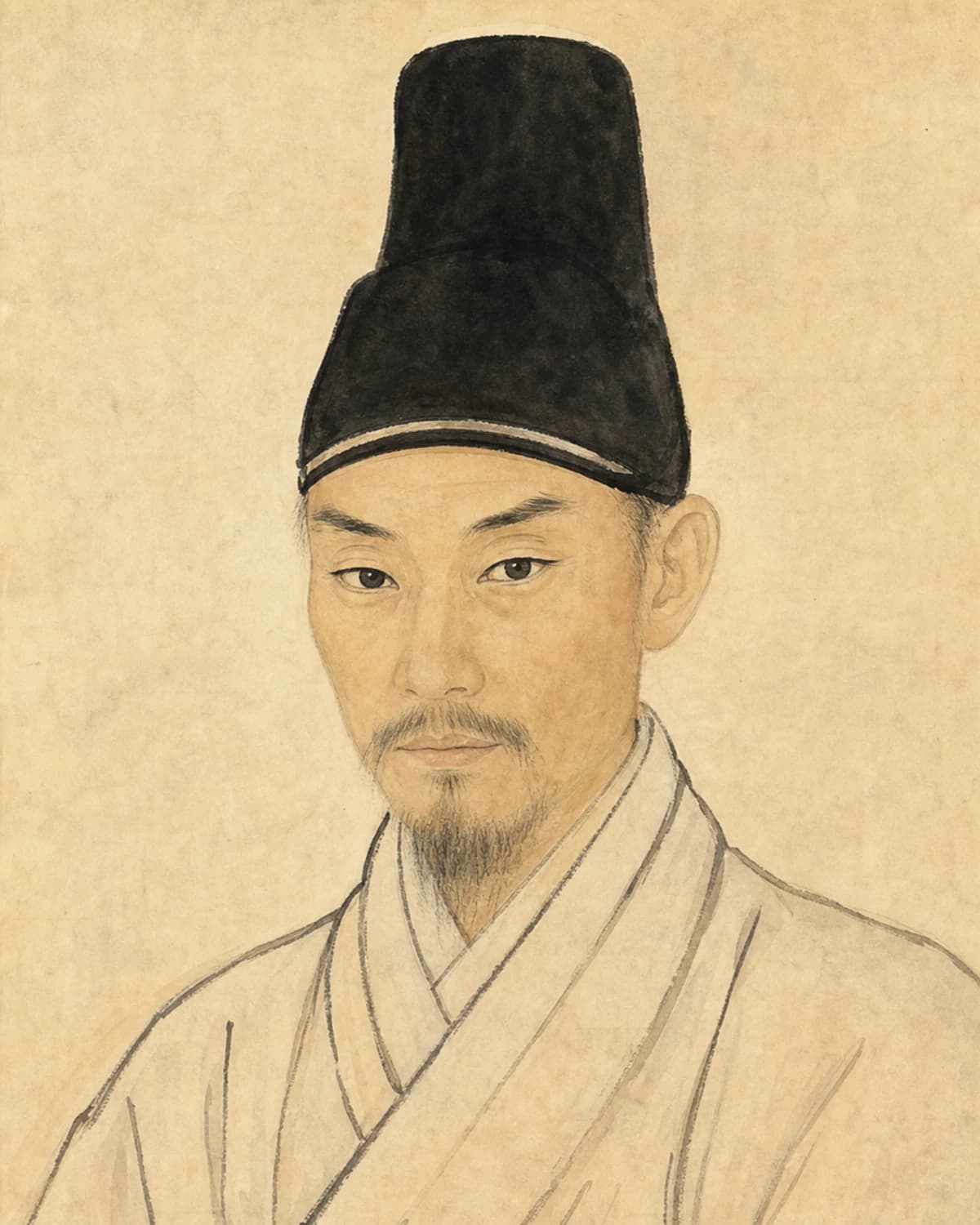
Maruyama Ōkyo (1733–1795), a farmer’s son from Tamba province, started out in a Kyoto toy shop, painting the faces of dolls, and there saw his first European stereoscope. From Western perspective, Chinese models and the Kanō school he put together a manner of his own: a bird, a fish or a snow-laden pine on an empty ground, from life, without outline, with a broad flat brush. His Maruyama school and the Shijō school that grew from it set the course of Kyoto painting for a century.
Martín Tovar y Tovar

10.02.1827–17.12.1902

Martín Tovar y Tovar

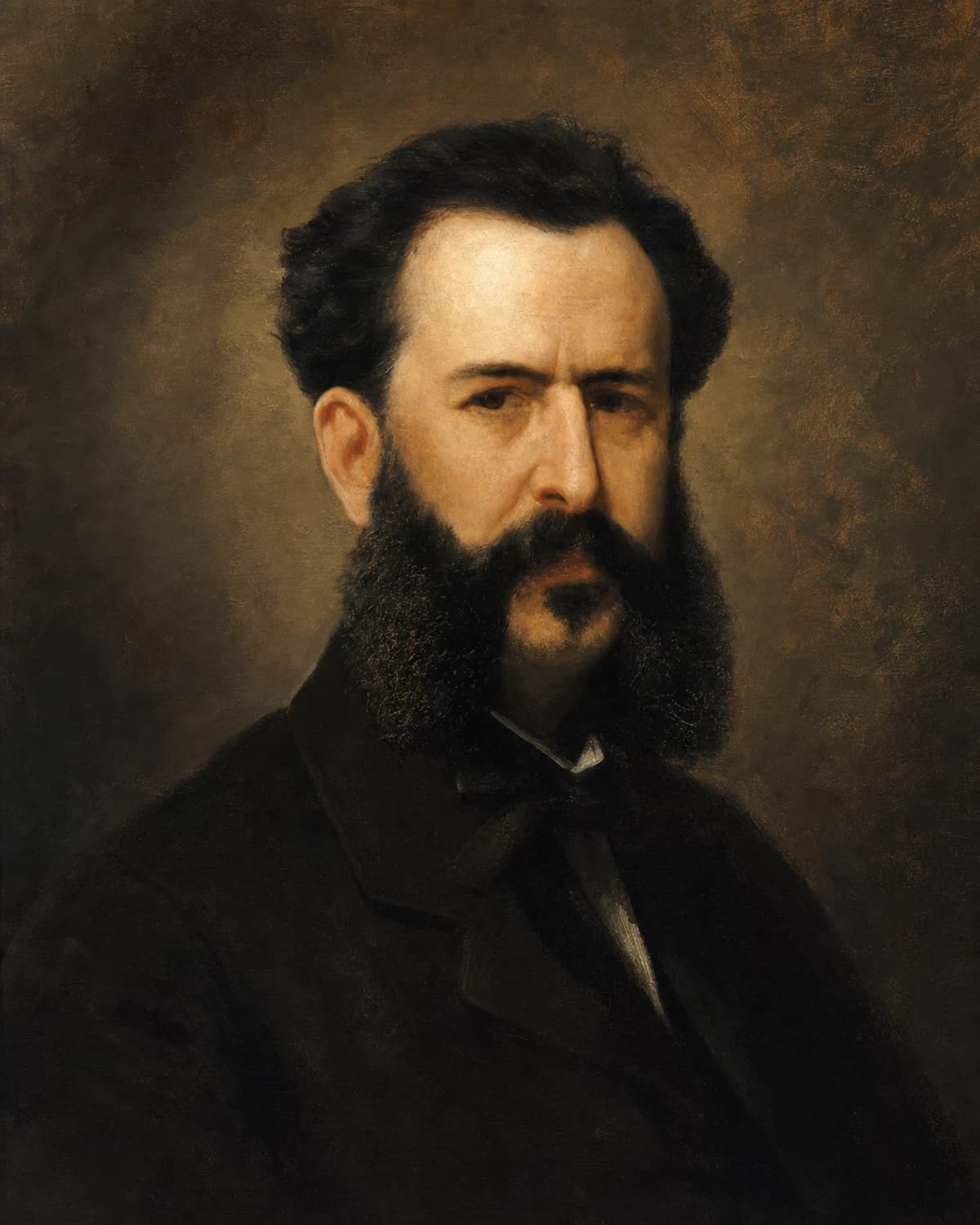
Martín Tovar y Tovar (1827–1902), a pupil of the Madrazos in Madrid and of Léon Cogniet in Paris, painted thirty portraits of the heroes of independence and “The Battle of Carabobo” for the Federal Legislative Palace in Caracas: canvases totalling 458 square metres, glued to an elliptical dome in 1888. Of the four battles commissioned from him he managed to finish three; in 1865 he opened one of Venezuela’s first photographic studios in Caracas.