
14.11.1990–present
Aya Tarek
Aya Tarek was born in Alexandria in 1990 (1989 by other accounts) and has been painting the walls of her home city since 2008, three years before Egyptian street art drew the world’s attention. She studied oil painting at Alexandria University, inherited the studio of her grandfather, a cinema poster artist, and gathered in it the city’s first graffiti group. In 2024 she received the UNESCO-Sharjah Prize for Arab Culture.
Biography
On 25 January 2011 protests began in Egypt that within a few weeks led to the departure of Hosni Mubarak. The same day saw the release of Ahmed Abdalla’s film “Microphone”, about the Alexandria art scene; for it Aya Tarek painted two murals and devised a technique of her own to convey the character of her city.
By then she had been painting on walls for three years. To my mind that Alexandrian address matters more than any date: Cairo graffiti after 2011 has been described many times over, while she began earlier and in another city.
She was born in Alexandria; the sources give her year of birth differently, 1989 or 1990. Her grandfather was a graphic designer who in the 1960s painted cinema posters; of him she says simply, “We have the same brush.” Tarek studied oil painting at Alexandria University, but the fine art classes felt too restrictive, and in 2008 she tried graffiti; at the time she was earning her living in advertising. Having inherited her grandfather’s studio in downtown Alexandria, she gathered there the city’s first graffiti group: with friends she experimented with murals, comics and multimedia. The galleries would not take her, so the street became her gallery. The street was not fond of graffiti then, and it took the city time to notice her work; gender, she says, was never an obstacle, and she asks to be judged as an artist, without the labels “women’s art” and “Egyptian art”. She is often called the first street artist in Egypt.
By 2009 she had several street pieces to her name and began appearing in independent films. In an animated film of her own she showed a graffiti artist’s instant rise and fall from fame, together with her own experience of dealing with the media. With the designer Mohamed Gaber she made one of her first works with a political meaning: a fist and the words “Be with Art”. In the autumn of 2012 she was invited to Beirut for the exhibition “White Wall”, assembled by the Beirut Art Center and the Saradar Foundation: graffiti artists from all over the world worked in the centre’s halls and on the city’s streets, and no one demanded a single message of them. The same year, in the documentary series “Women from the Egyptian Revolution”, she said that before 2011 graffiti in Egypt had been open to any subject and any experiment with technique, and that afterwards, in Cairo, it became stencilled and political, leaving less room for a personal hand.
She herself insists that most street artists are not about politics but about style and technique; after the revolution the Western view of Egypt changed sharply, which is why many began painting political ideals, while she keeps away from propaganda. “The street is for everyone,” she says: street art is accessible to anyone despite the censorship in her country, and that is exactly why she goes on making it.
In December 2020 her first solo exhibition, “The Fear of Missing Out”, opened at the SHELTER Art Space in Alexandria: fifteen works about the anxiety that social media feed and the feeling of falling behind others. In place of her usual large murals, some of the works were made in virtual reality.
In November 2024 Tarek received the twentieth UNESCO-Sharjah Prize for Arab Culture, together with the filmmaker Alidji Alvin, and became the youngest woman among the laureates in the culture category.
Profile notes
Profile and sources
Image
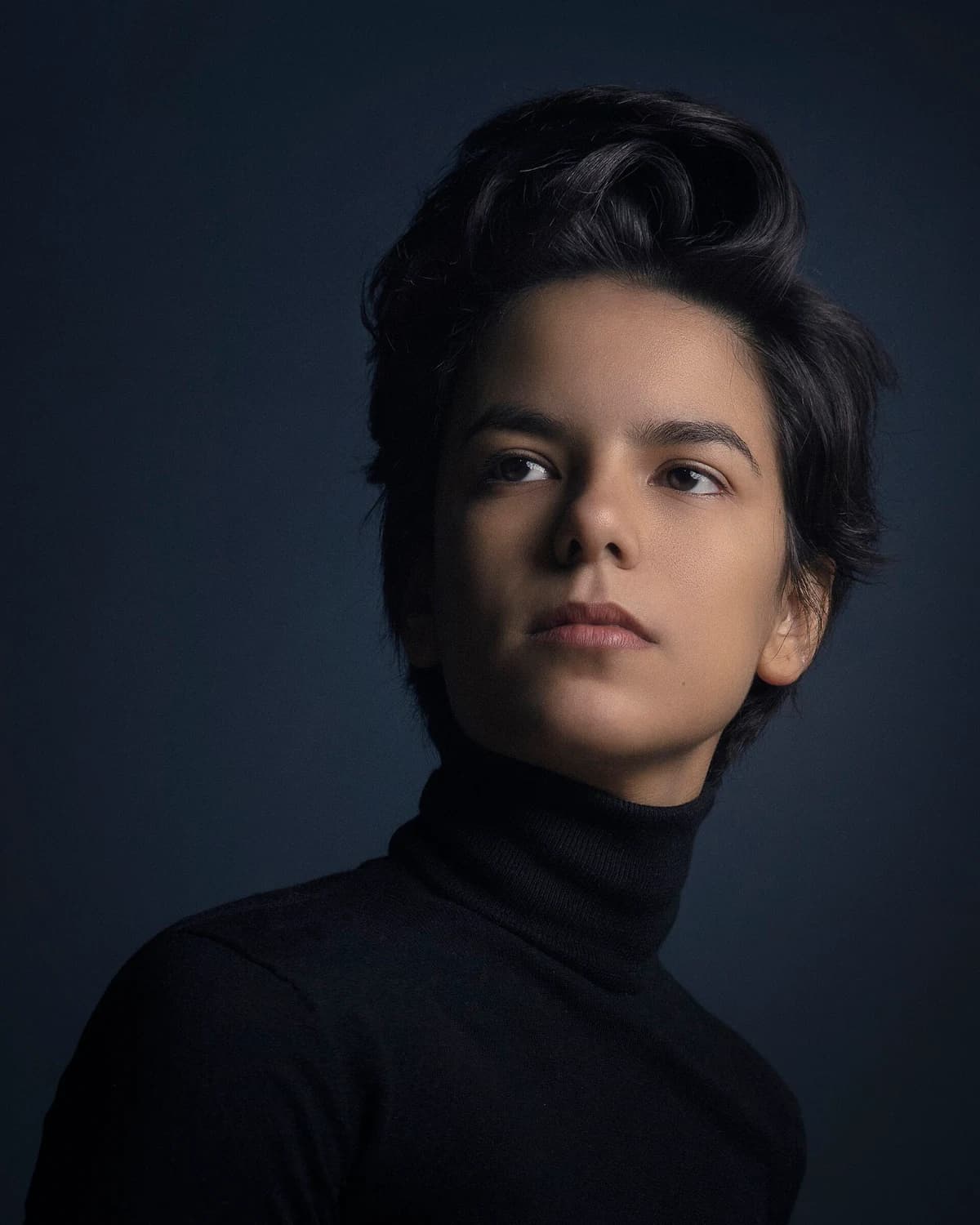
Artist image
Demyana 1998; Wikimedia Commons; CC BY-SA 4.0.
