
1963–present
Research · Sources · Context
Artists
Biographies, facts and images with open sources and verified rights.
Found: 1775
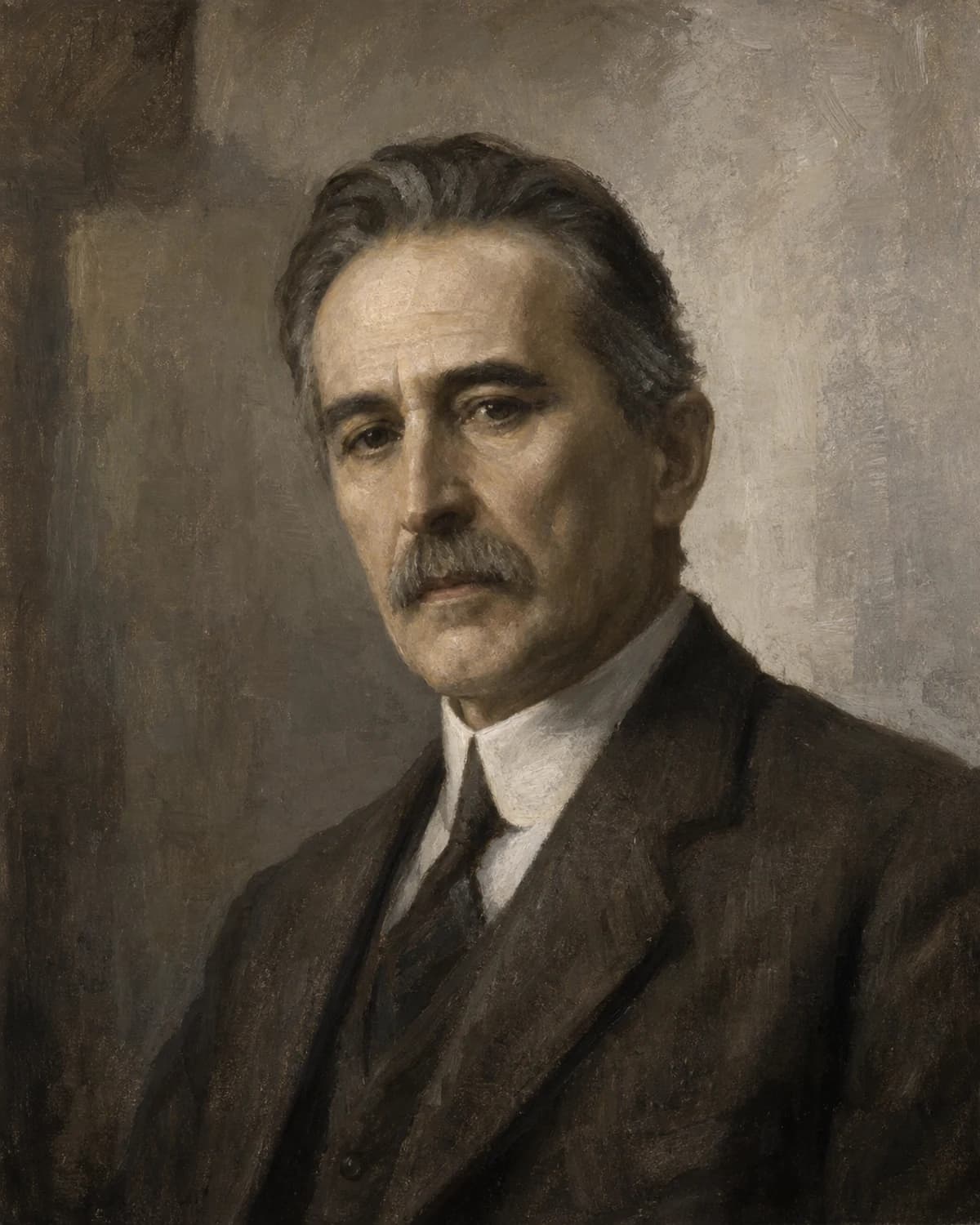
28.07.1874–08.08.1949
Joaquín Torres-García
Joaquín Torres-García (1874–1949) was born in Montevideo, grew up in Barcelona, made stained glass for Gaudí, in 1930 gathered the group Cercle et Carré in Paris with Mondrian and Kandinsky, and in 1934, after forty-three years away, returned to Uruguay and opened a workshop where he taught “Universal Constructivism”. His upside-down map of South America became an emblem of Latin American modernism.09.09.1928–08.04.2007
Sol LeWitt
Sol LeWitt (1928–2007) devised wall drawings that other people execute from his instructions: more than 1,270 have been made since 1968, and after an exhibition they are painted over and drawn afresh somewhere else. His “Paragraphs on Conceptual Art” of 1967 gave a whole movement its name. Born in Hartford, he worked as a night clerk at MoMA and spent his last decades in Spoleto and in Chester, Connecticut.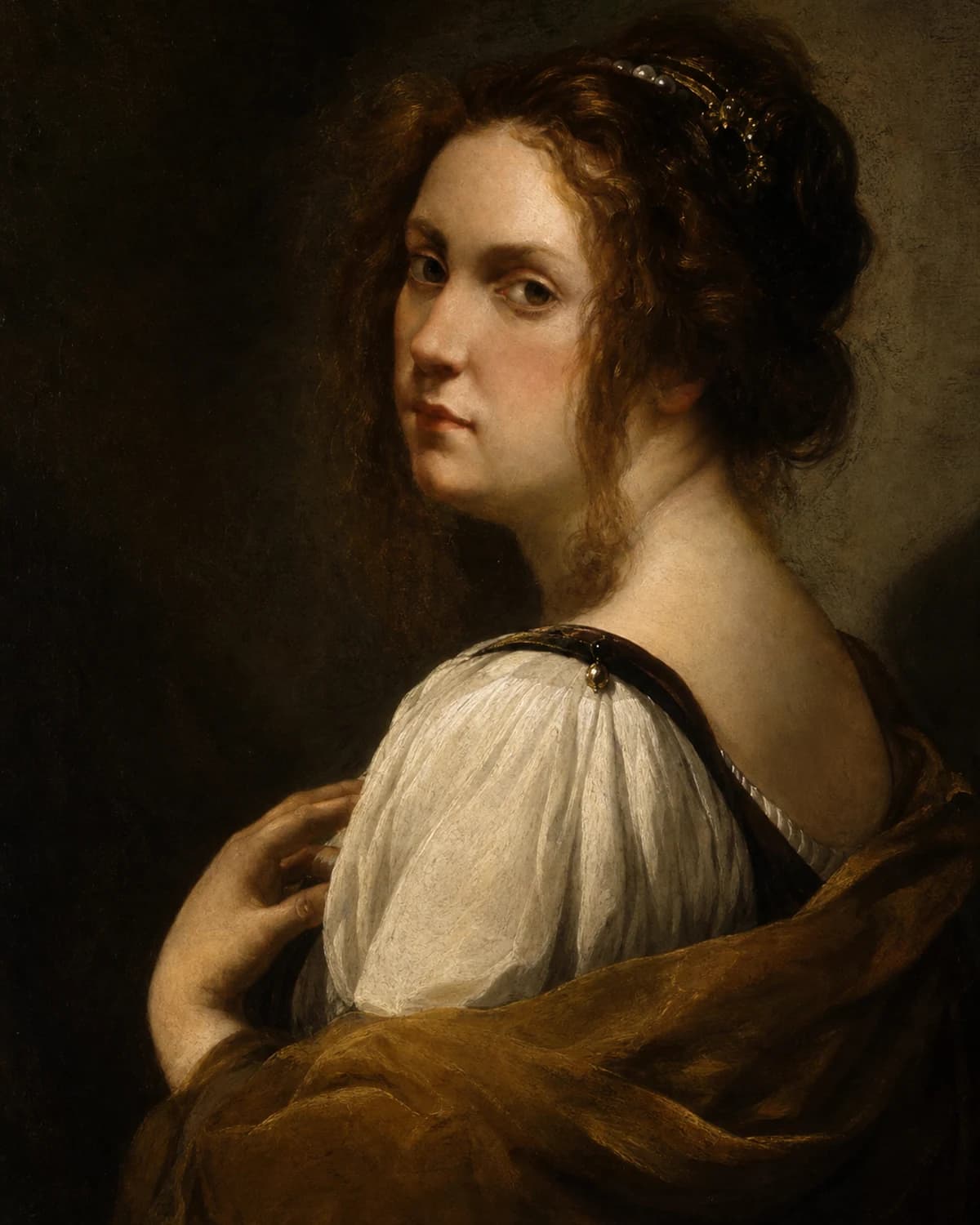
08.07.1593–1653
Artemisia Gentileschi
Artemisia Gentileschi (1593–1650s) trained in the Roman workshop of her father, the Caravaggist Orazio Gentileschi, and in 1616 became the first woman admitted to the Florentine Academy of the Arts of Drawing. She worked in Rome, Florence, Venice, Naples and London. Her best-known paintings are “Judith Slaying Holofernes”, “Susanna and the Elders” and “Self-Portrait as the Allegory of Painting”.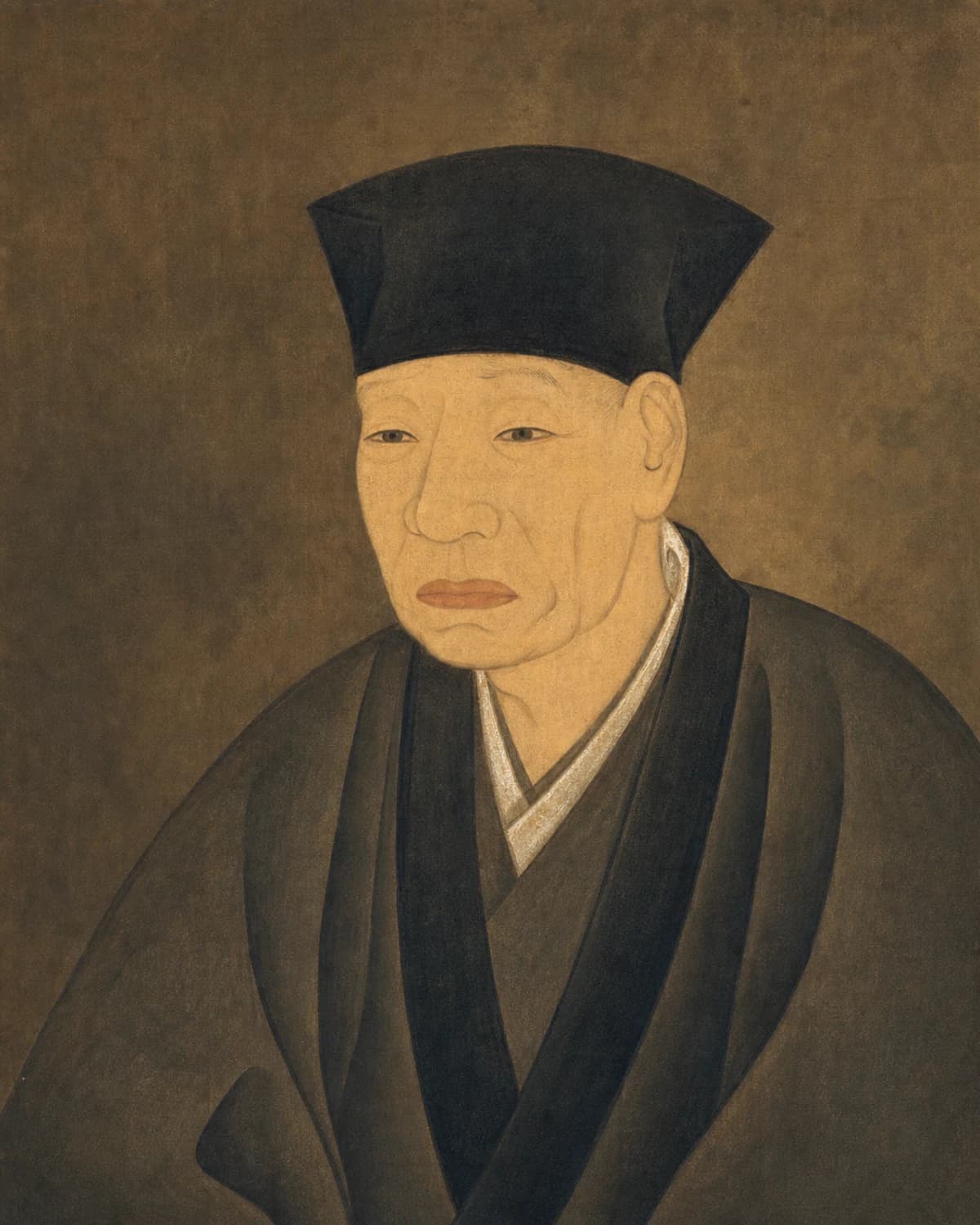
1539–19.03.1610
Hasegawa Tōhaku
Hasegawa Tōhaku (1539–1610), the son of a cloth dyer from Nanao on the Noto peninsula, began with Buddhist images for provincial temples, moved to Kyoto at thirty, studied with the Kanō school and from the scrolls of Sesshū, and around 1590 painted in ink, on a pair of six-panel screens, pine trees in mist in which there is more untouched paper than line. “Pine Trees” is kept at the Tokyo National Museum as a National Treasure.0350–0400
Helena of Egypt
Helena, daughter of Timon the Egyptian, is known from a few lines of a Byzantine summary of an ancient book: she painted the Battle of Issus, and under Vespasian the picture hung in the Temple of Peace in Rome. She lived in the fourth century BC, probably in Alexandria; not one of her works survives. Some scholars see in her painting the source of the Alexander Mosaic from Pompeii; others consider the painter herself an invention.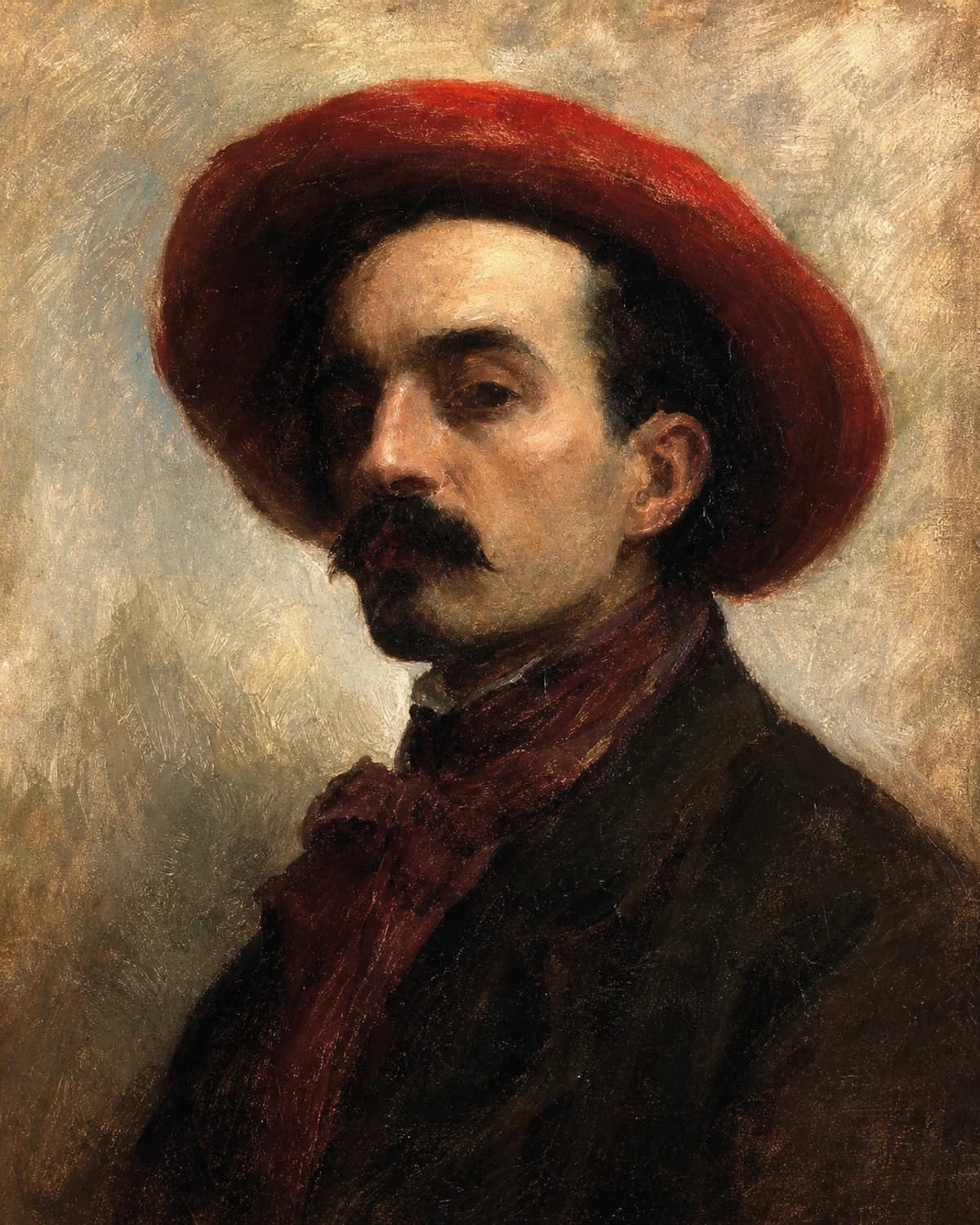
15.12.1857–08.11.1890
Cristóbal Rojas
Cristóbal Rojas (1857–1890) went to work in a tobacco factory in Cúa at thirteen, and in 1883 received a scholarship to Paris from the Venezuelan government for the painting “The Death of Girardot at Bárbula”. At the Académie Julian, under Jean-Paul Laurens, he painted poverty: a sick violinist, a tavern, a first and last communion. He died in Caracas three months after his return, aged thirty-two.12.05.1936–04.05.2024
Frank Stella
Frank Stella (1936–2024) at twenty-two was painting stripes of equal width in black enamel with a house-painter's brush, leaving bare canvas between them; four such pictures were shown at MoMA in 1959. Then came shaped canvases, the “Protractors”, reliefs after “Moby-Dick”, a painted BMW racing car and sculptures made on a 3D printer. “What you see is what you see,” he said of his paintings.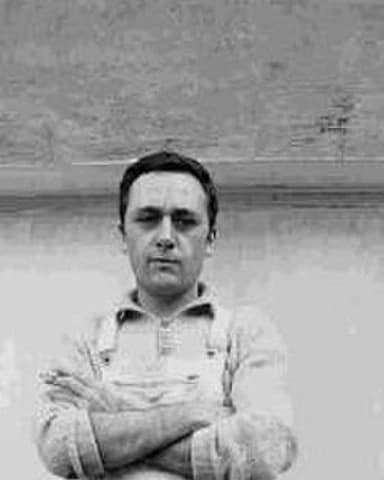
09.02.1932–present
Gerhard Richter
Gerhard Richter (born 1932) has spent more than sixty years painting from photographs, blurring the paint while it is still wet, and alongside this he makes abstract canvases across which he drags colour with a wide squeegee. He trained in Dresden, left for the West in 1961 and has worked in Cologne since 1983; in 2007 that city’s cathedral received his window of 11,500 coloured squares.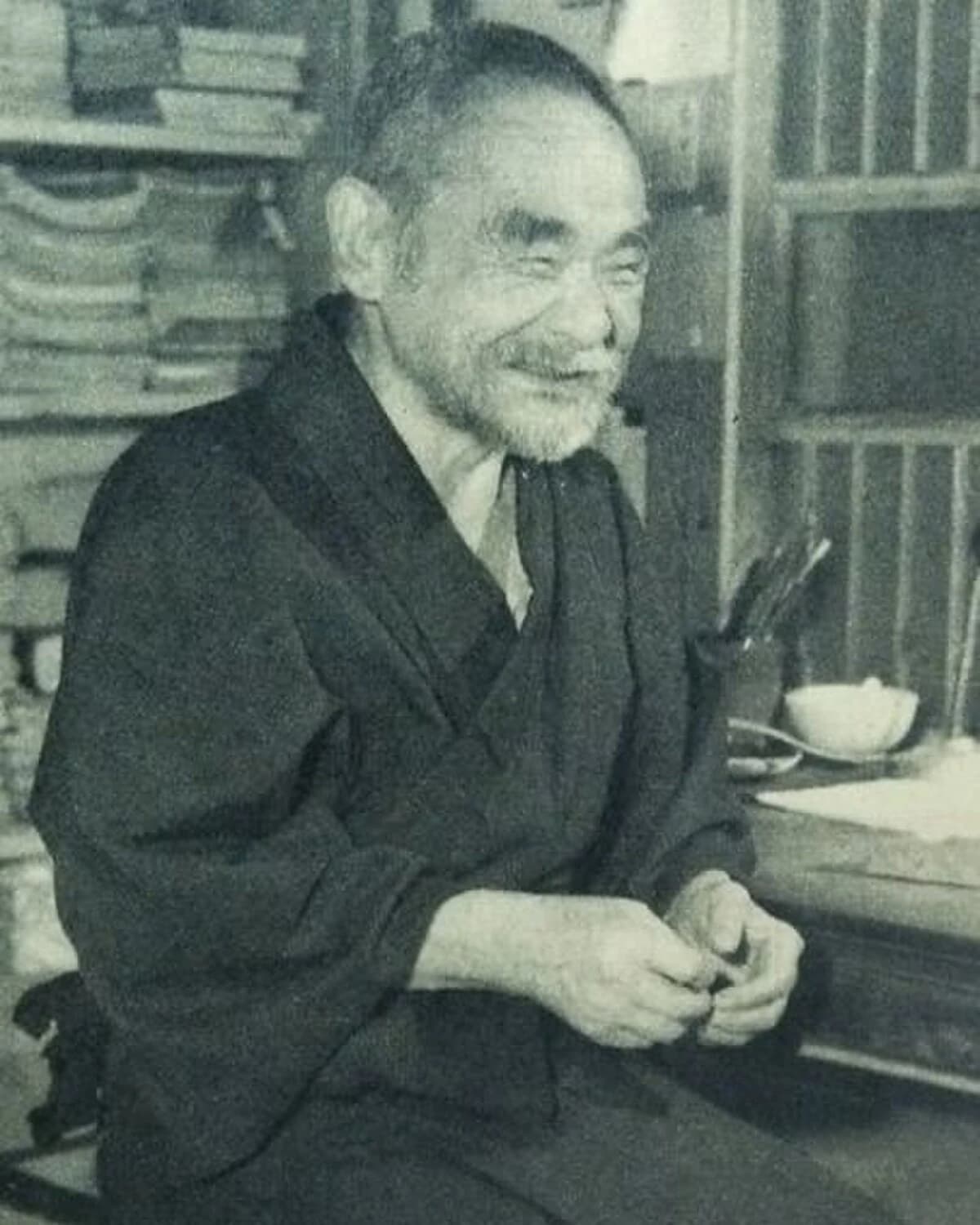
03.03.1882–28.01.1961
Seiu Ito
Seiu Ito (1882–1961), a Tokyo draughtsman and newspaper illustrator, drew one subject all his life: a woman in distress, bound or suspended, as in kabuki plays and Edo-period prints. He tied up his models, photographed them and drew from the photographs; today he is called the father of modern kinbaku. Most of his work burned in the bombing of Tokyo on 10 March 1945.30.08.1932–present
Bruce Onobrakpeya
Bruce Onobrakpeya (born 1932), a Nigerian printmaker, painter and sculptor of Urhobo origin, left a zinc plate too long in hydrochloric acid in 1967 and turned the damage into a deep-etching technique of his own, the “plastograph”. He trained in Zaria, where he belonged to the Zaria Rebels alongside Uche Okeke; since 1999 he has gathered artists every year at the Harmattan Workshop in his native Agbarha-Otor.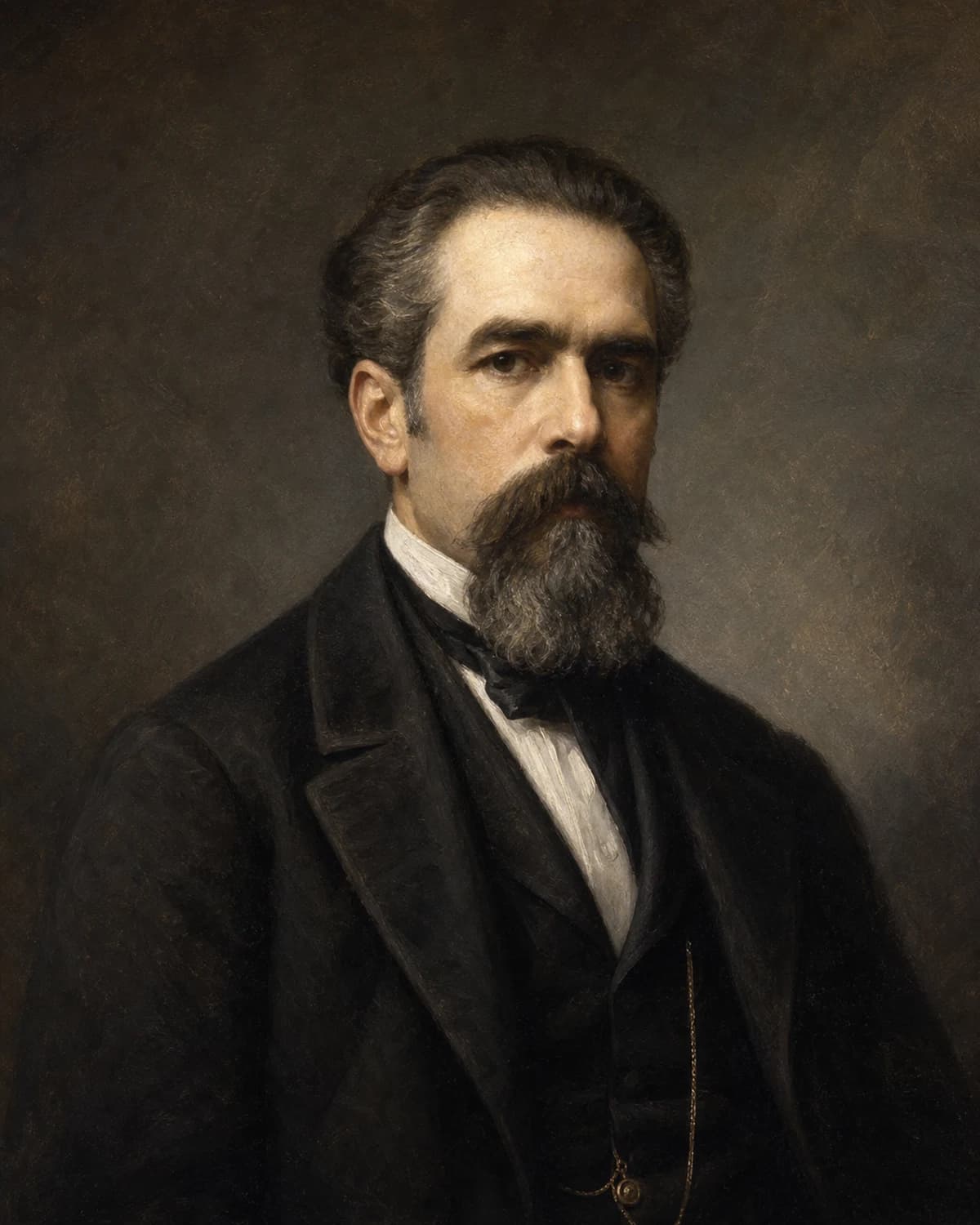
08.06.1830–15.04.1901
Juan Manuel Blanes
Juan Manuel Blanes (1830–1901) painted the central pictures of Uruguayan history, “The Oath of the Thirty-Three Orientals”, “The Battle of Sarandí” and Artigas at the gate of the Ciudadela, and lived all his life from portraits. He trained in Florence under Antonio Ciseri, decorated the Palacio San José for Urquiza and died in Pisa; his remains were brought back to Montevideo.22.03.1912–16.12.2004
Agnes Martin
Agnes Martin (1912–2004) covered square canvases with fine pencil grids from the early 1960s and, after leaving New York for the New Mexico desert in 1967, moved on to horizontal bands of pale colour. She was hung alongside the Minimalists, yet she called herself an abstract expressionist; in Taos an octagonal gallery with seven of her canvases is set aside for her.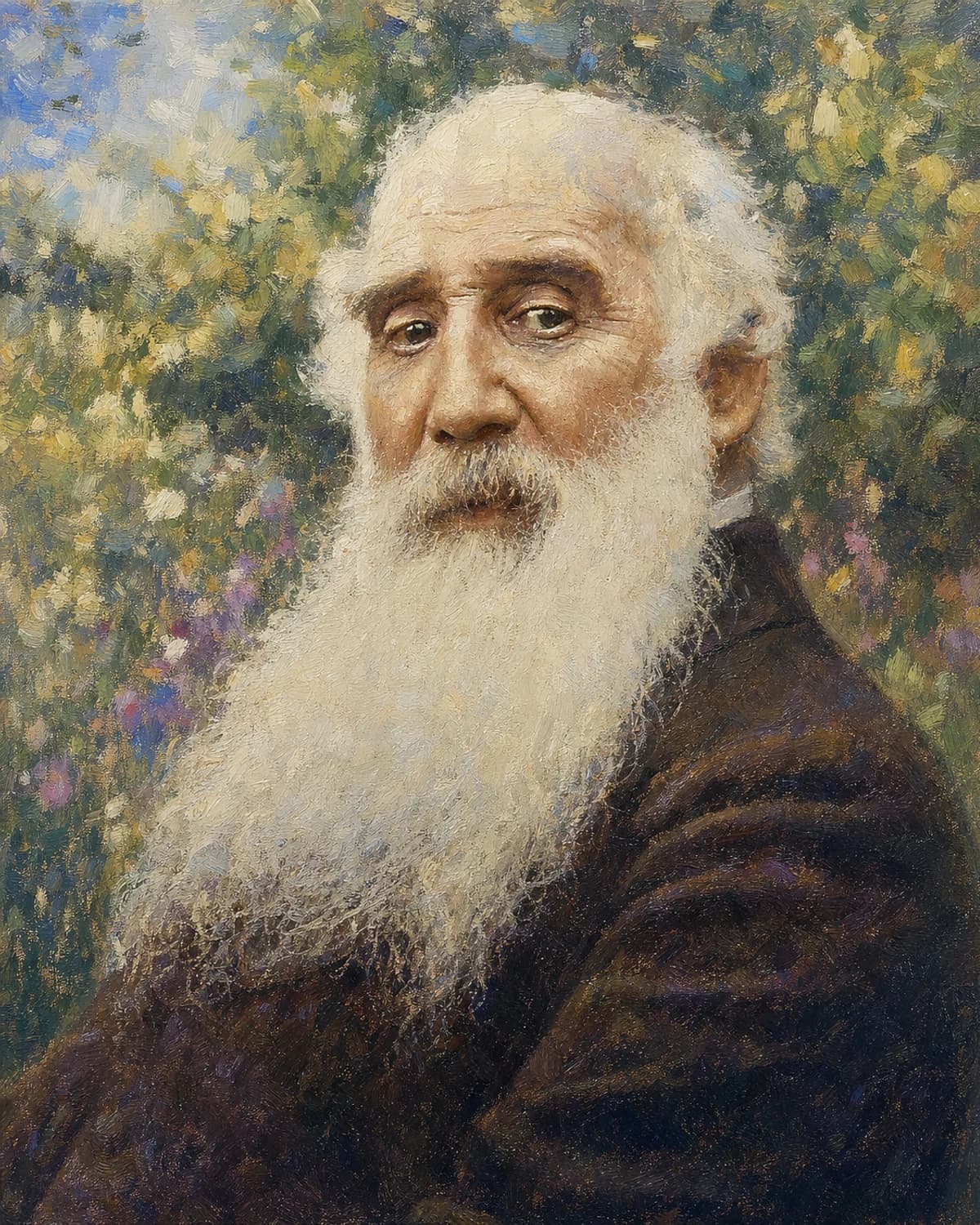
10.07.1830–13.11.1903
Camille Pissarro
Camille Pissarro (1830–1903), a native of the Danish island of St Thomas, was the only Impressionist to show at all eight of the group’s exhibitions, wrote the first charter of their society in 1873 and, at fifty-four, took up Seurat’s dotted manner. Cézanne called him a father, Gauguin one of his masters; his late views of the Paris boulevards were painted from hotel windows.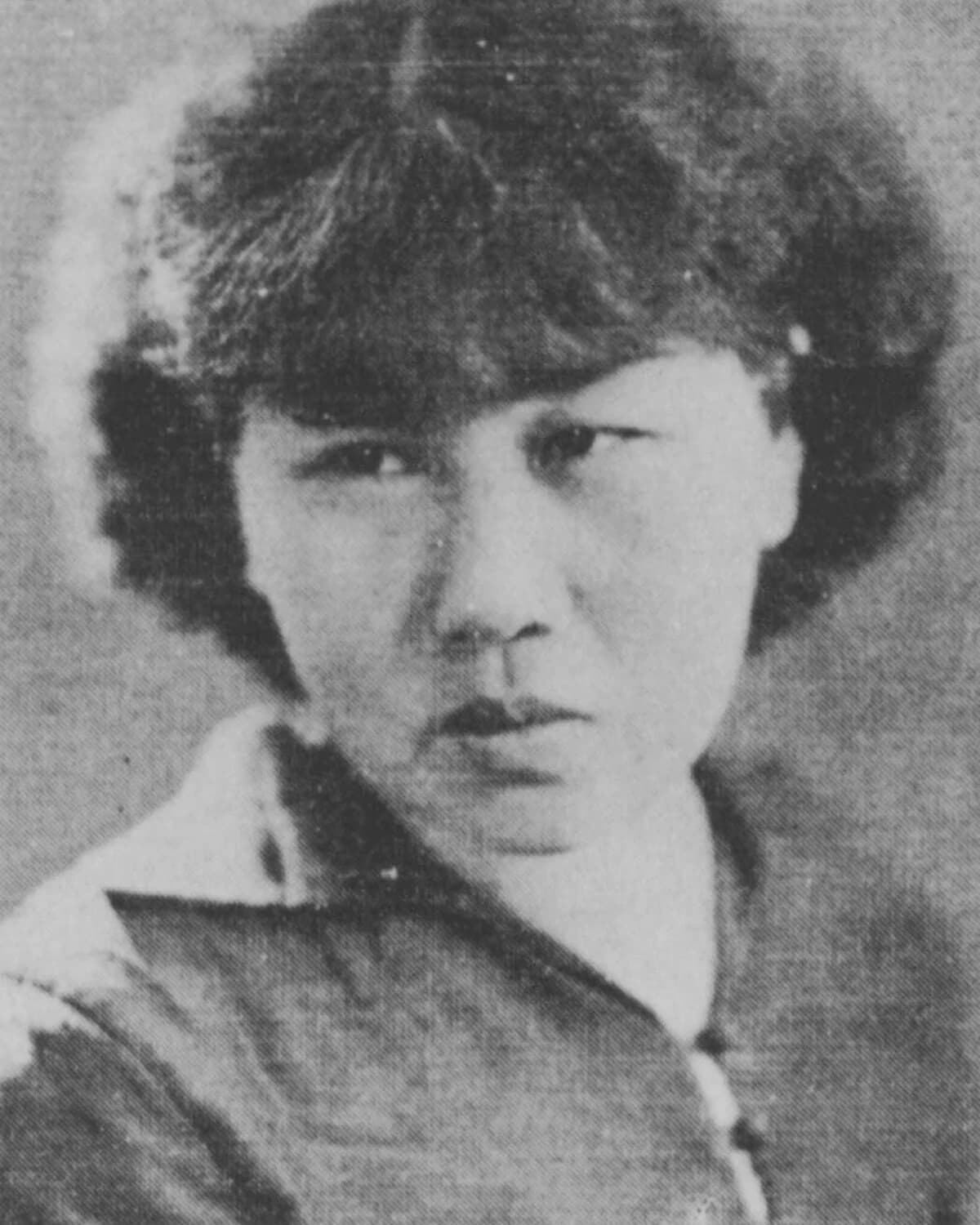
14.06.1895–22.07.1977
Pan Yuliang
Pan Yuliang (1895–1977), one of the first Chinese women trained in oil painting and life drawing, passed through the schools of Shanghai, Lyon, Paris and Rome, won the gold award of the Rome international exhibition in 1926 and was the first Chinese woman painter to be given a solo exhibition at home. From 1937 she lived in Paris; about four thousand of her works are kept in the Anhui Museum in Hefei.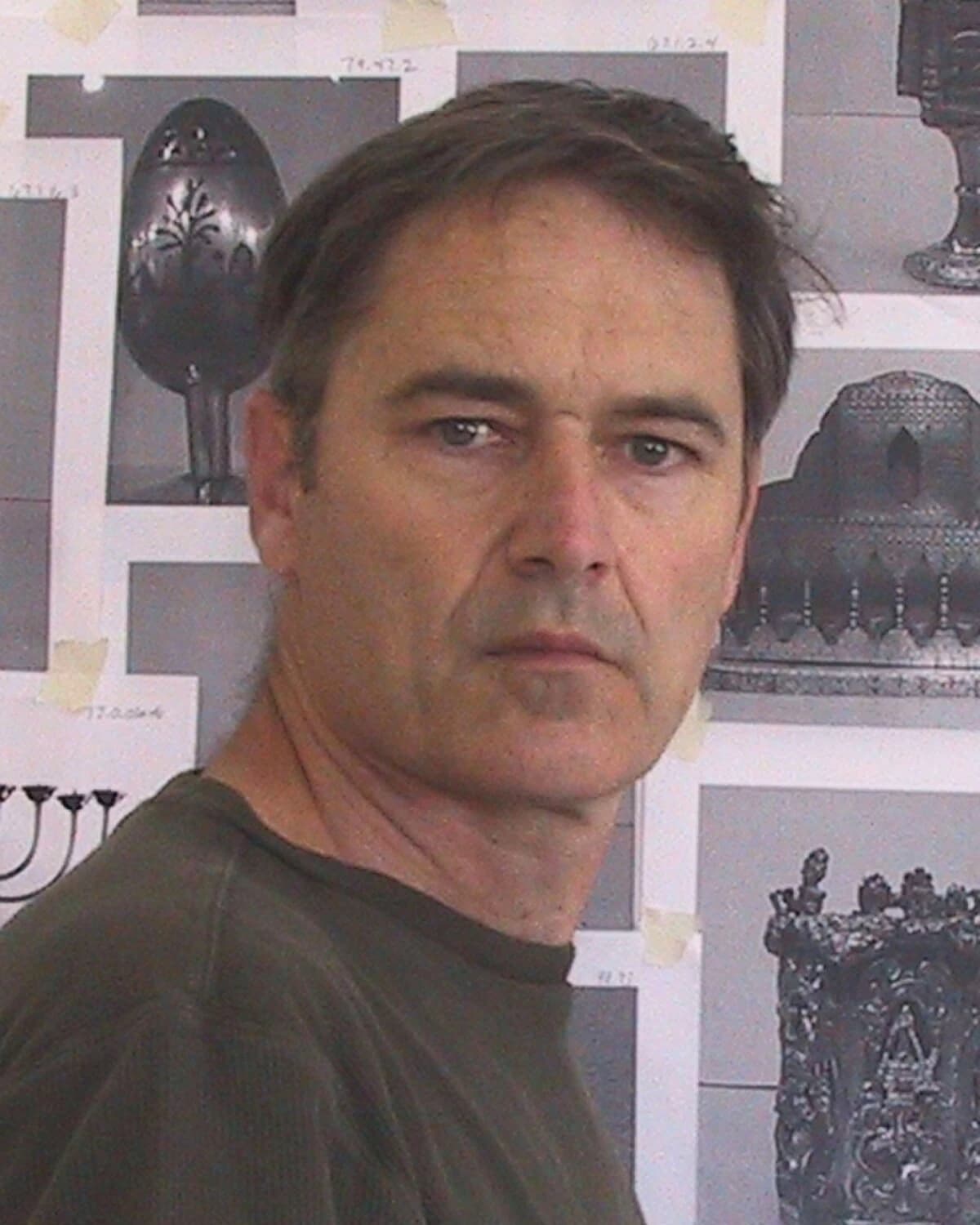
1954–present
Larry Abramson
Larry Abramson (born 1954), an Israeli painter from South Africa, worked for ten years as a printer at the Jerusalem Print Workshop, rewrote Malevich’s “Black Square” in his own way in the 1980s and, in the series “tsooba” (1993–1994), painted thirty-eight landscapes of a single hill with ruins and as many impressions of them on newspaper. He has taught at the Bezalel Academy since 1984; in 2010 the Tel Aviv Museum showed his retrospective.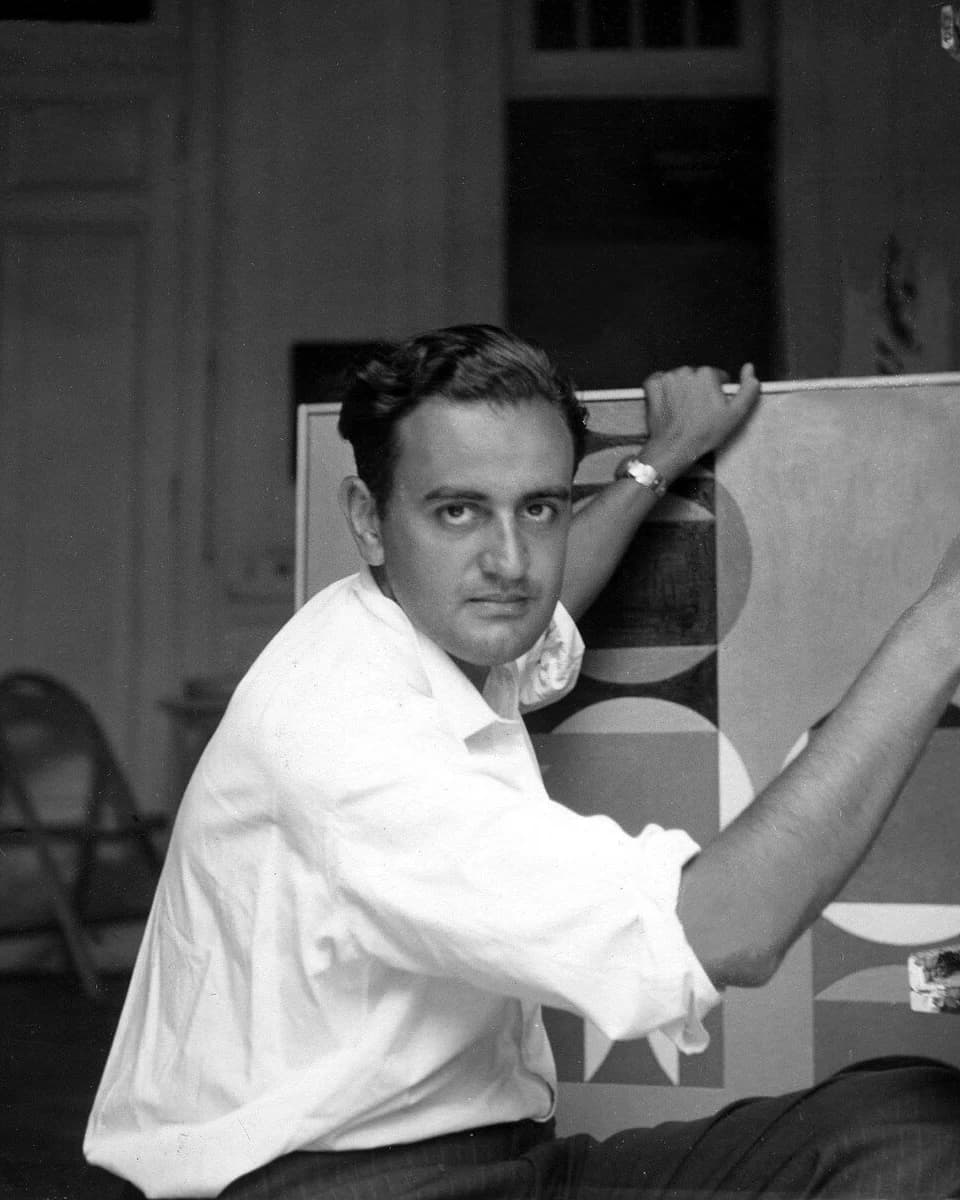
25.04.1922–26.11.2018
Tomás Maldonado
Tomás Maldonado (1922–2018), an Argentine painter of concrete art, left for Ulm in 1954, where after Max Bill’s departure he headed the Hochschule für Gestaltung and built the “Ulm model”: design as planning grounded in science rather than in art. Later he edited Casabella, taught in Bologna and Milan and received the Compasso d’Oro in 1995.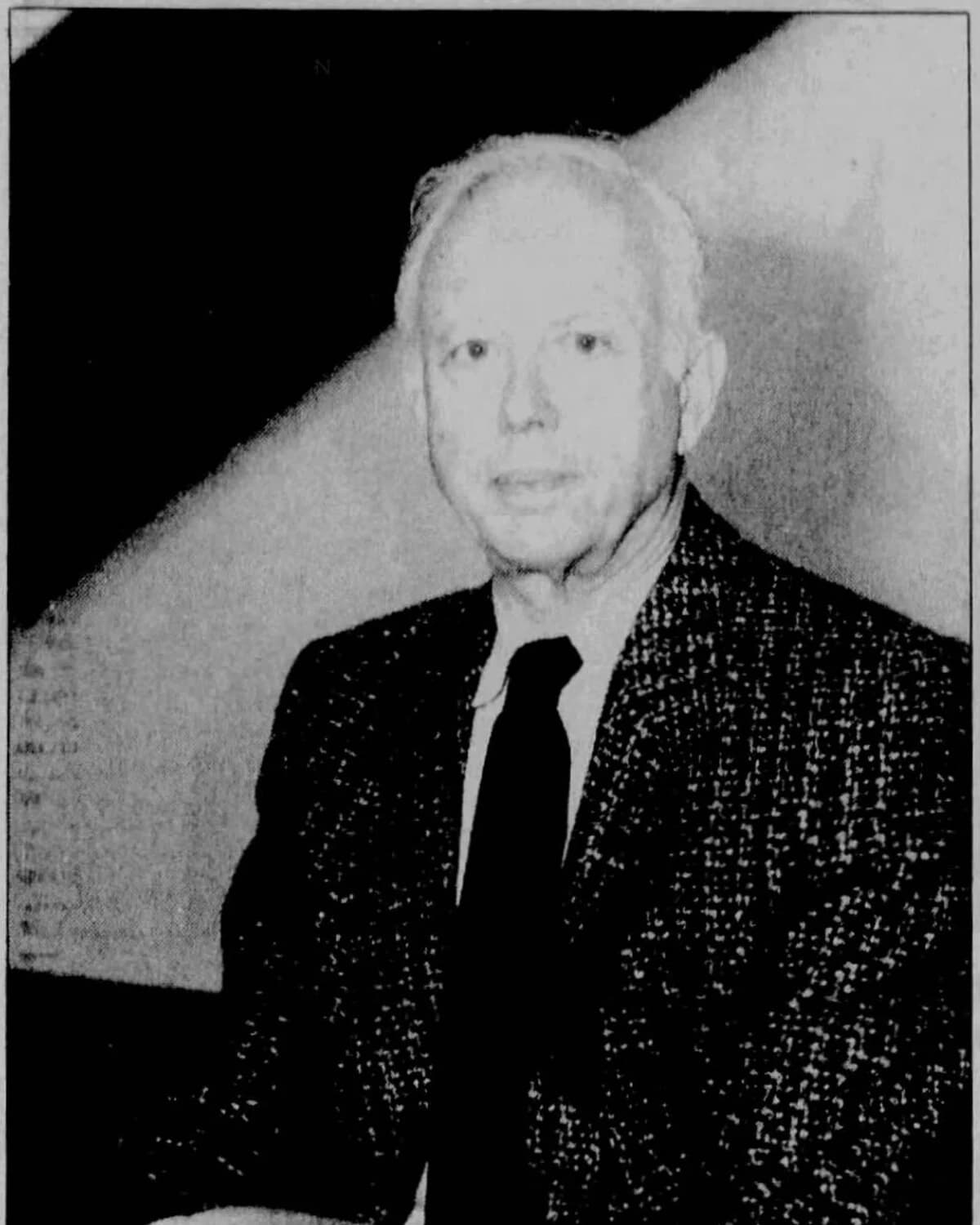
31.05.1923–27.12.2015
Ellsworth Kelly
Ellsworth Kelly (1923–2015) painted canvases of a single flat colour and cut them at slanting angles, taking his shapes from things seen: light on the Seine, the outline of a leaf, a shadow. Six years in Paris after the war, a first New York show at Betty Parsons’s in 1956, a studio in Spencertown from 1970; his only building, “Austin”, opened in Texas two years after his death.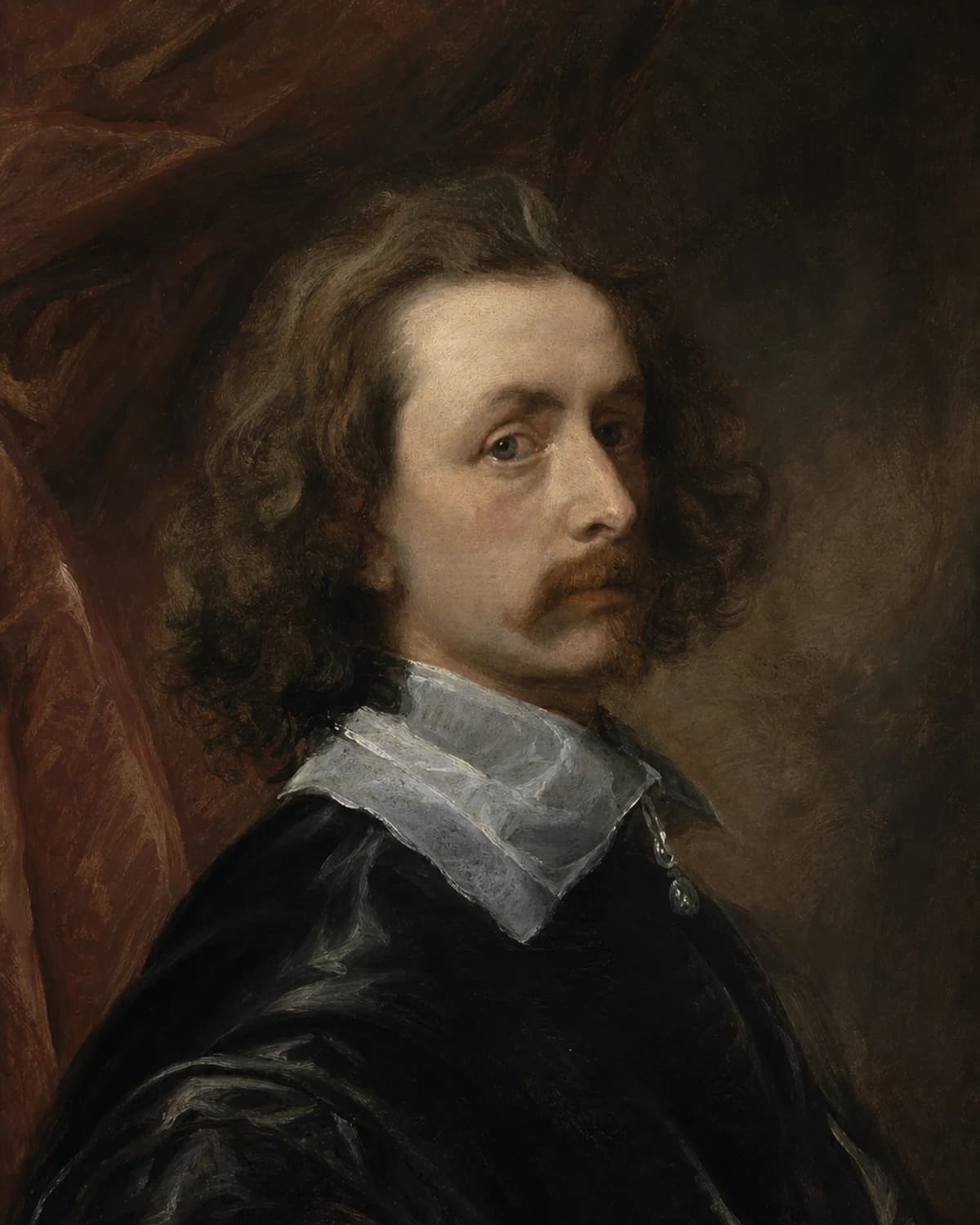
22.03.1599–09.12.1641
Anthony van Dyck
Anthony van Dyck (1599–1641) was Rubens’s chief assistant at nineteen, worked out the full-length grand portrait in Genoa, and from 1632 painted Charles I and his court in London: about forty portraits of the king, thirty of the queen. His manner set the course of English portraiture for a century and a half, and his series of etchings, the “Iconography”, was still being printed two hundred years after his death.1758–1813
Sin Yunbok
Sin Yunbok (1758 – after 1813), known by his art name Hyewon, painted the townspeople of late Joseon: kisaeng, shamans, lovers, women bathing on the Dano festival. His album of thirty genre leaves was listed in 1970 as National Treasure No. 135 of Korea. With Kim Hongdo and Jang Seung-eop he is counted among the “Three Wons” of Korean painting.1882–1963
Aina Onabolu
Aina Onabolu (1882–1963), a self-taught painter from Ijebu-Ode, portrayed the Lagos elite in oil, pastel and watercolour, studied in London and Paris in 1920–1922 and came home as the first qualified art teacher in Nigeria. Through his efforts drawing and painting entered the curriculum of Nigerian secondary schools, and in Lagos he earned the nickname Mr Perspective.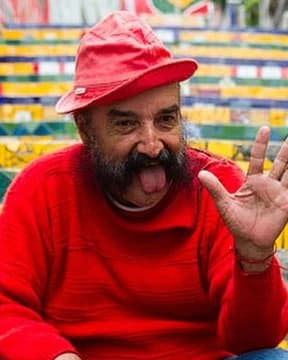
1947–10.01.2013
Jorge Selarón
Jorge Selarón (1947–2013), a self-taught Chilean painter, travelled through half a hundred countries and from 1990 covered with tiles the 215 steps of the stairway to the Convent of Santa Teresa in Rio de Janeiro, between the Lapa and Santa Teresa districts. He worked alone, on the money from selling his own paintings, while tiles were sent to him from all over the world; in 2005 the city listed the stairway as a landmark.24.01.1915–16.07.1991
Robert Motherwell
Robert Motherwell (1915–1991), the youngest of the New York School, came to painting from philosophy: Stanford, Harvard, Columbia. The “Elegies to the Spanish Republic”, black ovals and rectangles on white, he painted from 1948 to the end of his life, more than two hundred canvases; he also compiled the anthology “The Dada Painters and Poets” (1951) and edited the series “Documents of Modern Art”.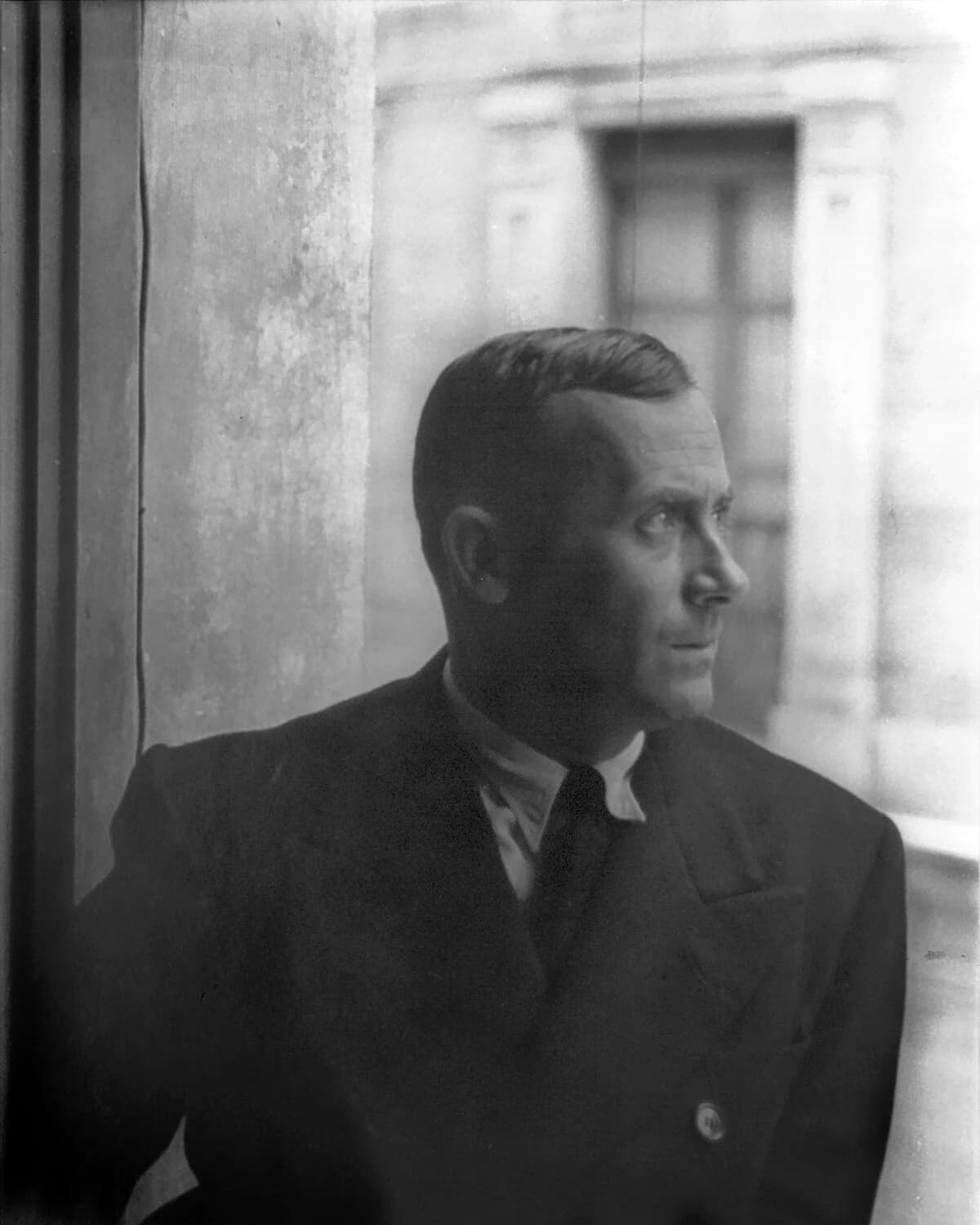
20.04.1893–25.12.1983