 International contemporary art platform
22.03.1599–09.12.1641
Anthony van Dyck
Anthony van Dyck was born on March 22, 1599, in Antwerp, a cultural center of the Spanish Netherlands. He was a Flemish painter, draftsman, and master etcher who specialized in portrait painting, as well as religious, mythological, historical works, and allegories. Van Dyck developed different genres of portraiture, including intimate and ceremonial…

Biography
Anthony van Dyck was born on March 22, 1599, in Antwerp, a cultural center of the Spanish Netherlands. He was a Flemish painter, draftsman, and master etcher who specialized in portrait painting, as well as religious, mythological, historical works, and allegories. Van Dyck developed different genres of portraiture, including intimate and ceremonial portraits, becoming a master of the court portrait. After an extended period in Italy, he moved to England, where he was appointed the first court painter to King Charles I. His work significantly influenced later English portrait artists such as Peter Lely. Besides portraiture, Van Dyck created paintings on biblical and mythological themes. An important stage in his professional life was his collaboration and study under Peter Paul Rubens, from whom he adopted technique and partly style. Anthony van Dyck died on December 9, 1641, in London, in the Blackfriars district. Notable works include "Jupiter and Antiope," "Portrait of Charles I at the Hunt," "Charles I from Three Sides," as well as portraits of prominent contemporaries. Van Dyck held positions as a painter, draftsman, etcher, court artist, and a significant figure of Baroque art in the Spanish Netherlands and England.
Artist works
Works by the artist
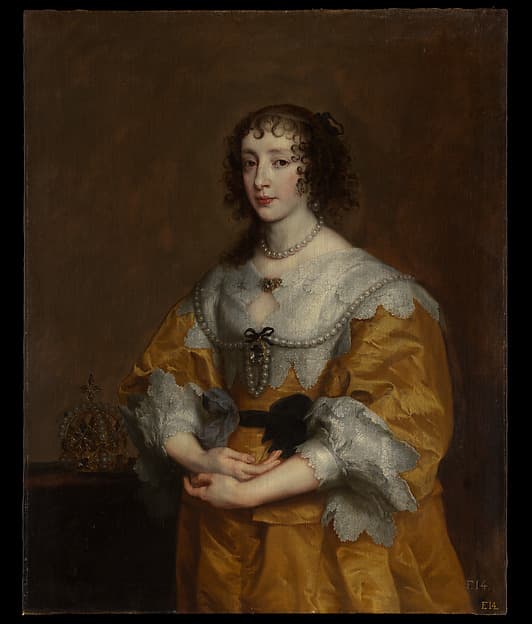
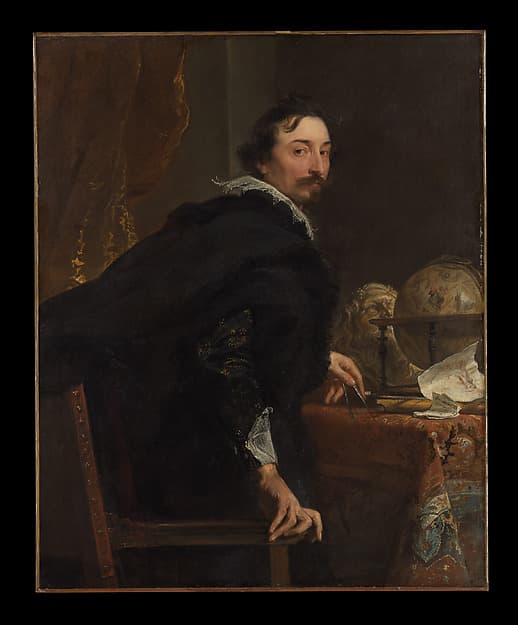
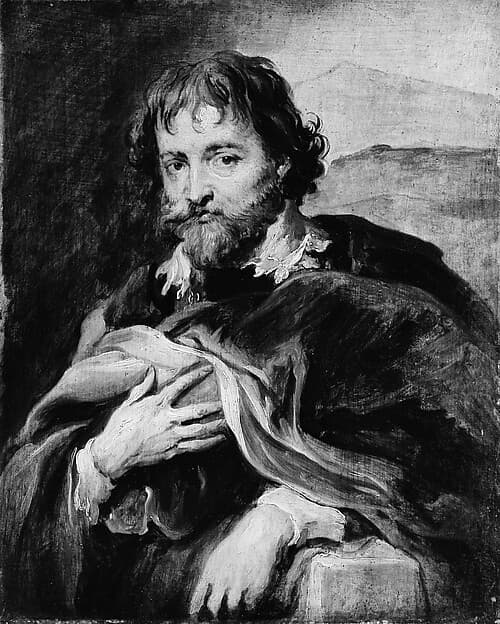
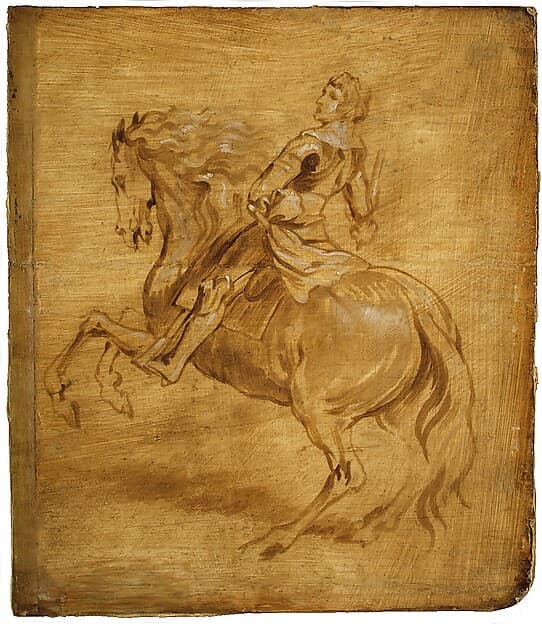
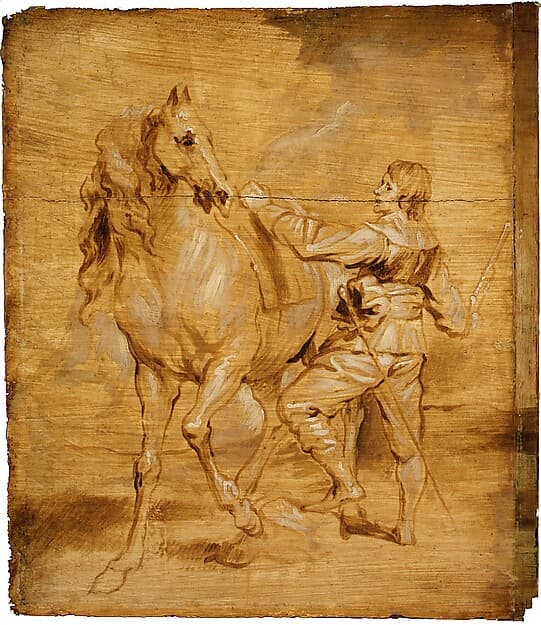
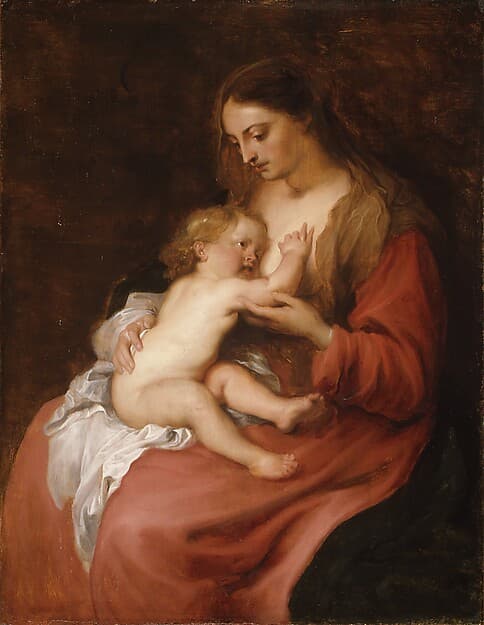
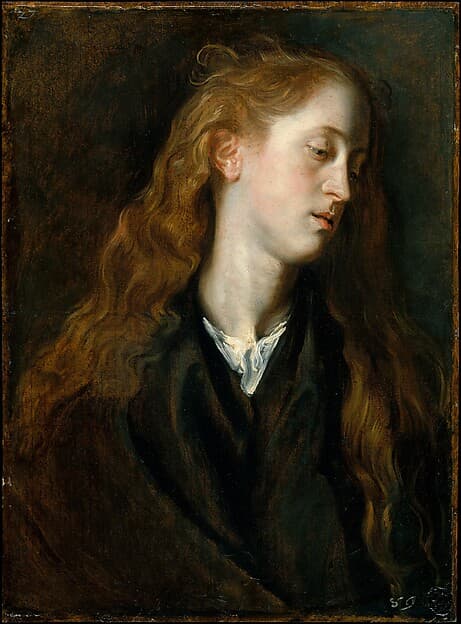
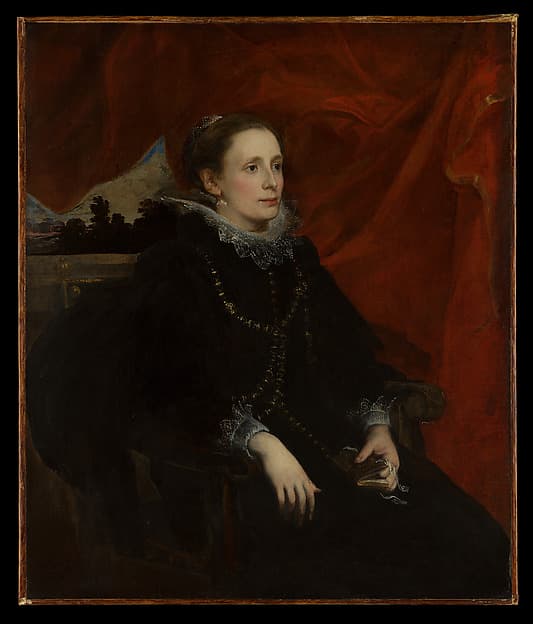
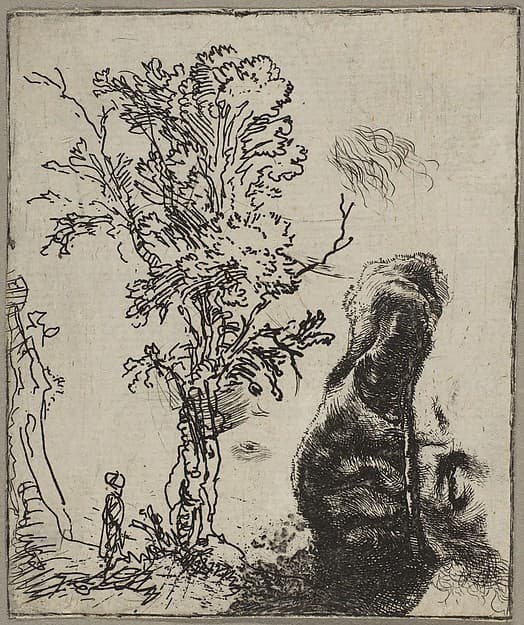
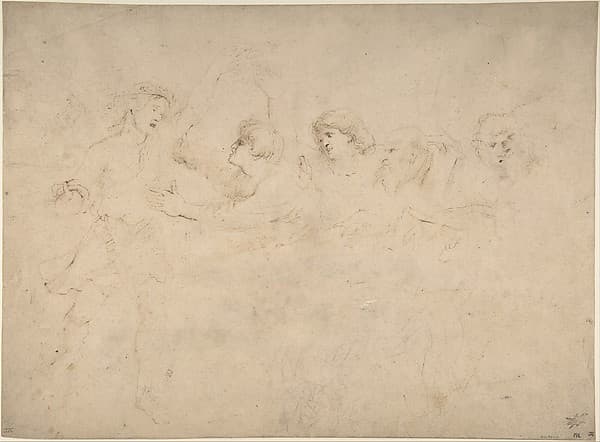
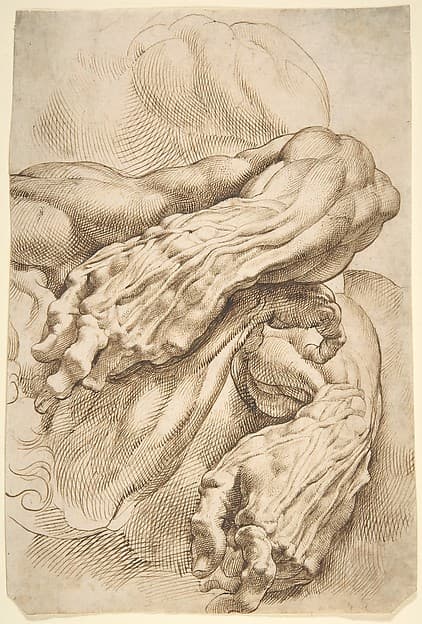
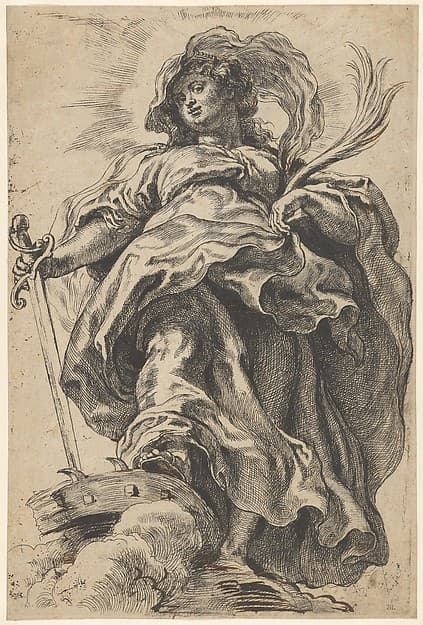
Works by Anthony van Dyck available in this edition of NEOARCA.
Related context
Associations
Works connected through artistic movements, cultural context and period. Priced works available in this market appear first.
Profile notes
Profile and sources
Image
AI interpretation inspired by the artist’s period and visual language. It is not a historical portrait or an artwork by the artist.AI editorial interpretation
ИИ-стилизация на основе открытого изображения: Anthony van Dyck; Wikimedia Commons; Public domain.
