
31.01.1872–18.06.1957
Research · Sources · Context
Artists
Biographies, facts and images with open sources and verified rights.
Found: 1775
20.07.1928–23.02.1975
Minas Avetisyan
Minas Avetisyan (1928–1975) was born in the Armenian village of Jajur, studied in Yerevan and in Leningrad under Boris Ioganson, and made his name after the “Exhibition of Five” in Yerevan in 1962. His landscapes, self-portraits and village scenes are built on contrasting colour and a broad brushstroke close to Fauvism. In fifteen years he painted about five hundred canvases, made frescoes and designed stage productions.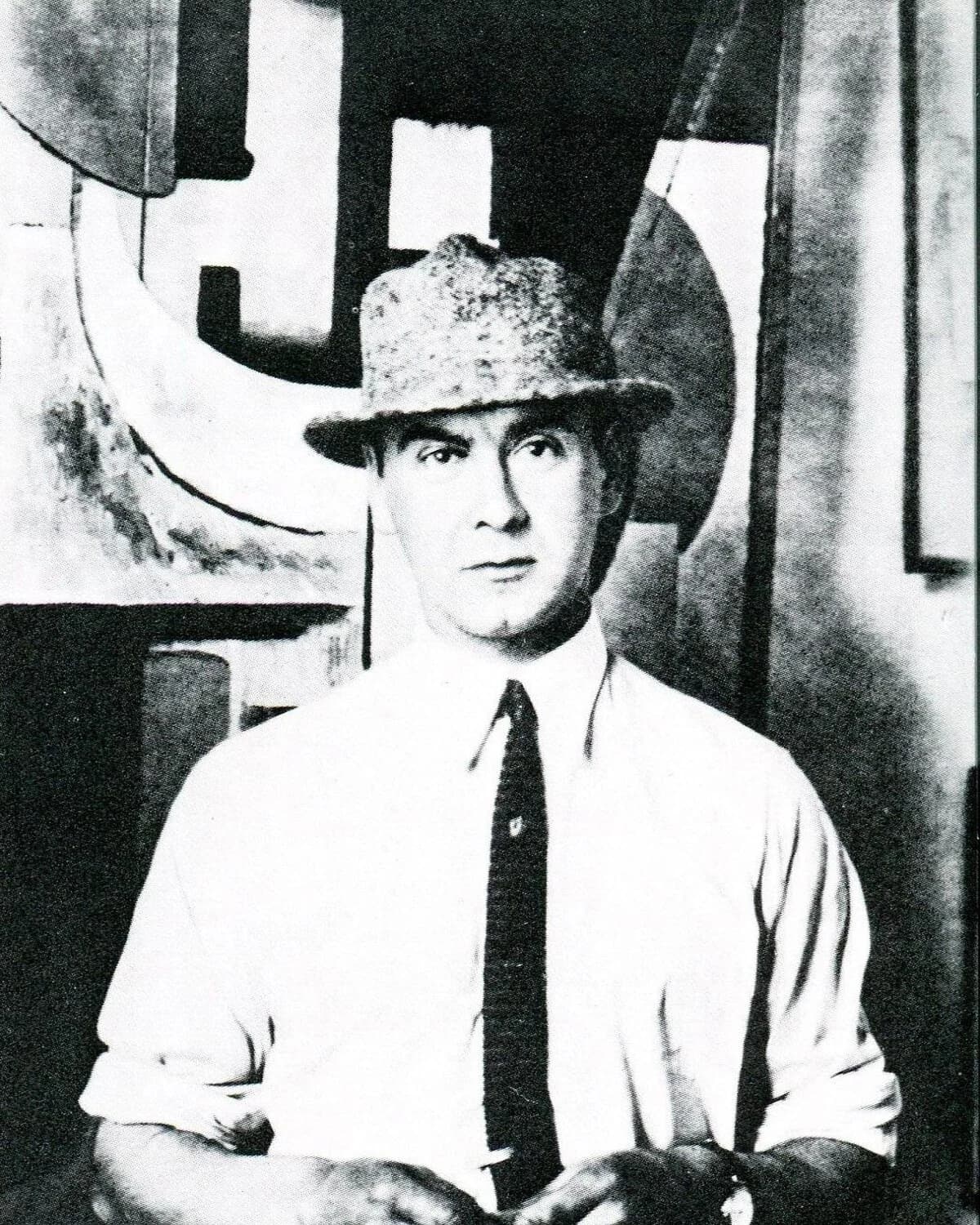
14.05.1891–21.11.1967
Vladimir Lebedev
Vladimir Lebedev (1891–1967) began as a cartoonist for Satirikon, made posters for the Petrograd ROSTA Windows in 1919–1920, and from 1924, together with Samuil Marshak, ran the children’s department of the State Publishing House in Leningrad. Their picture books “Circus”, “Ice Cream”, “Luggage” and “Moustached and Striped” set the look of the new children’s book. Alongside them he painted still lifes and portraits of women.18.09.1956–present
Viktor Lyapkalo
Viktor Lyapkalo (b. 1956) comes from Ukhta; he studied at the Saratov Art School and at the Repin Institute in Leningrad, graduating from Boris Ugarov’s studio. He lives in St Petersburg and paints portraits, nudes and landscapes. His solo exhibitions have been held in St Petersburg and in Germany: in Marburg, Munich and Giessen.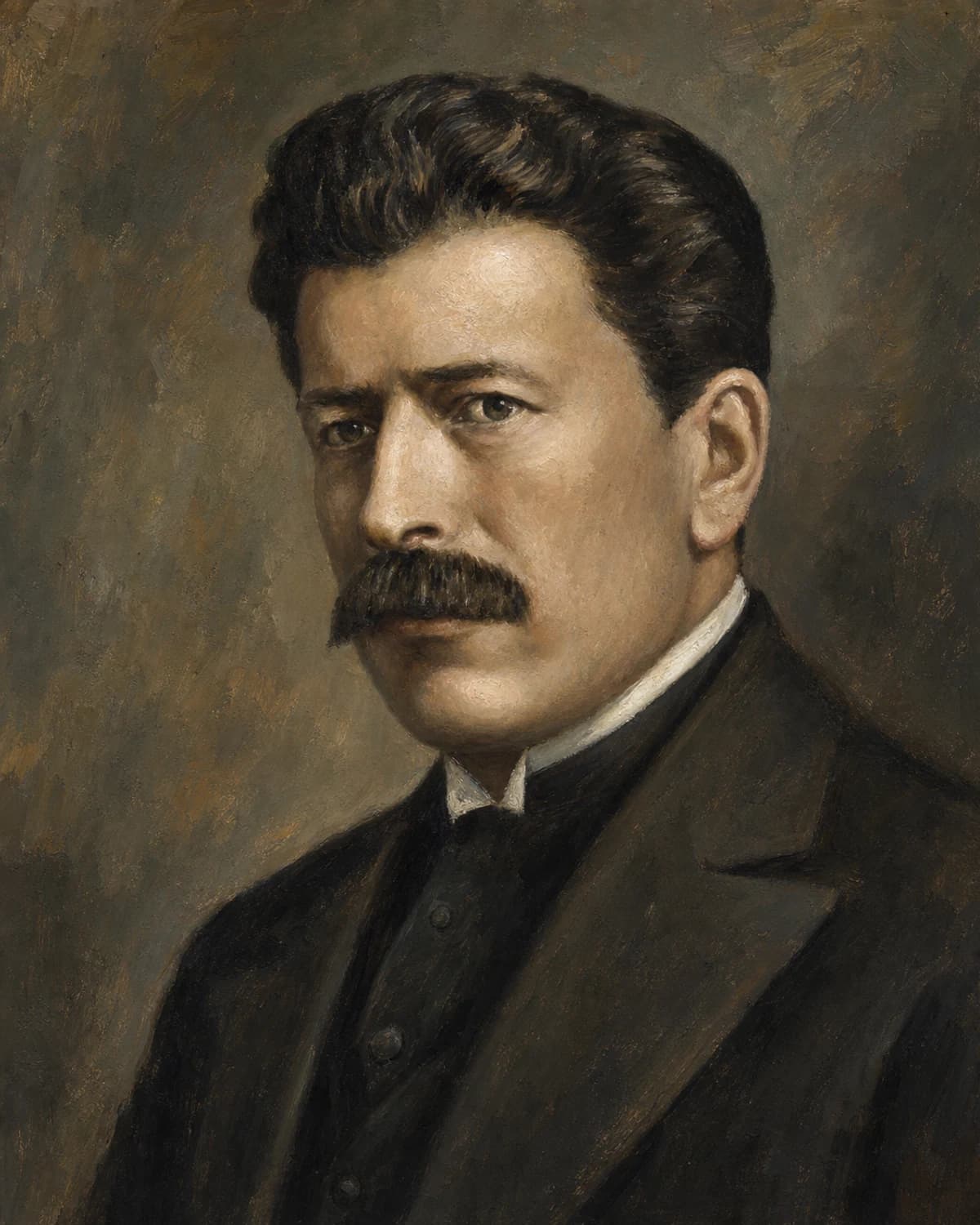
03.06.1882–27.11.1934
Mitrofan Grekov
Mitrofan Grekov (1882–1934), born on a Don farmstead into a Cossack family, studied under Kiriak Kostandi, Ilya Repin and Franz Roubaud, fought for three years in the First World War, and in 1920 volunteered for the Red Army. In the 1920s he painted Budyonny’s First Cavalry Army: “Tachanka”, “Trumpeters of the First Cavalry Army”, “Battle at Yegorlykskaya”. He died in Sevastopol while working on the panorama “The Storming of Perekop”.07.06.1889–22.06.1965
Mikhail Tsekhanovsky
Mikhail Tsekhanovsky (1889–1965) began as a book illustrator alongside Vladimir Lebedev, and in 1929 brought his picture book “Post” to the screen; its sound version of 1930 became the first Soviet animated sound film. He experimented with “drawn sound”, worked with Shostakovich on “The Tale of the Priest and of His Workman Balda”, which was lost in 1941, and after the war directed fairy tales at Soyuzmultfilm.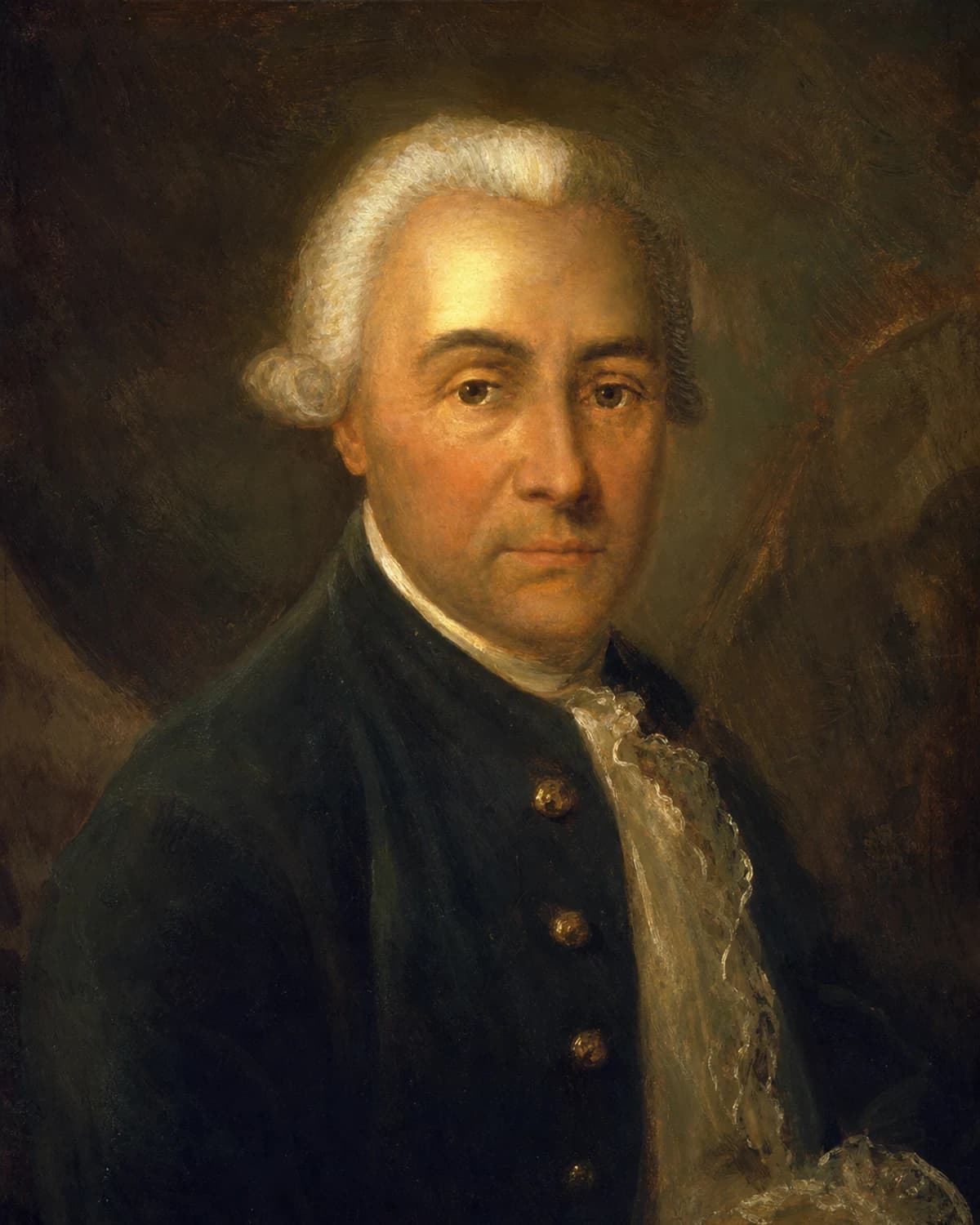
14.03.1716–12.06.1795
Aleksey Antropov
Aleksey Antropov (1716–1795) came out of the “painting team” of the St Petersburg Office of Buildings: he decorated palaces, painted icons for St Andrew’s Church in Kiev, and from 1761 until his death supervised icon painters for the Synod. He is known for his portraits of Peter III, Countess Rumyantseva, Izmailova and Ataman Krasnoshchekov, painted in sharp colour against a dark ground. Dmitry Levitsky was among his pupils.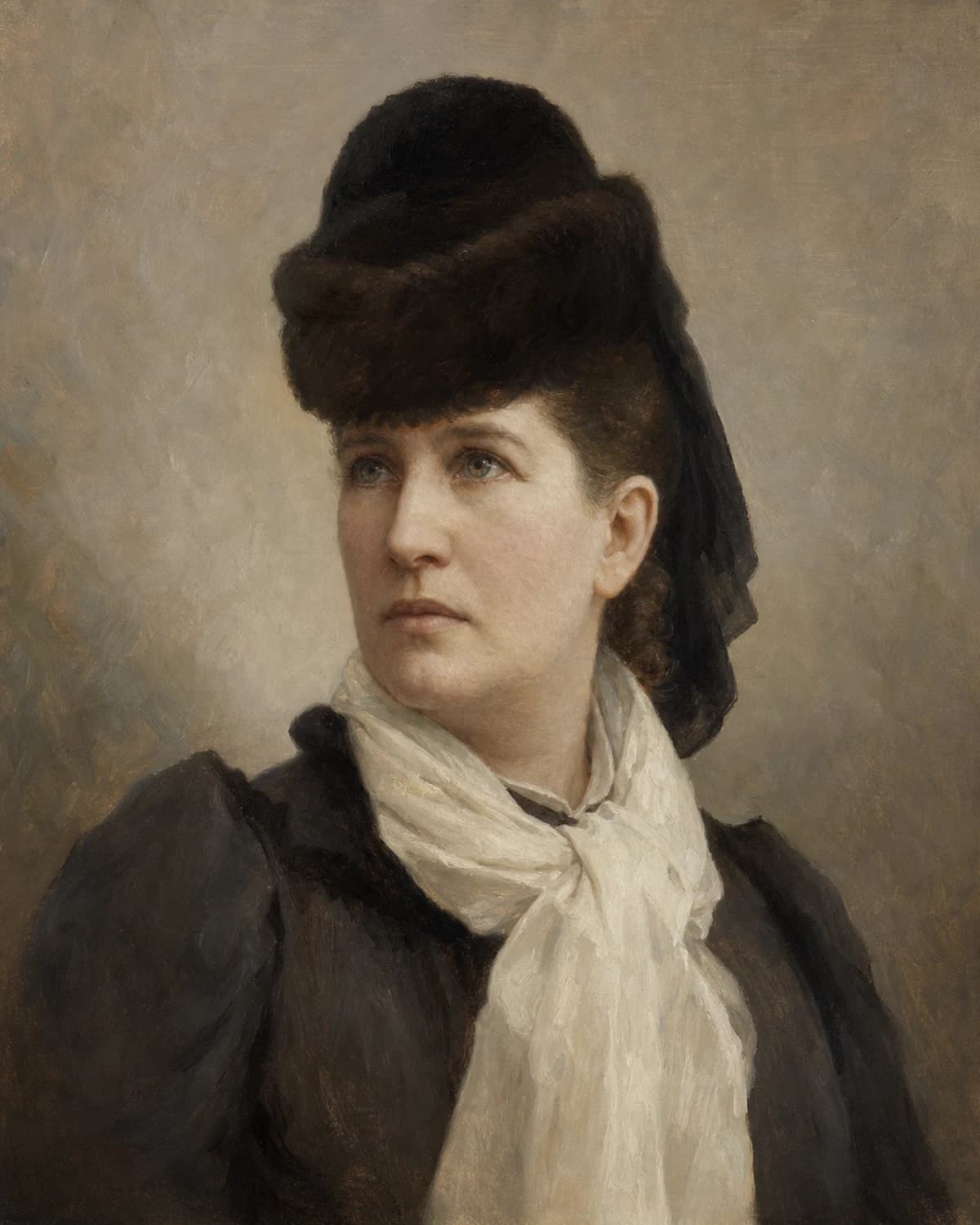
12.02.1843–25.07.1914
Elisabeth Boehm
Elisabeth Boehm (1843–1914), née Endaurova, made her name with silhouettes and postcards of children’s faces, proverbs and sayings in pictures, and her “Alphabet”. She illustrated Nekrasov, Turgenev and Krylov, worked for the Posrednik publishing house at Leo Tolstoy’s invitation, and when her eyesight began to fail she turned to designing glass “in the Russian style”, which won recognition at exhibitions in Chicago and Paris.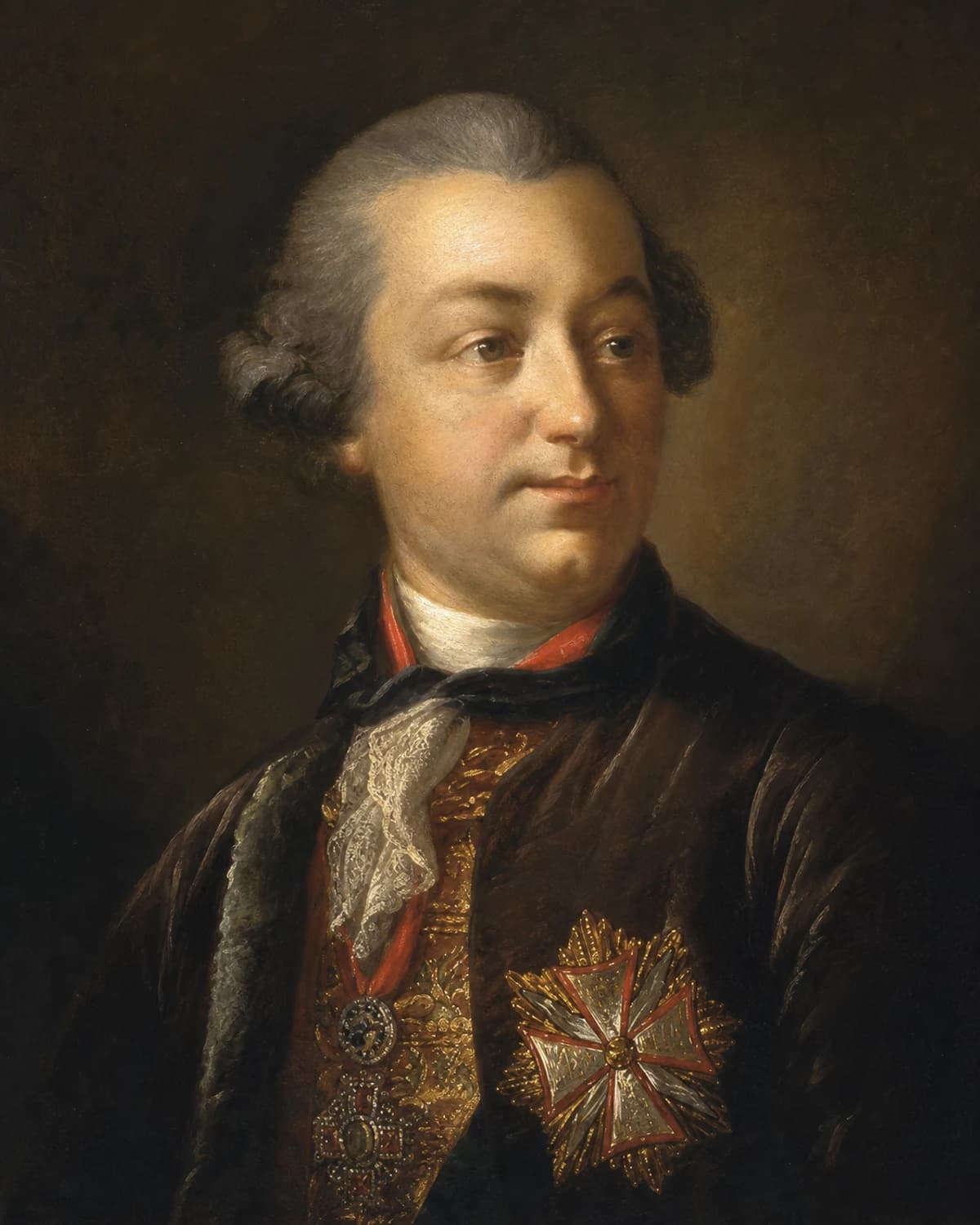
10.08.1737–04.12.1773
Anton Losenko
Anton Losenko (1737–1773), the orphaned son of a merchant from Glukhov and a singer in the court choir, studied under Ivan Argunov and then, as one of the Academy of Arts’ first pensioners, went to Paris and Rome. His “Vladimir and Rogneda” (1770) put early Russian history on canvas. From 1772 he directed the Academy, wrote a textbook on human proportions and died leaving “The Farewell of Hector and Andromache” unfinished.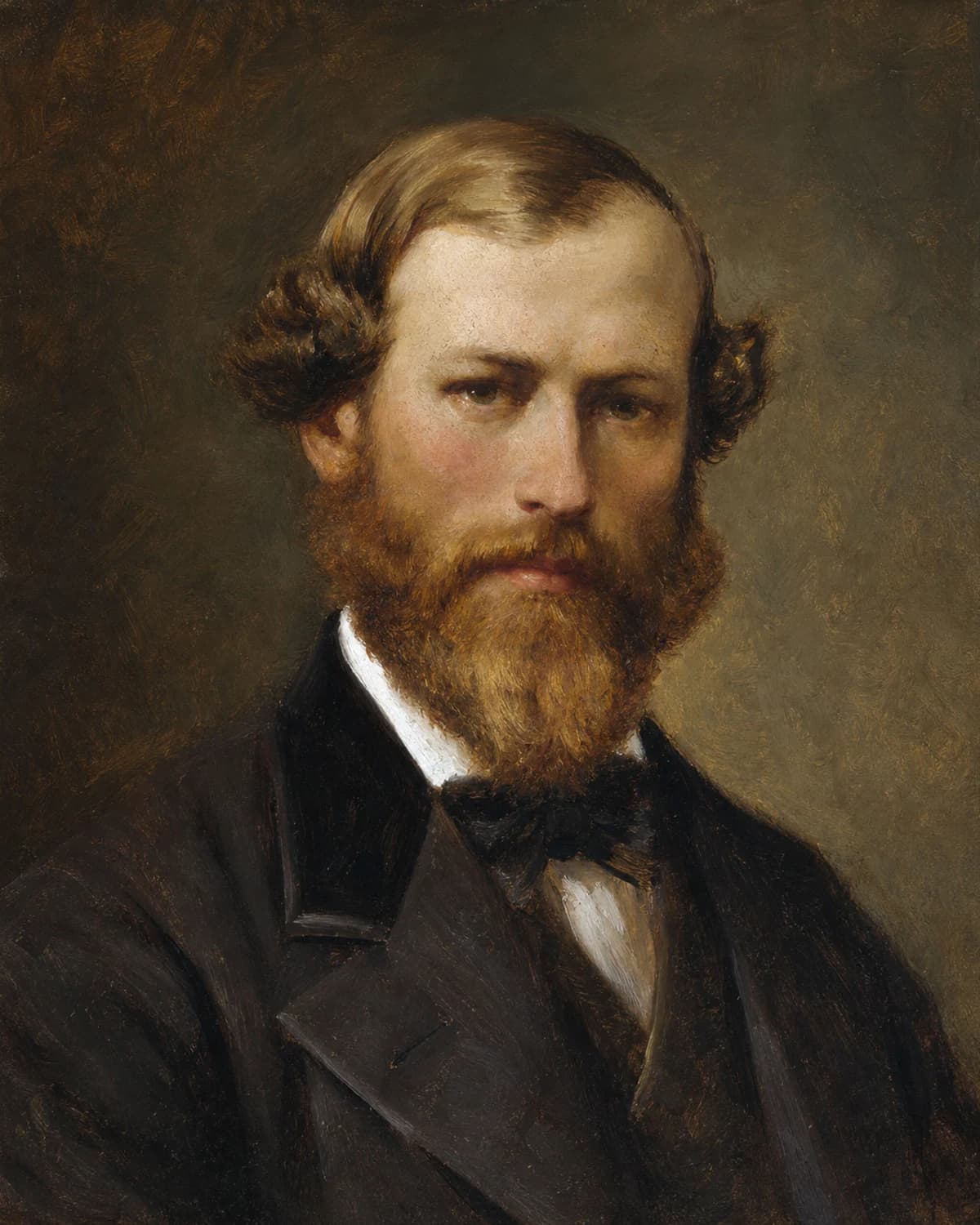
13.09.1830–03.09.1866
Konstantin Flavitsky
Konstantin Flavitsky (1830–1866) lived thirty-five years and left few works. His “Princess Tarakanova” (1864), a prisoner in a flooded cell of the Peter and Paul Fortress, earned him the title of professor and fixed in the public memory the legend that the pretender died in a flood. A pupil of Fyodor Bruni and for six years a pensioner of the Academy abroad, he painted in the manner of Bryullov, and was both praised and reproached for it.14.09.1885–20.04.1964
Sergey Vasilyevich Gerasimov
Sergey Gerasimov (1885–1964), a pupil of Konstantin Korovin, began in the circle of Makovets, and in the 1930s painted textbook Socialist Realist pictures such as “Collective Farm Festival”. He taught for more than half a century and headed the Surikov Institute and the Stroganov School. His Impressionism found its best expression in his Mozhaisk landscapes: he was born in Mozhaisk and kept a house-studio there from 1915.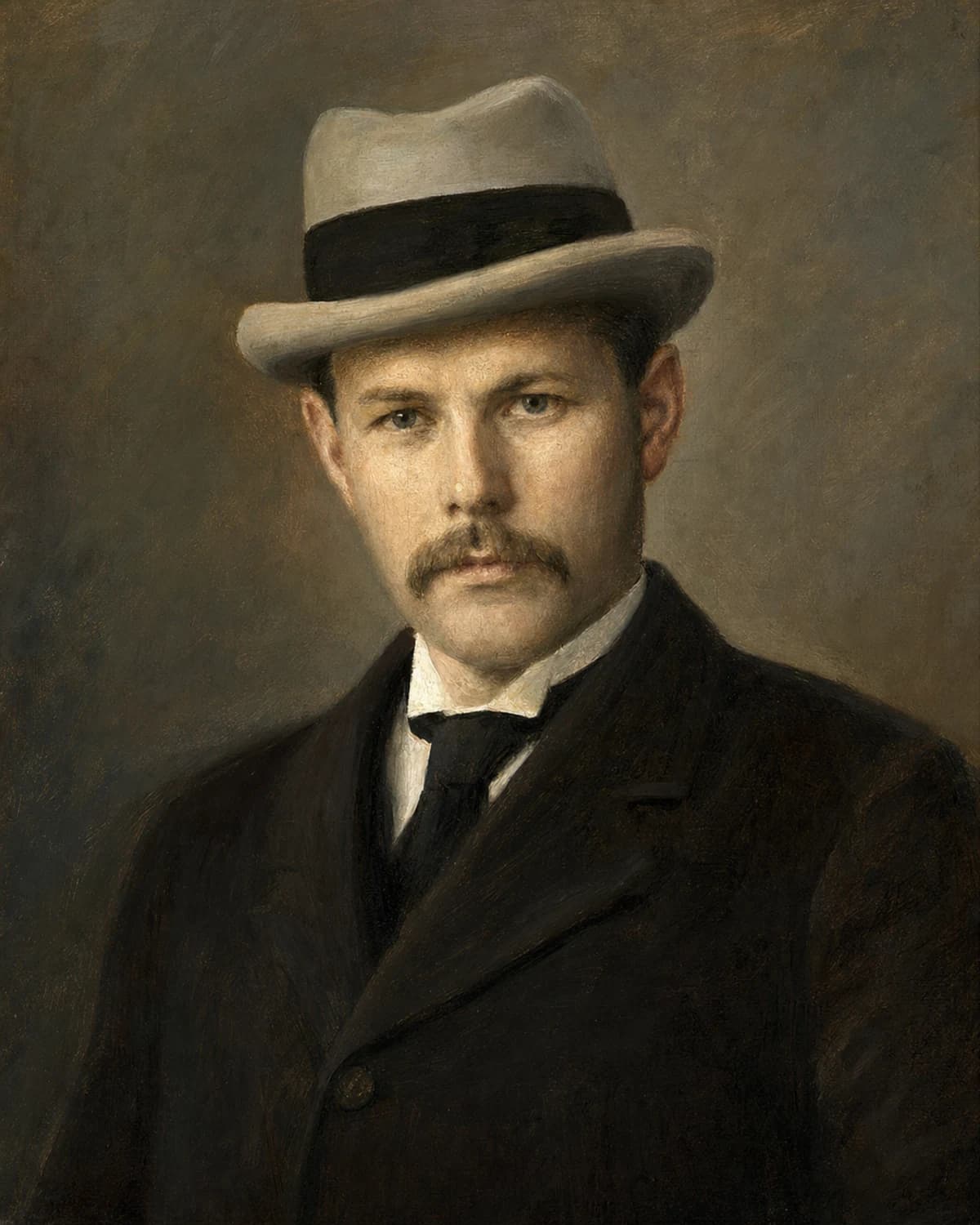
02.11.1866–17.08.1934
Aleksandr Borisov
Aleksandr Borisov (1866–1934), a peasant’s son from Vologda Governorate, learned icon painting on the Solovetsky Islands and painting under Shishkin and Kuindzhi. In 1900–1901 he spent fourteen months on Novaya Zemlya, mapped its bays and turned his studies into large canvases that he showed in Europe and the United States. Later he worked on the economy of the North: railway projects and the Solonikha spa near Krasnoborsk.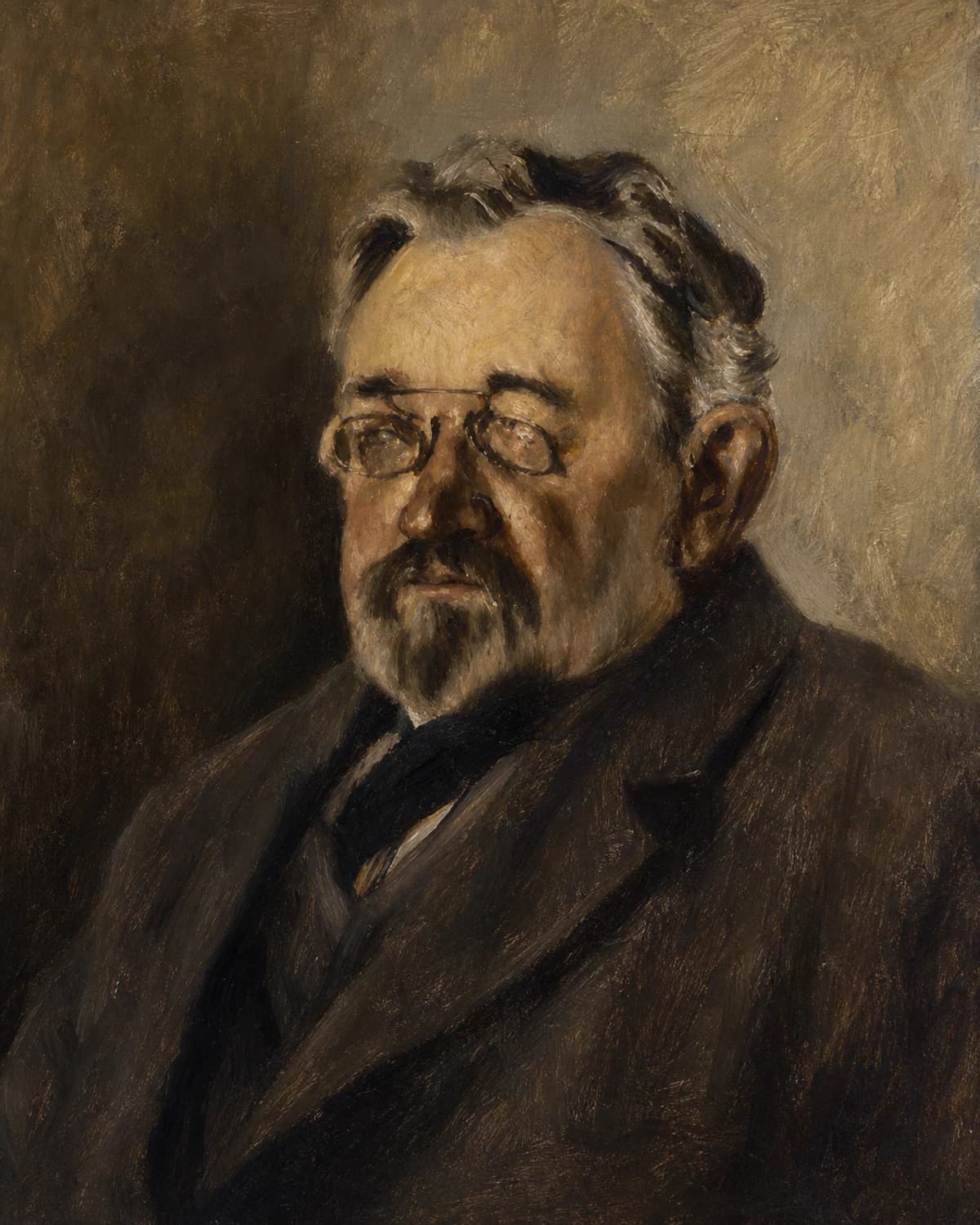
24.08.1866–09.02.1943
Dmitry Kardovsky
Dmitry Kardovsky (1866–1943) studied law at Moscow University for five years, then trained under Chistyakov and Repin in St Petersburg and under Anton Ažbe in Munich. He illustrated Chekhov, Gogol, Griboyedov and Nekrasov, designed productions for the Maly Theatre and often painted the age of Peter the Great and the Decembrists. He taught for about thirty years at the Academy of Arts and at Vkhutemas, and spent his last years on his estate near Pereslavl-Zalessky.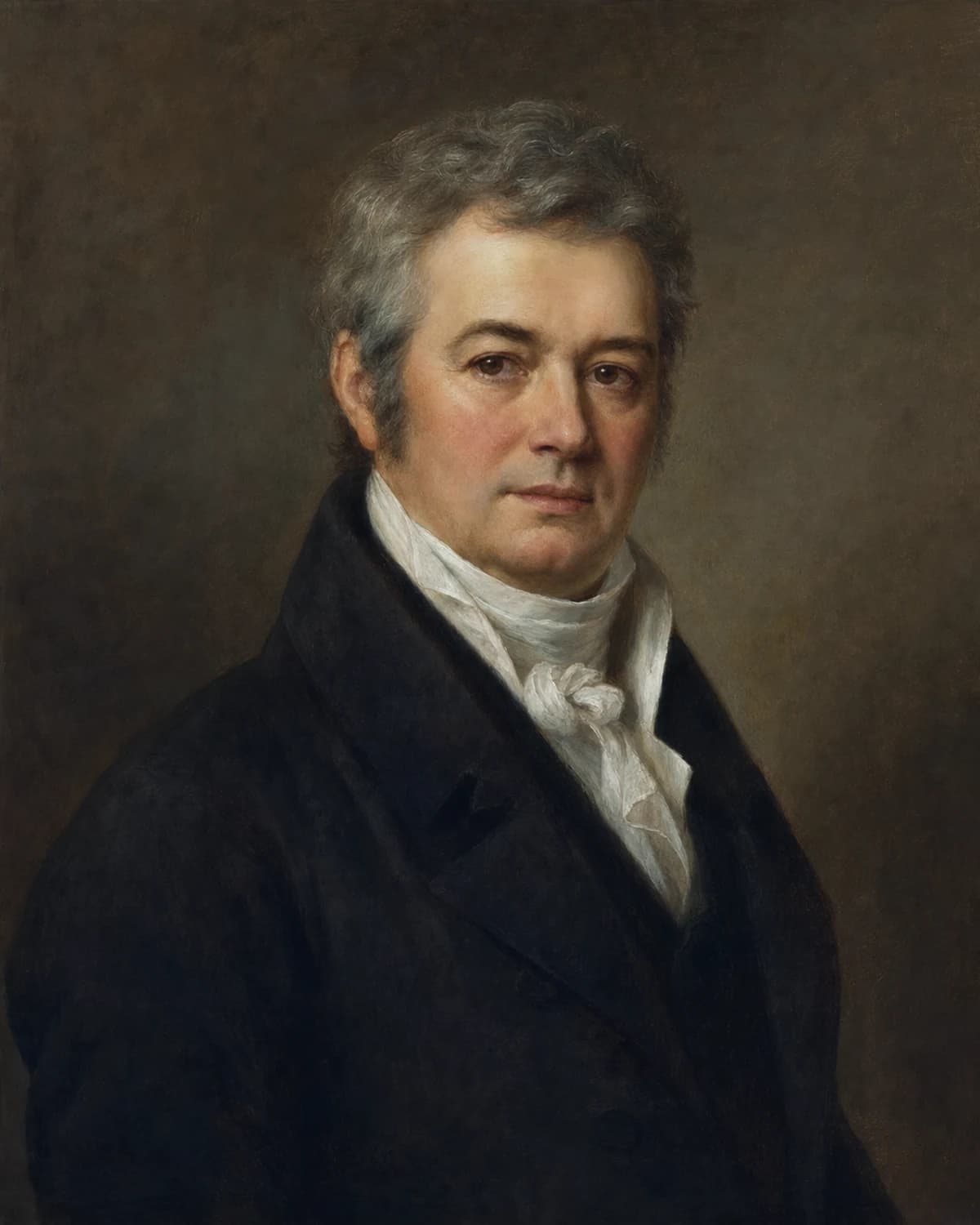
1755–11.11.1824
Fyodor Alekseyev
Fyodor Alekseyev (1753 or 1755 – 1824) was trained at the Academy of Arts as a theatre decorator but made his name with views of St Petersburg and Moscow; his contemporaries called him the Russian Canaletto. He became an academician in 1794 for his “View of the Palace Embankment from the Peter and Paul Fortress”. From 1803 until his death he taught perspective painting; his pupils included Maxim Vorobiev and Sylvester Shchedrin.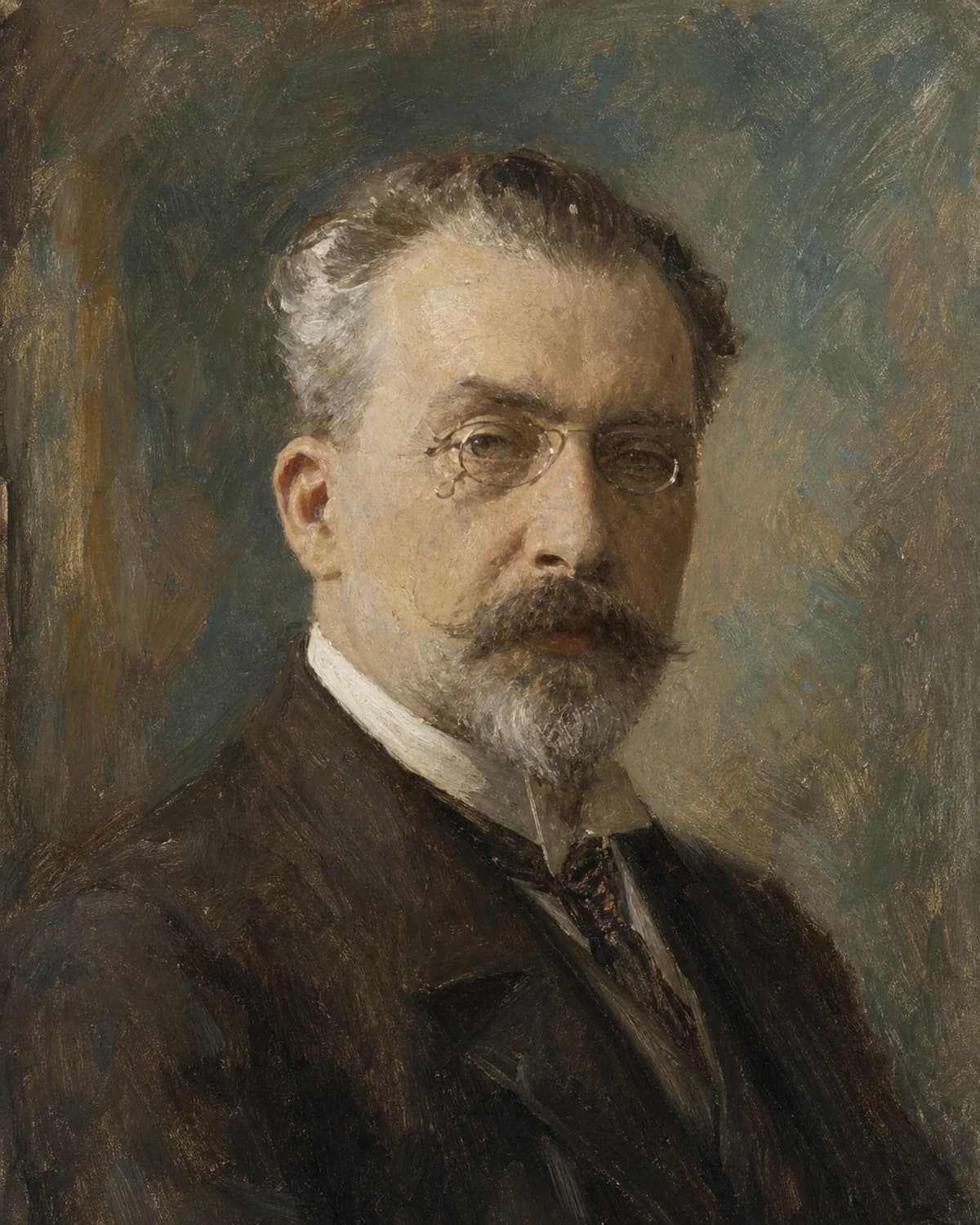
14.03.1852–16.05.1936
Albert Nikolayevitch Benois
Albert Benois (1852–1936), elder brother of Alexandre and Leonty Benois, graduated from the Academy of Arts as an architect but devoted himself to watercolour. He was a founder of the Society of Russian Watercolourists, an academician and a teacher of watercolour at the Academy, and served as a curator of the Russian Museum. He travelled from Spain and North Africa to Japan and Korea, and in 1924 joined his daughter in Paris, where he died.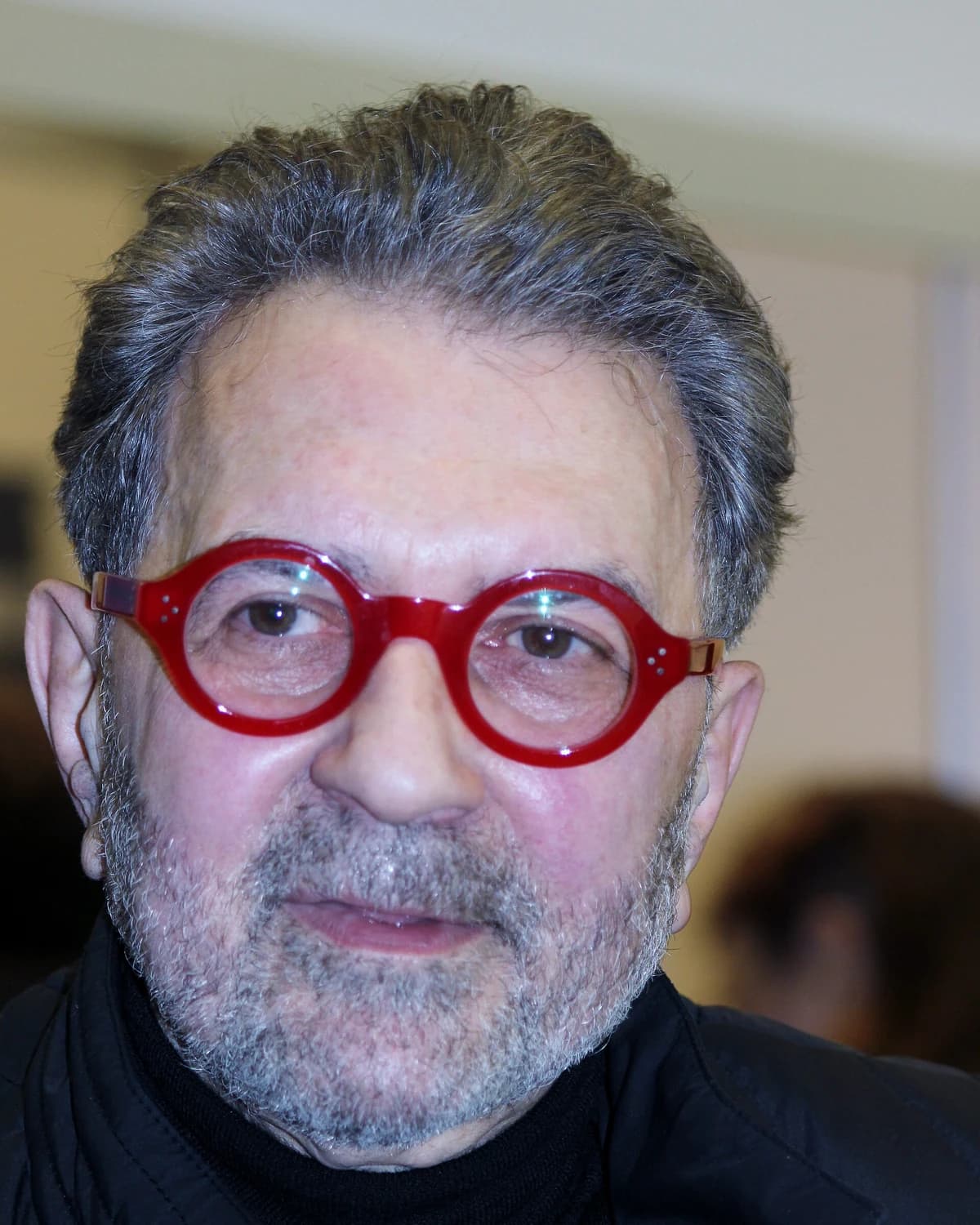
21.10.1945–present
Grisha Bruskin
Grisha Bruskin (born 1945) works with signs and myths: “Fundamental Lexicon” (1986) sets out figures bearing emblems of Soviet life across large tables, and “Alefbet” builds the world as a book on the basis of the Kabbalah. Since 1988 he has lived in New York and Moscow. He made a triptych for the Reichstag (1999), represented Russia at the 2017 Venice Biennale and has published several books of memoirs and essays.13.07.1893–25.02.1973
Boris Ioganson
Boris Ioganson (1893–1973) studied under Arkhipov, Kasatkin and Korovin and is known above all for narrative pictures on themes from revolutionary history, “Interrogation of the Communists” (1933) and “At an Old Ural Works” (1937). He ran studios in Leningrad and Moscow, was director of the Tretyakov Gallery in 1951–1954 and president of the USSR Academy of Arts in 1958–1962.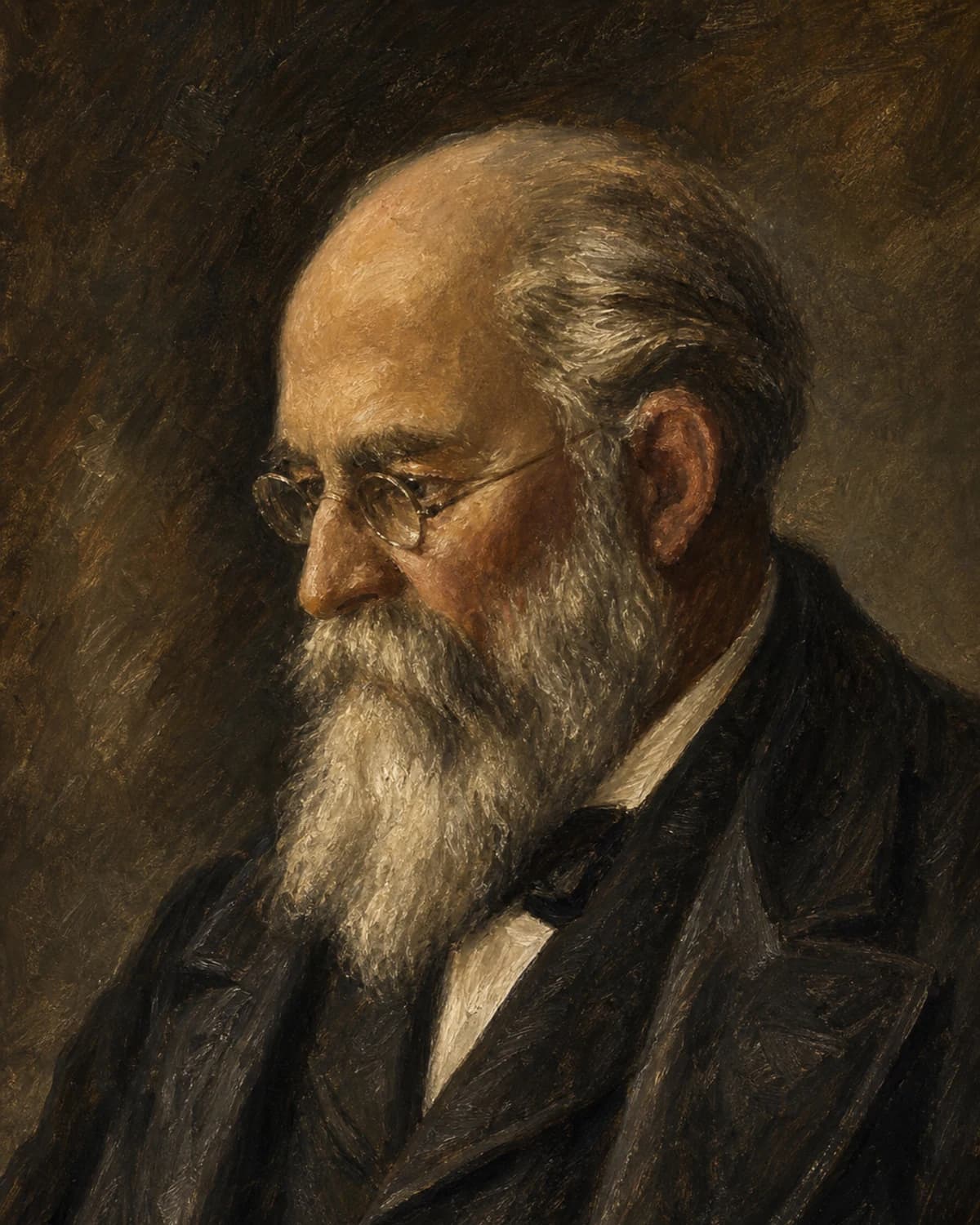
08.12.1826–31.01.1901
Adolf Charlemagne
Adolf Charlemagne (1826–1901), grandson of a sculptor from Rouen, studied at the Academy of Arts under Bruni and Willewalde and painted Suvorov in the Alps, Peter I, and Catherine II in Falconet’s studio. In the mid-1860s he designed playing cards for the Expedition for the Preparation of State Papers, known as the “Satin Deck”; versions of them are still produced. He illustrated a lot: fables, Lermontov, Pushkin.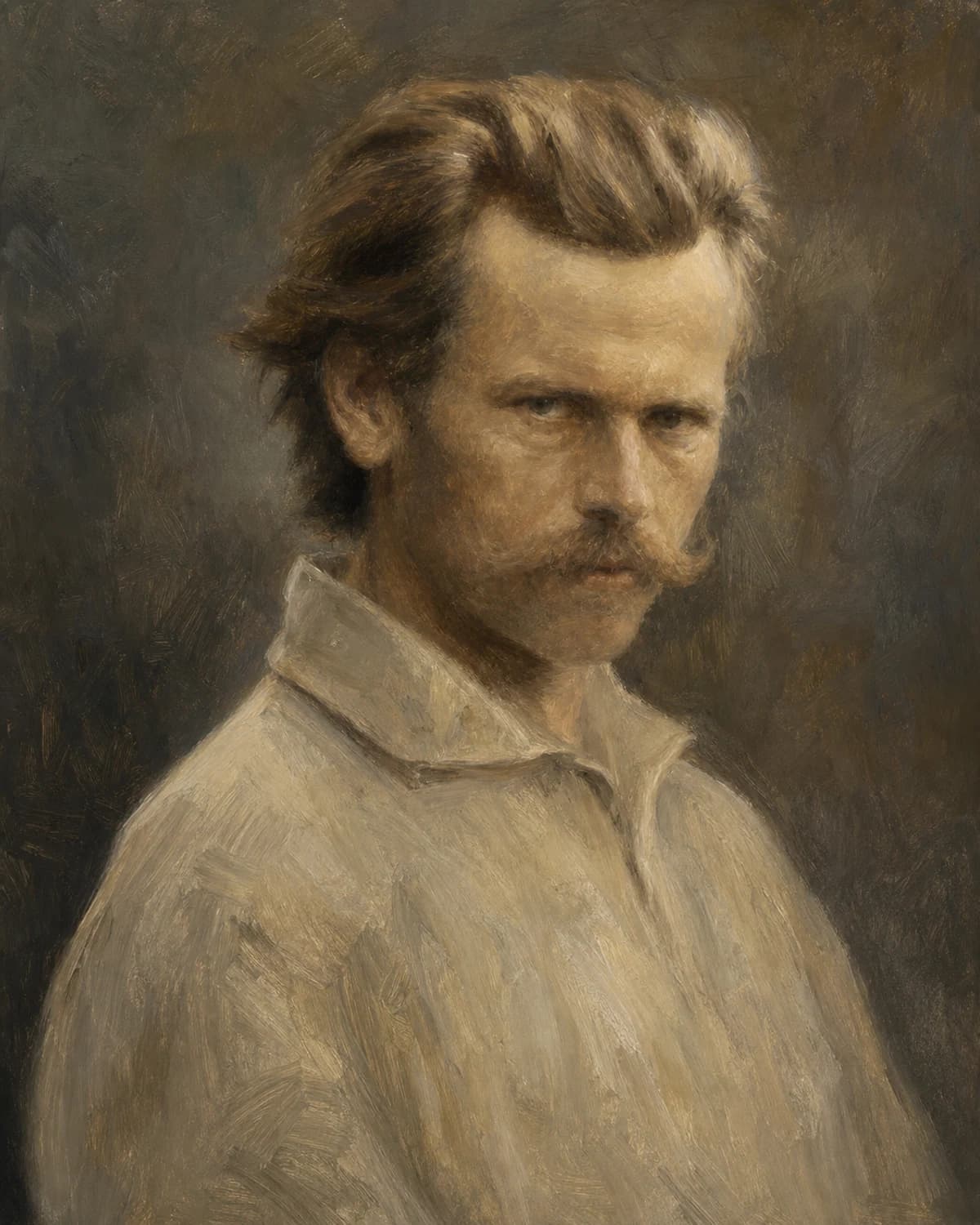
01.10.1888–15.09.1954
Jazep Drazdovič
Jazep Drazdovič (1888–1954) drew the castles and old towns of Belarus, carried out excavations, recorded songs and dialect words, and wrote fiction and popular astronomy. More than a hundred of his paintings and drawings depict life on the Moon, Mars and Saturn, which he was convinced he had seen in his dreams. From the 1930s he wandered the villages of his native Disna region, earning his living by painting wall carpets.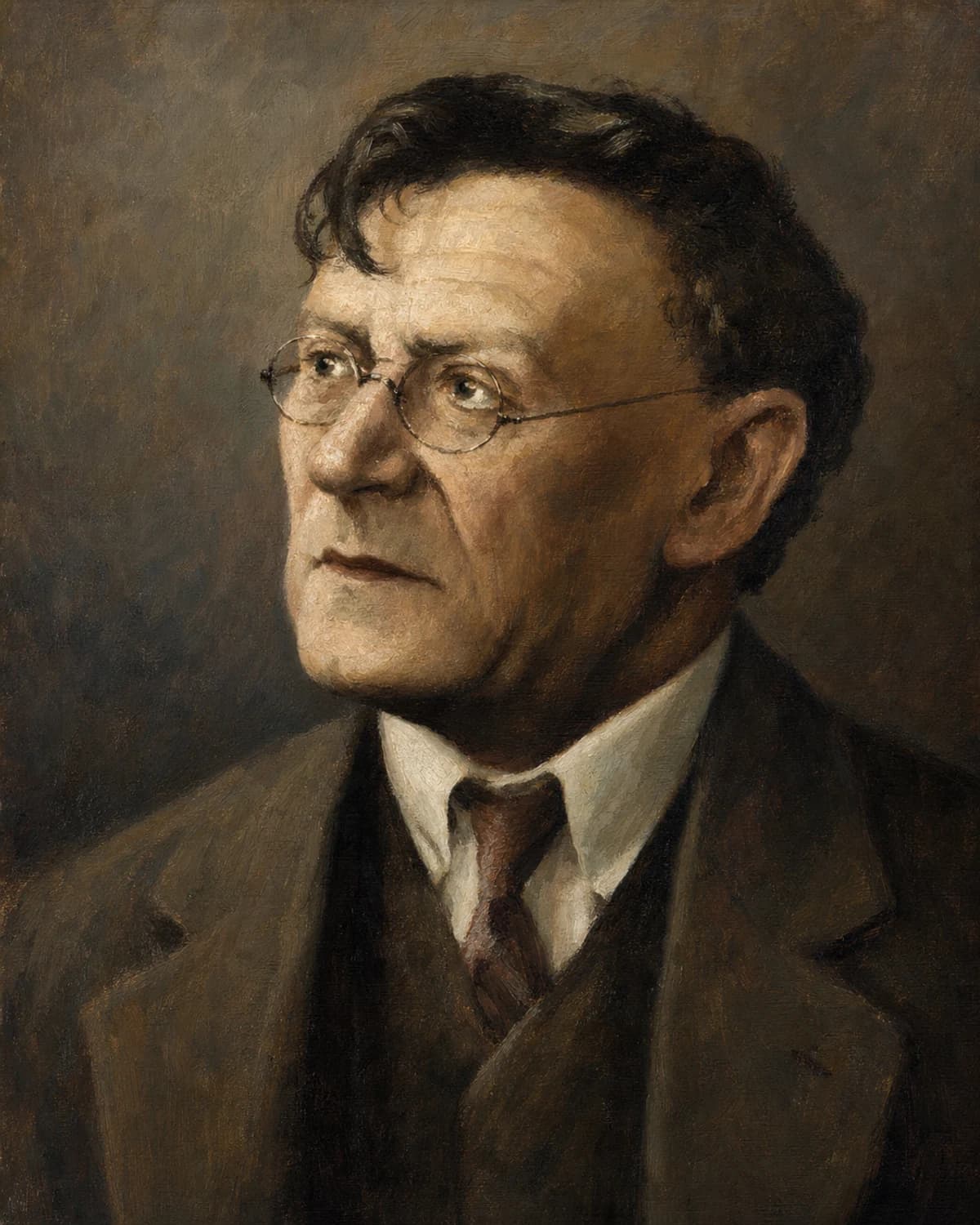
21.10.1874–1939
Ivan Fedorovich Choultsé
Ivan Choultsé (1874–1939) trained as an engineer and took up painting seriously only after thirty, under Konstantin Kryzhitsky. He painted snow, water and moonlight, almost never people. He made his name in St Petersburg in the 1910s and, after emigrating, exhibited in Paris, London and New York, where he was called a “magician of light”. He died in Nice.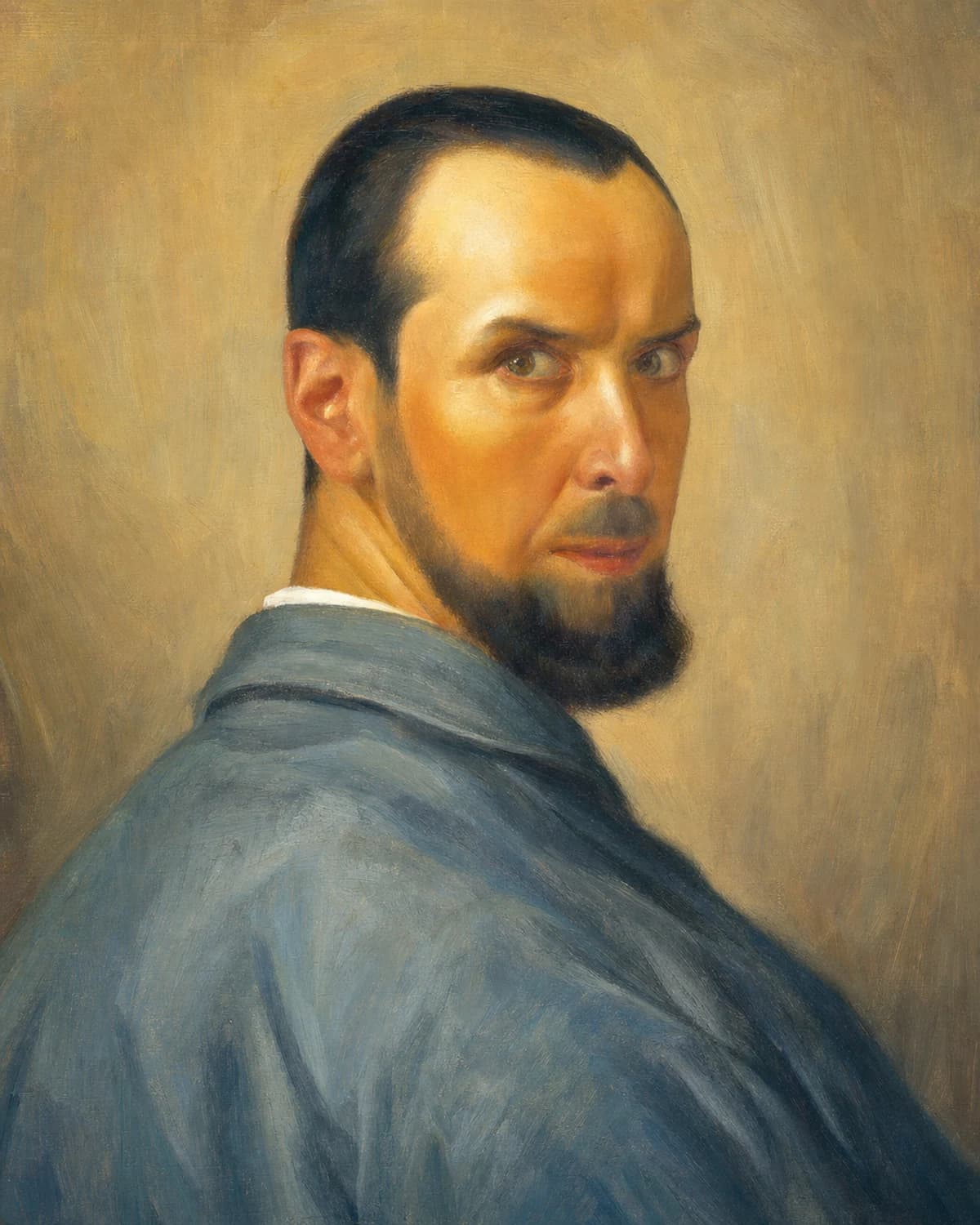
13.06.1887–12.05.1938
Alexandre Jacovleff
Alexandre Jacovleff (1887–1938), a pupil of Kardovsky and the inseparable friend of Vasily Shukhaev, left in 1917 on a study trip to the Far East and never returned to Russia. In Paris he became the official artist of two Citroën motor expeditions, across Africa and across Asia, and brought back hundreds of portraits and sketches from them. In his last years he taught in Boston.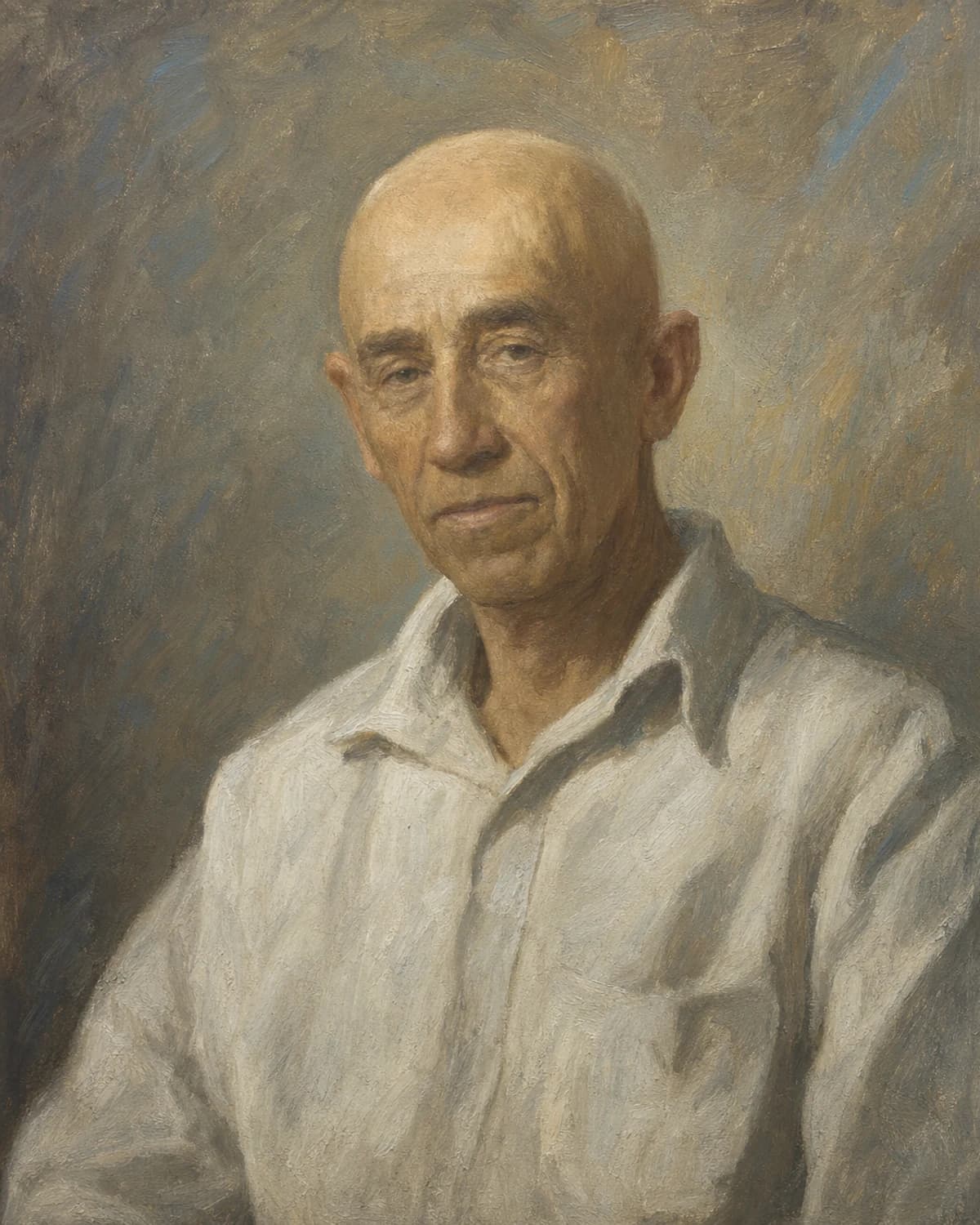
12.01.1872–17.02.1943
Konstantin Bogaevsky
Konstantin Bogaevsky (1872–1943) spent almost his whole life painting one land: eastern Crimea, ancient Cimmeria, with its chalk cliffs, folds of hills, Genoese walls and a sun of radiating beams. A pupil of Kuindzhi and a friend of Maximilian Voloshin, he worked in the studio he built in his native Feodosia in 1906. His panels of 1912 decorated Ryabushinsky’s Moscow mansion.
30.10.1882–13.07.1937
Mykhailo Boychuk
Mykhailo Boychuk (1882–1937), a native of the Galician village of Romanivka, studied in Vienna, Kraków and Munich, and in Paris gathered pupils who set out to revive Byzantine monumental painting. In Kyiv he became one of the founders of the Ukrainian Academy of Arts and, with his school, the Boychukists, painted murals in theatres, institutes and sanatoriums. In 1936 he was arrested.02.12.1909–13.10.1974