
23.05.1938–12.11.2009
Research · Sources · Context
Artists
Biographies, facts and images with open sources and verified rights.
Found: 1775
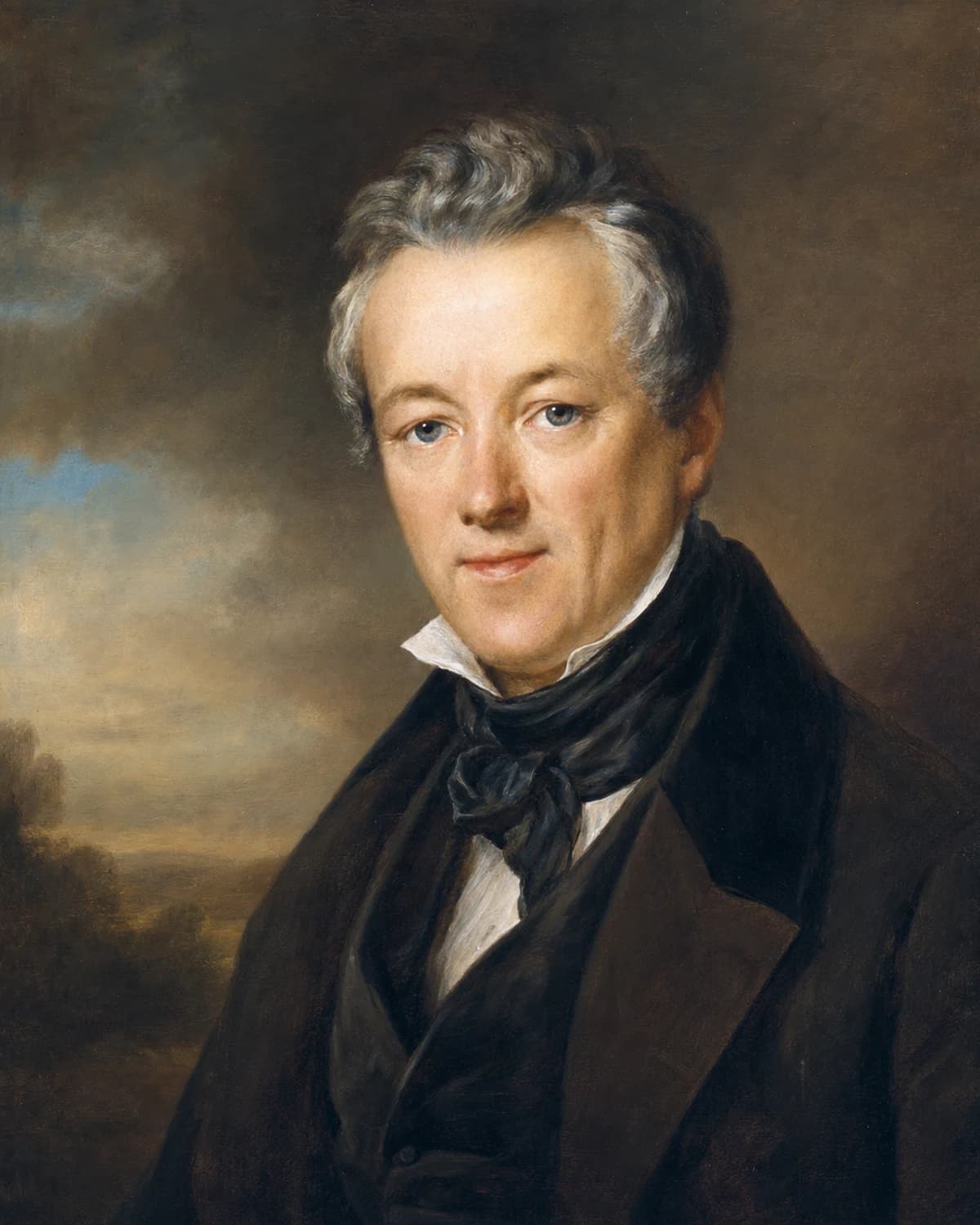
1787–15.08.1848
Pyotr Sokolov
Pyotr Sokolov (1787–1848) made the watercolour portrait an independent genre in Russian art: he worked fast, usually in a single sitting, and left more than five hundred works. His sitters included Pushkin, Zhukovsky, Vyazemsky and the future Alexander II. In 1839 he became the first to be made an Academician of painting for watercolour portraits; three of his sons also became artists.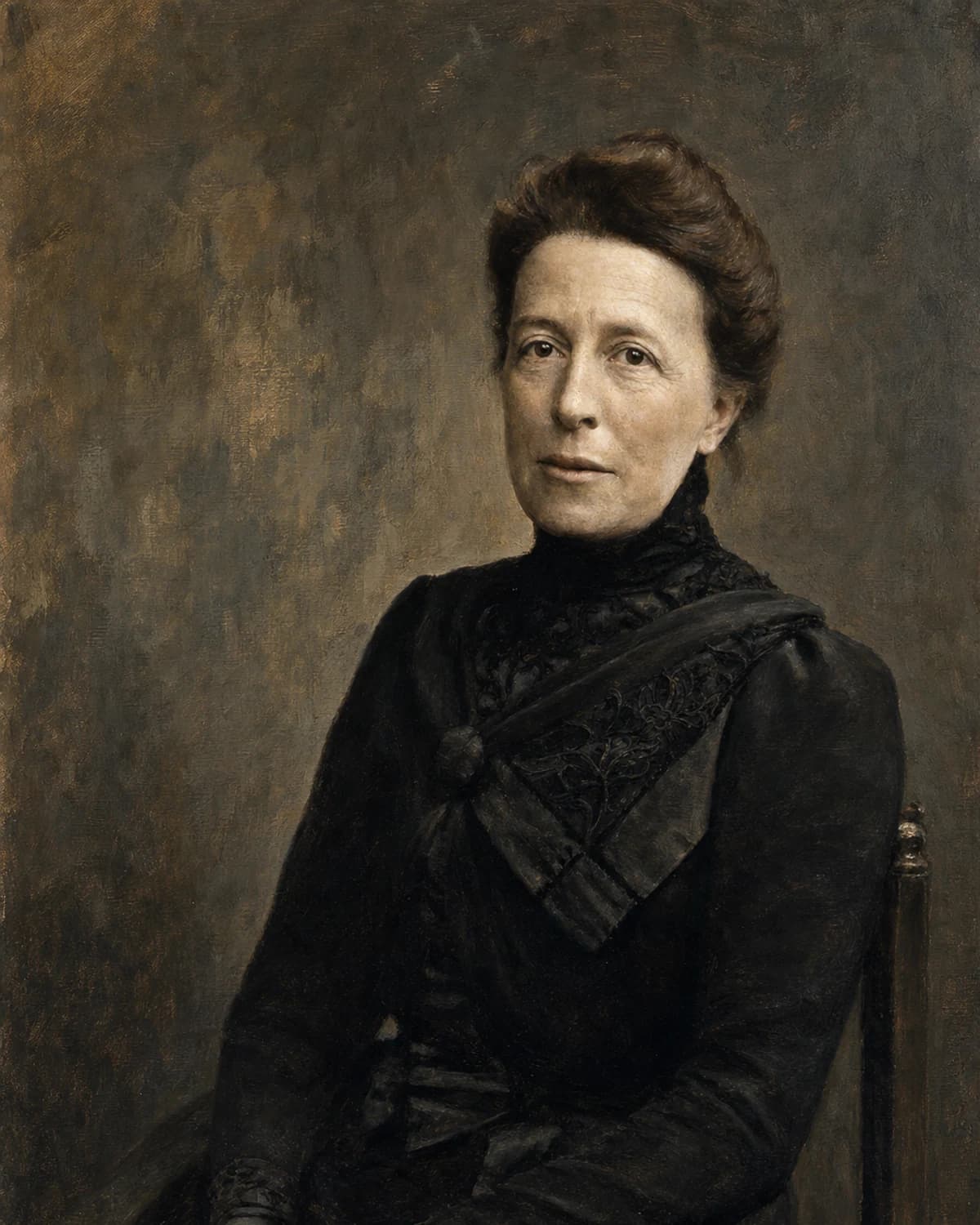
01.08.1857–13.01.1936
Emily Shanks
Emily Shanks (1857–1936), the daughter of an English merchant in Moscow, studied under Polenov, Vladimir Makovsky and Pryanishnikov, and in 1894 became the first woman member of the Society of Travelling Art Exhibitions. Children appear in almost all her genre paintings; “New Girl at School” was bought by Pavel Tretyakov for his gallery. In 1913 she moved to London, where she spent the last twenty-odd years of her life.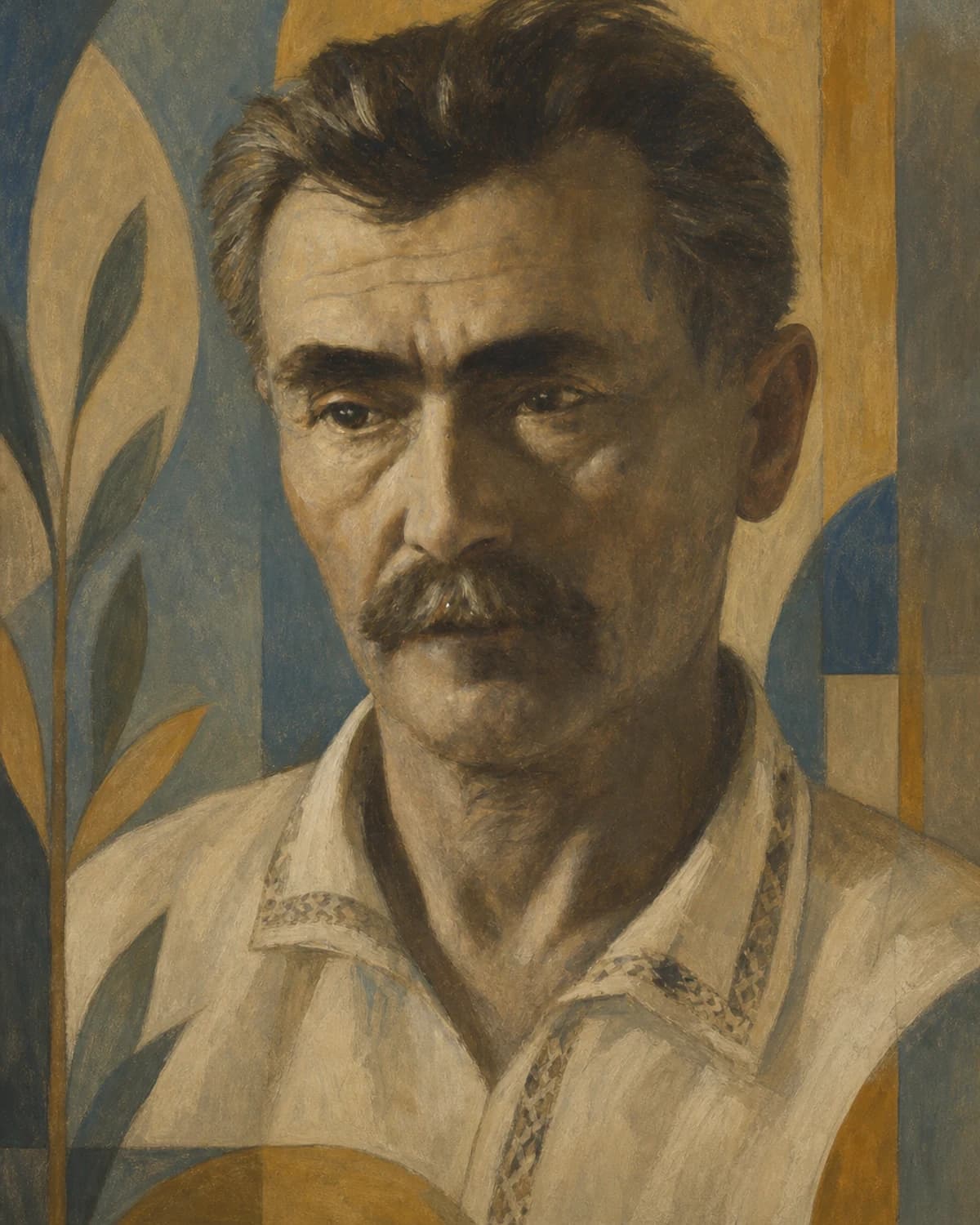
31.12.1872–15.11.1952
Vasyl Krychevsky
Without an academic diploma, Vasyl Krychevsky (1872–1952) built the Poltava provincial zemstvo building, which became the model of Ukrainian architectural Art Nouveau. He designed stage productions and films, among them Dovzhenko’s “Zvenigora”, painted landscapes, taught architecture in Kiev and was one of the founders of the Ukrainian Academy of Arts. He spent his last years in Caracas.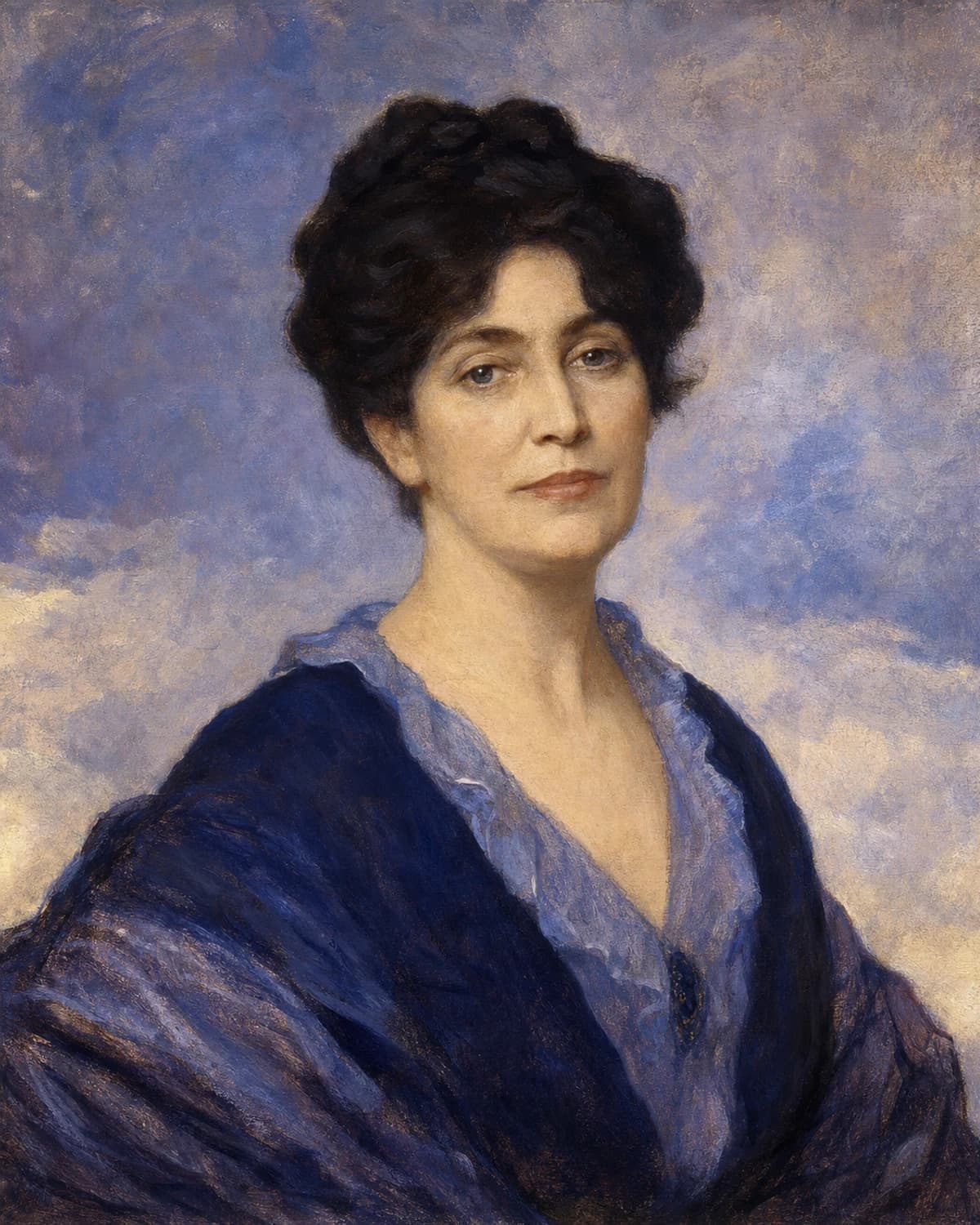
02.09.1875–09.08.1952
Olga Della-Vos-Kardovskaya
Olga Della-Vos-Kardovskaya (1875–1952), a pupil of Repin and the wife of the painter Dmitry Kardovsky, painted portraits of people of the Silver Age: her Nikolai Gumilev (1909) and Anna Akhmatova (1914) are in the Tretyakov Gallery. After the revolution she lived in Pereslavl-Zalessky and Moscow, did a great deal of book illustration, and spent her last years in Leningrad.20.04.1884–06.05.1958
Nikolay Krymov
The landscape painter Nikolay Krymov (1884–1958) built his painting on a doctrine of the “general tone”: he saw the essence of a picture in the tone that fills colour with light. He began among the Symbolists of the Blue Rose and as a graphic artist of the Golden Fleece, later painted quiet motifs of central Russia and Tarusa, designed productions for the Moscow Art Theatre and trained a whole generation of genre and portrait painters.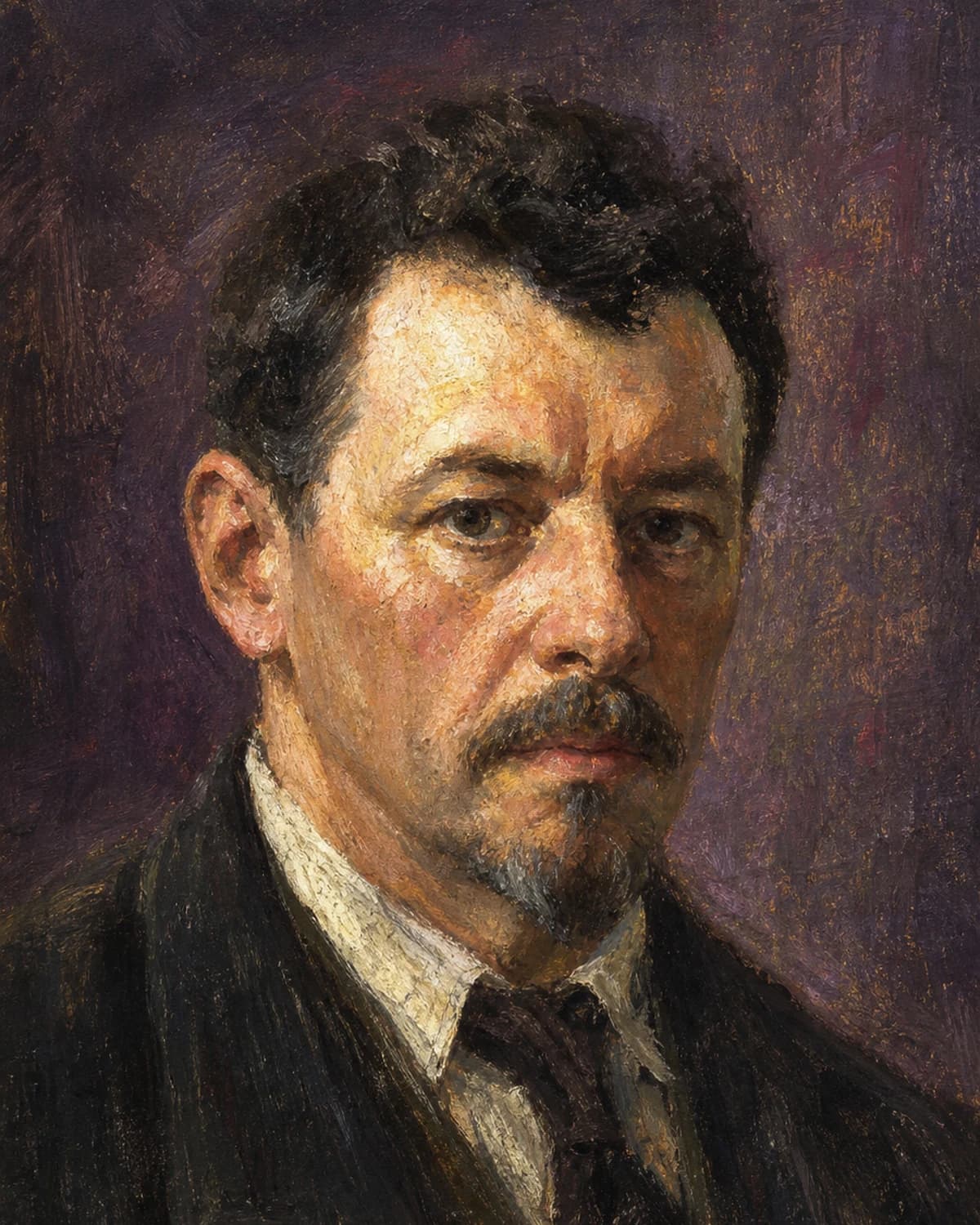
15.07.1889–26.02.1938
Aleksandr Drevin
Aleksandr Drevin (1889–1938) had never seen a painting until he was nineteen and was training to be a sailor. He became one of the Moscow avant-garde: the “Refugee Women” cycle of 1915–1917, abstractions, then Ural and Altai landscapes. From 1920 he ran a studio at Vkhutemas. Arrested on 17 January 1938, he was shot at the Butovo firing range.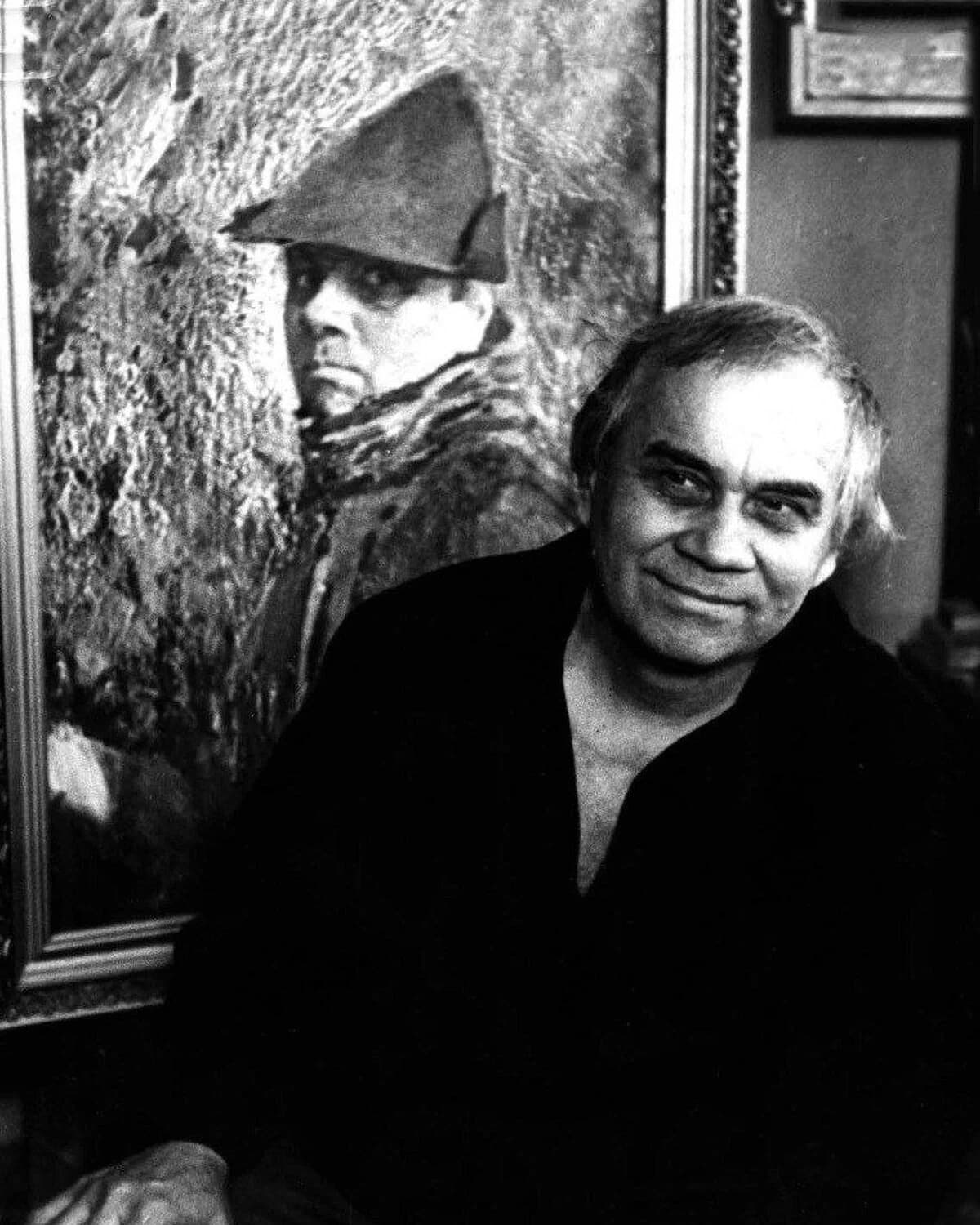
08.02.1925–23.08.1990
Viktor Zaretsky
Viktor Zaretsky (1925–1990) studied at the Kyiv Art Institute, stayed on to teach there, and with his wife Alla Horska made mosaics for a school in Donetsk and a museum in Krasnodon. From 1978 he ran his own studio, which more than two hundred students attended, Arsen Savadov among them. His only solo exhibition in his lifetime took place in 1989, and he received the Shevchenko Prize posthumously.17.05.1886–28.03.1983
Varvara Bubnova
Varvara Bubnova studied at the St Petersburg Academy of Arts, joined the Union of Youth and worked on medieval Russian miniatures in the manuscript department of the State Historical Museum. In 1922 she left for Japan, where for almost forty years she taught Russian language and literature, devised a method of autolithography on zinc and showed her work in solo exhibitions. In 1958 she returned to the USSR and settled in Sukhumi.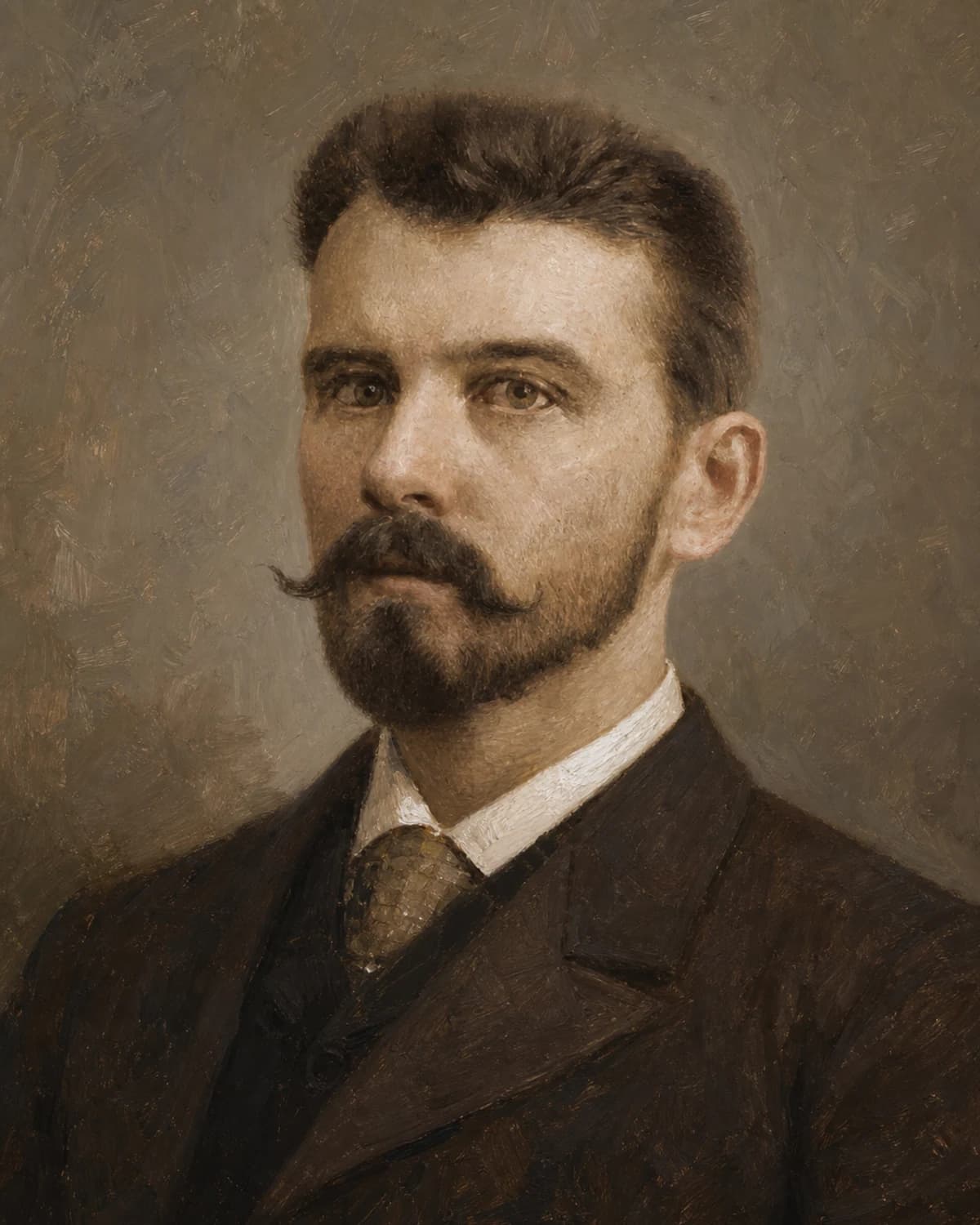
12.08.1858–17.12.1890
Vasily Sergeyevich Smirnov
Vasily Smirnov (1858–1890) painted “The Death of Nero”, for which the Academy of Arts gave him the title of academician in 1888 and which Alexander III bought. He spent four years in Italy as an Academy stipendiary and worked at the excavations in Pompeii. He died at thirty-two; his surviving work is small and is held mainly in the Tretyakov Gallery.29.08.1967–present
Illya Chychkan
Illya Chychkan (born 1967) grew up in Kyiv in a family of artists and in the late 1980s lived in a squat on Paris Commune Street. He took part in the São Paulo Biennial, Manifesta and the 2009 Venice Biennale, where he showed the project “Steppes of Dreamers”. He paints in oil, works in photography and video, and is the author of the concept of “psychodarwinism”, which he develops with his daughter Alexandra.06.08.1965–11.07.2023
Ales Pushkin
Ales Pushkin (Aliaksandr Mikalaevich Pushkin) carried twelve posters onto a Minsk street in 1989, calling them the first Belarusian manifesto of Sots Art, and received a two-year suspended sentence. Later he painted churches, designed stage sets in Vitebsk, ran a private gallery, “At Pushkin”, and in 1999 overturned a cart of manure outside the president’s administration. He died in custody in 2023.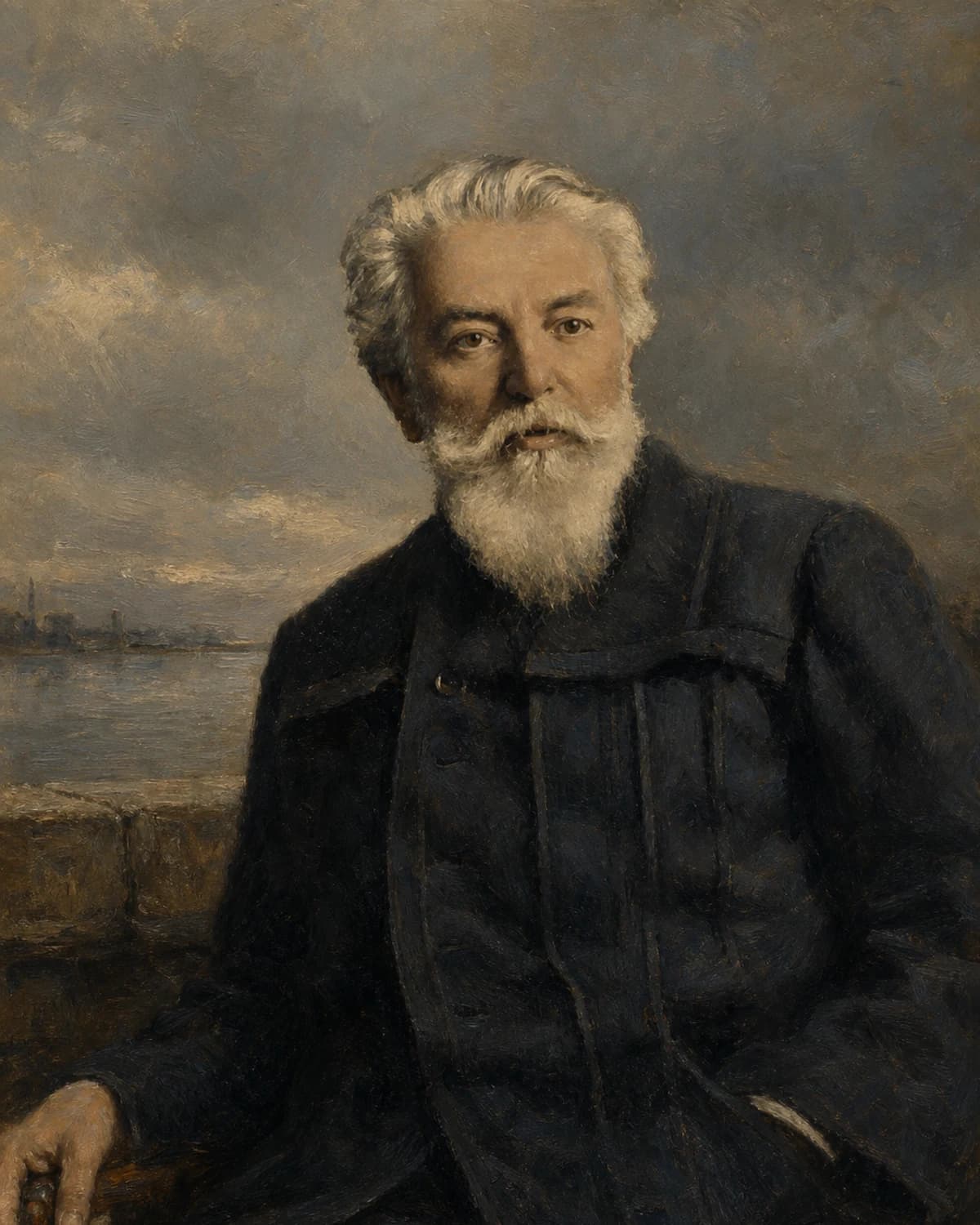
17.12.1841–14.04.1914
Alexander Beggrov
Alexander Beggrov (1841–1914) graduated from engineering schools and served on the Baltic Fleet for more than ten years, and he came to painting after the wreck of the frigate Alexander Nevsky, which he witnessed himself. From 1878 until the end of his life he was the Naval Ministry’s artist. He painted the sea, ships and views of St Petersburg, exhibited with the Wanderers and in 1899 became an academician.14.07.1898–23.06.1980
Alexander Tyshler
Alexander Tyshler (1898–1980) grew up in the family of a joiner in Melitopol, studied with Aleksandra Ekster and Vladimir Favorsky, and from 1927 designed productions for Jewish theatres. From the mid-1930s Shakespeare was the main author on his stage: “King Lear” at GOSET and “Richard III” at the Leningrad Bolshoi Drama Theatre. His paintings were hardly shown until the 1960s.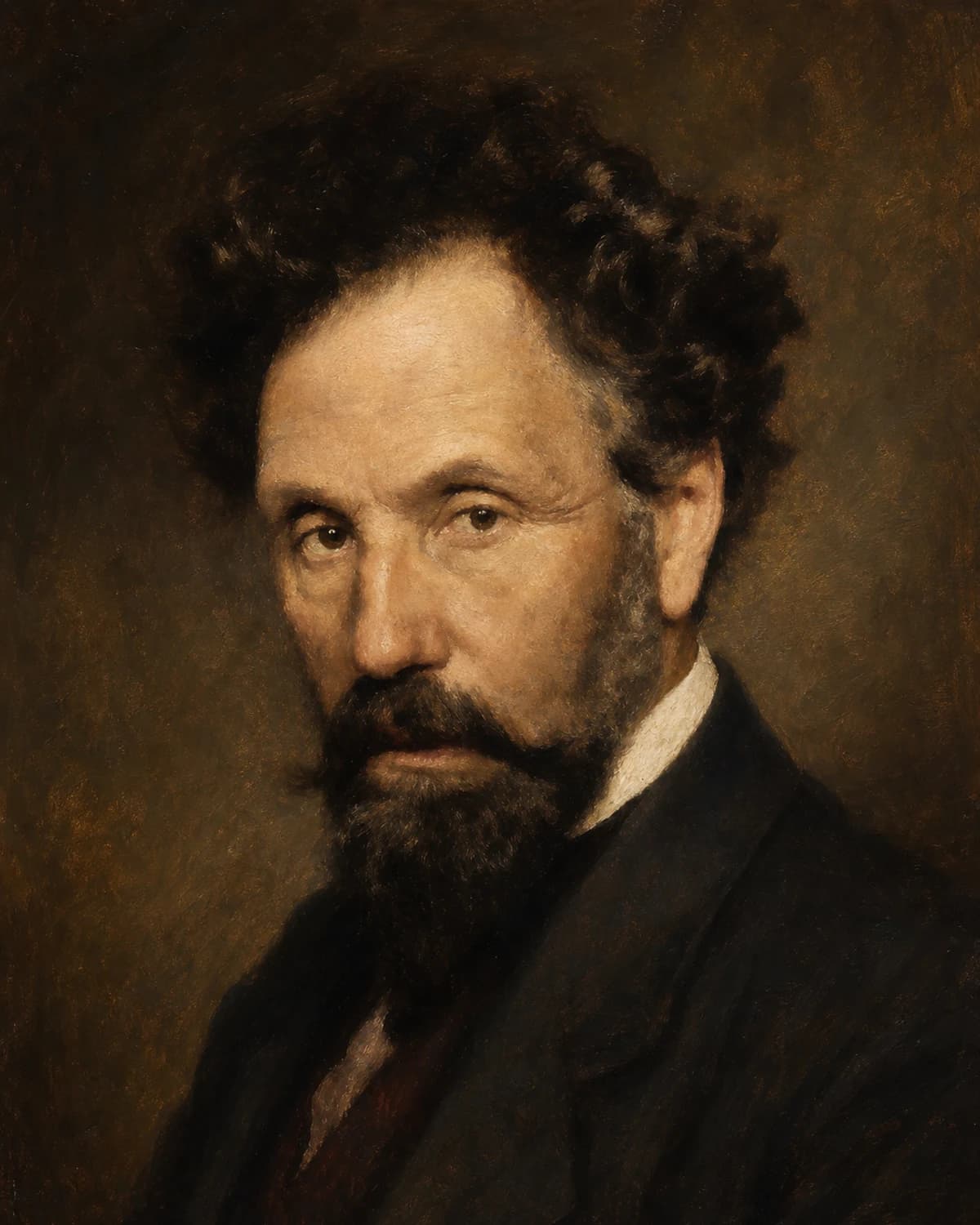
12.11.1850–1921
Nikolai Bodarevsky
Nikolai Bodarevsky (1850–1921) was born in Odesa, studied at the Imperial Academy of Arts in St Petersburg and from 1880 exhibited with the Wanderers. He painted fourteen portraits of composers for the Great Hall of the Moscow Conservatory and made sketches for sixteen mosaics in the Church of the Savior on Blood in St Petersburg. Four of the conservatory portraits were removed in 1953, and two of them were found only in 1999.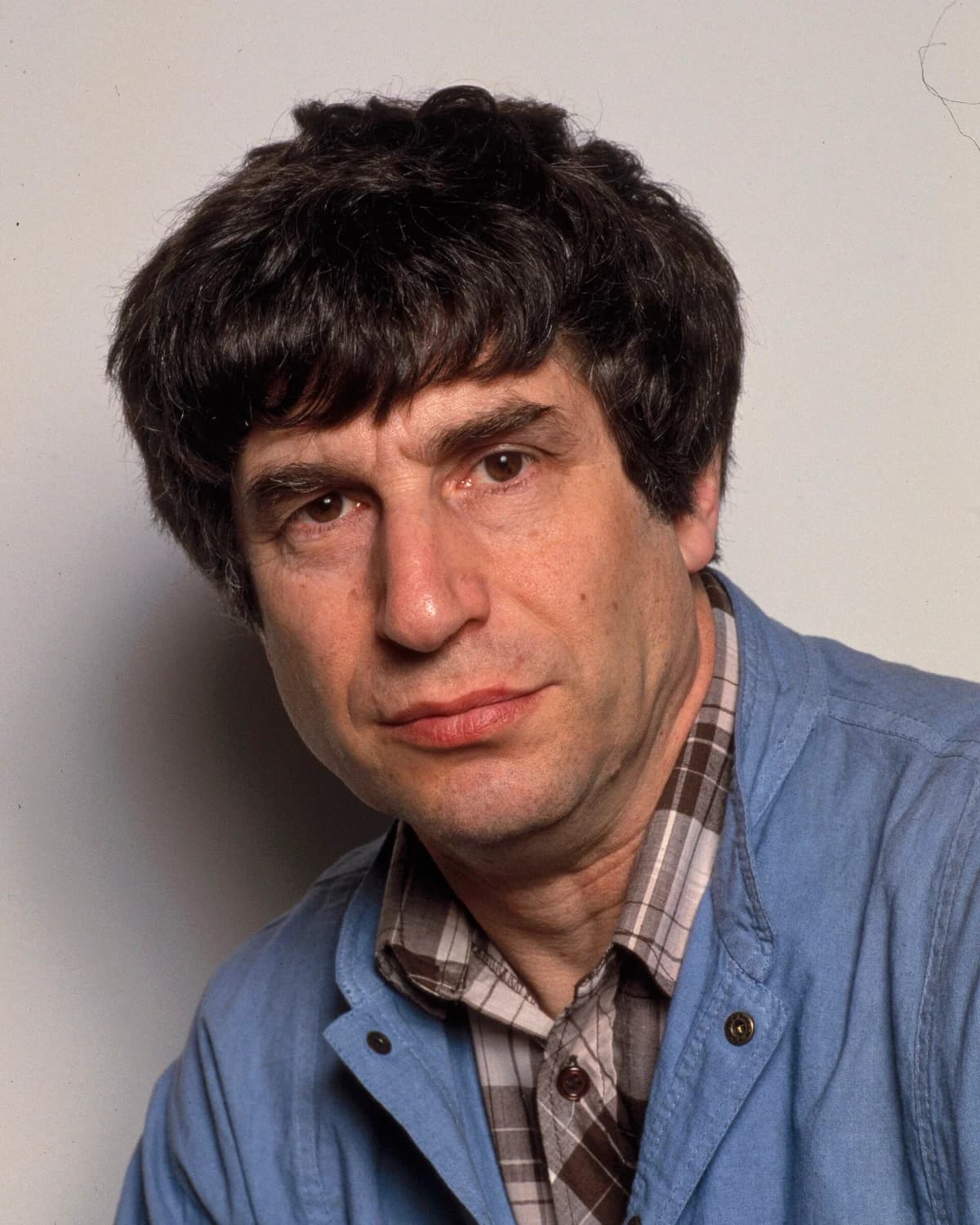
15.02.1938–04.01.2018
Vladimir Yankilevsky
In November 1962 Vladimir Yankilevsky showed work in an exhibition on Bolshaya Kommunisticheskaya Street, and a few days later his paintings appeared at the “30 Years of the Moscow Artists’ Union” show in the Manezh, where Nikita Khrushchev attacked them. For many years afterwards he earned his living designing books and worked in his studio on triptychs and “existential boxes”. From 1989 he lived in New York, Paris and Moscow, and he died in Paris.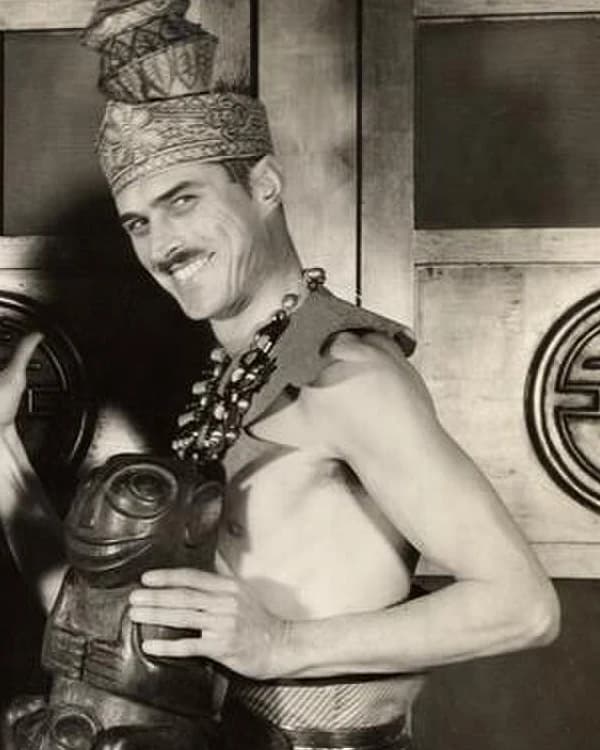
11.11.1896–22.03.1979
Victor Arnautoff
Victor Arnautoff (1896–1979) went from cornet in the tsarist cavalry and Kolchak’s army to assistant to Diego Rivera in Mexico and professor at Stanford. In San Francisco in the 1930s he painted murals for a clinic in Palo Alto, Coit Tower and George Washington High School. In 1963 he returned to Mariupol, where he made mosaics for a school, a communications building and the airport terminal.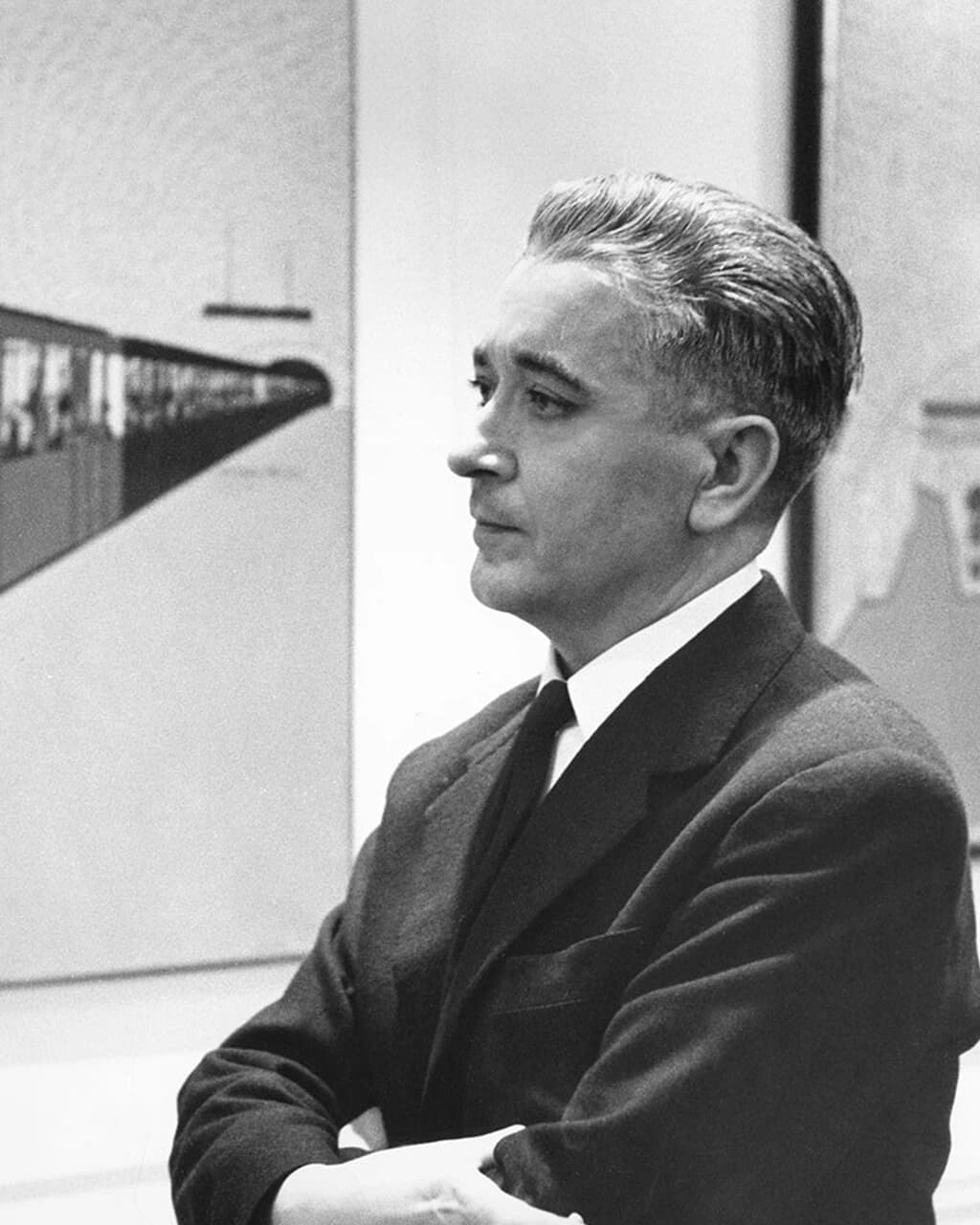
27.01.1915–08.11.1985
Jacques Hnizdovsky
Jacques Hnizdovsky (1915–1985), the son of a deacon from a Galician village, emigrated to the United States after years in a displaced persons camp near Munich and became known for woodcuts of plants and animals. His models were the residents of New York’s botanical gardens and the Bronx Zoo; his best-known print is “The Sheep”. Since 2005 his ashes have lain in the Lychakiv Cemetery in Lviv.22.04.1911–21.05.1991
Huseyn Aliyev
In 1932 Huseyn Aliyev became the first Azerbaijani at the Leningrad Institute of Painting, Sculpture and Architecture, and as a teenager he was already publishing cartoons in the magazine Molla Nasraddin. He worked for almost half a century at the Baku newspaper Communist and painted landscapes of Zangezur, Goygol and Mount Kapaz, as well as portraits of Azerbaijani writers. People’s Artist of the Azerbaijan SSR (1982).20.10.1907–16.07.2006
Mariam Aslamazyan
Mariam Aslamazyan (1907–2006) studied under Petrov-Vodkin, lived through the siege of Leningrad and pasted her own posters on its streets. She is best known for the cycle “The Return of the Hero”, “The Song of the Hero” and “The Wedding of the Hero”, and for decorative still lifes with flowers. From 1958 she also made ceramics, and she travelled widely in India and Africa. People’s Artist of the USSR from 1990.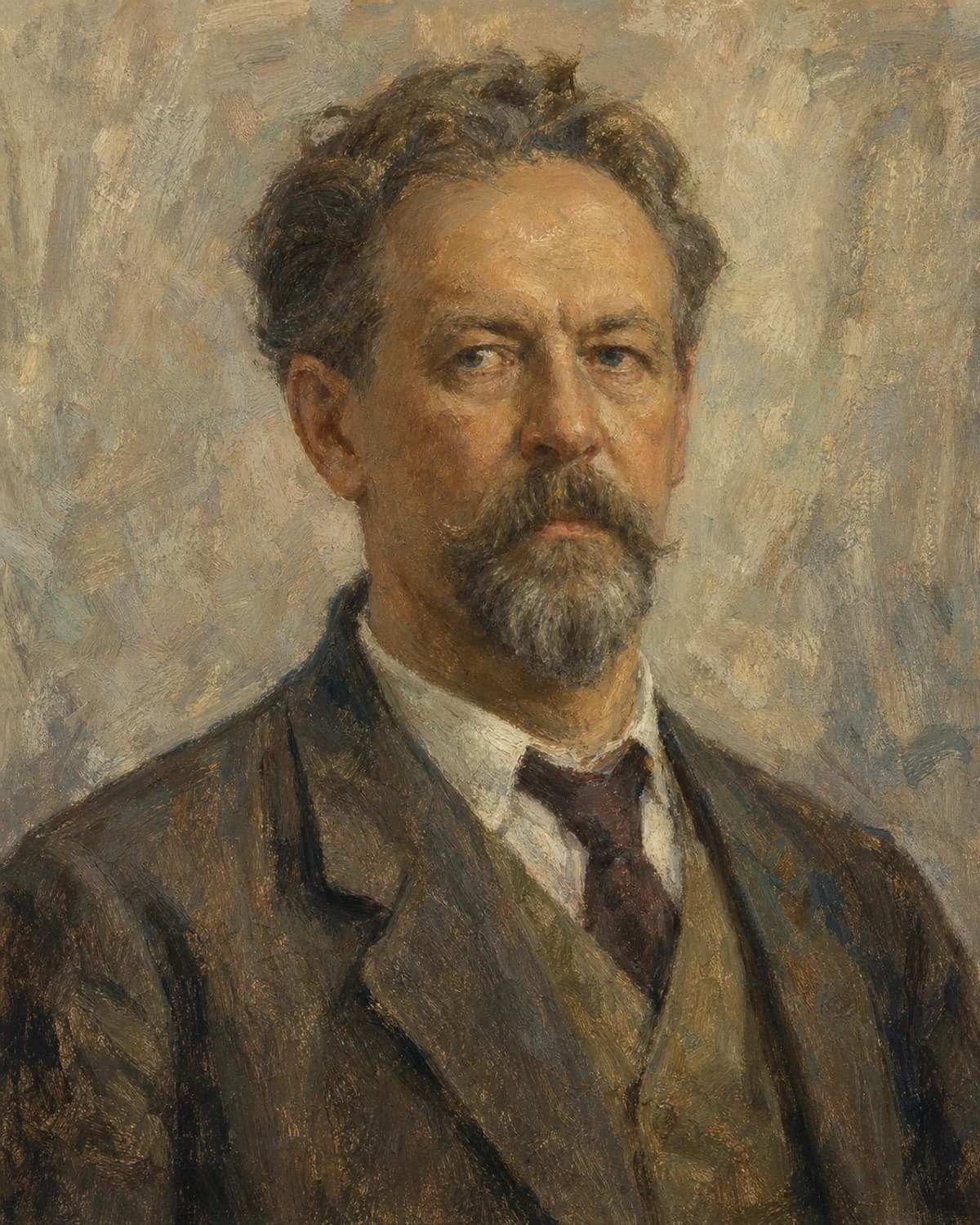
06.09.1882–14.04.1954
Mikhail Avilov
Mikhail Avilov (1882–1954) studied under the battle painters Franz Roubaud and Nikolai Samokish, volunteered for the army in the First World War and published front-line sketches in the magazine Niva. He won a Stalin Prize, first degree, for “The Duel of Peresvet and Chelubey on the Kulikovo Field”. He taught in Leningrad for more than twenty years and from 1947 gave classes at the Repin Institute.14.10.1961–08.08.2021
Oleksandr Rojtburd
Oleksandr Rojtburd (1961–2021) was a co-founder of the New Art association in Odesa in the early 1990s and a member of the Ukrainian New Wave. He painted, made installations, video and photo projects, and took part in the 2001 Venice Biennale. From 2018 he directed the Odesa Art Museum, and in the last year of his life he was a member of the regional council.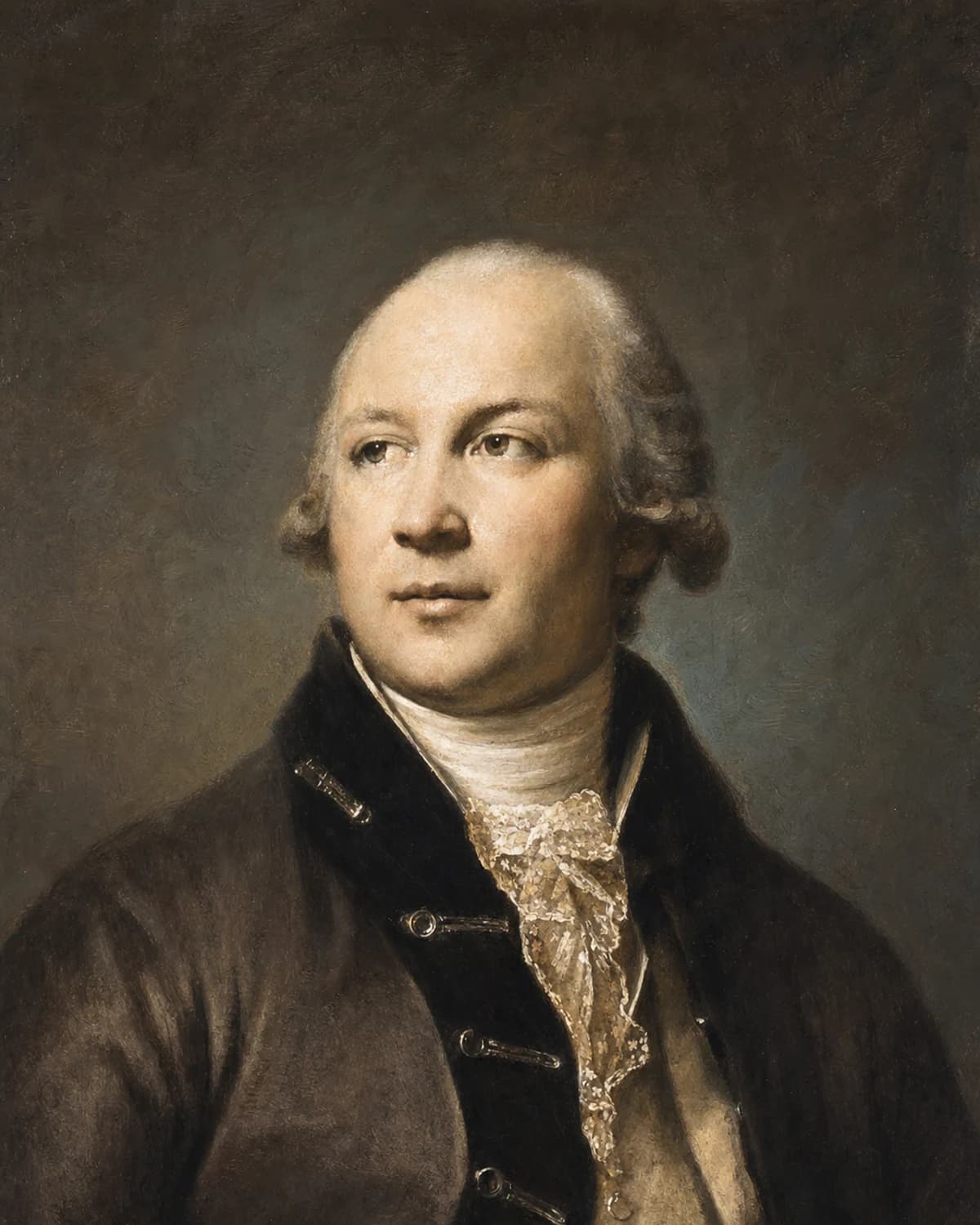
22.05.1755–15.05.1814
Ivan Akimov
Ivan Akimov (1755–1814) wrote a petition to the Academy of Arts at ten, asking to be admitted, and ended up as its director. He painted history pictures on subjects from antiquity and early Russian history, studied in Italy for five years, ran the imperial Shpalerny Manufactory, the state weaving works, and taught drawing to the children of Emperor Paul I. His contemporaries valued him above all as a teacher.22.02.1914–06.05.1998