
08.11.1936–04.06.2011
Research · Sources · Context
Artists
Biographies, facts and images with open sources and verified rights.
Found: 1775
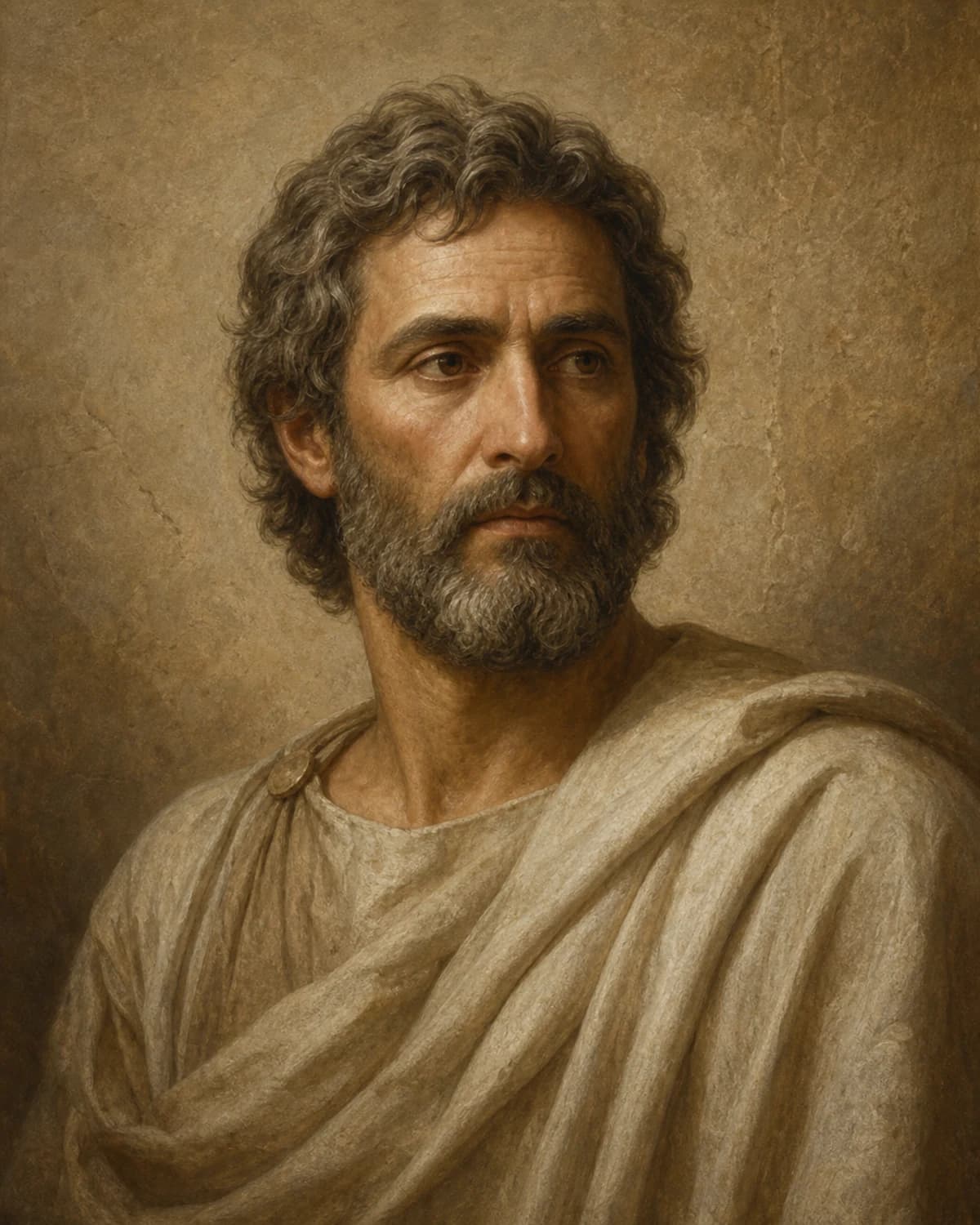
0370–0306
Apelles
Apelles (c. 370 – c. 306 BC), court painter to Philip II and Alexander the Great, was held in antiquity to be the foremost painter of Greece. None of his pictures survives: we know the “Aphrodite Anadyomene”, the “Alexander with a Thunderbolt” and the “Calumny” only from the descriptions of Pliny the Elder and Lucian. His name is linked with the sayings “Not a day without a line” and “Let the cobbler judge no higher than the shoe”.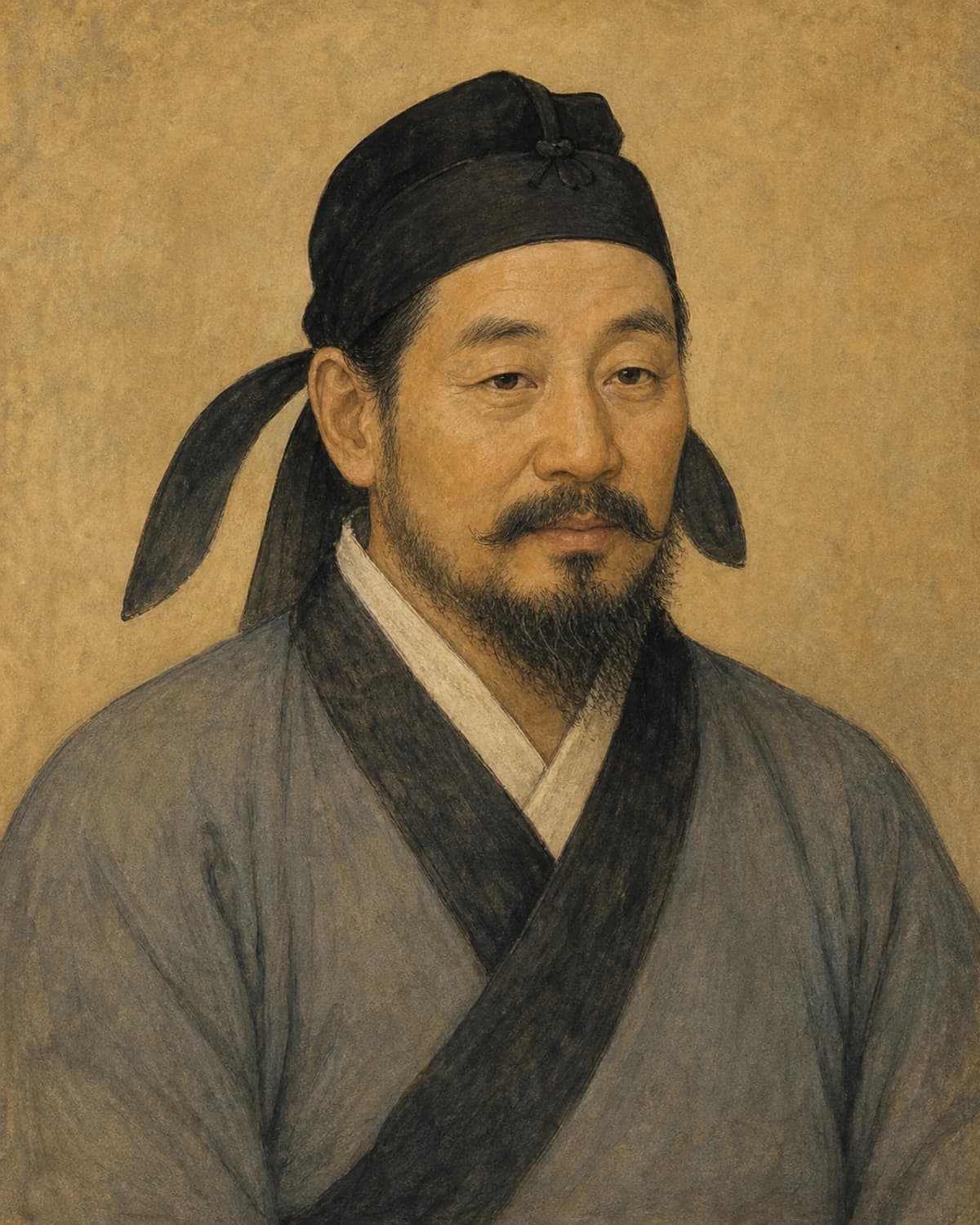
1843–1897
Chang Sŭngŏp
Chang Sŭngŏp, known by his art name Owŏn (1843–1897), was orphaned early and learned to paint in other people’s houses, yet he became a painter to the Korean royal court of the Joseon period and received a court rank. He painted landscapes, birds and animals, flowers, vessels and figures. Two of his pictures were presented to Nicholas II for his coronation in 1896; they are now in the Armoury Chamber of the Moscow Kremlin.22.03.1954–present
Nkiru Nzegwu
Nkiru Nzegwu (born 1954), a native of the Nigerian city of Onitsha, is a painter, philosopher and art historian. She took her doctorate in aesthetics at the University of Ottawa and taught for more than a quarter of a century at Binghamton University in New York State. She writes on African art and on family and gender among the Igbo, curates exhibitions and has founded several scholarly journals.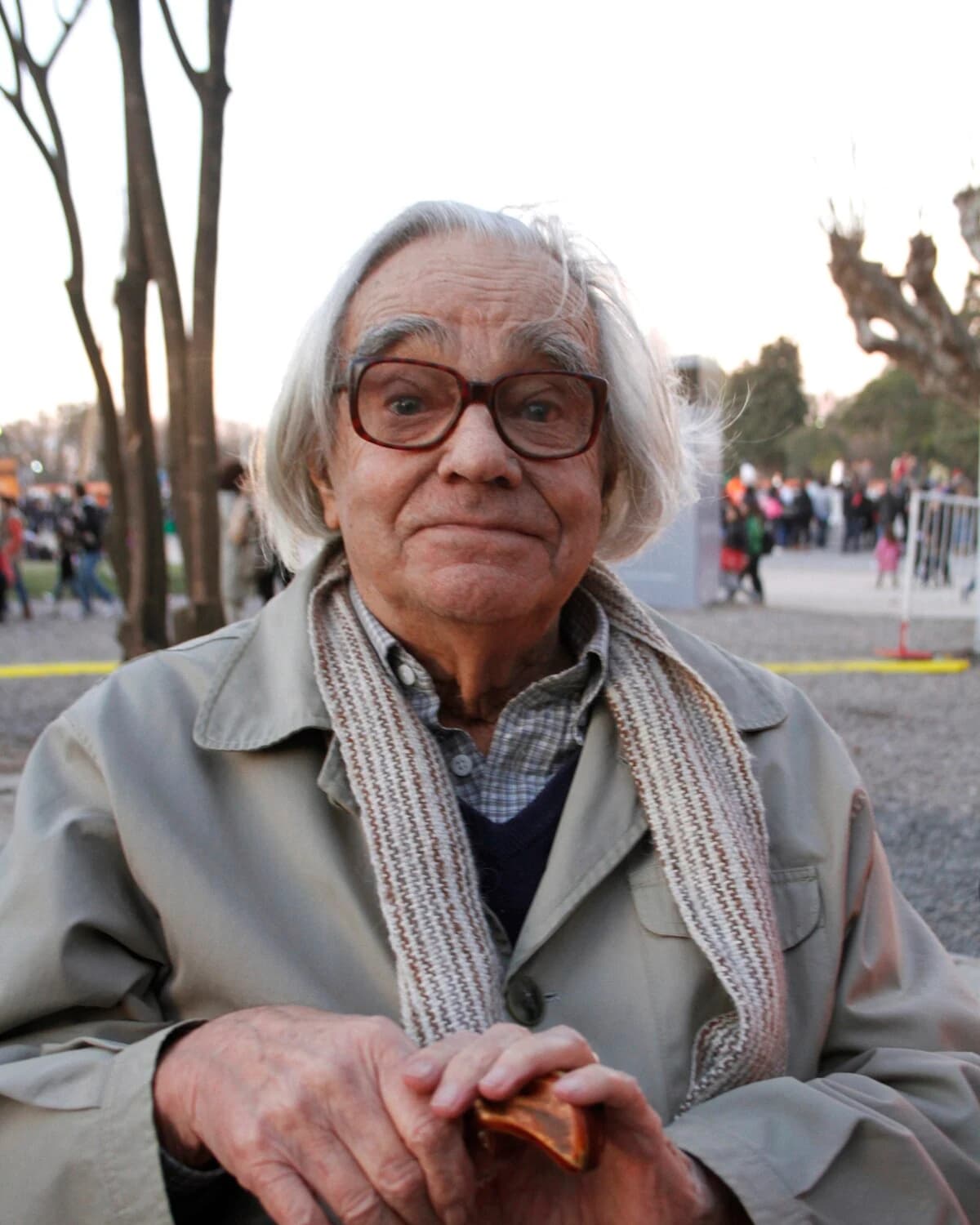
03.09.1920–25.07.2013
León Ferrari
León Ferrari (1920–2013), an Argentine electrical engineer, took up art seriously only in 1954, and his fame came from a Christ crucified on an American fighter plane (1965), a protest against the Vietnam War. He wrote “illegible” letters and made wire sculptures and collages of newspaper cuttings. From 1976 to 1991 he lived in exile in São Paulo, and in 2007 he received the Golden Lion of the Venice Biennale.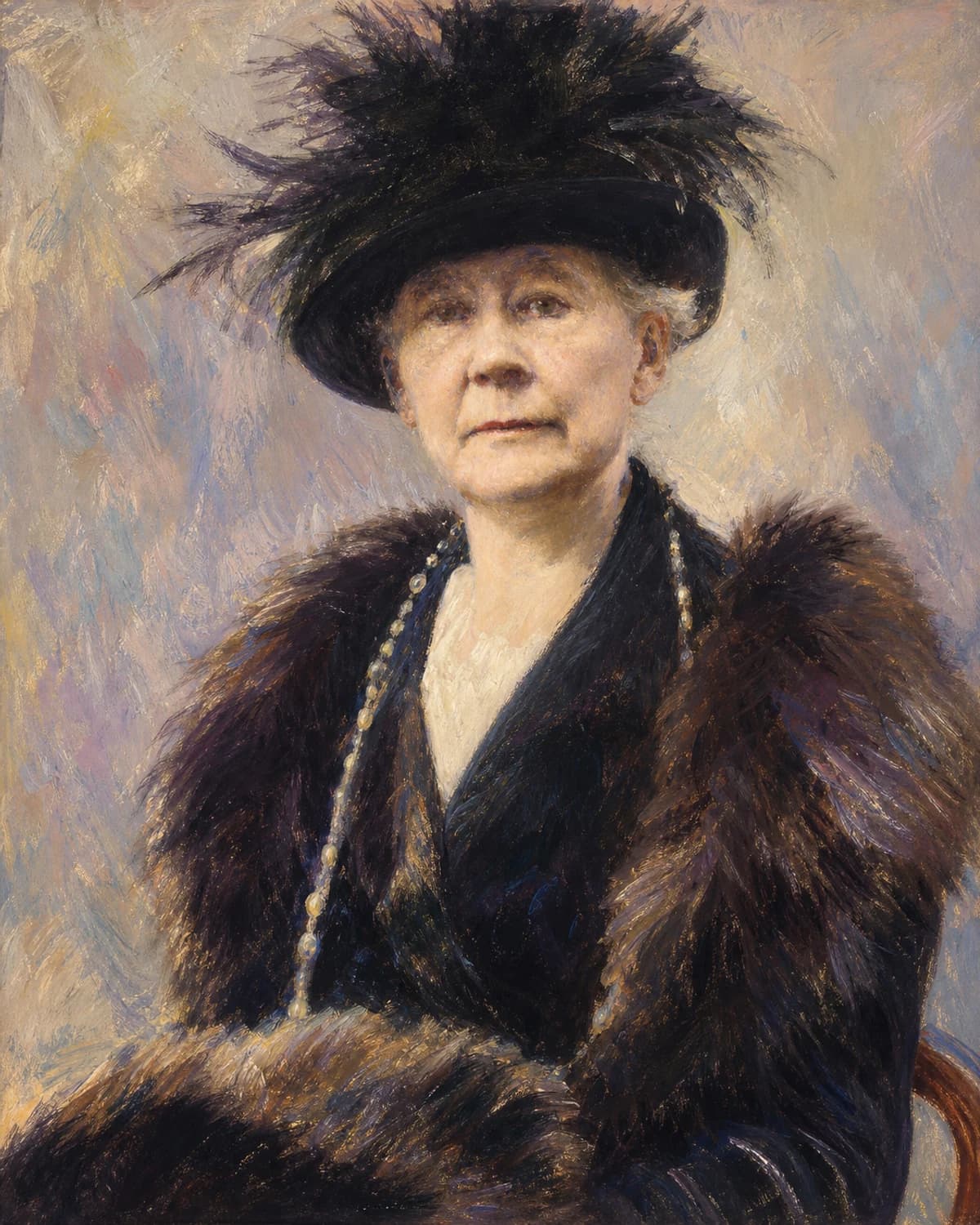
22.05.1844–14.06.1926
Mary Cassatt
Mary Cassatt (1844–1926), the daughter of a Pennsylvania stockbroker, lived in Paris from 1874 and became the only American officially associated with the Impressionists. She painted women in theatre boxes, at tea and with children, and after the Paris exhibition of Japanese prints she made a series of colour etchings. She advised American collectors on what to buy, and much of what they bought went to museums in the United States.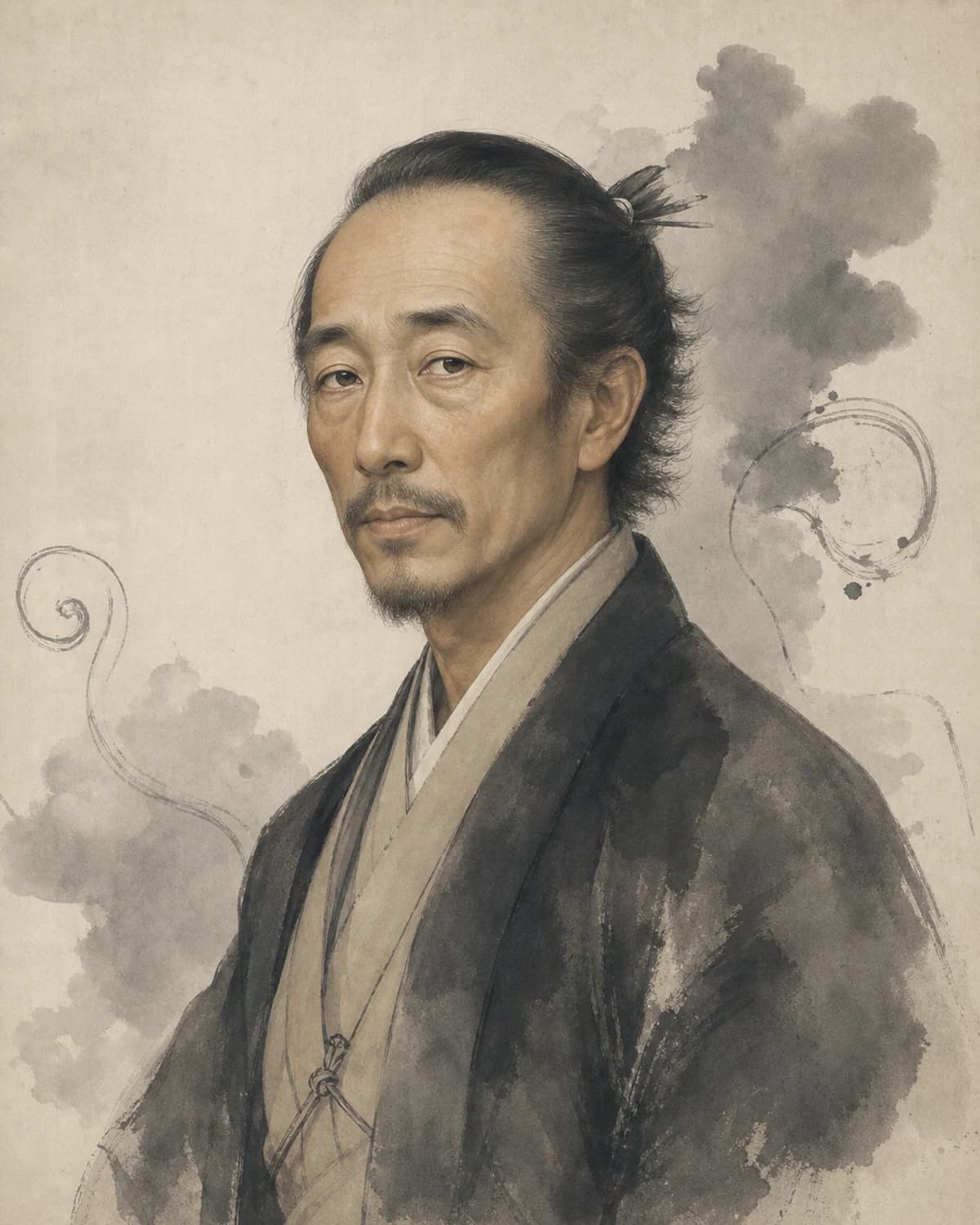
21.01.1780–16.10.1832
Rai San'yō
Rai San'yō (1781–1832), a historian, poet and painter of the late Edo period, worked for about a quarter of a century on the “Nihon Gaishi”, an “Unofficial History of Japan” in 22 volumes, from the Taira and Minamoto to the shogun Tokugawa Iemitsu. In the last decades of the shogunate the book was read avidly by supporters of the slogan “Revere the Emperor”. He wrote poetry in Chinese and ink landscapes in the Nanga manner.1919–09.12.2012
Ataa Oko
Ataa Oko Addo (c. 1919 – 2012), a carpenter from the coastal town of La in Ghana, began making figurative coffins around 1945 and became one of the first masters of the craft. In his eighties, at the request of the Swiss ethnologist Regula Tschumi, he began drawing his old coffins and palanquins, and then rituals, dreams and spirits. He left about 2,500 drawings; some are held by the Collection de l’Art Brut in Lausanne.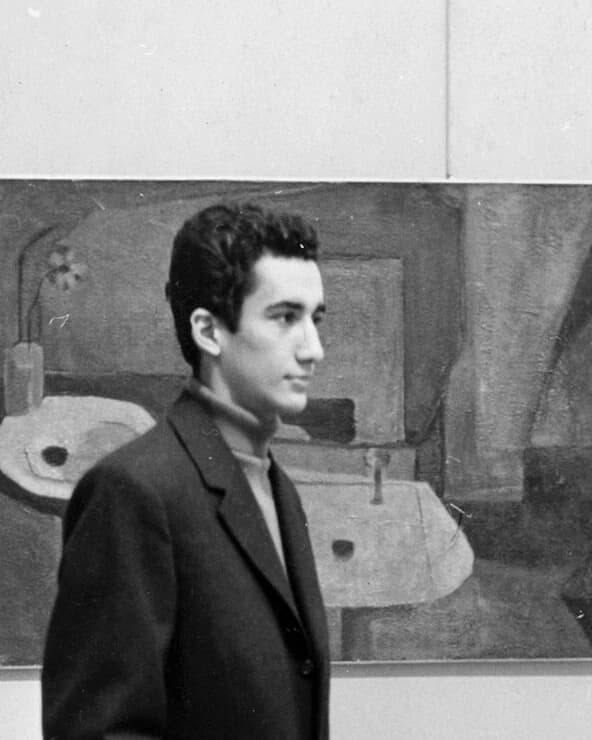
07.07.1933–02.04.2019
Herman Braun-Vega
Herman Braun-Vega (1933–2019), a native of Lima, lived in France from 1968 and built his pictures on quotations: figures from Velázquez, Ingres, Vermeer and Picasso meet Peruvian peasants, markets and newspaper cuttings in his work. He added his mother’s surname, Vega, to his father’s in 1984. In 1980 he represented Peru at the Venice Biennale.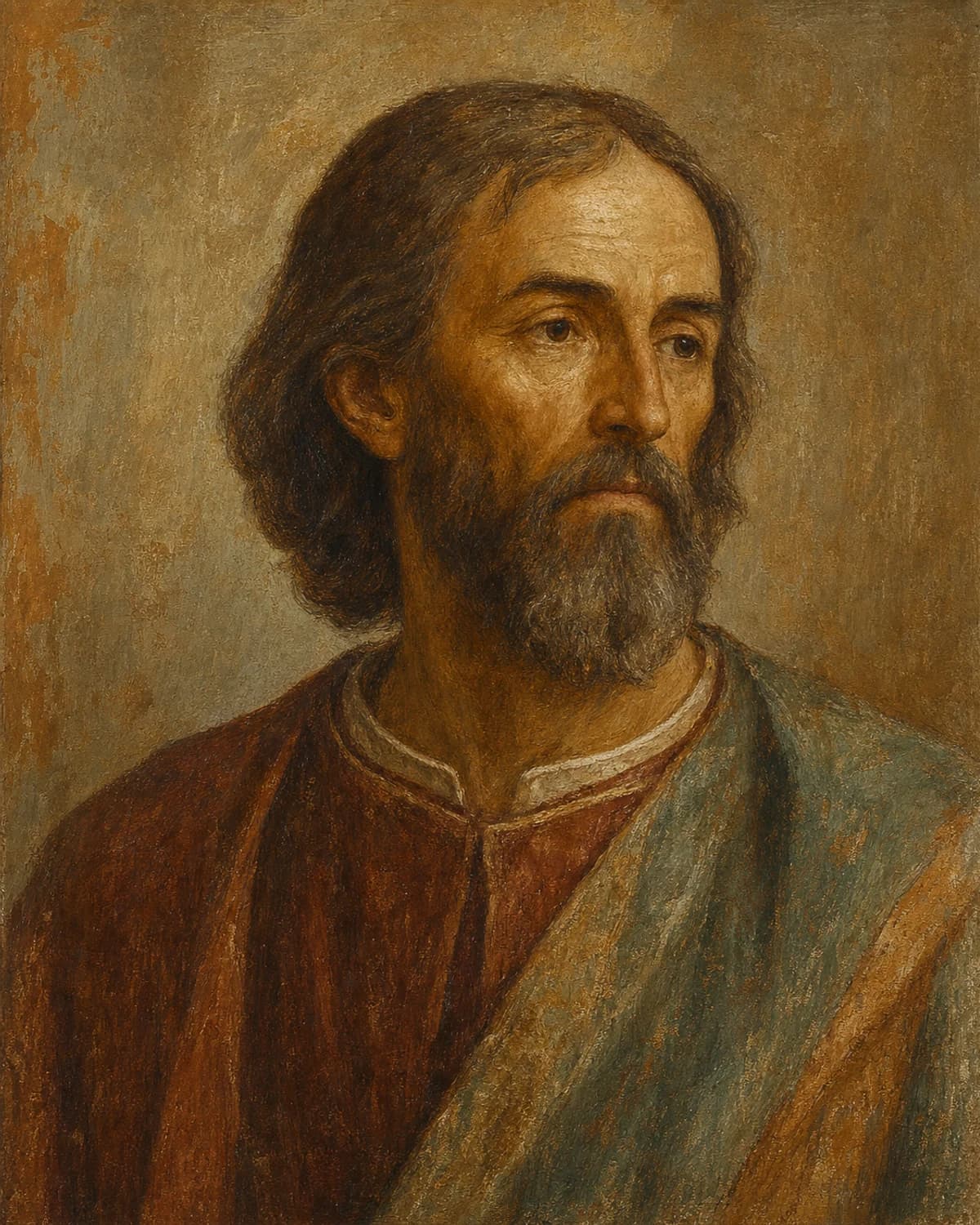
1444–1502
Dionisius
Dionisius (c. 1440 – between 1503 and 1508) led a team of painters that produced icons for the Cathedral of the Dormition in the Moscow Kremlin and for the Joseph-Volokolamsk and Pavlo-Obnorsky monasteries. His best-preserved work is the murals of the Cathedral of the Nativity of the Virgin at the Ferapontov Monastery (1502–1503), painted with his sons. He is the first Russian icon painter known from documents who was a layman.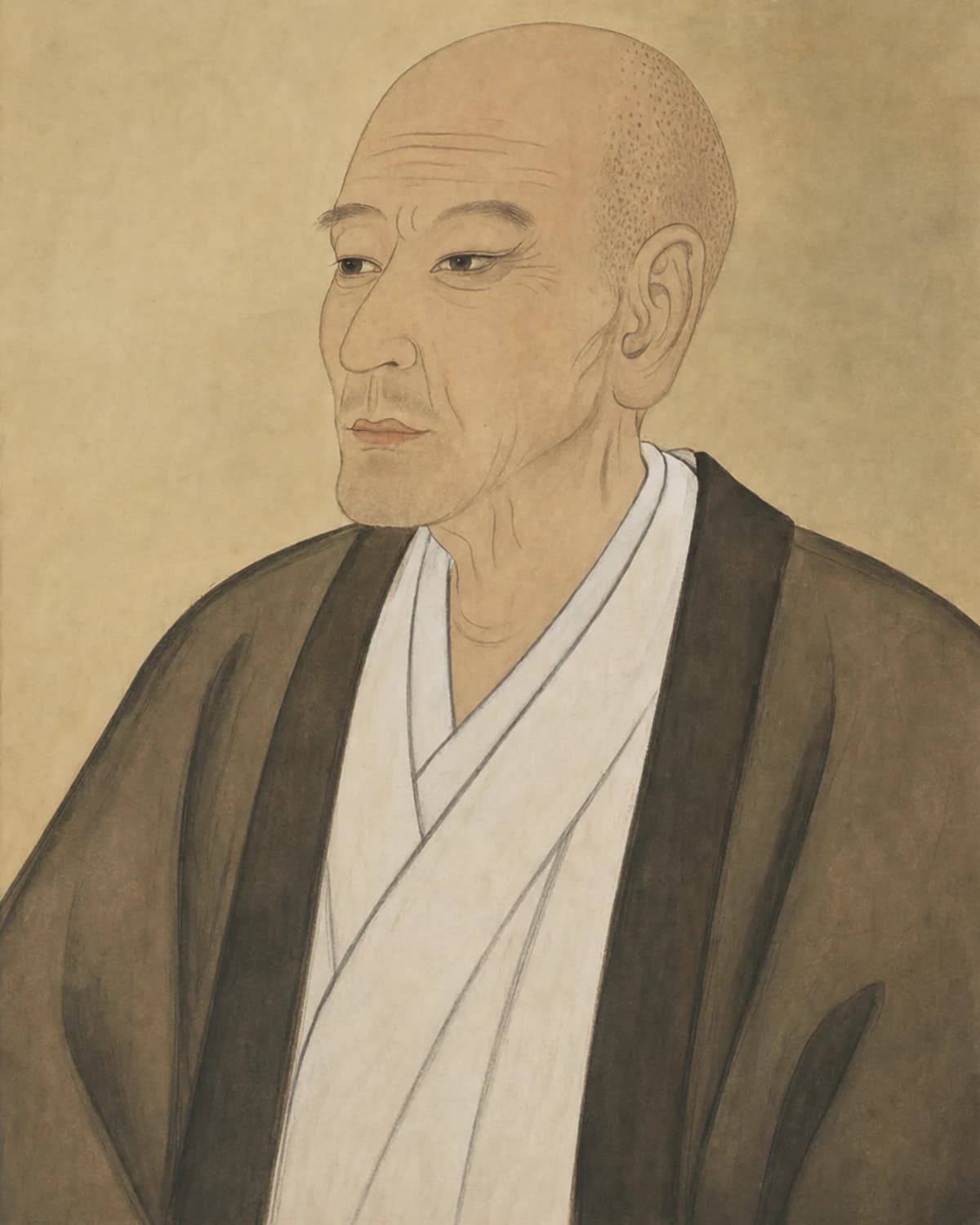
23.10.1617–25.09.1691
Tosa Mitsuoki
Tosa Mitsuoki (1617–1691) won back for the Tosa school the post of head of the court painting office in Kyoto, which his family had lost in 1569. Into the old yamato-e manner he brought detailed painting from life, picked up from the rival Kano school and from Chinese masters of the Song and Yuan dynasties. His quails became a model for later generations of the school.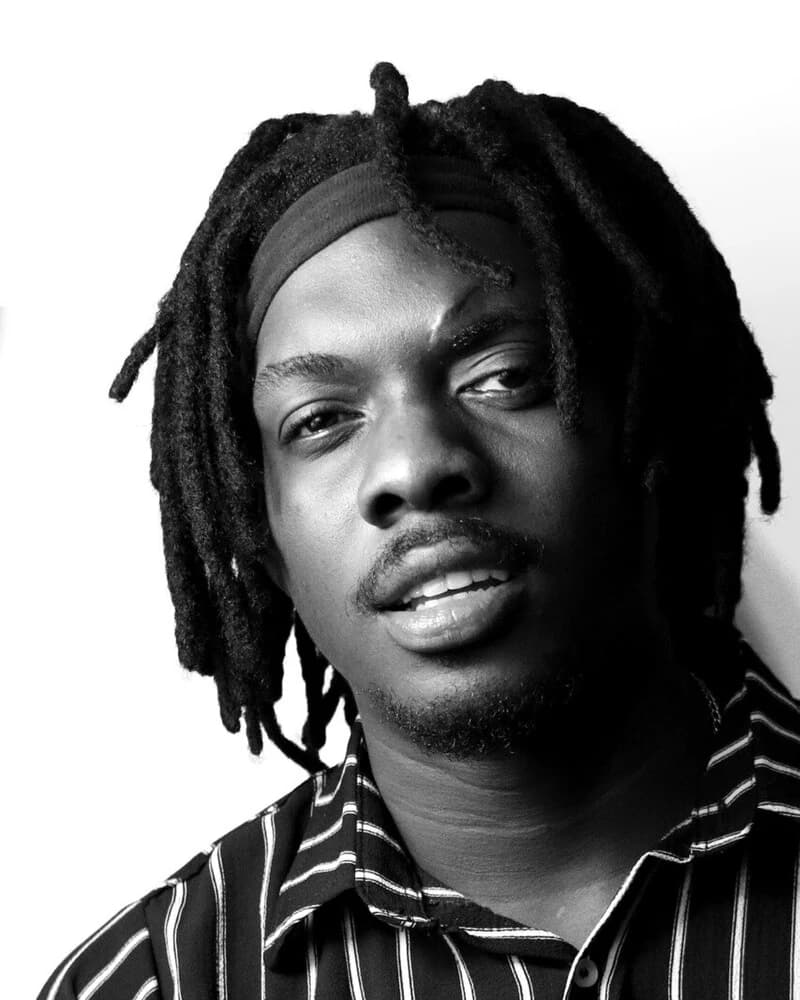
1994–present
Ken Nwadiogbu
Ken Nwadiogbu (born 1994) trained in Lagos as a civil engineer and made his name with hyperrealistic drawings in charcoal and pencil. Since 2022 he has worked in London, and in 2023 he completed an MA at the Royal College of Art. He now paints figures over abstract pours of paint; his work has been shown at the Royal Academy of Arts and at Somerset House.06.03.1959–1994
Lorenza Böttner
Lorenza Böttner (1959–1994) was born in Punta Arenas, lost both arms at the age of eight and became an artist who drew with her feet and mouth. She made self-portraits, photographs and “danced painting”, played the mascot of the 1992 Paralympic Games in Barcelona, and her work reached a wide audience only after documenta 14 in 2017.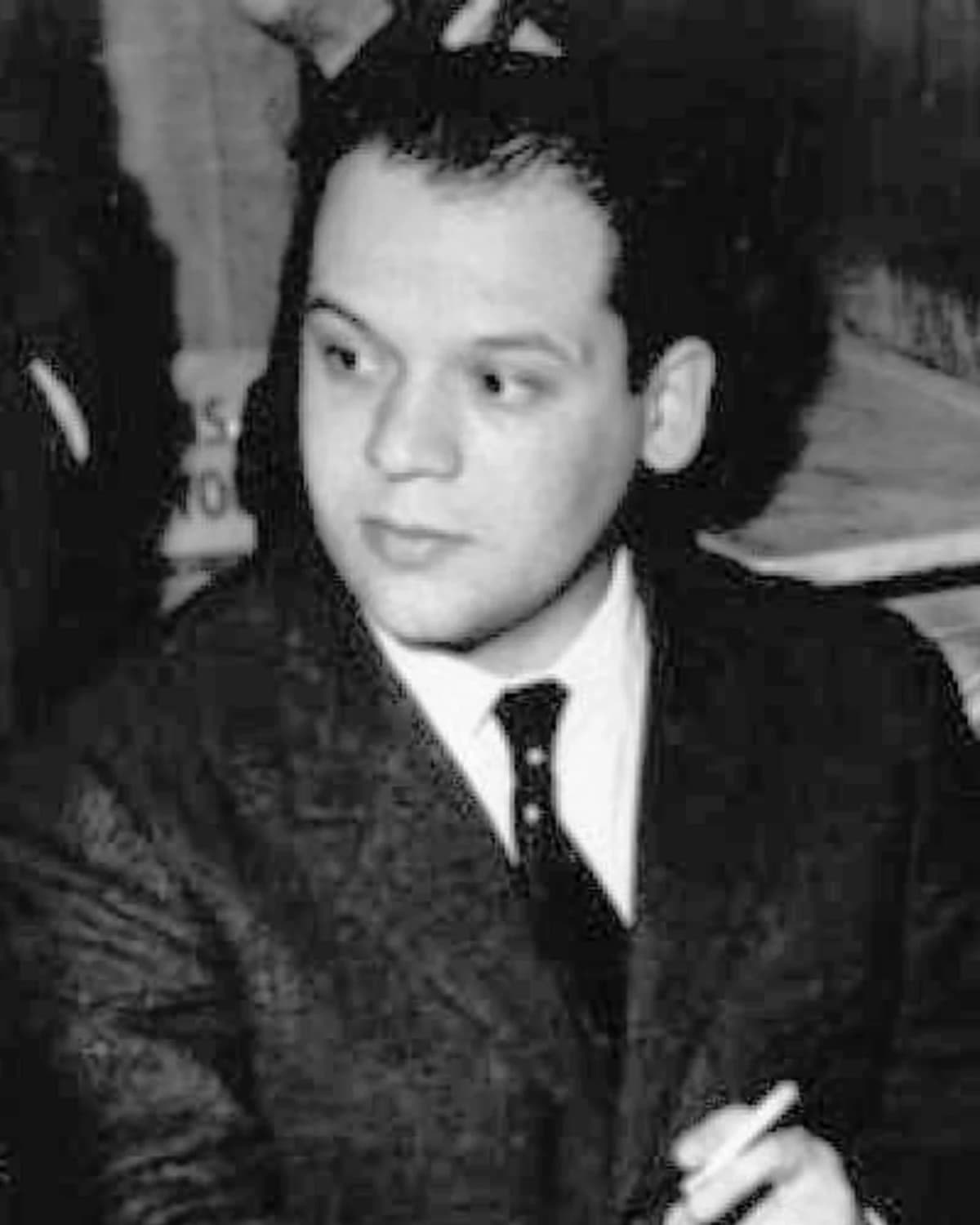
13.07.1933–06.02.1963
Piero Manzoni
Piero Manzoni (1933–1963), in barely seven years of work, made the white “Achromes” of gesso, kaolin, cotton wool and bread rolls, lines kilometres long, the inflatable “Bodies of Air” and ninety cans of “Artist’s Shit”. His ironic experiments with the very notion of a work of art anticipated Conceptual art and influenced Italian Arte Povera.11.08.1953–present
Chen Danqing
Chen Danqing (born 1953) became famous in 1980 for his “Tibetan Series”, seven small realist canvases painted for his graduation from the postgraduate course at the Central Academy of Fine Arts. He worked in New York for eighteen years, then taught at Tsinghua University, published several collections of essays and became the author and host of the art series “Local Perspective”.1974–present
Matthew Hindley
Matthew Hindley (1974–2025) graduated from the Michaelis School of Fine Art in Cape Town with the prize for the best final exhibition of his year. He moved from figurative painting to abstraction and back, made “rainbow” paintings and electronic pictures with a camera in the frame, and his display above the entrance to the South African National Gallery turned visitors’ conversations into running text.07.03.1921–13.08.1990
Alejandro Otero
Alejandro Otero (1921–1990) moved from figurative painting to abstraction in Paris in the late 1940s with his series “The Coffee Pots”, and in Caracas painted seventy-five “Colorhythms”, tall boards with bands of industrial lacquer. Later he built steel “solar” sculptures for cities, among them “Delta Solar” by the National Air and Space Museum in Washington.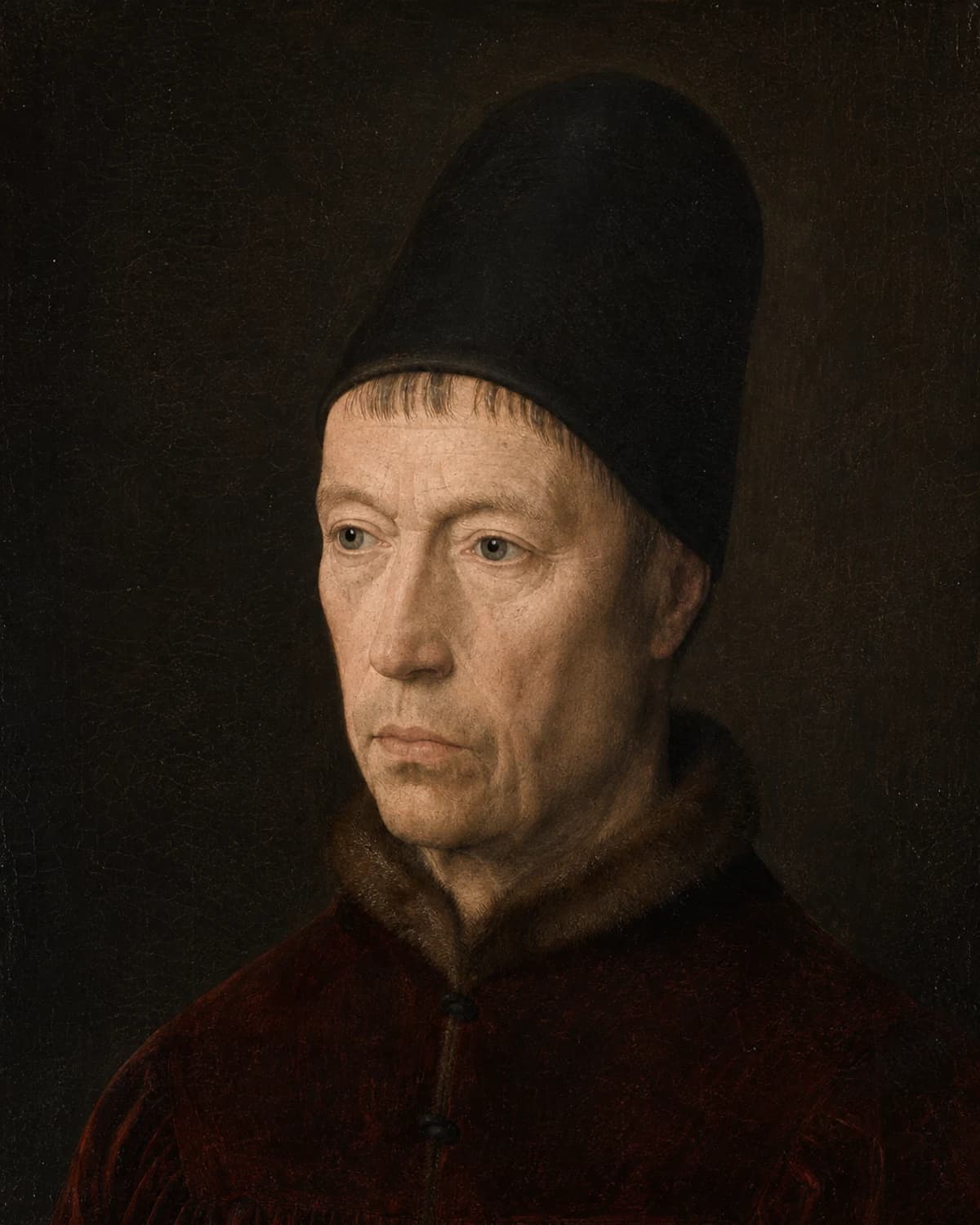
1415–06.05.1475
Dieric Bouts
Dieric Bouts (about 1415–1475), a native of Haarlem according to Karel van Mander, worked in Leuven for nearly all of his known life and became the city painter there. His “Last Supper” in St Peter’s Church was the first depiction of the subject on a Flemish panel and one of the first northern pictures in which the lines of a room meet at a single point.26.07.1925–02.07.2009
Tyeb Mehta
Tyeb Mehta (1925–2009) began as a film editor at a Bombay studio, was associated with the Bombay Progressive Artists’ Group and worked in London and New York. From 1969 a sharp diagonal cuts across his canvases; his best-known works include the triptych “Celebration”, “Kali”, “Mahishasura” and the three-minute film “Koodal”, which won the Filmfare Critics’ Award.1969–present
Armen Agop
Armen Agop (born 1969), a native of Cairo from an Armenian family, studied sculpture at Helwan University and since the early 2000s has worked in Pietrasanta, Italy. He works mainly in black granite and basalt: his rounded sculptures of the “Touch” series rock when touched by a hand. In 2026 he represented Egypt at the Venice Biennale.23.04.1927–10.04.2001
Viktor Grebennikov
A self-taught entomologist from Simferopol, Viktor Grebennikov (1927–2001) drew insects from childhood and illustrated his own books on bees, bumblebees and beetles. In 1976, at Krasnoobsk near Novosibirsk, he set up a museum of agroecology with huge “portraits” of insects and a spherorama of the steppe. His later accounts of a flying machine built from beetle wing cases were never scientifically confirmed.06.10.1943–present
Alexandr Shilov
The portrait painter Alexandr Shilov (born 1943) began with a series of portraits of cosmonauts, for which he received the Lenin Komsomol Prize in 1977. He paints ceremonial portraits of statesmen and cultural figures, and since 1997 a state picture gallery showing only his work has been open in Moscow, in Znamensky Lane. People’s Artist of the USSR (1985), full member of the Russian Academy of Arts.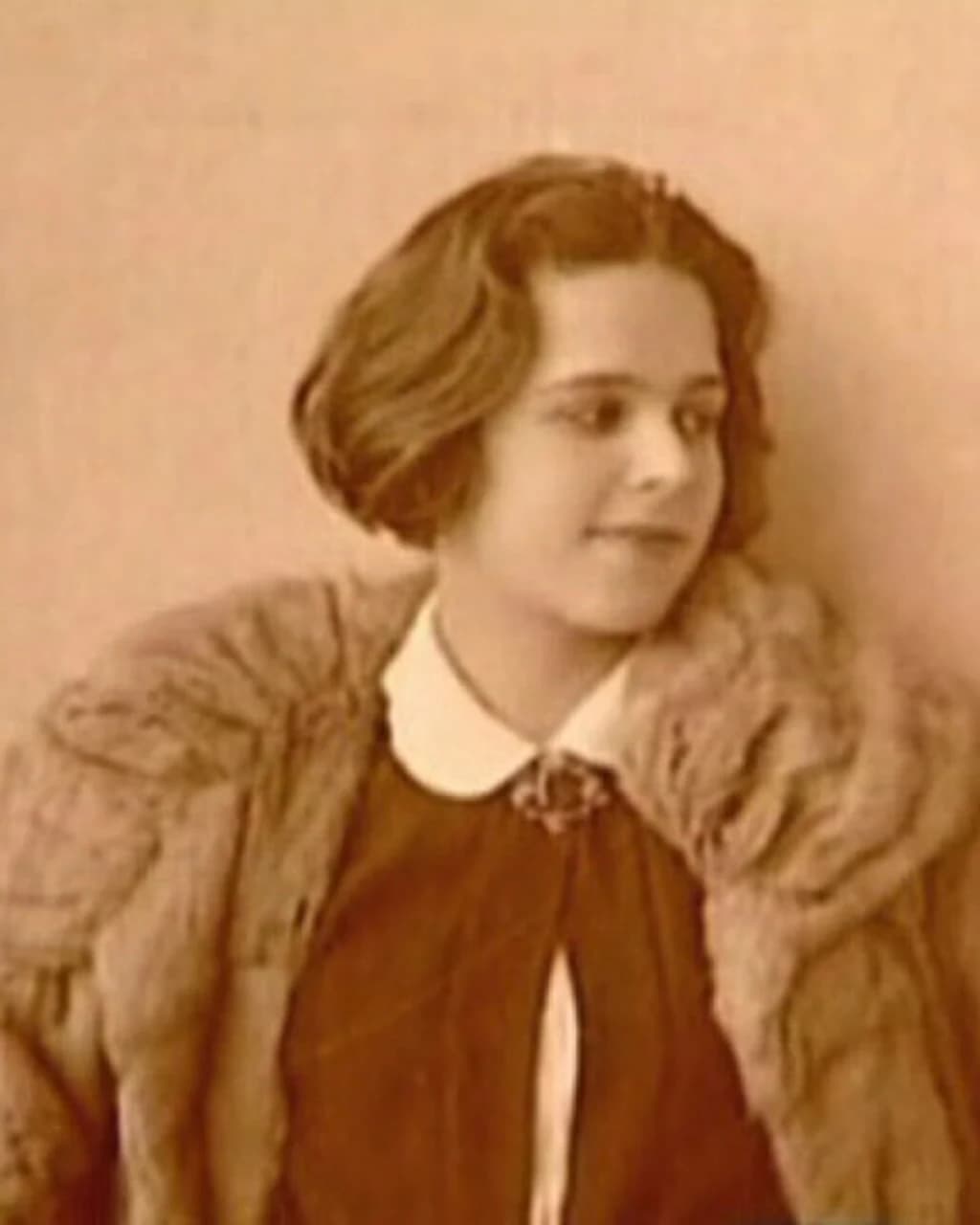
30.11.1901–10.01.1971
Nadezhda Peshkova
Nadezhda Peshkova (1901–1971), daughter-in-law of Maxim Gorky, known in the family as Timosha, took up painting in Italy in the 1920s and in Moscow painted under the guidance of Pavel Korin. Her portraits of Gorky and the people around him are kept in the writer’s museums. For twenty years, until 1965, she devoted herself to creating the Gorky apartment museum in the Ryabushinsky mansion.24.12.1922–present