
1958–present
Research · Sources · Context
Artists
Biographies, facts and images with open sources and verified rights.
Found: 1775
11.10.1925–10.11.2021
Gazbia Sirry
Gazbia Sirry (1925–2021) spent almost her whole life in Cairo and for about seventy years painted its people, the desert and the city. She began with strong female figures in black outlines, moved to abstraction in the 1960s and later to expressive “cityscapes”. She taught in Cairo, took part in the Venice Biennale four times and received Egypt’s State Prize.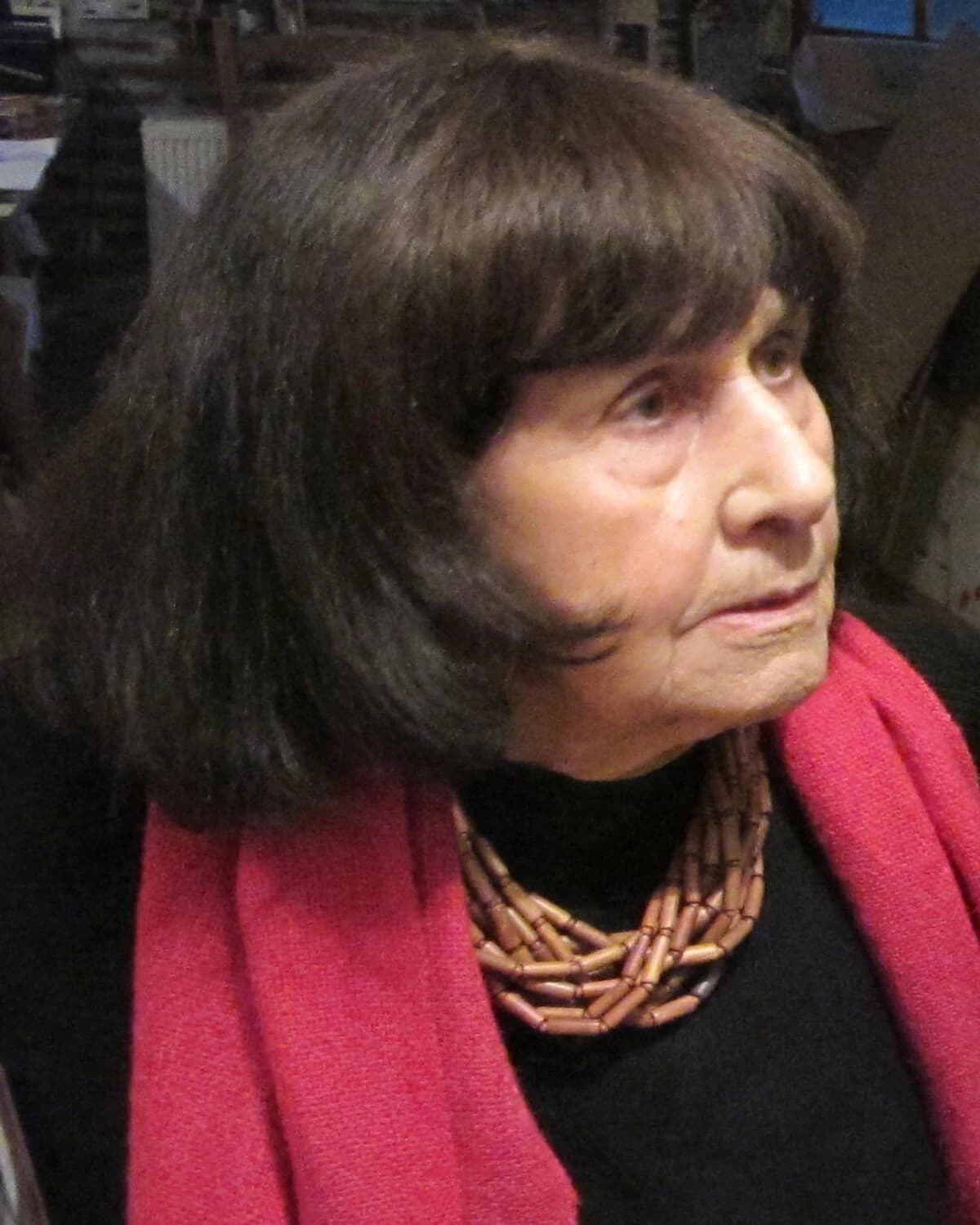
15.02.1923–26.05.2021
Roser Bru
Roser Bru (1923–2021) arrived in Chile at sixteen aboard the Winnipeg, a ship carrying refugees from the Spanish Civil War, and lived in Santiago for more than eighty years. She studied painting under Pablo Burchard and printmaking at Taller 99 under Nemesio Antúnez; she is counted among the neo-figurative artists. In 2015 she received Chile’s National Prize for Plastic Arts.04.12.1927–19.07.2018
Luis Filcer
Luis Filcer (1927–2018), a native of Zhytomyr, was brought to Mexico City by his family as a baby, studied at the Academy of San Carlos and became an Expressionist painter. He painted porters, miners and beggars and called himself an admirer of Van Gogh, Goya and Orozco. He lived for twenty years in the Netherlands, held more than three hundred exhibitions and was a member of the Salón de la Plástica Mexicana.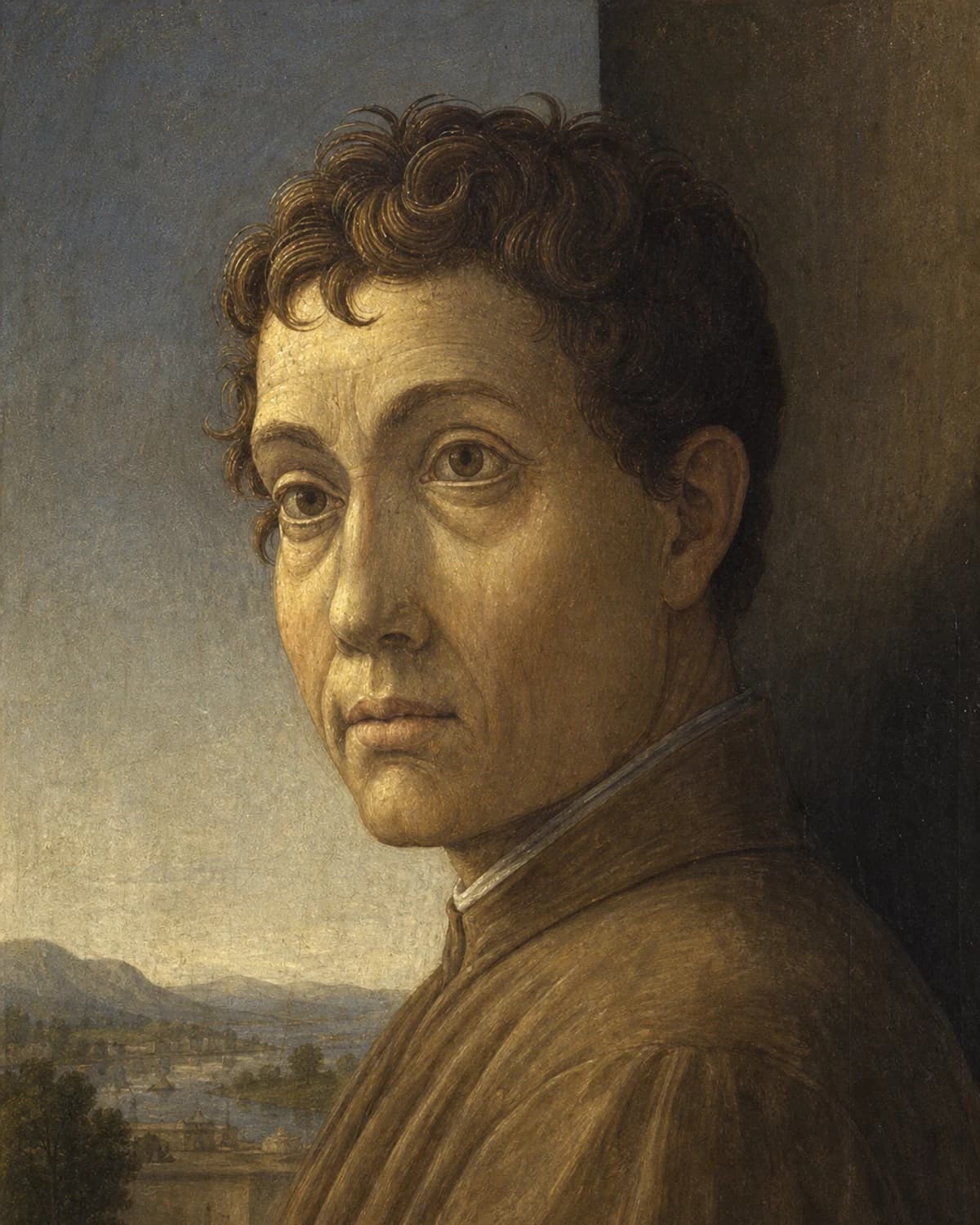
1431–13.09.1506
Andrea Mantegna
Andrea Mantegna (c. 1431–1506) trained in Padua under Francesco Squarcione, a collector of antique fragments, and all his life built his figures as if carving them from stone. From 1460 until his death he was court artist to the Gonzaga in Mantua, where he painted the Camera degli Sposi, with a round opening onto the sky in the middle of the vault, and the nine canvases of the “Triumphs of Caesar”.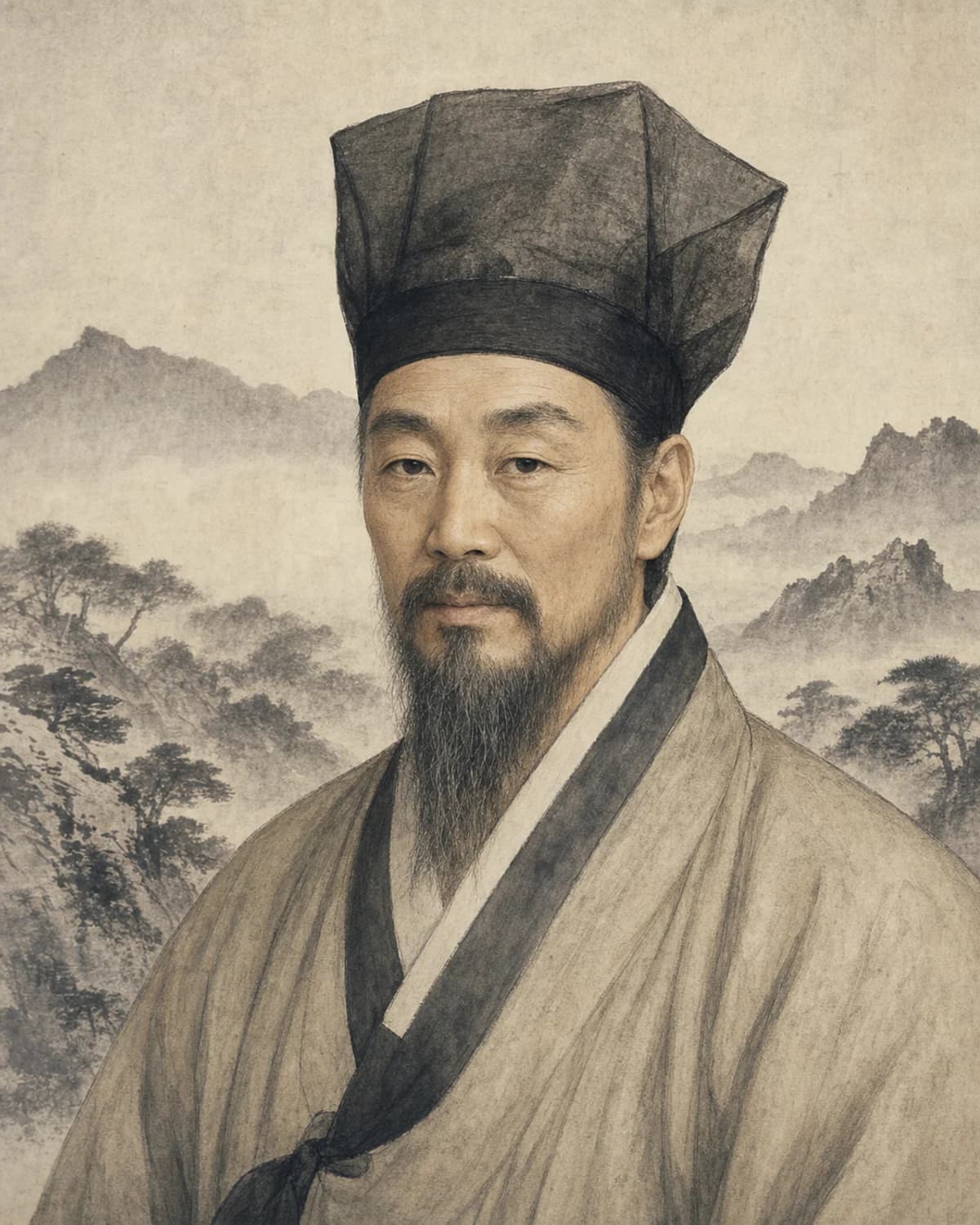
1676–1759
Chŏng Sŏn
Chŏng Sŏn (1676–1759), who painted under the art name Gyeomjae, turned away from the idealised Chinese landscape to views of the real Korea: the Diamond Mountains, the capital Hanyang, the Han River. His “General View of the Diamond Mountains” (1734) and “Clearing after Rain on Mount Inwang” (1751) are listed as National Treasures of Korea. He served both in the state painting bureau and as a county magistrate.1966–present
Odili Donald Odita
Odili Donald Odita, born in Enugu, Nigeria, and raised in Ohio, paints large abstractions of interlocking geometric forms and contrasting colours, drawing on Nigerian textiles and the patterns of Western modernity. In 2007 his installation was shown at the 52nd Venice Biennale; since 2006 he has taught painting at the Tyler School of Art in Philadelphia.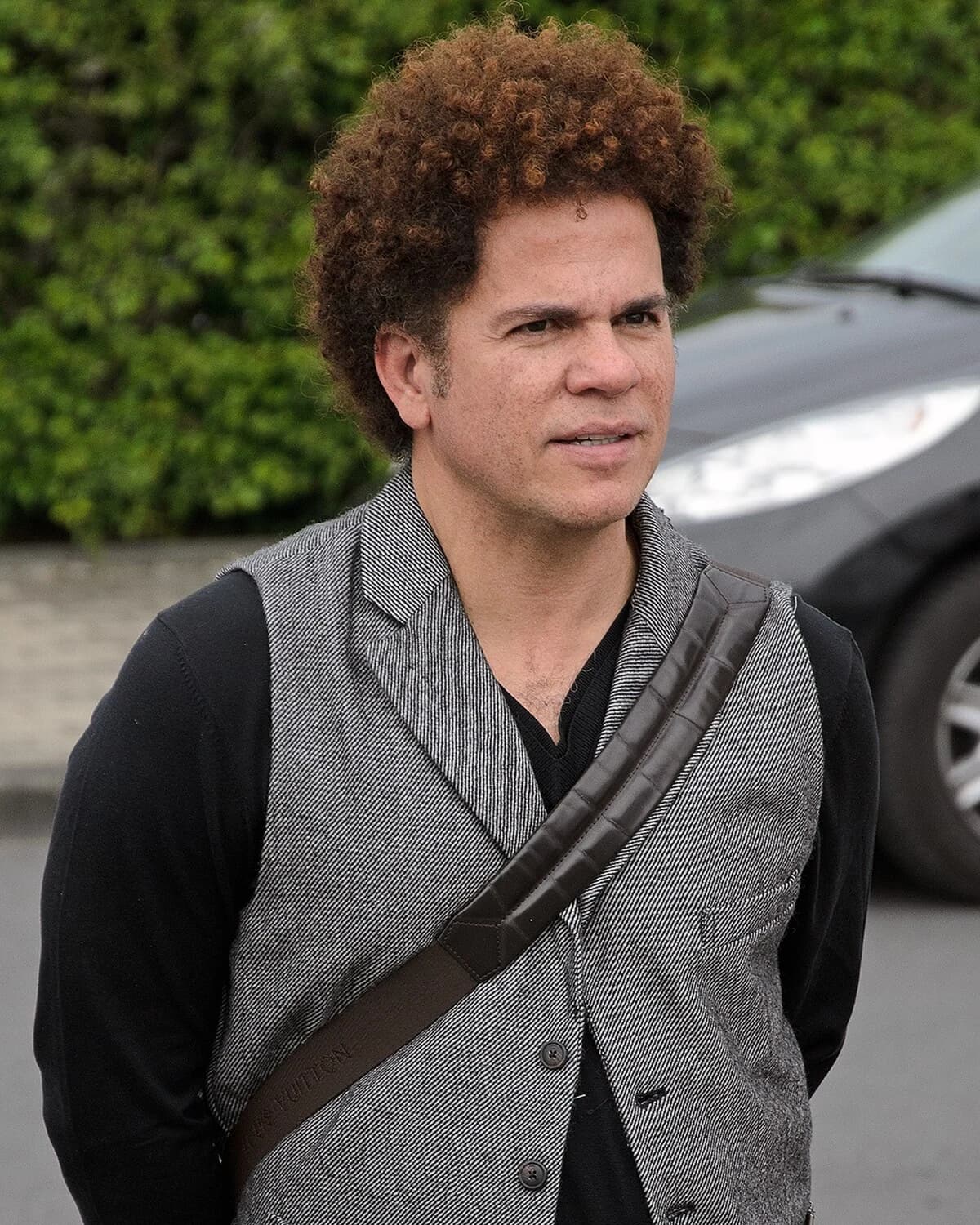
06.10.1963–present
Romero Britto
Romero Britto, a native of Recife in Brazil, has lived in Miami since the late 1980s and works in an instantly recognisable manner: bright colours, bold busy patterns, devices taken from cubism, pop art and graffiti. He paints, makes screen prints and sculpture; his designs spread across advertising, consumer goods and public spaces, from a water park in Miami to Hyde Park in London.02.10.1936–09.10.2020
Francine Simonin
Francine Simonin (1936–2020), a painter and printmaker from Lausanne, lived in Montreal from 1971 and taught for more than twenty years at the Université du Québec à Trois-Rivières. She began with woodcuts and copper engravings, and later painted huge sheets in acrylic and ink: the female body in motion, turbulent landscape from memory, signs and scripts.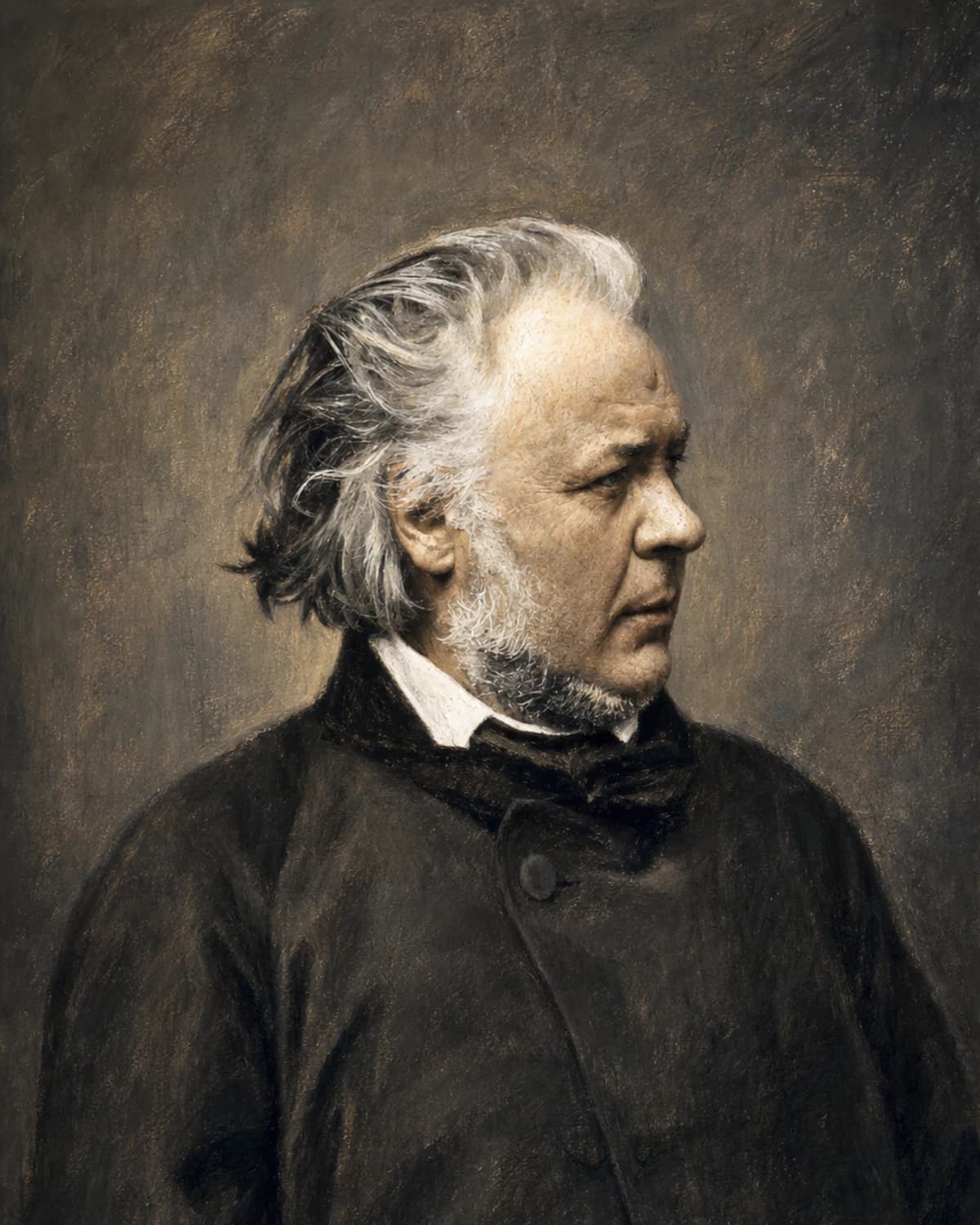
26.02.1808–10.02.1879
Honoré Daumier
Honoré Daumier (1808–1879) drew for more than forty years for the Paris satirical papers La Caricature and Le Charivari: some four thousand lithographs of kings, deputies, judges and ordinary citizens. A caricature of Louis Philippe cost him six months in prison. The public hardly noticed his painting in his lifetime, but Baudelaire, Delacroix and Corot valued it; the first exhibition of his pictures was held a year before his death.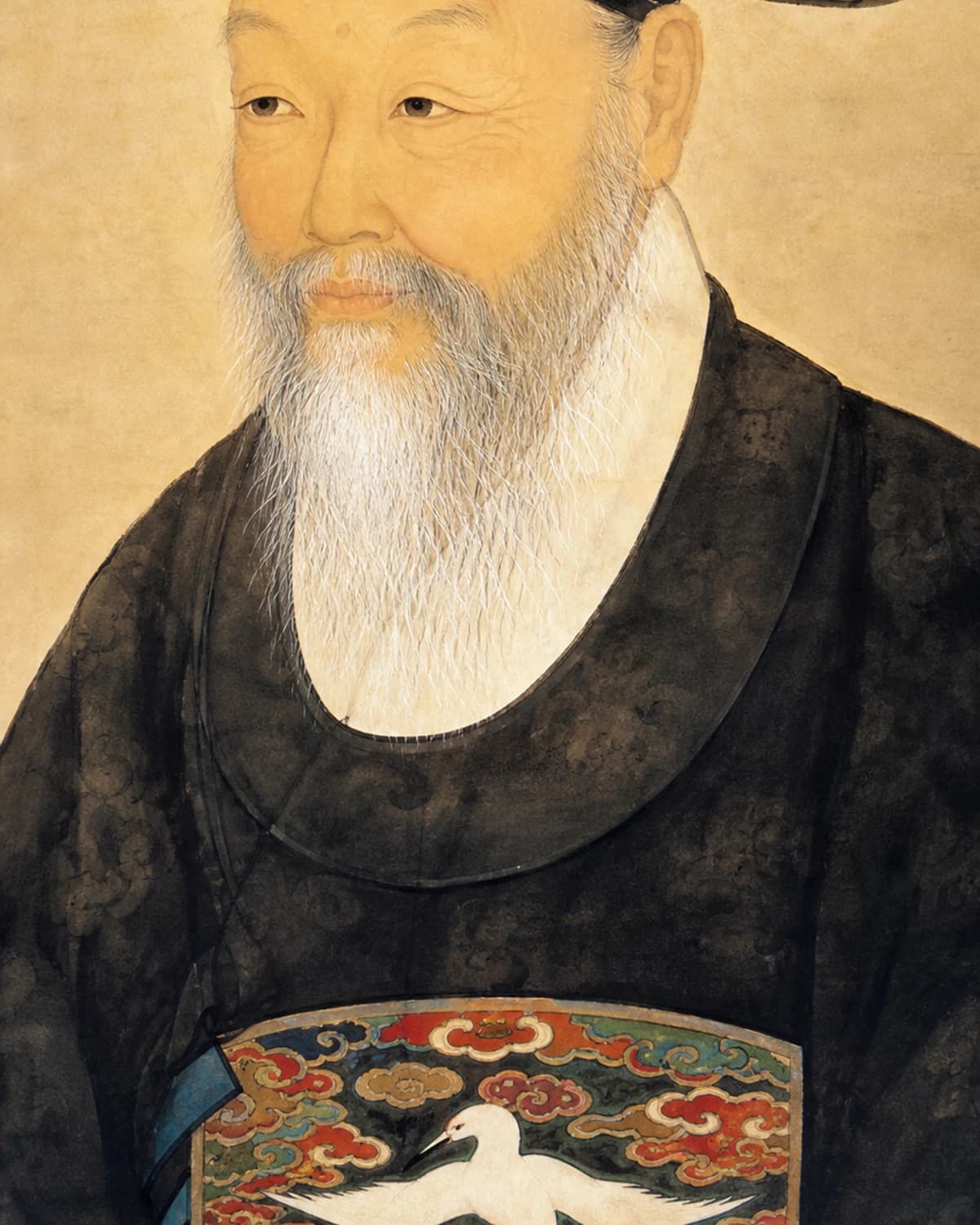
1786–1856
Kim Chŏnghŭi
Kim Chŏnghŭi (1786–1856), better known by the art names Chusa and Wandang, was a scholar-official, an expert in ancient inscriptions and a calligrapher; the “Chusa” script, developed in exile on Jeju Island, bears his name. There, in 1844, he painted in ink the “Sehando”, a house between two pines, now a National Treasure of Korea. He painted orchids too, and wrote poems and letters to Chinese scholars.06.10.1969–present
Ebele Okoye
Ebele Okoye, born in Onitsha, Nigeria, began as a painter and cartoonist in Lagos and since 2000 has lived in Germany, making animated films; she is called Nigeria’s first woman animator. Her films “The Lunatic” and “The Legacy of Rubies” won the Africa Movie Academy Award for Best Animation, and the course she founded in 2013 was the first of its kind in Nigeria.1963–present
Marco Evaristti
Marco Evaristti, born in Santiago, has lived in Denmark since the 1980s; he trained as an architect under Henning Larsen. He became known for provocative actions: blenders with live fish at the Trapholt museum (2000), an iceberg off Greenland painted red (2004), a dinner featuring a meatball made from his own fat (2007), and a red flag on the summit of Mont Blanc.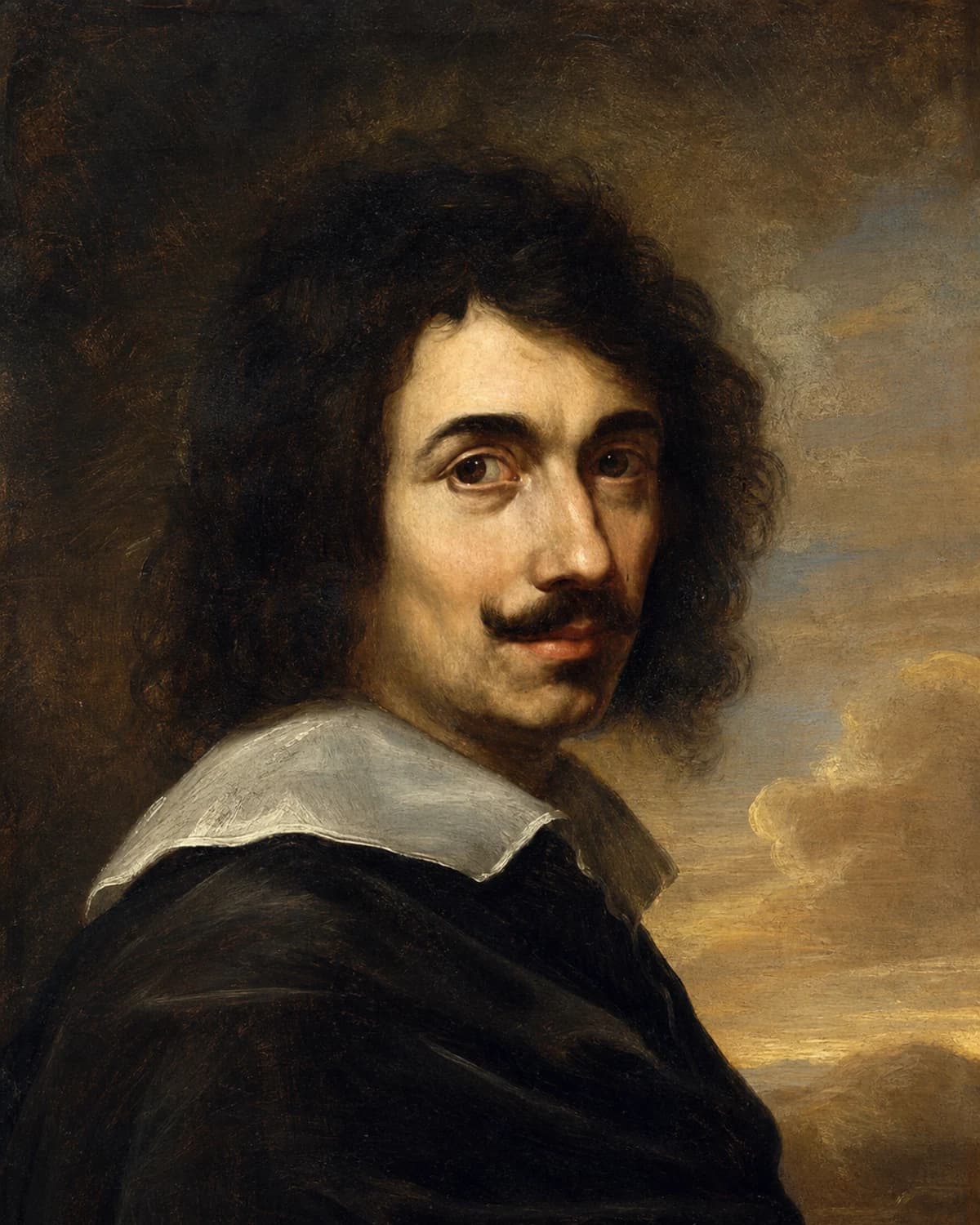
1600–23.11.1682
Claude Lorrain
Claude Gellée, called Lorrain, a native of the Lorraine village of Chamagne, worked almost all his life in Rome and by the end of the 1630s had become the leading landscape painter in Italy. He was one of the first to bring the sun itself, and the stream of its light, into the picture; his harbours, ruins and pastorals with small figures from the Bible and myth were painted for popes, cardinals and the King of Spain, and later found particular favour in England.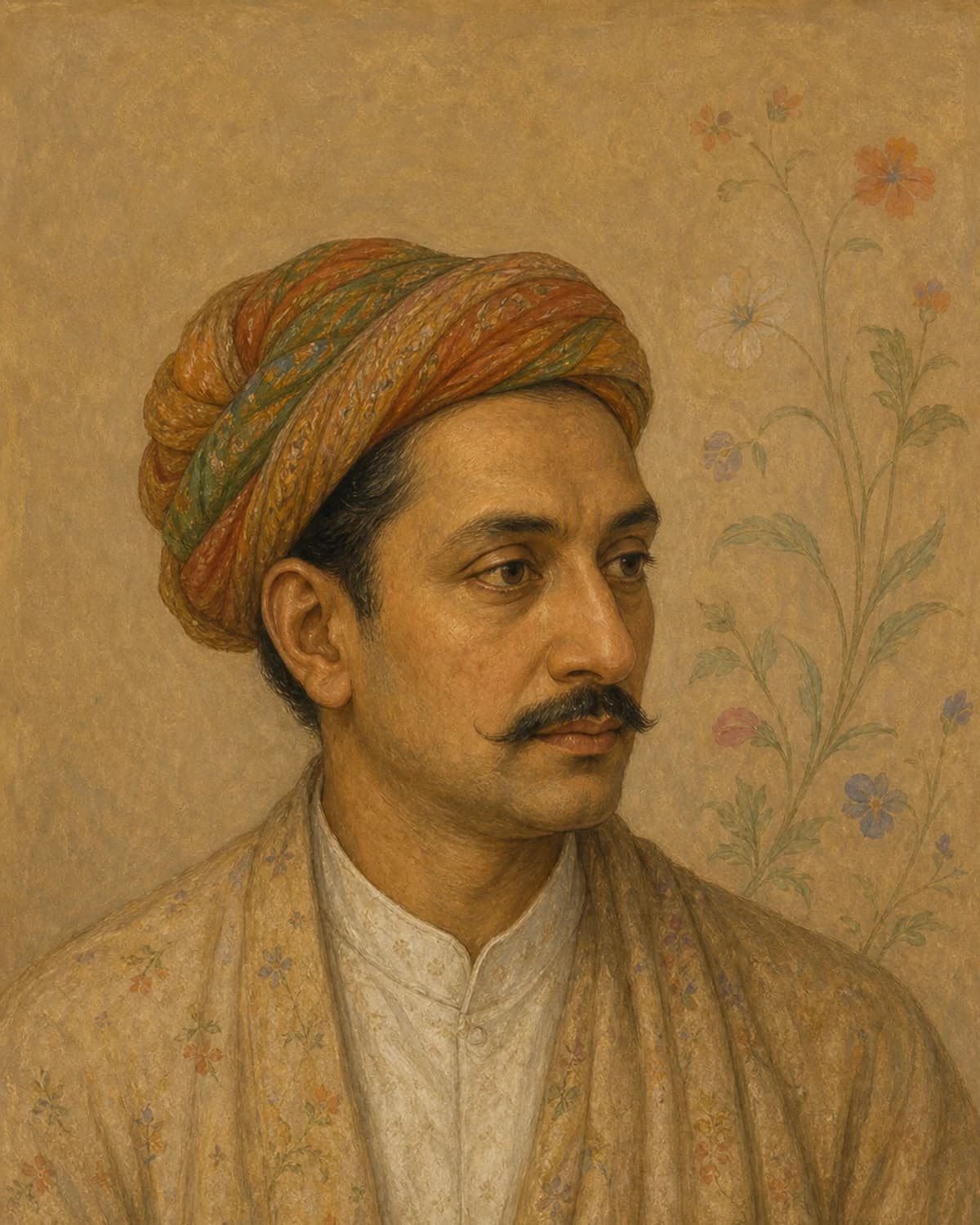
1600–1660
Bichitr
Bichitr, a miniature painter at the court of the Great Mughals, worked under the emperors Jahangir and Shah Jahan from about 1615 into the 1640s, and possibly longer. He painted official portraits of emperors, princes and nobles, scenes of court receptions and elephants, and took part in illustrating the “Padshahnama”. European prints gave him modelling in light and shade, reflections and individual motifs.10.10.1938–29.12.2016
Judith Mason
Judith Mason (1938–2016), a South African artist from Pretoria, painted in oil, drew in pencil, and made lithographs, collages and artist’s books. In her work skulls, bones, fossils and toys sit alongside reworked biblical subjects. She represented South Africa at the Venice and São Paulo biennials, and her work hangs in the Constitutional Court in Johannesburg.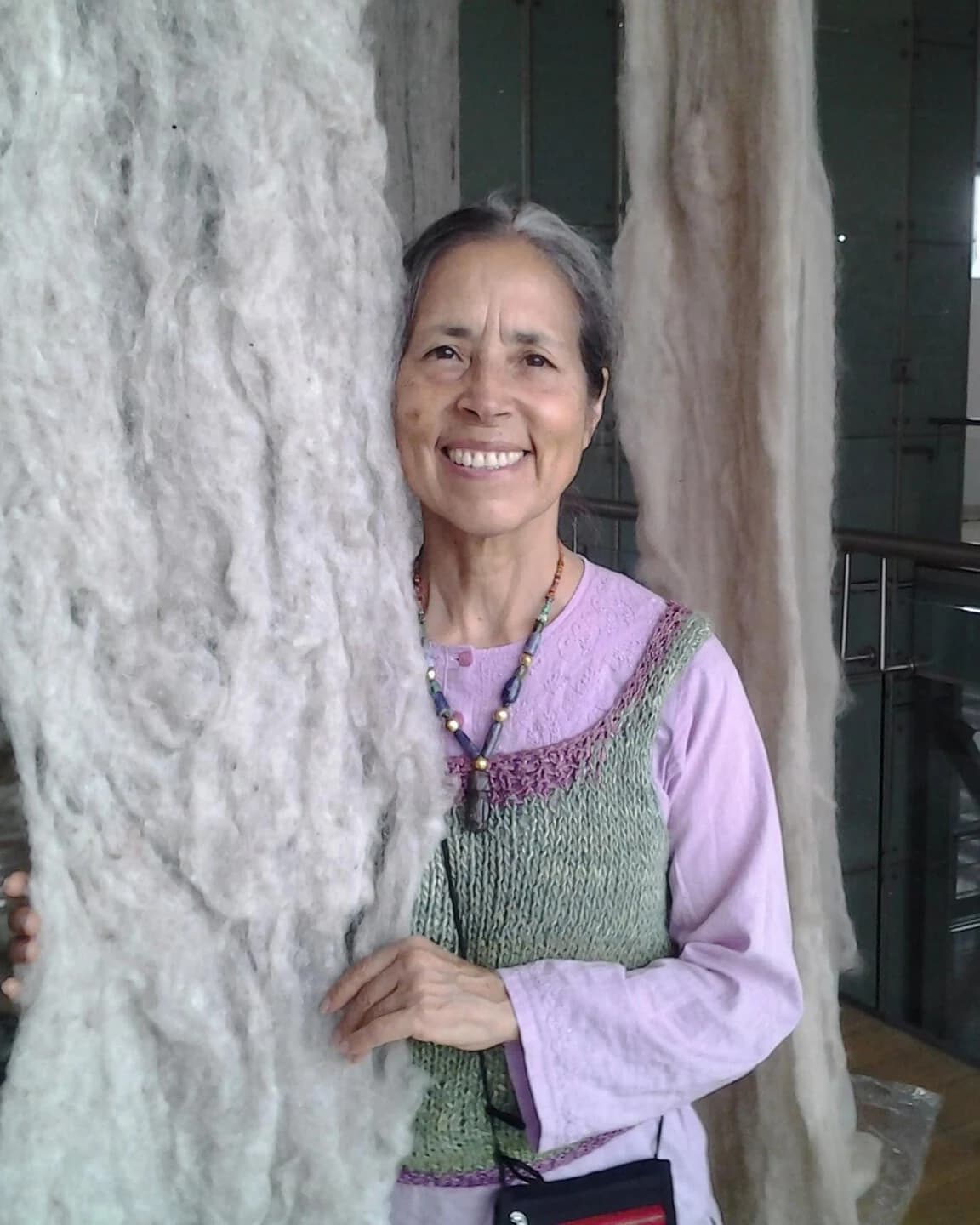
22.07.1948–present
Cecilia Vicuña
Cecilia Vicuña (born 1948), a Chilean poet and artist, has made “precarios”, tiny sculptures from found debris, since the mid-1960s, and later monumental “quipus” of raw wool. After the 1973 coup she remained in exile, living in London, Bogotá and New York. She has received the Velázquez Prize (2019) and the Venice Biennale’s Golden Lion for Lifetime Achievement (2022).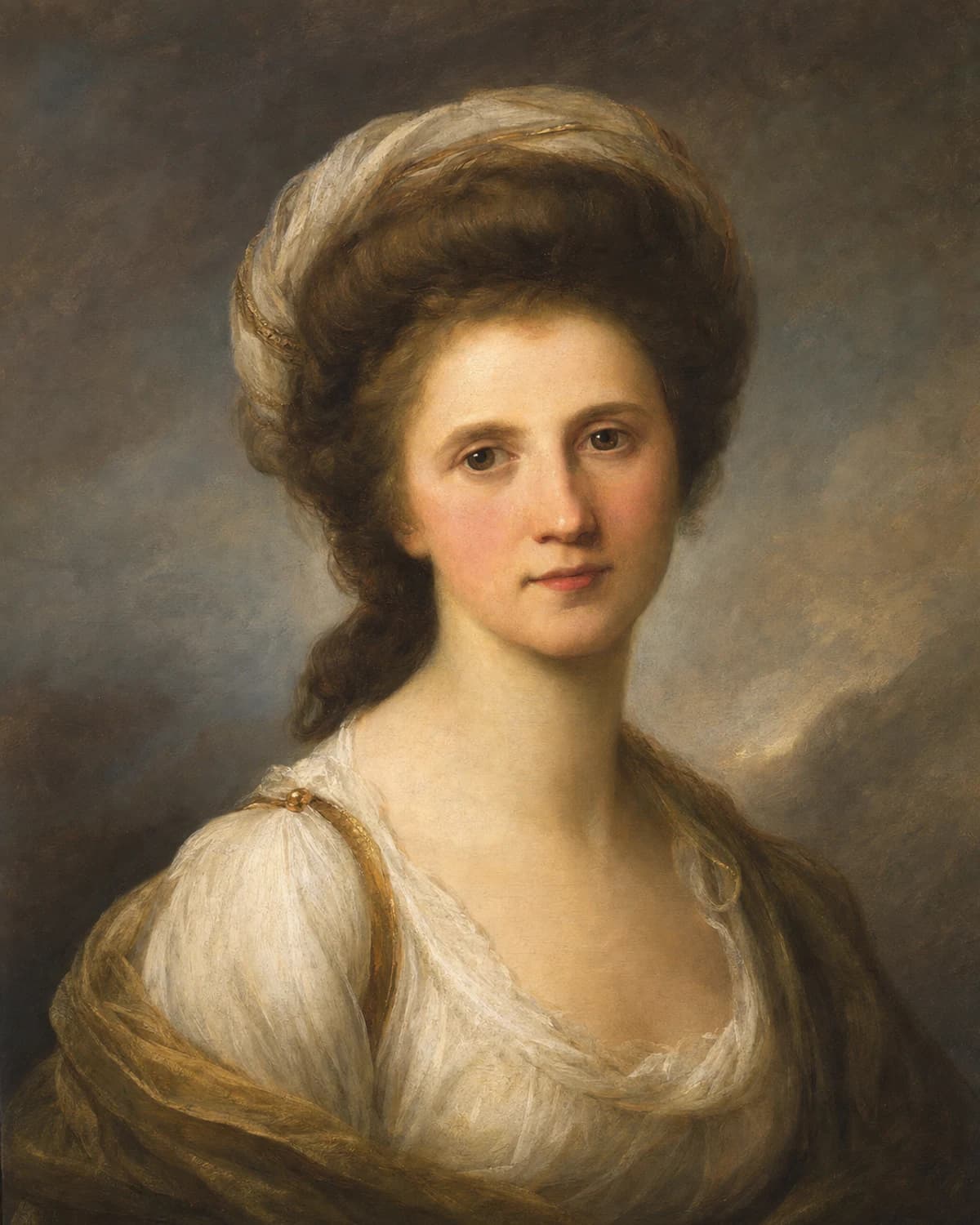
30.10.1741–05.11.1807
Angelica Kauffman
Angelica Kauffman (1741–1807) learned to paint from her father, an itinerant fresco painter, and by the age of twenty-three already belonged to three Italian academies. For fifteen years she worked in London, where in 1768 she was among the founders of the Royal Academy of Arts, and she spent her last twenty-five years in Rome. She thought of herself above all as a history painter.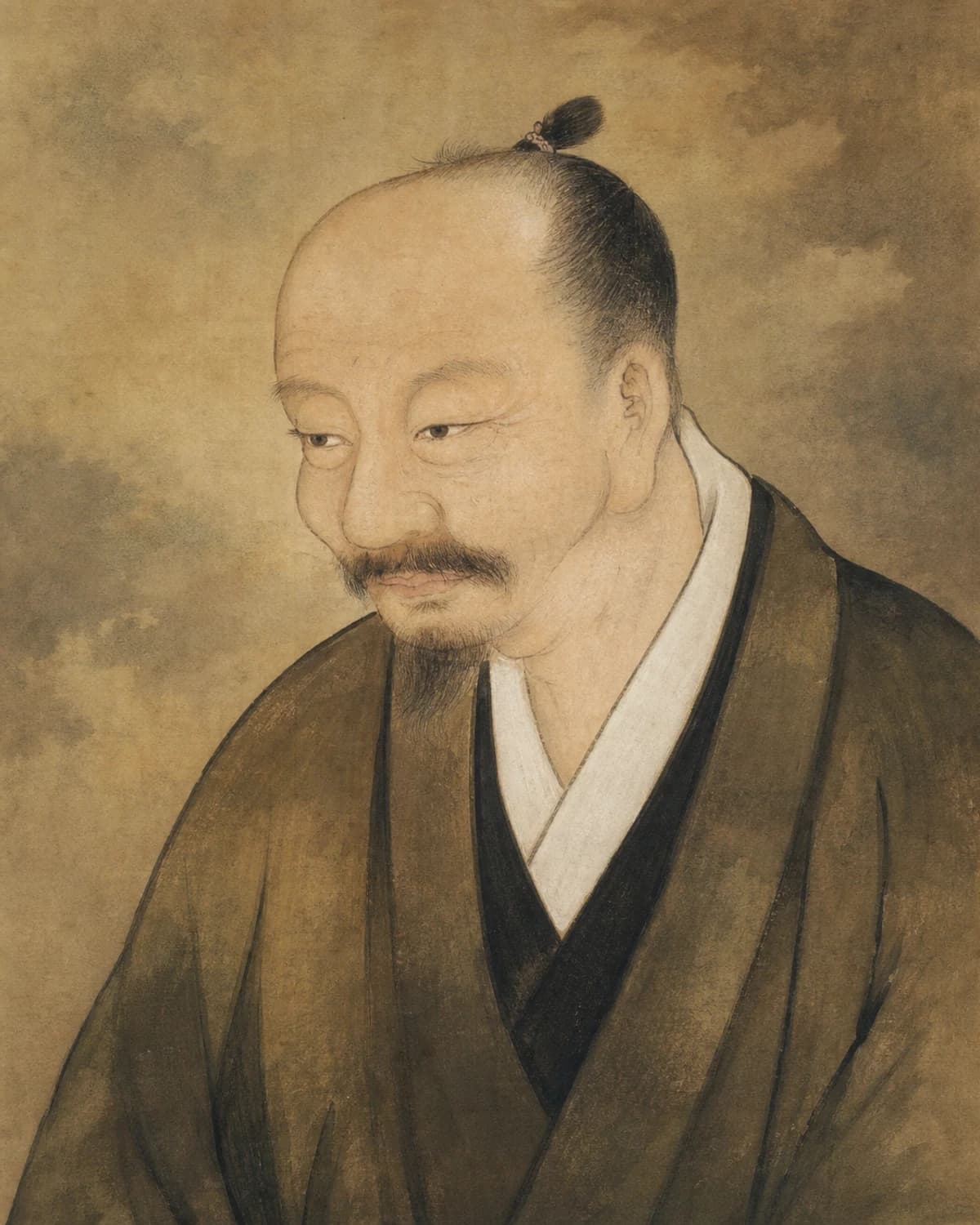
06.06.1723–30.05.1776
Ike no Taiga
Ike no Taiga (1723–1776), a Kyoto painter and calligrapher, brought Japanese literati painting, nanga, to maturity together with Yosa Buson. The son of a minor employee of the mint, he earned his living by his craft from the age of fourteen, walked a great deal in the mountains, and left screens, scrolls and albums, several of which are designated National Treasures of Japan.1961–present
Meschac Gaba
Meschac Gaba (born 1961), a conceptual artist from Cotonou, lives and works between Cotonou and Rotterdam. His main work, the “Museum of Contemporary African Art 1997–2002”, consists of twelve rooms that he devised and filled himself; in 2013 it was acquired and shown by Tate Modern. Gaba’s recurring subject is money, trade and Africa’s colonial past.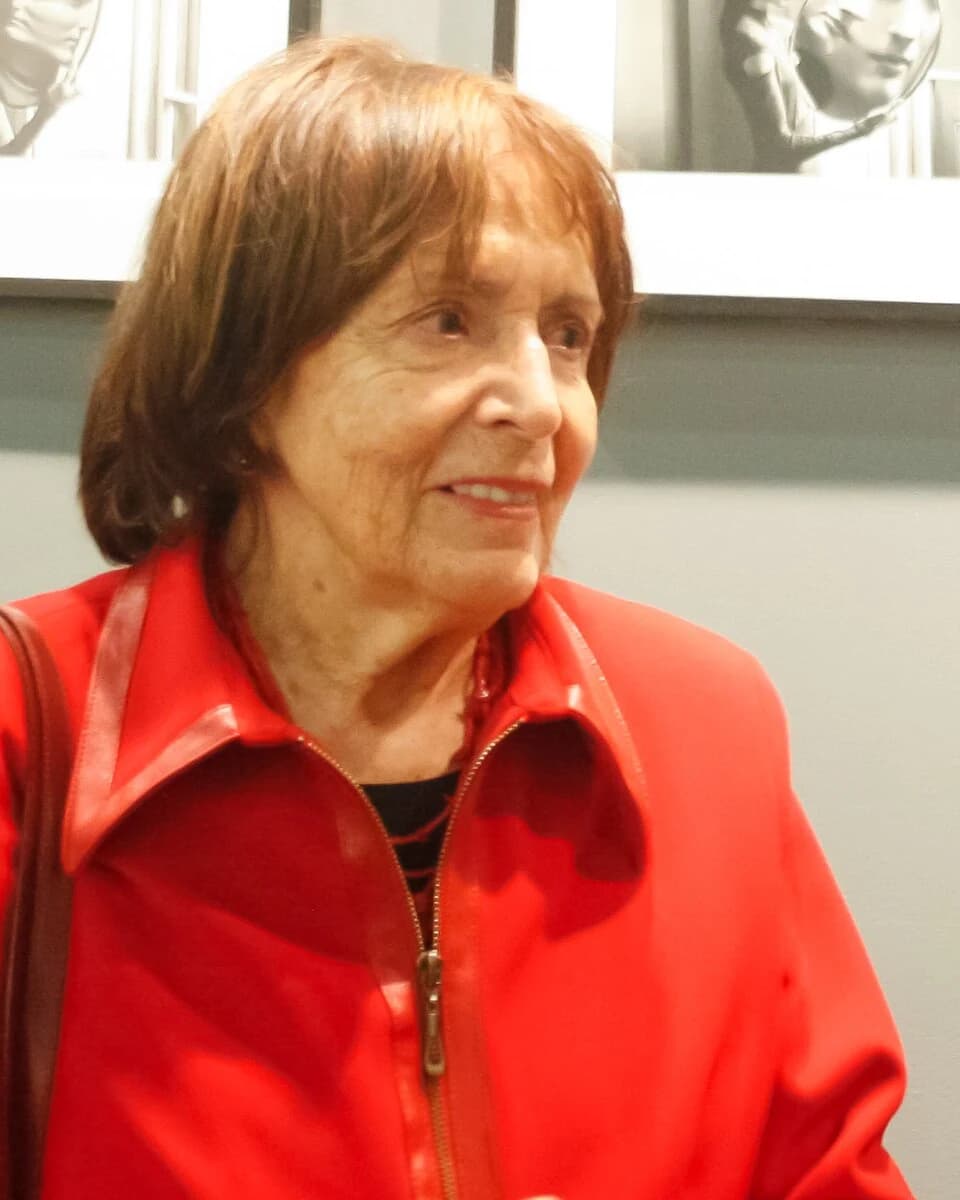
16.11.1932–09.01.2026
Beatriz González
Beatriz González (1932–2026), a Colombian artist from Bucaramanga, took pictures from newspapers, postcards and holy cards and repainted them in flat colour on canvas, on cheap furniture, on sheet metal. In the 1960s and 1970s her work made people laugh; after 1985 it turned to mourning. She was also a historian of nineteenth-century Colombian art and for fifteen years curated the collections of the National Museum of Colombia.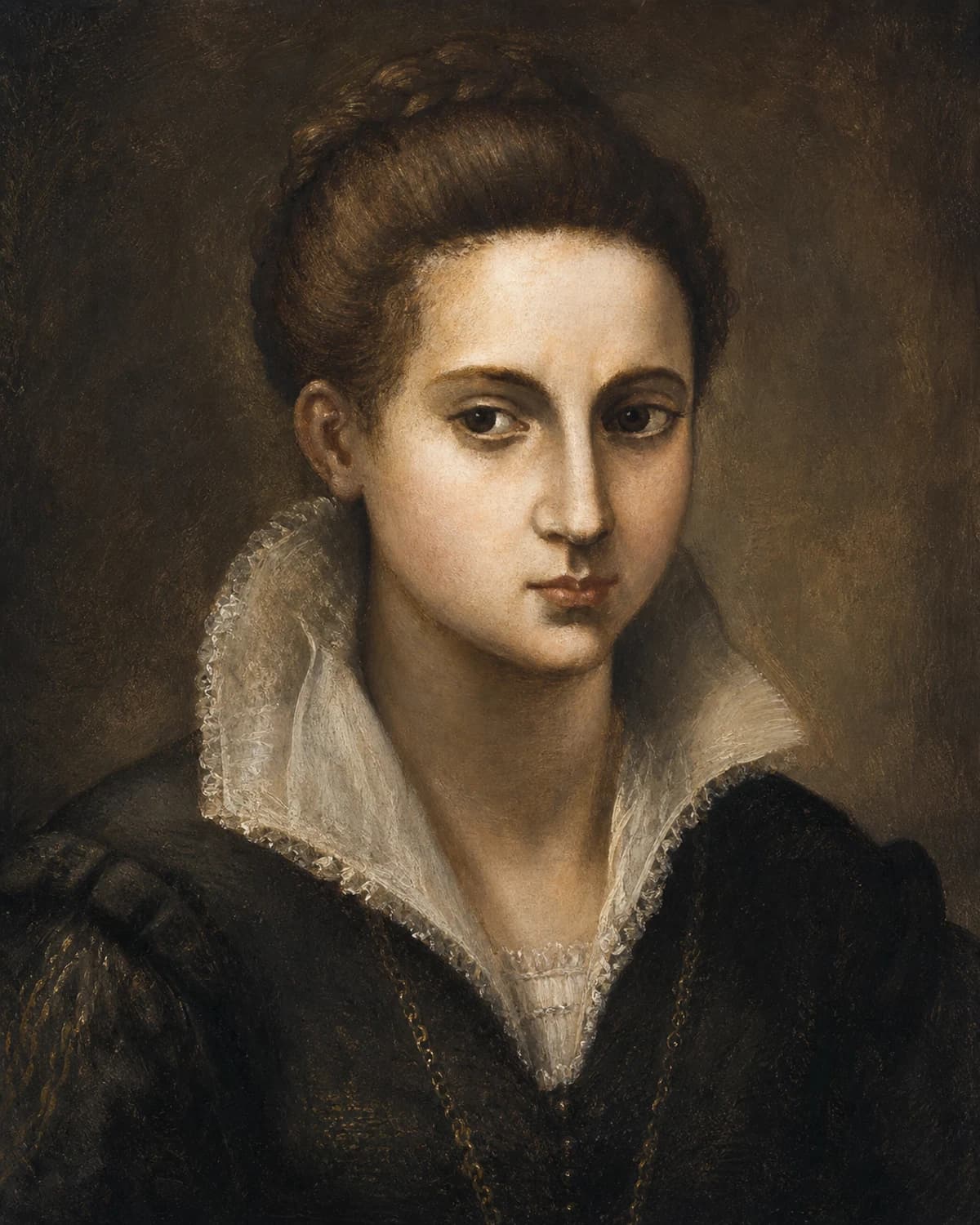
1531–16.11.1625
Sofonisba Anguissola
Sofonisba Anguissola (c. 1532 – 1625), from an impoverished noble family of Cremona, trained with local masters, showed her drawings to Michelangelo and in her early twenties became famous for portraits of her sisters and self-portraits. She spent about fourteen years at the Madrid court of Philip II as a lady-in-waiting and drawing teacher to the queen, then lived in Sicily, Genoa and Palermo.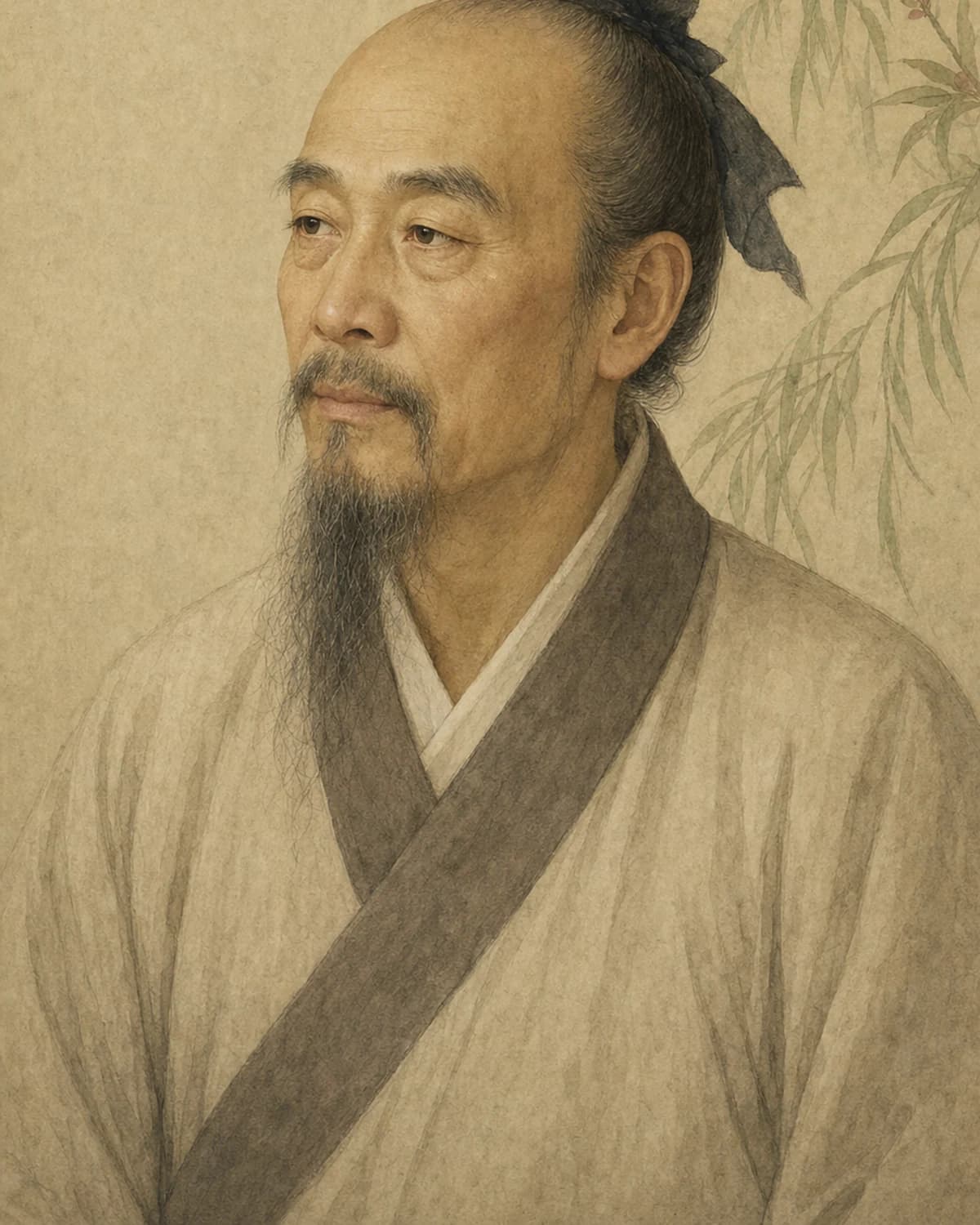
1633–1690
Yun Shouping
Yun Shouping (1633–1690), a native of Wujin county, spent his youth in the war on the side of the resistance to the Manchus, but became famous as a painter of flowers. He painted peonies, magnolias and lotuses in the “boneless” manner, in patches of colour without outline, and founded his own school. He is counted among the Six Masters of the early Qing, together with the Four Wangs and Wu Li.1946–present