
06.06.1723–30.05.1776
Ike no Taiga
Ike no Taiga (1723–1776), a Kyoto painter and calligrapher, brought Japanese literati painting, nanga, to maturity together with Yosa Buson. The son of a minor employee of the mint, he earned his living by his craft from the age of fourteen, walked a great deal in the mountains, and left screens, scrolls and albums, several of which are designated National Treasures of Japan.
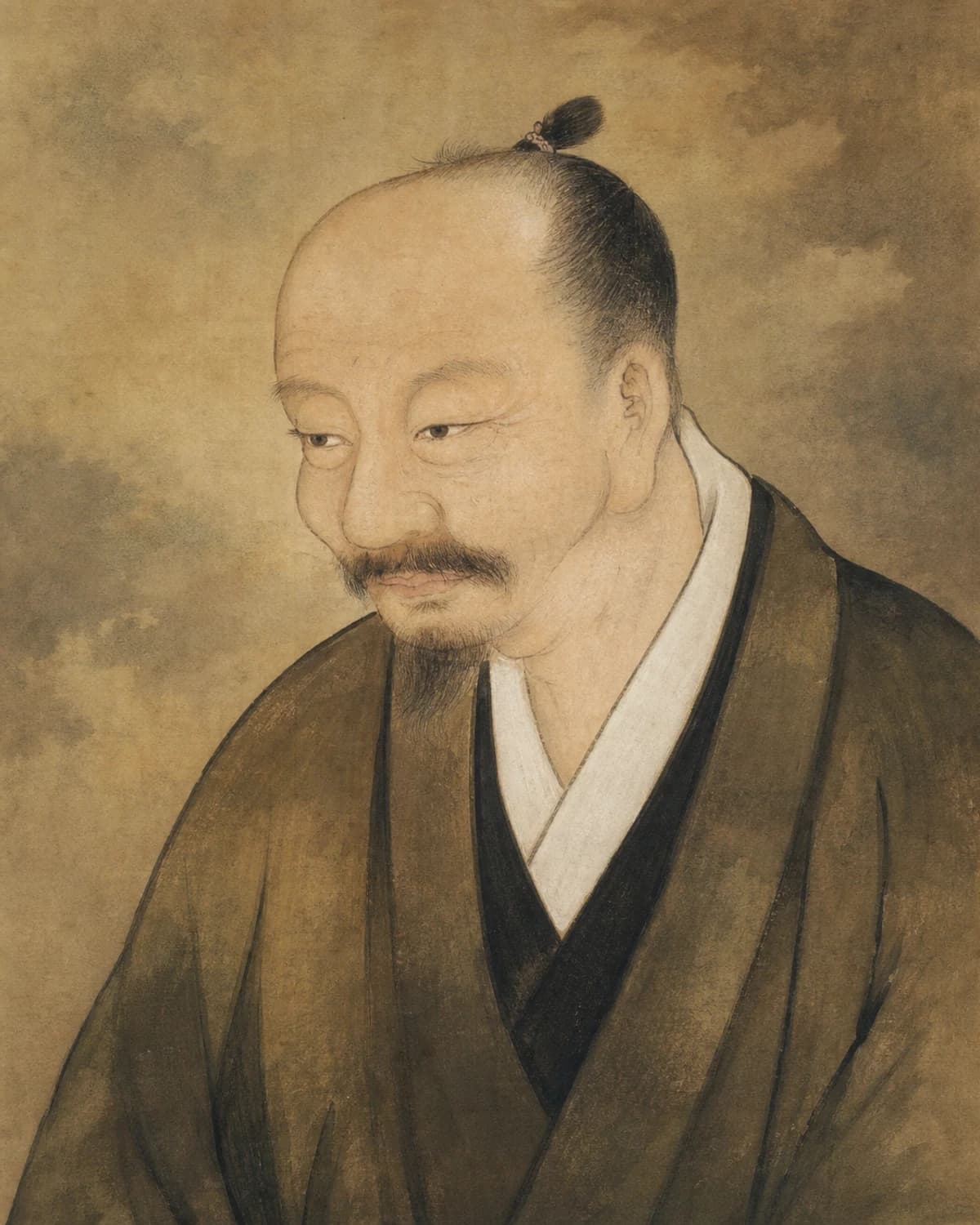
Biography
One day, in a small house in Kyoto, some friends got to talking about Mount Fuji, and Taiga suddenly said: in that case, let us go and climb it. He began packing at once, set off, and came back more than a month later, having visited a good many places on the way. The story was later retold as a model of elegant conduct. It seems he took seriously the precept of the Chinese painter Dong Qichang: read ten thousand books and travel ten thousand li.
One of his art names, Sangaku Dōja, means “Pilgrim of the Three Peaks”.
He was born on 6 June 1723 in Kyoto. The family was poor. His father, who came from a farming family on the outskirts of the city, held a minor post at the Kyoto silver mint and died when the boy was three. His widowed mother nevertheless found him good teachers. At six he began reading the classical texts, and from seven he studied calligraphy in the Chinese style in earnest. While still a child he showed his characters to the monks of the Zen temple Manpuku-ji, who called him a prodigy; he remained connected with the temple all his life, and around 1756 he painted for it “Five Hundred Arhats” and other works, twenty-eight hanging scrolls in all and the painting of a sliding door. By fourteen Taiga was already a professional painter and calligrapher: he kept a small shop selling painted fans in Kyoto and carved seals for artists and collectors.
His way into the circle of the bunjin, men of letters who lived on the Chinese model, was opened by Yanagisawa Kien, a prominent figure and painter of the day. From 1738 Taiga studied painting and calligraphy with him, took to the old practice of painting with the fingertips and fingernails, and made friends with Kan Tenju and Kō Fuyō. His model for Chinese literati painting became the work of Yi Fujiu, a Chinese who traded horses in Nagasaki. By the age of twenty, in 1743, he considered himself a bunjin and shortened his family name Ikeno to a single character, Ike, in the Chinese manner. The literati ideal called for keeping away from trade, but Taiga had no other income, and, like his friend Yosa Buson, he went on selling his work.
In 1746 he married Gyokuran, a painter and the proprietor of a teahouse; they often worked together. Two years later Taiga set out on his travels: Kanazawa, Nikkō, Mount Fuji, and then Edo, where he painted and learned about Dutch painting from scholars of “Dutch learning”, among them Noro Genjō. A pair of screens, “Red Cliff”, is dated 1749. In 1752 the master Hakuin Ekaku stayed briefly at his house, and after this short meeting Taiga began to adopt elements of his manner and to seek out his disciples.
Many of his large works were painted when he was in his forties, among them the best known: the screens “Landscape with Pavilions” in the Tokyo National Museum and the sliding-door paintings in the Henjōkō-in temple on Mount Kōya, both designated National Treasures. On the screens of 1769 in the Idemitsu Museum, twelve separate landscapes, one for each month, combine into a single view; attached to them is the artist’s receipt for his fee. He took from everywhere: from Chinese painting manuals, from Japanese masters of the Muromachi period and the Rinpa school, from Western artists. I would say that this is what his freedom consists in: a work traditional in subject is painted with a quick, mobile, almost cheerful brush.
In 1771, together with Buson, he made the album “Ten Conveniences and Ten Pleasures” after poems by the Chinese writer Li Yu on life in mountain seclusion. Taiga took the “Ten Conveniences”. The album belonged to the writer Yasunari Kawabata and is also a National Treasure.
Ike no Taiga died in Kyoto on 30 May 1776. Among his latest works is the album “Eight Views of the Xiao and Xiang Rivers”, sixteen fan-shaped leaves in which paintings alternate with poems.
Artist works
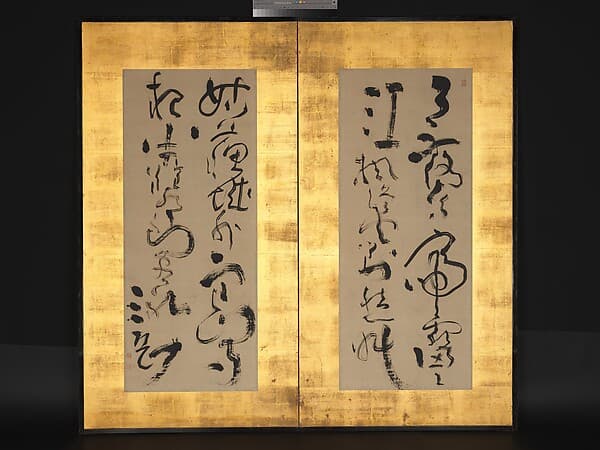
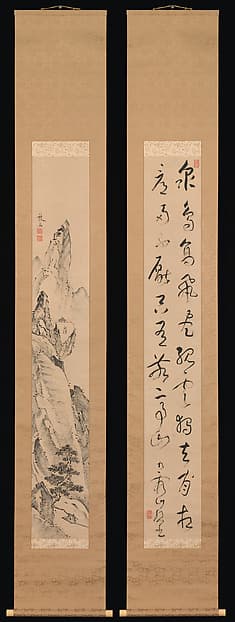
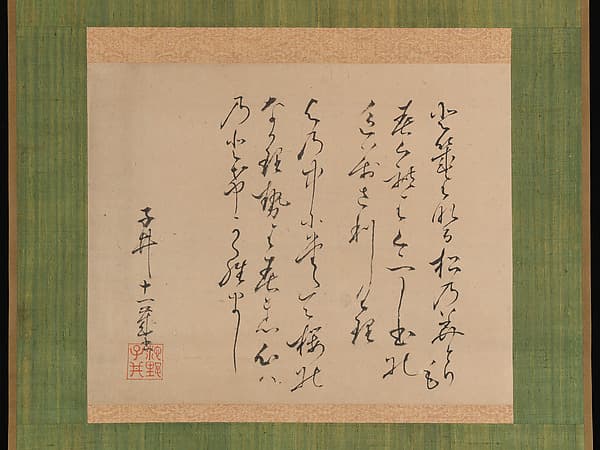
Works by the artist
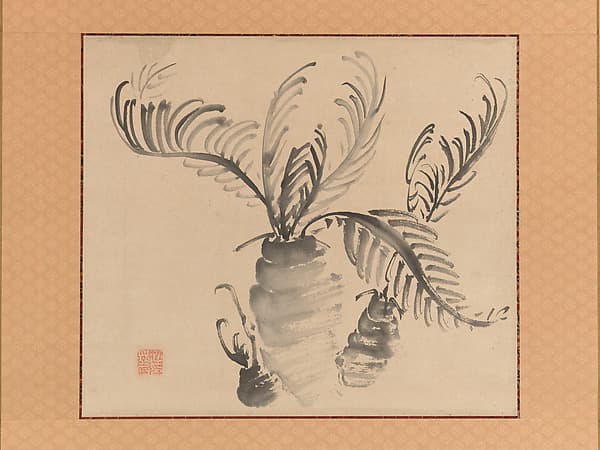
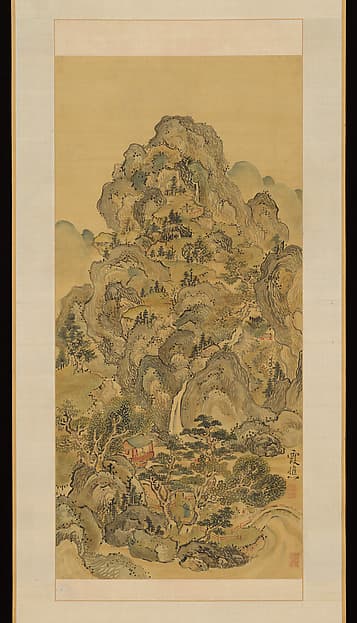
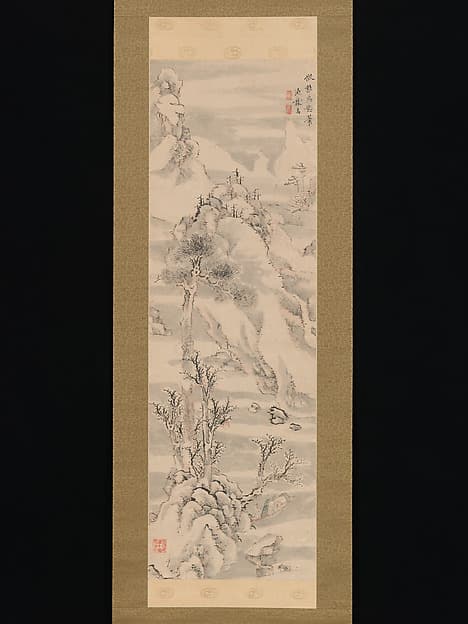
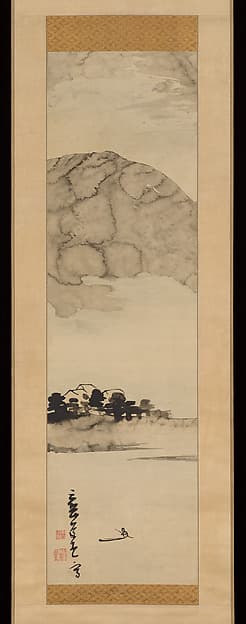
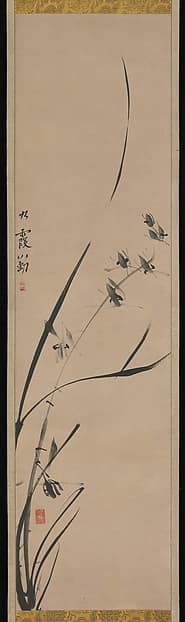
Works by Ike no Taiga available in this edition of NEOARCA.
Related context
Associations
Works connected through artistic movements, cultural context and period. Priced works available in this market appear first.








Profile notes
Profile and sources
Image
Artist image
На основе открытого изображения: 福原五岳; Wikimedia Commons; Public domain.
