
26.08.1940–present
Research · Sources · Context
Artists
Biographies, facts and images with open sources and verified rights.
Found: 1775
1921–1996
Etso Ugbodaga-Ngu
Etso Clara Ugbodaga-Ngu was born in Kano and taught children from eight peoples who shared no common language, using drawing as a means of communication. In 1950 she won a scholarship to study at the Chelsea School of Art in London, and in 1958 she had a solo exhibition in London. At Zaria she taught the future members of the Zaria Art Society.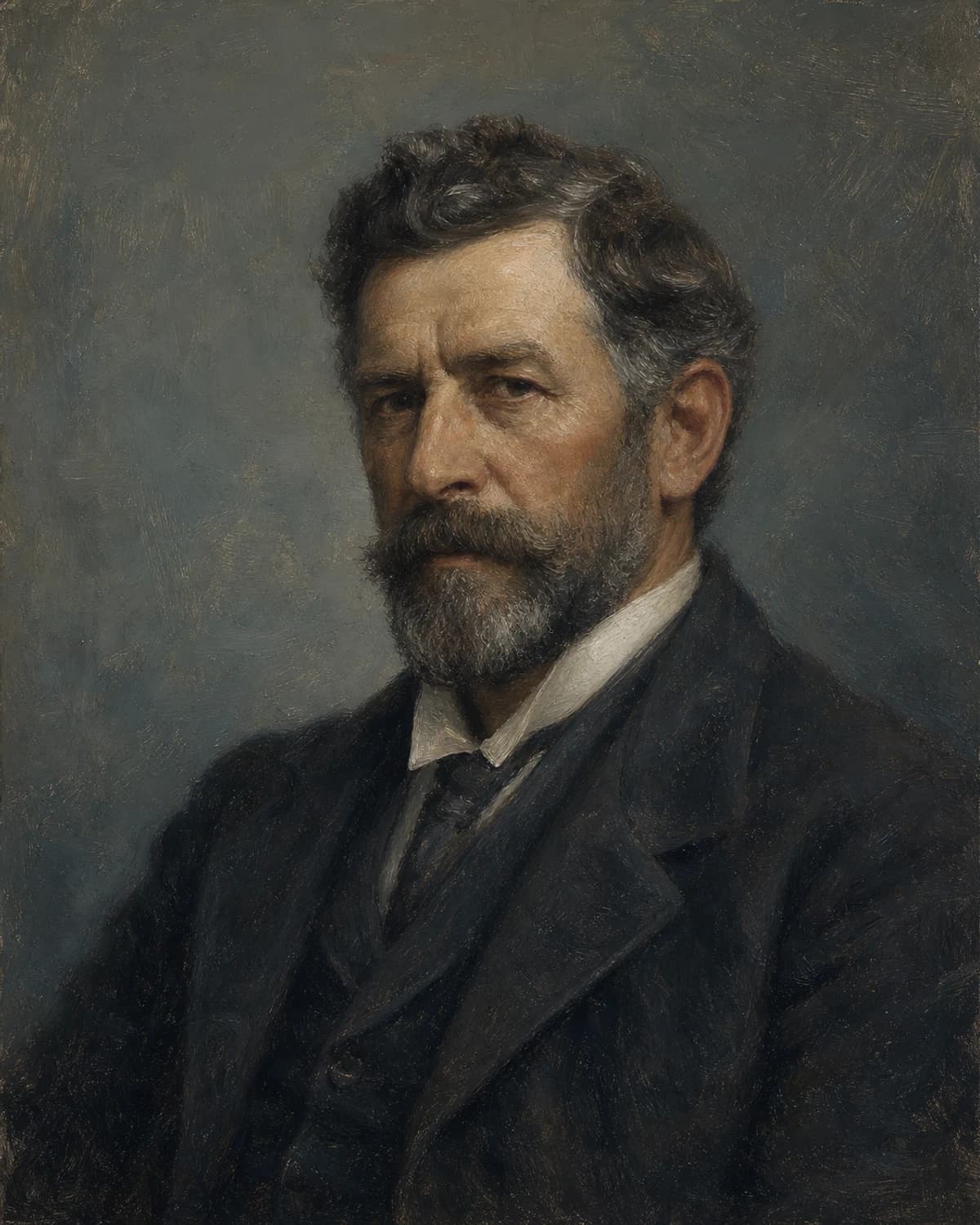
29.10.1842–27.06.1927
Thomas Somerscales
Thomas Somerscales (1842–1927) came to painting by way of the navy: from 1863 he served in the Royal Navy as a schoolmaster, and he became a professional artist in Chile, where he was put ashore. He painted Chilean landscapes and sea battles of the War of the Pacific; several of his canvases are regarded in Chile as patriotic images. In 1892 he returned to England and exhibited at the Royal Academy.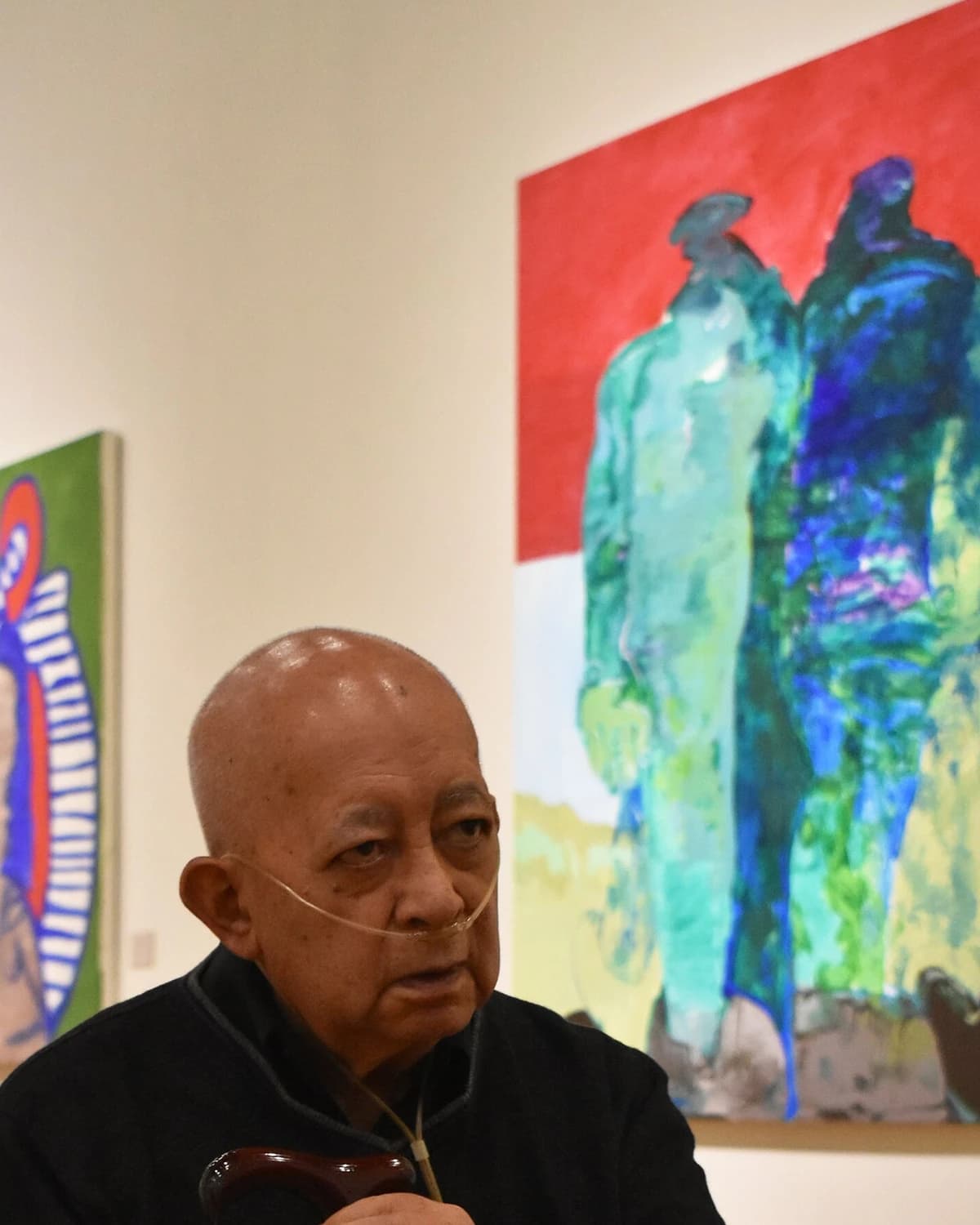
24.09.1931–20.10.2019
Gilberto Aceves Navarro
Gilberto Aceves Navarro (1931–2019) went to work as an assistant to Siqueiros at nineteen, and afterwards spent years drawing in the streets of Mexico City. He painted murals for the Mexican pavilion at the Osaka World’s Fair, taught at the National School of Plastic Arts at UNAM, and in 2003 received the National Prize for Sciences and Arts. In 2008 the Palacio de Bellas Artes showed a retrospective of more than four hundred of his works.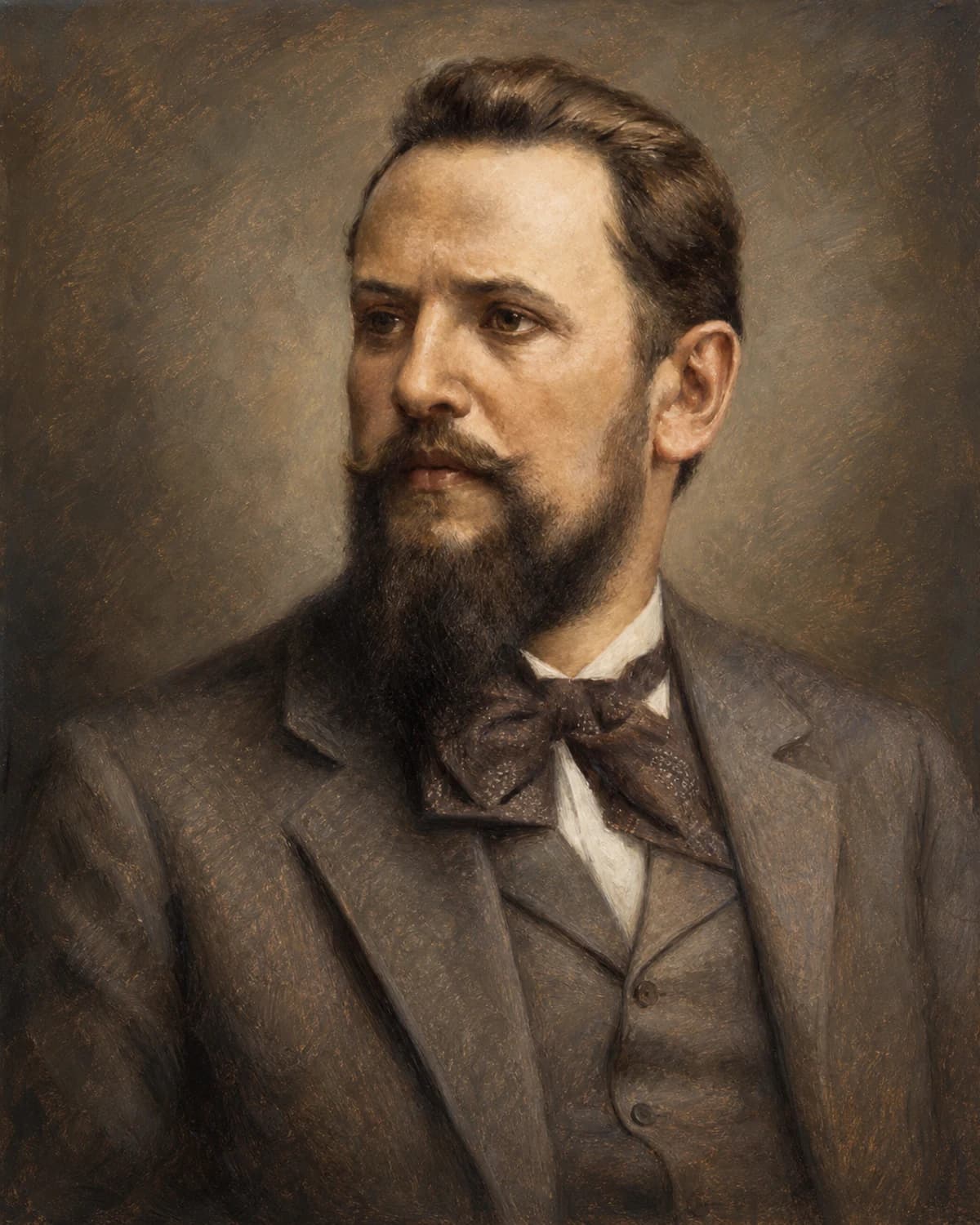
06.03.1851–15.04.1901
Václav Brožík
Born into a poor family in Železný Hamr near Třemošná, Václav Brožík began as a lithographer and porcelain painter and ended as a Paris academician and a professor in Prague. His “Master Jan Hus at the Council of Constance” (1883) hangs in the Old Town Hall in Prague. His painting of Columbus before Queen Isabella appeared on a United States postage stamp in 1893.1783–1837
Yi Chaegwan
Yi Chaegwan (1783–1837) lost his father early and from youth supported his family by selling paintings; by the age of twenty he was already working professionally. He painted portraits, landscapes, clouds, birds and plants, and became a court portraitist. In 1836 he restored a damaged portrait of King Taejo, the founder of the Joseon dynasty.1970–present
Marcia Kure
Marcia Kure graduated from the painting programme at the University of Nigeria, Nsukka, in 1994, studying under Obiora Udechukwu. Her series “History of Africa by Fela” consists of 59 panels in ink, kolanut pigment and pencil. Her drawings and mixed media works most often feature veiled women, textiles and fashion. Her work has been shown in Lagos, New York, London and Milan.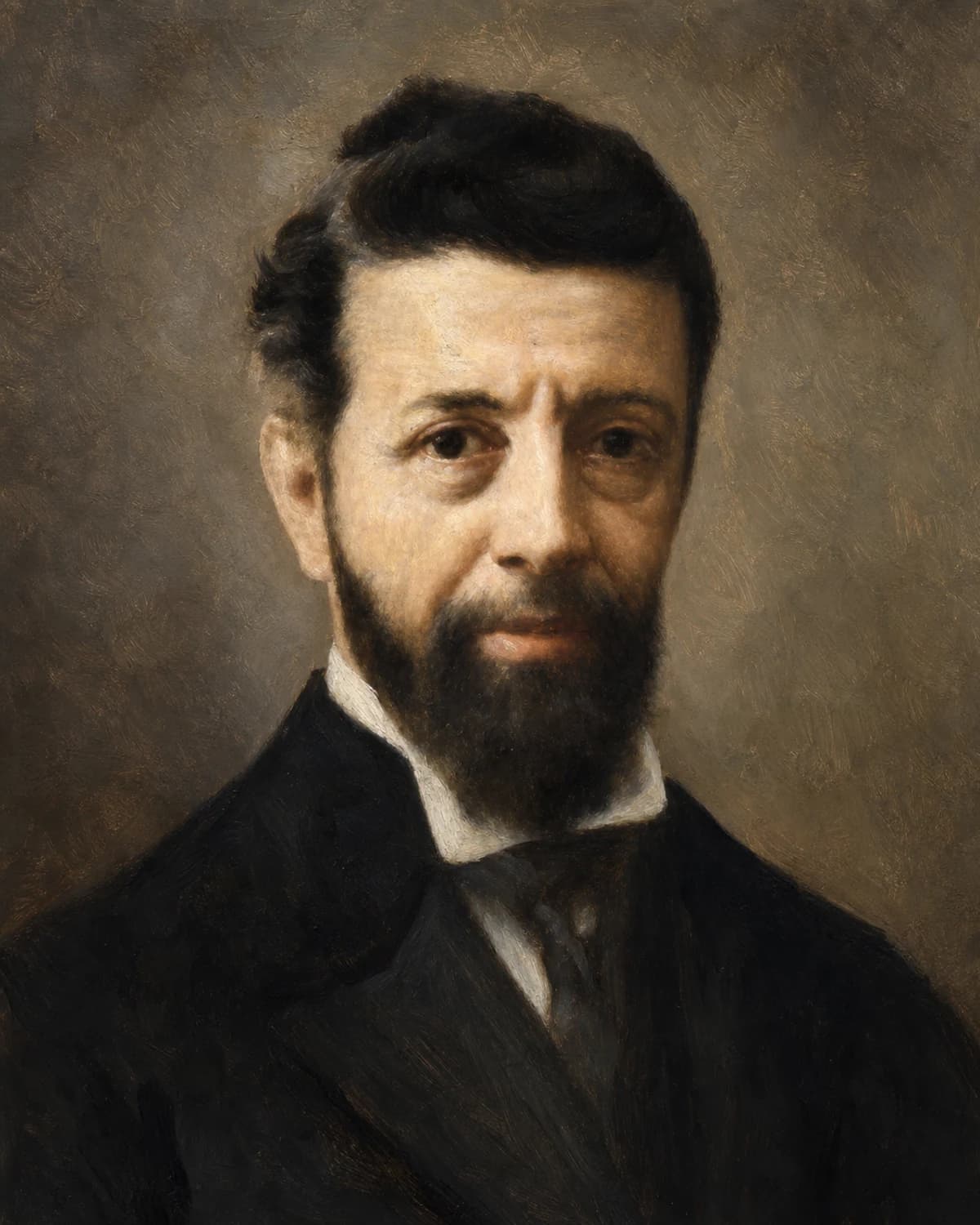
08.02.1856–27.10.1909
Alfredo Valenzuela Puelma
Alfredo Valenzuela Puelma (1856–1909) entered the painting academy in Santiago at twelve and later travelled to Paris twice on government scholarships. He was the first Chilean to paint the nude seriously, and “The Merchant’s Pearl” caused controversy in Chile. He died in Villejuif, and his remains were brought home.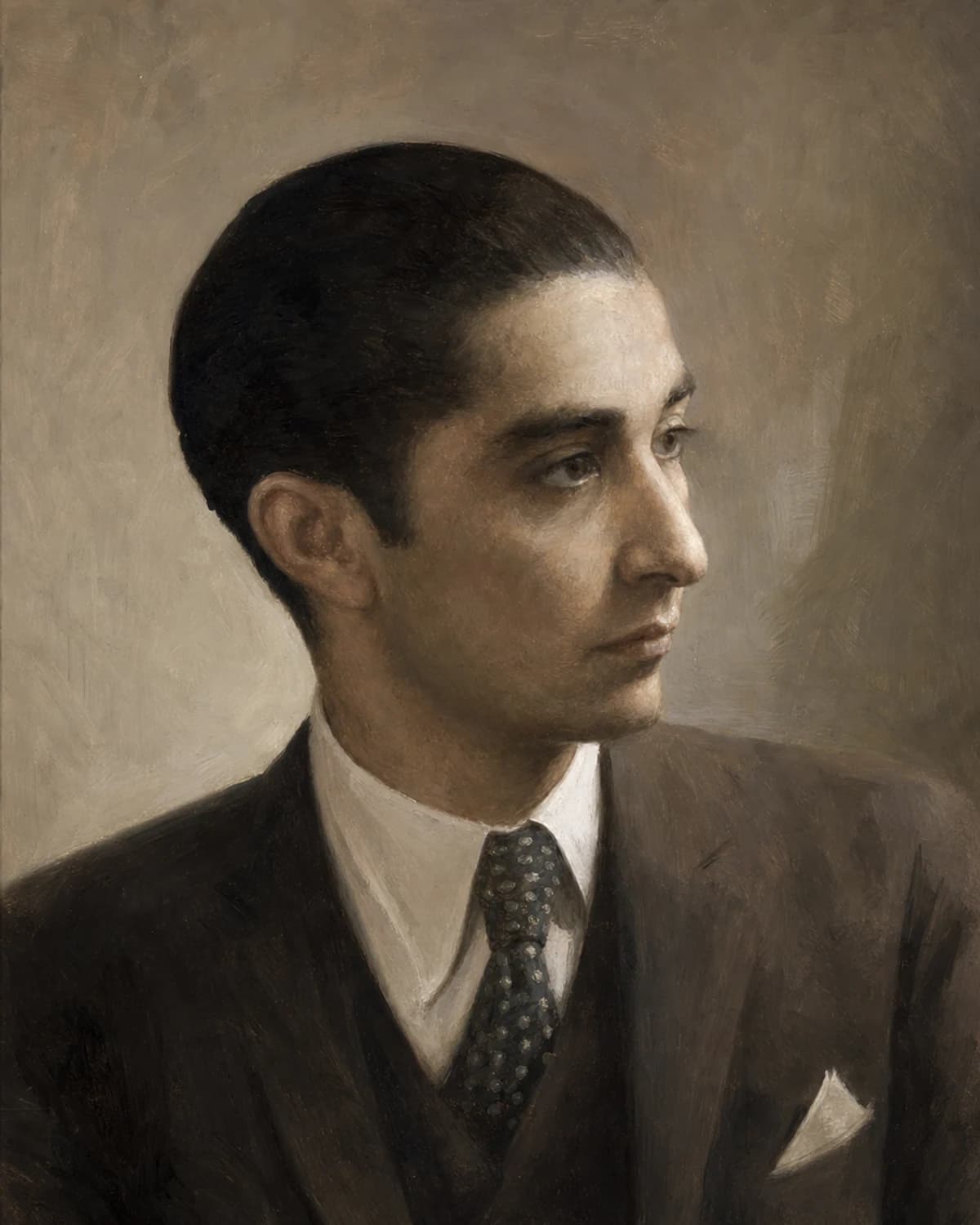
03.10.1905–16.07.1947
Julio Castellanos
Julio Castellanos (1905–1947) entered the National School of Fine Arts at twelve and studied under Saturnino Herrán. In the mid-1920s he showed his work in Buenos Aires, spent time in Paris and painted two walls of a school in Coyoacán. A year before his death he received an award from the Ministry of Public Education together with Frida Kahlo, and in 1947 he became head of the Department of Plastic and Fine Arts.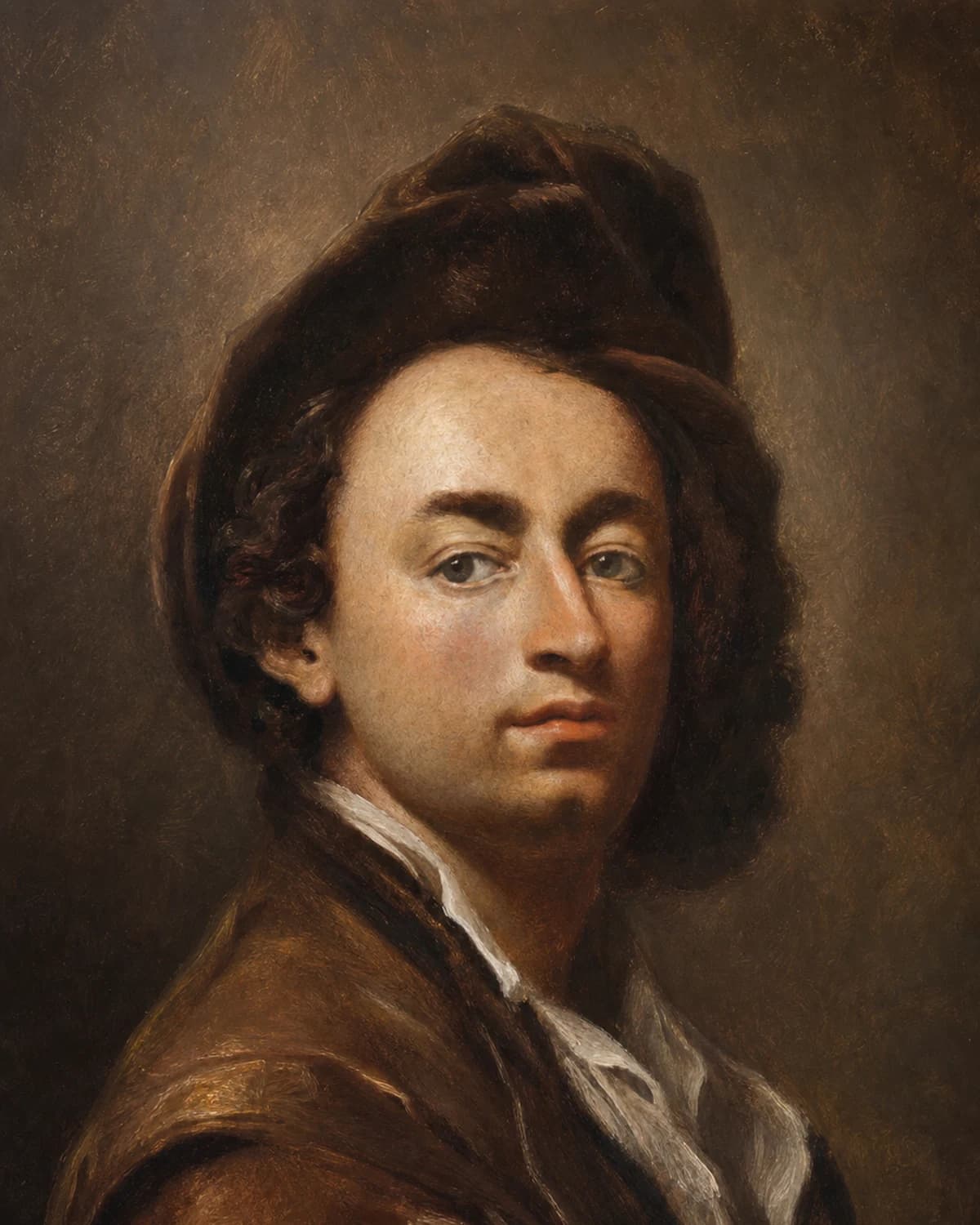
24.10.1668–24.09.1735
Petr Brandl
Petr Brandl (1668–1735) grew up in Prague in a tailor’s family, as far as is known never travelled abroad, and learned from the Italian and Dutch pictures in the castle collection. He painted altarpieces for churches in Bohemia and portraits for monasteries and noble families. He died in Kutná Hora, where he had moved late in life in the hope of paying off his debts.26.01.1906–21.08.1992
Zühtü Müridoğlu
Zühtü Müridoğlu (1906–1992) grew up in Istanbul in the family of a mosque imam and studied sculpture at the Academy of Fine Arts and in Paris. He made monuments to Atatürk and reliefs for Anıtkabir, taught at the Istanbul Academy, and after 1953 turned to abstraction, using tree branches in his work.1987–present
Nengi Omuku
Nengi Omuku, born in Nigeria in 1987, studied painting at the Slade School of Fine Art in London and has shown her work in Lagos, London, New York and Berlin. In 2003 she won a British Council competition, and in 2018 she painted a mural in a psychiatric ward at the Maudsley Hospital. Her paintings are in several collections, among them the HSBC Art Collection.25.09.1853–04.03.1933
Juan Francisco González
Juan Francisco González (1853–1933) entered the Academy of Painting in Santiago at sixteen and found his real manner only after trips to Europe, where he saw the Impressionists. He painted flowers, fruit, peasant yards and adobe houses in thick, rough brushwork. He left about 4,000 works, more than any of the four “great masters” of Chilean painting.09.02.1893–14.02.1975
Germán Cueto
Germán Cueto made masks of cardboard, plaster and clay for his Stridentist friends, and from 1927 to 1932 he lived in Paris, where he joined the circle of the Cercle et Carré group and began working in abstract sculpture. His materials included sheet metal, wire, electrical cable and concrete. A retrospective at the Museo de Arte Moderno in Mexico City came only in 1965.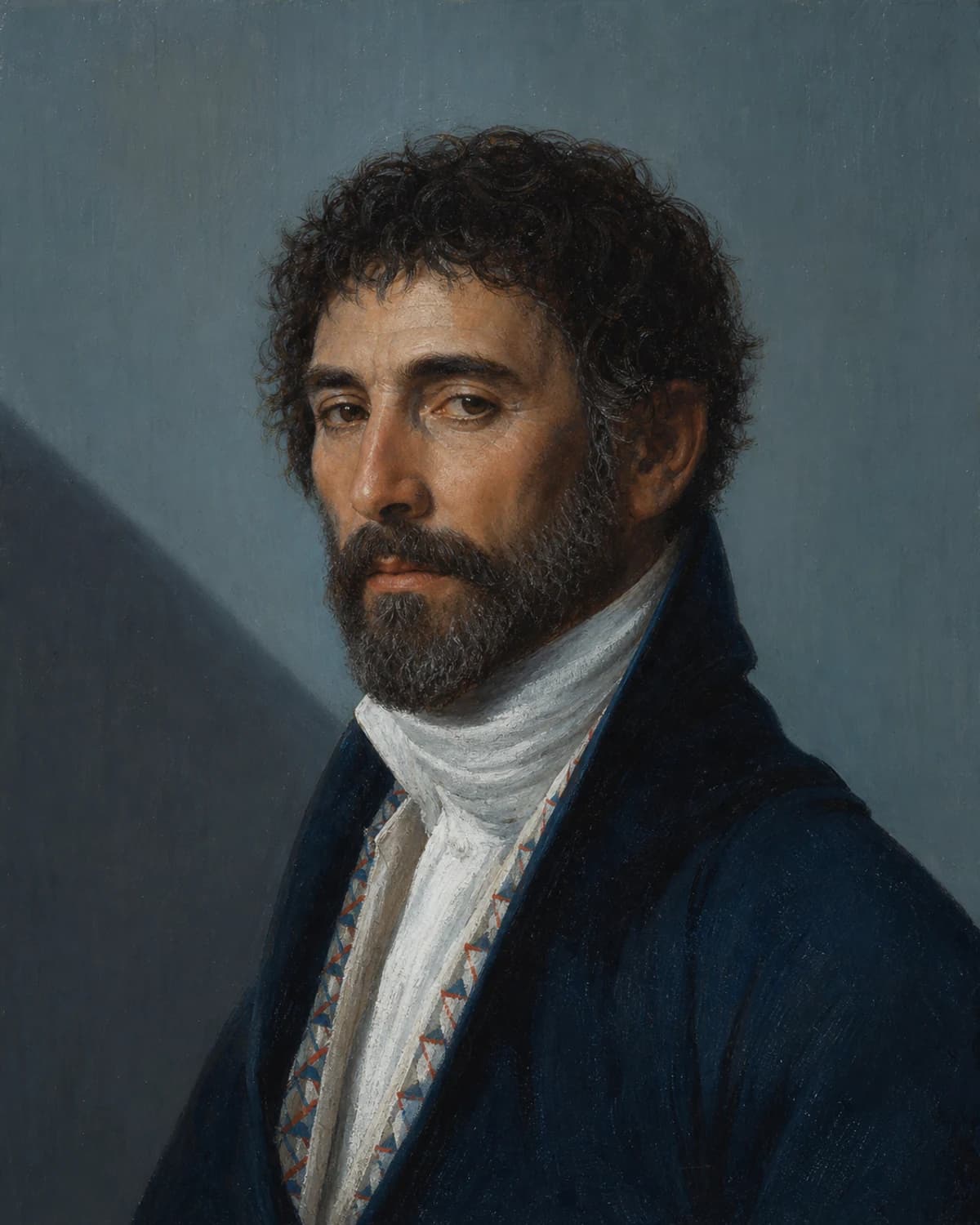
0500–0460
Agatharchus
Agatharchus of Samos worked in Athens in the 5th century BC and, according to ancient tradition, was the first to build and paint a stage set for a tragedy by Aeschylus. He wrote a treatise on stage scenery, now lost, which Democritus and Anaxagoras drew on when they wrote about perspective. There is also a story that Alcibiades kept him locked up to make him paint his house.1943–12.08.2010
Mohammad Ali Taraghijah
Mohammad Ali Taraghijah (1943–2010) gave up engineering for painting and in the early 1980s found his motif: stylised horses that move without touching the ground. In 1967 he won a gold medal at the art competition between Iranian universities, in 1976 he held his first solo exhibition in Tehran, and he later showed his work in Europe, Asia and the Americas.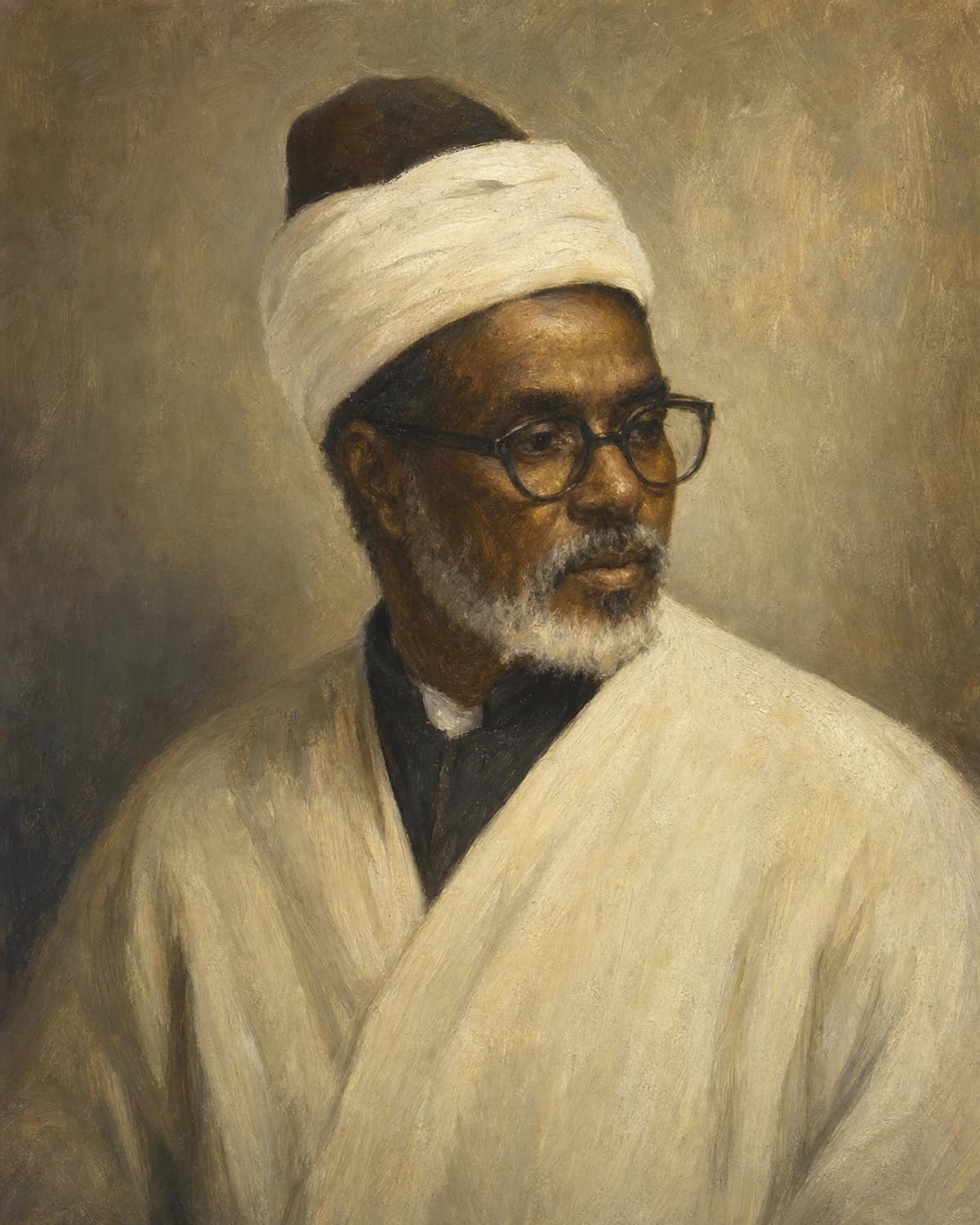
1861–1939
Mohammed ben Ali R'bati
Mohammed ben Ali R'bati (1861–1939) was born in Rabat and from the age of twenty-five lived in Tangier, where he worked as a carpenter and a cook and sold handmade postcards. In 1903 the Irish painter John Lavery noticed him, and R'bati began painting watercolours of Tangier and its people. His first exhibition was held in London in 1916.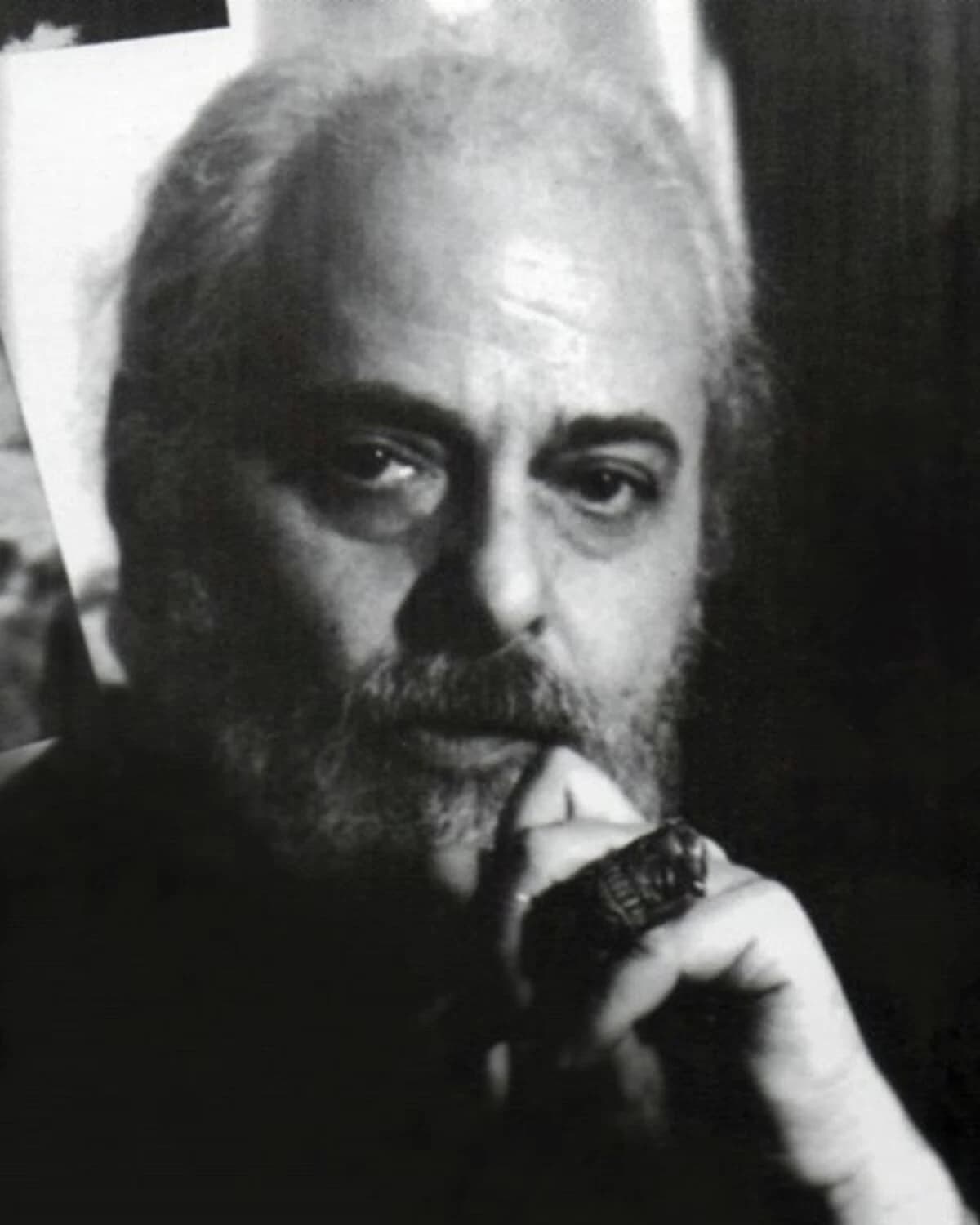
21.03.1938–16.05.2026
Silvio Benedetto
At eighteen Silvio Benedetto (1938–2026) won first prize at the Pan-American Biennial of Sacred Art in Buenos Aires, and in 1961 he moved to Italy. He painted murals in Mexico and Sicily, in 1974 showed in Palermo a 33-metre structure, “Man-Christ”, that was taken down after a few days, and decorated the stations of the Cinque Terre National Park.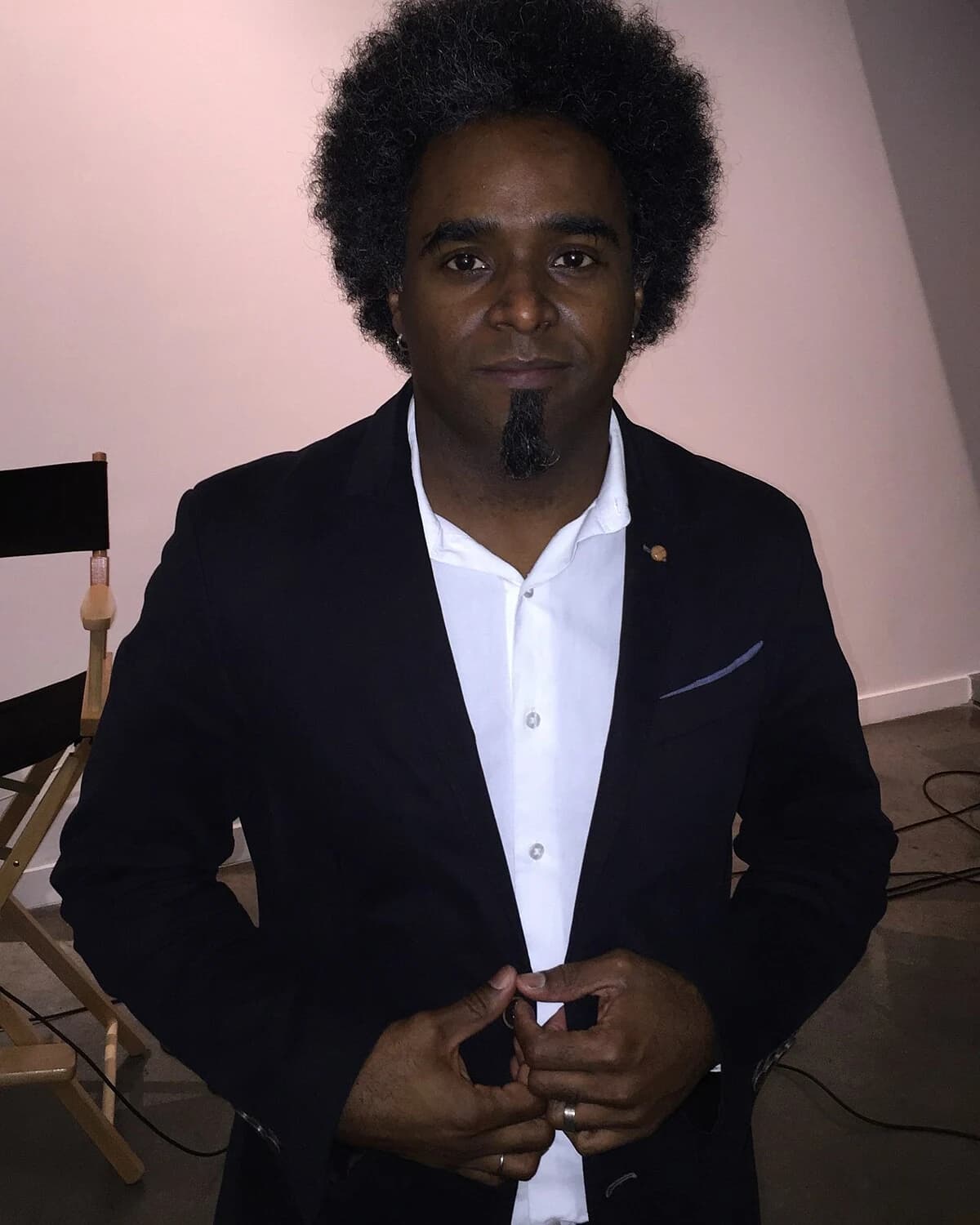
1970–present
Alexandre Arrechea
Alexandre Arrechea (born 1970) worked from 1994 in the Cuban collective Los Carpinteros, then left in July 2003 and began a career of his own. His projects take up power and surveillance: an aluminium tree fitted with cameras, a house that grows and shrinks with a stock index. His work is in MoMA, MOLAA, the Pérez Art Museum Miami and the Studio Museum in Harlem.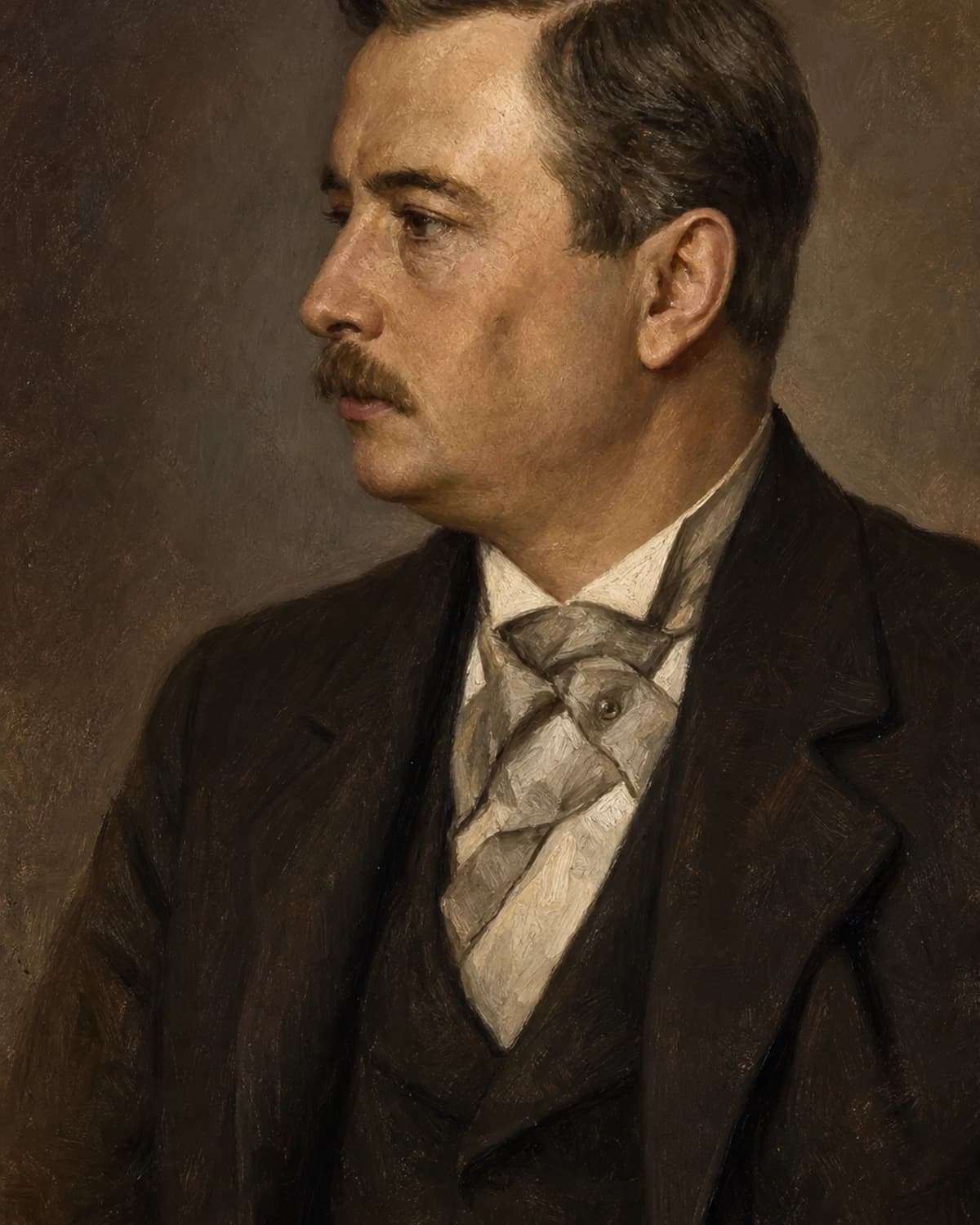
06.08.1857–19.10.1915
Christian Wilhelm Allers
Christian Wilhelm Allers (1857–1915) began as a lithographer in Hamburg and became famous in 1888 with the portfolio “Club Eintracht”, followed by a series of books of drawings about Bismarck, the navy and travel. The income from them paid for a house in Karlsruhe and a villa on Capri. After the scandal of 1902 he left Italy and spent more than ten years earning his living from portraits.
30.05.1892–24.04.1972
Fernando Amorsolo
As a teenager Fernando Amorsolo (1892–1972) sold watercolour postcards to a bookshop for ten centavos each, and by the end of his life he had left, by some estimates, more than ten thousand works. He painted sunlit rural landscapes with backlighting, and his “Rice Planting” (1922) was reproduced on posters and tourist brochures. In 1972 he was named the first National Artist of the Philippines.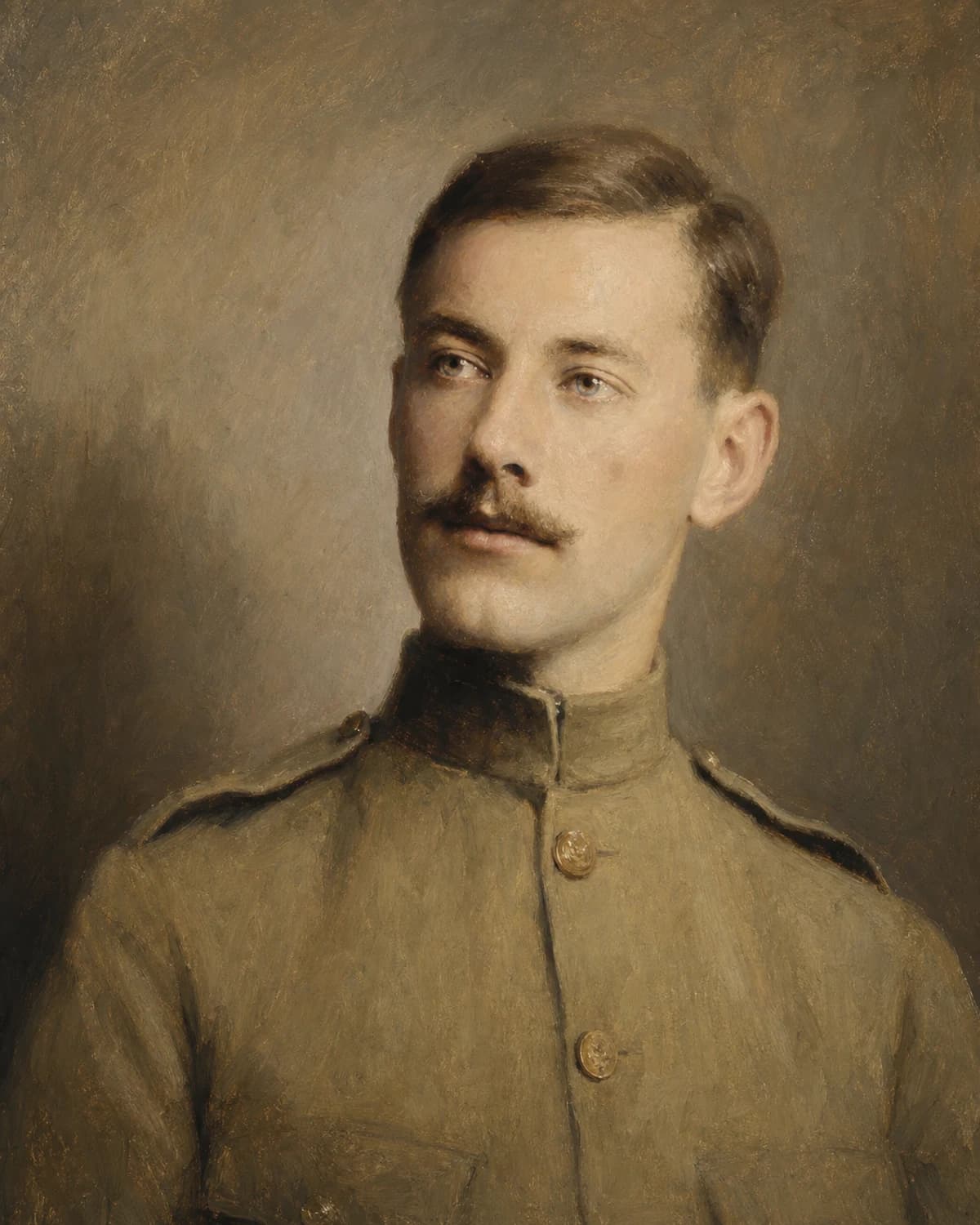
24.05.1875–04.08.1920
C. G. Finch-Davies
Claude Finch-Davies (1875–1920) served in the Cape Mounted Riflemen, and on postings to remote places in the Eastern Cape he began to paint birds: by 1905 he had about two hundred watercolour portraits of species. His plates appeared in Major Boyd Horsbrugh’s book on the game birds and waterfowl of South Africa (1912), and he gave several of his last sketchbooks to birds of prey.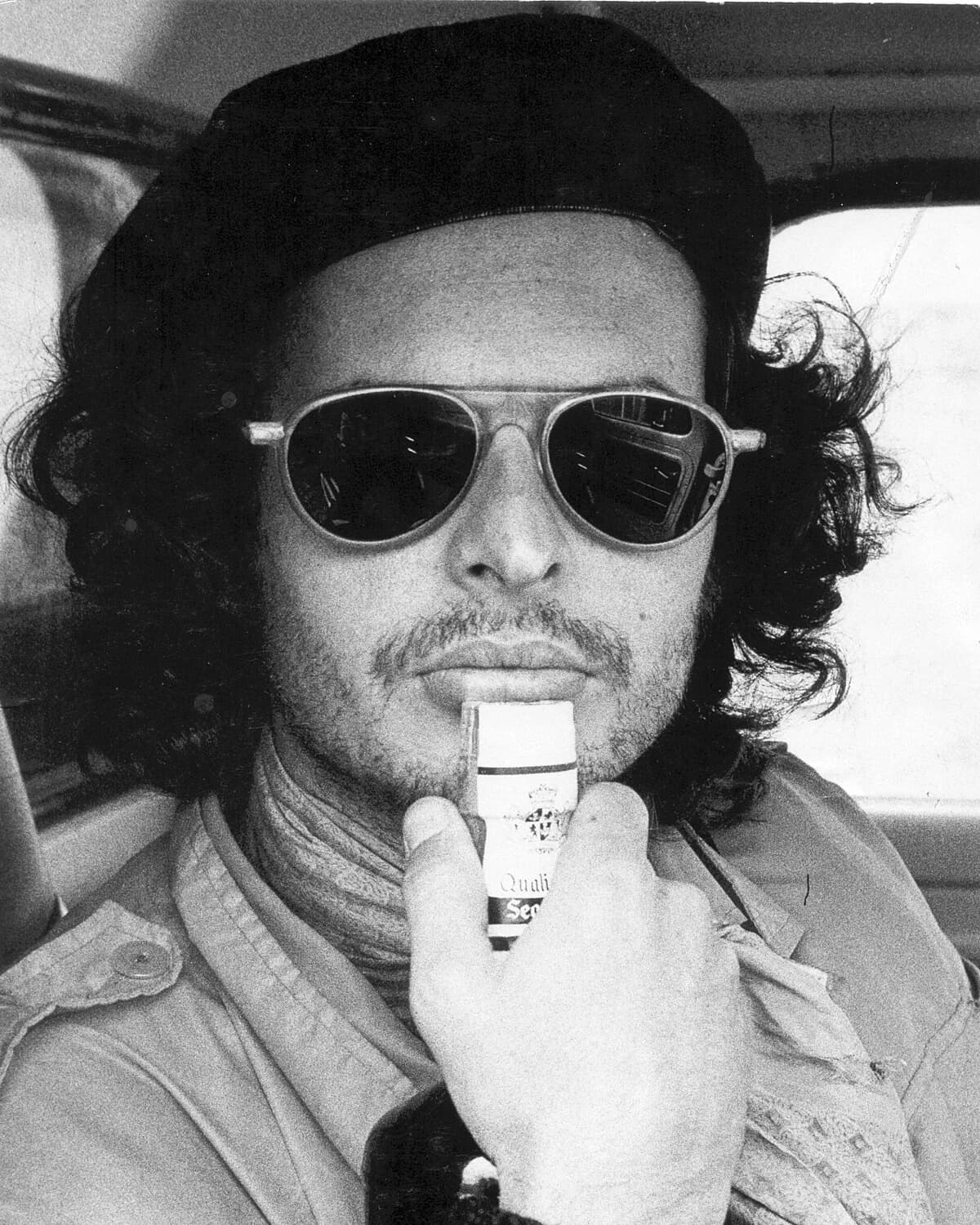
11.12.1946–present
Miguel Rio Branco
Miguel Rio Branco was born in the Canary Islands to Brazilian diplomats, spent his childhood in four countries and works in Rio de Janeiro. He began as a painter and a film cinematographer, and from 1980 worked with the Magnum agency. He is known for the photobooks “Dulce Sudor Amargo” (1985) and “Silent Book” (1997), full of colour, and for his pictures of Salvador.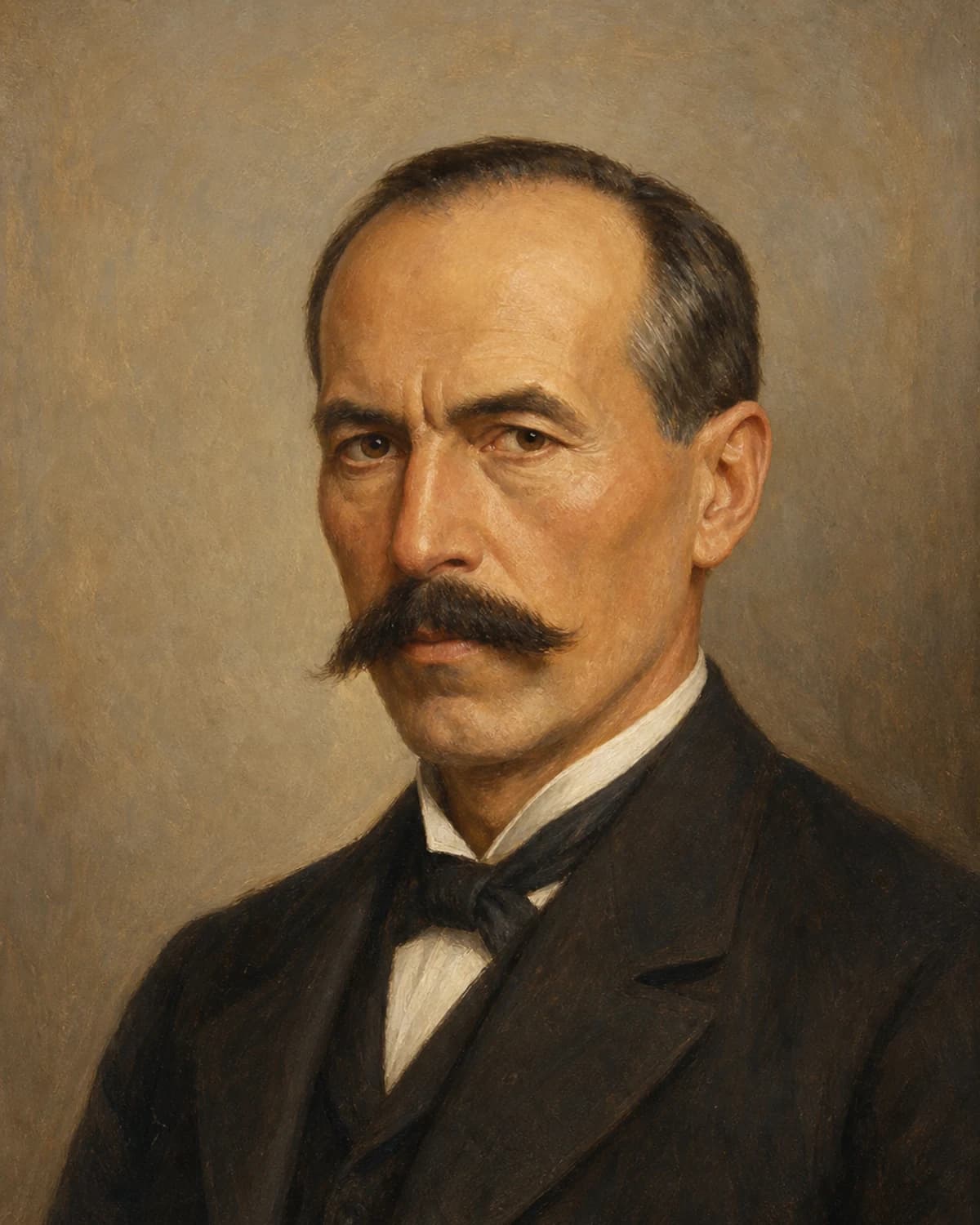
1832–1907