
31.03.1906–15.02.1979
Research · Sources · Context
Artists
Biographies, facts and images with open sources and verified rights.
Found: 1775
04.07.1899–06.06.1984
Pedro Nel Gómez
Pedro Nel Gómez (1899–1984) graduated from the College of Mines in Medellín as a civil engineer, but made his name as a fresco painter: in public buildings across Colombia he painted about 2,200 square metres of walls. His first cycle, eleven murals for the Medellín city hall, now the Museum of Antioquia, caused controversy. He also taught, designed buildings and founded a school of architecture.05.12.1958–04.08.2006
Julio Galán
Julio Galán (1958–2006) began painting in Monterrey while still studying architecture, and in 1984 moved to New York, where his work was printed in Andy Warhol’s magazine Interview. He made paintings and collages full of details from his own life. In 1994 he won the Premio Marco, awarded by the Museum of Contemporary Art in Monterrey.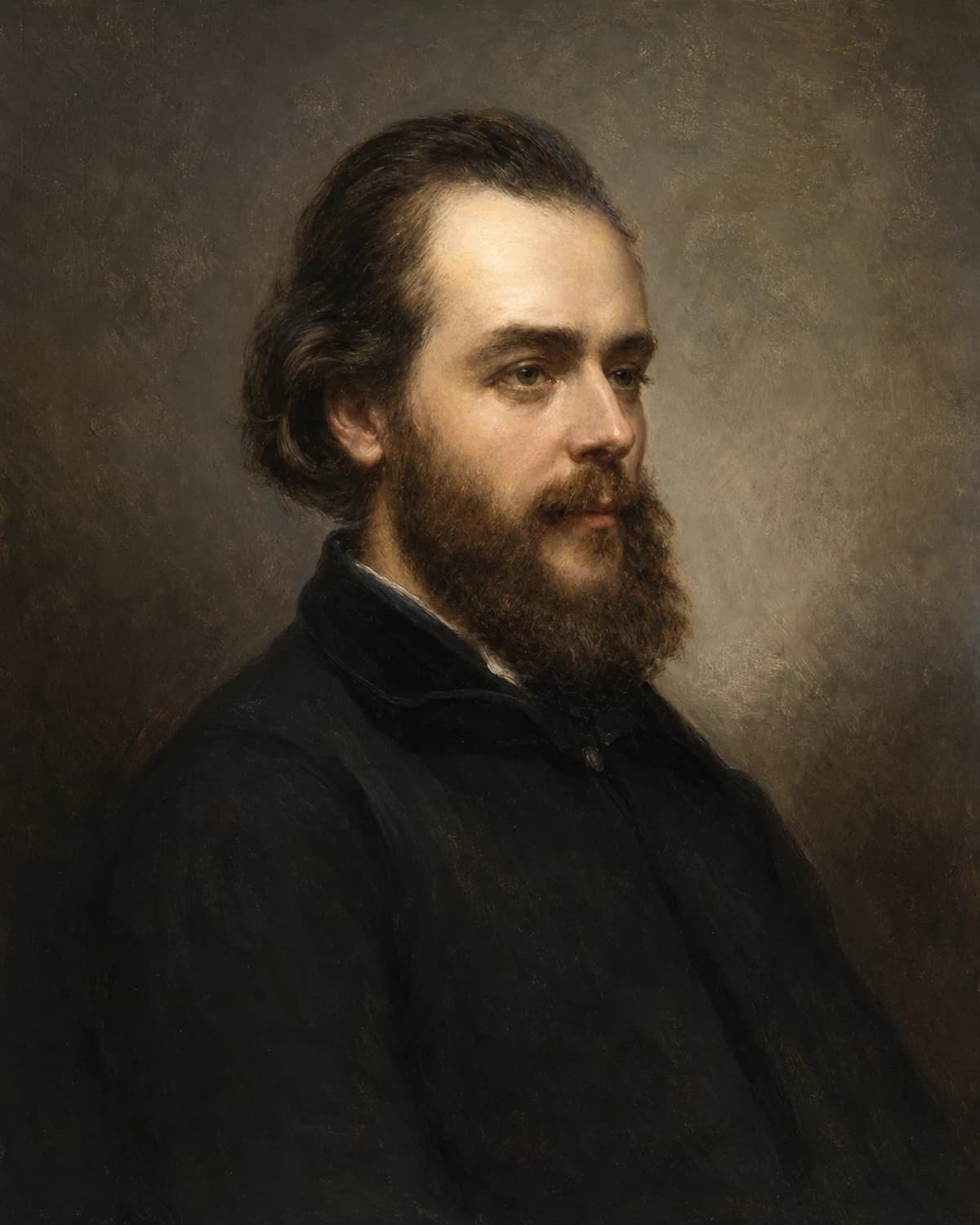
01.08.1830–23.04.1878
Jaroslav Čermák
Jaroslav Čermák was born in Prague, studied in Prague and Antwerp, and from the 1850s lived in Paris. He painted scenes from Czech history, especially the Hussite wars, and later brought back from the Balkans studies and paintings of Montenegro and Herzegovina. In 1862 he himself took part in the fighting of Montenegrins and Herzegovinians against the Turks. His remains were moved to Prague in 1888.01.09.1926–29.06.2012
Mansooreh Hosseini
Mansooreh Hosseini graduated from the Faculty of Fine Arts at the University of Tehran in 1949, then studied in Rome and in 1956 showed her work at the Venice Biennale. After returning to Tehran in 1959 she won awards at the Tehran Painting Biennial. Her paintings sometimes include elements of Kufic script, and she wrote critical notes on exhibitions for newspapers.1950–present
Wosene Worke Kosrof
Wosene Worke Kosrof was born in Addis Ababa and studied at the School of Fine Arts there, then at Howard University in Washington. He was the first contemporary Ethiopian-born artist to make the symbols of the Amharic script the basis of his painting: he stretches, dissects and reassembles the letters, turning them into images. He works in Oakland, and his paintings are in the Smithsonian National Museum of African Art.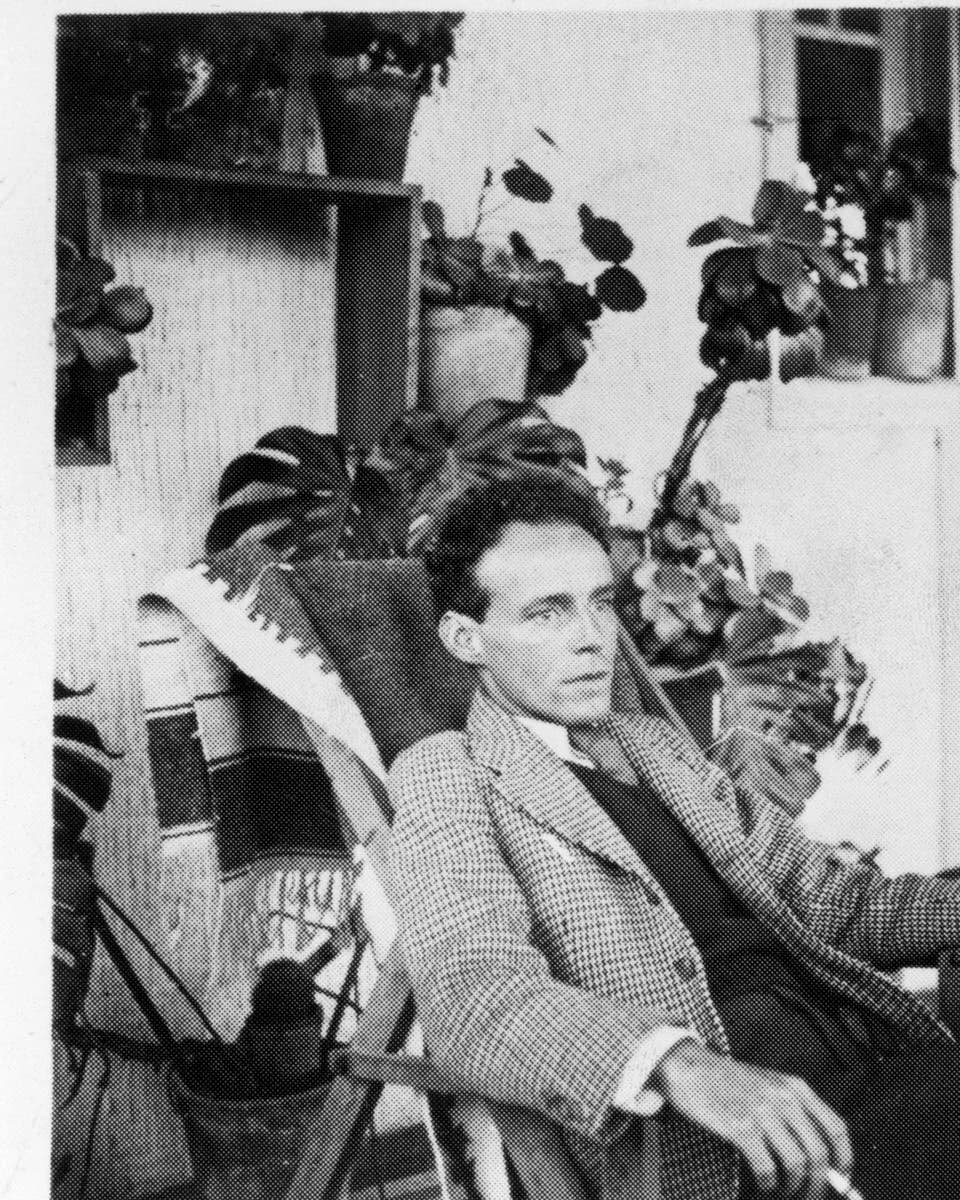
19.08.1903–10.01.1956
César Moro
César Moro, born Alfredo Quíspez-Asín Mas, began as a self-taught artist in Lima, went to Paris at twenty-two and entered André Breton's circle. He wrote most of his poems in French. In 1935, with Emilio Adolfo Westphalen, he organised the first Surrealist exhibition in Latin America, in Lima, and in 1940 he organised the International Exhibition of Surrealism in Mexico City.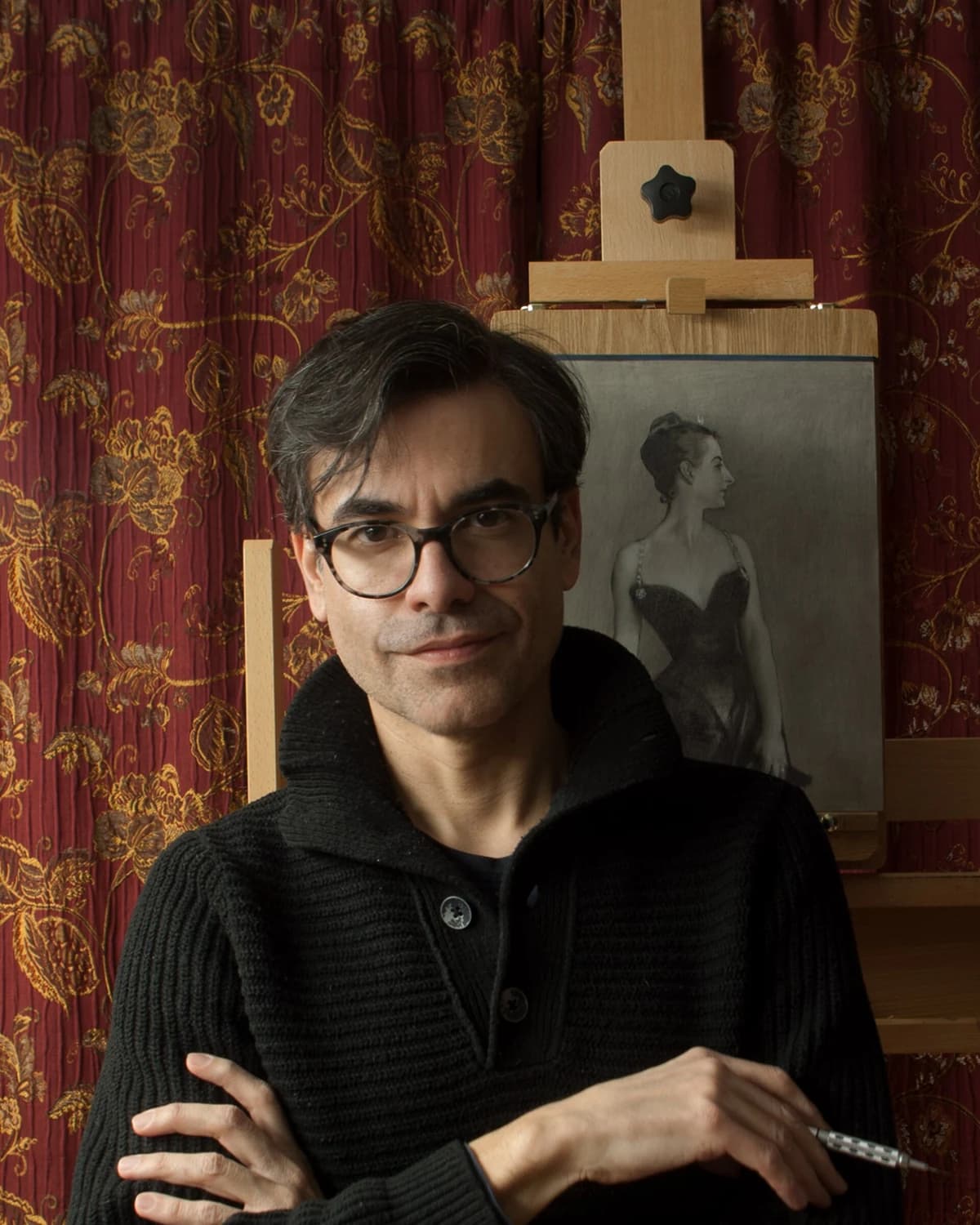
1976–present
Luis Alvarez Roure
Luis Alvarez Roure (born 1976) grew up in Arecibo, trained as a pianist, and only then turned seriously to painting, studying for six years with Nelson Shanks. He paints portraits of musicians, academics and politicians; his work is in the Smithsonian’s National Portrait Gallery. In 2022 he won the grand prize at the Portrait Society of America’s international competition.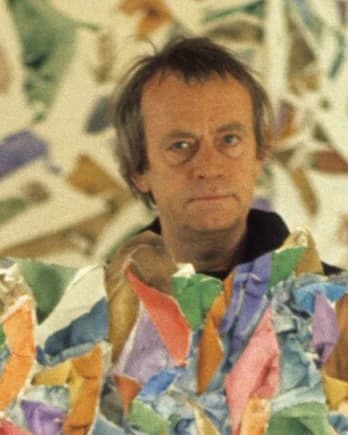
07.12.1922–12.09.2008
Simon Hantaï
Simon Hantaï began in 1960 to paint on folded and crumpled canvas: the cloth was painted, then unfolded, and the untouched areas became part of the picture. Born in Hungary, he lived in France from 1948, was close to the Surrealists and broke with them in 1955. In 1982 he represented France at the Venice Biennale, and then withdrew from public life for almost a decade and a half.21.10.1933–31.01.2024
Amrus Natalsya
Amrus Natalsya (1933–2024) sold a wooden sculpture to President Sukarno while still a student, and in 1957 showed in Jakarta the first open-air exhibition in Indonesia, with sculptures up to four metres high. In 1965 he was arrested and spent years in prison without trial, until 1973. After his release he painted on wooden boards and returned to carving.15.11.1934–25.09.2014
Farid Belkahia
In 1962 Farid Belkahia (1934–2014) returned from Prague to Morocco, took over the School of Fine Arts in Casablanca and brought in the artists who would form the Casablanca Group. In the 1960s he gave up oil and canvas, working first in copper and then in leather stretched over wood and dyed with henna. Berber signs and Tifinagh letters recur in his work.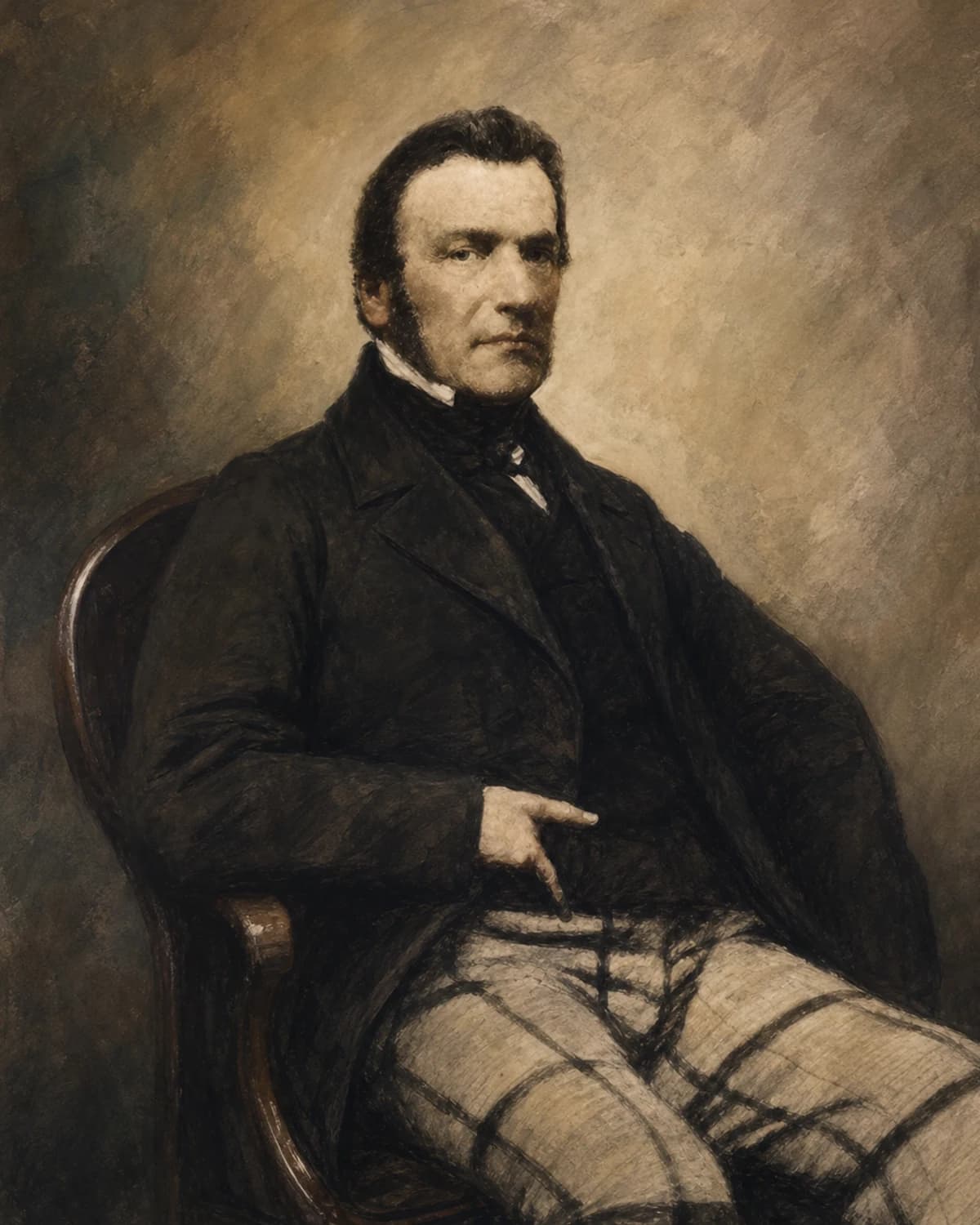
28.07.1800–12.10.1875
Charles Pellegrini
Charles Henri Pellegrini (1800–1875), an engineer from Chambéry, came to Buenos Aires in November 1828 on a contract and stayed as a portrait painter and lithographer: in a little over a year he made about two hundred portraits. Later he built the first Colón Theatre, opened in 1857, and founded the journal Revista del Plata. His eldest son, Carlos, became president of Argentina.25.03.1922–23.05.1985
Pedro Coronel
Pedro Coronel began as a sculptor but ended up putting painting first: large oils in red and yellow, where figures gradually give way to colour and form. He studied at La Esmeralda, the national art school in Mexico City, worked in Paris alongside Victor Brauner and Constantin Brâncuși, and in 1984 received the national prize in the arts. He left a collection of more than 1,800 pieces to Mexico.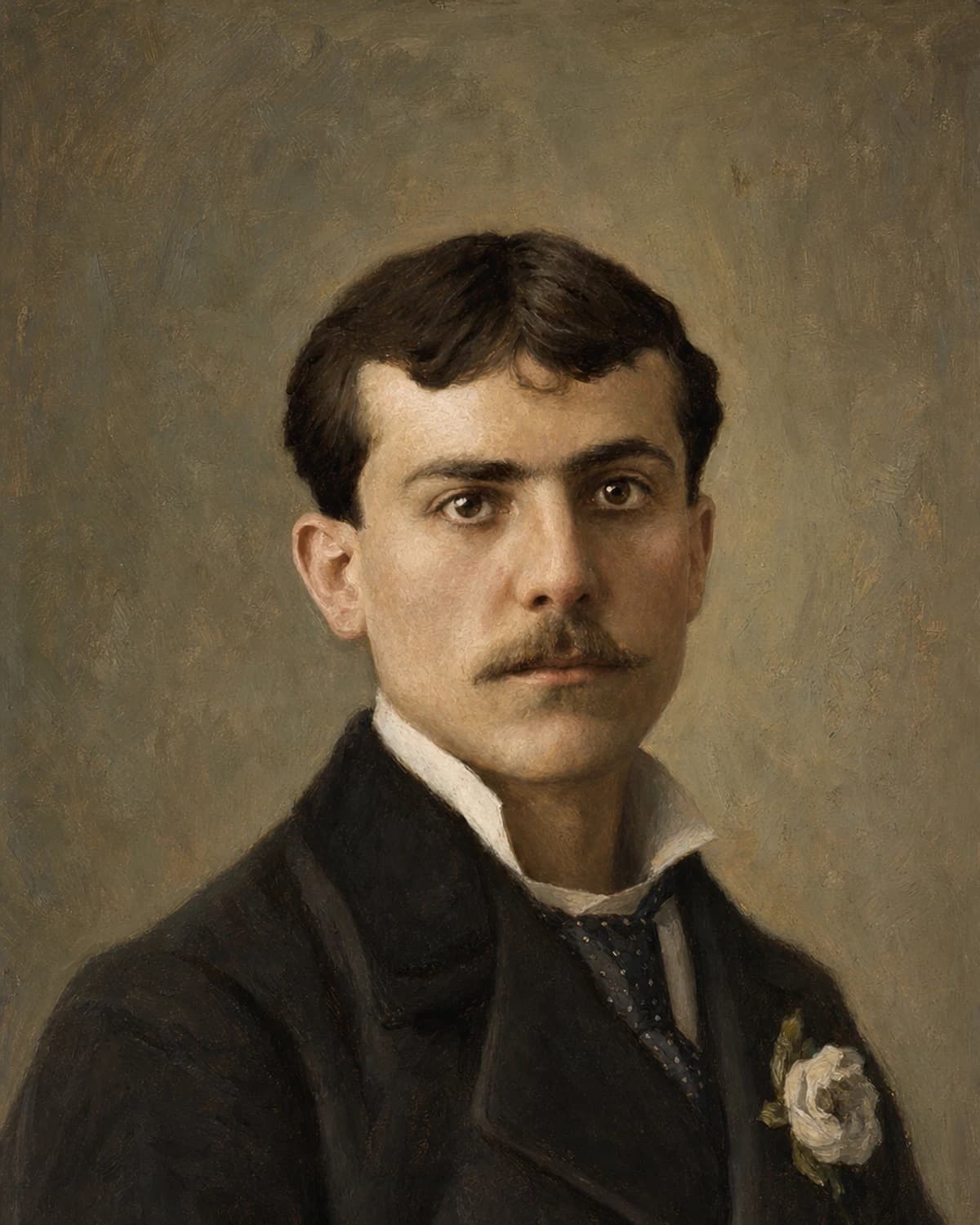
15.08.1860–12.12.1939
Kolë Idromeno
Kolë Idromeno (Nikoll Idromeno, 1860–1939) was born and died in Shkodër. In 1883 he painted a portrait of his sister Tona, often called the Albanian Mona Lisa. He also designed buildings in his home town, took photographs and in 1912 showed motion pictures in Shkodër. His work was exhibited in Budapest and New York.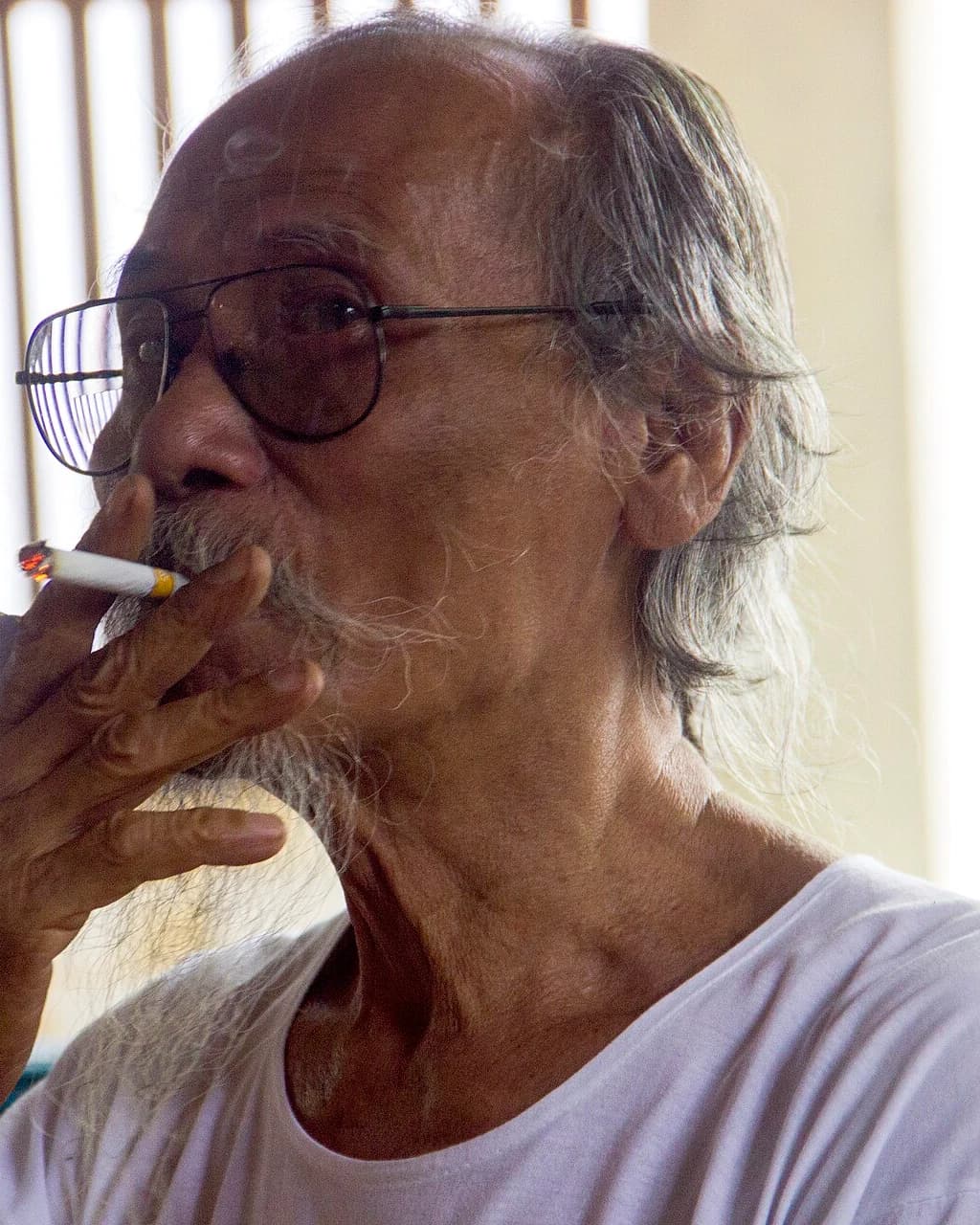
02.01.1937–12.08.2023
Djoko Pekik
Djoko Pekik (1937–2023) studied at the Academy of Fine Arts in Yogyakarta and belonged to the Bumi Tarung studio. From late 1965 until 1972 he was held in prison because of his link with Lekra, and he returned to exhibiting only in the late 1980s. His best-known painting, “Berburu Celeng” (1998), is connected with the end of President Suharto’s rule.14.09.1956–06.10.2021
Atta Kwami
Atta Kwami (1956–2021) was born in Accra and studied, then taught, at the College of Art of Kwame Nkrumah University of Science and Technology (KNUST) in Kumasi. He painted abstract pictures and also made kiosk sculptures and gateways conceived as three-dimensional painting, in which the improvised colour and form of Ghanaian architecture and kente cloth can be felt. He earned a doctorate in art history and in 2021 received the Maria Lassnig Prize.14.04.1896–28.05.1988
Alfredo Volpi
Alfredo Volpi (1896–1988) was born in Lucca but lived in São Paulo from the age of two, and is regarded as one of the leading Brazilian painters of the twentieth century. A self-taught artist, he painted in tempera on canvas and became widely known for his house façades of the 1950s and his later “bandeirinhas” series, small flags from the June folk festivals. In 1953 he won a prize for Brazilian painting at the São Paulo Biennial.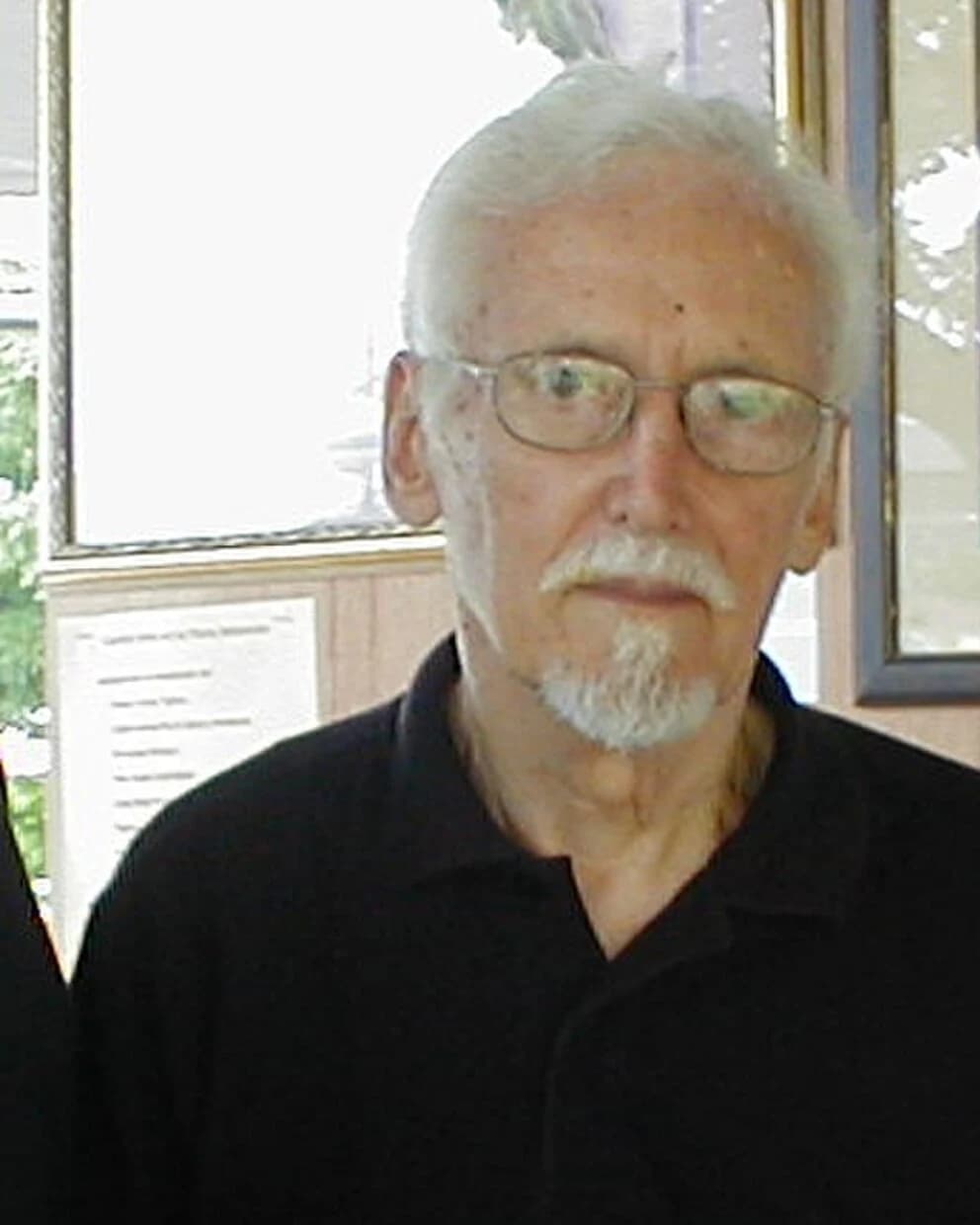
31.03.1927–18.11.2005
Alfonso Arana
Alfonso Arana (1927–2005) was born in New York to a Mexican father and a Puerto Rican mother, spent his childhood in Puerto Rico, studied in Mexico, New York and Paris, and stayed on in France. He is recognisable by his figures with almond-shaped, hollow eyes and faces without skulls, painted in light, almost transparent colours. He exhibited in Tokyo, Paris, New York, Mexico City and Spain.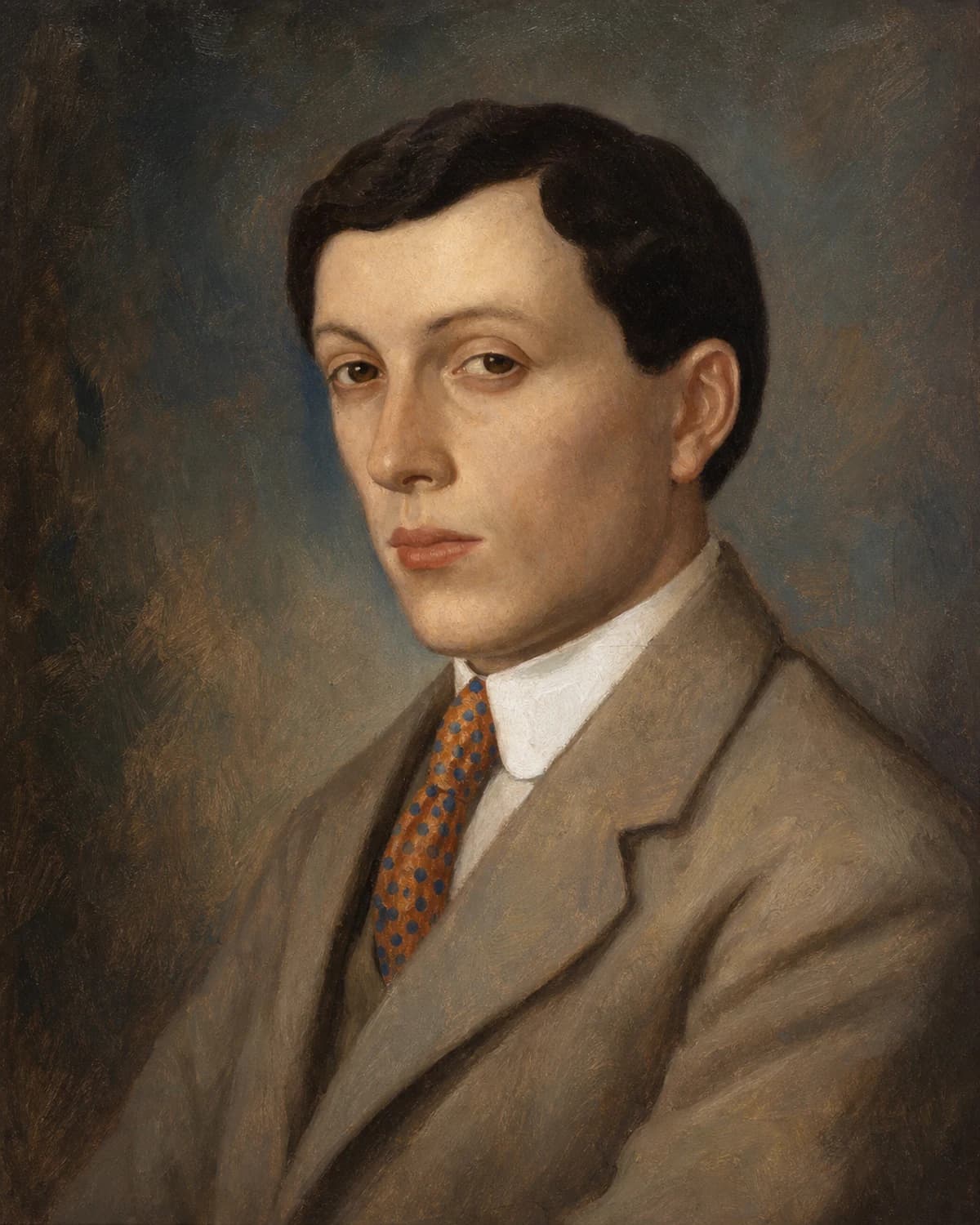
15.12.1884–15.01.1926
Eugeniusz Zak
Eugene Zak was born in the Belarusian small town of Mogilno, grew up in Warsaw and built his career in Paris. In 1910 the French state bought one of his paintings for the Musée du Luxembourg, and in 1913 his work was shown at the Armory Show in New York. He drew elongated figures of harlequins, fishermen and musicians, and in 1923 opened his own gallery in Paris.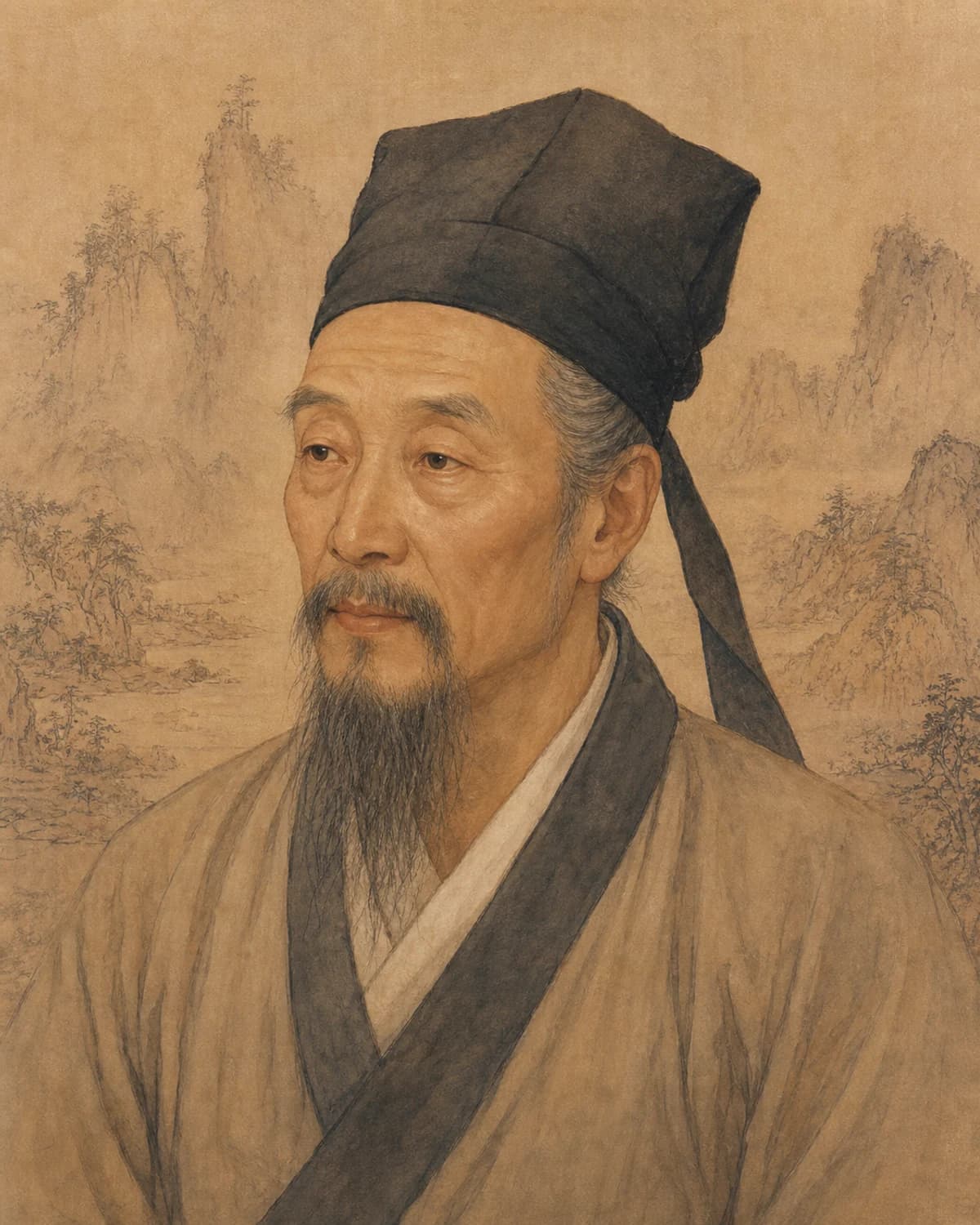
1745–1821
Yi Inmun
Yi Inmun (1745–1821) served in the court painting bureau of Joseon Korea and painted mainly landscapes. His best-known work is the silk scroll “Gangsan mujindo” (“Streams and Mountains Without End”), kept in the National Museum of Korea in Seoul. Besides his post as a painter, he held a military rank at court, and in 1968 a chamber symphony was composed after his scroll.?–?
Anita-Pearl Ankor
Anita-Pearl Mwinnabang Ankor, from Nandom in northern Ghana, grew up in Accra and studied not painting but agricultural science: her specialism at the University of Ghana was post-harvest technology. She began drawing in pencil in her final year and painting professionally in 2015. In 2019 a video of her painting a wall went viral on social media.03.03.1933–present
Jim Amaral
Jim Amaral was born in Pleasanton, California, and has lived and worked in Bogotá since the late 1950s. He held his first solo show in San Francisco in 1962 and in 1971 showed his drawings at Albert Loeb’s gallery in Paris. Since 1989 he has cast bronze sculptures by the lost-wax method; his work is in the collections of the Centre Pompidou, the Museum of Modern Art in New York and museums in Colombia.27.12.1923–24.09.2012
Bruno Bobak
Bruno Bobak was born in a Galician colony near Skalat and was taken by his parents to Saskatchewan at the age of two. At nineteen he joined the Canadian Army and became the youngest official war artist of Canada in the Second World War. After the war he taught for more than thirty years, first in Vancouver, then in New Brunswick, and painted mostly in watercolour.28.04.1929–29.04.2010