
31.03.1927–18.11.2005
Alfonso Arana
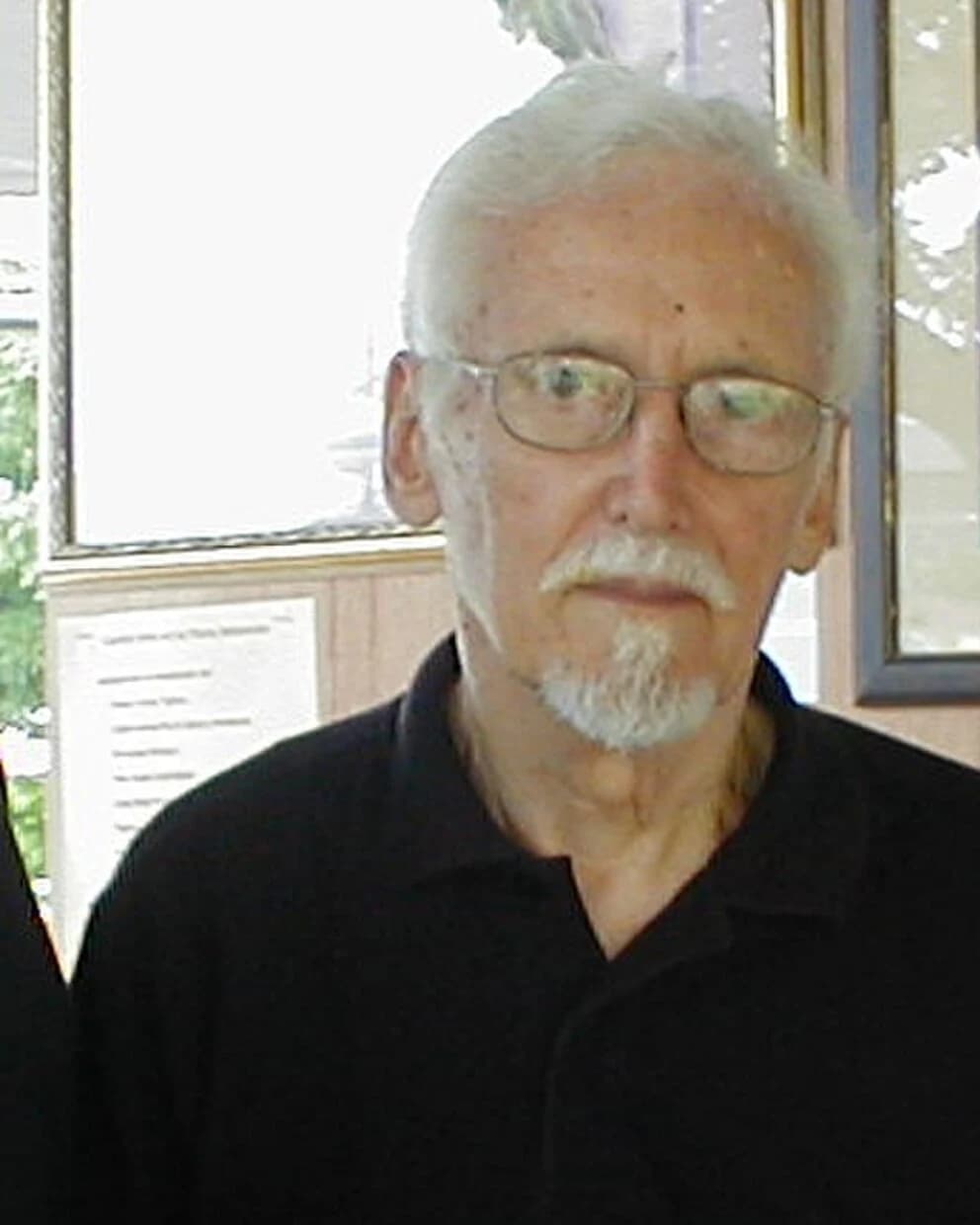
Alfonso Arana (1927–2005) was born in New York to a Mexican father and a Puerto Rican mother, spent his childhood in Puerto Rico, studied in Mexico, New York and Paris, and stayed on in France. He is recognisable by his figures with almond-shaped, hollow eyes and faces without skulls, painted in light, almost transparent colours. He exhibited in Tokyo, Paris, New York, Mexico City and Spain.
Biography
Arana painted figures without skulls. The head in his pictures continues upward where a forehead would normally end, and this is no slip: explaining the idea, he said that his people are receptacles of the active things in the world, be it God, nature or life.
Alfonso Meléndez Arana was born on 31 March 1927 in New York. Sources also give another date of birth, 21 March. His father was Mexican, his mother Puerto Rican. When the boy was older, the family moved to San Sebastián in Puerto Rico, where he spent his youth. He made his first picture at the age of six and gave it to his mother. His father, a businessman, did not want his son to become an artist, and this caused a serious rift between them, which by some accounts never healed. Arana studied in several countries. In Mexico he worked in the atelier of José Bardasano, and in New York he studied at the Manhattan School of Arts. In the 1950s he moved to Paris and studied at the Académie Julian and the École des Beaux-Arts, and later did postgraduate work at American University in Washington. The order in which he moved between these cities is not known, so I would not try to reconstruct the route in more detail.
His manner is described this way: almond-shaped eyes, hollow and yet expressive, a face without a skull, a slightly oversized body, light, sophisticated, almost transparent colours. He himself called his style expressionism and mannerism. His silent figures often unsettle the viewer, and to a newcomer they may seem disturbing, but, by report, after the first impression people begin to see beauty in them. Of his figures he said that they have elements of life and light, that the light that invades the body is their spiritual side, and that to him they are real, “my friends”.
Arana’s work was shown in Tokyo, Paris, New York, Mexico City, Puerto Rico and Spain.
In 1986 he founded a foundation named after Francisco Arana and meant to support art. Once a year it sent an outstanding art student to live and study in Paris; later the Alfonso Arana foundation in San Juan awarded such scholarships to young Puerto Rican painters. In 2001 the French government awarded him the medal “Knight of Honour of the Arts and Sciences” for bringing the cultures of France and Puerto Rico closer. His daughter Rosa Ibarra, whom he taught himself, also worked in art and exhibited in Paris.
Arana died on 18 November 2005 at his home in Paris. By some accounts he was buried in Père Lachaise Cemetery; by others, his ashes are kept in Paris and in a town in Massachusetts where his children live.
Profile notes
Profile and sources
Image
Artist image
Smylere_Snape ( talk ) ( Uploads ); Wikimedia Commons; Public domain.
