
24.10.1668–24.09.1735
Petr Brandl
Petr Brandl (1668–1735) grew up in Prague in a tailor’s family, as far as is known never travelled abroad, and learned from the Italian and Dutch pictures in the castle collection. He painted altarpieces for churches in Bohemia and portraits for monasteries and noble families. He died in Kutná Hora, where he had moved late in life in the hope of paying off his debts.
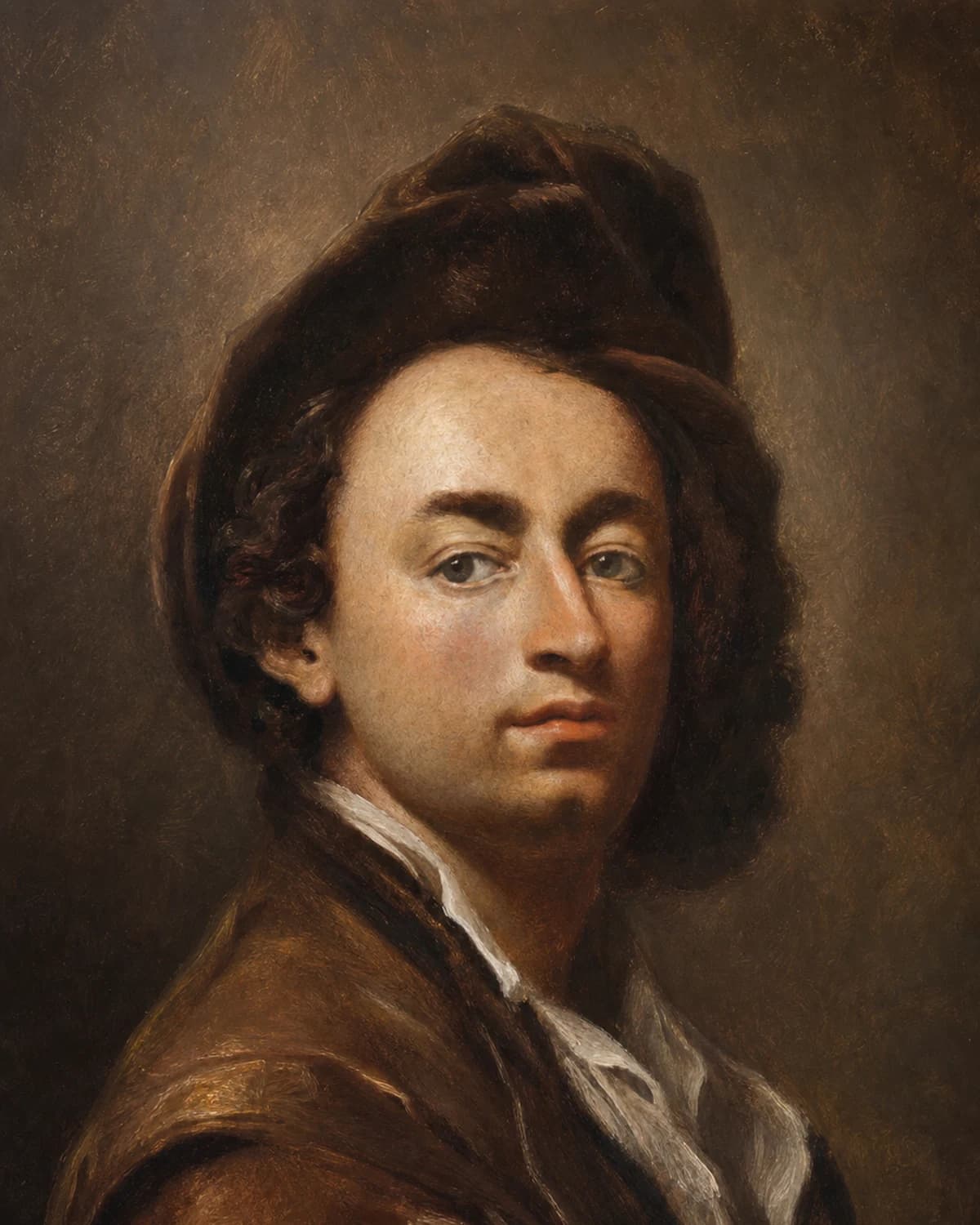
Biography
Brandl’s schedule was a crowded one: altarpieces, portraits, commissions from monasteries. And in 1694 the Prague painters’ guild admitted him to its ranks against his will.
A law of Emperor Leopold I required artists to join a guild; the only exceptions were those who served the Church, the nobility and the court. Brandl had been summoned to the guild several times before that. Apparently he was among those whom church and court commissions did not protect.
He was born on 24 October 1668 in Prague, the sixth child in a Czech-German family. His father, Michal Brandl, was a tailor of German descent. His mother, Alžběta, née Hrbková, came from a Czech peasant family in Přestanice in South Bohemia. Her brother Marek Hrbek was regarded as a well-known Prague goldsmith and worked, among others, for St Vitus Cathedral. Petr studied at the Jesuit College of St Nicholas in Malá Strana. Around 1683–1688 he was apprenticed to the court painter Kristián Schröder. Schröder mainly restored and copied pictures in the castle gallery and, by all appearances, could give him only the basics of painting technique. But the workshop gave the young man access to the main Italian and Dutch paintings in the castle collection. For Brandl this was the whole of abroad: there are no documents about any journeys, though they cannot be ruled out either. Through Schröder he met local artists, and his early works reached the public more quickly.
Among Czech predecessors he was influenced by Karel Škréta; among his contemporaries by Michael Leopold Willmann and his pupil Jan Kryštof Liška, Michael Václav Halbax, and also Jan Rudolf Bys and Abraham Godyn. He was friends with the painter Jan Kupecký and the sculptor Matthias Bernard Braun. Braun probably used a drawing by Brandl when creating the statue of St Luthgard for the Charles Bridge.
Brandl’s manner is recognised by its thick, broad brushwork (impasto), strong chiaroscuro and agitated figures in dynamic compositions. He painted altarpieces for churches in Bohemia and had a reputation as a good portraitist. His patrons included large monasteries (Benedictines, Cistercians, Carmelites) and influential noble families; for the Sternbergs, the Lažanskýs and the Czernins he painted pictures for palaces and country houses. His works are held in museums and churches in Prague, Kutná Hora and Hradec Králové. The National Gallery in Prague devotes an entire hall to him, and among the works there is “Bust of an Apostle”, painted before 1725.
His life was not a restful one. He lived in disorder, often fell into debt and several times ended up in prison. Late in life he moved to Kutná Hora and bought a share in a mine, hoping to pay off at least part of his debts. The hope came to nothing. Brandl died on 24 September 1735 in Kutná Hora, alone and in extreme poverty. He was buried in the cemetery of the Church of Our Lady Na Náměti. In the twentieth century, behind the Iron Curtain, his name was almost forgotten, and it returned to the history of art only fairly recently.
Related context
Associations
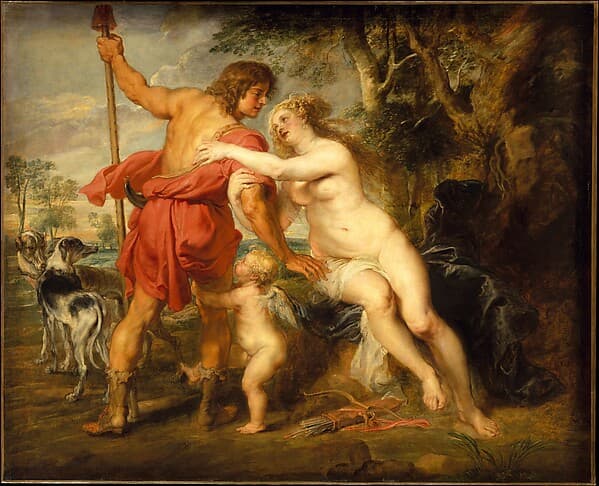
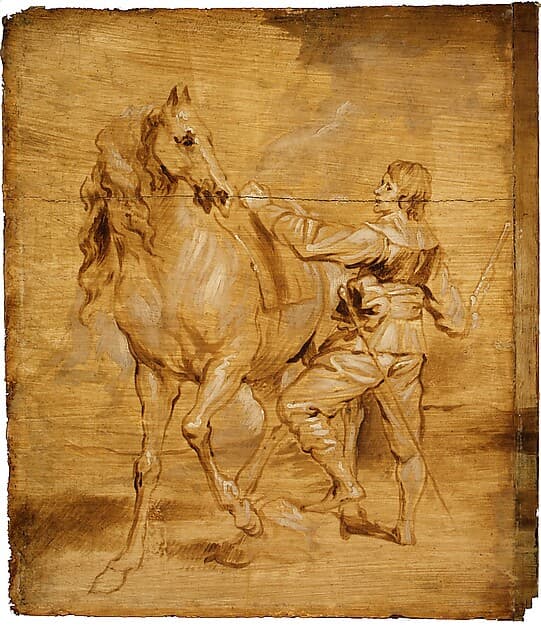
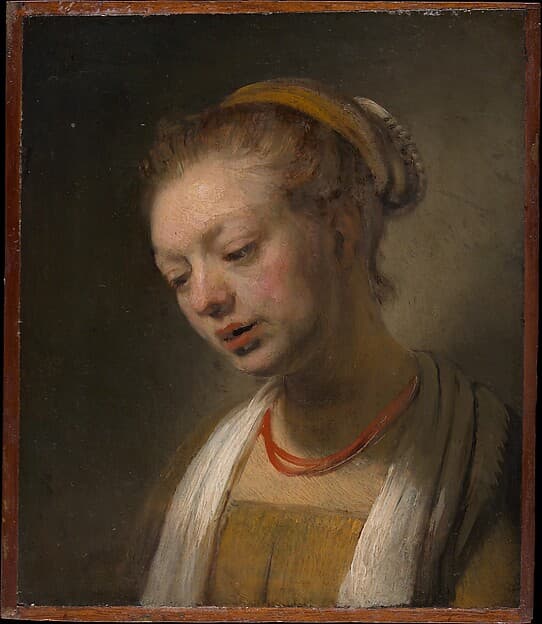
Works connected through artistic movements, cultural context and period. Priced works available in this market appear first.
Profile notes
Profile and sources
Image
Artist image
На основе открытого изображения: Petr Brandl; Wikimedia Commons; Public domain.
