
26.08.1960–08.01.2022
Research · Sources · Context
Artists
Biographies, facts and images with open sources and verified rights.
Found: 1775
11.06.1949–present
Nikolay Kurilov
Nikolay Kurilov (born 1949) is a Yukaghir from the Kolyma village of Andryushkino who studied painting in Krasnoyarsk and writes in Yukaghir, Sakha and Russian. He worked as a drawing teacher, a designer and a newspaper photographer, and compiled a Yukaghir alphabet book with his brother Gavril. In 2016 he was named People’s Artist of Yakutia.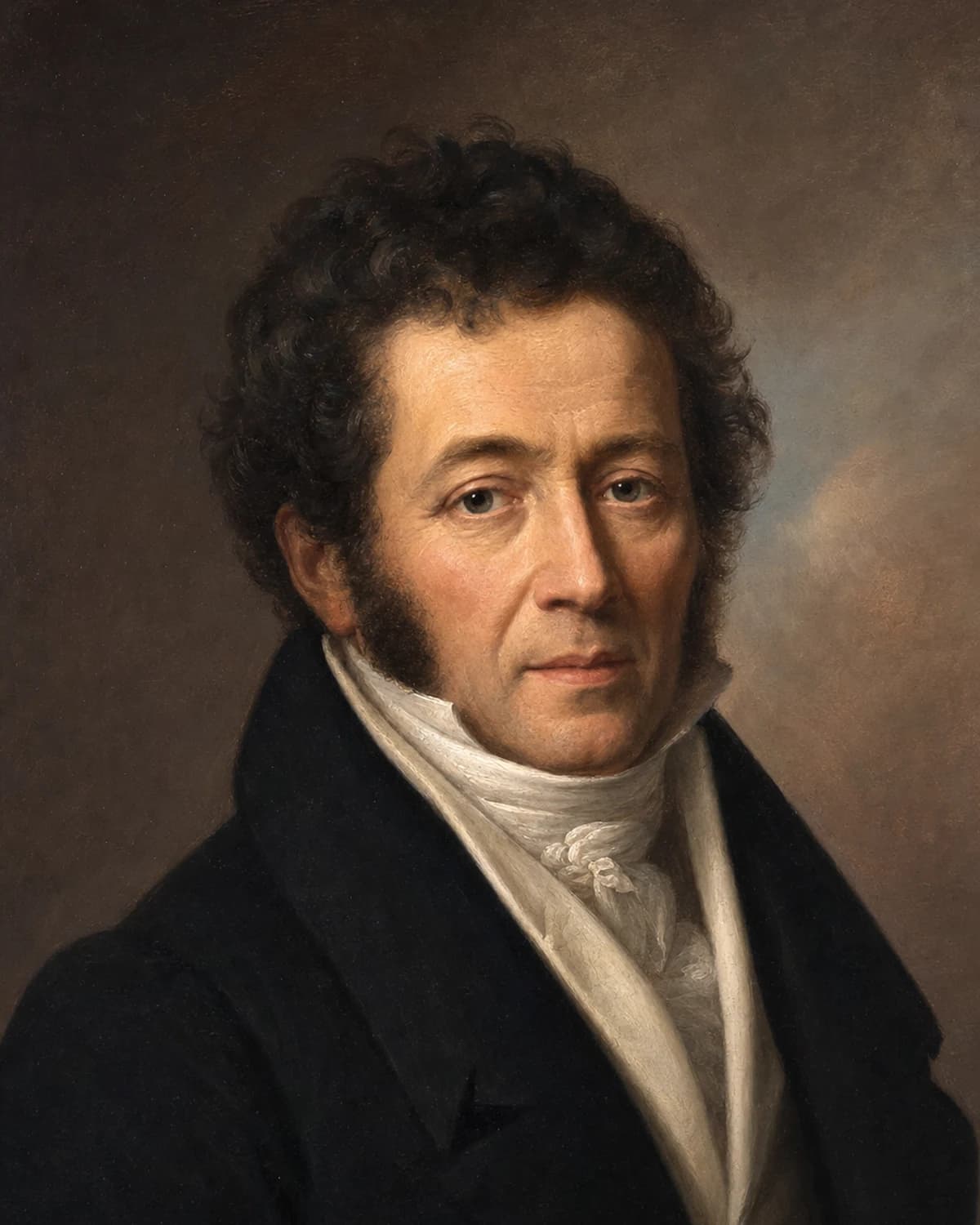
25.10.1777–05.10.1830
Józef Oleszkiewicz
Józef Oleszkiewicz (1777–1830) studied anatomy in Vilnius but became a portraitist: in Paris he worked under Jacques-Louis David, and in Saint Petersburg he painted about a hundred portraits and in 1812 was made an academician. His sitters included Adam Jerzy Czartoryski, Mikhail Kutuzov and Adam Mickiewicz. In the Polish circle of the capital he was also the head of the Masonic lodge of the White Eagle.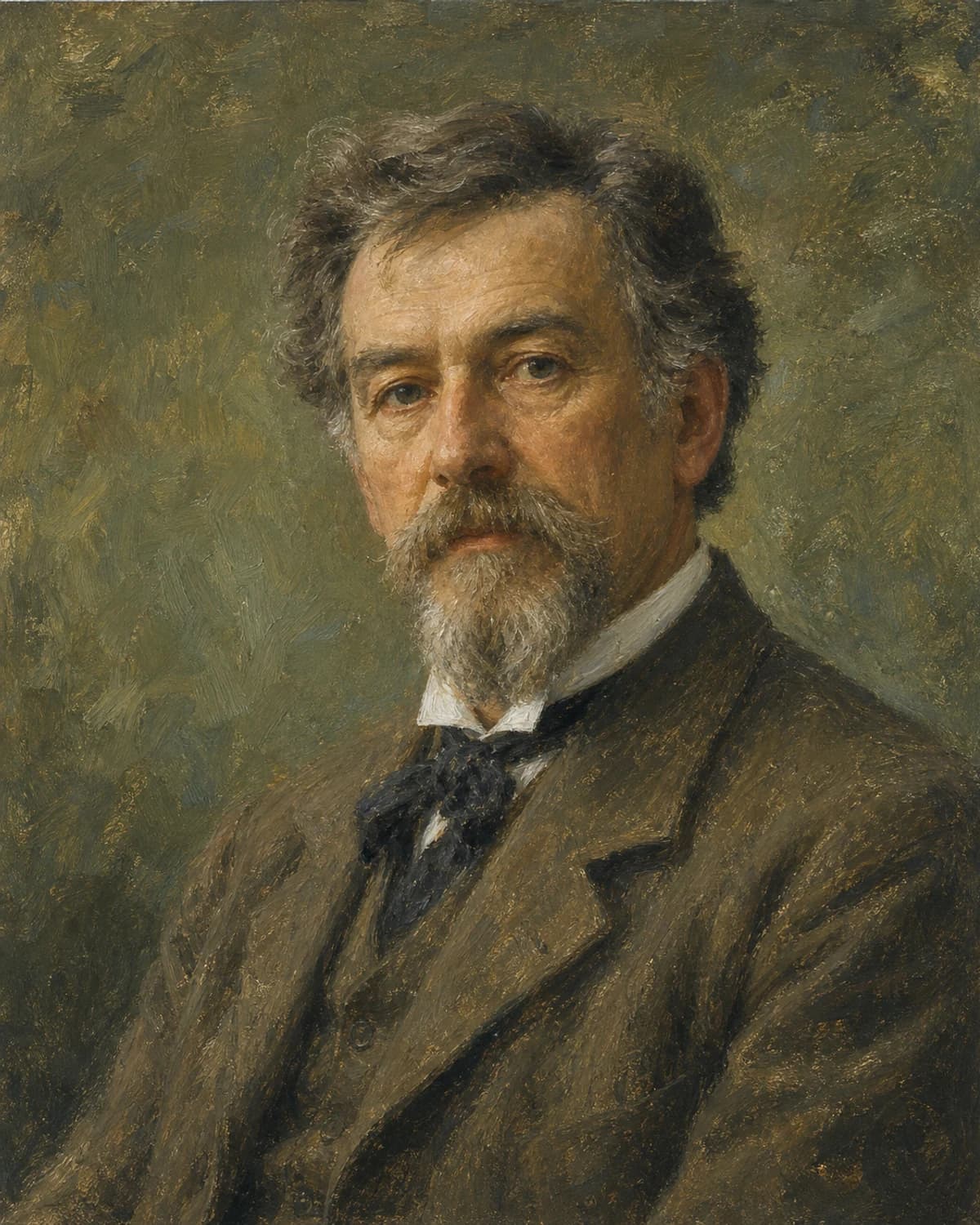
24.09.1857–19.09.1931
Serhiy Svetoslavsky
Serhiy Svetoslavsky (1857–1931) studied at the Moscow School of Painting under Alexei Savrasov and Vasily Perov, spent ten years in the Wanderers (Peredvizhniki), and in 1900 won a bronze medal at the Paris World’s Fair for his painting “The Courtyard”. He painted Kyiv, the Dnieper and the Ukrainian countryside, and published caricatures in the journal Shershen. From the 1920s an eye disease kept him from painting almost entirely.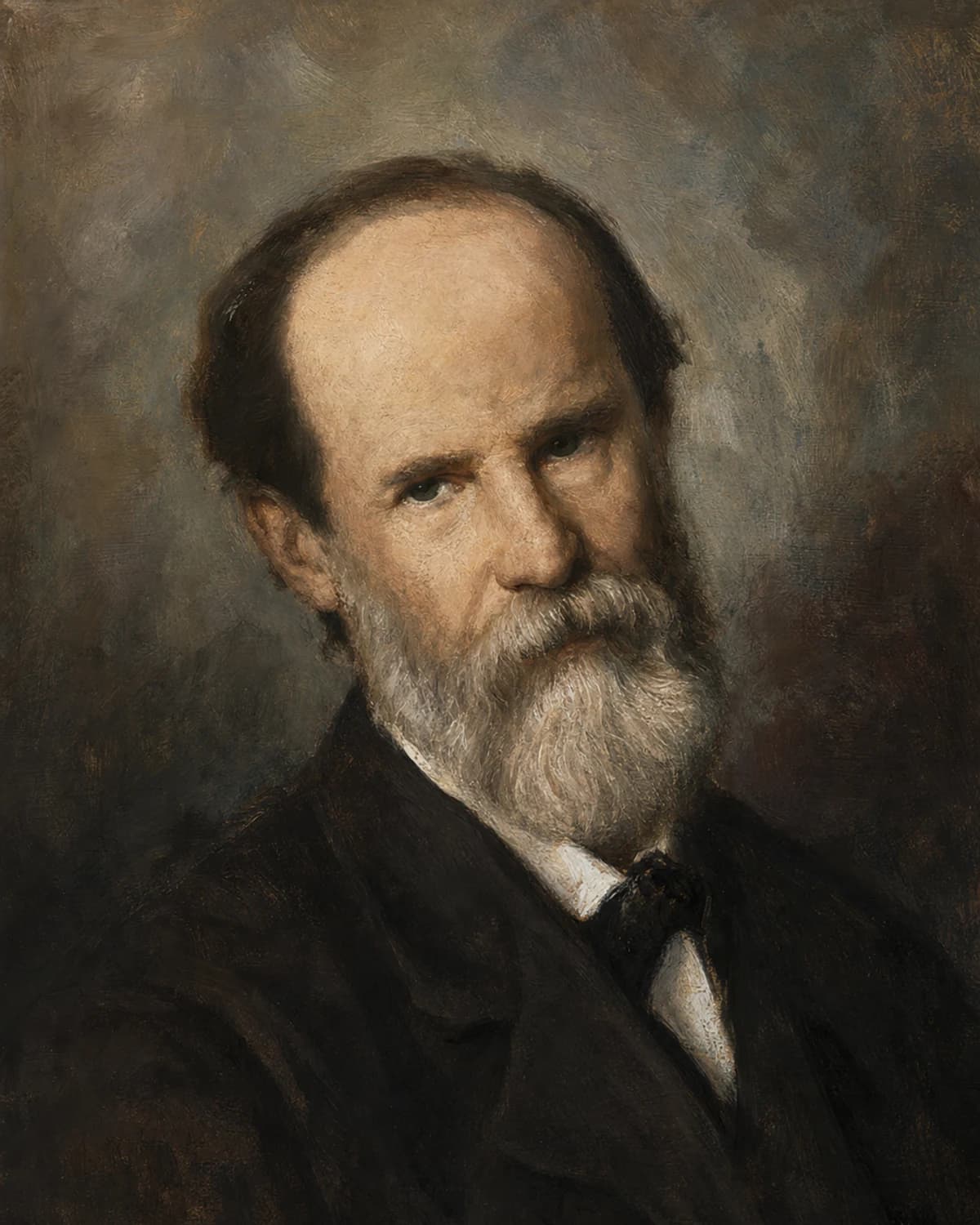
25.12.1834–21.05.1919
Nikodim Silivanovich
Nikodim Silivanovich (1834–1919) grew up in the Belarusian village of Cyncavičy, in a serf family, and became an academician of mosaic at the Imperial Academy of Arts. In St Petersburg he worked on mosaics for the main iconostasis of St Isaac’s Cathedral, including “The Last Supper”; at home he painted portraits, genre scenes and church icons.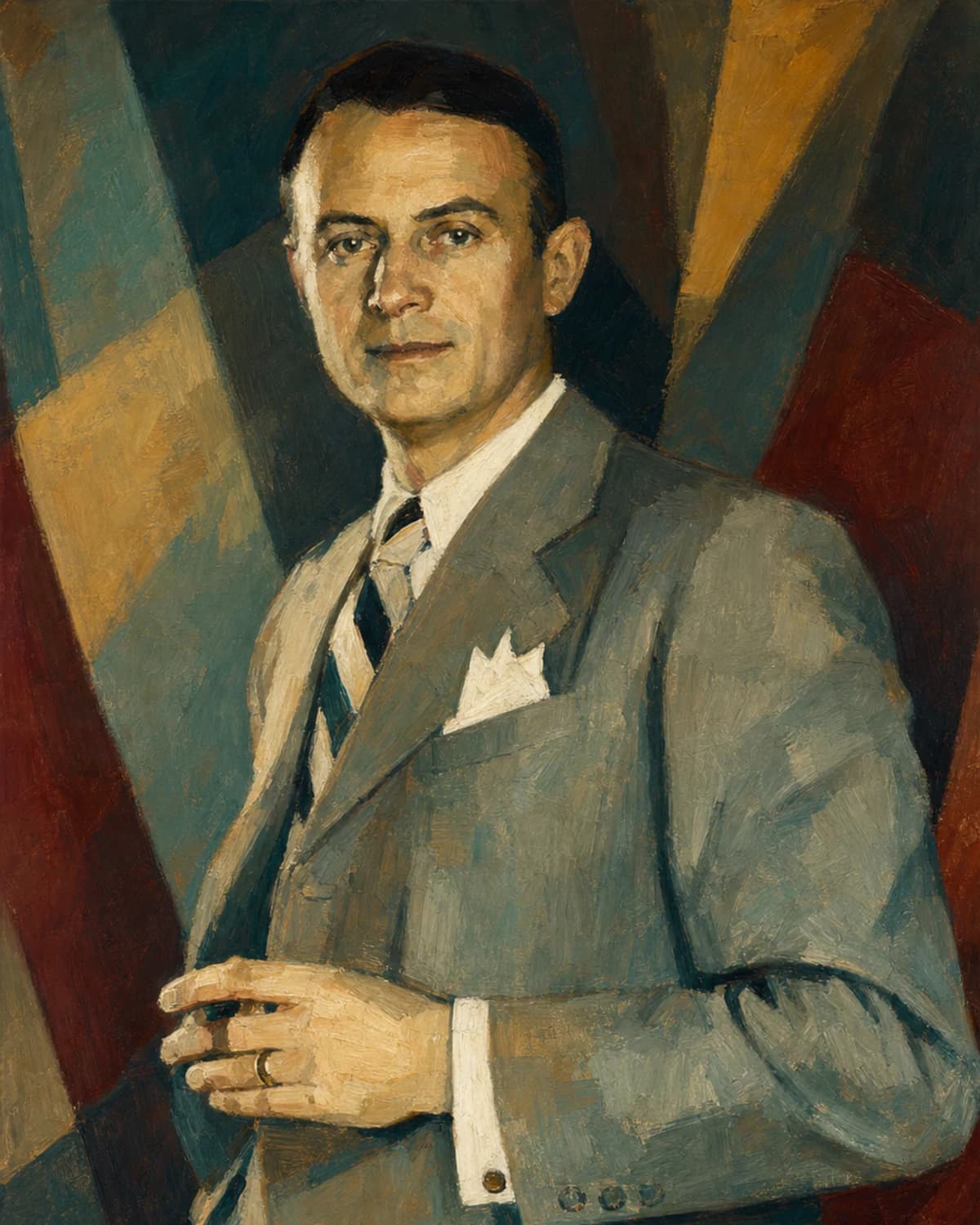
25.05.1891–19.09.1955
Adalbert Erdeli
Adalbert Erdeli (1891–1955) was born in a Transcarpathian village to a schoolteacher and given the name Béla Hryts at birth. He studied in Budapest and Munich, and in 1927 opened a drawing school in Uzhhorod with József Boksay, from which the Transcarpathian school of painting grew. He painted portraits, landscapes and still lifes; in 1949 he was accused of formalism and removed from teaching.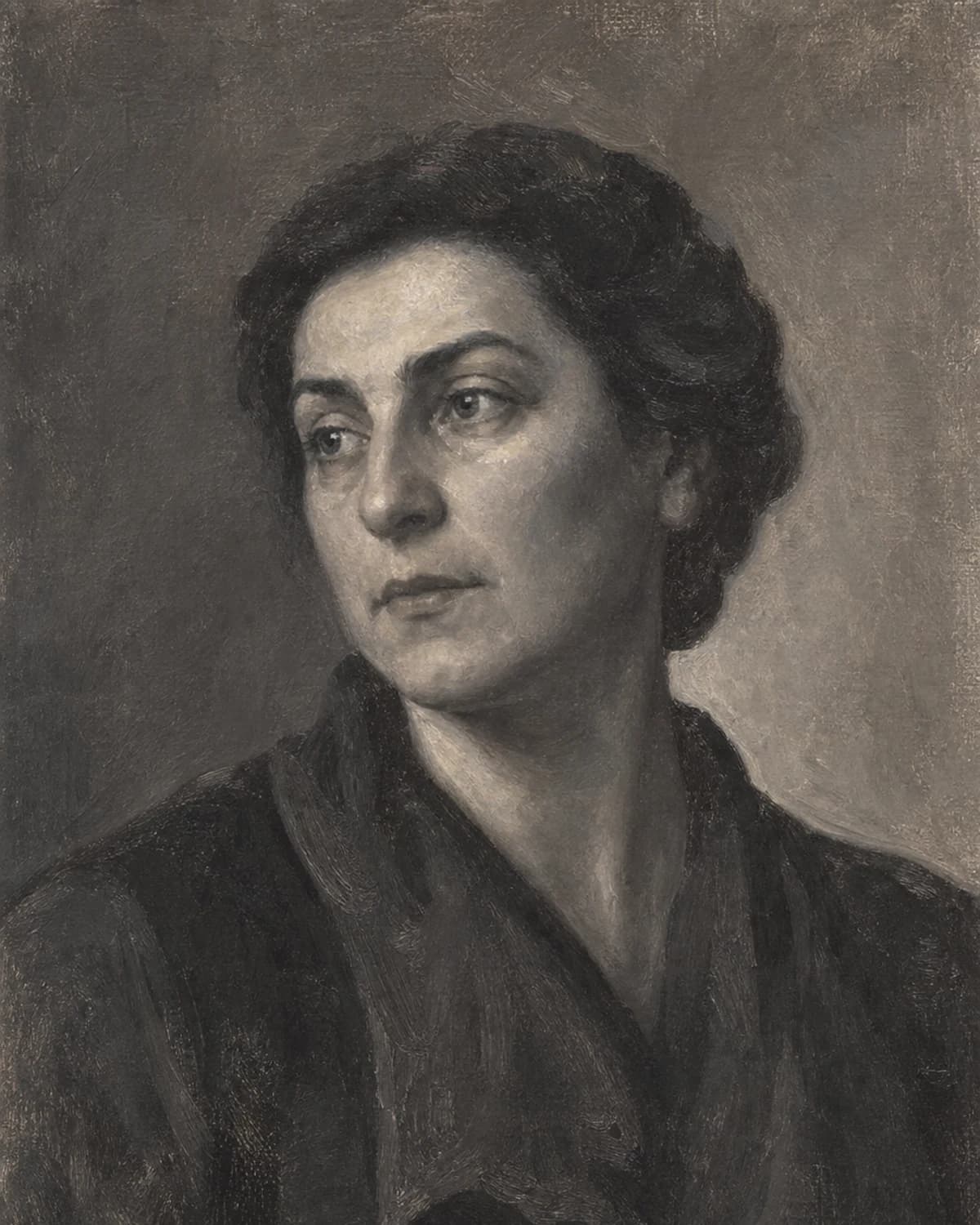
19.08.1905–14.05.1953
Tamar Abakelia
Tamar Abakelia (1905–1953) began in the theatre under the direction of Kote Marjanishvili, but it was sculpture that brought her recognition: in 1936–1937 she made the frieze on the building of the Georgian branch of the Marx–Engels–Lenin Institute in Tbilisi, and later the monument to Lesya Ukrainka in Surami. She illustrated “The Knight in the Panther’s Skin” and designed several Georgian films.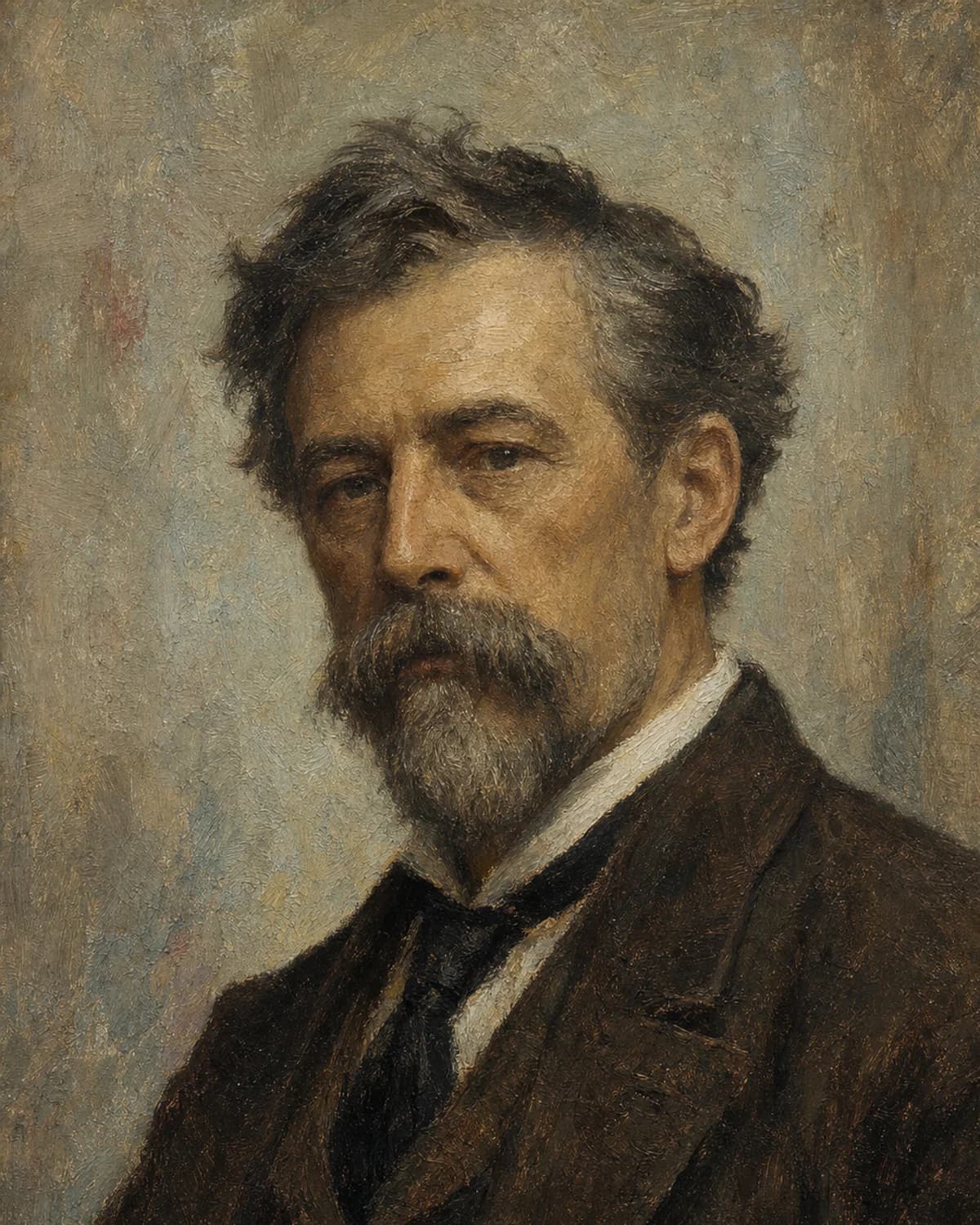
17.08.1855–25.12.1932
Ivan Bogdanov
The son of a Moscow tailor, Ivan Bogdanov (1855–1932) spent eleven years at the Moscow School of Painting, Sculpture and Architecture under Illarion Pryanishnikov and Vladimir Makovsky, and from 1895 belonged to the Wanderers. Pavel Tretyakov bought two of his paintings, “Settling Accounts” and “The Newcomer”. He lived among the Moscow urban poor and painted them, keeping his realist manner after the revolution and beyond.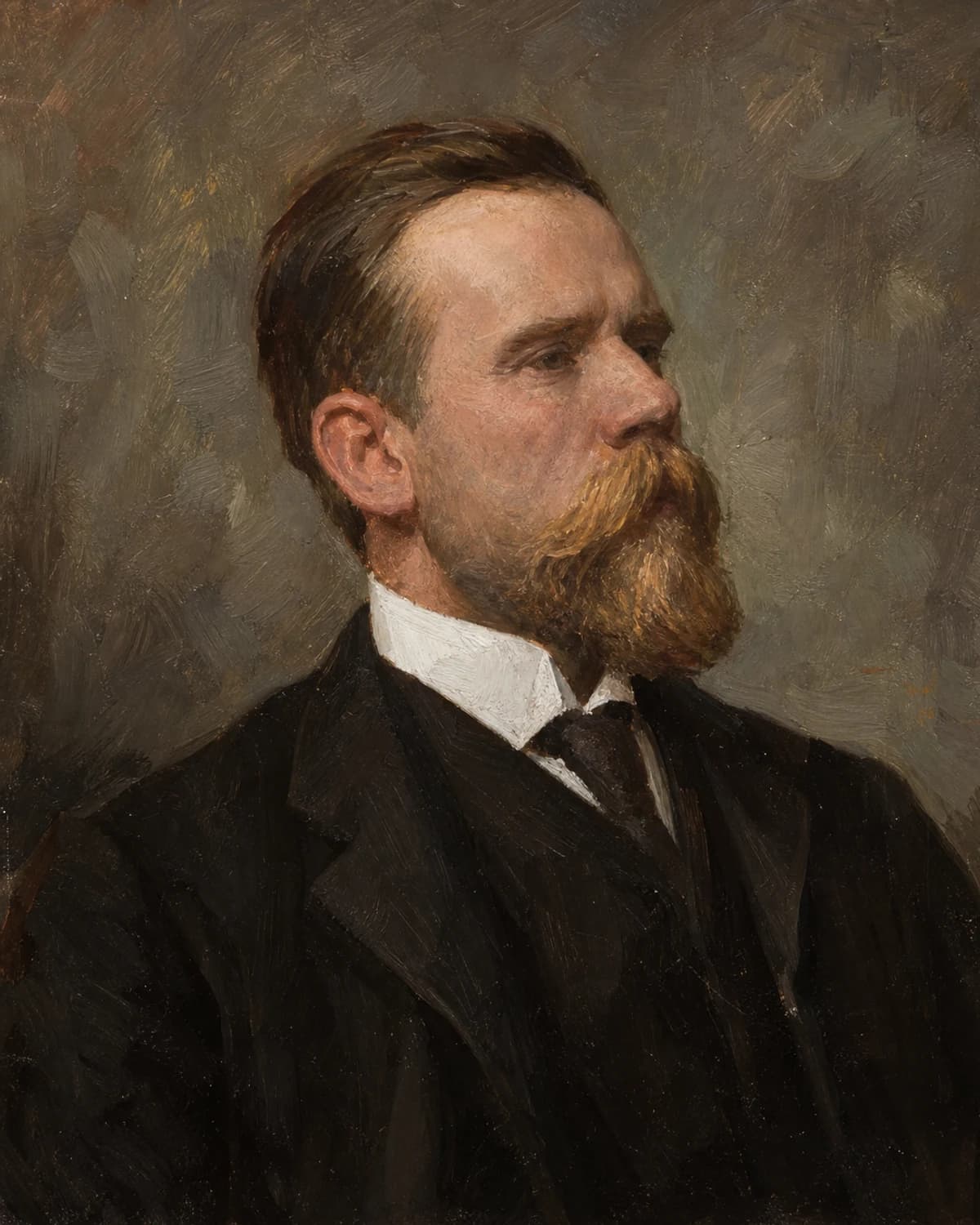
05.11.1873–29.12.1954
Ivan Goryushkin-Sorokopudov
Ivan Goryushkin-Sorokopudov (1873–1954) grew up an orphan in a barge hauler’s family, waited on Volga steamboats as a teenager, and later studied in Ilya Repin’s studio at the Academy of Arts. From 1908 until shortly before his death he taught at the Penza art school, and in 1942–1947 he headed the Penza picture gallery. He painted scenes of old Russia, portraits and landscapes.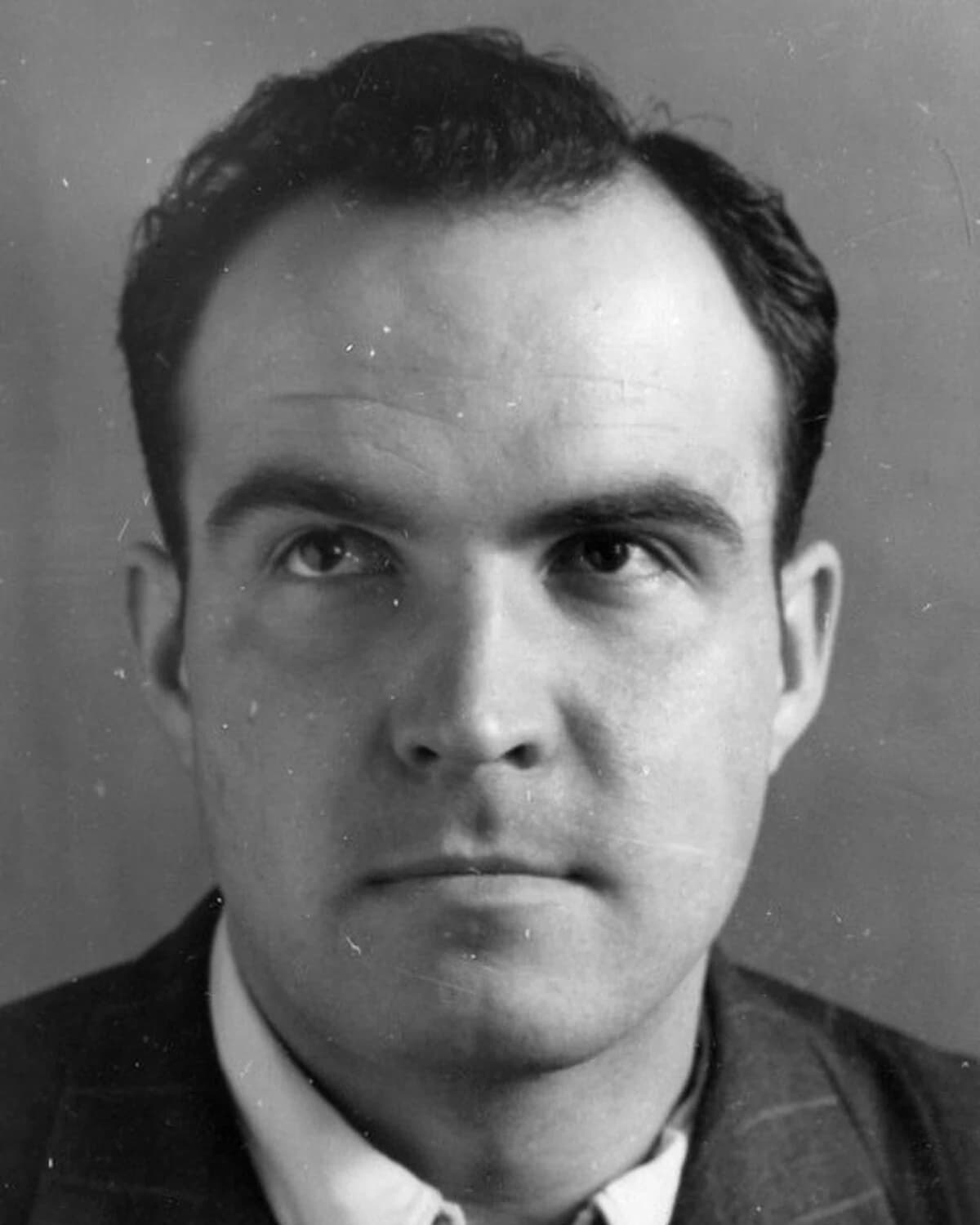
23.10.1919–15.01.1996
Mykhaylo Khmelko
Mykhaylo Khmelko was born in Kyiv into the family of a worker at the Arsenal factory, served in the war as a sapper-cartographer, and then joined a brigade of front-line artists. He became known for the multi-figure canvases “Drink a Toast for the Great Russian People” (1947) and “Triumph of the Victorious Motherland” (1949), both awarded Stalin Prizes. For a quarter of a century he taught painting at the Kyiv Art Institute.20.05.1928–14.03.2007
Illarion Golitsyn
Illarion Golitsyn (1928–2007) came from a princely family, studied in the artistic woodworking department of the Stroganov school and until the 1970s worked mainly in graphic art, later painting a great deal in oil and watercolour. In 1963, at a meeting in the Kremlin, Khrushchev publicly attacked him together with Voznesensky and Aksyonov. His 2003 State Prize was awarded for the series “House in Novogireevo”.27.06.1931–22.09.2010
Ada Rybachuk
Ada Rybachuk (1931–2010) travelled with her husband Volodymyr Melnychenko to the Russian North, where they made linocuts and paintings of the Nenets, and in Kyiv she decorated the Central Bus Station and the Palace of Children and Youth. Their main work, the Wall of Memory on Baikove Hill, was almost finished when it was covered in concrete in 1982. Part of the reliefs was uncovered only in 2018.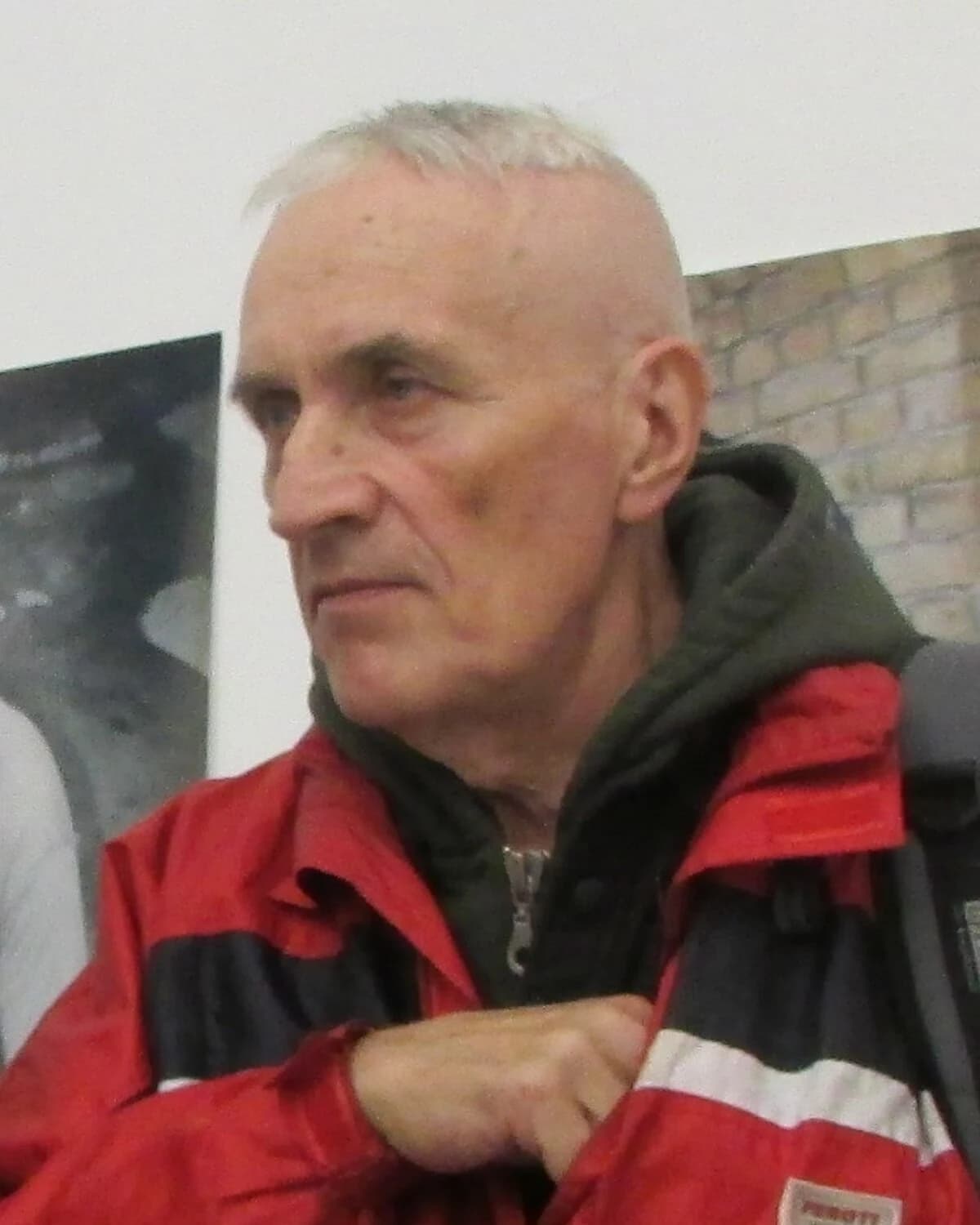
15.05.1947–19.12.2022
Alexandr Rodin
Alexandr Rodin (Alies Rodzin) studied in Minsk, exhibited in Belarus from 1971, and from 2001 to 2014 lived and worked in Tacheles, the artists’ house in Berlin. He painted canvases built from thousands of small lines and dots, and could spend years on a single picture. Together with Zmitser Yurkevich he organised DAKH, a festival of experimental art.25.12.1893–08.02.1983
Serge Ivanoff
Serge Ivanoff graduated from the Academy of Arts in Petrograd in 1922 and at the end of that year walked into Finland, from where he made his way to Paris. In France he drew for the magazine L’Illustration, illustrated books and painted portraits of ballet dancers, cardinals and Pope Pius XI. He later worked in the United States and South America, and died in Paris in 1983.28.04.1941–18.09.2025
Vasyl Lopata
Vasyl Lopata (1941–2025) designed the first Ukrainian hryvnia banknotes together with Borys Maximov: portraits of princes, landscapes and ornaments. He later designed the diplomatic and ordinary passports of independent Ukraine. His main field was engraving, and his illustrations to Shevchenko’s “Kobzar” won him the Shevchenko National Prize. He also wrote prose, including autobiographical novellas.05.08.1912–13.03.1995
Chingiz Akhmarov
Chingiz Akhmarov (1912–1995) grew up in a Tatar family in Troitsk, studied in Perm and Moscow, and spent most of his working life in Tashkent. His murals in the foyer of the Navoi Opera and Ballet Theatre, based on the poetry of Alisher Navoi, won him the Stalin Prize, first class, in 1948. He also made panels, mosaics, portraits and book illustrations.13.05.1913–19.04.1994
Taisia Afonina
Taisia Afonina studied in Leningrad under Igor Grabar and defended her diploma in 1946, after evacuation and work in liberated Luhansk. In 1943 she travelled to Krasnodon to decorate a club before the awards ceremony for the parents of the Young Guard members. From 1952 she lived in Leningrad, painting portraits, landscapes and still lifes, and in the 1980s worked a great deal in watercolour.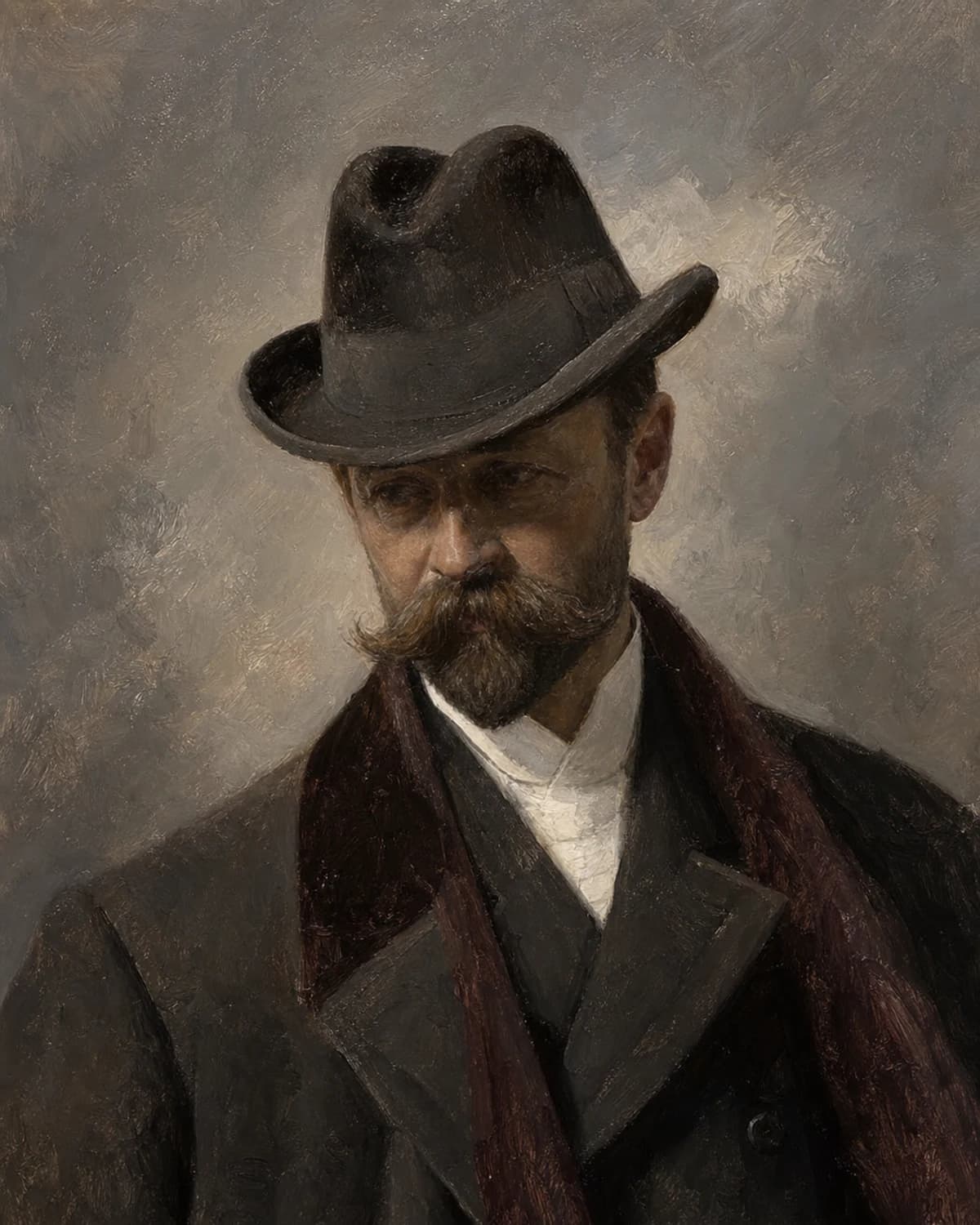
03.01.1872–18.01.1951
Alfred Eberling
Alfred Eberling (1872–1951) studied under Ilya Repin, painted portraits of theatre people and in 1924 won the Goznak competition for the best portrait of Lenin. His drawing appeared on banknotes in 1937 and later served as a watermark on notes of 1947 and 1957. He taught in St Petersburg and Leningrad for almost half a century; his pupils included the art historian Mikhail German.08.05.1918–14.10.1993
Nikolai Baskakov
Nikolai Baskakov (1918–1993) was born in a village near Astrakhan into a carpenter’s family of eleven children, and became a professional painter in Leningrad. He defended his diploma at the Repin Institute with the painting “Lenin and Stalin in Smolny”. He painted workers of the Kirov factory, collective farm women and wartime subjects. In 1989 his work was shown in Paris for the first time.15.06.1920–21.07.2005
Vlady
Vlady (1920–2005), the son of the writer Victor Serge, spent part of his childhood in exile in Orenburg, studied painting in Paris and lived in Mexico from 1943. Beginning in 1973 he spent eight years covering the Miguel Lerdo de Tejada Library in Mexico City with murals on modern revolutions, 2,000 square metres in all. In 2004–2005 he gave Mexico about 4,600 works from his own collection.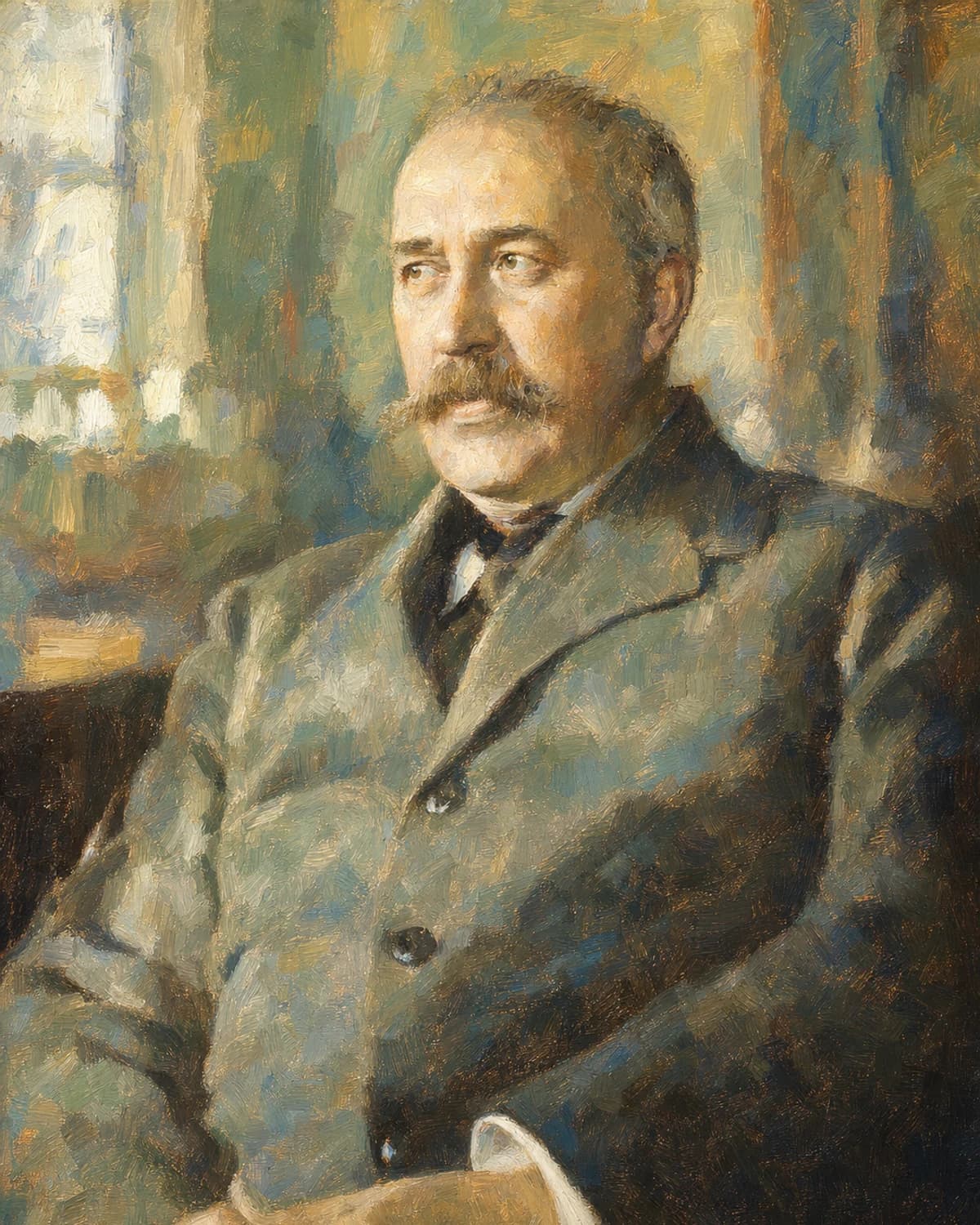
22.08.1861–20.12.1919
Mykhaylo Berkos
Mykhaylo Berkos, a native of Odesa from a Greek family, graduated from the Imperial Academy of Arts in St Petersburg and spent three years travelling in Europe as an Academy pensioner. In Kharkiv he painted flowering fields of flax and buckwheat, and in 1912 he secured the opening of an art college. Almost all the works kept at his home were burned after his death; the rest are scattered across museums.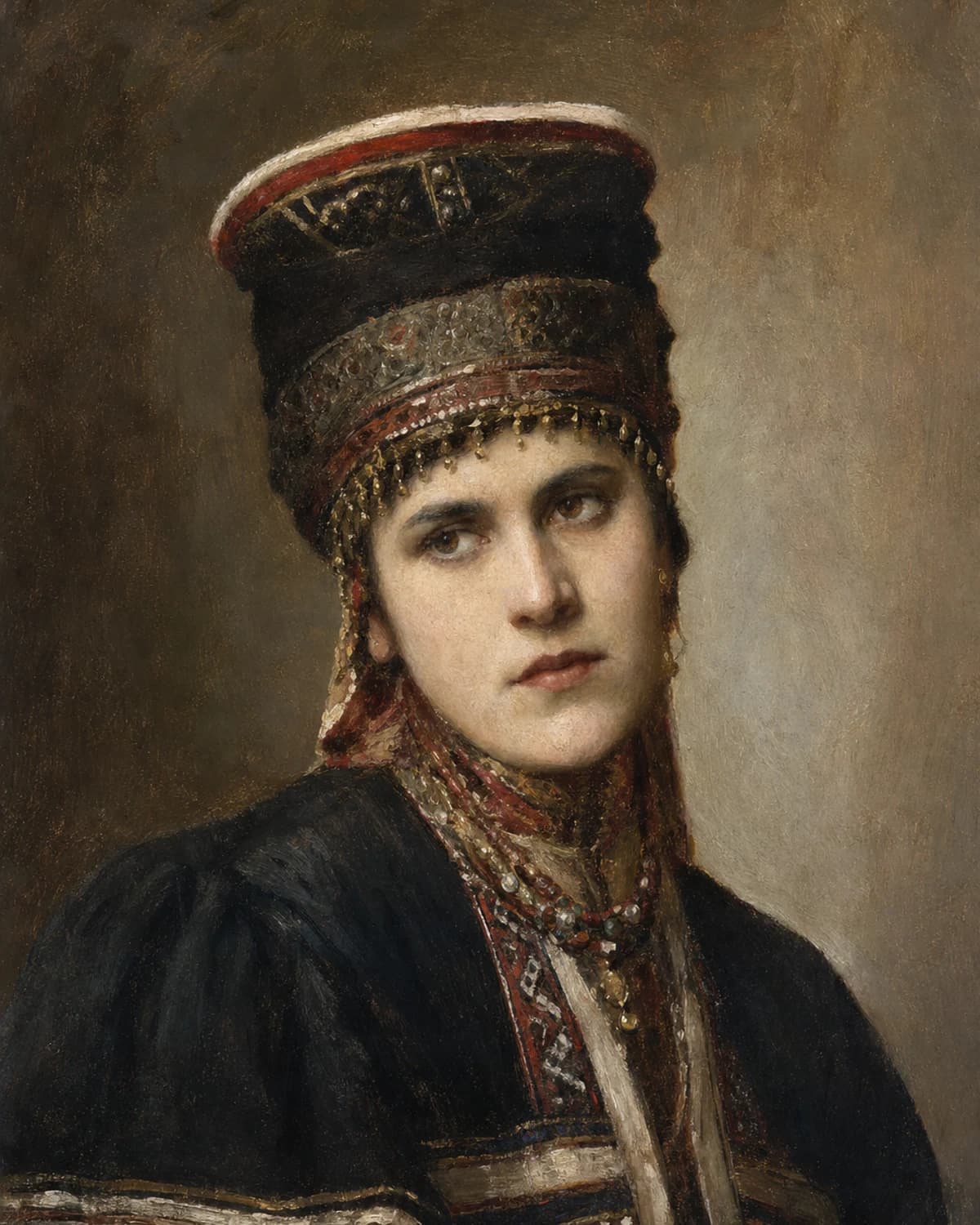
24.11.1843–20.01.1913
Ekaterina Junge
Countess Ekaterina Fyodorovna Tolstaya, married name Junge, studied under her father, vice-president of the Academy of Arts, painted Crimean landscapes and portraits in watercolour, and taught in Kyiv and Moscow. With her husband she stood at the origins of Koktebel as a resort of summer villas. Leo Tolstoy read her memoirs of Shevchenko and of her father’s circle.09.05.1892–27.12.1979
Nikolai Khodataev
In 1924 Nikolai Khodataev (1892–1979), together with Yuri Merkulov and Zenon Komissarenko, made “Interplanetary Revolution”, one of the first Soviet animated films, and set up an experimental animation workshop in Moscow with his own money. He later directed “China in Flames”, “The Samoyed Boy” and “The Little Organ”. From the mid-1930s he left animation for painting and sculpture.20.02.1908–30.07.1964