
06.07.1930–28.05.2025
Research · Sources · Context
Artists
Biographies, facts and images with open sources and verified rights.
Found: 1775
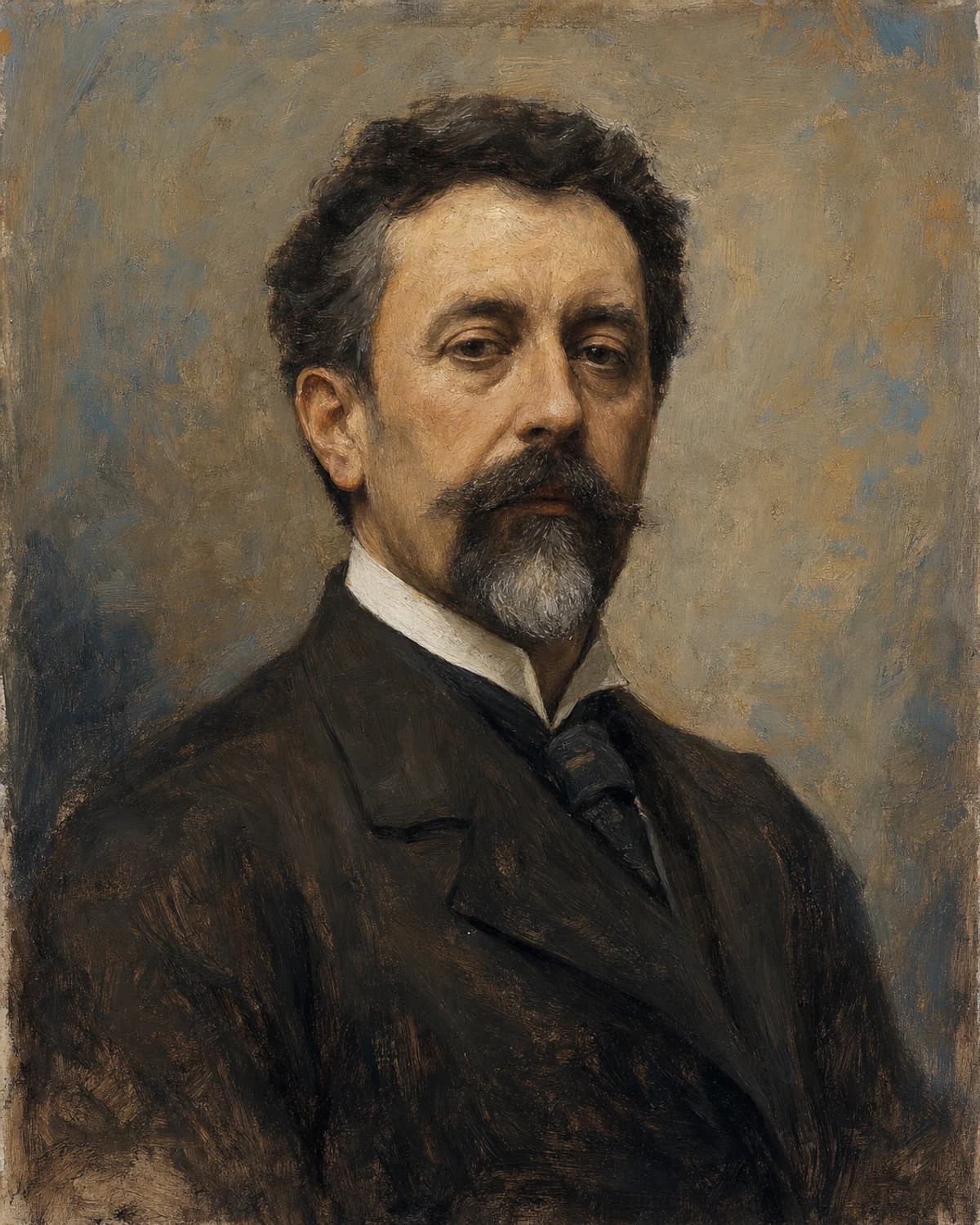
03.05.1857–20.09.1917
José Gallegos y Arnosa
José Gallegos y Arnosa, the son of a winery employee from Jerez, sold the painting “Arab Wedding” to the government in 1878 and used the money to go to Rome, where he stayed for the rest of his life. He painted church and clerical scenes, won a gold medal in Berlin in 1891, and in 1900–1906 made a marble altar for the church of Santiago in his home town.30.06.1923–10.02.1987
Sadequain
Sadequain painted murals on public buildings: the State Bank of Pakistan in Karachi, the powerhouse at Mangla Dam, the library of Punjab University, the Lahore Museum. He turned Arabic calligraphy into painting in its own right and wrote rubaiyat, which he published at his own expense. He received an award at the 1961 Paris Biennale, and death found him in Karachi still working on his last mural.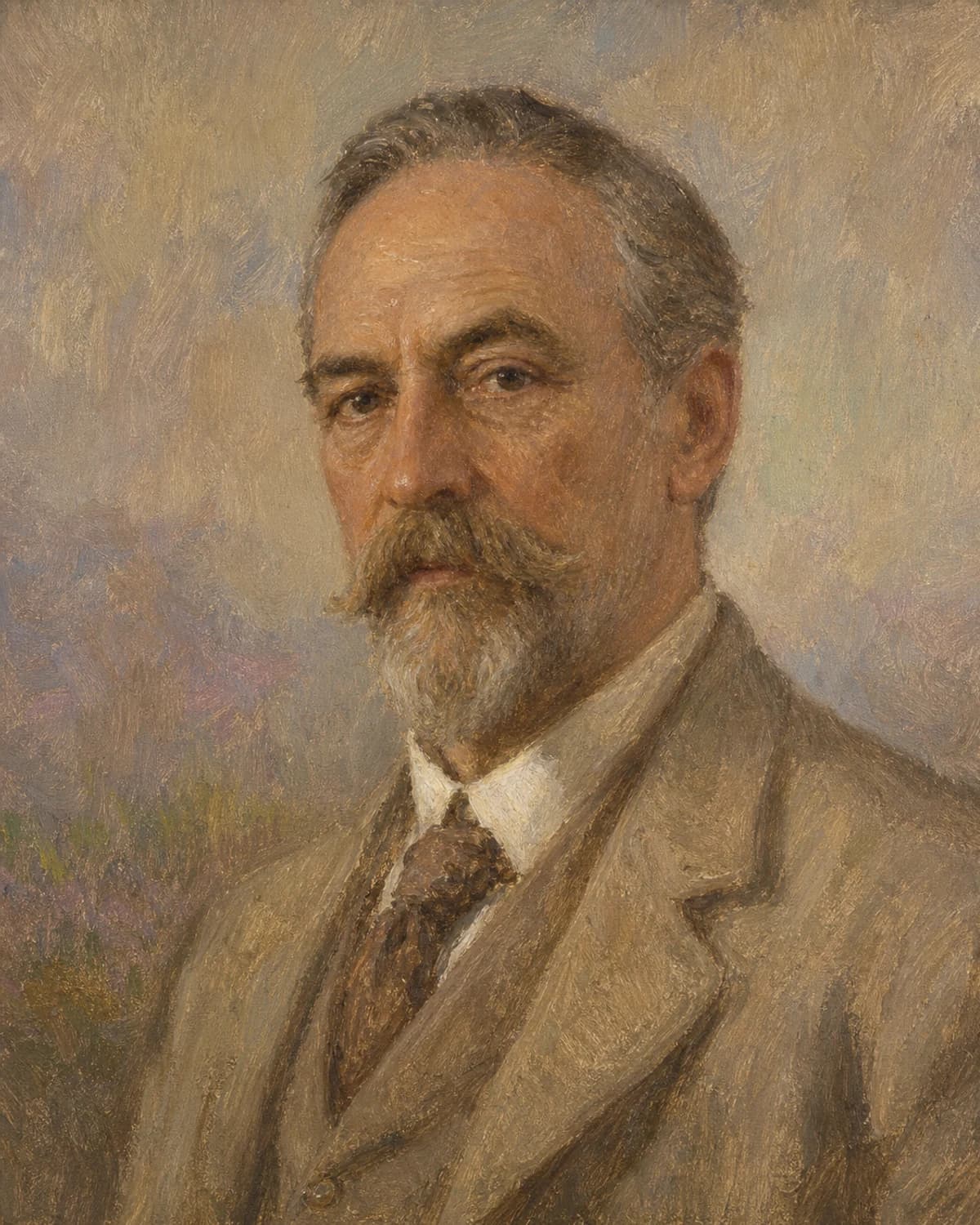
20.08.1853–22.01.1936
Jan Ernst Abraham Volschenk
Jan Volschenk (1853–1936) worked as a bookkeeper in a law firm in Riversdale until the age of fifty-one and painted in oils in his spare time. In 1904 he left the office for painting. His main subject was the Langeberg mountains and the Karoo, the semi-desert of the Western Cape; his work is held in the leading museums of South Africa.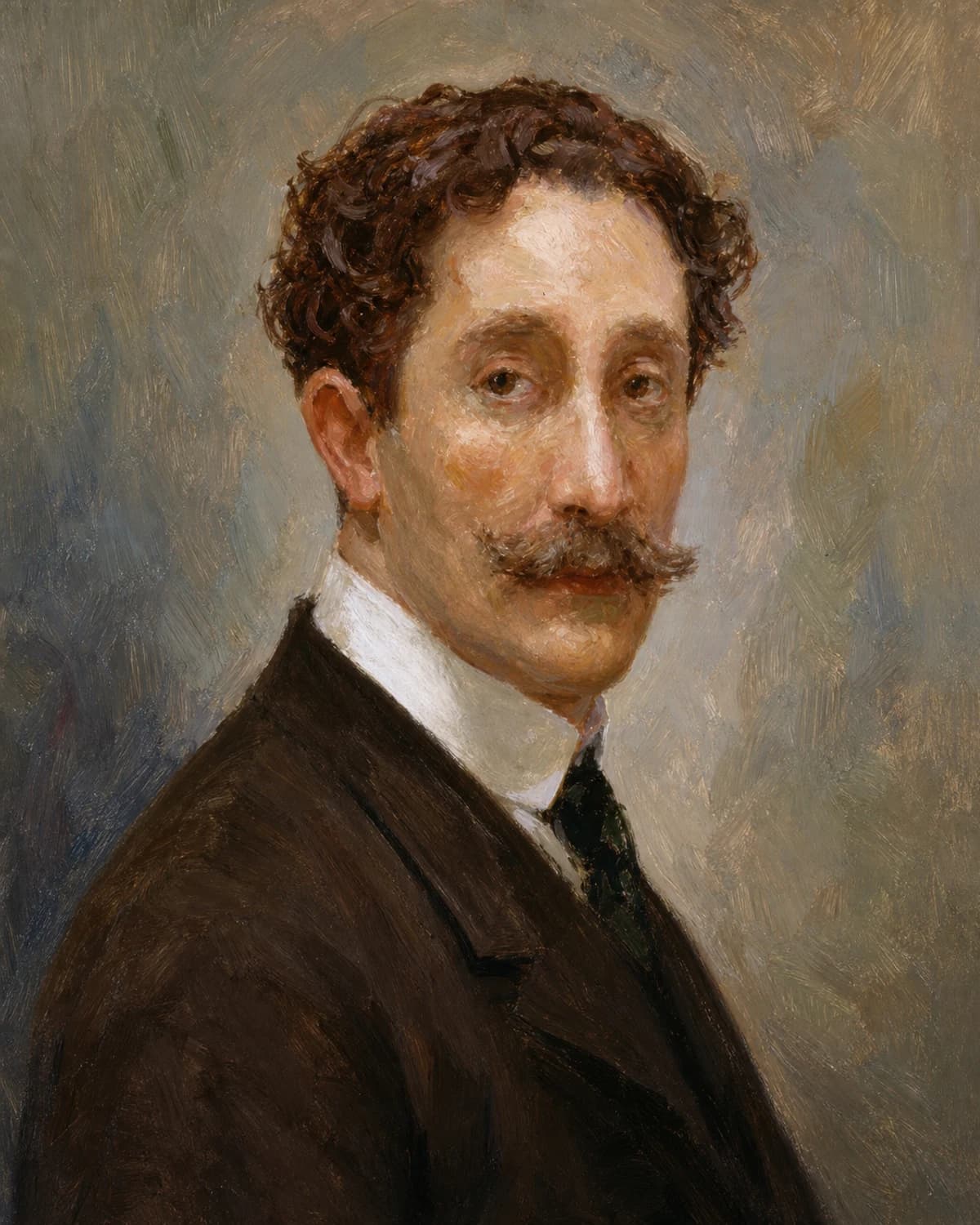
16.12.1860–29.04.1945
Andrés de Santa Maria
Andrés de Santa Maria was born in Bogotá but from the age of two grew up in London, Brussels and Paris, and studied under Henri Gervex. In 1887 his “Launderers of the Seine” was accepted at the Paris Salon. He then spent a decade and a half in Colombia, where he directed the art academy, and worked in Brussels until his death.
15.01.1949–present
Pedro Pablo Oliva
Pedro Pablo Oliva (born 1949) studied at the art school of his native Pinar del Río and at the National School of Art in Havana, and has exhibited since 1974. His painting “The Great Blackout” (1994) is about the Cuban years of the “Special Period”. He began a series of portraits of Fidel Castro, “The Great Grandfather”, in 2003, and since 2005 has also worked in bronze.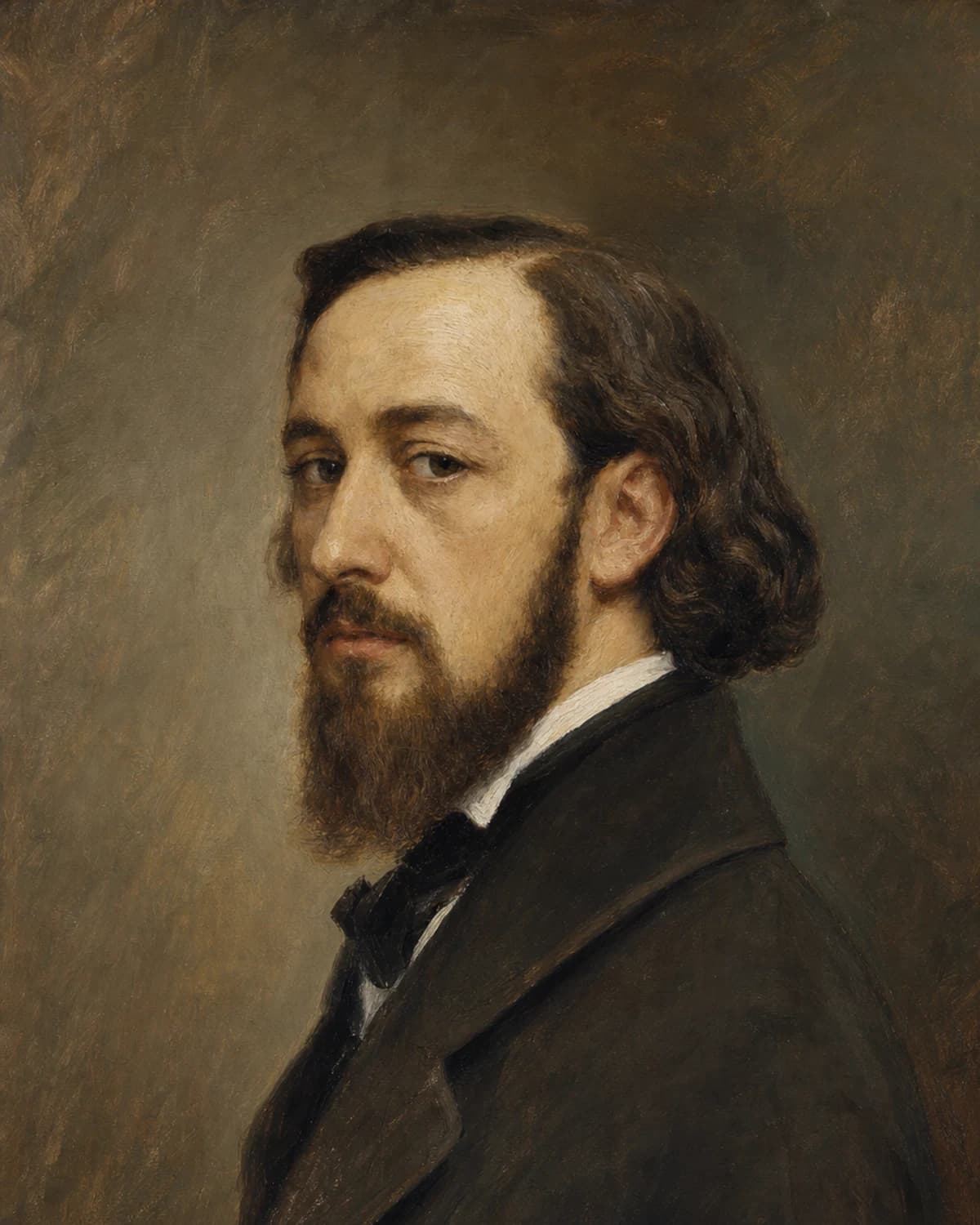
19.01.1824–11.01.1884
Emmanuil Dmitriev-Mamonov
At fifteen, before he had studied painting, Emmanuil Dmitriev-Mamonov sketched Gogol reading “Dead Souls”, and many consider this drawing the best of his works. He later portrayed the Moscow Slavophiles, studied at the Moscow School of Painting and Sculpture, lived in Italy and published articles on art and on the fate of Slavophilism.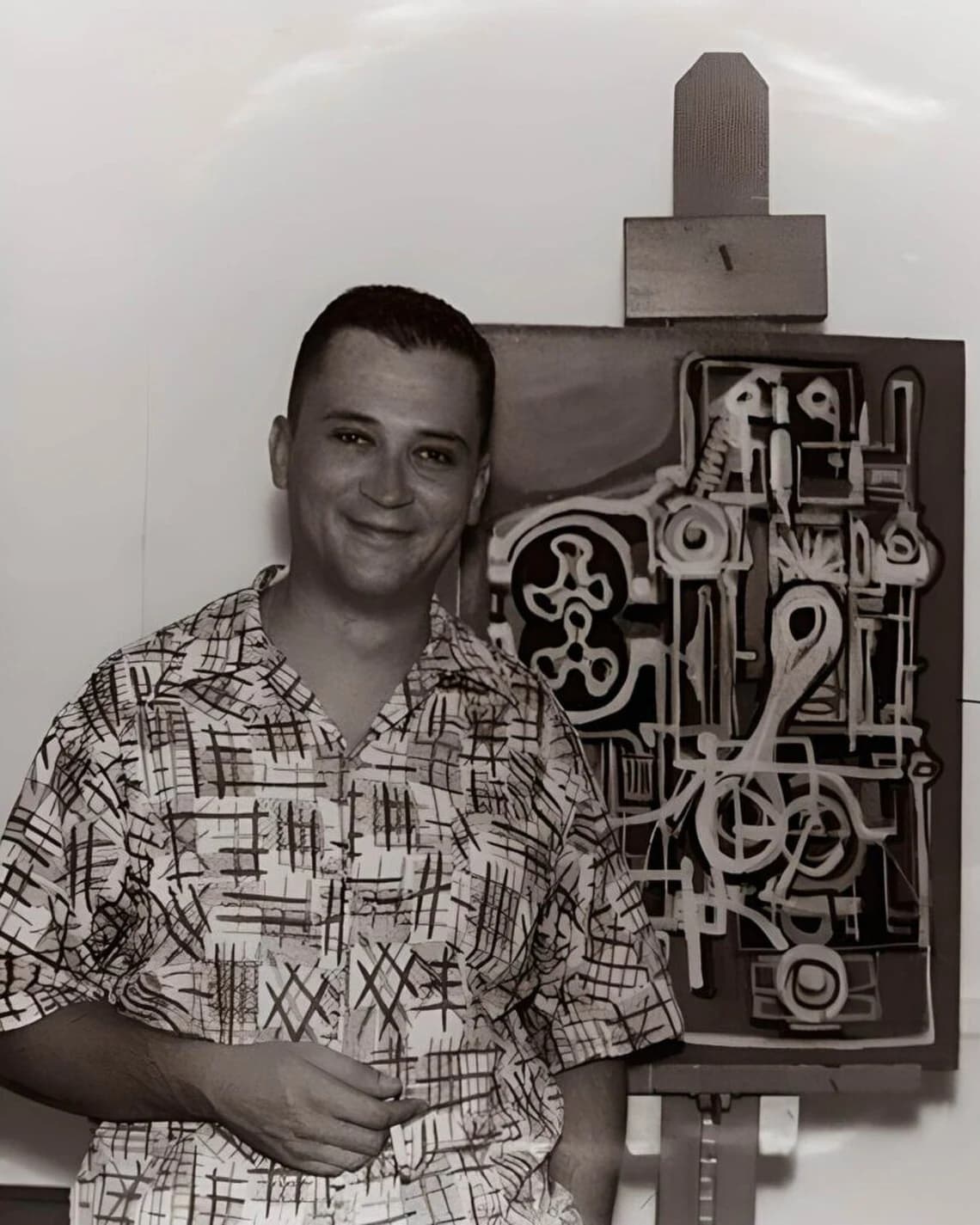
27.08.1924–02.06.1984
Fernando Zóbel de Ayala y Montojo
Fernando Zóbel was born in Manila into the influential Zóbel de Ayala family and became one of the central figures of Spanish abstract painting. In 1966 he founded the Museum of Spanish Abstract Art in Cuenca, and in 1980 he gave its collection to the Juan March Foundation. His first series, the Saetas and the Serie Negra, were made with paint squeezed from a medical syringe and with Chinese calligraphy as a model.1930–present
Ahmed Morsi
Ahmed Morsi was born in Alexandria, studied English literature, took lessons in the studio of an Italian painter, and published his first book of poems at nineteen. He designed productions for the National Theatre in Cairo, helped found the magazine Galerie 68 in 1968, and has lived in New York since 1974. His paintings are placed among the second generation of Egyptian Surrealists.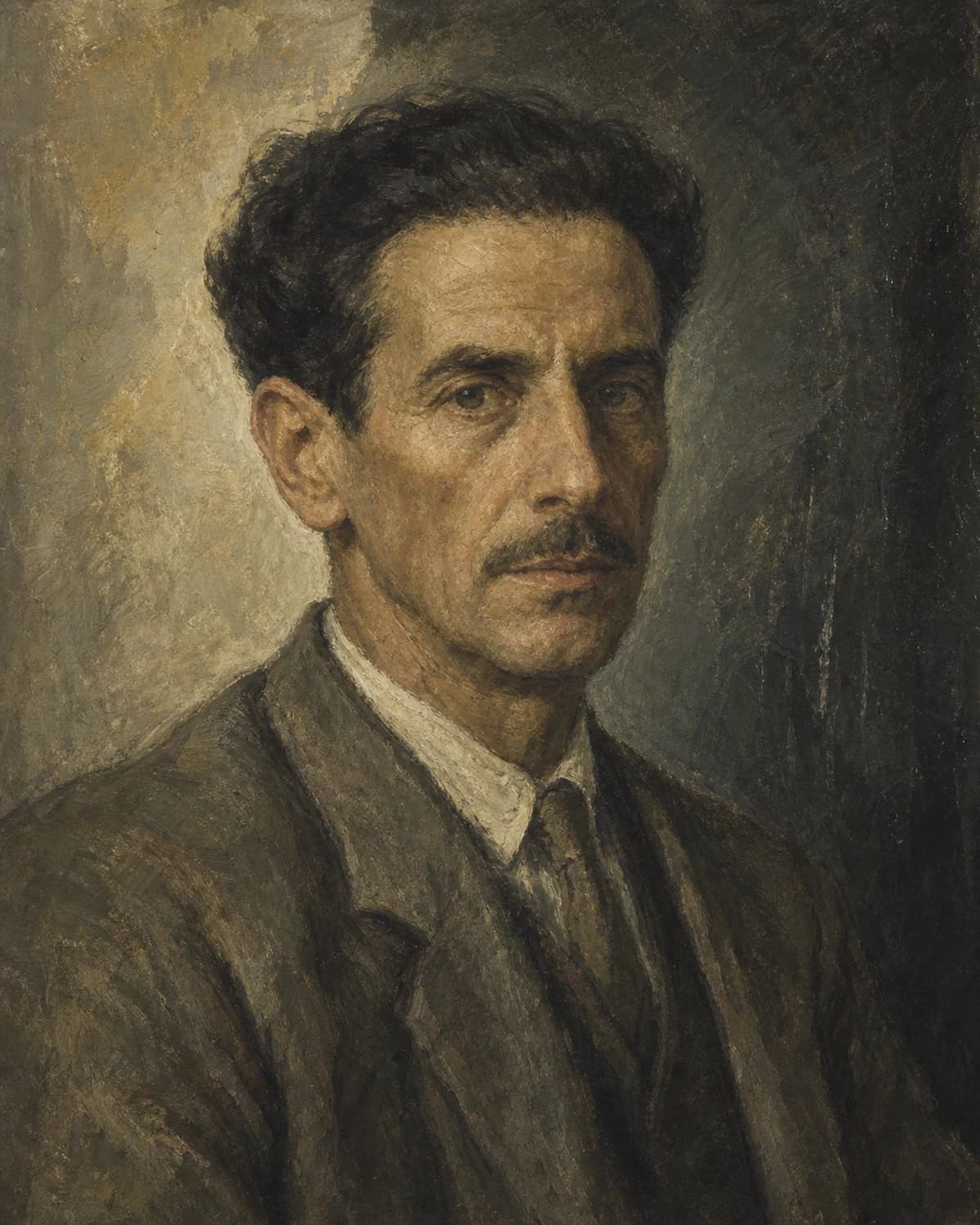
1906–1954
Santiago Martínez Delgado
Santiago Martínez Delgado (1906–1954) studied in Chicago for five years, went to Frank Lloyd Wright at Taliesin and in 1933 won the Logan Medal for a mural at the World’s Fair. In Colombia he painted the Elliptical Room of the Capitol in Bogotá, edited the magazine “Vida” and published books on the iconography of Bolívar. He died at forty-seven, leaving unfinished a huge canvas for a bank.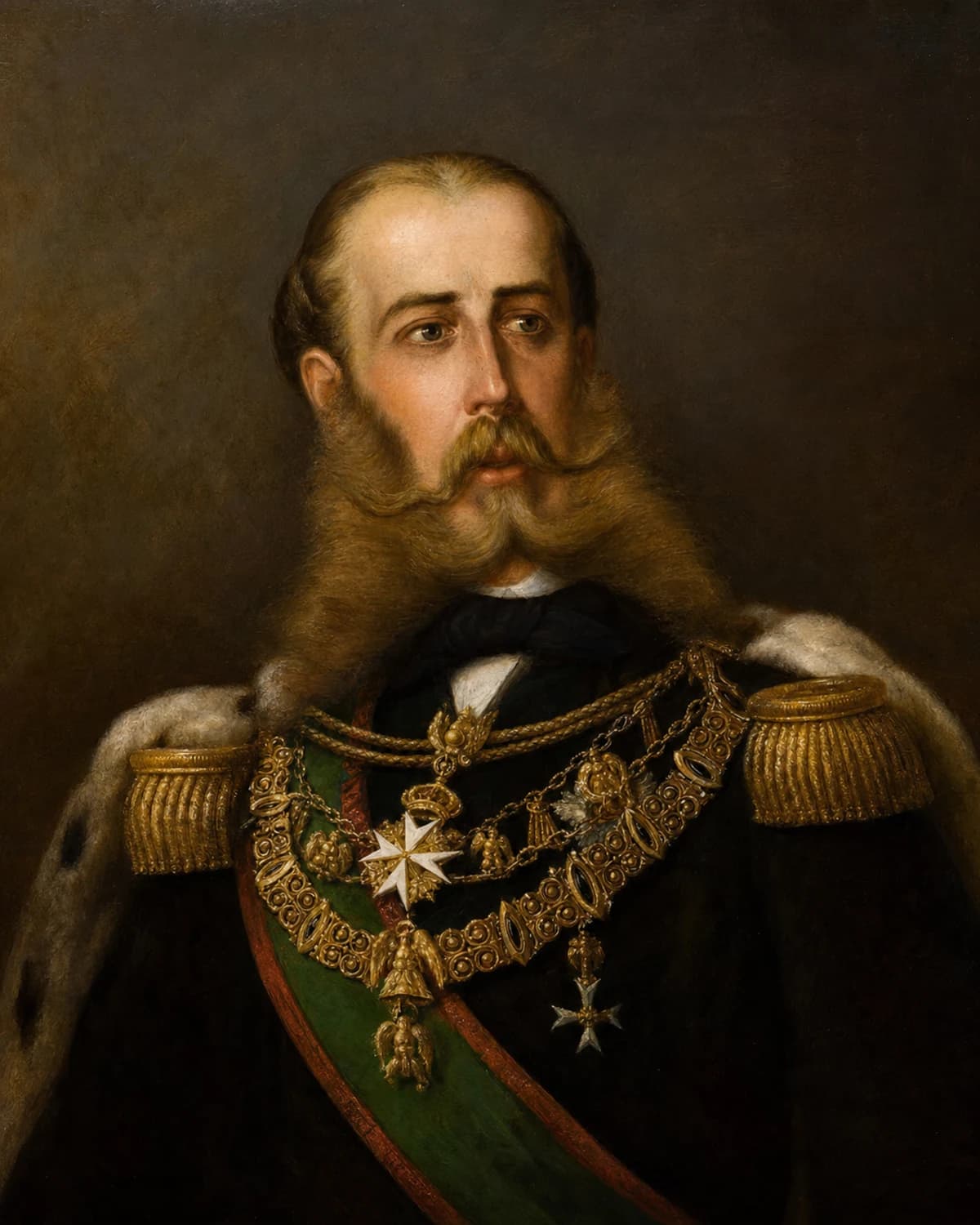
1832–1902
José María Obregón
José María Obregón (1832–1902) spent sixteen years at the Academy of San Carlos in Mexico City, painted portraits at the court of Emperor Maximilian and in 1869 showed “The Discovery of Pulque”, with Indigenous figures in the guise of Greek heroes. The painting, now in the Museo Nacional de Arte, brought him his greatest fame.29.05.1928–01.03.2022
Nikolai Galakhov
Nikolai Galakhov was born in Kazan, spent his childhood on the Volga and kept returning to the river in his paintings for the rest of his life. He studied in Leningrad at the Repin Institute and in 1955 was admitted to the Union of Artists on the strength of a series of Volga landscapes. His mature style took shape in the North: Karelia and the White Sea became his main subject. Honored Artist of the RSFSR (1985).04.11.1912–31.03.1969
Botong Francisco
Carlos Modesto Villaluz Francisco, known to everyone as Botong, painted the walls of Philippine hospitals, hotels and churches with scenes from the country’s history: the Blood Compact, the First Mass at Limasawa, the execution of José Rizal. In 1953 his mural for the entrance of the first Philippine International Fair appeared in a double-page spread in Newsweek. His last work, “Camote Diggers”, was left unfinished.02.01.1936–03.01.2023
Karim Bennani
Karim Bennani was born in Fez, left commercial studies for an art academy and in 1954 went to study at the École des Beaux-Arts in Paris. In 1957 he showed work at the Galerie du Bac in Paris and was invited to the Alexandria Biennale. In 1972 he became a founding member of the Moroccan Association of Plastic Arts and its first president.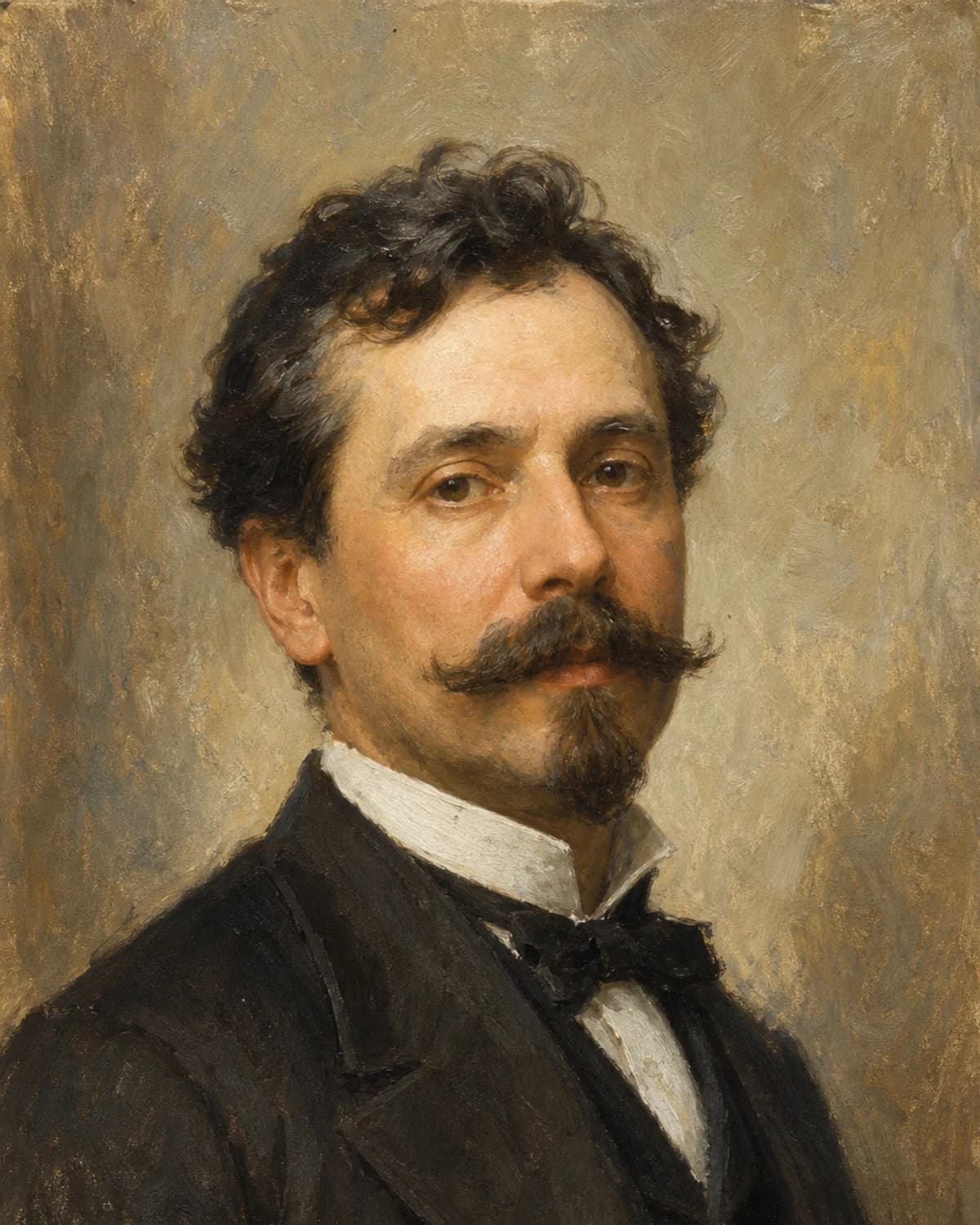
1837–1923
Federico del Campo
A Peruvian born in Lima, Federico del Campo studied in Madrid, lived in Venice from 1880 and painted its views: the Grand Canal, the Doge’s Palace, St Mark’s Basilica. Demand for them, especially among English tourists, was so strong that he painted some subjects several times. In 1893 he moved to London, where he worked for aristocrats and well-to-do merchants.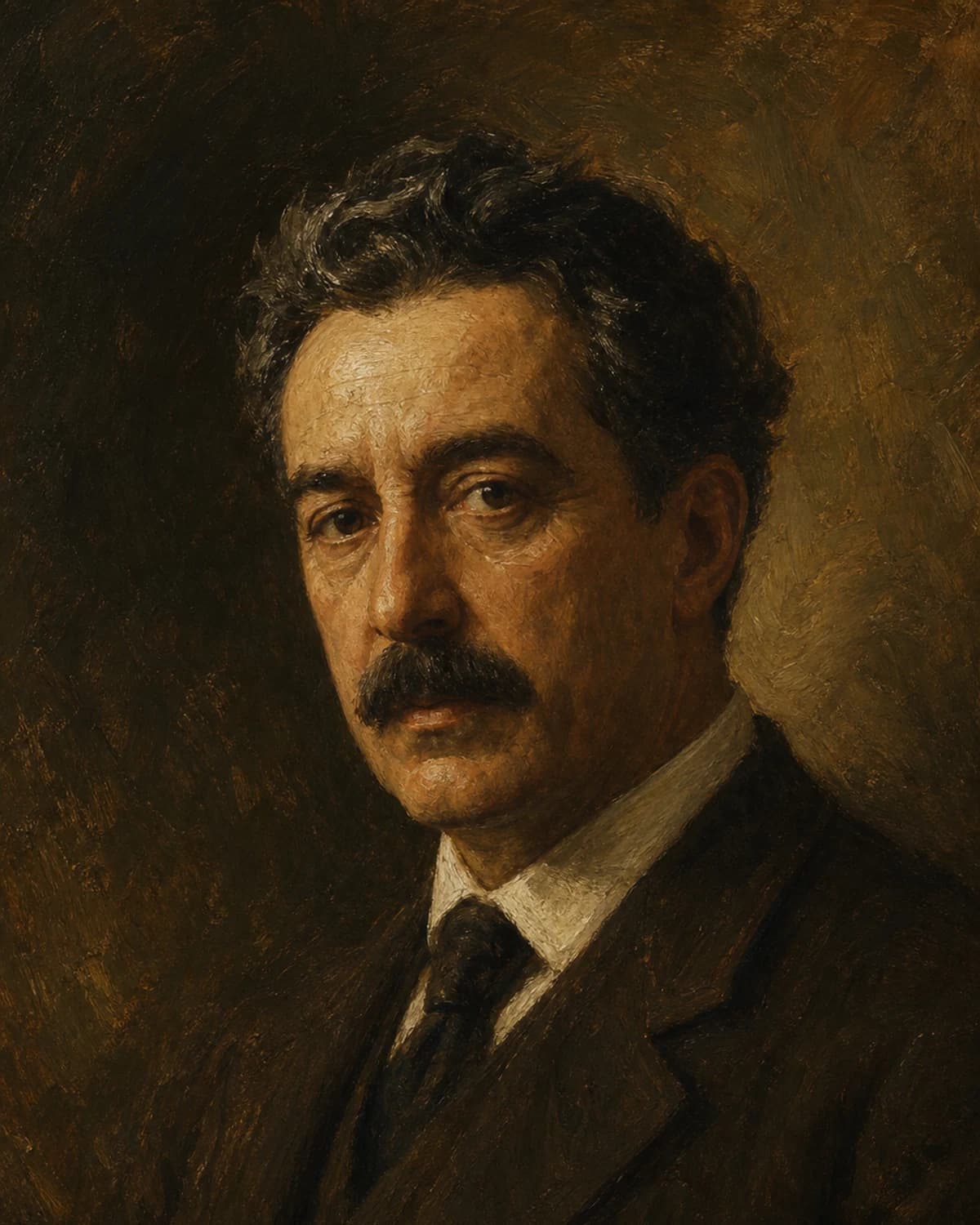
1862–1951
Leopoldo Romañach
Leopoldo Romañach (1862–1951) was orphaned at five and grew up in Spain, then returned to Cuba and studied in Havana and in Rome. For many years he taught colour theory at the San Alejandro academy, where Amelia Peláez and Víctor Manuel were among his students. He took part in the decoration of the Presidential Palace and the Capitol in Havana.0400–0360
Aristides of Thebes
Aristides of Thebes, known as the Younger, worked in the middle and second half of the 4th century BC, a contemporary of Apelles. Ancient writers remembered him for paintings of intense emotion: a dying mother and her child in a captured city, and a “Battle with the Persians” of a hundred figures. None of his works survives; they are known only from descriptions.1906–15.03.1993
Georgette Chen
Georgette Chen (born Chang Li Ying) grew up between Paris and China and studied in New York and Paris, and in 1930 two of her paintings were accepted by the Salon d’Automne. From the 1950s she lived in Malaya and Singapore, taught for almost thirty years at the Nanyang Academy of Fine Arts, and painted local fruit, landscapes and portraits in oil. In 1982 she was awarded Singapore’s Cultural Medallion.1923–2006
Grace Kwami
Grace Salome Kwami (1923–2006) was born in Worawora, in the Volta Region, and studied first at the Basel Mission's women's teacher training college in Agogo, then at the Kumasi College of Arts. From 1954 to 1957 she worked as a sculptor at the National Museum of Ghana, and she then taught in schools until 1978. Her works are held in Ghanaian museums and were shown in an exhibition in Washington.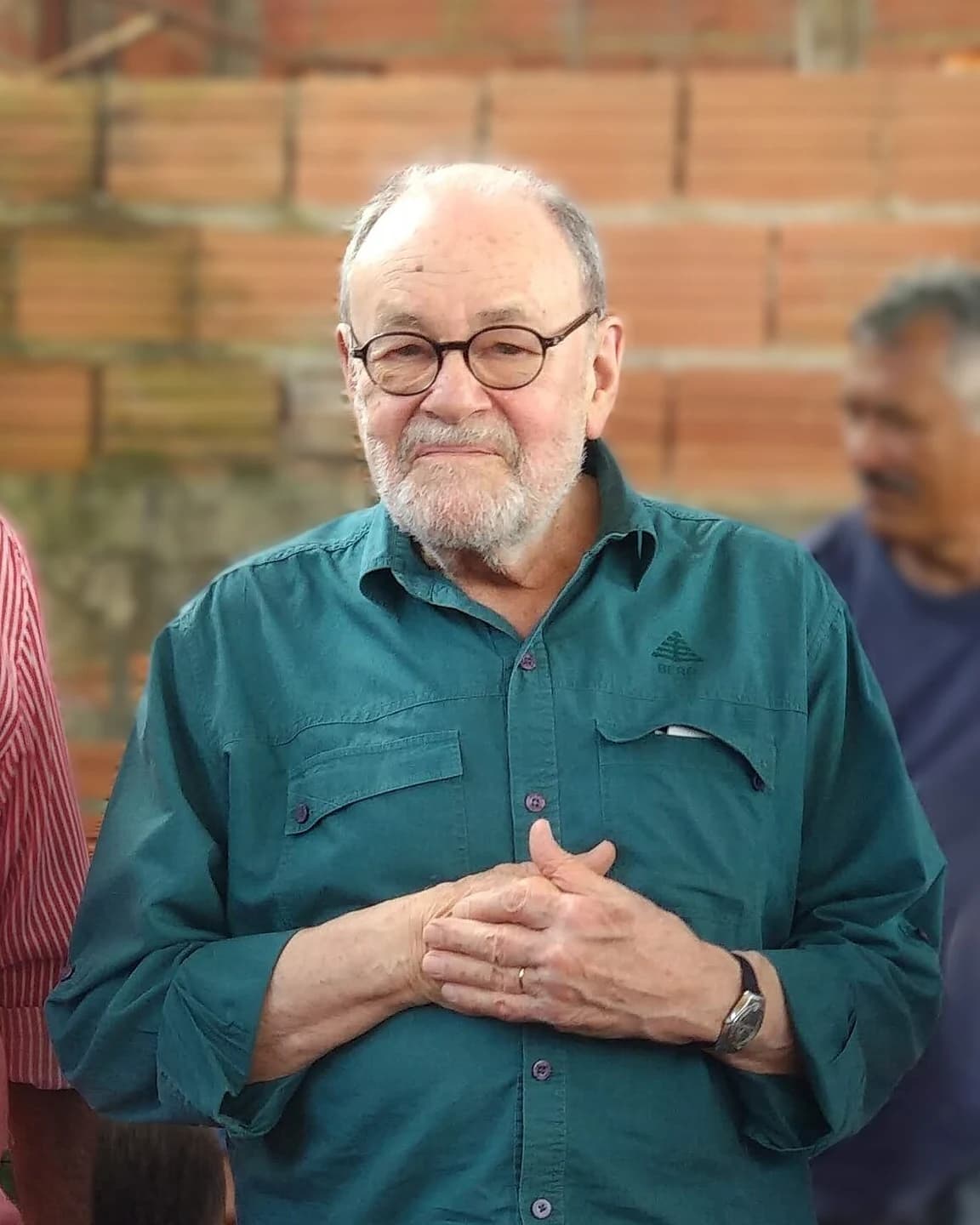
25.07.1938–present
Sérgio Ferro
Sérgio Ferro (born 1938) graduated in architecture from the University of São Paulo, co-founded the group Arquitetura Nova with Rodrigo Lefèvre and Flávio Império, and wrote “Design and the Building Site”. After a year in prison under the military dictatorship, he has lived in Grenoble since 1972, where he taught and painted frescoes for schools. His painting is built on unfinished images and references to Michelangelo.23.12.1900–11.07.1990
Ignacio Aguirre
Ignacio Aguirre (1900–1990) fought in the Mexican Revolution on Carranza’s side at fourteen, then worked in mines, and only after that became an artist. He was one of the founders of the Taller de Gráfica Popular, its director from 1953, and the author of prints about rural Mexico, among them “El Regreso del Bracero” and “Adelita”. In 1956–1957 his work was shown in an exhibition in Eastern Europe.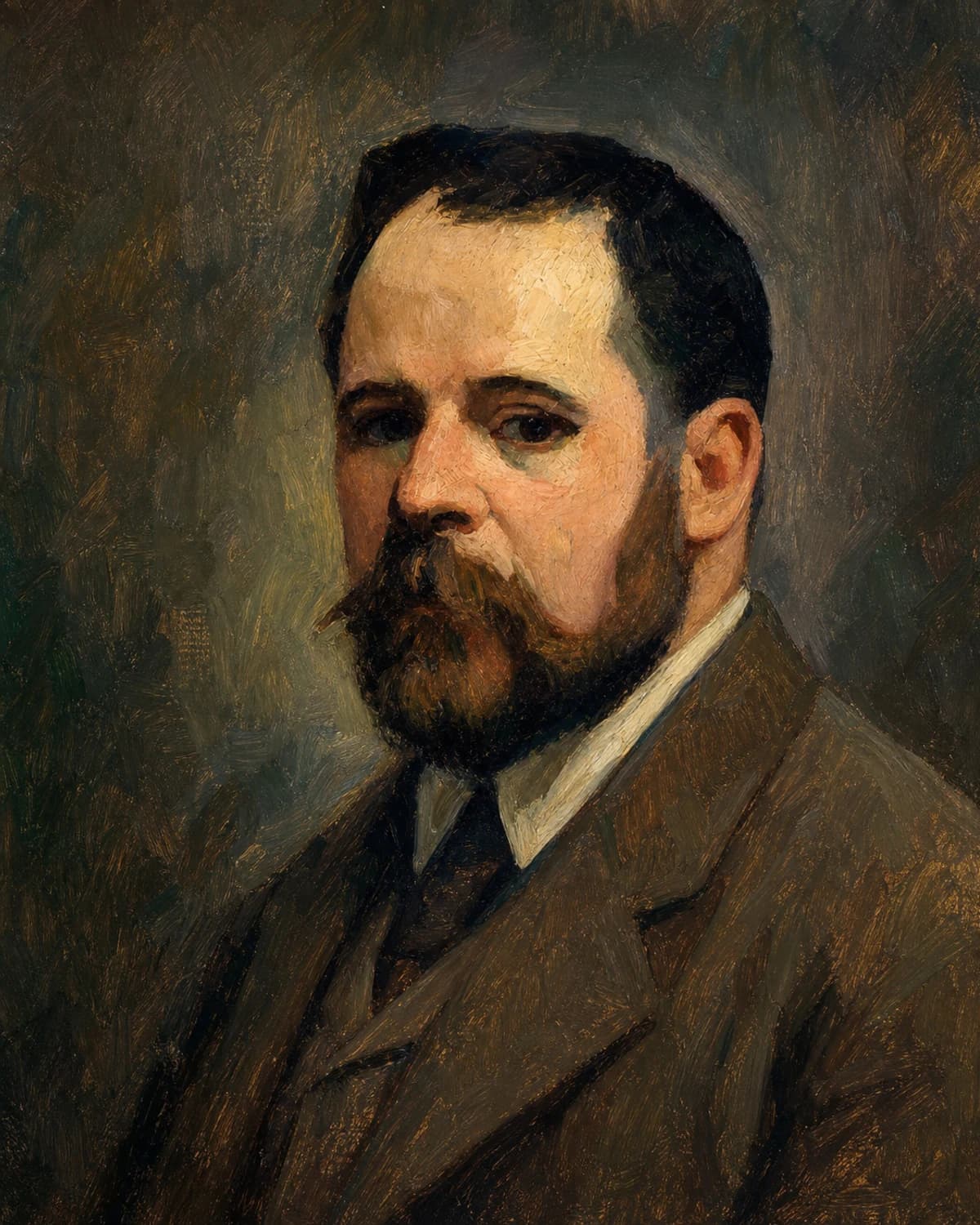
13.07.1875–23.06.1944
Arthur Segal
Arthur Segal, a native of Iași and the son of a banker, studied in Berlin, Paris and Munich, was among the founders of the Neue Sezession in 1910, and lived in Ascona, Switzerland, during the First World War. In 1923 he opened his own school in Berlin; after 1933 he was forced to leave Germany and in 1936 founded a second school in London.
1945–21.11.2019
Toshio Saeki
Toshio Saeki (1945–2019) grew up in Osaka, studied Western oil painting in Kyoto and worked as an advertising designer before moving to Tokyo. His drawings, rooted in shunga and yōkai traditions and mixing eroticism with brutality, appeared in the book “Red Box” (1972); one of them ended up on the cover of an album by John Lennon and Yoko Ono. He exhibited in Asia, Europe and America.18.08.1963–present