
1832–1902
José María Obregón
José María Obregón (1832–1902) spent sixteen years at the Academy of San Carlos in Mexico City, painted portraits at the court of Emperor Maximilian and in 1869 showed “The Discovery of Pulque”, with Indigenous figures in the guise of Greek heroes. The painting, now in the Museo Nacional de Arte, brought him his greatest fame.
Biography
In 1869 the Mexican public saw a large canvas, 189 by 230 centimetres, at an academy exhibition. In it an Indigenous girl, Xochitl, offers a cup of pulque, the fermented drink made from the agave plant, to the lord of Tula, and the figures are painted as if they were heroes of a classical myth. The painter was José María Obregón, and “The Discovery of Pulque” became the most discussed work of his career.
He was born in Mexico City in 1832 and died there in 1902.
In 1852 Obregón entered the Academy of San Carlos and stayed for sixteen years. Among his teachers are named Miguel Mata y Reyes and the engraver Santiago Baggally, but the strongest influence on his manner was the Catalan Pelegrín Clavé, who taught at the academy. From 1855 Obregón took part in the academy’s annual competitions and won awards in them, including a stipend. For “San Lorenzo” (1855) he was given third prize, and for “The Inspiration of Columbus” (1856), now in the Museo Nacional de Arte, second. “Giotto and Cimabue” (1857) is kept there as well. In 1858 he took first prize for “Hagar and Ishmael in the Desert”. He chose historical, biblical and everyday subjects: “The Melon Seller” (1858), “Naomi and Her Daughters-in-Law” and “Christ in the Garden of Gethsemane” (both 1862). The classical ideal of beauty was combined in his work with a Romantic line and a few Neoclassical traits. Historical accuracy, as scholars note, interested him little.
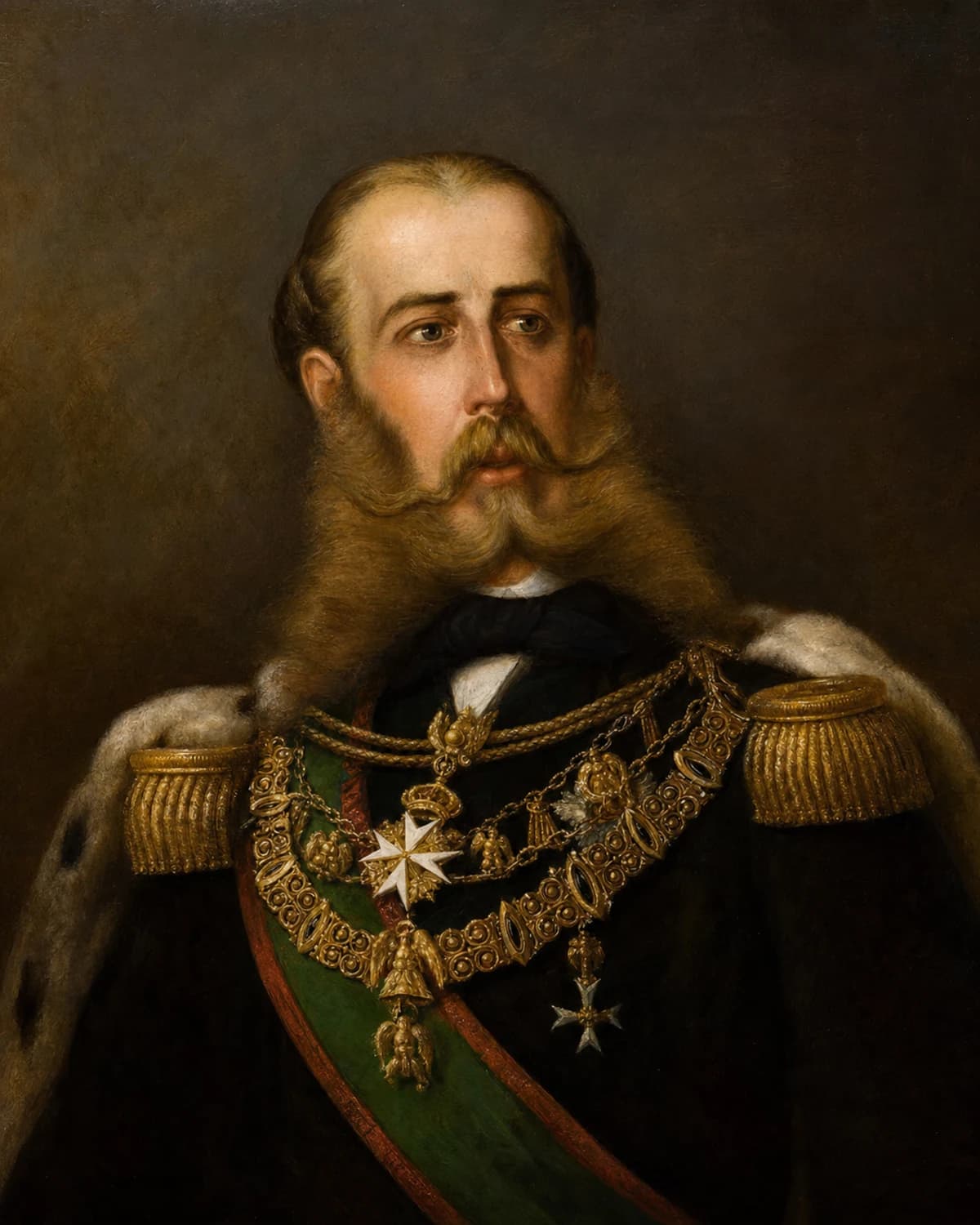
In 1864–1867 Obregón was among the portraitists at the court of Emperor Maximilian. The emperor commissioned from him portraits of the leaders of Mexican independence José María Morelos and Mariano Matamoros; the portrait of Matamoros is dated 1868 and is held in the Museum of Mexican History in Monterrey.
From 1869 he taught drawing at the Academy of San Carlos itself. In 1875–1881 he was commissioned to paint twelve medallions for the gallery dedicated to the academy’s centenary. In oil on canvas he depicted four allegories of the fine arts (painting, sculpture, architecture and engraving) and eight patrons of the academy, among them Charles III, Charles IV and Martín de Mayorga, viceroy of New Spain. “The Discovery of Pulque” brought Obregón his loudest fame. Other artists began to imitate him, turning to Indigenous subjects. The painting is often called a forerunner of Mexican muralism, which took shape only some fifty years after it. To my mind the link is rather one of subject: Obregón painted no murals, but the turn to the pre-Columbian past was indeed a step in that direction. Later he painted portraits: a portrait of a woman (1876), a portrait of Porfirio Díaz (1883), a portrait of José Francisco Naranjo de la Garza (1884), which is in the National Palace, and “Lady in a Black Mantilla” (1893). By then he was no longer teaching: in 1891, because of an eye ailment, he had to leave the academy.
Related context
Associations
Works connected through artistic movements, cultural context and period. Priced works available in this market appear first.








Profile notes
Profile and sources
Image
Artist image
На основе открытого изображения: Jose Maria Obregon; Wikimedia Commons; Public domain.
