
1669–20.08.1714
Research · Sources · Context
Artists
Biographies, facts and images with open sources and verified rights.
Found: 1775
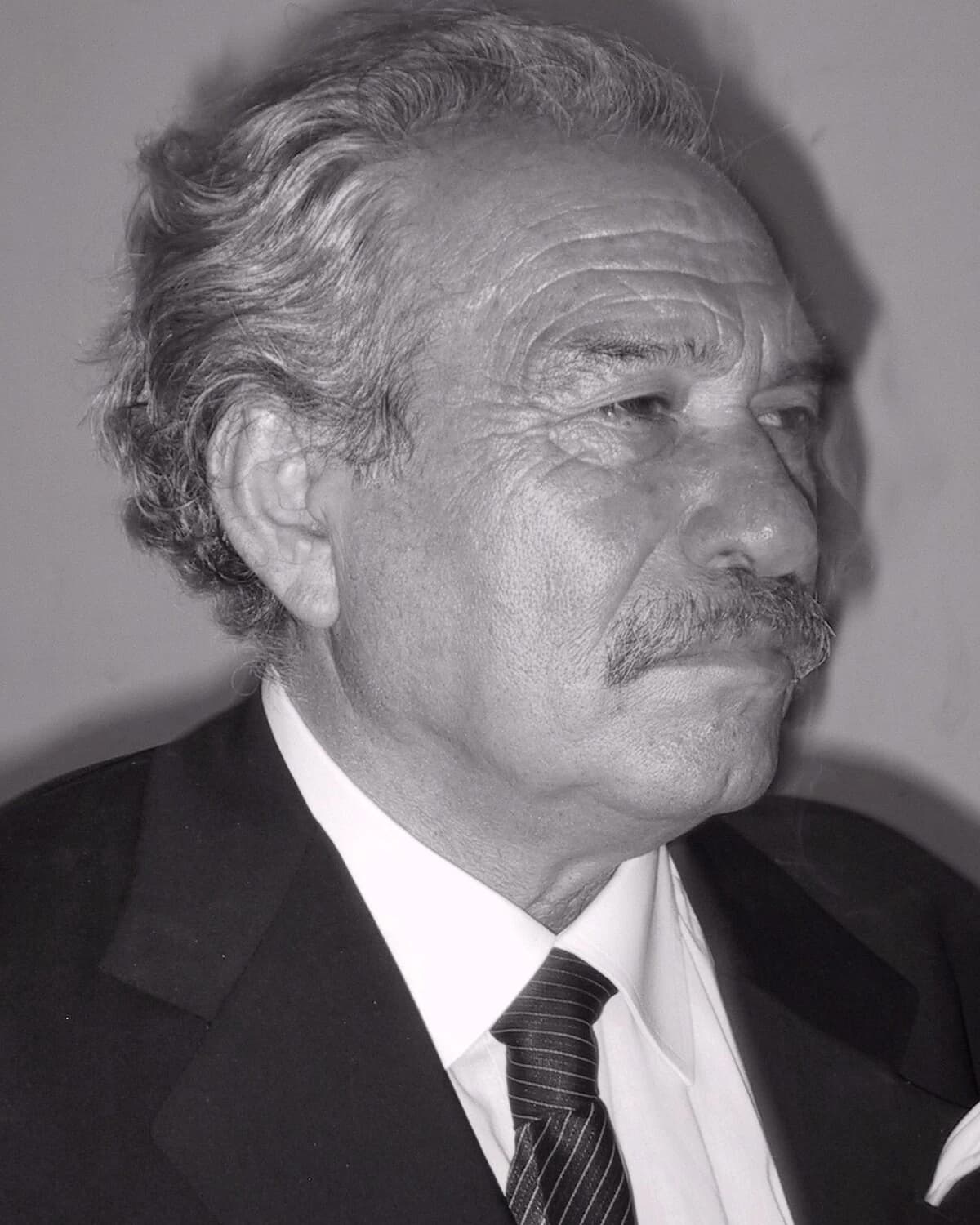
23.03.1936–16.02.2017
Jannis Kounellis
In 1969 Jannis Kounellis put twelve live horses in the Rome gallery L’Attico, as if they were parked cars. Before that he had painted canvases with numbers and letters, then moved on to coal, burlap, fire and iron. Greek by birth, he lived in Rome from 1956 and became one of the central figures of Arte Povera.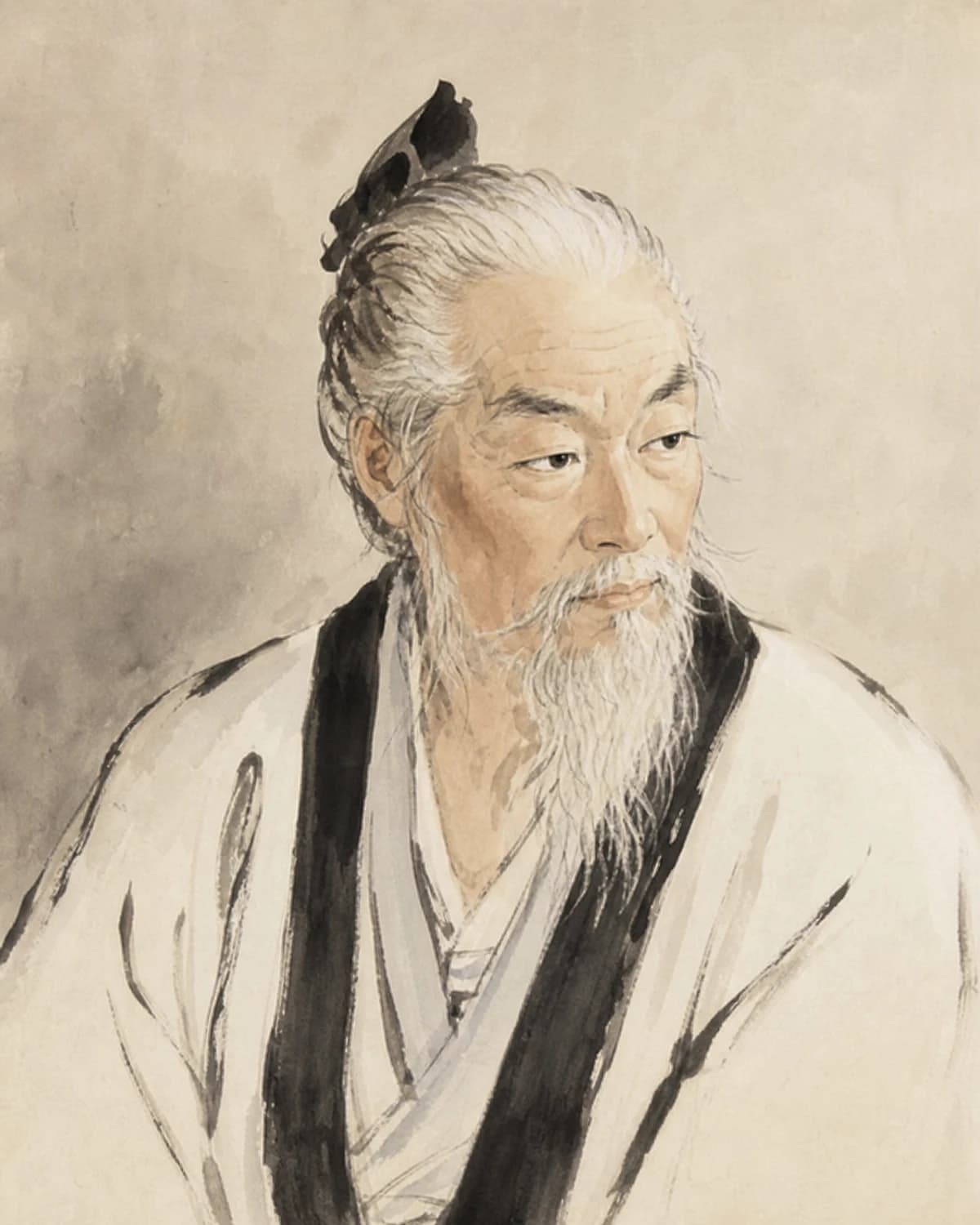
1745–10.10.1820
Uragami Gyokudō
Uragami Gyokudō (1745–1820) served for almost fifty years as a samurai in the Kamogata domain, then left to wander Japan with a zither and began to paint. In his lifetime he was known above all as a musician; recognition of his painting came after his death. His ink landscape “Snow Sifted Through Frozen Clouds” is a National Treasure of Japan.09.08.1946–16.02.1995
Gani Odutokun
Gani Odutokun was born in Nsawam, Ghana, to Nigerian Yoruba parents, and became one of the best-known artists of the university community in Zaria, in northern Nigeria. He painted on themes of accident and design, made murals and book covers, and taught in the fine arts department. He died in 1995 on the way back from an exhibition.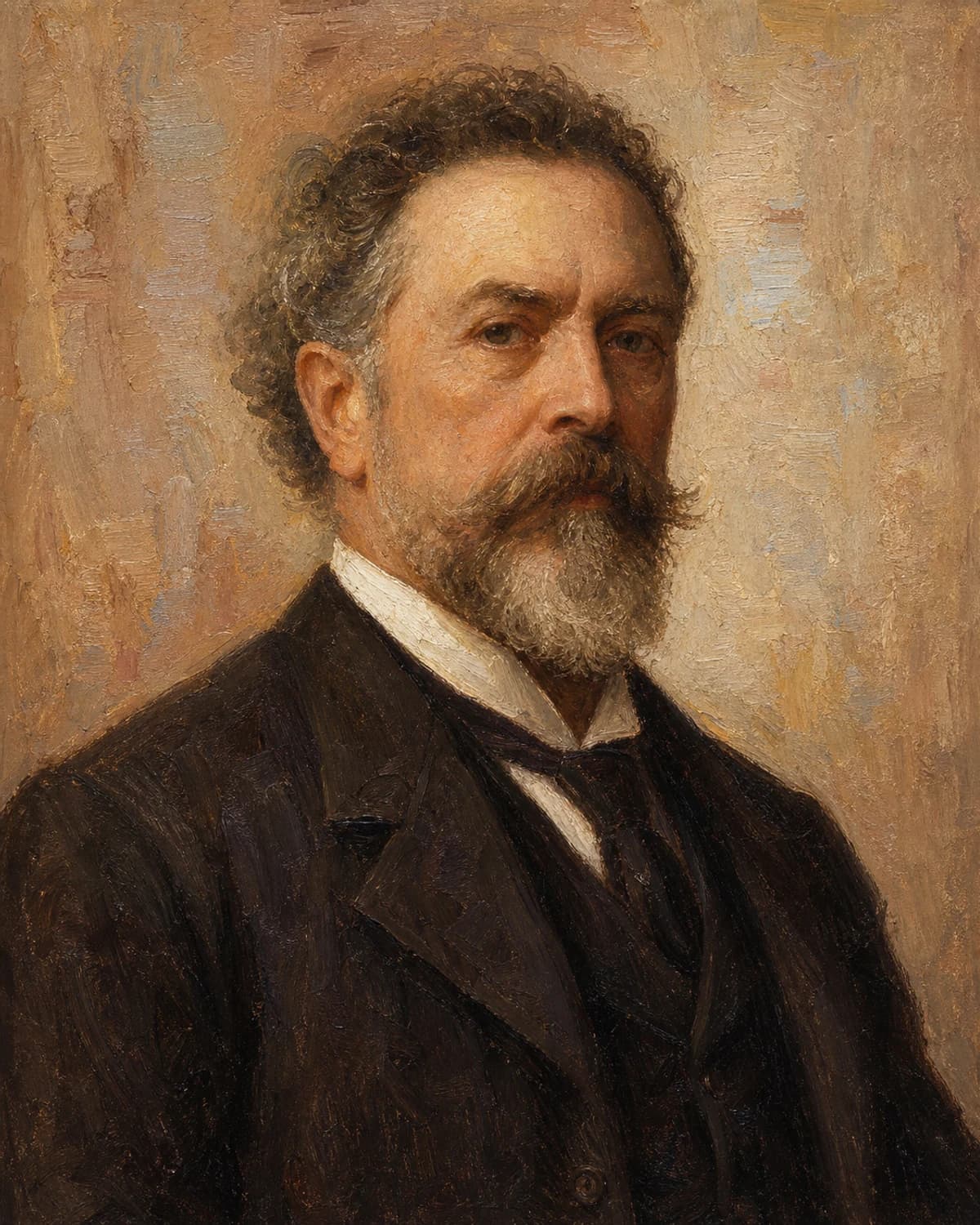
09.02.1852–28.11.1936
Modesto Brocos
Modesto Brocos (1852–1936) was born in Santiago de Compostela, left for Argentina at eighteen and then went on to Brazil, where he began as an illustrator for the weekly O Mequetrefe. He studied in Rio de Janeiro, Paris, Madrid and Rome, and from 1890 taught drawing at the National School of Fine Arts. He wrote several books on painting and a science fiction novel, “Viaje a Marte”.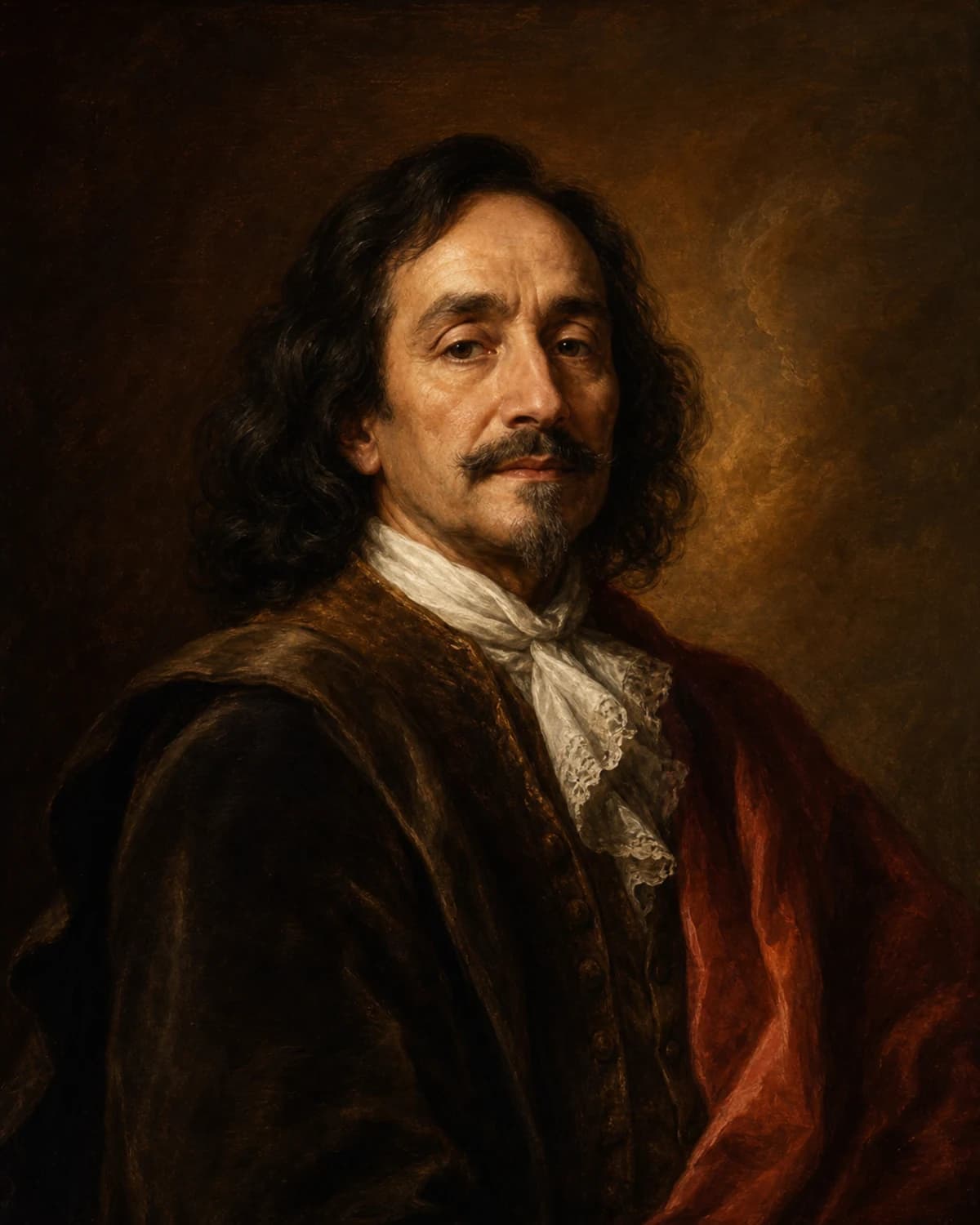
1646–1716
Juan Correa
Juan Correa (1646–1716) was born and died in Mexico City and became one of the leading Baroque painters of New Spain. He painted the sacristy of the capital’s cathedral, produced hundreds of religious pictures and trained several pupils. His workshop was a family business, so it is not always clear whose hand is on the canvas.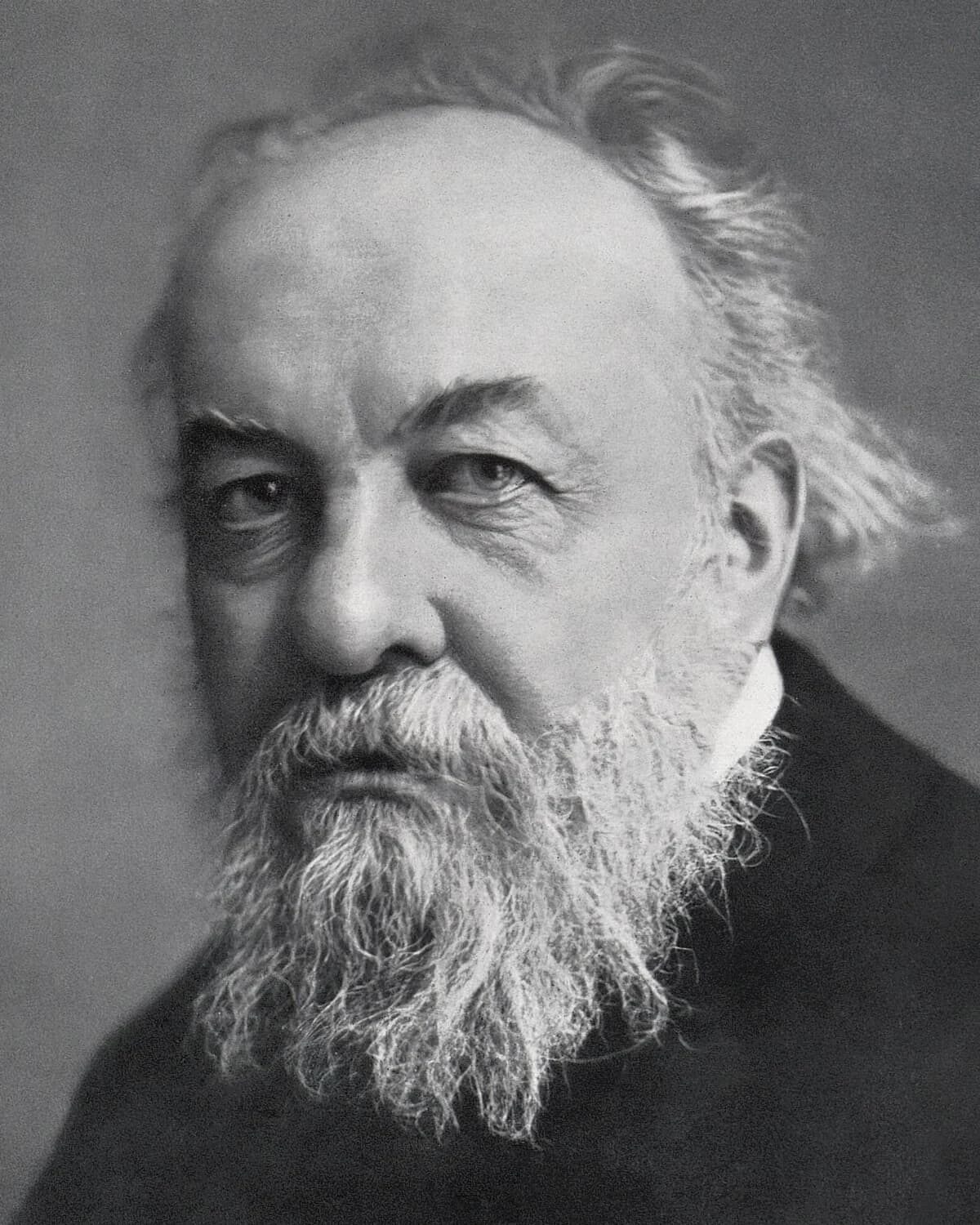
18.11.1852–10.07.1913
Mikoláš Aleš
Mikoláš Aleš (1852–1913), together with František Ženíšek, won the commission to paint the interiors of the National Theatre in Prague, for which he made the cycle “Homeland”. In his lifetime he was known chiefly as a graphic artist: he illustrated fairy tales, songbooks and historical works, drew for magazines and designed sixty marionettes. His oil paintings became widely known only after his death.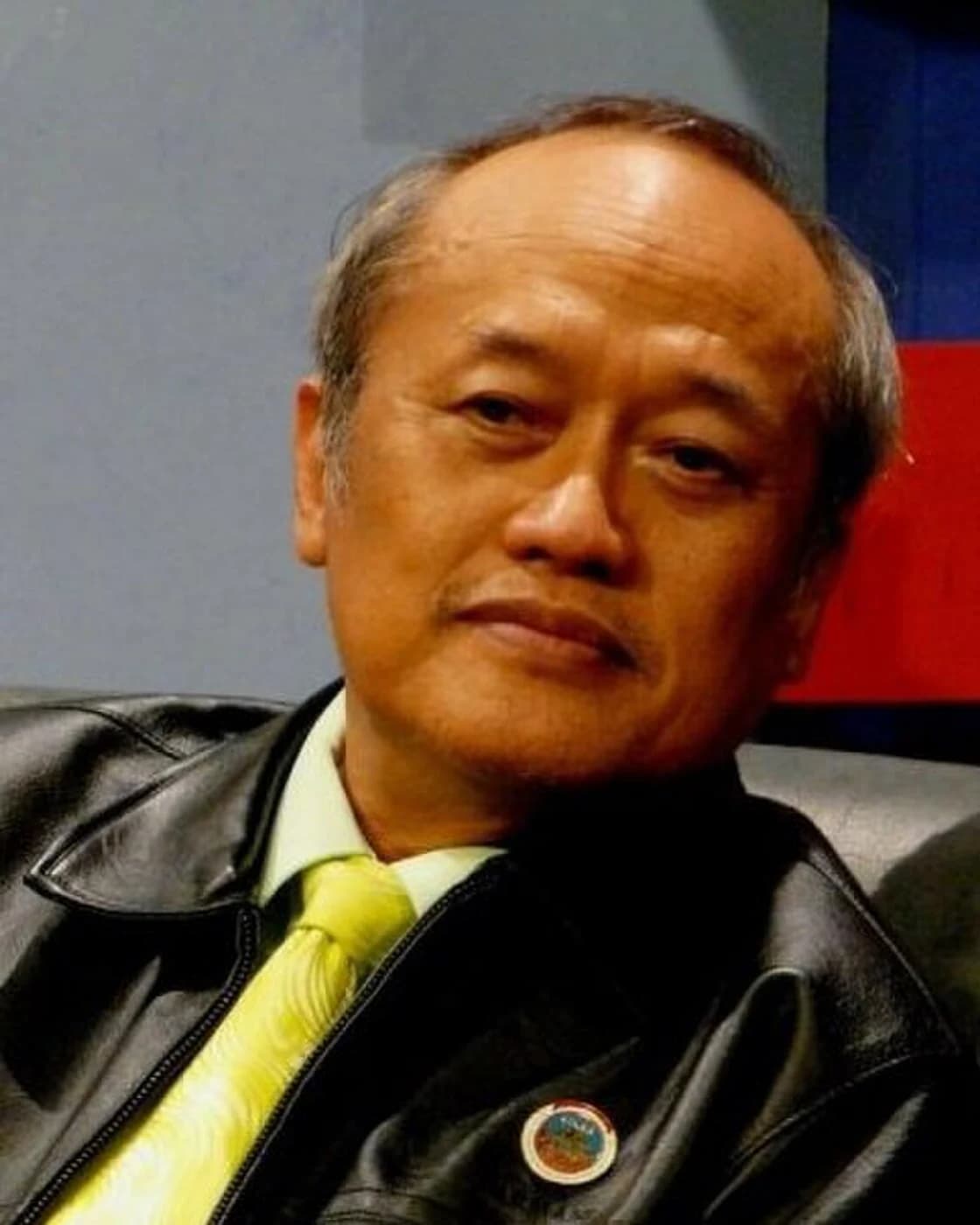
26.05.1951–28.12.2023
Hardi
In 1978 the Indonesian artist Hardi was arrested for a photo collage in which he showed himself in a general’s uniform, captioned “President of 2001. Suhardi”. He was freed through the intervention of Vice-President Adam Malik. He studied in Yogyakarta and Maastricht, belonged to the New Art Movement, and later painted in an expressionist manner, with portraits and mythological subjects. He held 16 solo exhibitions.09.09.1919–24.05.2003
Tahia Halim
Tahia Halim was born in Sudan, spent her childhood at the royal palace in Cairo, and in 1958 won a prize at the Guggenheim International Competition. She is described as one of the first representatives of the Modern Expressive Movement in Egyptian art of the 1960s; she painted Nubian culture, the Nile and boats. Her works are held in museums in Cairo, Alexandria and Stockholm.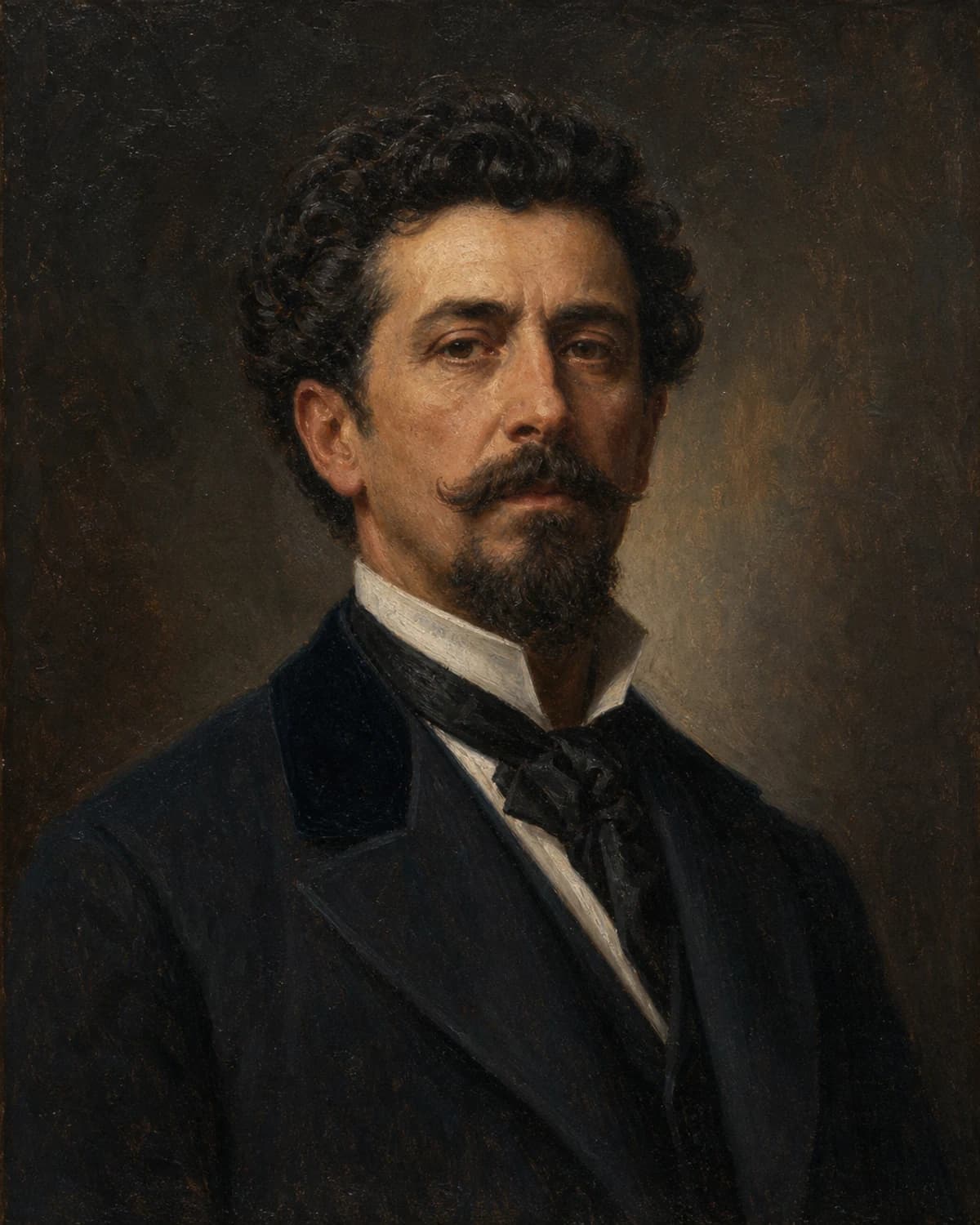
16.01.1857–26.06.1914
Antonio Herrera Toro
Antonio Herrera Toro (1857–1914) studied under Martín Tovar y Tovar, worked in Paris and Rome on a government scholarship, painted the murals of Caracas Cathedral with Cristóbal Rojas and made “The Death of the Liberator” for the centenary of Bolívar. He painted portraits of Venezuelan presidents, wrote for the magazine El Cojo Ilustrado under the pseudonym Santoro, and from 1908 directed the Academy of Fine Arts.
1953–present
Enrique Chagoya
Enrique Chagoya was born in Mexico City in 1953, studied economics, and received his art training only in California. His prints and drawings combine Aztec manuscripts, comics and Disney characters. He is known for the Codex series on amate paper and for his reworkings of Goya's prints, and he teaches at Stanford University.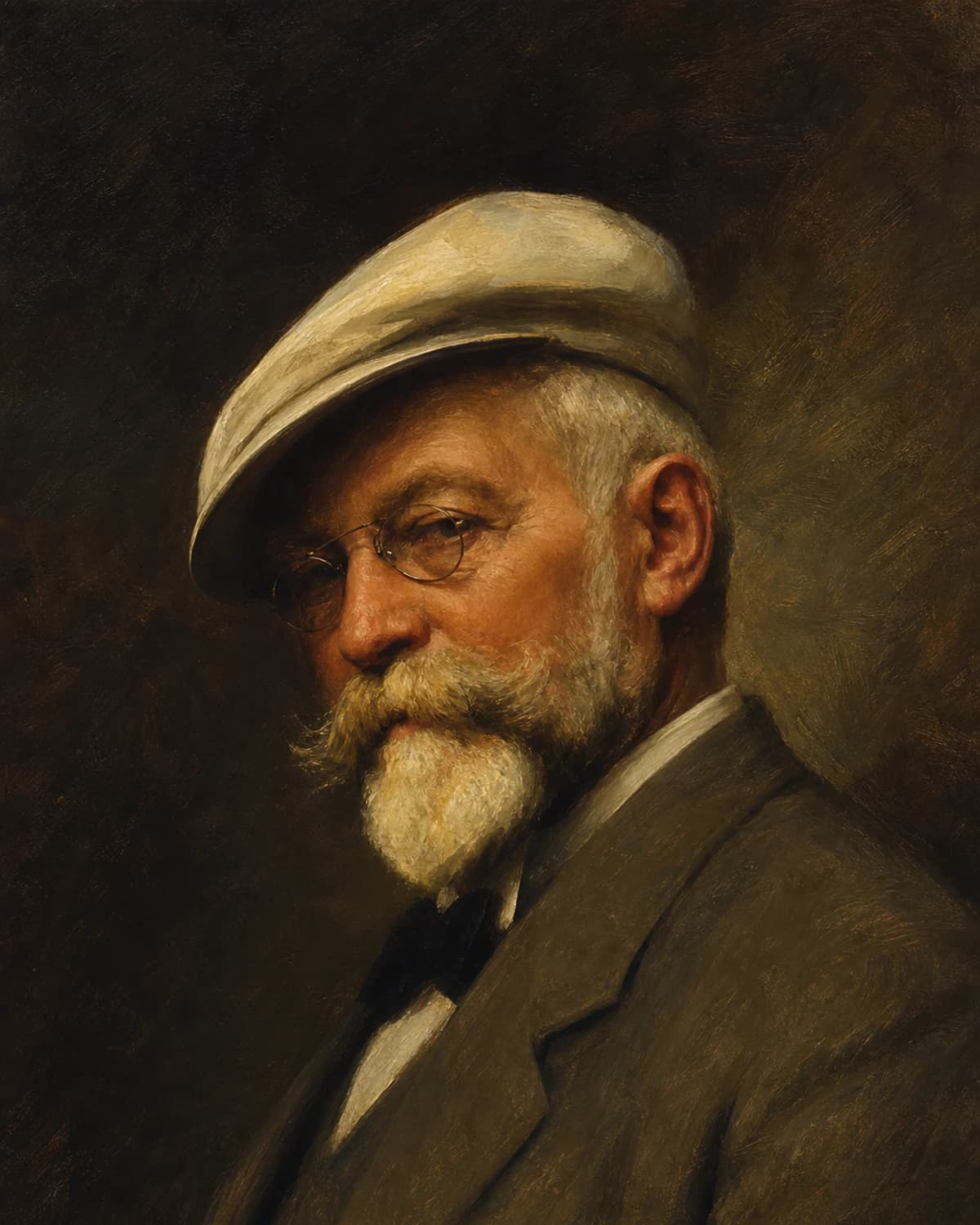
28.01.1844–16.07.1920
Gyula Benczúr
Gyula Benczúr (1844–1920) grew up in Kassa, studied in Munich under Karl von Piloty and helped him paint murals in public buildings. In Munich he made his name with “The Baptism of Vajk” and taught at the academy until 1883. Back in Hungary he headed an art school in Budapest for the rest of his life and painted portraits, historical and religious scenes.1944–present
Cui Ruzhuo
Cui Ruzhuo was born in Beijing in 1944 and studied painting with Li Kuchan, a pupil of Qi Baishi. In 1981 he left for the United States, in 1982 he took part in the New York international art biennial, and in 1996 he returned to Beijing. He paints landscapes and flowers and birds in ink, and collects old Chinese painting.1960–present
Ndidi Dike
Ndidi Dike (born 1960) was born in London, studied at Nsukka under Uche Okeke and Obiora Udechukwu, and set up her professional studio in Owerri. Her sculptural installations, made from harbour pallets and found materials, deal with the Atlantic slave trade and the colonial legacy. Exhibitions include “Waka-into-Bondage” in Lagos (2008) and the Lagos Biennial (2019).07.02.1911–02.10.1997
Carybé
Héctor Julio Páride Bernabó, known as Carybé, was born in Argentina, spent his childhood in Italy and Brazil, and from 1950 lived in Salvador. He illustrated books by Jorge Amado and Gabriel García Márquez, made 27 cedar panels of the Candomblé deities for a bank, and won a competition for murals at Kennedy Airport in New York. He got his nickname in a scout troop.09.12.1930–03.07.1992
Arnold Belkin
Arnold Belkin (1930–1992) left Vancouver for Mexico City at eighteen after reading about Diego Rivera in a magazine, and became an assistant to Siqueiros. Over three decades he painted about thirty public walls in Mexico, Nicaragua and the United States and devised the “portable mural”. He is best known for the murals at the Iztapalapa campus of the Metropolitan Autonomous University.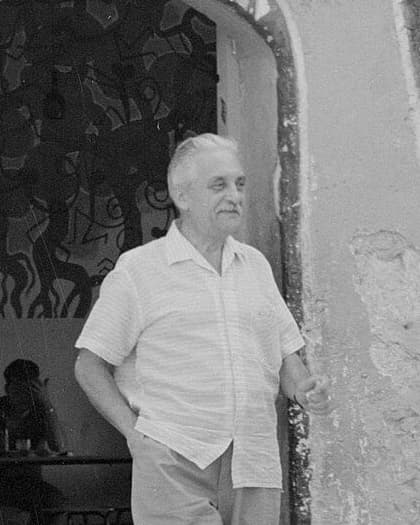
24.05.1895–21.04.1984
Marcel Janco
Marcel Janco (born Iancu) left Bucharest for Zürich at twenty, carved masks for the Cabaret Voltaire and took part in the birth of Dada. In Romania he edited the magazine Contimporanul and built some of the first modernist houses in the capital. After the pogrom of 1941 he moved to Palestine, and in 1953 he became one of the founders of the artists’ village of Ein Hod.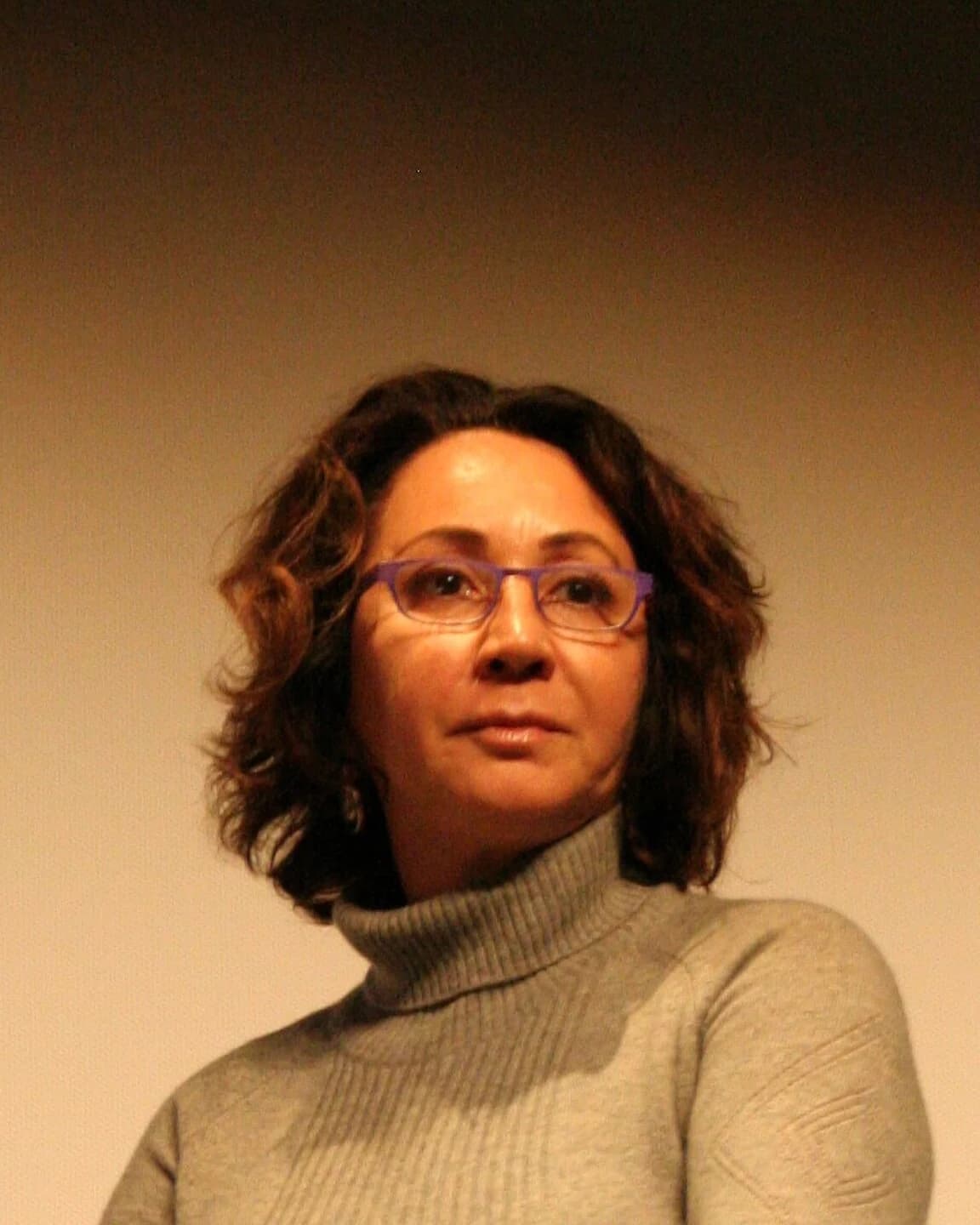
1960–22.04.2021
Selma Gürbüz
Selma Gürbüz was born in Istanbul in 1960, studied painting in Exeter and at Marmara University, and held her first solo exhibition in 1986. Her work includes paintings, sculpture, weaving and engravings; she was artistic director of two films by Ömer Kavur. Her work is in the collection of the British Museum and in İstanbul Modern.05.04.1905–04.10.1994
Effat Nagy
Effat Nagy (1905–1994) began systematic art training only in her forties, in Rome, and afterwards worked under André Lhote. Her subjects came from the life of Egyptian peasants and from ancient archaeology; in the 1960s she painted a series on the building of the Aswan Dam. A museum in Cairo holds her work and that of her husband.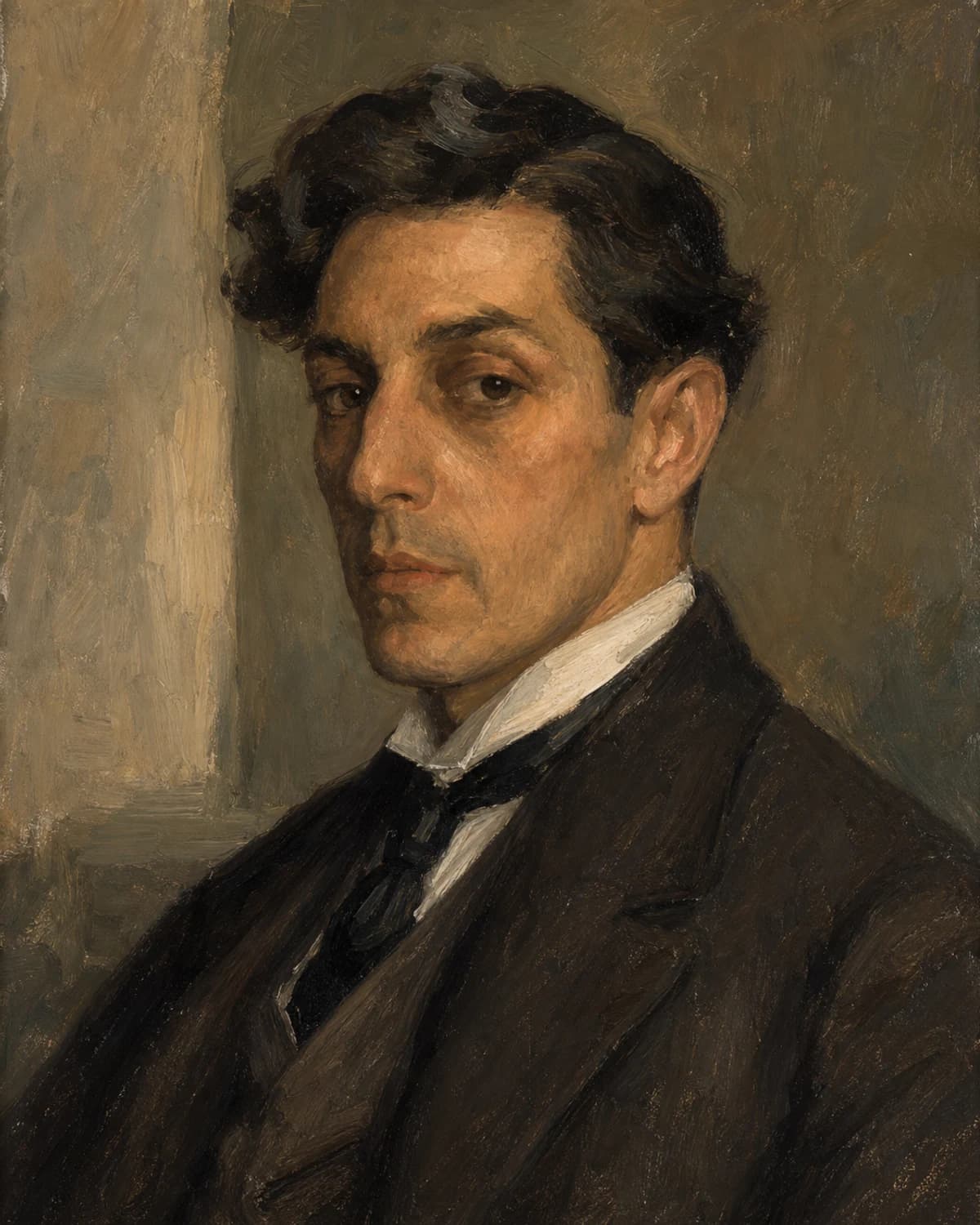
04.01.1890–12.02.1929
Rafael Barradas
Rafael Barradas (1890–1929), the son of Spanish immigrants, was almost entirely self-taught and became one of the most visible artists of the Spanish avant-garde of the 1910s and 1920s. He began with magazine illustrations in Montevideo, devised his own version of Cubism, “Vibrationism”, in Europe, worked in Barcelona and Madrid, and designed stage sets and books. He returned to Uruguay in 1928; his collection is in the National Museum of Visual Arts in Montevideo.30.07.1925–present
Arturo Estrada Hernández
Arturo Estrada Hernández studied in a workshop in his native Panindícuaro, then at the Mexican art school La Esmeralda, where he joined the small circle of Frida Kahlo’s students known as “Los Fridos”. He painted walls of public and private buildings, from a pulque bar and a cinema to the Centro Médico metro station (1988). He has taught at La Esmeralda since 1948 and was its director from 1983 to 1985.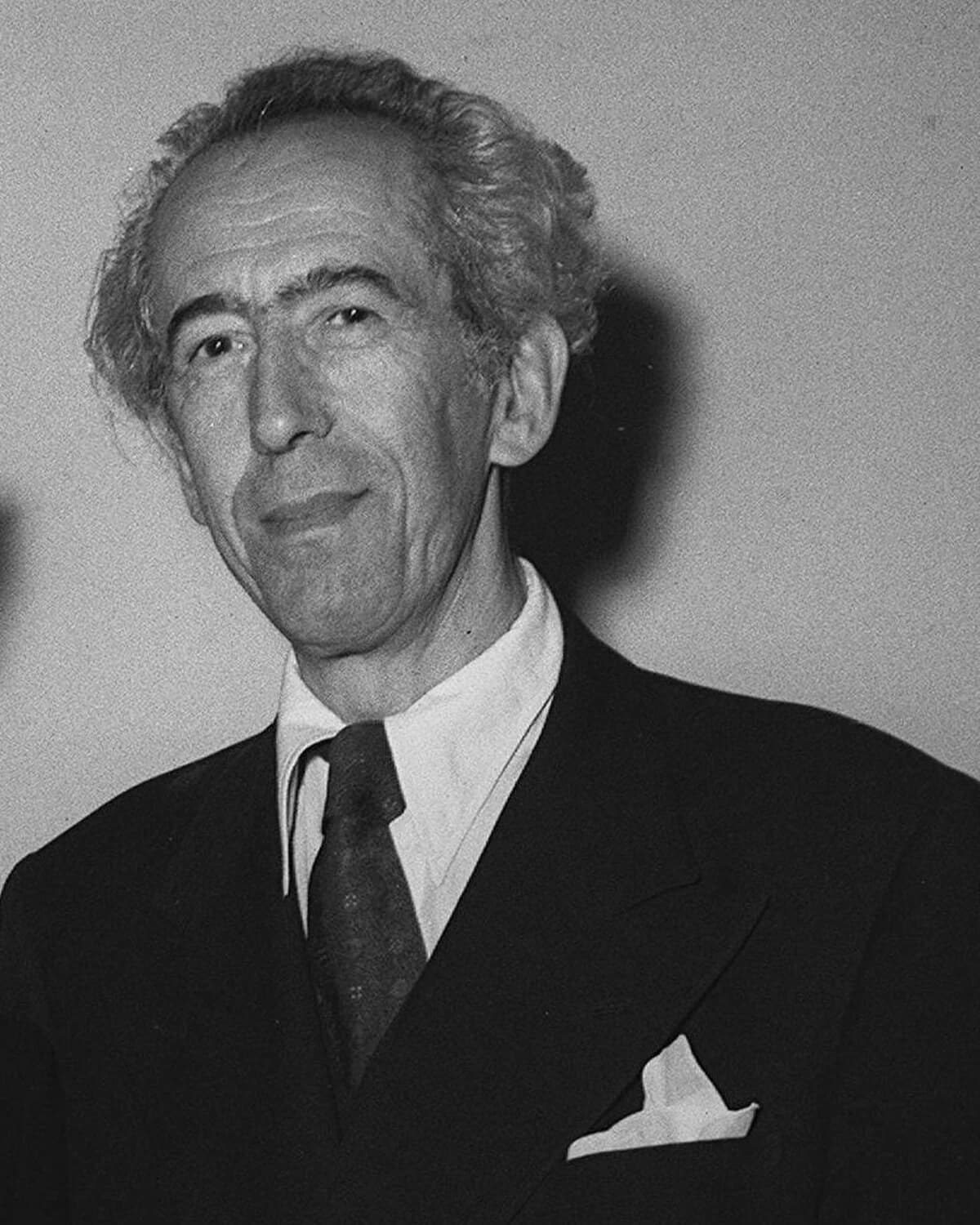
13.11.1893–13.10.1974
Reuven Rubin
Reuven Rubin (1893–1974) was born into a poor Hasidic family in Galați, came to study at the Bezalel school in Jerusalem in 1912, and then left for Paris. In Palestine he developed a bright, near-naive manner, with local landscapes and people. In 1948–1950 he was Israel's first diplomatic envoy to Romania, and in 1973 he received the Israel Prize.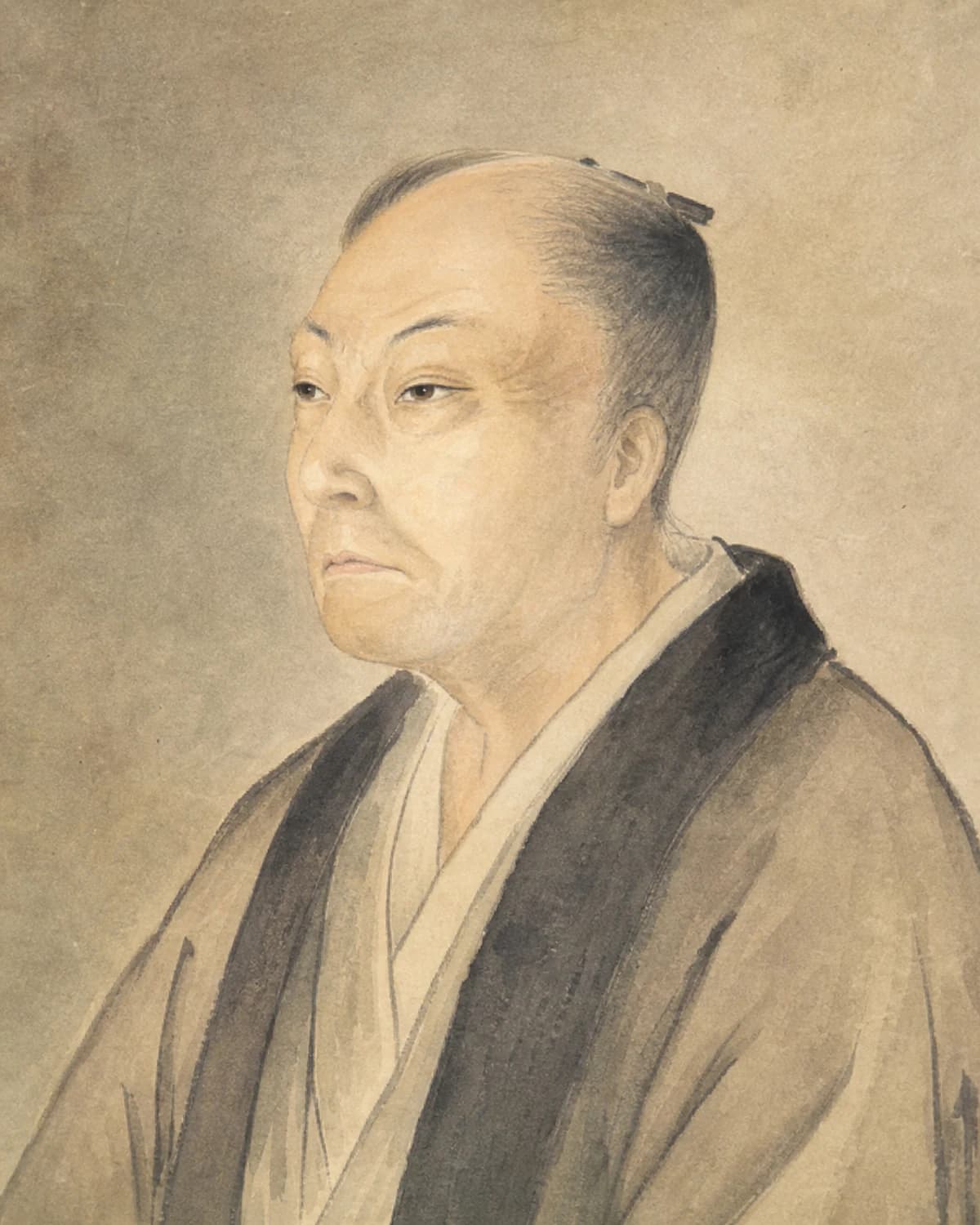
14.07.1777–20.10.1835
Tanomura Chikuden
Tanomura Chikuden (1777–1835), the son of a Confucian physician of Oka Domain on Kyushu, served until 1813 at his domain’s school and worked on a history of Bungo Province. After his reform proposals failed he resigned and devoted himself to Nanga painting: landscapes, portraits, flowers and birds. He also wrote “Sanchūjin jōzetsu”, a work on Japanese literati painting.07.08.1941–06.10.2025