
18.05.1907–23.05.1990
Research · Sources · Context
Artists
Biographies, facts and images with open sources and verified rights.
Found: 1775
27.01.1888–05.04.1956
Mohamed Nagy
Mohamed Nagy (1888–1956), born in Alexandria and trained as a lawyer, studied painting in Florence and Paris. In 1932 he founded the Atelier group in Alexandria, from which the local school of painting grew. He painted Egyptian landscapes and scenes of rural life, and decorated halls and a hospital in Alexandria. A museum in Cairo bears his name.04.06.1920–11.04.1992
Alejandro Obregón
Alejandro Obregón (1920–1992) was born in Barcelona to a Colombian father and a Catalan mother, spent his childhood between Barranquilla and Liverpool, and became an artist only as an adult. From 1959 he painted condors, which became his emblem, and pictures about violence in Colombia. He worked in France and then in Cartagena; in 1956 he won a prize at the Guggenheim exhibition.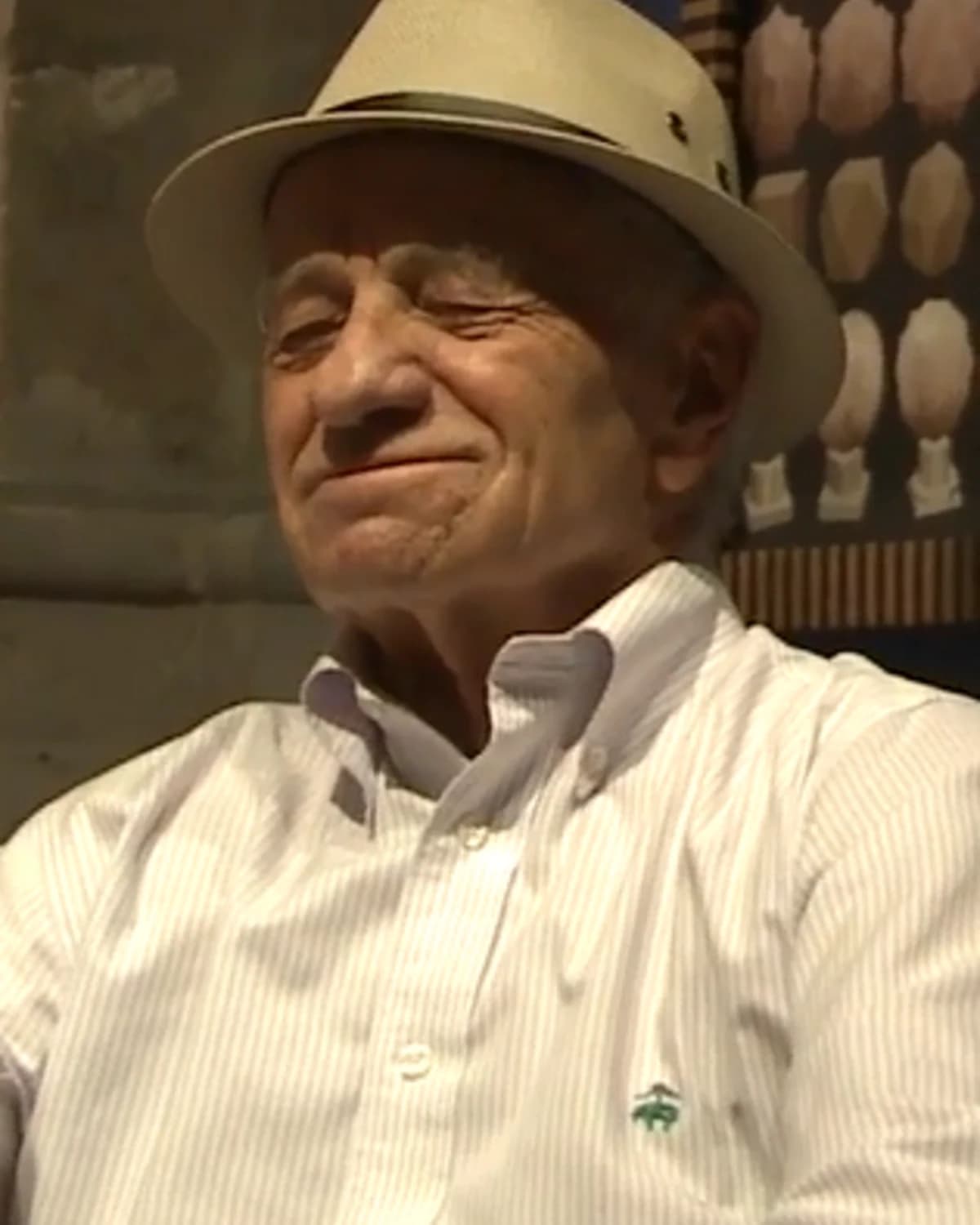
11.01.1936–05.03.2026
Pedro Friedeberg
Pedro Friedeberg, born in Florence and raised in Mexico, invented the “Hand-Chair”: the sitter was meant to sit on a gilded wooden palm, with the fingers serving as back and armrests. He left architecture school in his third year, but went on drawing palaces with no way out and houses with artichoke roofs. He belonged to the Mexican surrealist group Los Hartos and painted one canvas a week.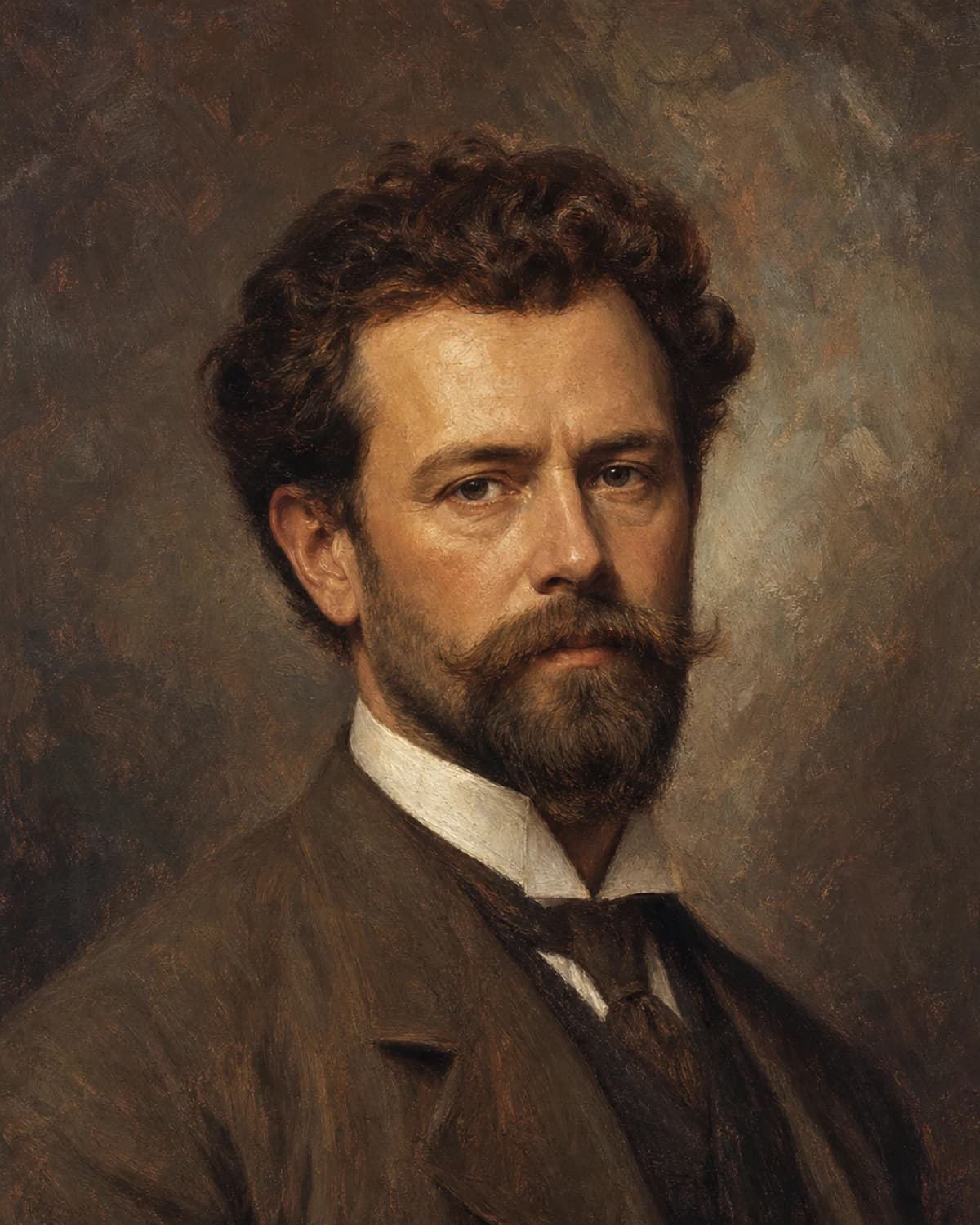
28.01.1863–29.07.1918
Ernest William Christmas
Ernest Christmas (1863–1918) was born in South Australia to English immigrant parents, but painted most of his work outside it: in Europe, Argentina and Chile, and Hawaii. In 1900–1902 he selected paintings for a federal exhibition and sent about 270 canvases to Australia. In 1916, on his way home, he stopped in Hawaii and stayed there until his death.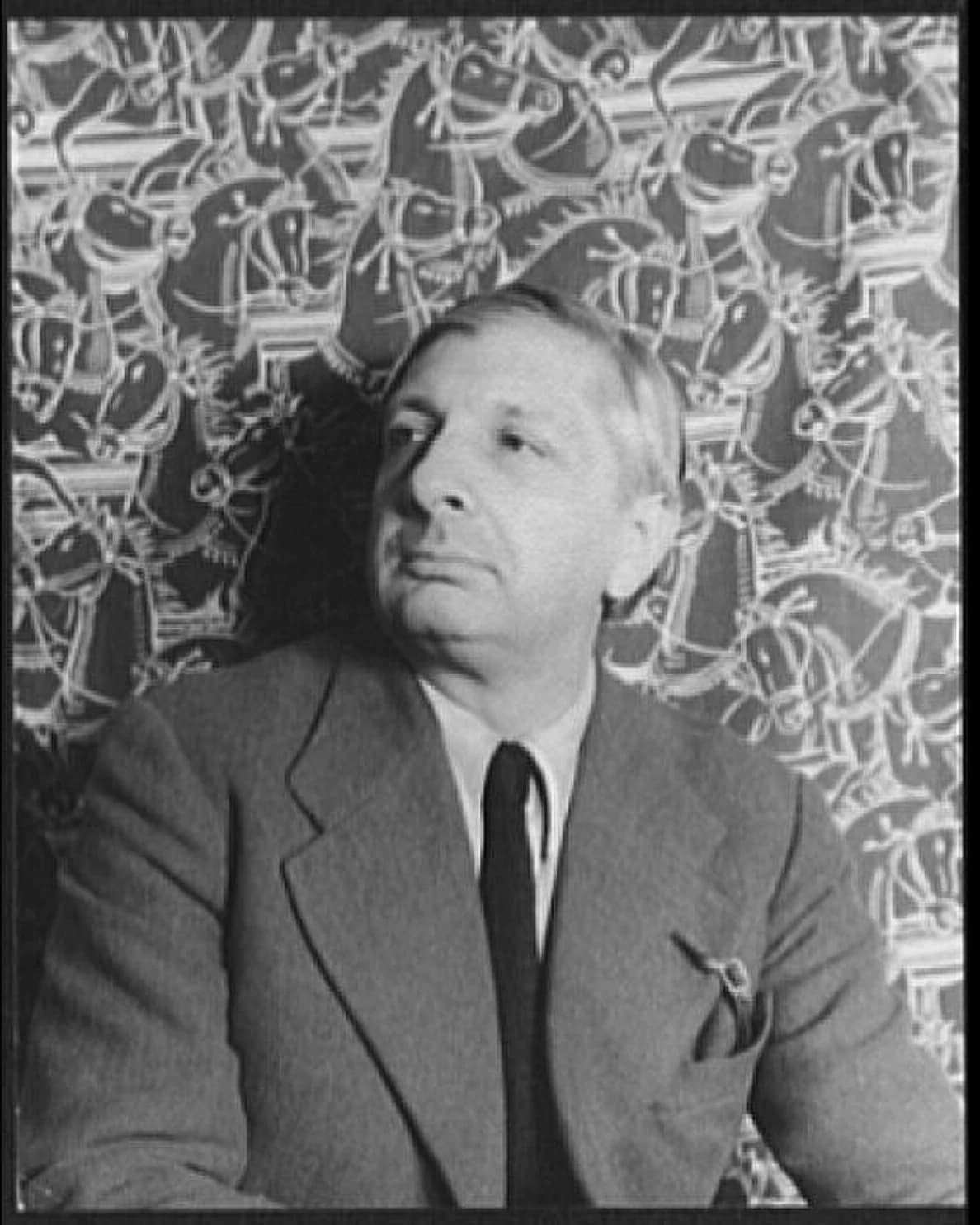
10.07.1888–20.11.1978
Giorgio de Chirico
Giorgio de Chirico (1888–1978) was born in Volos, Greece, to an Italian engineer who built railways, studied in Athens and Munich, and in the 1910s, in Italy and Paris, painted a series of empty squares with arcades, long shadows and mannequins. Together with Carlo Carrà he founded Metaphysical painting, which the Surrealists took up. After 1919 he returned to traditional technique, a turn the critics never forgave.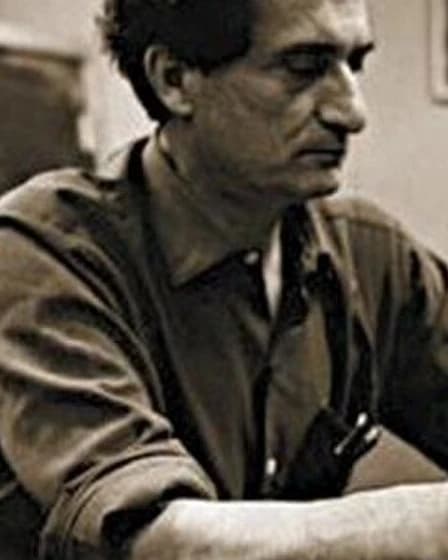
1911–21.09.1975
Bedri Rahmi Eyüboğlu
Bedri Rahmi Eyüboğlu (1911–1975) left Görele on the Black Sea to study in Istanbul and then in Paris, and came back to Turkey to teach for forty years at the Academy of Fine Arts. He painted, made mosaics for hospitals, housing districts and the world’s fair in Brussels, cut woodblock prints and published poetry. His panels can still be seen in Istanbul and Ankara.10.05.1929–08.04.1971
Jilali Gharbaoui
Jilali Gharbaoui (1929–1971) is remembered in Moroccan art as the painter who came first to informal abstraction: gestural brushwork, dense paint, colour as light. An orphan from Fez, he studied in Paris, lived in Rome and exhibited from Casablanca to San Francisco and Montreal. He died in Paris at forty-one and was buried in Fez.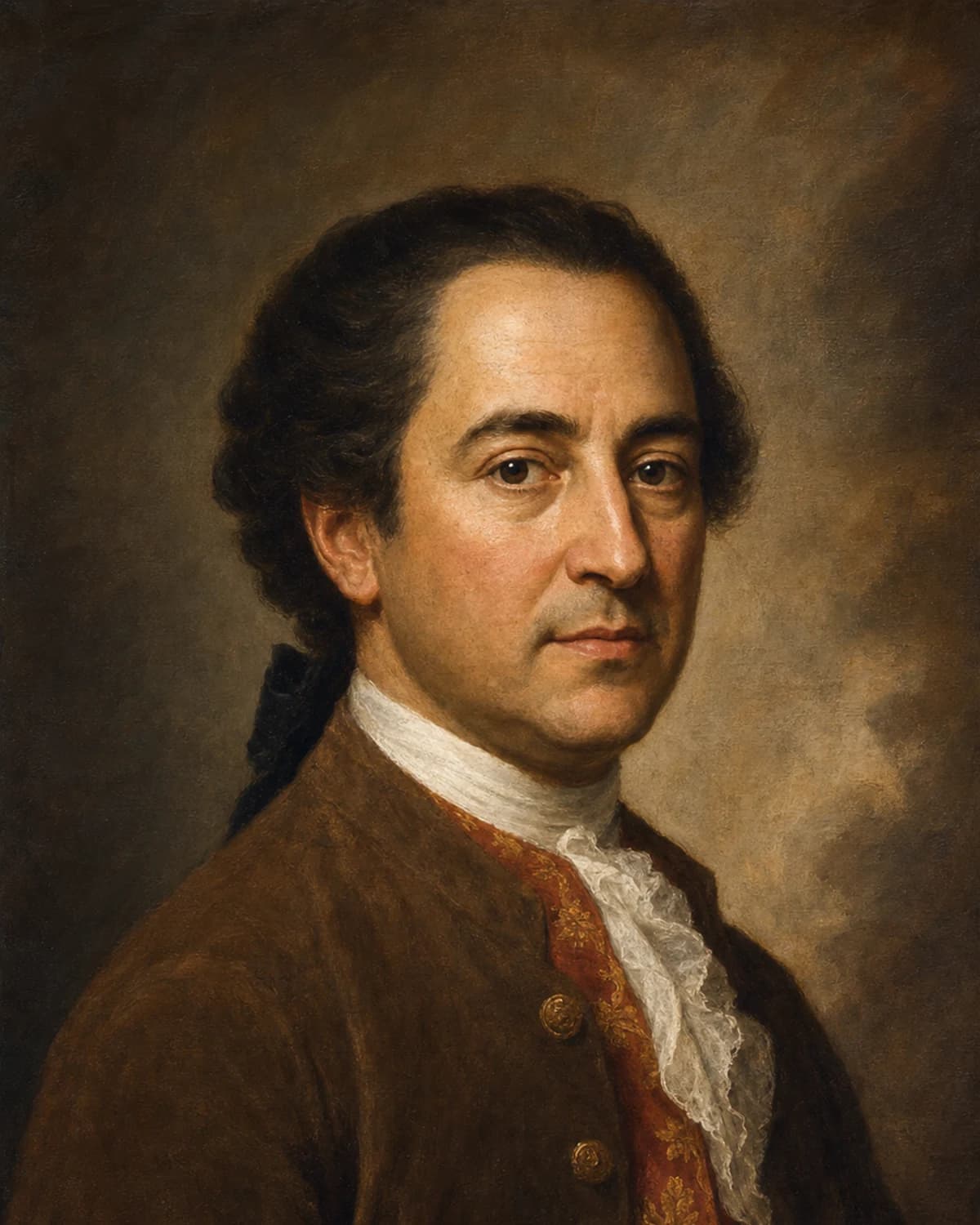
1710–1773
Marcos Zapata
Marcos Zapata worked in Cusco in the mid-eighteenth century and between 1748 and 1764, a span of sixteen years, painted at least two hundred canvases on religious subjects. In his “Last Supper” of about 1753 a roast guinea pig lies on the table and the cups hold chicha. Commissions went to Cusco, Chile and northern Argentina.08.02.1898–20.03.1979
Jean Charlot
Jean Charlot (1898–1979) was born in Paris into a family with Russian and Mexican roots, and in 1922 he painted the fresco “Massacre in the Templo Mayor” in Mexico City, the first one finished in the new Mexican muralism. He spent three seasons copying the reliefs of Chichen Itza for the Carnegie Institution and then taught in the United States, and from 1949 until the end of his life he worked at the University of Hawaii.
02.06.1977–present
Anh Do
Anh Do was born in Ho Chi Minh City and at the age of three fled with his family to Australia in a fishing boat. He began as a comedian and television presenter, wrote the autobiography “The Happiest Refugee”, and since 2013 has worked mainly as a painter. He was a four-time finalist for the Archibald Prize and in 2017 won the People’s Choice Award for his portrait of Jack Charles.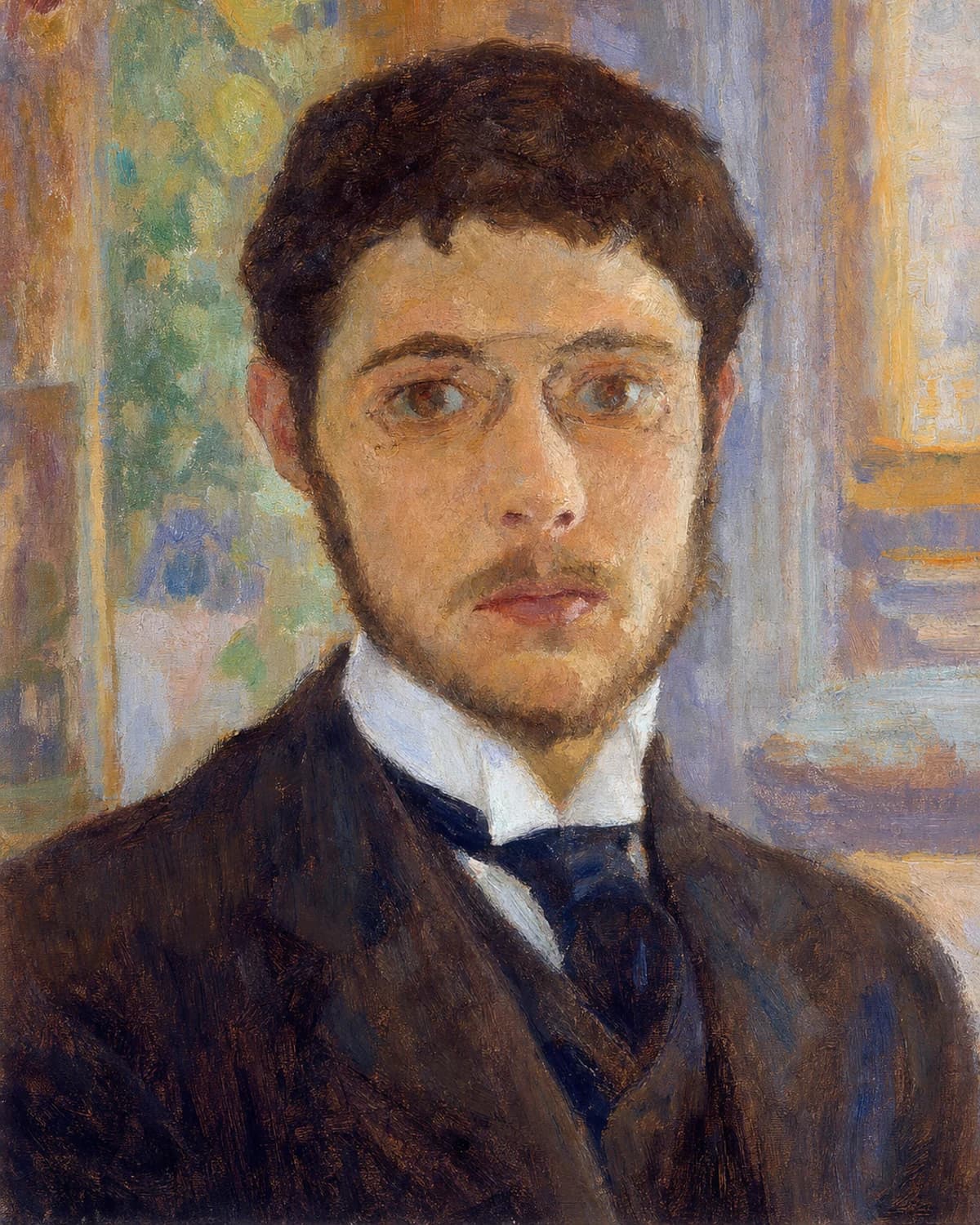
03.10.1867–23.01.1947
Pierre Bonnard
Pierre Bonnard (1867–1947) began as a lawyer and gave up the bar once his poster design for France-Champagne was sold. He belonged to the Nabis, was drawn to Japanese prints, and made 109 lithographs for Verlaine’s “Parallèlement”. His mature paintings were done from memory, from sketches and notes on colour, including in his house on the Riviera.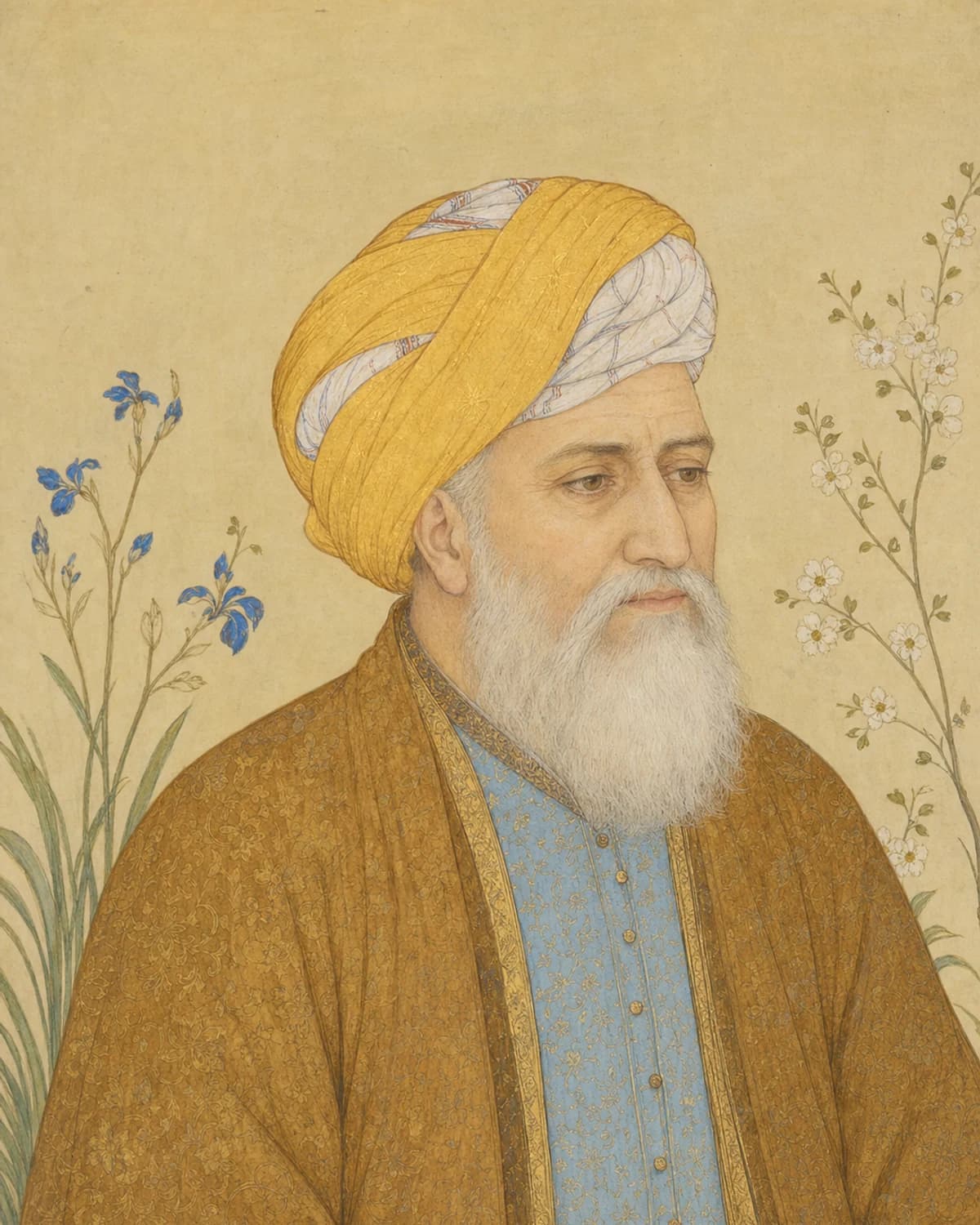
1547–1615
Farrukh Beg
Farrukh Beg began in the workshops of Safavid Khurasan, then worked in Kabul, at Akbar’s court in Agra, in Bijapur for Ibrahim Adil Shah II, and again for the Mughals under Jahangir. The emperor gave him the title “Wonder of the Age”. His best-known pieces are single sheets of Sufis and youths set in empty landscapes. His exact dates and his stay in Bijapur are still debated.1925–11.07.2016
Ale Felege Selam
Ale Felege Selam, son and grandson of church painters from Fiche, opened Ethiopia's first formal art school in Addis Ababa in 1957–1958 and directed it until 1974. He studied in Chicago and later painted murals in Orthodox churches, among them Holy Trinity Cathedral in Addis Ababa. Since 2010 the school has carried his name.08.05.1887–18.03.1974
Tito Salas
Británico Antonio Salas Díaz (1887–1974), known as Tito Salas, won a scholarship at seventeen for his painting “The Blacksmiths” and went to study in Paris. Returning to Caracas for the centenary of independence, he brought the “Bolivarian Triptych” about Simón Bolívar. Later he painted large history pictures for the National Pantheon and other buildings in Caracas.20.06.1913–11.11.1986
Ángel Botello
Ángel Botello (1913–1986) was born in the Galician town of Cangas, served as a cartographer in the Republican army, then lived ten years in Haiti, where bright island landscapes earned him the nickname “the Caribbean Gauguin”. From 1953 he worked in Puerto Rico: he painted, carved wood, cast bronze and made lithographs and serigraphs. He spent the last year of his life on large bronze sculptures.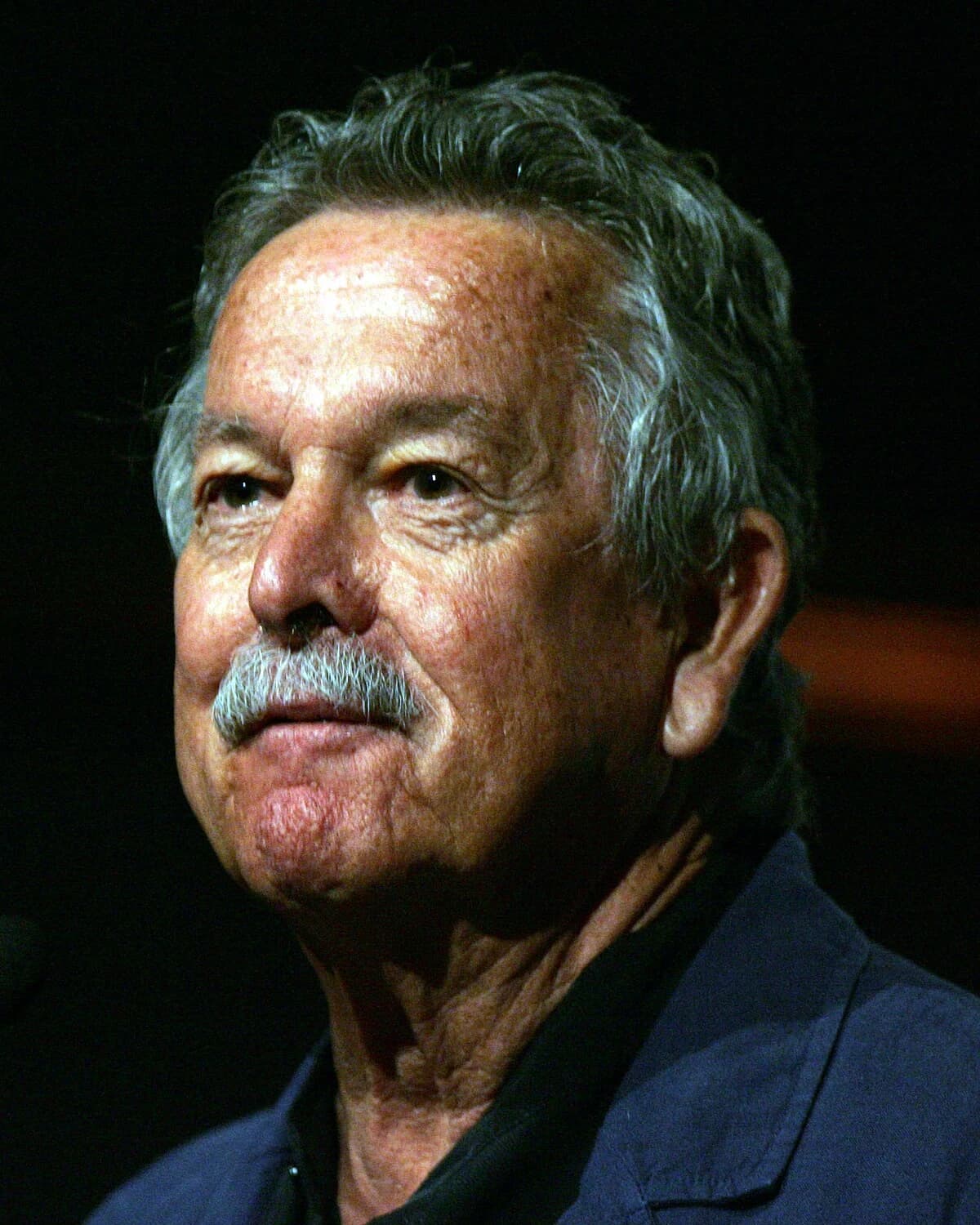
29.06.1940–present
Ken Done
Ken Done left school at fourteen for the National Art School in Sydney, then worked in advertising in New York and London for more than ten years, and became a full-time painter in 1975. He is known for bright images of Australian landmarks on clothing and homewares, for his work at Expo 88 in Brisbane and for his designs for the 2000 Olympic ceremonies.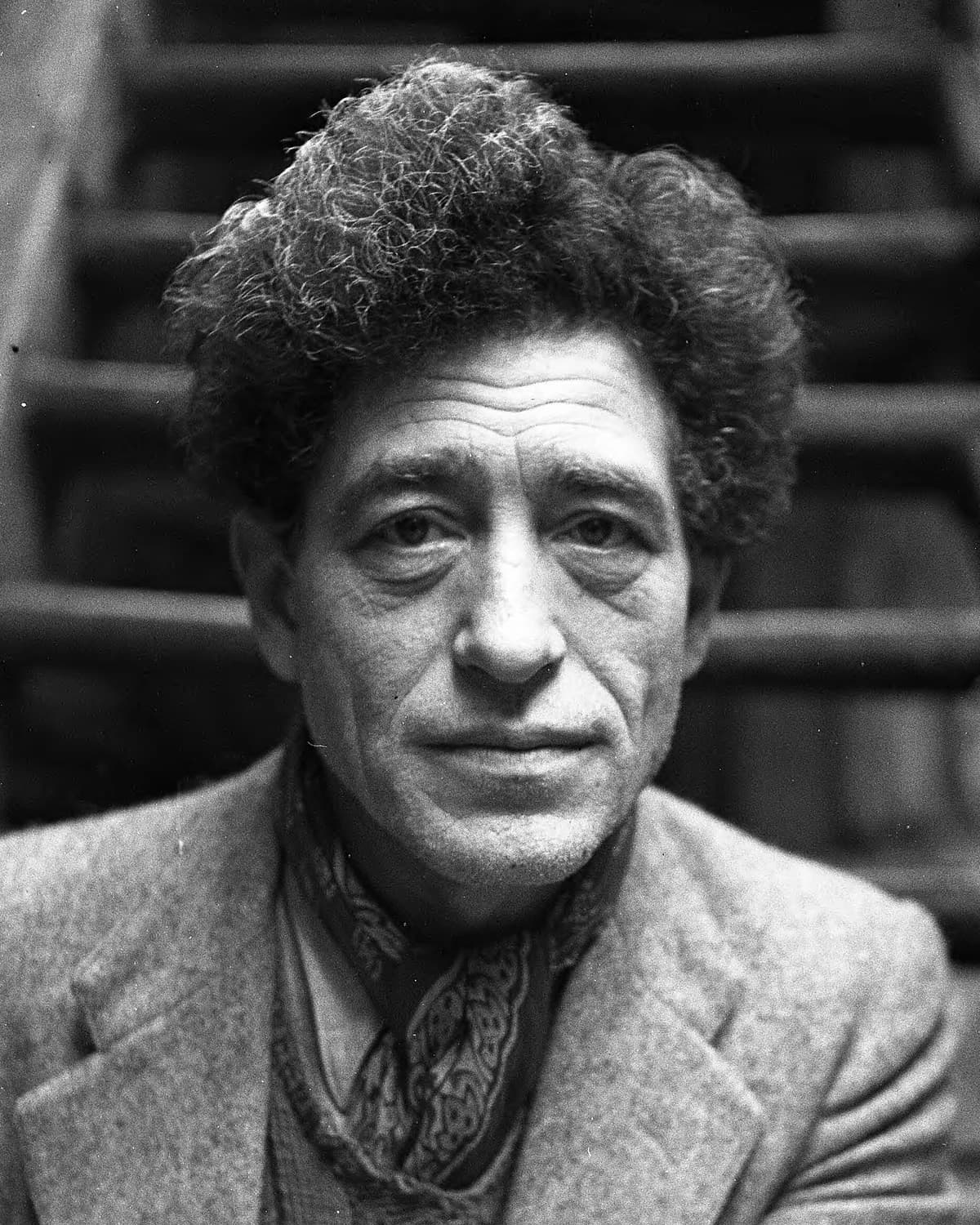
10.10.1901–11.01.1966
Alberto Giacometti
In 1938–1944 Alberto Giacometti’s sculptures never grew taller than seven centimetres: that was how the model looked from the distance at which he stood. After the war he stretched his figures into thin bronze silhouettes, and in 1962 he won the grand prize for sculpture at the Venice Biennale. He lived in Paris, in a studio in Montparnasse that he moved into in 1926.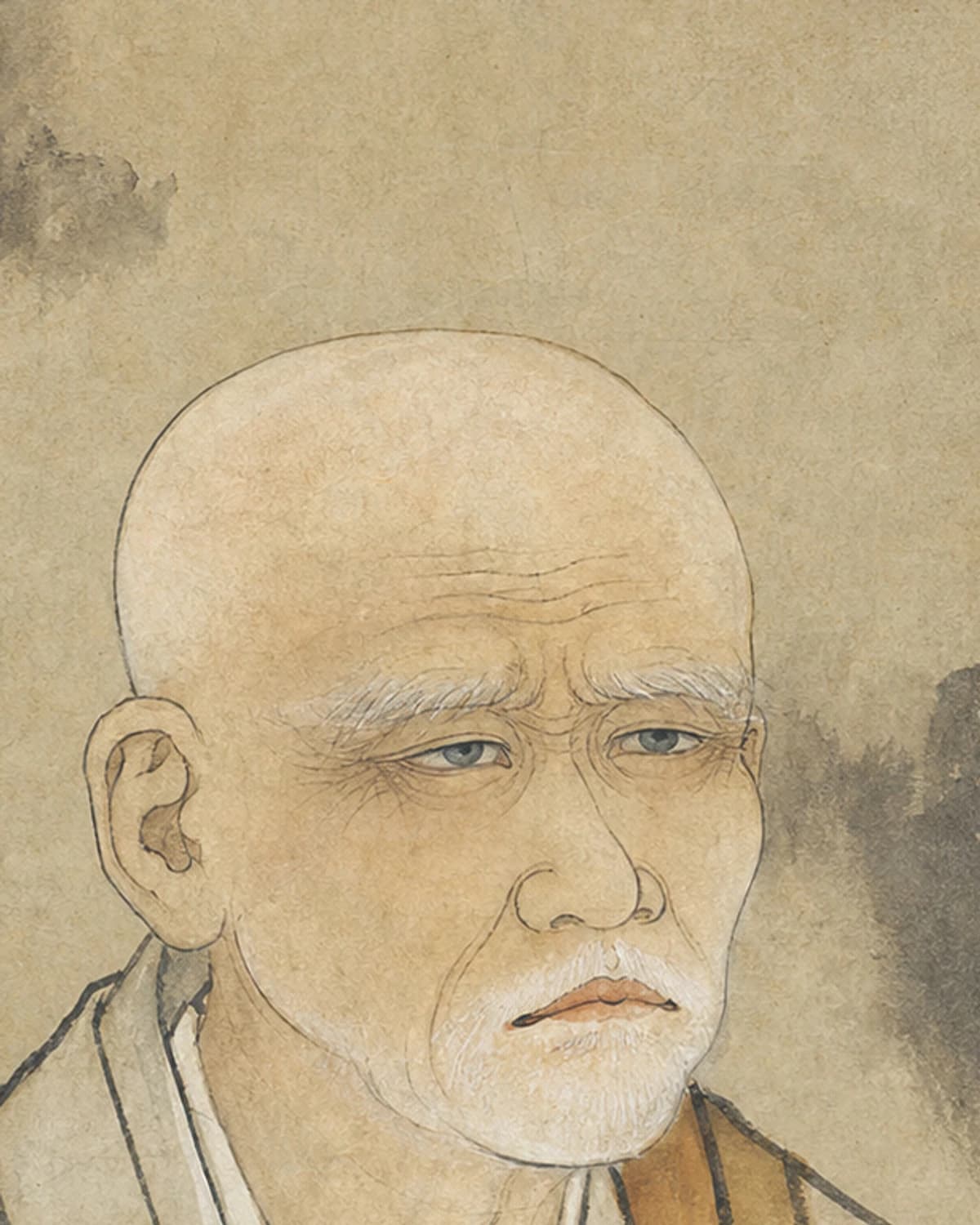
1504–1589
Sesson Shukei
Sesson Shukei (1504–1589) was born into the samurai Satake clan but, disinherited, became a monk and a self-taught painter. He gave painting lessons to a daimyo in Aizu, taught Zen to the ruler of Odawara and spent his last years in Mutsu Province. In 1542 he wrote a short treatise on painting, and most of his surviving pictures, according to recent research, date from after 1570.23.12.1923–21.06.2018
Hassan El Glaoui
Hassan El Glaoui (1923–2018), the son of the last Pasha of Marrakesh, became the first Moroccan artist to study painting abroad: in the early 1950s he trained at the École des Beaux-Arts in Paris. He painted mostly fantasia horsemen, horses, landscapes and portraits. His work was shown in Paris, New York and London, and later entered the collections of the Royal Palace in Fez and the Parliament in Rabat.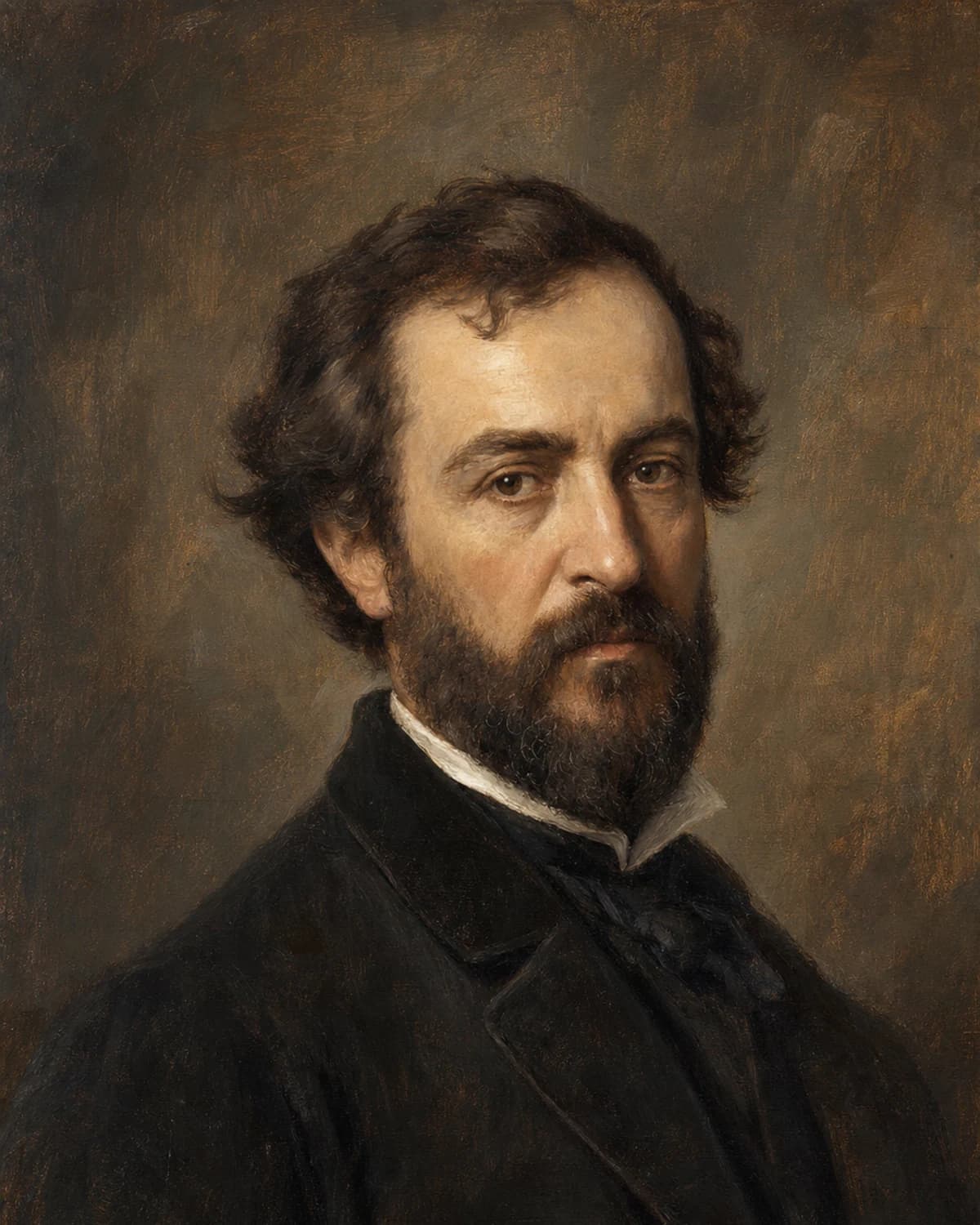
06.01.1819–18.01.1886
Baldassare Verazzi
Baldassare Verazzi (1819–1886), a native of Caprezzo in Piedmont, studied at the Brera Academy in Milan and in 1849 painted a scene of fighting at Palazzo Litta, placing a self-portrait in it. In 1855 or 1856 he left for Argentina, decorated the old Teatro Colón in Buenos Aires and worked in Montevideo, and he died at Lesa on Lake Maggiore.1908–07.05.1985
Luis Arenal Bastar
Luis Arenal Bastar (1908 or 1909 – 1985) worked alongside Siqueiros from the 1932 California fresco “América Tropical” to the murals of the Polyforum in Mexico City. He was among the founders of the League of Revolutionary Writers and Artists and the Taller de Gráfica Popular, painted the stairwell of the government palace in Guerrero and completed the Juárez monument in Iztapalapa.1980–present
Anthony Lister
Anthony Lister, from Brisbane, began as a street artist, working on the streets of his home city as a teenager and later in the inner suburbs of Sydney and Melbourne. He studied at the Queensland College of Art and after graduating went to New York to work with Max Gimblett. He works in charcoal, acrylic, spray paint and oil, and his work is in the National Gallery of Australia.
04.02.1881–17.08.1955