
1504–1589
Sesson Shukei
Sesson Shukei (1504–1589) was born into the samurai Satake clan but, disinherited, became a monk and a self-taught painter. He gave painting lessons to a daimyo in Aizu, taught Zen to the ruler of Odawara and spent his last years in Mutsu Province. In 1542 he wrote a short treatise on painting, and most of his surviving pictures, according to recent research, date from after 1570.
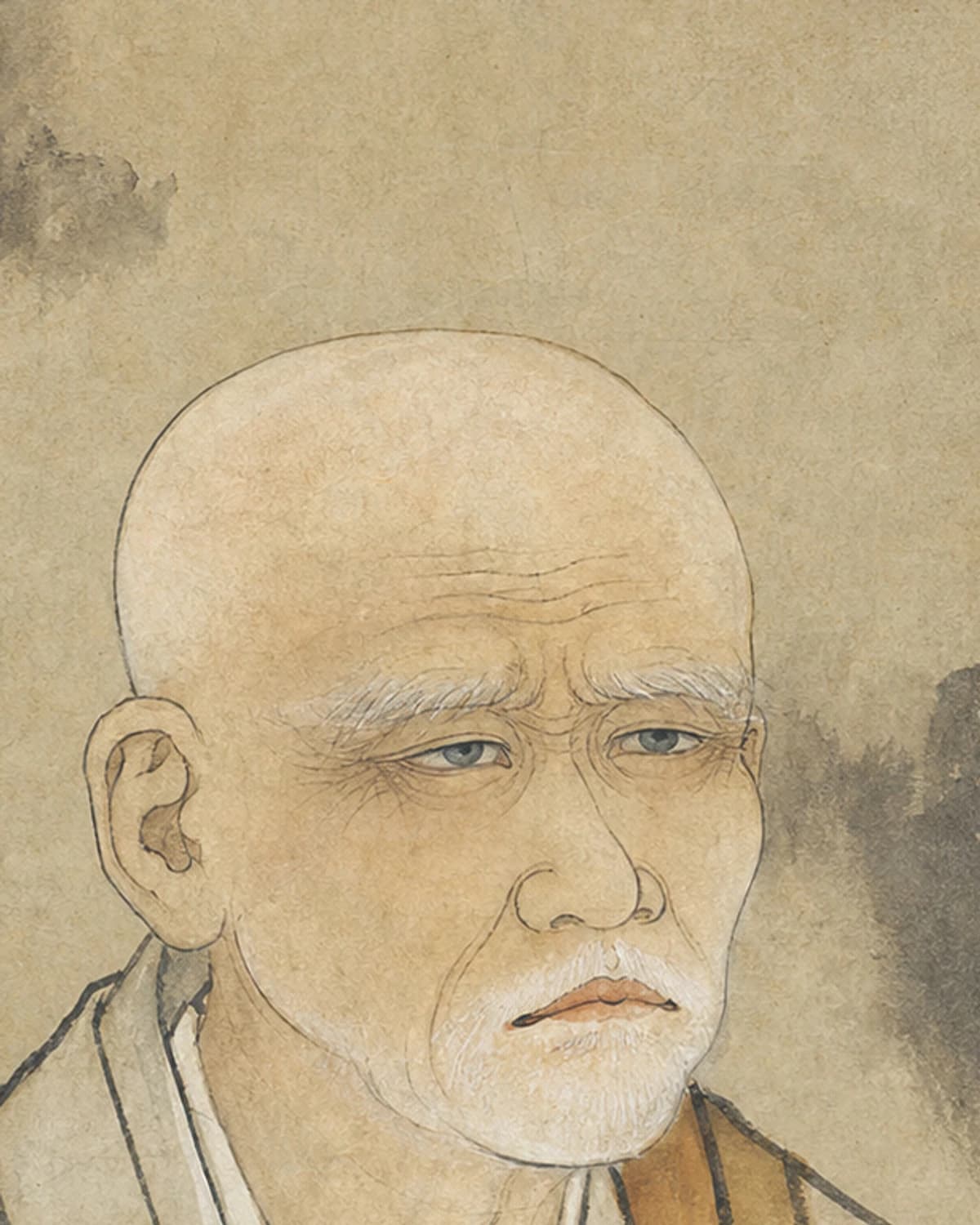
Biography
The eldest son did not get the inheritance. His father, a member of the Satake clan, which controlled most of Hitachi Province, chose another son as his successor, and the young Heizō went into a monastery. By one account it was Shōsō-ji, the Satake family temple. By another, the monastery belonged to the Sōtō school, while Sesson himself is placed in the Rinzai school. Accounts of his birthplace also differ: the small town of Ōta in Hitachi is named more often. The year of birth is the same everywhere, 1504.
The monastic name Shūkei is sometimes read as “the one who left the clan”.
He taught himself to paint. His models were Sesshū Tōyō and the Chinese masters of the Song and Yuan dynasties, above all the Chan (Zen) painters Muqi and Rufen Yujian. He made up his art name Sesson (“Snow Village”) in memory of Sesshū (“Snow Boat”): the shared character for “snow” remained the most visible sign of kinship. Historians disagree about how strong the older master’s influence was. Some regard Sesson as his most important follower; others think that, while paying respect to Sesshū, he in fact went his own way. I find the cautious position more convincing: he apparently had no direct teachers among Sesshū’s followers, and everything known about his training points to independent study of other people’s pictures.
In 1542 Sesson wrote a short treatise, “Setsumon teishi” (“Basic Advice for Students”). It deals with drawing from nature, with copying the old masters and with how to express one’s own manner. Copying, in his view, is necessary, but so is the unceasing study of nature. In that same year, 1542, he began to live as a wandering monk.
Traces of his travels survive in documents. Twice, in 1546 and in 1561, he went to Aizu to give painting lessons to the daimyo Ashina Moriuji. By 1550 he had reached Odawara, where he lived for long periods among local Zen monks; that year he painted a portrait of a well-known monk, Itten Sōsei. In those years he was occupied with religion more than with painting: he taught Zen doctrine to the daimyo Hōjō Ujimasa. Through his ties with the Hōjō clan he gained access to the collections of Chinese and Japanese painting held by the clan and the nearby monasteries. Odawara and Kamakura had then become an independent cultural centre in the east of the country, not dependent on Kyoto, and a local variety of suibokuga, ink painting, took shape there.
Around 1561 he left Odawara. By 1563 he had settled in Ōshū, in Mutsu Province (today’s Fukushima Prefecture), not far from the city of Kōriyama. There, under the patronage of the Miharu Tamura clan, he lived until the end of his life.
Dating his paintings is difficult. In his younger years he did not sign his work, so scholars rely on the seals he used at different times. Recent research has shown that most of the surviving works were painted from about 1570, that is, already in Mutsu. In old age, as is generally believed, he signed himself “Kakusen Rōjin”, “the old man, the crane hermit”, believing that a crane would carry him after death to the land of eternal life.
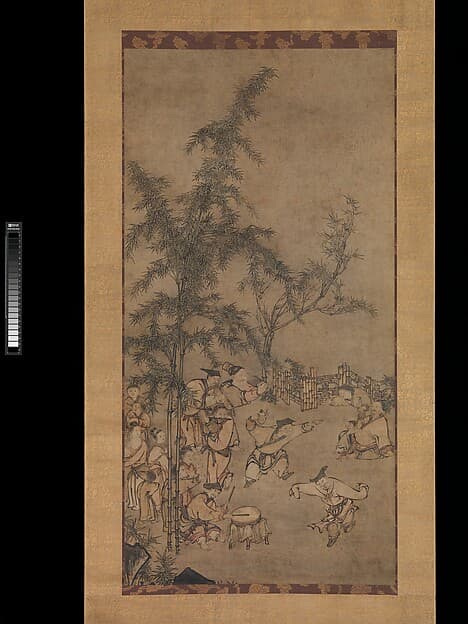
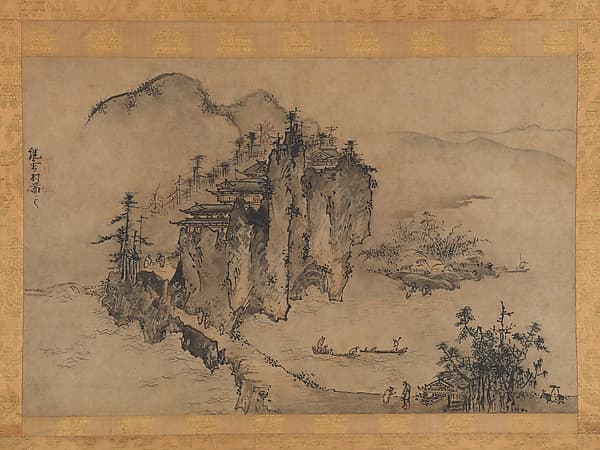
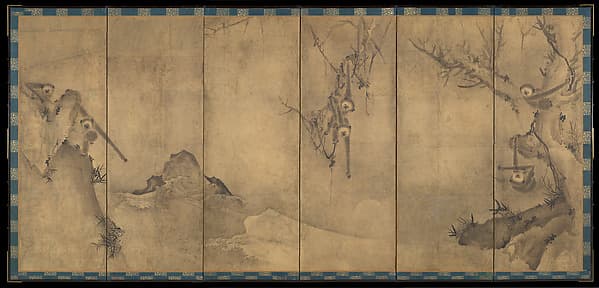
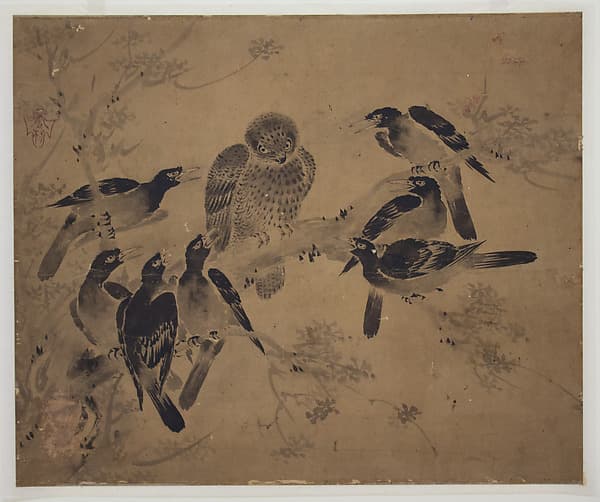
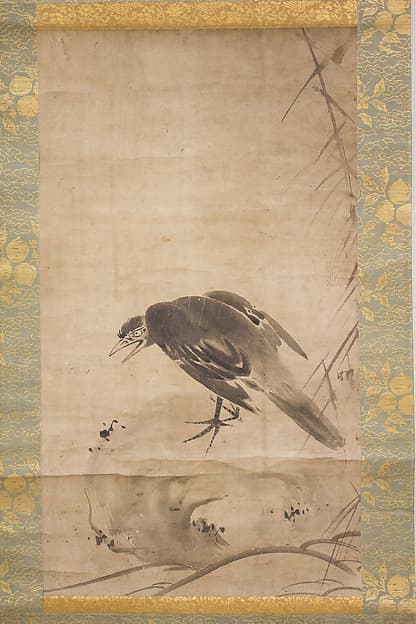
He painted landscapes with familiar motifs: mountains in clouds, the smooth surface of a river, a lone fisherman in a boat, a traveller on a bridge. Following Ma Yuan, he often pushed the main image into a corner of the sheet, more often the lower right. Mountains and thickets of reeds he drew in thin lines laid on energetically with a stiff, half-dry brush. Among his known works are “Eight Views of Xiaoxiang”, “Seven Sages of the Bamboo Grove” and “Gale”. Besides landscapes he painted Daoist immortals: Hama Sennin, Li Tieguai and Lü Dongbin; dragons among clouds are also noted. His manner was closer to the provincial than to the refined style of Kyoto, but the pictures came out dynamic and expressive. In Ibaraki he is ranked beside Sesshū, and people say: “Sesshū of the west, Sesson of the east.”
He died around 1589 in the north of Honshu, in Mutsu Province, which is also called Iwashiro.
Artist works
Works by the artist
Works by Sesson Shukei available in this edition of NEOARCA.
Related context
Associations
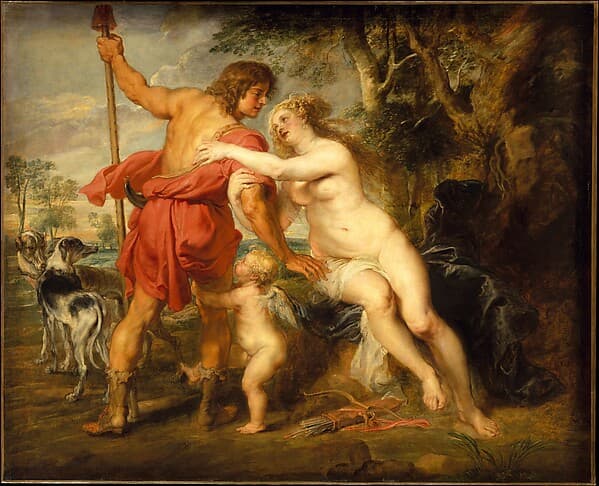
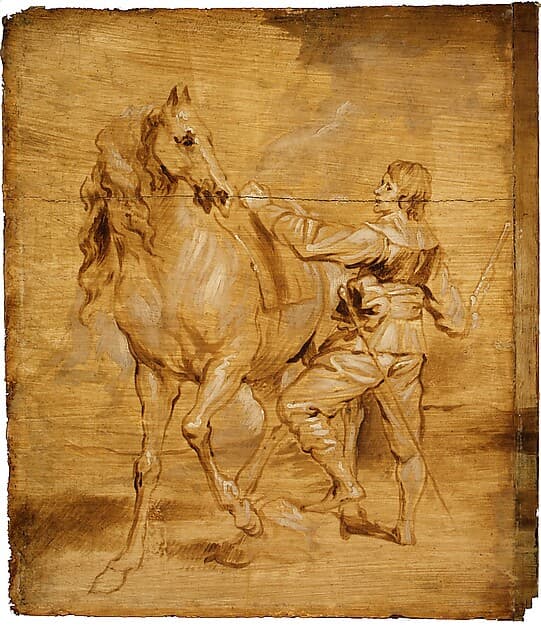
Works connected through artistic movements, cultural context and period. Priced works available in this market appear first.
Profile notes
Profile and sources
Image
Artist image
На основе открытого изображения: 雪村 Sesson Shūkei; Wikimedia Commons; Public domain.
