
28.11.1912–07.09.1962
Research · Sources · Context
Artists
Biographies, facts and images with open sources and verified rights.
Found: 1775
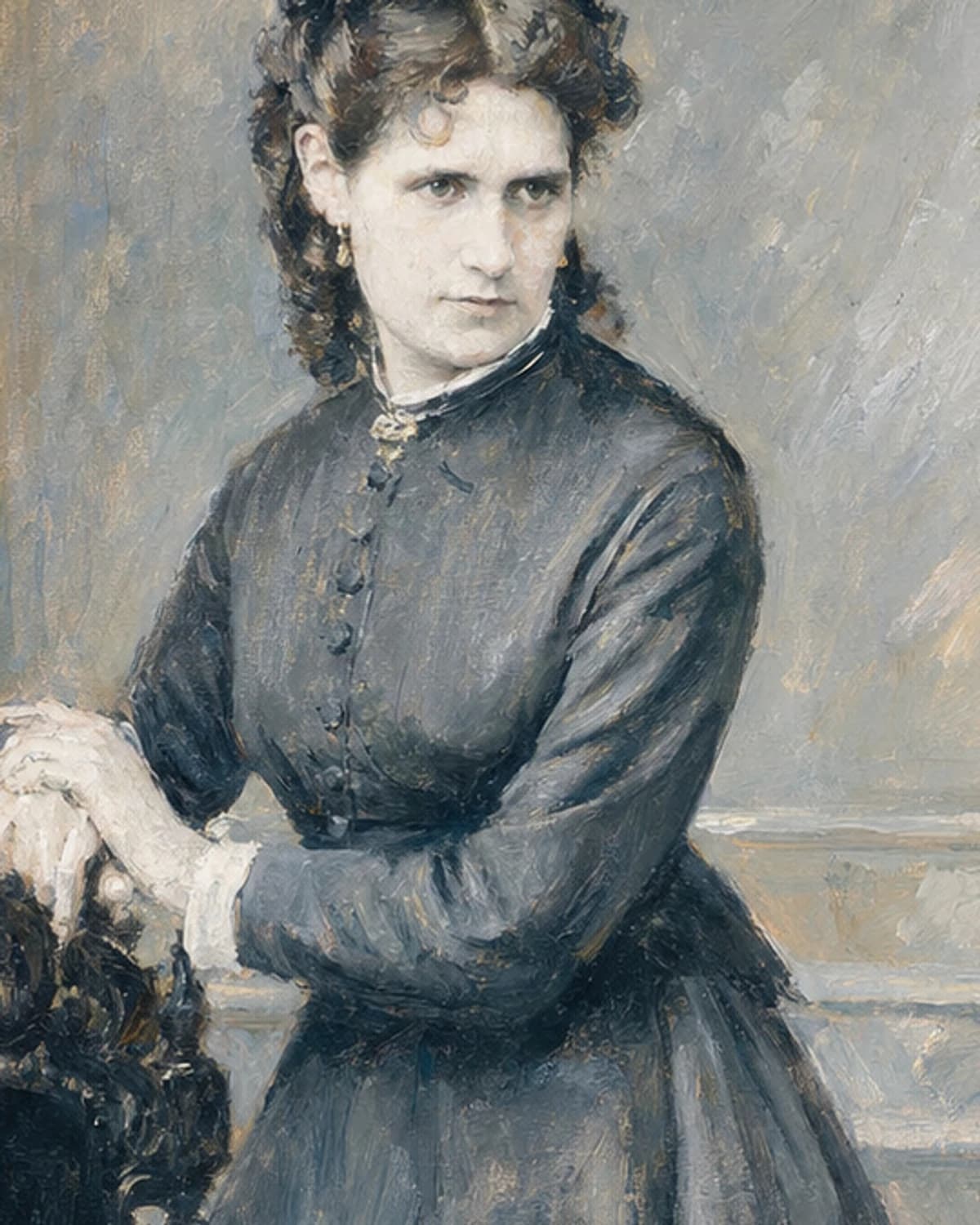
14.01.1841–02.03.1895
Berthe Morisot
Berthe Morisot and her sisters began drawing lessons in 1857 to make their father a birthday present; in 1864 she was accepted at the Salon, and in 1874 she was the only woman to show work at the first Impressionist exhibition in Nadar’s studio. Then came “The Cradle”, “Summer’s Day”, “The Cherry Tree” and every exhibition of the group but one. She was the wife of Eugène Manet and the sister-in-law of Édouard.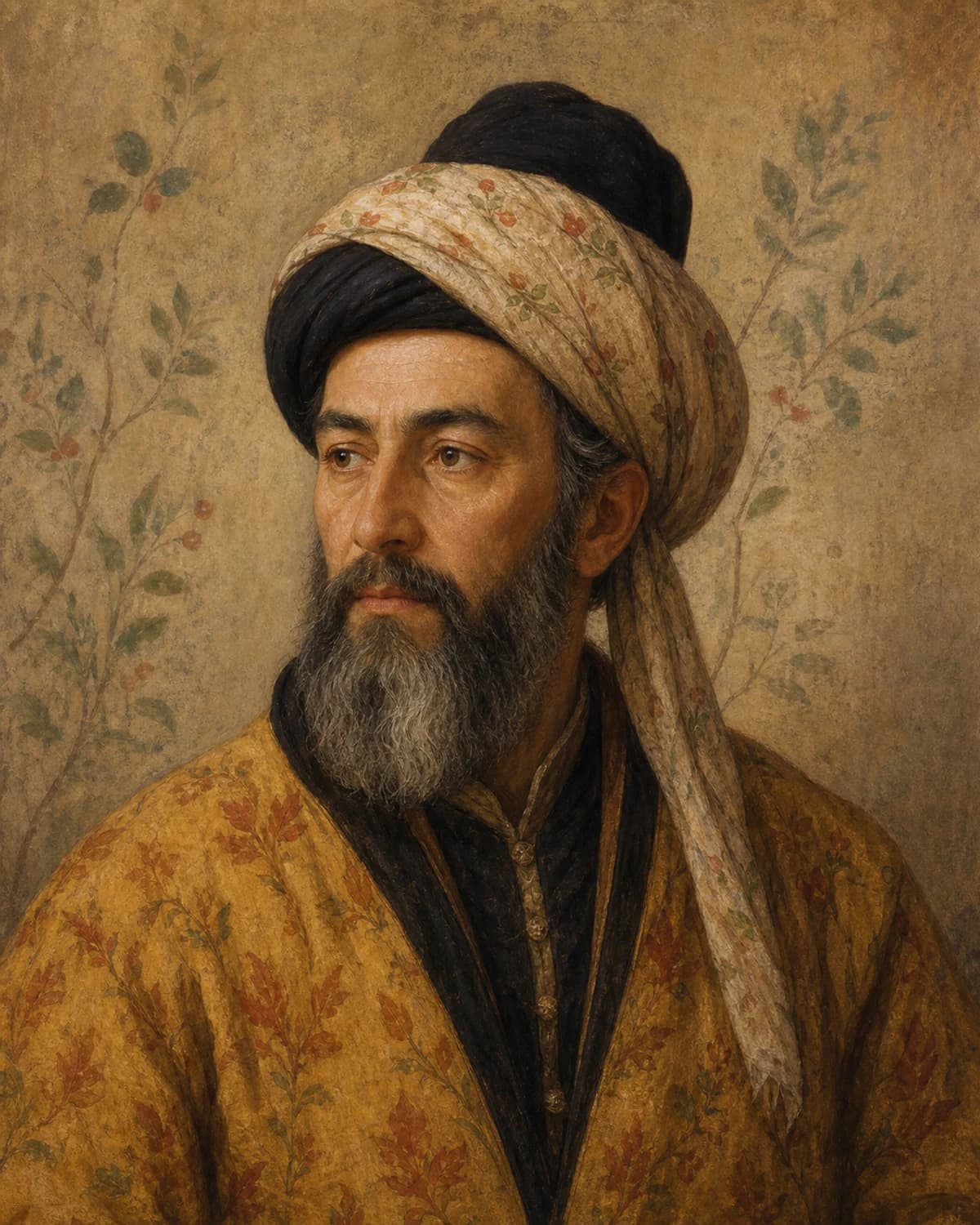
1501–1625
Ustad Mansur
Ustad Mansur drew for the emperor Jahangir whatever was brought to court: a turkey cock from Goa in 1612, a Barbary falcon from Shah Abbas in 1619, a zebra in 1621, the birds of Kashmir and more than a hundred Kashmiri flowers. Jahangir gave him the title Nadir al-Asr, “unequalled of the age”. He is credited with one of the few colour pictures of the dodo made from a living bird; the sheet is kept in St Petersburg.08.03.1936–present
Mohamed Mrabet
Mohamed Mrabet, a fisherman and barman from Tangier, told his stories in Moghrebi Arabic while Paul Bowles taped and translated them: that is how, from 1967, fourteen books appeared, from “Love with a Few Hairs” to “Chocolate Creams and Dollars”. He began to draw in 1959; his dense felt-tip and ink drawings have been shown in New York, Lyon, Brussels, Tarifa and Tangier.02.12.1891–21.12.1984
Carlos Mérida
Carlos Mérida, born in Guatemala, brought Maya-Quiché motifs to Mexico City in 1919, a year before Rivera returned from Europe, assisted him at the Bolívar Amphitheatre, and then moved from narrative fresco to geometry: mosaics in glass and enamel for the Juárez housing complex (lost in the 1985 earthquake), the Museum of Anthropology in Mexico City and the Civic Centre in Guatemala City. In 1932 he founded the dance school of the Ministry of Education.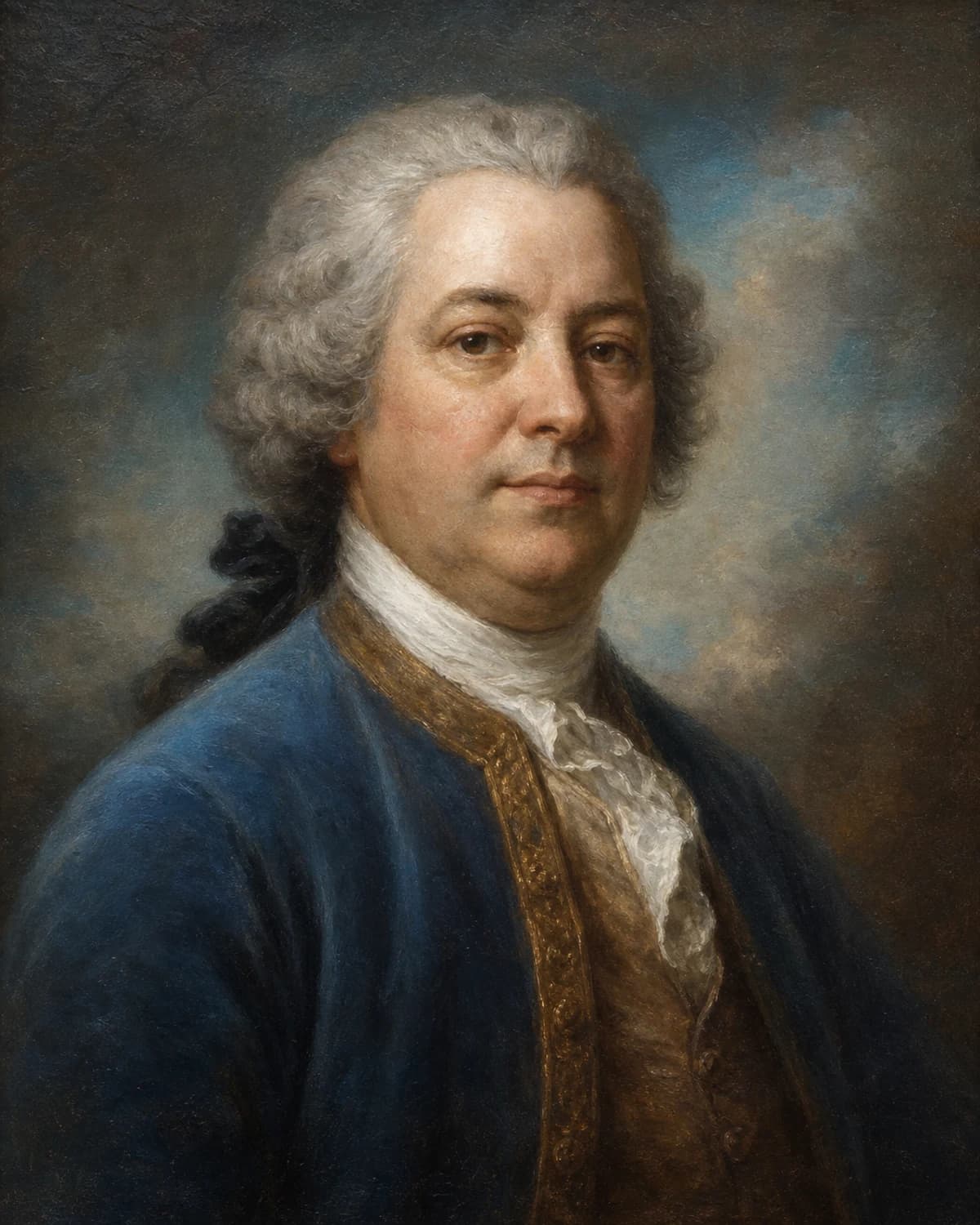
27.05.1695–16.05.1768
Miguel Cabrera
Miguel Cabrera, painter to the Archbishop of Mexico and favourite artist of the Jesuits, was admitted in 1751 to the cloak bearing the image of the Virgin of Guadalupe and in 1756 published “American Marvel”, an analysis of its painting technique; his copy of the image went to Rome, to Pope Benedict XIV. He painted the portrait of Sor Juana Inés de la Cruz, the “Virgin of the Apocalypse” and the series of sixteen casta paintings of 1763.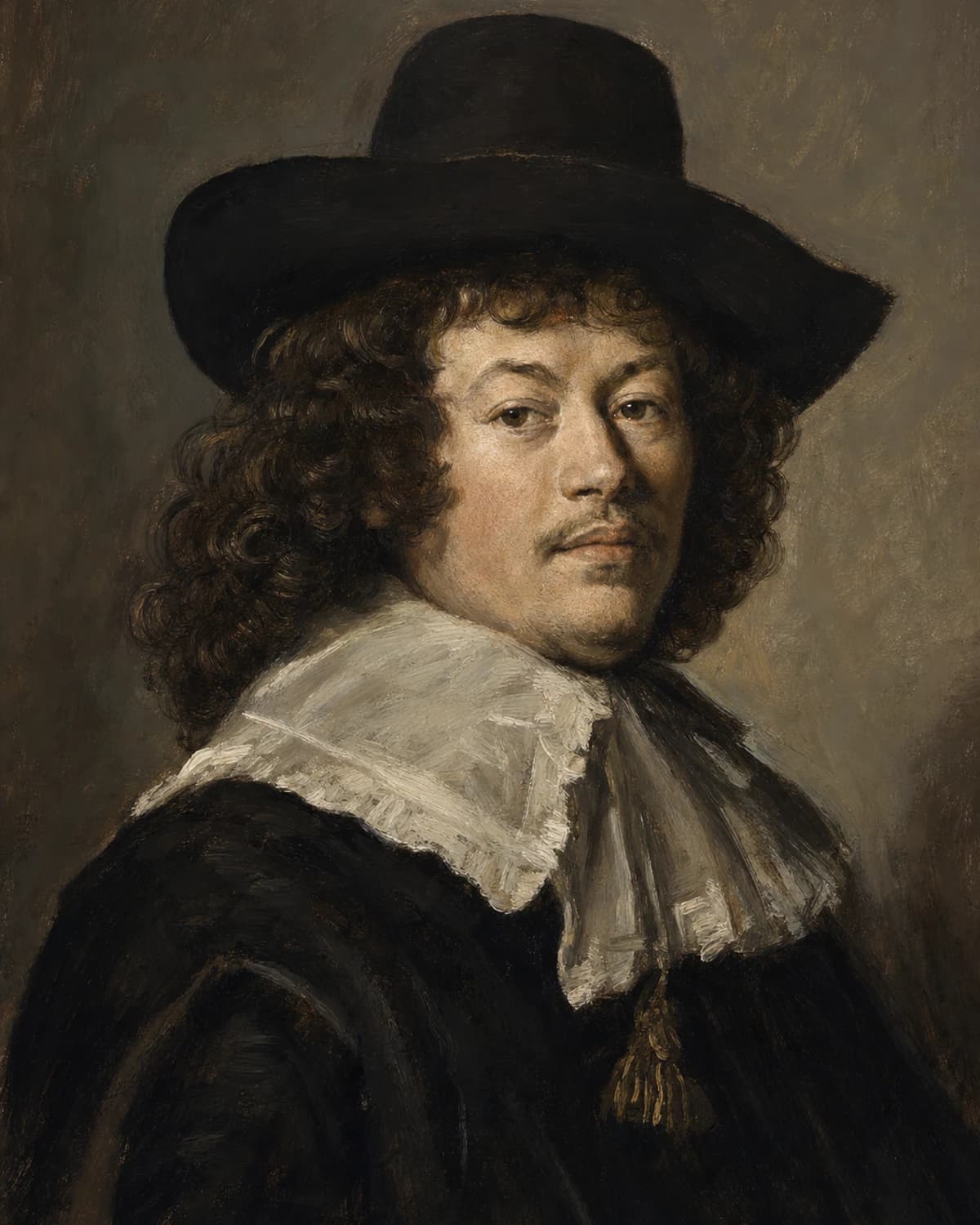
1591–26.08.1666
Frans Hals
Frans Hals (c. 1582/1583–1666) worked in Haarlem all his life and made his clients come to him: the only group portrait he began in Amsterdam was finished by another painter. His open brushwork, visible from any distance, was taken for carelessness for two centuries, until Hals was rediscovered in the 1860s; Van Gogh counted twenty-seven shades of black in his work.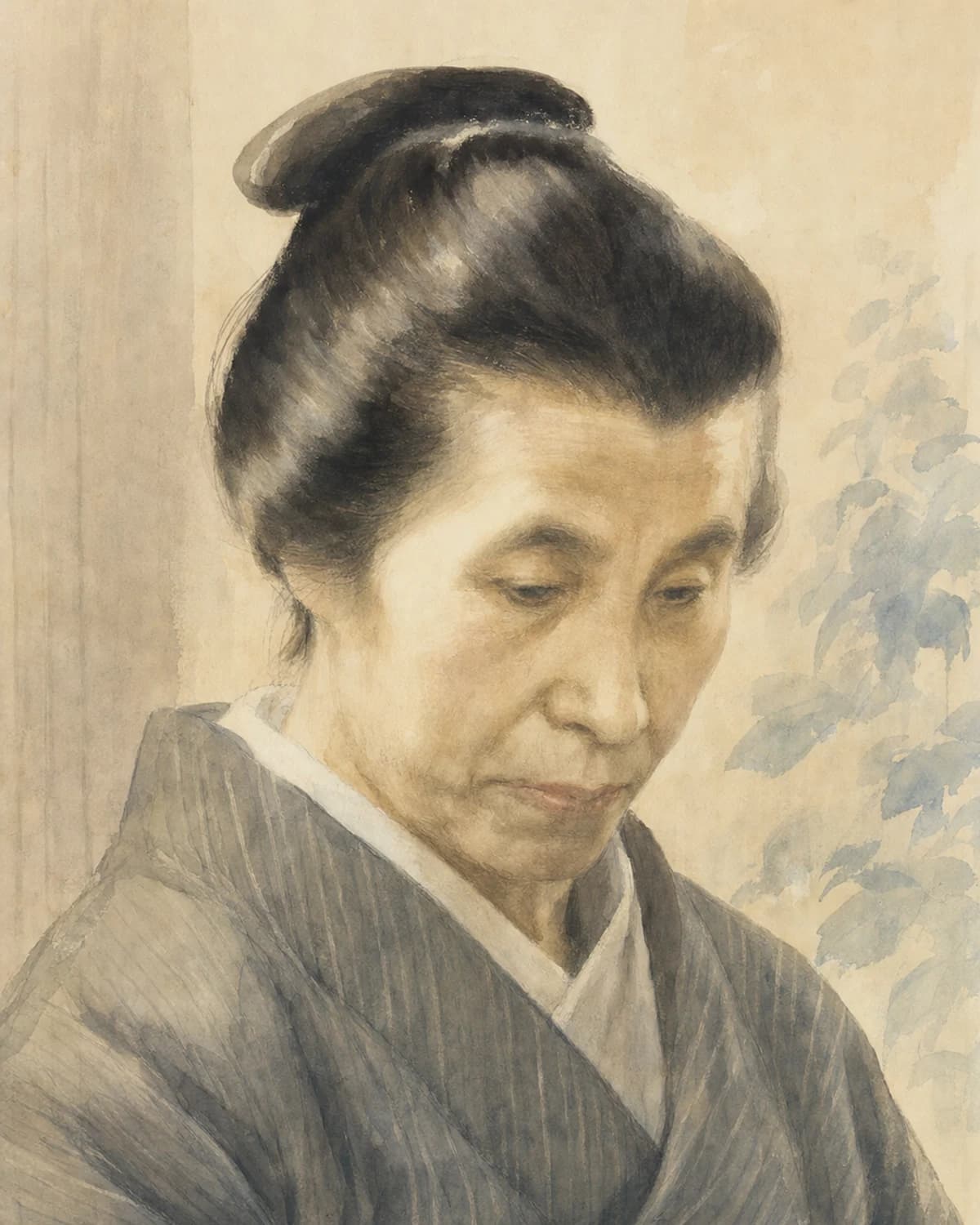
23.04.1875–27.08.1949
Uemura Shōen
Uemura Shōen (1875–1949), born Uemura Tsune in Kyoto, painted women all her life: beauties in the spirit of ukiyo-e, heroines of the Noh theatre, working women of the war years. In 1941 she became the first woman admitted to the Imperial Art Academy, in 1948 the first to receive the Order of Culture, and her “Jo-no-mai” (1936) became the first painting by a Japanese woman to be listed as an Important Cultural Property.1929–02.04.2004
Chaïbia Talal
Chaïbia Talal (1929–2004), an illiterate peasant woman from near El Jadida, married off at thirteen and widowed at fifteen, took up paints in 1963 after a dream in which she was told to paint. Three years later her canvases hung at the Goethe-Institut in Casablanca and at the Museum of Modern Art in Paris; she is placed with art brut and naive art, and her work is held in collections from Lausanne to Tunis.11.11.1907–04.12.2005
Débora Arango
Débora Arango (1907–2005) of Medellín was the first in Colombia to exhibit the female nude and the first to paint the violence of La Violencia while it was going on: “The Train of Death”, “The Cemetery of the Riffraff”, “Military Junta”. Her exhibitions were closed by priests, by the League of Decency and by Franco’s authorities in Madrid; in 1986 she gave 233 works to the Museum of Modern Art of Medellín, and since 2016 her portrait has been printed on the 2,000-peso banknote.22.11.1904–04.02.1957
Miguel Covarrubias
Miguel Covarrubias (1904–1957) arrived in New York at nineteen with almost no English and became the leading caricaturist of Vanity Fair, drawing the jazz clubs of Harlem and covers for The New Yorker. Then came Bali, six maps of the Pacific for an exposition in San Francisco, teaching ethnology in Mexico City and books on pre-Columbian art in which he argued for the antiquity of the Olmecs before the archaeologists did.08.03.1945–present
Anselm Kiefer
Anselm Kiefer (born 1945) paints wall-sized pictures in lead, straw, ash and clay about German history, the Holocaust, Kabbalah and the poems of Paul Celan. He has worked in France since 1992, first in a former silk factory at Barjac, then outside Paris; in 2007 he became the first artist since Braque to have a work permanently built into the Louvre, and in 2017 he showed more than thirty paintings dedicated to Velimir Khlebnikov at the Hermitage.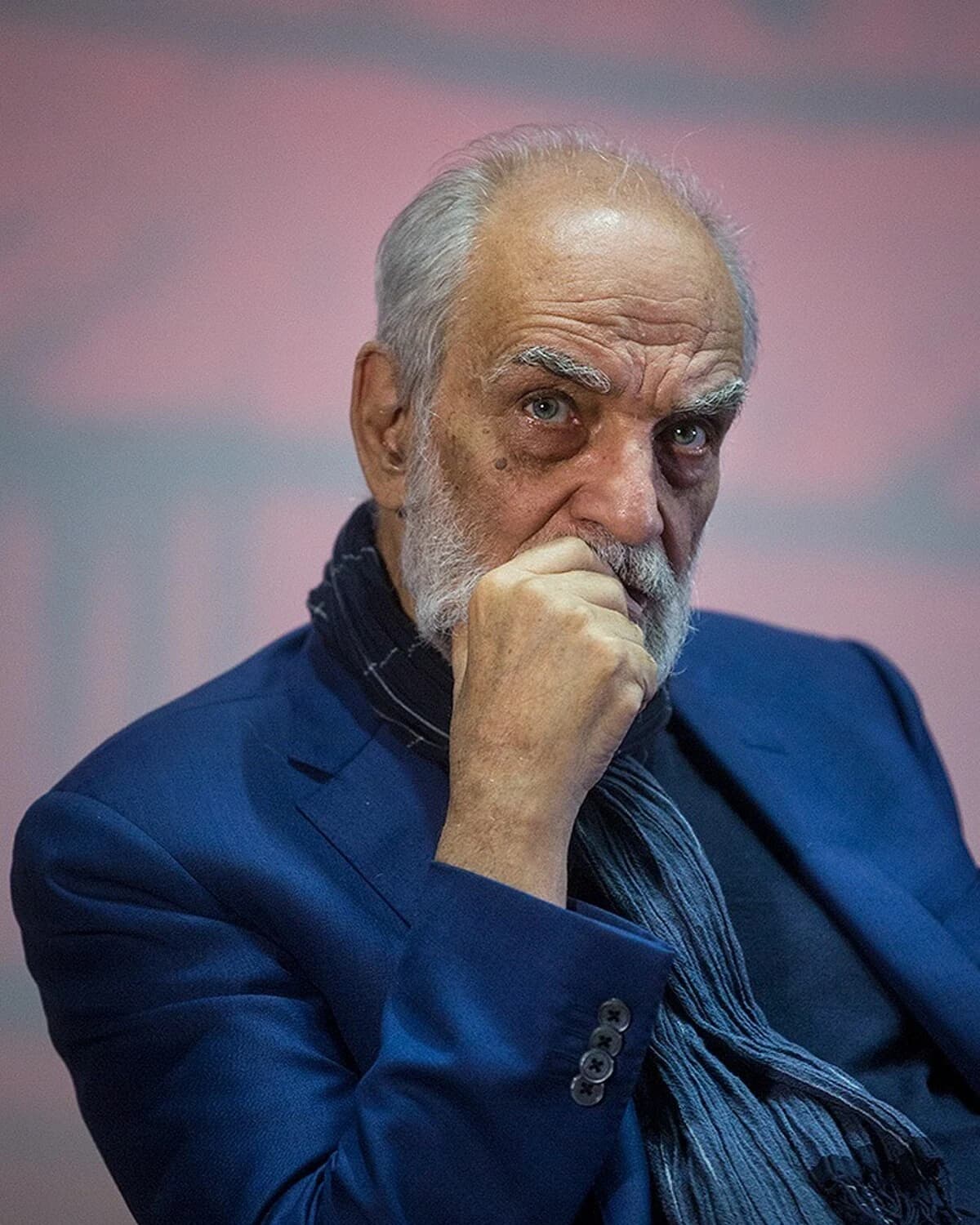
30.10.1940–present
Aydin Aghdashloo
Aydin Aghdashloo (born 1940) paints in gouache on canvas faceless dolls, floating objects casting shadows on the ground, and old masters with every mark that time has left on them. In 1976–1979 he took part in creating Tehran’s museums, after the revolution he took Iranian art to exhibitions in China, Japan and Italy, he writes books on art, and in 2016 he received the Legion of Honour.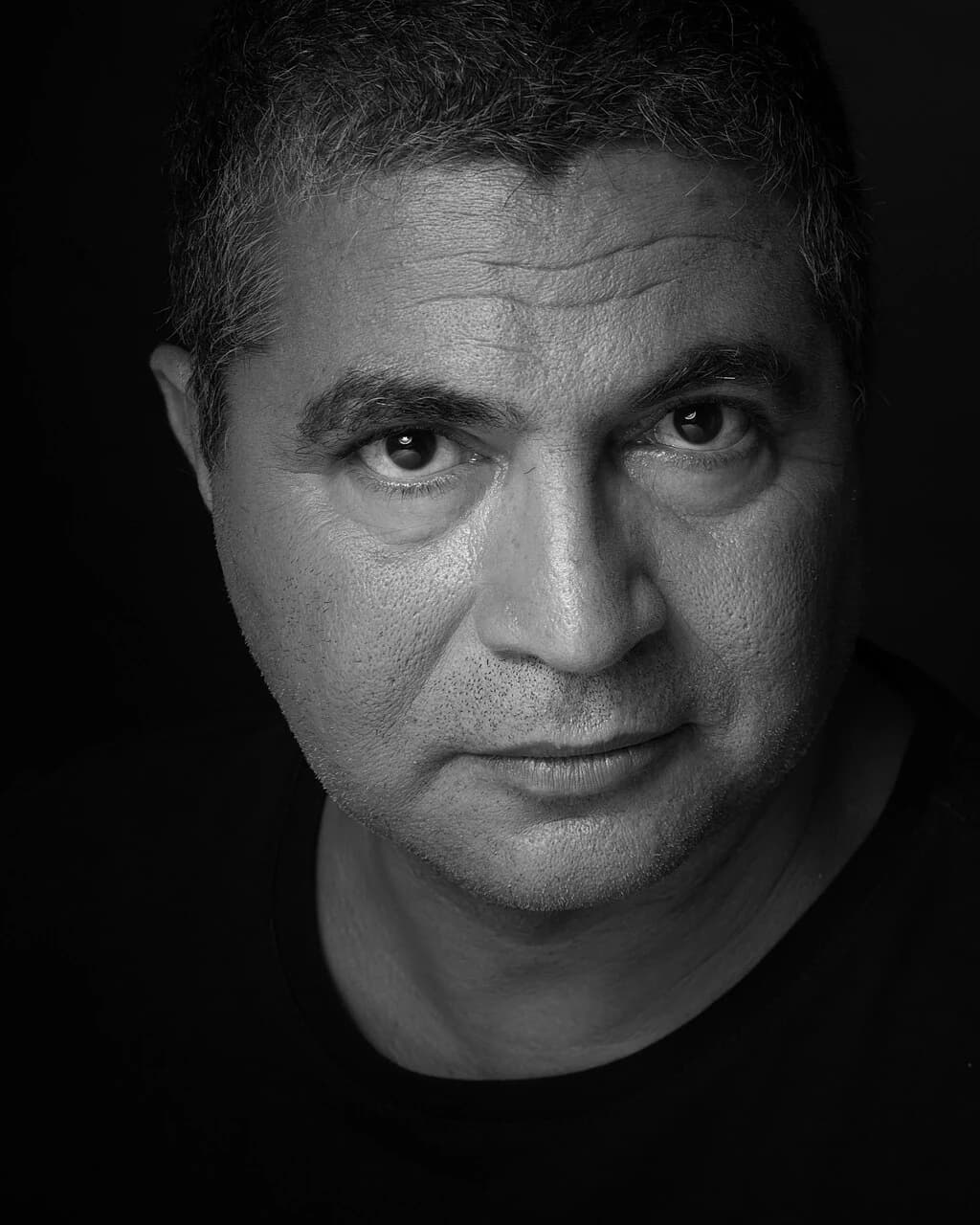
1959–present
Mahi Binebine
Mahi Binebine (born 1959) of Marrakesh taught mathematics in Paris for eight years before becoming a painter and novelist. His paintings are in the permanent collection of the Guggenheim Museum in New York, his novels have been translated into a dozen languages, and “The Stars of Sidi Moumen” became the film “Horses of God”. After the 2003 bombings he founded with Nabil Ayouch a foundation in Casablanca that has opened eight centres for teenagers from poor districts.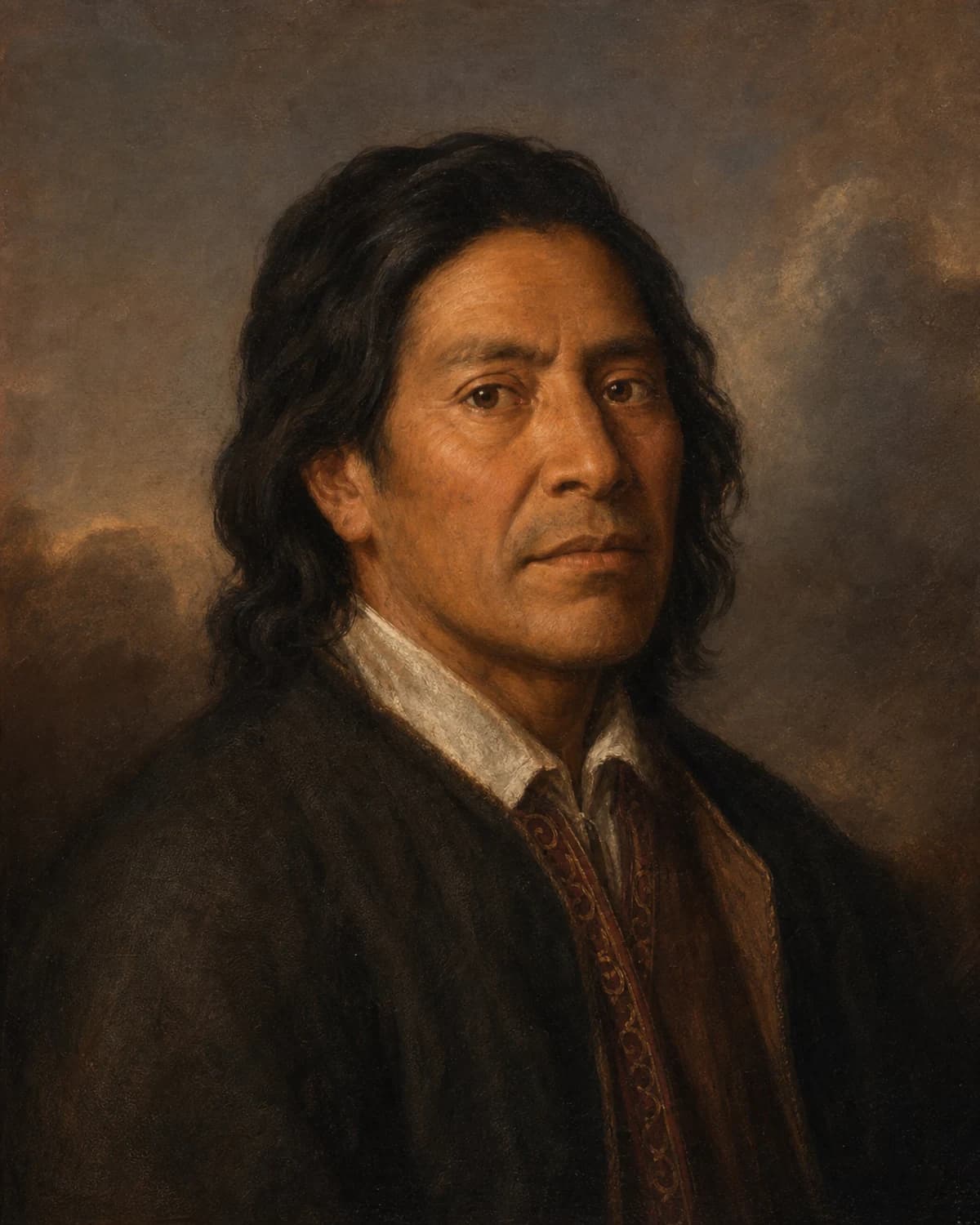
1611–1681
Diego Quispe Tito
Diego Quispe Tito (1611–1681), a painter from a noble Inca family, worked all his life in San Sebastián outside Cusco and became the leading figure of the Cusco School. He copied Flemish engravings, gilded garments and filled spacious landscapes with birds and angels; his “Signs of the Zodiac” (1681) in Cusco Cathedral ties each sign to a parable from the life of Christ.26.02.1934–03.07.2017
José Luis Cuevas
José Luis Cuevas (1934–2017) rented a studio in Mexico City at fourteen instead of going to school, exhibited in Washington at nineteen and at twenty-five won the first prize for drawing at the São Paulo Biennial. He drew distorted, half-animal people, fought the muralists and the “cactus curtain”, gave the Zona Rosa its name and in 1992 opened his own museum in the former convent of Santa Inés.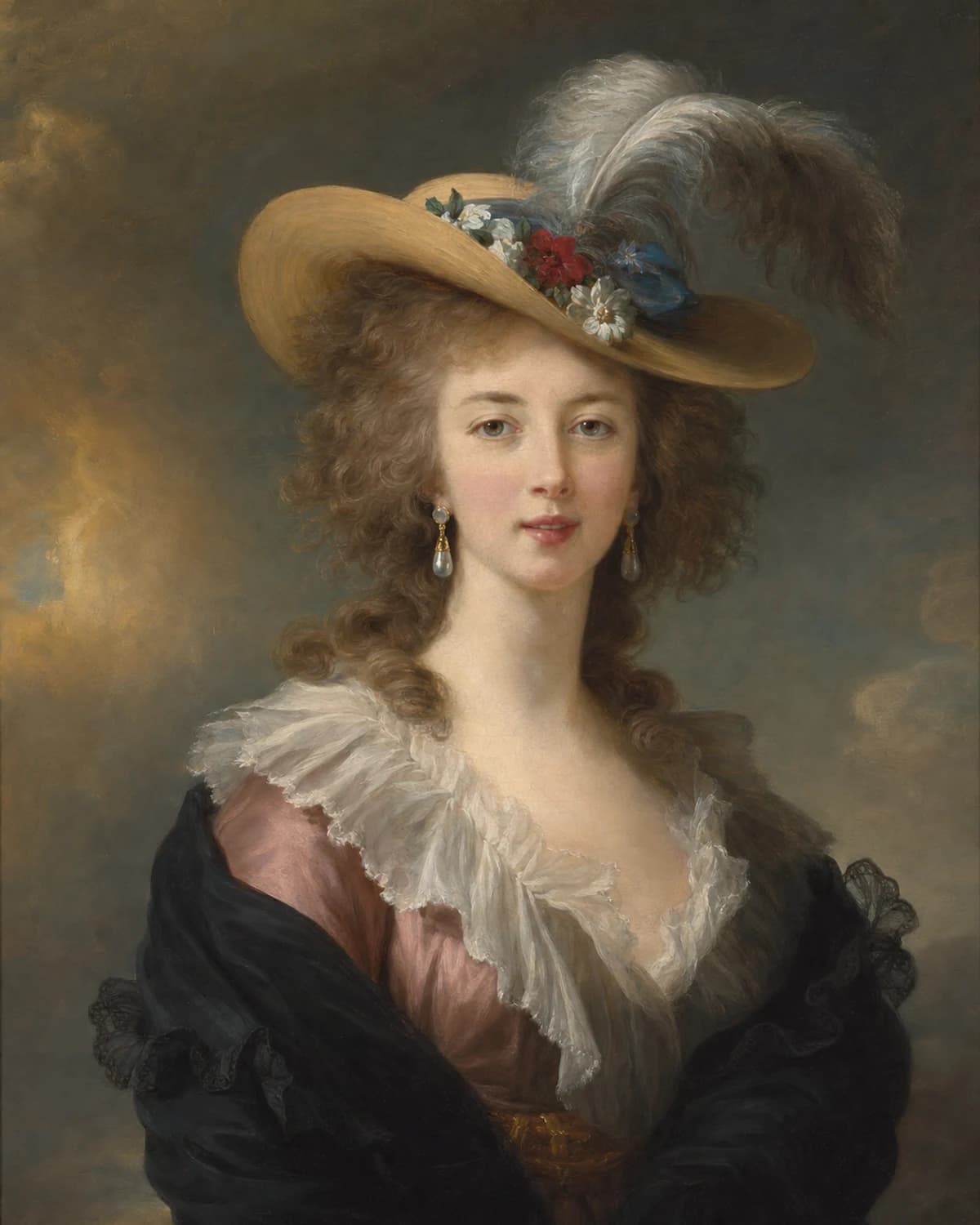
16.04.1755–30.03.1842
Élisabeth Vigée Le Brun
Élisabeth Vigée Le Brun (1755–1842) painted more than thirty portraits of Marie Antoinette and her family and in 1783 was admitted to the Royal Academy of Painting, one of fifteen women in a century and a half. On the night after the Parisian women’s march on Versailles she left by stagecoach, and for twelve years she worked in Italy, Vienna, Saint Petersburg and Berlin. In her memoirs she counted 662 portraits and about 200 landscapes.1825–1875
Mirza Kadym Irevani
Mirza Kadym Irevani (1825–1875) spent thirty-five years as a post-office clerk in Erivan and in his free time painted portraits in tempera and watercolour, cut stencils for embroidery and painted on glass. In the early 1850s he repainted the Palace of the Sardars of Erivan and made for it four full-length portraits in oil on canvas, which are counted as the first easel paintings in Azerbaijani art. A little over twenty of his works survive: in Baku, the Hermitage and Tbilisi.06.01.1906–20.08.1982
Walter Battiss
Walter Battiss (1906–1982) worked as a magistrate’s clerk until he was thirty-five, studying alongside the job, and then taught drawing in Pretoria for almost thirty years and became a professor of fine art. He studied the rock paintings of the San and regarded them as true art, wrote a book about them, “The Amazing Bushman”, and in his last years invented Fook Island, with its own map, language, stamps and passports.21.11.1913–12.02.2015
Tomie Ohtake
Tomie Ohtake (1913–2015) came from Kyoto to São Paulo in 1936 to visit a brother, stayed because of the war and took up the brush only around forty. From her studio came abstract canvases, the series of “blind paintings” made with her eyes bandaged, prints for the Venice Biennale of 1972 and twenty-seven sculptures for the streets of Brazilian cities. She worked to her last days and lived to a hundred and one.
14.07.1974–present
Enrique Cabrera
Enrique Cabrera (born 1974) started out as a restorer: he repaired sculpture for the Mexican department-store chain Sanborns, and in 2010 restored historic monuments on the Bicentennial Route of Mexican independence. Since 2008 he has made sculptural skulls in metal; the “Palmarius” series, with its two-metre bronze skull, has toured several countries, and “El Toro de Oro” was shown in New York in 2022.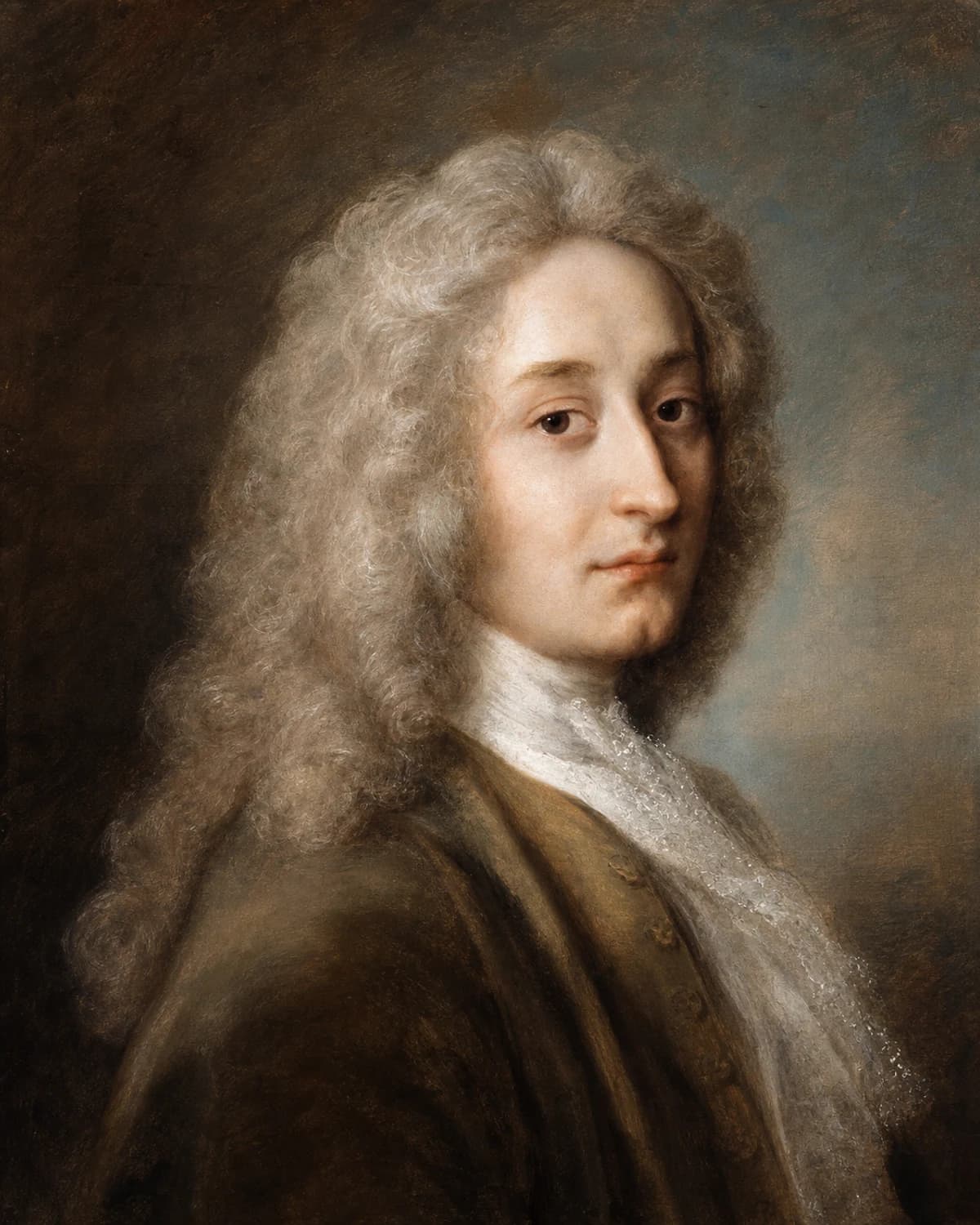
10.10.1684–18.07.1721
Antoine Watteau
Antoine Watteau (1684–1721) left about a thousand drawings and more than two hundred paintings from a decade and a half in Paris; on his reception piece for the Royal Academy, the “Pilgrimage to Cythera”, the clerk crossed out the title and wrote in a new term: “fête galante”. He grew up in Valenciennes, walked to Paris, copied pictures on the Pont Notre-Dame, and painted his last work, a shop sign for a friend, in a week.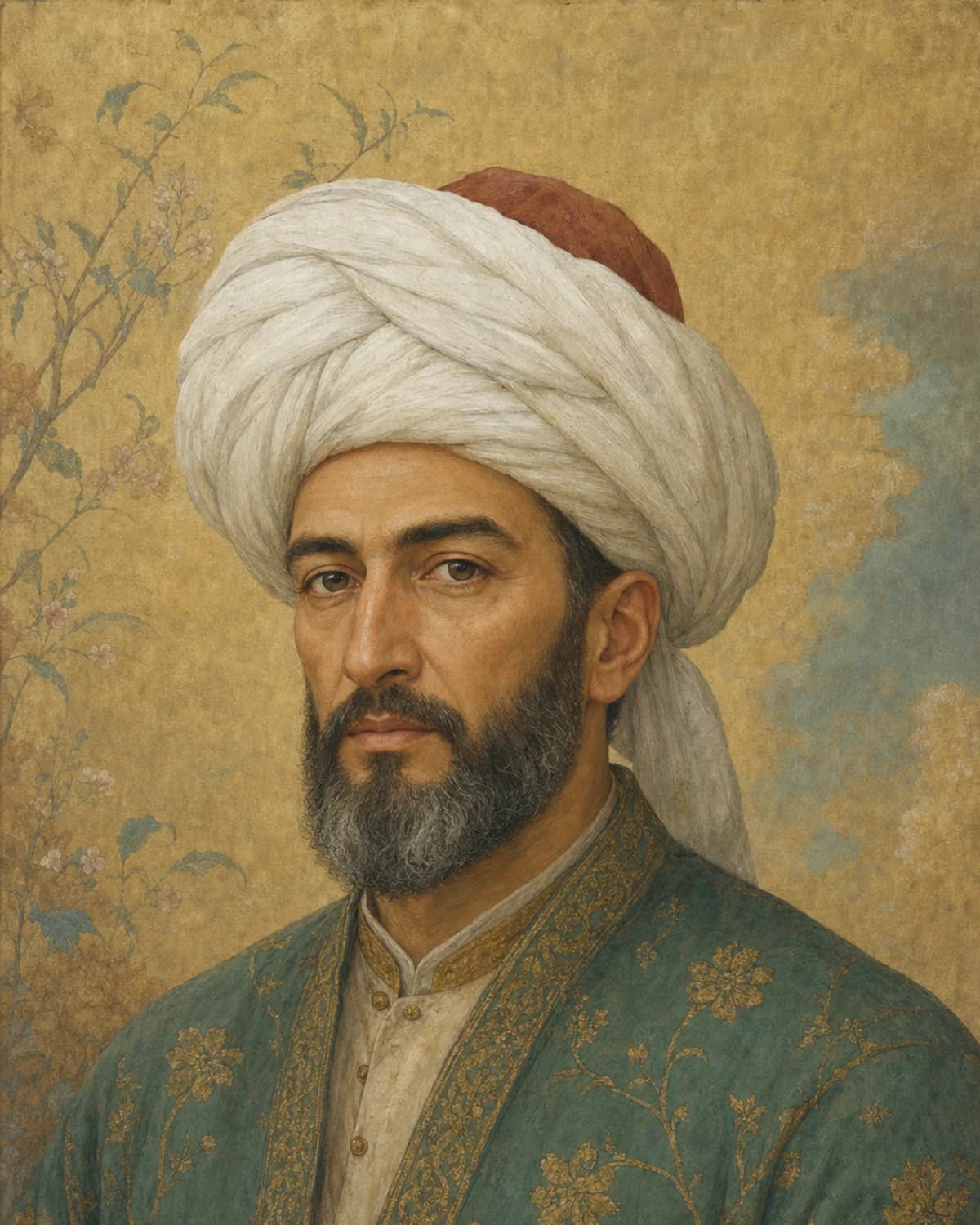
1500–1593
Abd al-Samad
Abd al-Samad, a native of Shiraz nicknamed Shirin Qalam, “sweet pen”, met the exiled Mughal emperor Humayun in Tabriz in 1544 and followed him to Kabul and then to India, where he taught the young Akbar to draw. Around 1572 he took charge of the imperial workshop and in seven years brought the enormous “Hamzanama” to completion; under him Mughal miniature painting settled into a style of its own. His dates of birth and death are unknown; his last work is dated 1595.20.03.1965–present