 International contemporary art platform
10.10.1684–18.07.1721
Antoine Watteau
Jean-Antoine Watteau was born on October 10, 1684, in Valenciennes, Kingdom of France. He was an outstanding painter and draughtsman who became an academician of the Royal Academy of Painting and Sculpture. During his brief creative career, most of which he spent in Paris, Watteau produced about a thousand drawings and over two hundred paintings. His work…

Biography
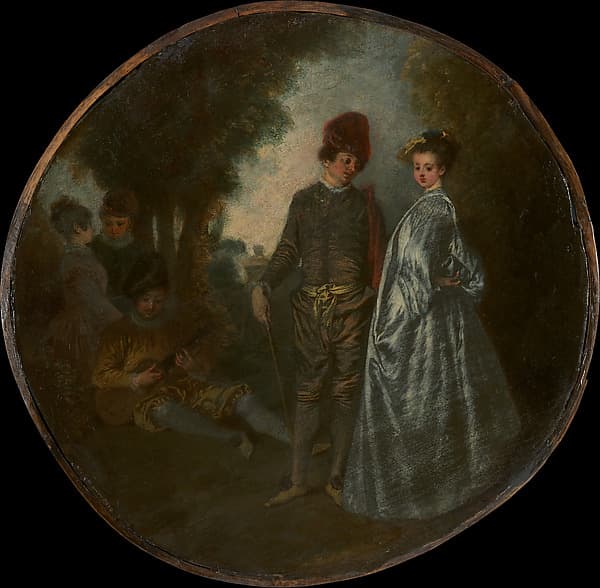
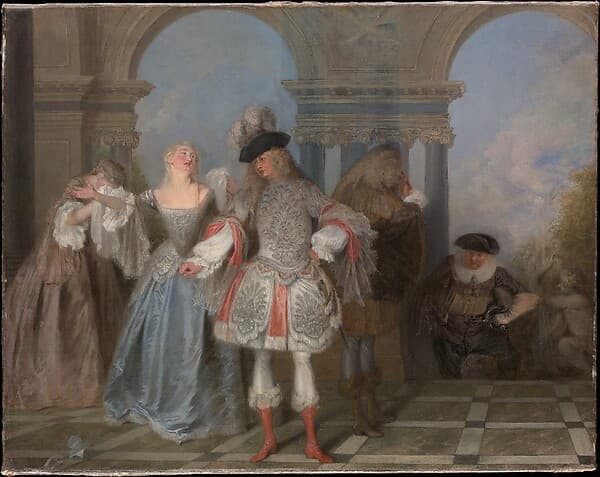
Jean-Antoine Watteau was born on October 10, 1684, in Valenciennes, Kingdom of France. He was an outstanding painter and draughtsman who became an academician of the Royal Academy of Painting and Sculpture. During his brief creative career, most of which he spent in Paris, Watteau produced about a thousand drawings and over two hundred paintings. His work covered a variety of genres: landscapes, portraits, mythological, religious, battle scenes, and genre scenes. He is especially known for the so-called galant scenes—group depictions of figures in park settings—which became a characteristic element of his work and one of the foundations of the French Regency style and Rococo art. Among Watteau's notable works are "Nymph and Satyr," "Pilgrimage to the Isle of Cythera," "The Shop Sign of Gersaint," and "Pierrot." Watteau had a significant influence on the development of French visual arts, combining achievements of the Flemish, French, and Italian schools with the cultural realities of his time. The artist died on July 18, 1721, in Nogent-sur-Marne.
Artist works
Works by the artist
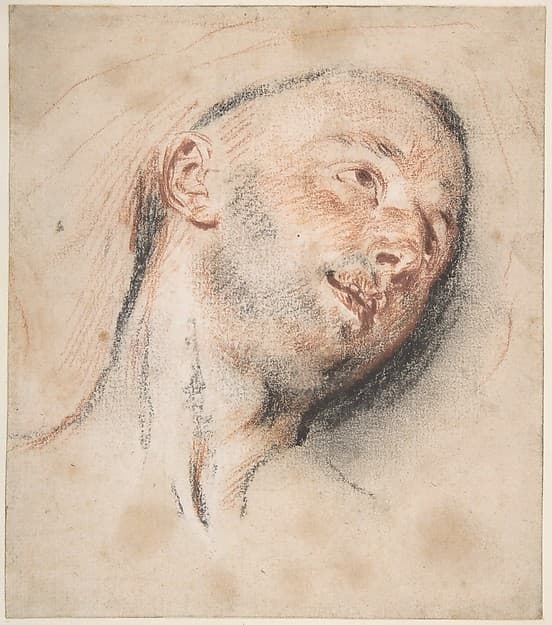
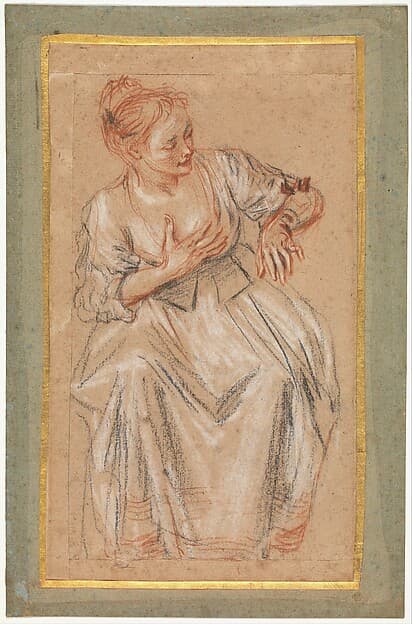
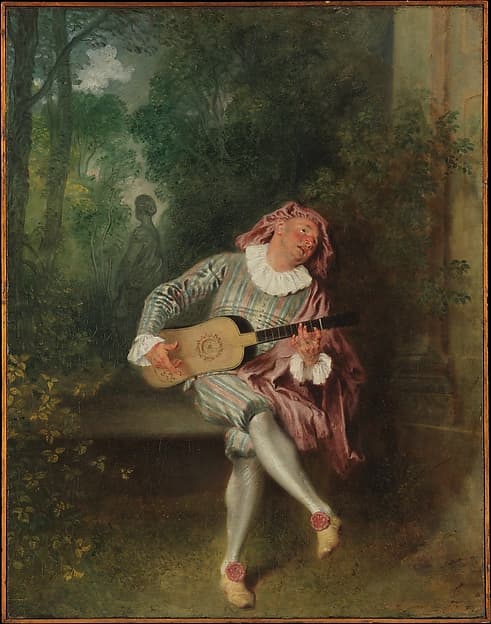
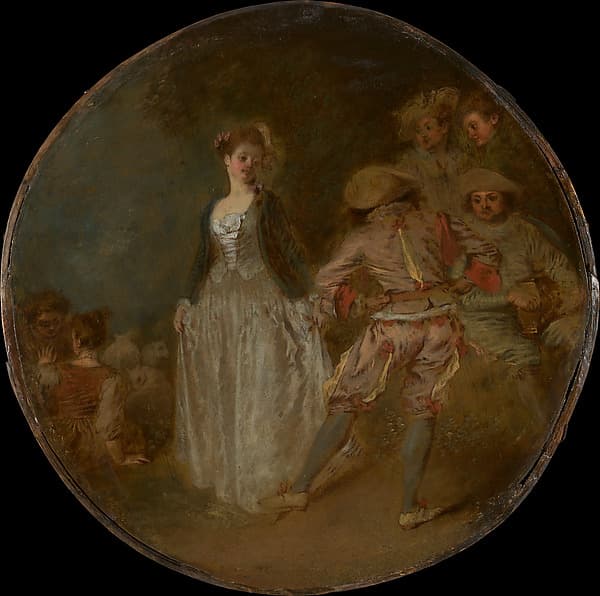
Works by Antoine Watteau available in this edition of NEOARCA.
Related context
Associations
Works connected through artistic movements, cultural context and period. Priced works available in this market appear first.
Profile notes
Profile and sources
Image
AI interpretation inspired by the artist’s period and visual language. It is not a historical portrait or an artwork by the artist.AI editorial interpretation
ИИ-стилизация на основе открытого изображения: Rosalba Carriera; Wikimedia Commons; CC BY-SA 4.0.
_The_painter_Antoine_Watteau_by_Rosalba_Carriera_-_Museo_civico_di_Santa_Caterina.jpg)