
1611–1681
Diego Quispe Tito
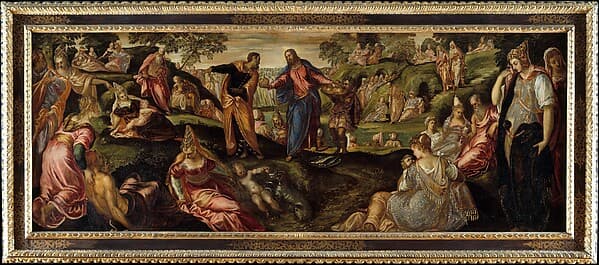
Diego Quispe Tito (1611–1681), a painter from a noble Inca family, worked all his life in San Sebastián outside Cusco and became the leading figure of the Cusco School. He copied Flemish engravings, gilded garments and filled spacious landscapes with birds and angels; his “Signs of the Zodiac” (1681) in Cusco Cathedral ties each sign to a parable from the life of Christ.
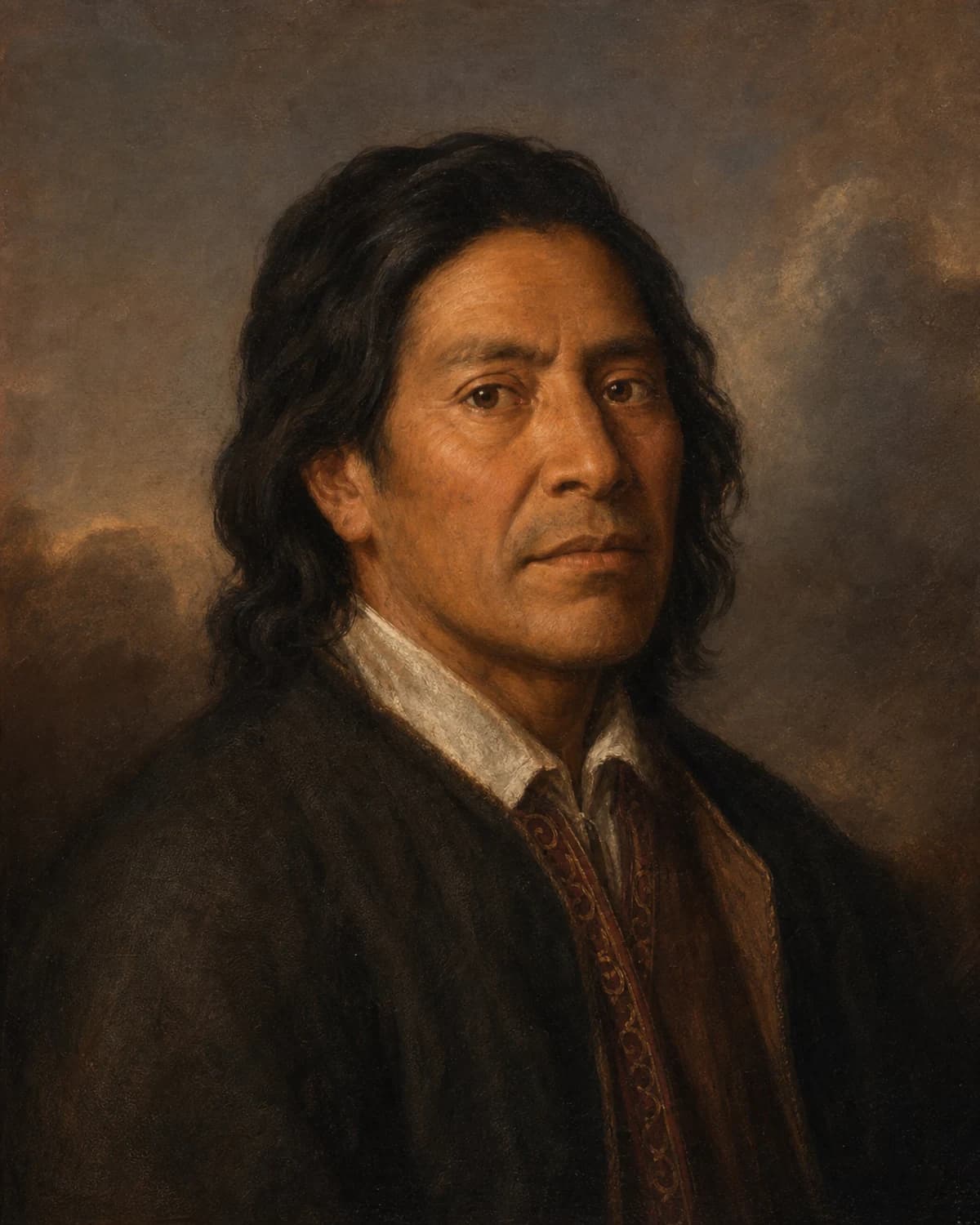
Biography
In San Sebastián, a suburb of Cusco, a house with a coat of arms on its door still stands. The arms belonged to Diego Quispe Tito, a painter from a noble Inca family, who was born in Cusco in 1611 and worked in this district all his life.
Beyond that the documents say almost nothing about his origins; to my mind the house with the coat of arms says more about his standing than any attribution.
Seventeenth-century Cusco painted after European models, but some of its painters were of Inca descent and brought something of their own to their pictures, and Quispe Tito is regarded as the head of this school. His manner is described as a fusion of Italian Mannerism and Flemish painting with local landscape, in which decorative birds are perched. His earliest signed work, an “Immaculate Conception”, is dated 1627: the painter was sixteen. The garments in it are covered in gold, as was the custom in Cusco, and the elongated figures show that he knew Mannerism. Where he learned it is not known. The usual suggestions are the Italian Jesuit Bernardo Bitti, who was working in Cusco at the time, and one more possible mentor of his youth, the Lima painter Luis de Riaño, a pupil of Angelino Medoro; through them the Italian manner reached Cusco. The second source was engravings from Flanders, which were sent to Peru deliberately: a country that still worshipped the sun, the moon and the stars was to look instead at Christ and his miracles. His best-known work, the “Signs of the Zodiac” in Cusco Cathedral, completed in 1681, is built entirely on such engravings: to each sign corresponds a parable from the life of Christ. A series on the life of John the Baptist, painted in 1663 for the church of San Sebastián in his own district, also follows Flemish models. Yet he has something the engravings do not: spacious landscapes taking up much of the picture, and in them birds and angels, many birds and angels. In 1667 he painted several scenes from the life of Christ that were sent to Potosí.
Diego Quispe Tito died in Cusco in 1681, the year to which his “Signs of the Zodiac” is dated. The house with the coat of arms in San Sebastián has outlived him by more than three centuries.
Related context
Associations
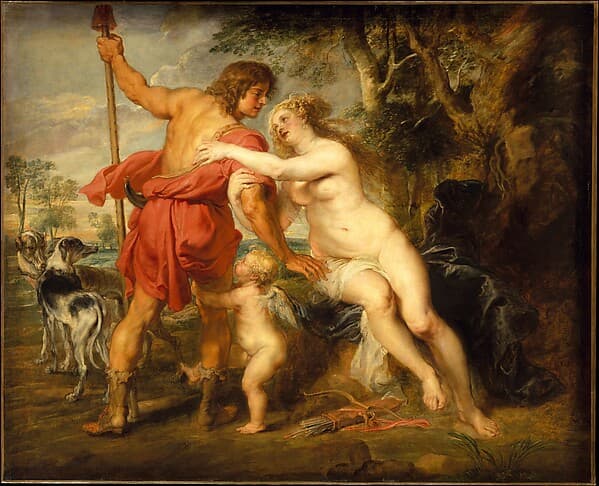
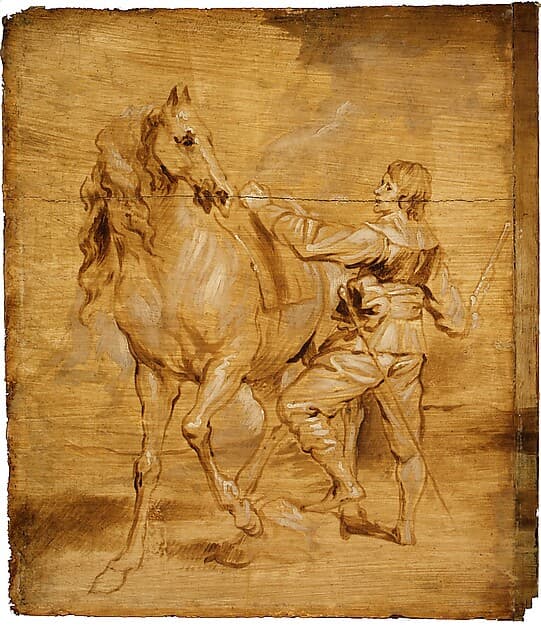
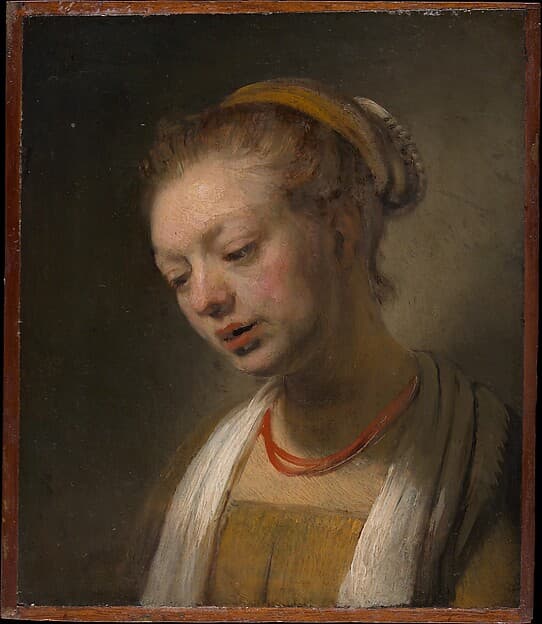
Works connected through artistic movements, cultural context and period. Priced works available in this market appear first.
Profile notes
Profile and sources
Image
Artist image
На основе открытого изображения: Benoît Prieur; Wikimedia Commons; CC0.
