
1948–present
Research · Sources · Context
Artists
Biographies, facts and images with open sources and verified rights.
Found: 1775
07.07.1950–09.07.1984
Mónica Briones
Mónica Briones (1950–1984) studied at the School of Arts of the University of Chile under Nemesio Antúnez and in 1969 took part in a marathon painting contest on Santa Lucía Hill. She was killed in Santiago on the night of 9 July 1984, during the military dictatorship. Her murder is regarded as the first documented lesbophobic hate crime in Chile, and its date became Lesbian Visibility Day.1950–present
Julio Carrasco Bretón
Julio Carrasco Bretón (born 1950) trained first as a chemical engineer: he graduated from UNAM in 1975, but had made his first mural in 1973. He patented “isoplastica”, wall panels of silicone and powdered marble that are made in the studio, rolled up for shipping and assembled on site in about eight hours. His murals are in Mexico City, Geneva and Ben Gurion Airport.08.01.1933–15.02.2015
Mikhail Koulakov
In 1959 Mikhail Koulakov (1933–2015) was expelled from an institute in Moscow for an exhibition of abstract paintings held in a private flat. He graduated in stage design in Leningrad, designed theatre productions, illustrated books for the publisher Lenizdat, and in 1976 left for Italy. He lived in Umbria; his mosaic decorates a Rome metro station, and in 2008 the Tretyakov Gallery gave him a large exhibition.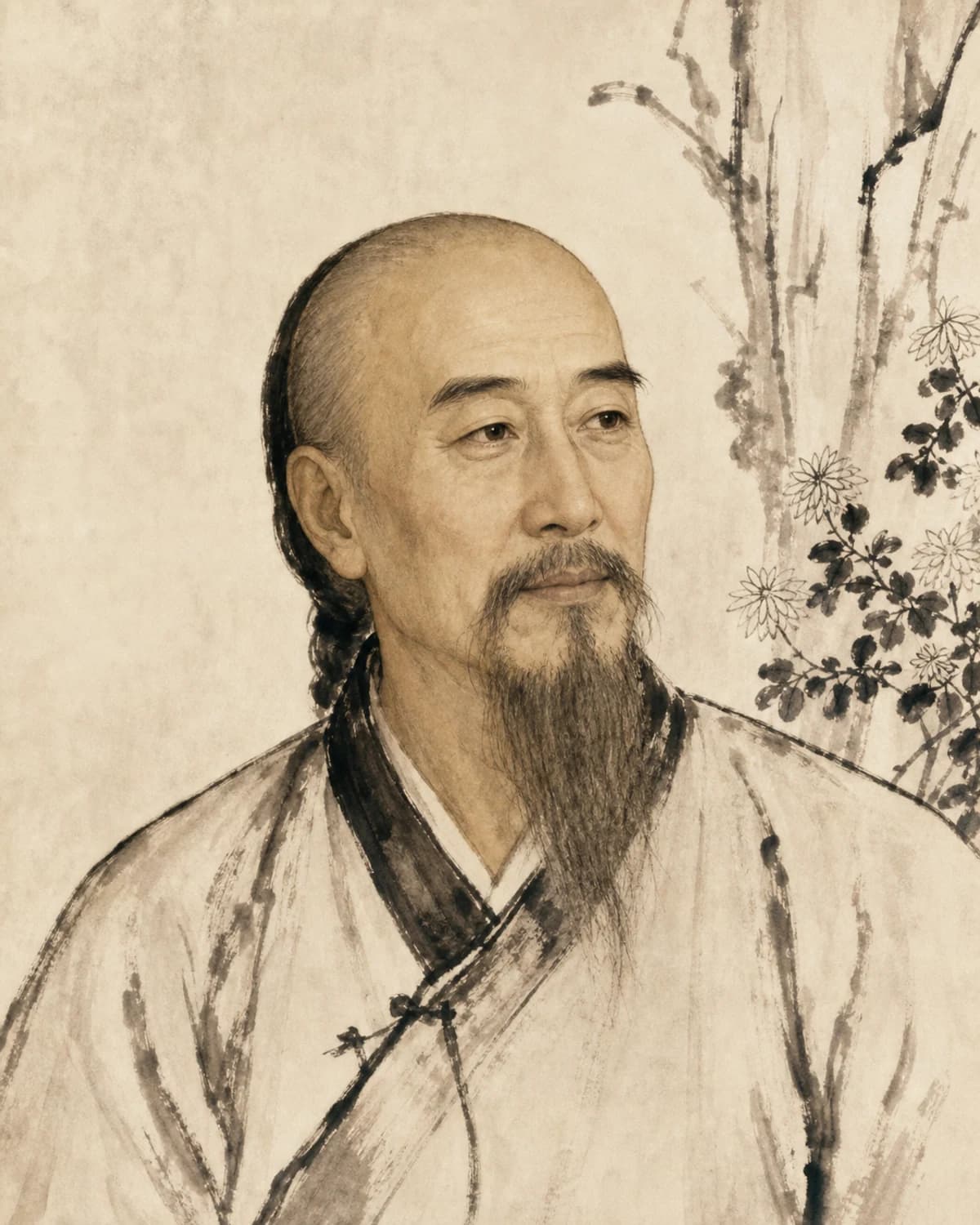
22.11.1693–22.01.1766
Zheng Xie
Zheng Xie, known as Zheng Banqiao, grew up in poverty, passed the imperial examinations and served for more than ten years as a county magistrate in Shandong. After leaving office he lived in Yangzhou, belonged to the circle of the Eight Eccentrics, painted bamboo, orchids and rocks, and devised his own script, “six and a half parts”. His three stages of painting bamboo are the part of his theory quoted most often.18.05.1999–present
Oscar Korbla Mawuli Awuku
The Ghanaian artist Oscar Awuku, known as Yonga Arts, paints on the human body: Adinkra symbols and ritual masks appear on his sitters. He calls his approach Anansinism, after the spider Anansi of Akan mythology. He also works in oil on canvas, digital painting and sculpture, and in 2020 was nominated for the Ghana Arts and Culture Awards.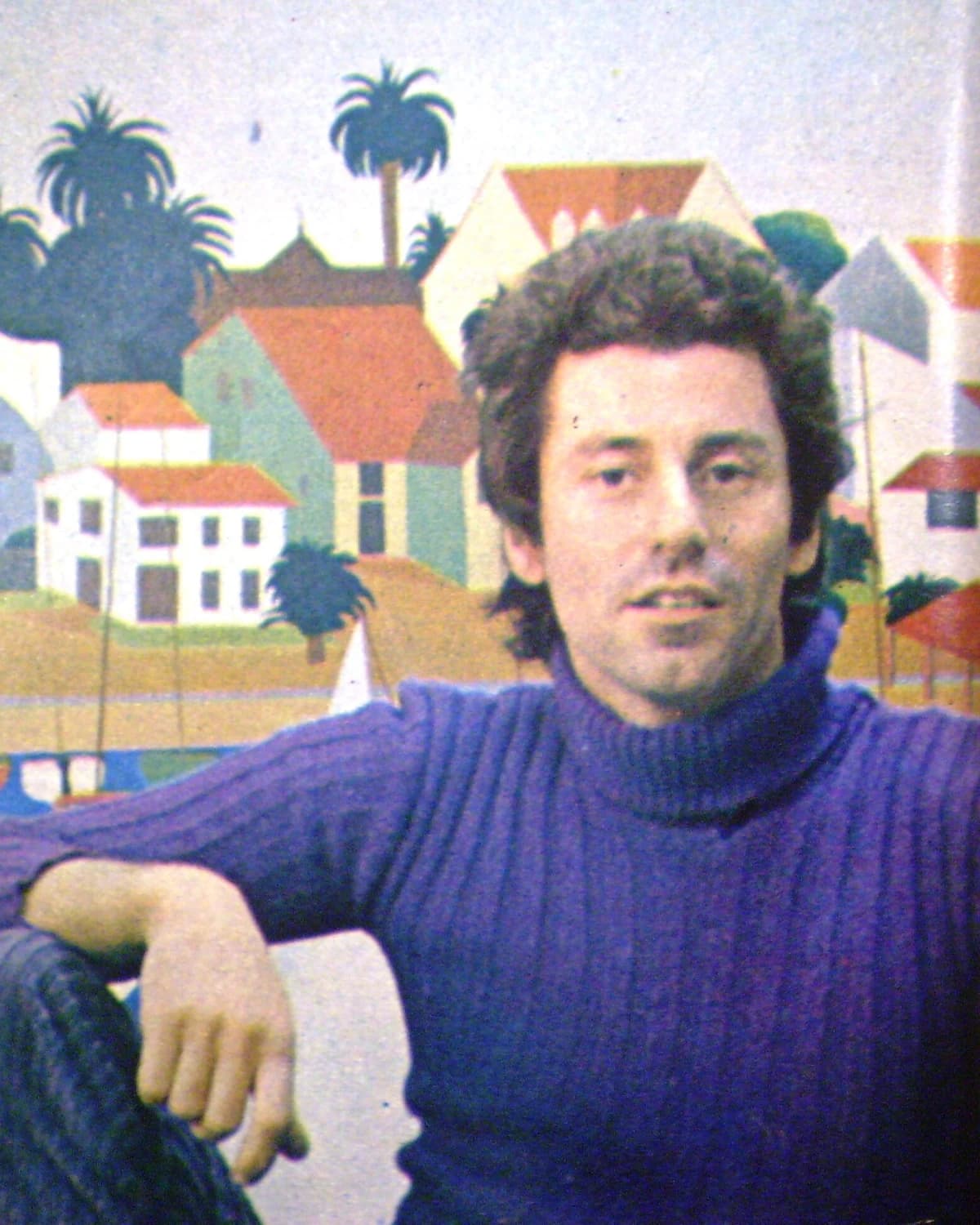
24.12.1937–19.06.2016
Nicolás García Uriburu
In June 1968, at the Venice Biennale, Nicolás García Uriburu dyed the waters of the Grand Canal bright green with fluorescein. An architect by training from Argentina, he repeated the action in New York, Paris and Buenos Aires, and later planted trees and organised protests against the pollution of the Riachuelo river.04.10.1936–15.09.1983
Francisco Corzas
Francisco Corzas (1936–1983) grew up in Tepito, one of the poorest neighbourhoods of Mexico City, and at fourteen enrolled at the school La Esmeralda. He studied in Rome for three years, won a silver medal there in 1958, and later painted two canvases for the Vatican. About 1,500 works survive: figures in old-fashioned clothes, female nudes, lithographs.31.12.1922–02.02.1997
Theodoros Stamos
Theodoros Stamos (1922–1997), the son of Greek immigrants from the Lower East Side, had his first solo exhibition at twenty-one, and in 1946 the Museum of Modern Art bought his “Sounds in the Rock”. The youngest of the Abstract Expressionist “Irascibles”, he later worked in the series “Sun-Boxes” and “Infinity Fields” and lived on Lefkada.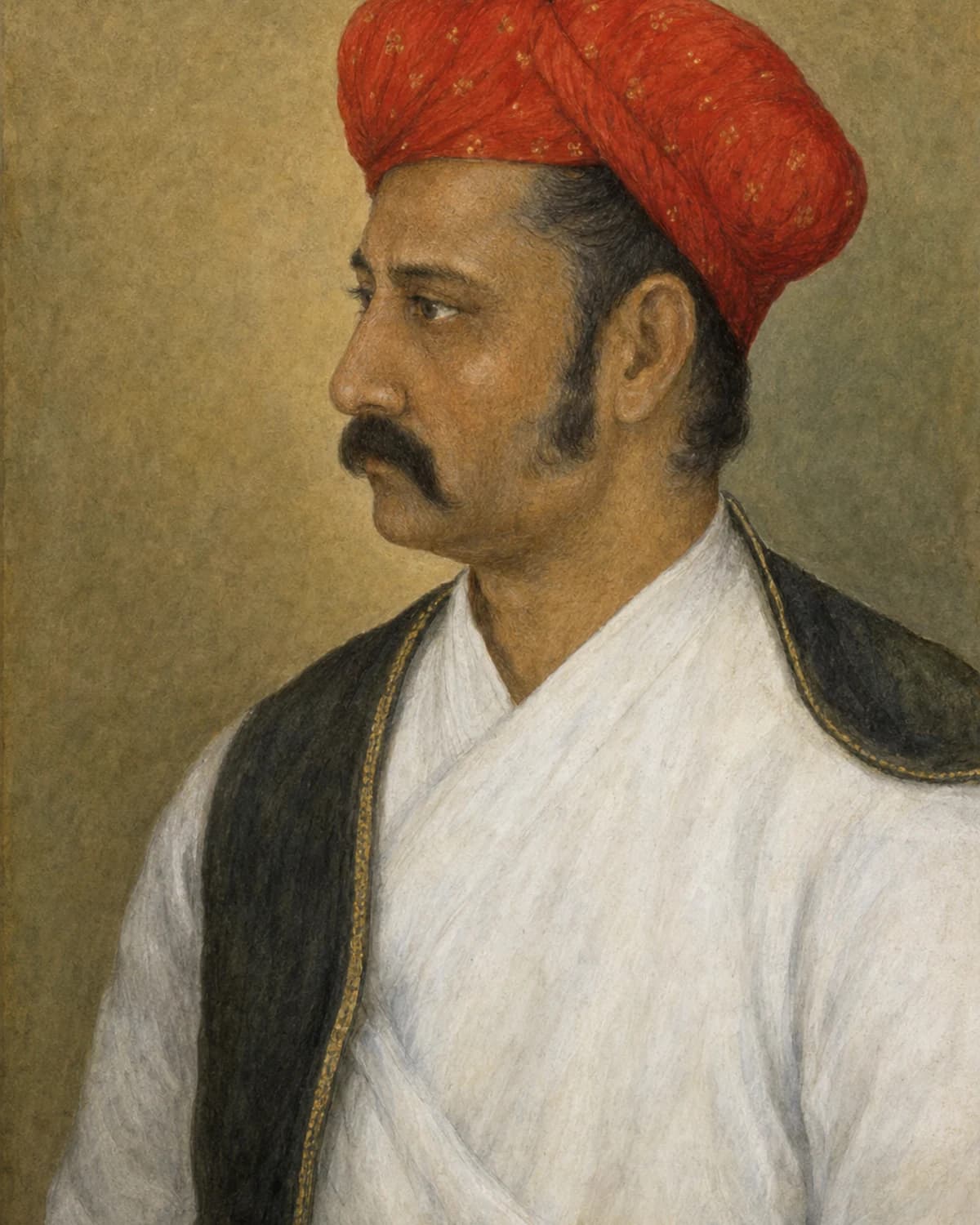
1600–1700
Bishandas
Bishandas worked in the Mughal imperial workshop under Akbar, Jahangir and Shah Jahan and was regarded as the best portraitist at court. In 1613 Jahangir sent him to Persia to paint Shah Abbas I; the artist did not return until 1620, when the emperor gave him an elephant. His dates of birth and death are unknown, and his trail in the sources ends around 1650.26.10.1978–present
Rachid Ben Ali
Rachid Ben Ali was born in 1978 in Taza, Morocco. At fifteen he was sent by his parents to the Netherlands, and he learned to paint largely on his own. In 2003 he won the KunstRAI award for young artists, and in 2005 the Cobra Museum in Amstelveen showed forty of his newest paintings. His work on the violence of extremism drew threats, and since then he has lived under protection.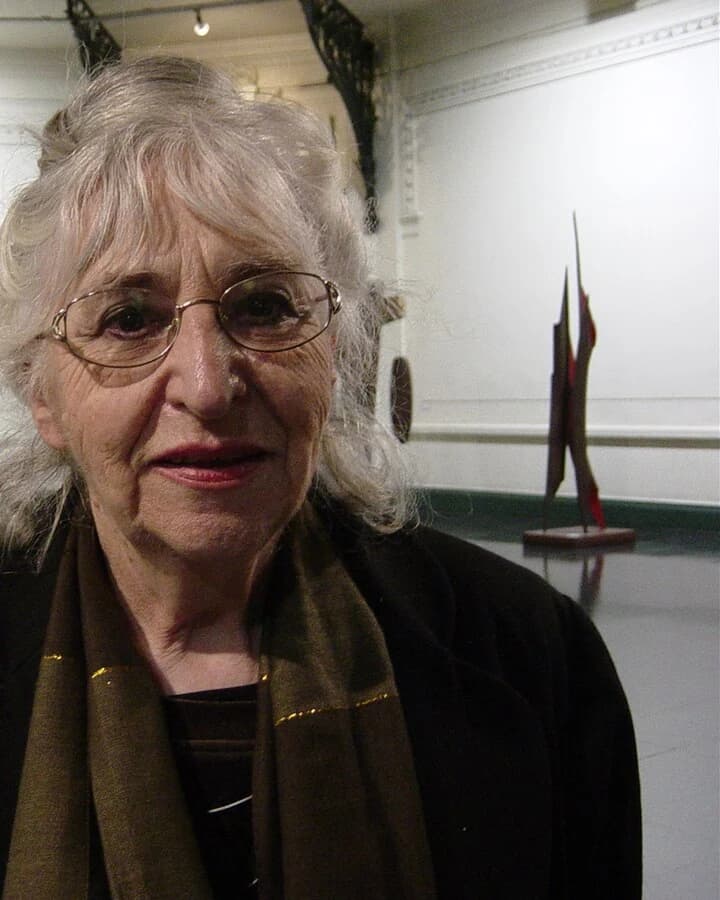
27.06.1926–28.05.2020
Gracia Barrios
The Chilean painter Gracia Barrios studied at the School of Fine Arts of the University of Chile, belonged to Grupo Signo in the 1960s and moved from figurative painting to an informal style, with earth and clay in the paint layer. After the 1973 coup she spent about ten years in France. In 2011 she received the National Prize for Plastic Arts.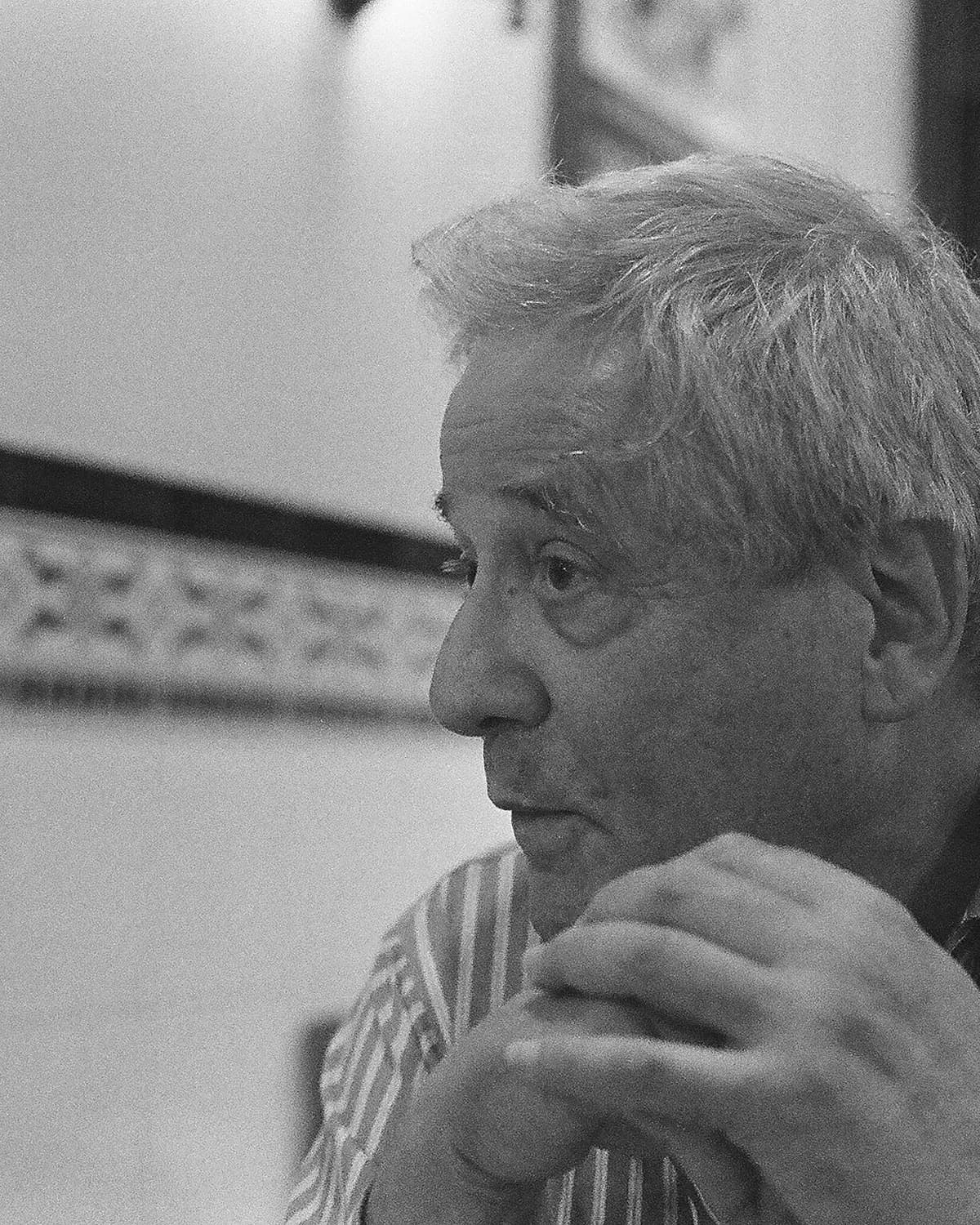
16.02.1943–present
José Ramón Díaz Alejandro
Ramón Alejandro (born 1943) left Cuba at seventeen and studied in Buenos Aires, then from 1963 lived in Paris, where he worked in Johnny Friedlaender’s printmaking studio. He drew machines hovering in empty space under harsh shadows, later tropical fruit and imaginary ruins, illustrated books and wrote prose in Spanish. He now lives in Miami.09.04.1935–22.06.2009
Irina Azizyan
Irina Azizyan (1935–2009) graduated from the Moscow Architectural Institute (MARCHI) as an architect, then studied and taught painting there, and from 1988 headed the Department of Architectural Theory at NIITAG RAASN. She wrote more than 500 scholarly publications on the Russian avant-garde and the interaction of the arts. Her paintings of Armenia and Crimea were shown in Moscow from 1967 and are held in Moscow museums.15.04.1972–29.09.2000
Maningning Miclat
Maningning Miclat was born in Beijing to Filipino parents. At fifteen she published a first book of poems in Chinese, and in the same year, 1987, held her first solo show of traditional Chinese brush painting. Later she won the Grand Prize of the Art Association of the Philippines, taught at Far Eastern University in Manila and left a second book of poems, “Voice from the Underworld”.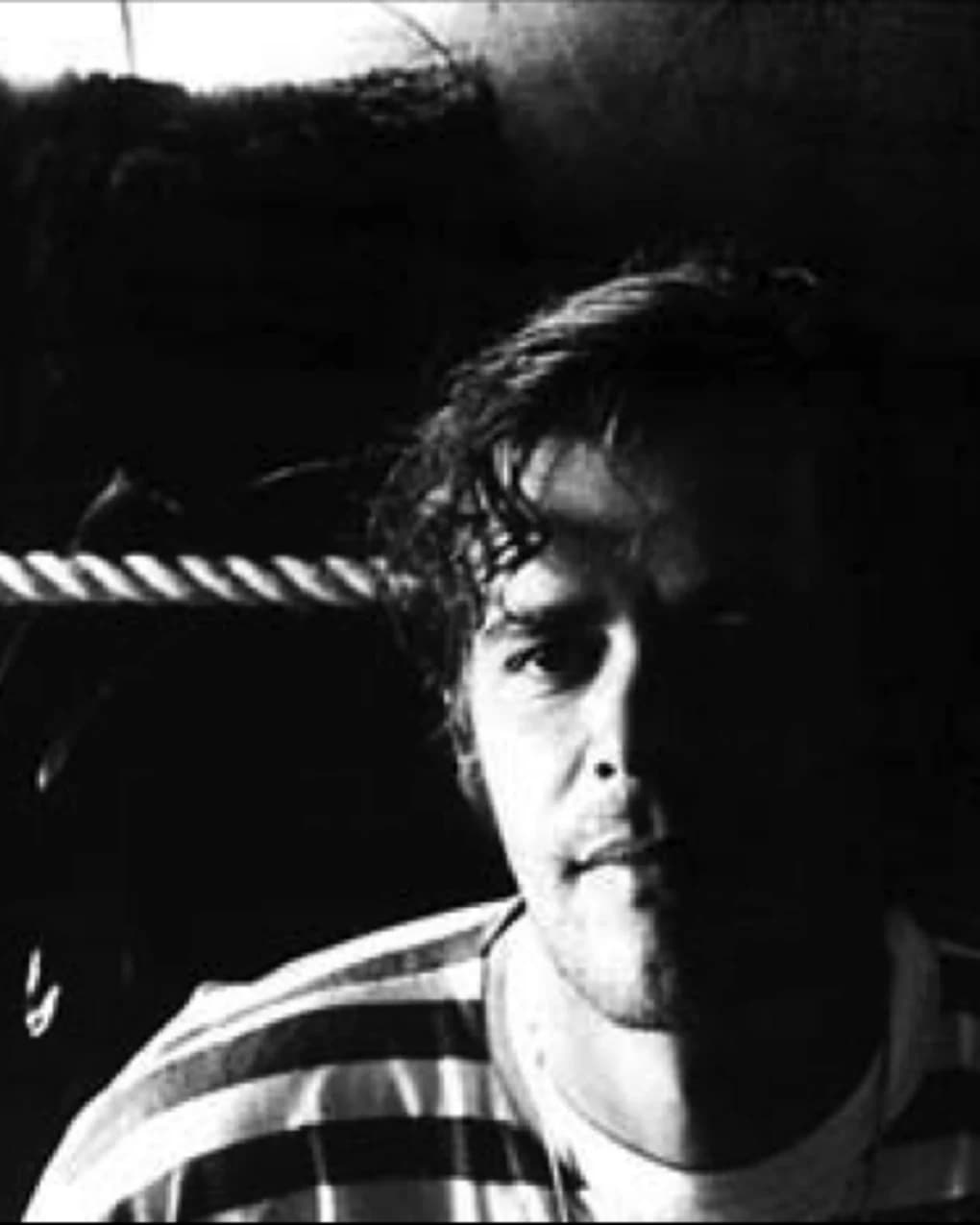
27.07.1963–present
Wayne Barker
In 1990 Wayne Barker sent a hasty drawing to a national drawing competition in South Africa under the name of a black artist, Andrew Moletsi, and it was shortlisted while his own entry was not. That scandal made his name. He grew up in Pretoria, ran the independent gallery FIG in Johannesburg for many years, and for more than two decades reworked the landscapes of Jacob Hendrik Pierneef.27.02.1923–17.04.1998
Geraldo de Barros
At sixteen Geraldo de Barros built his own camera, and in 1950 he showed “Fotoformas” at the museum in São Paulo: abstract photographs made from multiple exposures and re-photographed negatives. In 1952 he took part in founding Grupo Ruptura, and then designed furniture and graphics. He made his last series, “Sobras”, in 1996–1998 with an assistant.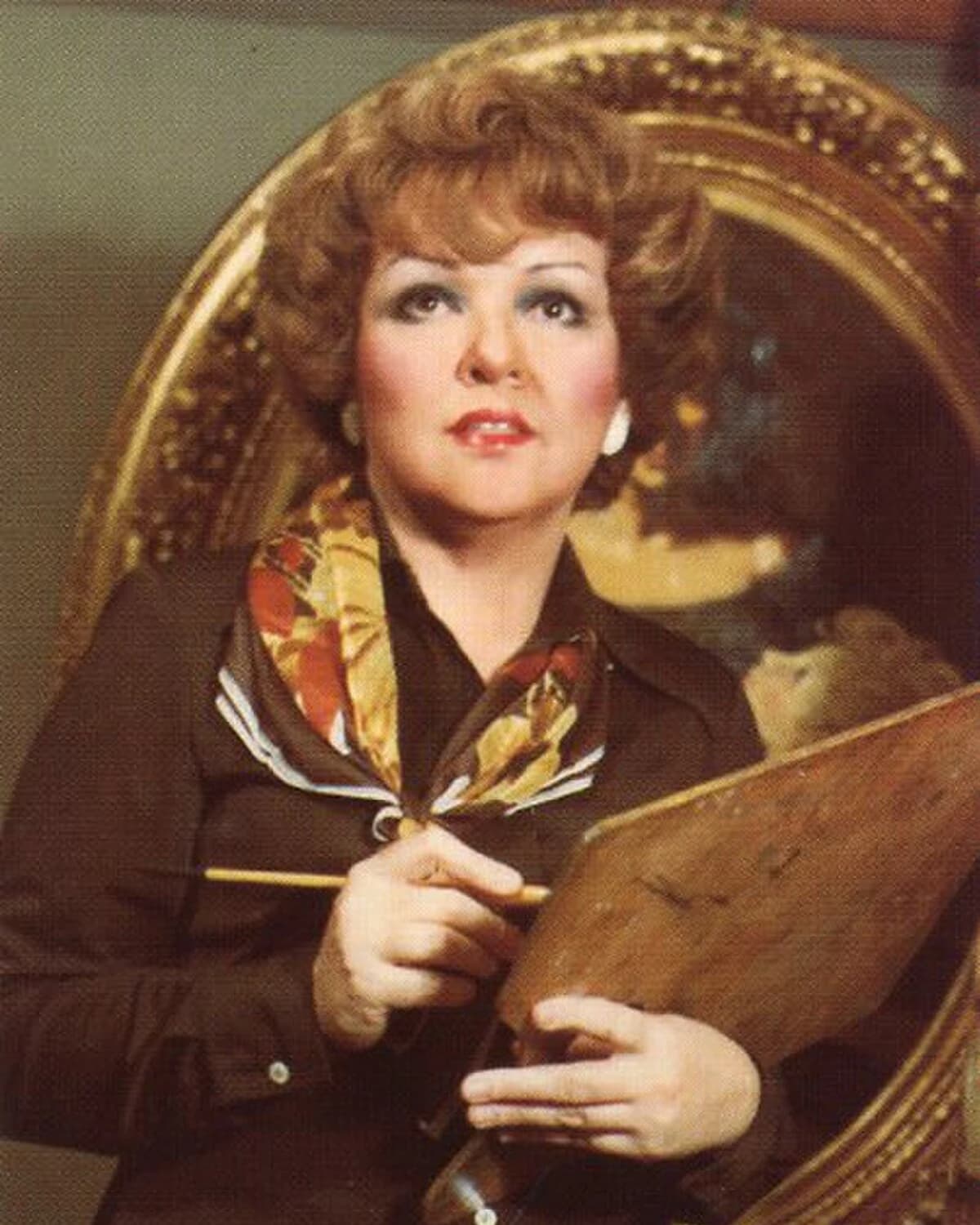
17.03.1931–19.10.2021
Dulce Beatriz
Dulce Beatriz (born Dulce Hernández Moreno de Ayala) trained as a kindergarten teacher and a music teacher, then graduated from the San Alejandro art school in Havana. In 1960 she moved to Florida and exhibited in Miami, Palm Beach, Managua and Madrid. Two of her paintings were bought by a Madrid museum of contemporary art, and in 1983 she received the Spanish Order of Isabella the Catholic.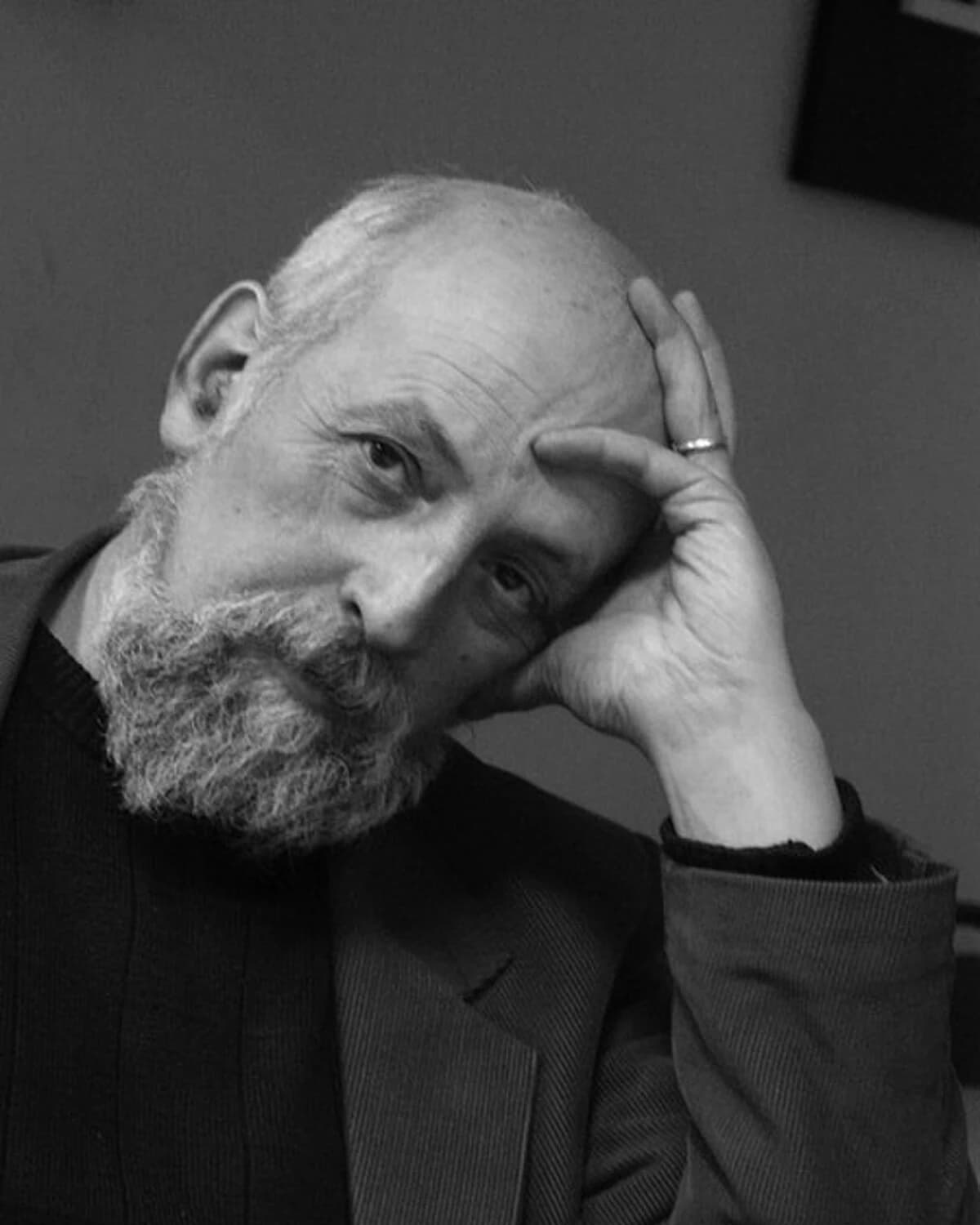
30.11.1955–present
Peter Fishman
Peter Fishman (born 1955) grew up in Smolensk in a military family, studied under the sculptor Albert Sergeev and from 1980 to 1986 restored sculpture at the Smolensk State Museum-Reserve. He made bronze busts and memorial plaques in Smolensk and Yelnya and granite sculptures in Smolensk and Hagen. He twice organised stone sculpture symposiums in Smolensk and teaches sculpture at Smolensk University for Humanities.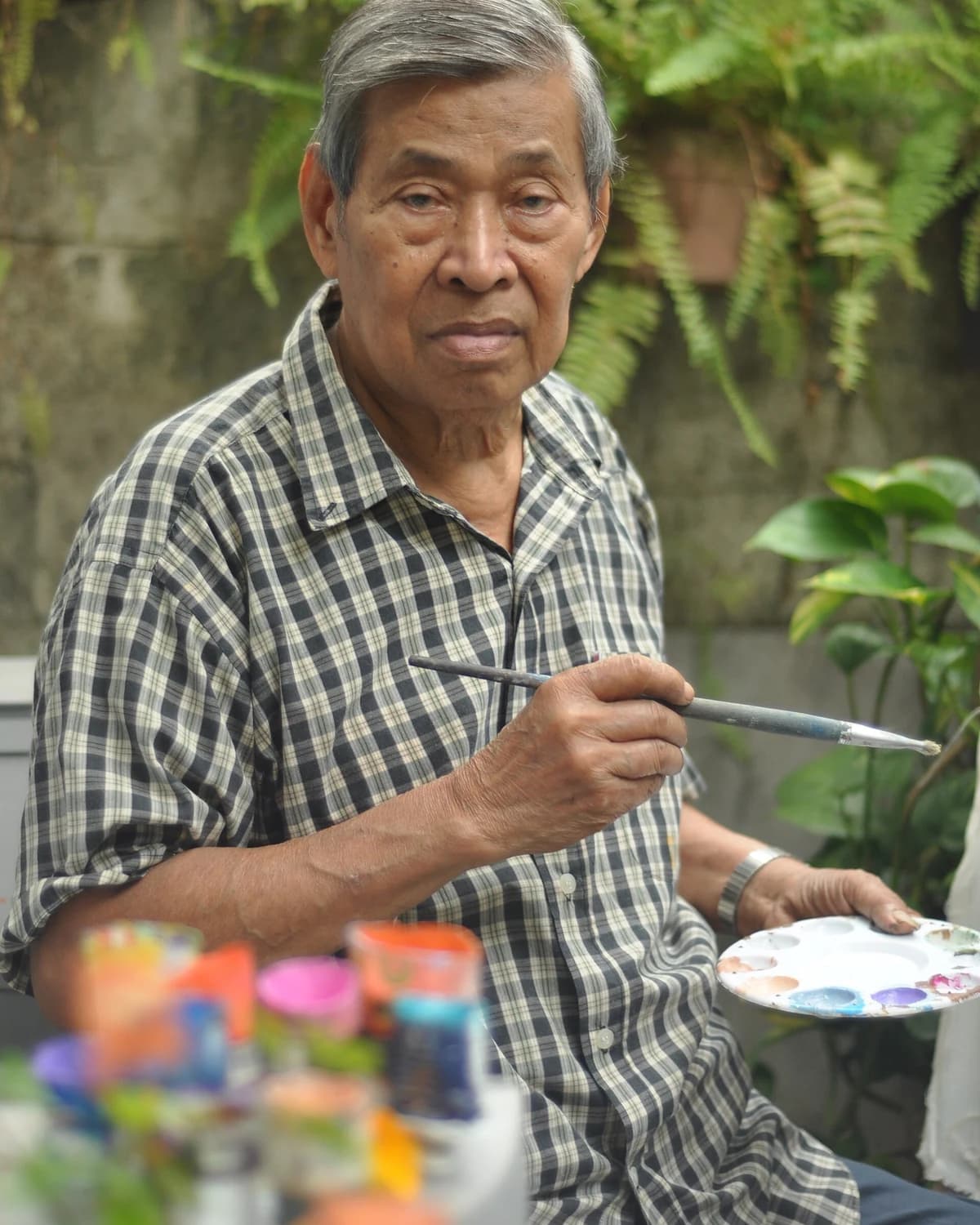
14.01.1936–16.12.2014
Abdulmari Imao
Abdulmari Imao (1936–2014) grew up in Sulu in a family of boat builders going back generations, studied sculpture in Manila, Kansas and Rhode Island, and received a grant from the Museum of Modern Art in New York. He brought the okir ornament, the sarimanok bird and the naga serpent from Tausūg and Maranao tradition into Philippine art. In 2006 he became the first Moro to be named a National Artist of the Philippines.26.04.1934–present
André Elbaz
André Elbaz was born in El Jadida in 1934, studied graphic art and theatre in Rabat and Paris, and began painting only at twenty-one. With his wife, a psychiatrist, he devised the Pictodrame, an art-therapy method that joined painting and theatre. He made short films in France, Canada and the United States; one of them won a prize at the Paris Biennale. He worked extensively on the theme of the Holocaust.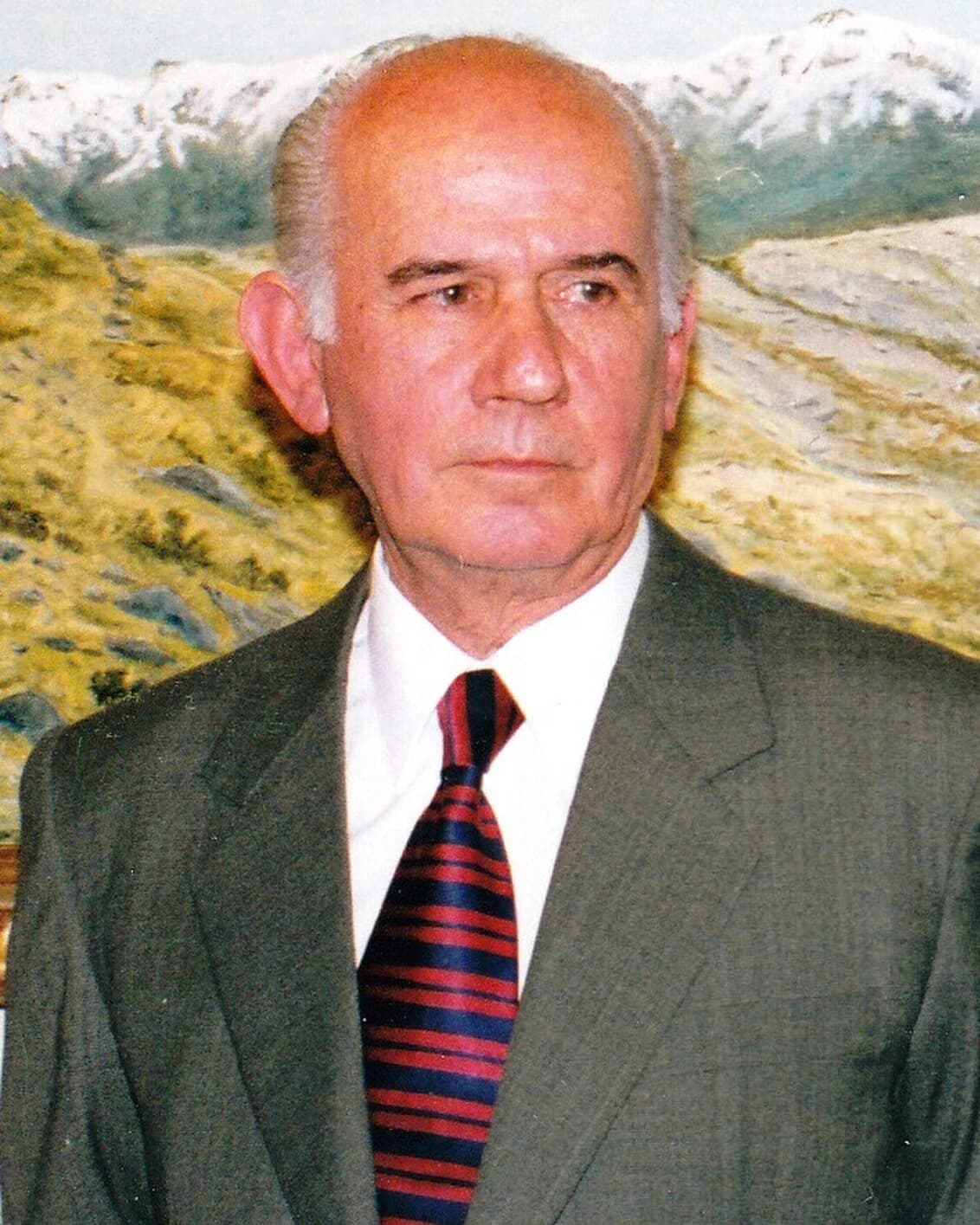
02.10.1923–18.01.2014
Eugenio Cruz Vargas
Eugenio Cruz Vargas (1923–2014) worked for almost twenty years in banking and advertising before giving himself entirely to painting and poetry. He published three books of poems (1978, 1980, 2011), held four exhibitions between 1986 and 2008, and ended with abstraction: his last show was called “From Landscape to Abstraction”. In his final years he made sculptures from steel and copper.25.02.1928–25.01.2021
Herman Puig
Herman Puig (born Germán Puig Paredes) studied painting and sculpture in his youth, made the short film “Sarna” and, with Ricardo Vigón, founded a film club in Cuba that grew into the first Cinemateca de Cuba. In the 1960s and 1970s he worked as an advertising photographer in Spain, then became known in Paris as a photographer of the male nude and as a publisher. He lived in Barcelona.31.12.1927–24.04.2007