
1925–present
Research · Sources · Context
Artists
Biographies, facts and images with open sources and verified rights.
Found: 1775
24.12.1963–present
Amina Benbouchta
Amina Benbouchta (born 1963 in Casablanca) came to art from anthropology: in 1986 she graduated from McGill University in Montreal, then spent two years auditing classes at the École Nationale des Beaux-Arts in Paris. She works in painting, photography and installation, and showed at the Cairo Biennial in 1993 and in Washington. In the 1990s she headed a fashion and culture magazine and belonged to Collectif 212.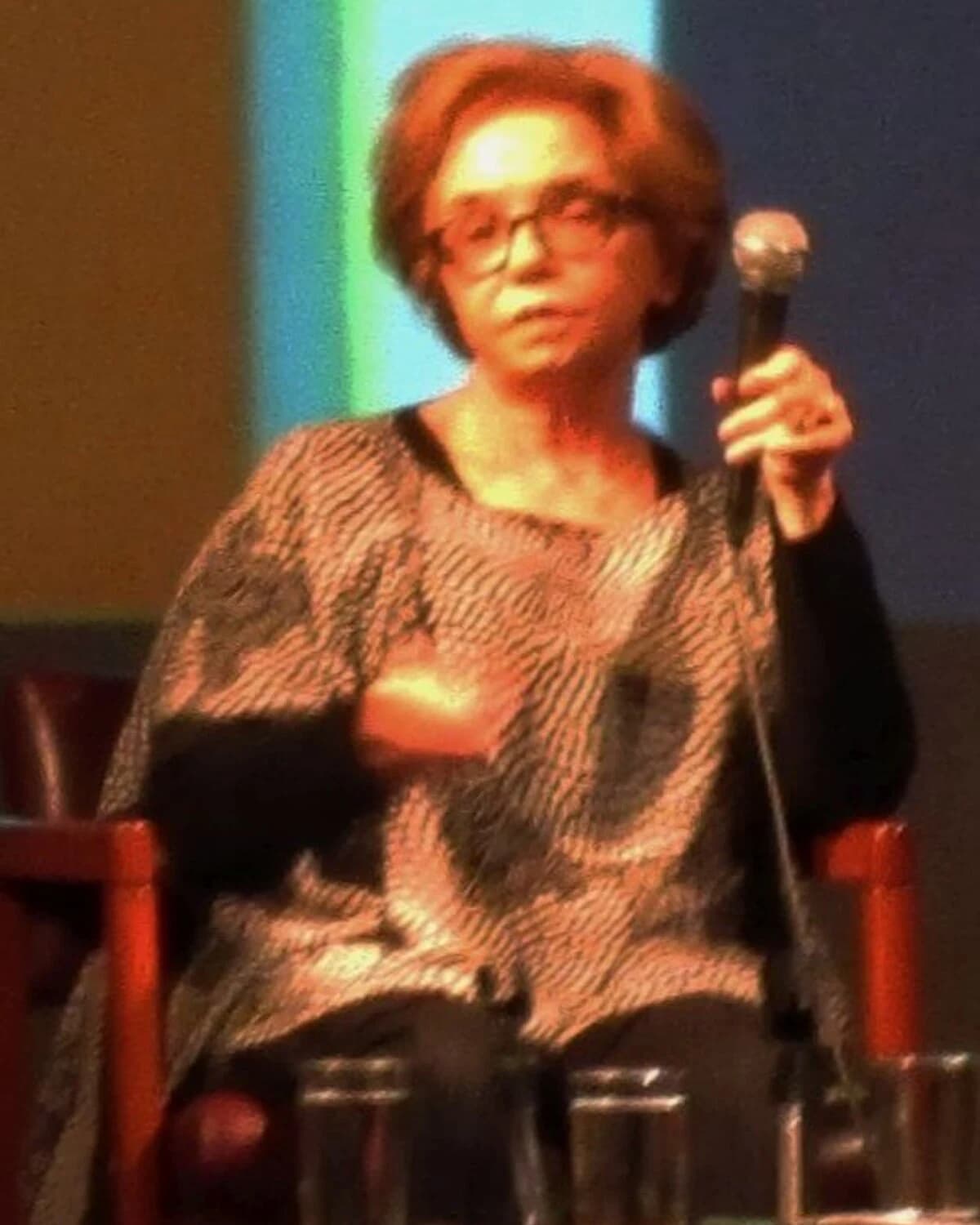
1938–present
Fanny Sanín
Fanny Sanín was born in Bogotá in 1938 and lives in New York. She paints abstract geometric pictures in which colour and structure are worked out in advance, down to series of preliminary drawings. Her works are held by the Smithsonian American Art Museum, the National Museum of Women in the Arts and the Museo Nacional de Colombia.14.07.1923–25.11.1972
Enrique Echeverría
Enrique Echeverría began by dressing pharmacy windows and studying aeronautical engineering, and became one of the painters of the Generación de la Ruptura in Mexico. He was a co-founder of the Galería Prisse, a Guggenheim Fellow (1957) and the author of about twenty-five solo exhibitions. In his painting he moved from the Spanish tradition to abstraction and, in his last works, returned to flowers and natural motifs.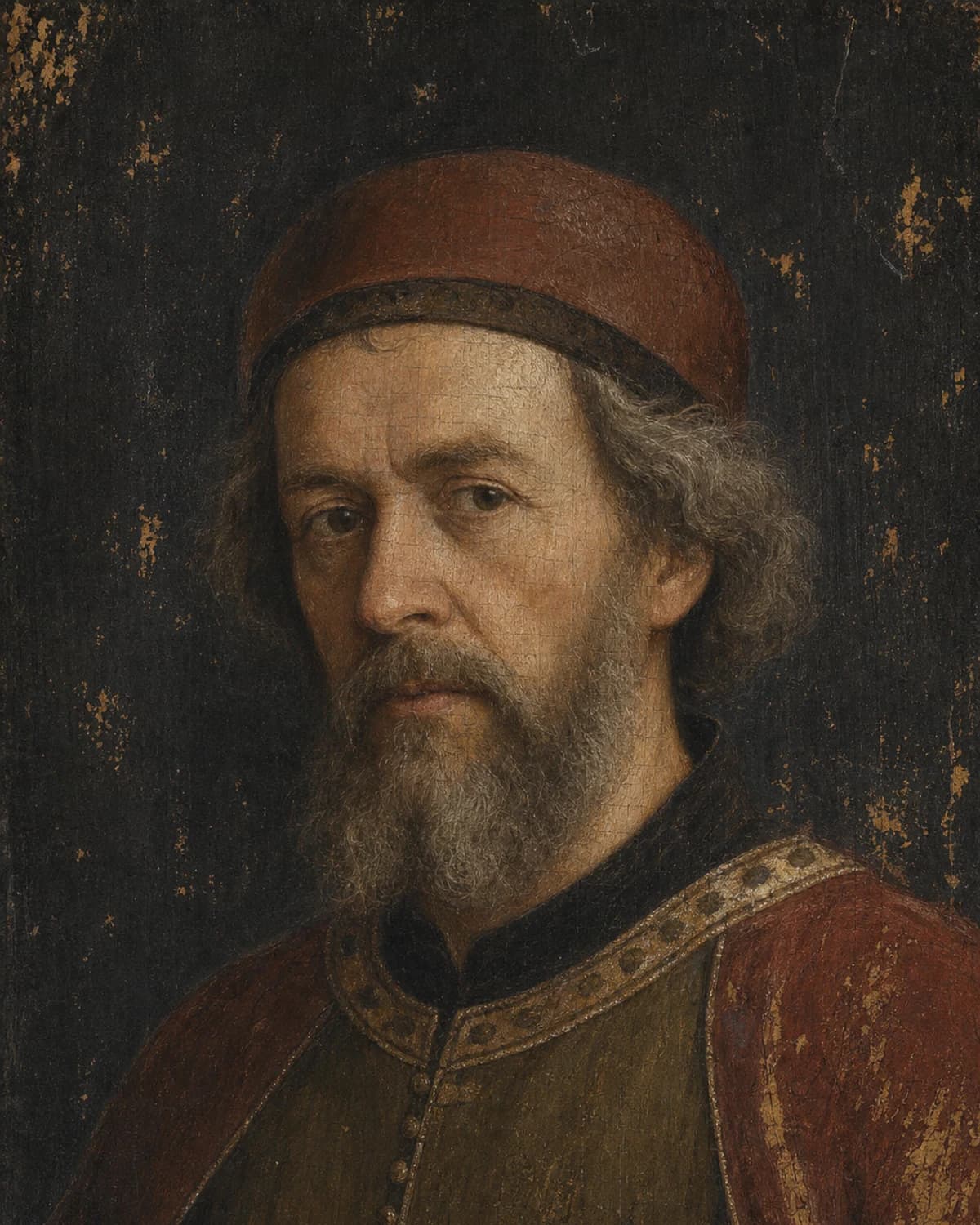
1250–1301
Master of Vyšší Brod
The name of this Bohemian painter is unknown. He is called after a cycle of nine altarpiece panels painted around 1350 for the Cistercian monastery at Vyšší Brod in southern Bohemia. The scenes of the Infancy of Christ, the Passion and the Resurrection are now in the National Gallery in Prague. He was probably from Prague, and was one of the first painters north of the Alps to absorb Italian painting of the early fourteenth century.25.01.1915–05.11.1993
Basuki Abdullah
Basuki Abdullah (1915–1993) won a painting competition in Amsterdam in 1948, held for the coronation of Queen Juliana, ahead of 87 European artists. Before that he had studied in The Hague and taught painting during the Japanese occupation; later he painted portraits for palaces in Indonesia and Thailand. His work was shown in more than ten countries.1954–present
Tayo Adenaike
Tayo Adenaike (born 1954) studied painting at the University of Nigeria, Nsukka, under Obiora Udechukwu and regards himself as a “third generation” painter of the Nsukka school. He prefers watercolour and works uli, akika and nsibidi signs into it. For many years he has been artistic director of an advertising firm in Enugu, painting at night and on weekends; he has held eighteen solo exhibitions.07.11.1917–19.06.2015
María Freire
María Freire (1917–2015) began with sculpture and mobile constructions in unconventional materials, and from 1946 moved to abstraction. With her husband José Pedro Costigliolo she founded the Grupo de Arte No Figurativo in Montevideo. She worked in series (“Sudamérica”, “Vibrante”, “El oro de los tigres”) and in 1966 represented Uruguay at the Venice Biennale.08.04.1963–present
Ana Albertina Delgado Álvarez
Ana Albertina Delgado Álvarez (b. 1963) studied at the San Alejandro art school in Havana and graduated from the Instituto Superior de Arte in 1988. In the 1980s she belonged to the Havana groups Vinculación and Puré, and in 1989 she showed the project “Dentro del Labio” at the Castillo de la Fuerza. She works in painting, drawing, installation and photography; her pieces are in museums in Havana, Miami and Aachen.06.07.1922–04.06.1992
Vladimir Chekalov
Vladimir Chekalov (1922–1992) served in the war as a sapper, commanded a sapper company and reached Austria, and after demobilisation graduated from the Repin Institute. His diploma painting “Soldier Kitchen” (1952) made his name: a colour spread appeared in the magazine Soviet Union in February 1953. Later he painted many landscapes and taught deaf children in Pavlovsk.25.05.1914–05.05.2012
Anita Magsaysay-Ho
Anita Magsaysay-Ho painted Filipino women at work: cooking, shucking corn, mending nets, harvesting. She studied in Manila and the United States and from 1947 lived in several countries, but drew her subjects from childhood memory. In 1958 she was named one of the six major painters of the country, and among the “Thirteen Moderns” she was the only woman.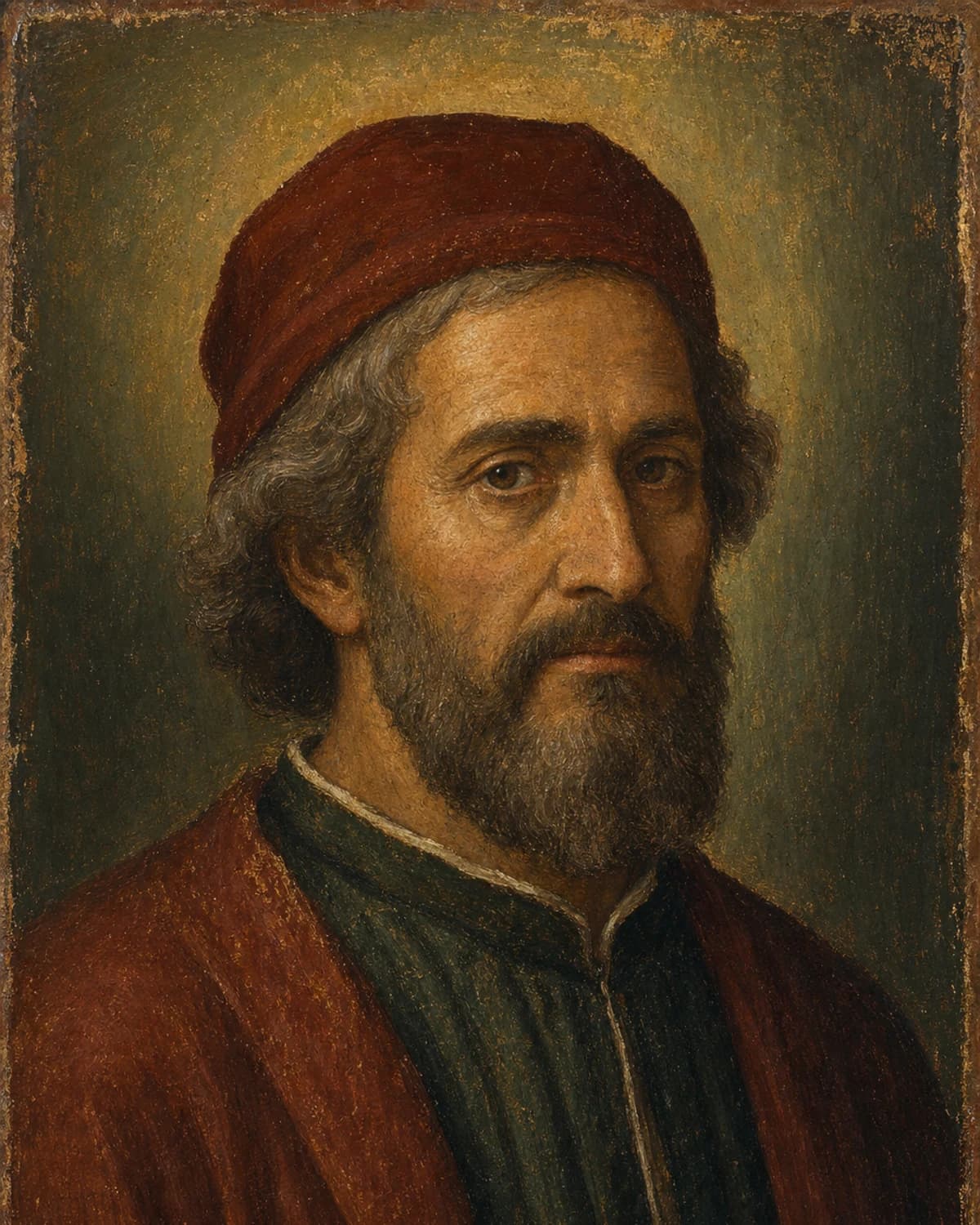
1460–1526
Nicolò Brancaleon
Nicolò Brancaleon, a Venetian, appeared at the court of the Ethiopian emperor in the 1480s and stayed in Ethiopia for decades. There he was called Marqorewos; he decorated churches, painted icons and illustrated books, and his Madonna and Child in the church of Atronsa Maryam caused controversy. Nothing survives about his life before he left for Ethiopia.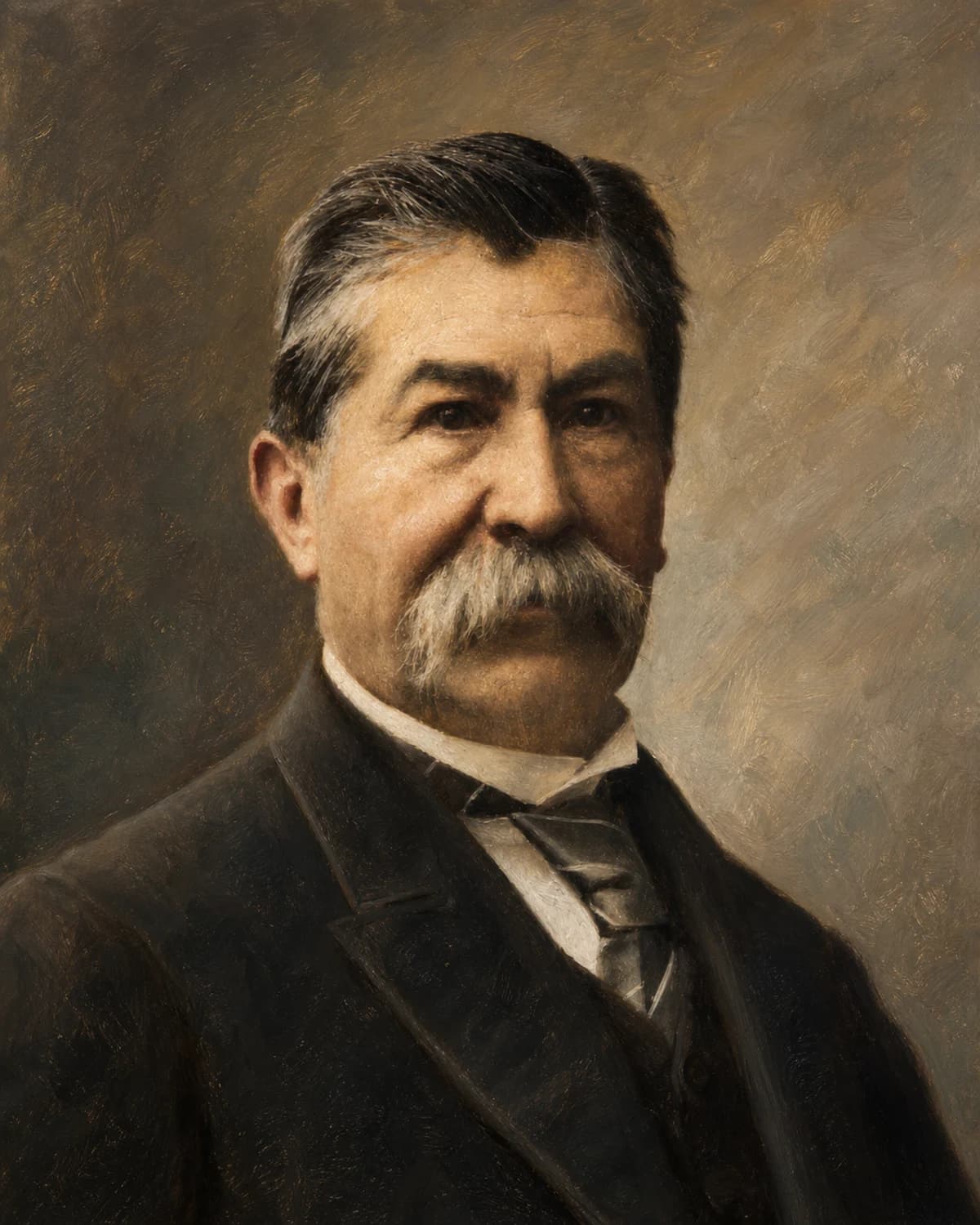
06.07.1820–16.09.1902
Manuel María Paz
Between 1853 and 1858 Manuel María Paz Delgado made 127 watercolours for the Comisión Corográfica, led by Agustín Codazzi, and helped him draw maps of Colombia’s regions. After Codazzi’s death in 1859 he saw two atlases of the country through to publication, in 1865 and 1889. Alongside this he served in the army and became a colonel in 1848.14.01.1973–present
Jeannine Achón
Jeannine Achón (born 1973) studied industrial design in Havana and spent several years designing interiors for hotels before turning to painting. Since 2005 she has worked almost exclusively on abstract paintings in acrylic on canvas. She has shown them in Cuba, Spain and Croatia; her series “Ashé” (2013) is built on the Cuban idea of vital energy.1938–present
Mikhail Chapiro
Mikhail Chapiro, born in Novozybkov in 1938, started out as an industrial designer, spent seven years in Novosibirsk, and in 1974 moved to Moscow to paint portraits. He portrayed physicists, the ballerina Maya Plisetskaya and artists of the 19th and 20th centuries; in 1981 he held his first solo show at Malaya Gruzinskaya 28. Since 1992 he has lived and worked in Montreal.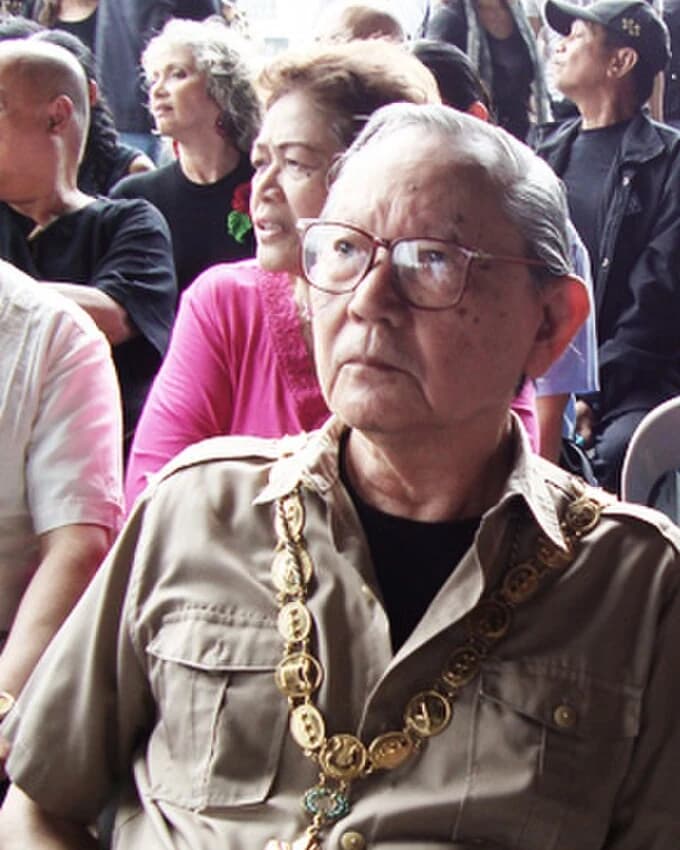
20.11.1926–26.05.2021
Arturo Luz
Arturo Luz (1926–2021) studied in Manila, Oakland, New York and Paris, and after returning became a founding member of the modern Neo-realist school in Philippine art. He painted, made prints and sculpture. In 1960 he opened the Luz Gallery, and from 1976 to 1986 he directed the Metropolitan Museum of Manila. In 1997 he was named a National Artist of the Philippines.1985–present
Modupeola Fadugba
Modupeola Fadugba (born 1985) grew up in a family of Nigerian diplomats, trained as an economist and educator, and came to painting as a self-taught artist. She is known for series about swimming and water, made with a technique of burning the surface. Her work has been shown in Lagos, London, Paris and New York, and in 2016 it was recognised at the Dakar Biennale.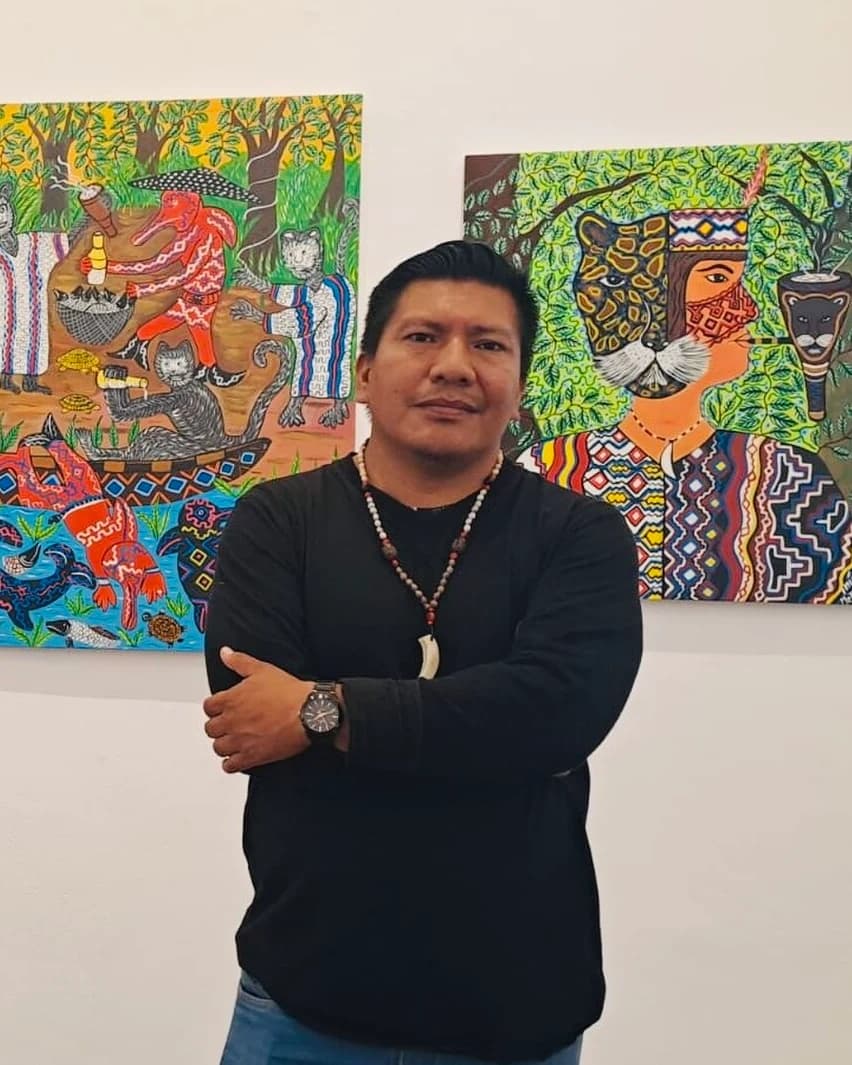
11.05.1988–present
Harry Roldán Pinedo Valera
A Peruvian artist of the Shipibo-Conibo people, born in Pucallpa in 1988, who as a child helped his parents, themselves artists. He paints on cotton tocuyo cloth with natural pigments, depicting the animals and plants of the Amazon rainforest. His work has been shown in Lima, Paris, Madrid, Frankfurt and Newcastle, and is in the collection of the Weltkulturen Museum in Frankfurt.1916–1977
José Antonio Gómez Rosas
José Antonio Gómez Rosas (1916–1977), nicknamed “El Hotentote”, was born in Orizaba, Veracruz, and studied at the National School of Plastic Arts in Mexico City. He painted theatre curtains that mocked the art world, with Diego Rivera, Frida Kahlo, José Clemente Orozco and the officials of the art establishment among their figures. His contemporaries found that irony uncomfortable.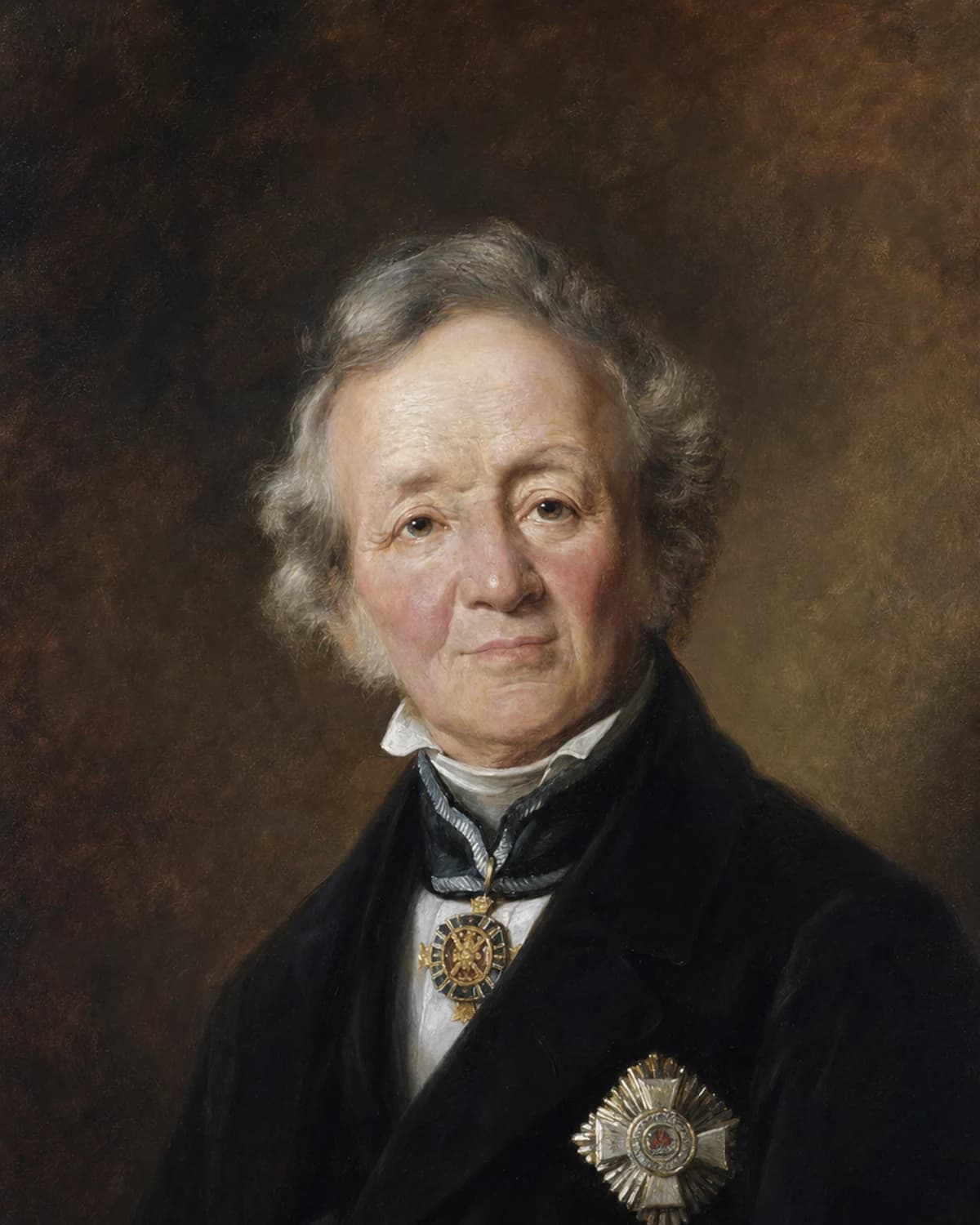
19.03.1819–1888
Adolf Jebens
Adolf Jebens (Gebens in Russian spelling), born in Elbing, studied in Berlin and Paris under Paul Delaroche, and from the 1840s worked in St Petersburg: he painted portraits, taught at the drawing school of the Society for the Encouragement of the Arts and created a series of 137 known paintings of the Russian army. He became an academician in 1861, returned to Germany in 1863 and died in Berlin.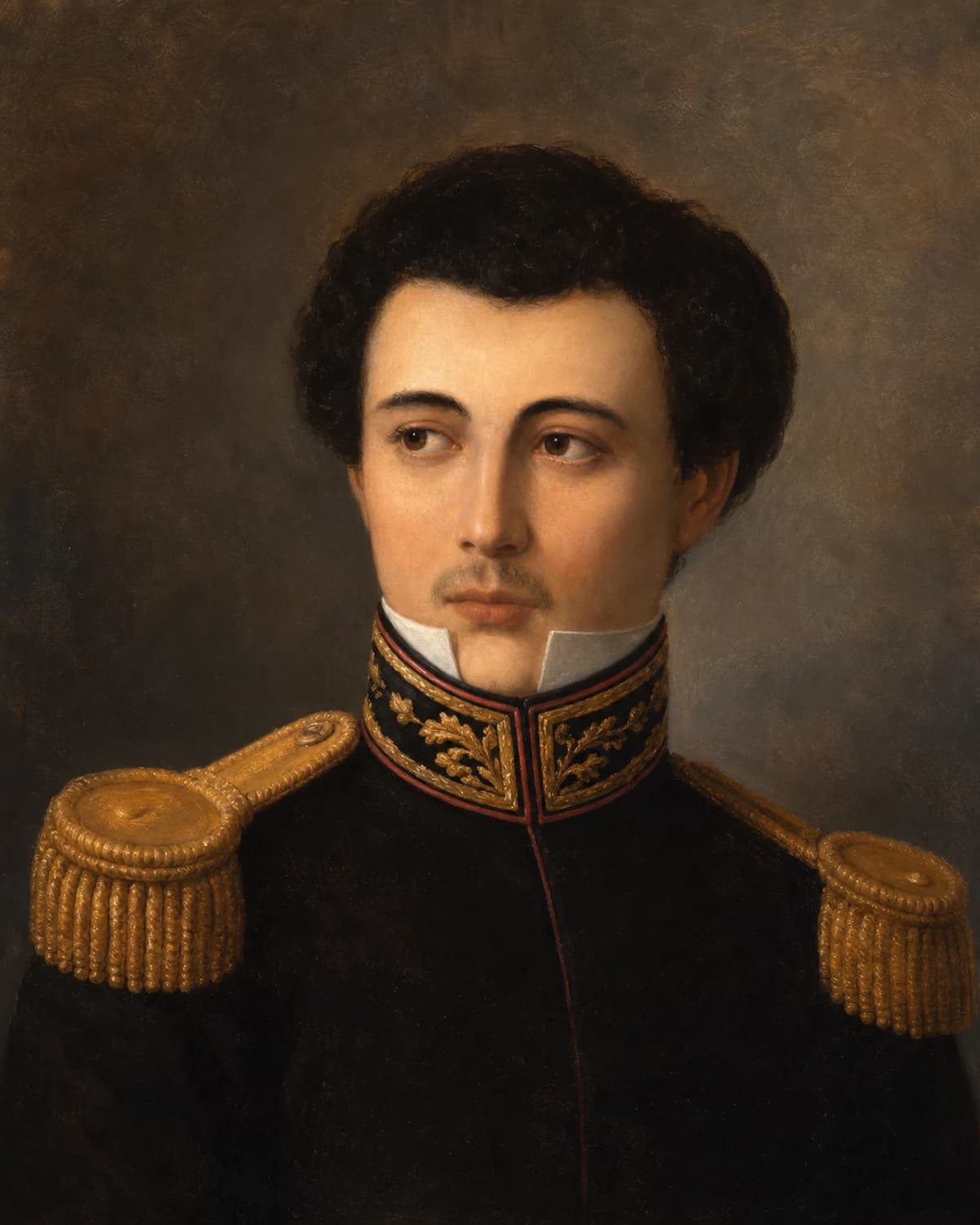
1796–1834
Damián Domingo
In 1821 Damián Domingo (Damián Domingo y Gabor) opened a school for artists in his own house in Tondo, regarded as the first official art academy in the Philippines. He painted miniature portraits, religious images and albums of local types, and served as director of the Academia de Dibujo. Few of his works survive.1960–present
Dilomprizulike
Dil-Humphrey Umezulike, known as Dilomprizulike, makes sculptural installations and performances out of old clothing and street rubbish. In Lagos he built the “Junkyard Museum of Awkward Things”, and from 2004 to 2007 his work travelled the world with the exhibition “Africa Remix”, from Düsseldorf and London to Paris, Tokyo and Johannesburg.1920–2007
Sarah Grilo
Sarah Grilo, an Argentine painter, began as a self-taught artist, showed figurative works with traces of Cubism in Madrid in 1949, and then moved to geometric abstraction. After a Guggenheim fellowship in New York she brought graffiti, letters and numbers into her painting. She lived in Buenos Aires, Paris, New York and Madrid, and died in Madrid in 2007.14.05.1922–15.01.2009