
1460–1526
Nicolò Brancaleon
Nicolò Brancaleon, a Venetian, appeared at the court of the Ethiopian emperor in the 1480s and stayed in Ethiopia for decades. There he was called Marqorewos; he decorated churches, painted icons and illustrated books, and his Madonna and Child in the church of Atronsa Maryam caused controversy. Nothing survives about his life before he left for Ethiopia.
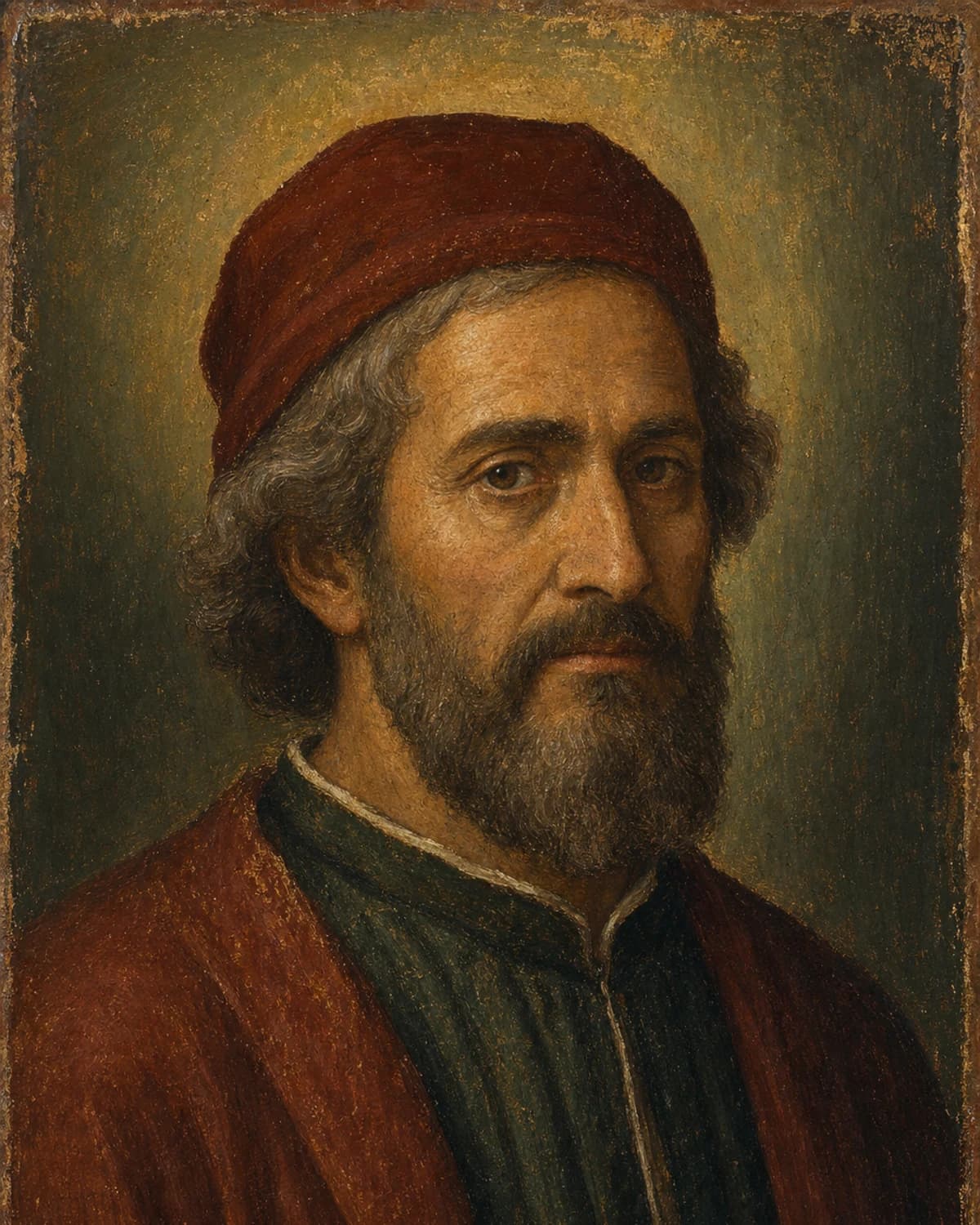
Biography
In 1482 the Franciscan Francesco Suriano, who had reached the Ethiopian court, counted fourteen Europeans there. Among them was “Master Nicolo Branchalion”.
He was born in Venice, around 1460; by other accounts, around 1450. What he did before leaving is unknown. The Portuguese priest Francisco Álvares, who met him in the 1520s, wrote that, according to what people said, he had been a monk in his earlier life. The story that Brancaleon came to convert Emperor Zara Yaqob and debated Abba Giyorgis was repeated from the eighteenth to the twentieth century (by James Bruce and Ernest Alfred Wallis Budge), but it is hard to call it reliable: Budge may have misremembered Bruce.
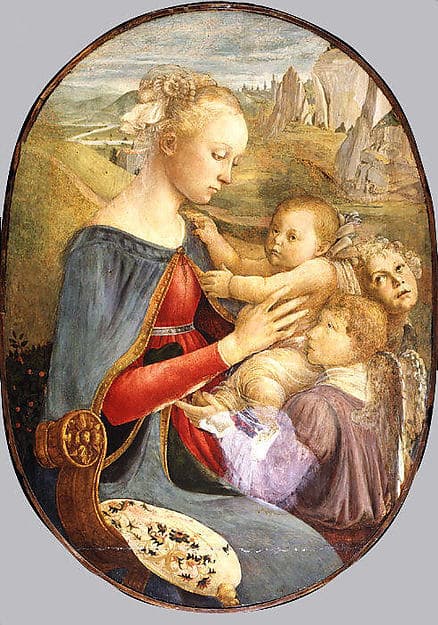
He arrived between 1480 and 1482. The court was then encamped at Barar, southwest of present-day Addis Ababa. He remained in the country under three rulers, Eskender, Naod and Lebna Dengel, and by the time Álvares arrived he was wealthy and well known. The emperor, as Álvares reports, did not allow him to leave Ethiopia. He had a studio, and in icons, book illumination and church decoration he had, by the same accounts, no rivals. His scenes of the martyrdom of Saint George and of the miracles of the Virgin Mary remained fashionable until the eighteenth century. His best-known work is considered to be the Madonna and Child in the church of Atronsa Maryam. It caused offence: according to one version, the Child sat on the Virgin’s left arm, and the left side was held to be less honourable. The commentators on Álvares point out that in Ethiopian painting the Child is often shown on the left arm, and that “left” may have meant the right as seen by the viewer. The image survived for several centuries and was destroyed in 1704, together with the church, in an Oromo raid.
His manner derived from the Italian Quattrocento. It influenced Ethiopian painters: faces and bodies in religious scenes became more naturalistic. He is also credited with building several Ethiopian churches, although I know of no direct confirmation. Among his works the decoration of the church of Saint George is mentioned.
In the monastery of Mertule Maryam, founded in the 1510s by Empress Eleni, an icon very close to his style was found in 1993, but an inscription on the back attributes it to a certain Afnin. This suggests that Brancaleon had Ethiopian pupils. In 1973 the traveller Diana Spencer discovered several of his works at Wafa Yesus and at the nearby monastery of Getisamani in the Goncha Gorge; among them was a work by a previously unknown Ethiopian apprentice. Later the scholar Paul B. Henze and Stanislaw Chojnacki verified that these paintings had survived the period of the Derg, the military regime that ruled Ethiopia from 1974 to 1987.
The date of his death is unknown: he was still alive after 1526, and where and when he died has not been established.
Related context
Associations
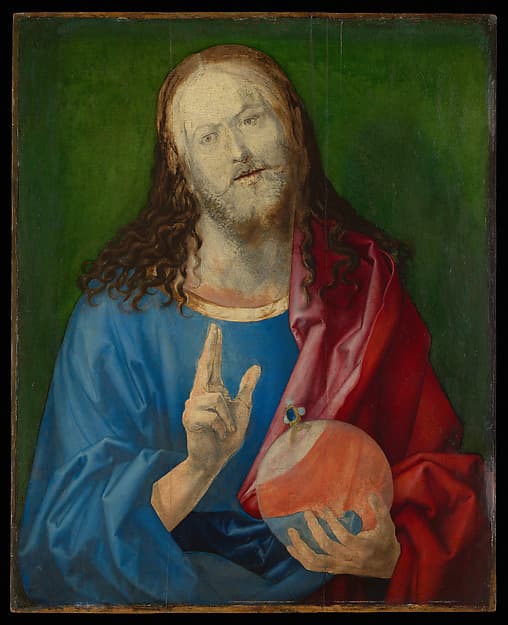
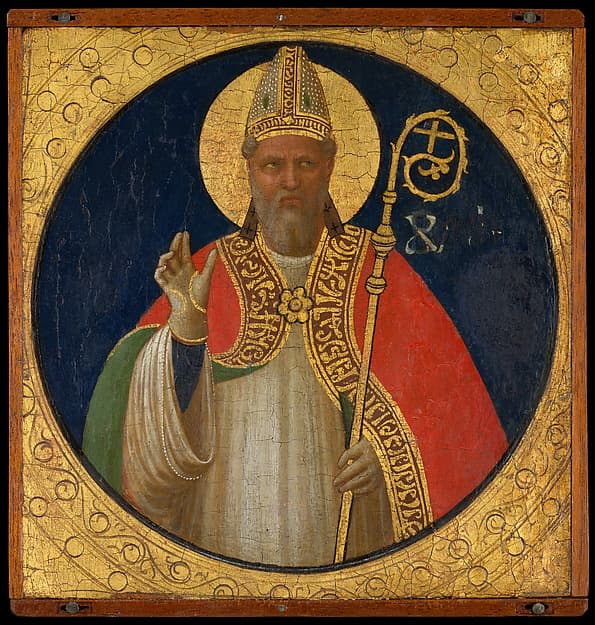
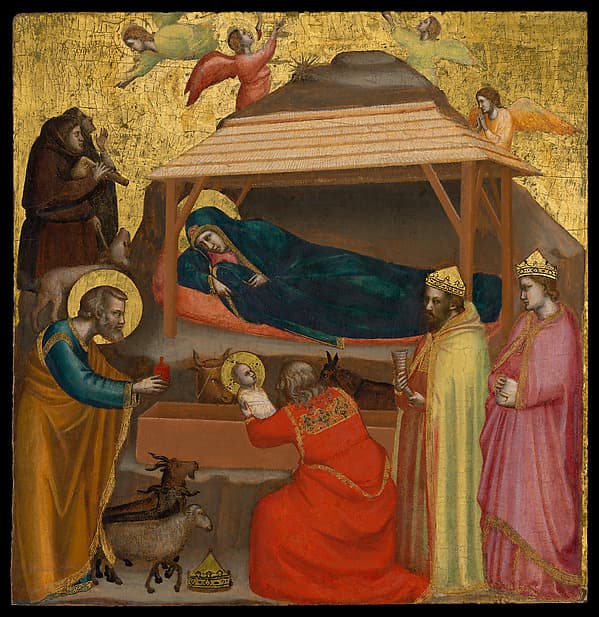
Works connected through artistic movements, cultural context and period. Priced works available in this market appear first.
Profile notes
Profile and sources
Image
Artist image
На основе открытого изображения: Nicolò Brancaleon; Wikimedia Commons; Public domain.
