
24.06.1916–26.01.2017
Research · Sources · Context
Artists
Biographies, facts and images with open sources and verified rights.
Found: 1775
21.02.1971–present
Ufuoma Onobrakpeya
Ufuoma Onobrakpeya was born in Lagos in 1971 into the family of the artist Bruce Onobrakpeya and spent twenty years learning from his father. He graduated in fine art from the University of Benin, then took a master's degree in printmaking at Camberwell College of Arts in London. His series “14 Stations of the Cross” is kept at All Saints Church in Lagos.01.03.1957–28.05.1993
José Leonilson
José Leonilson (1957–1993) made drawing and painting into a diary of his own life: his works, the critic Lisette Lagnado said, were like “intimate letters in his diary”. From 1989 he added embroidery, buttons and fabric to drawing, and in his last years he turned almost entirely to textiles. His last work was an installation for the Capela do Morumbi in São Paulo, in 1993.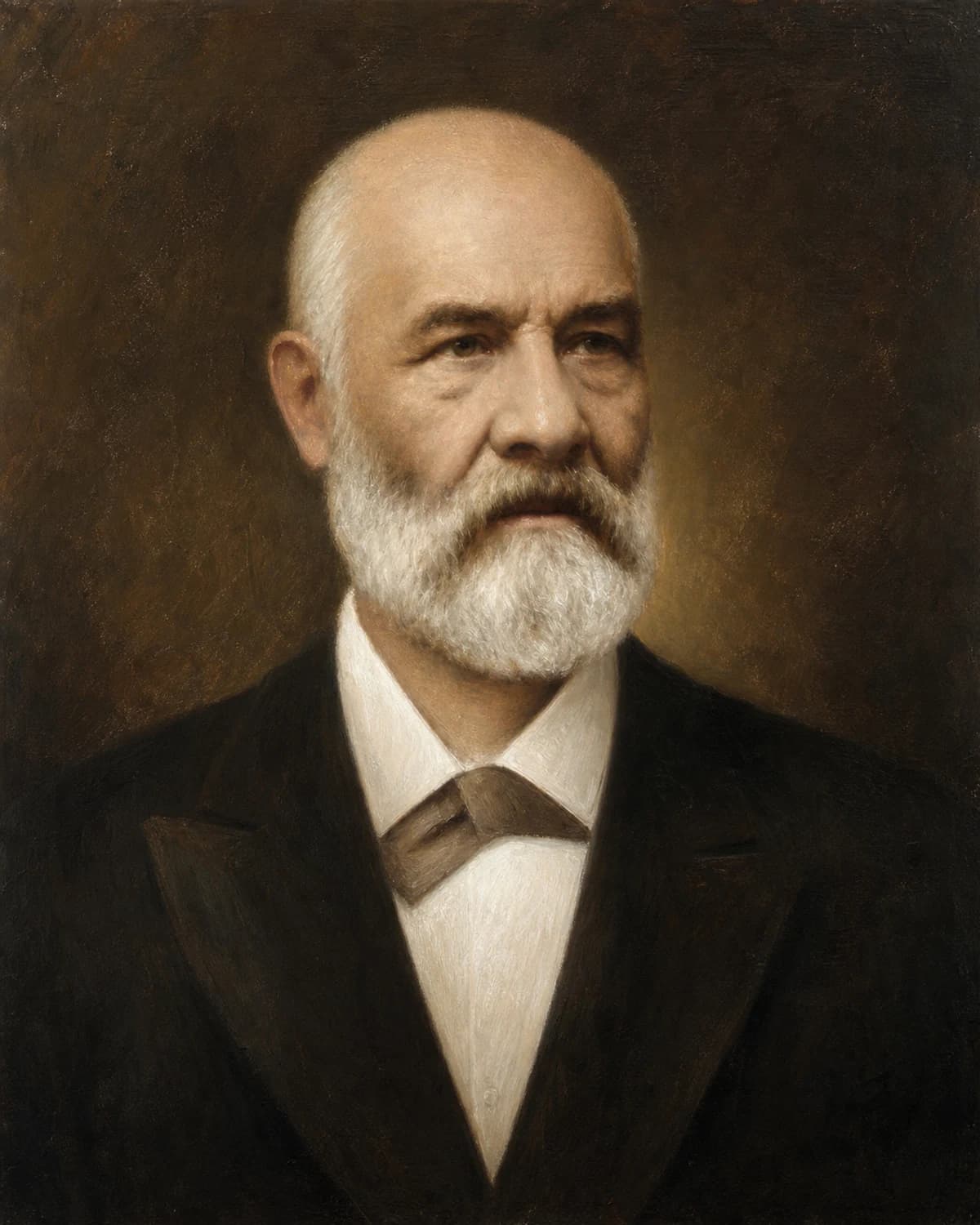
1828–1899
Dmitry Strukov
Dmitry Strukov (1828–1899) studied at a drawing school in Moscow and made his name through copying and restoring antiquities. At the Kremlin Armoury he restored 13 old banners, and in 1864 he painted watercolours of monuments in the Northwestern Krai, many of which are now known only from his sheets. He published the magazine “Drawing School”, opened icon-painting schools and went on archaeological expeditions to Crimea and the Caucasus.11.09.1929–16.01.2013
Burhan Doğançay
For more than fifty years Burhan Doğançay photographed and painted city walls: scraps of posters, graffiti, battered doors. His collages and the Ribbons series grew out of these photographs, and the Walls of the World archive holds about thirty thousand images from more than a hundred countries. Trained as a lawyer and economist, he became an artist in New York, where he had come to serve in the diplomatic service.06.06.1934–14.04.2001
Youssef Francis
Youssef Francis (1934–2001) graduated from the painting department of the fine arts faculty in Cairo and in 1960 won first prize for oil painting at the Cairo Salon. He worked as an illustrator at the magazine Rose Al-Youssef and then at the newspaper Al-Ahram, wrote screenplays and made films. He illustrated the first serialised publication of Naguib Mahfouz’s novel “Miramar” and in 1987 became director of the Egyptian Cultural Center in Paris.24.05.1925–29.12.2024
Gladys Afamado
Gladys Afamado (1925–2024) made covers for the almanacs of the Montevideo Engraving Club, and one of them, “Canción con todos” (1974), was withdrawn from circulation by Uruguay’s military government. She is recognised by her female figures with huge eyes that look straight at the viewer. Besides engraving she worked with paper, ceramics, textiles and digital graphics, and wrote poetry that won national prizes.21.03.1940–27.07.2000
Vladimir Lisunov
Vladimir Lisunov (1940–2000), whom friends called Lis, was a Leningrad nonconformist artist. In his youth he drew costume sketches for Natalia Makarova and Alla Osipenko, and for many years he showed his paintings only in private apartments. He called himself a mystic symbolist. “The Fugitive”, whose sketch he made in a cell in 1975, has been in the Russian Museum since 2019.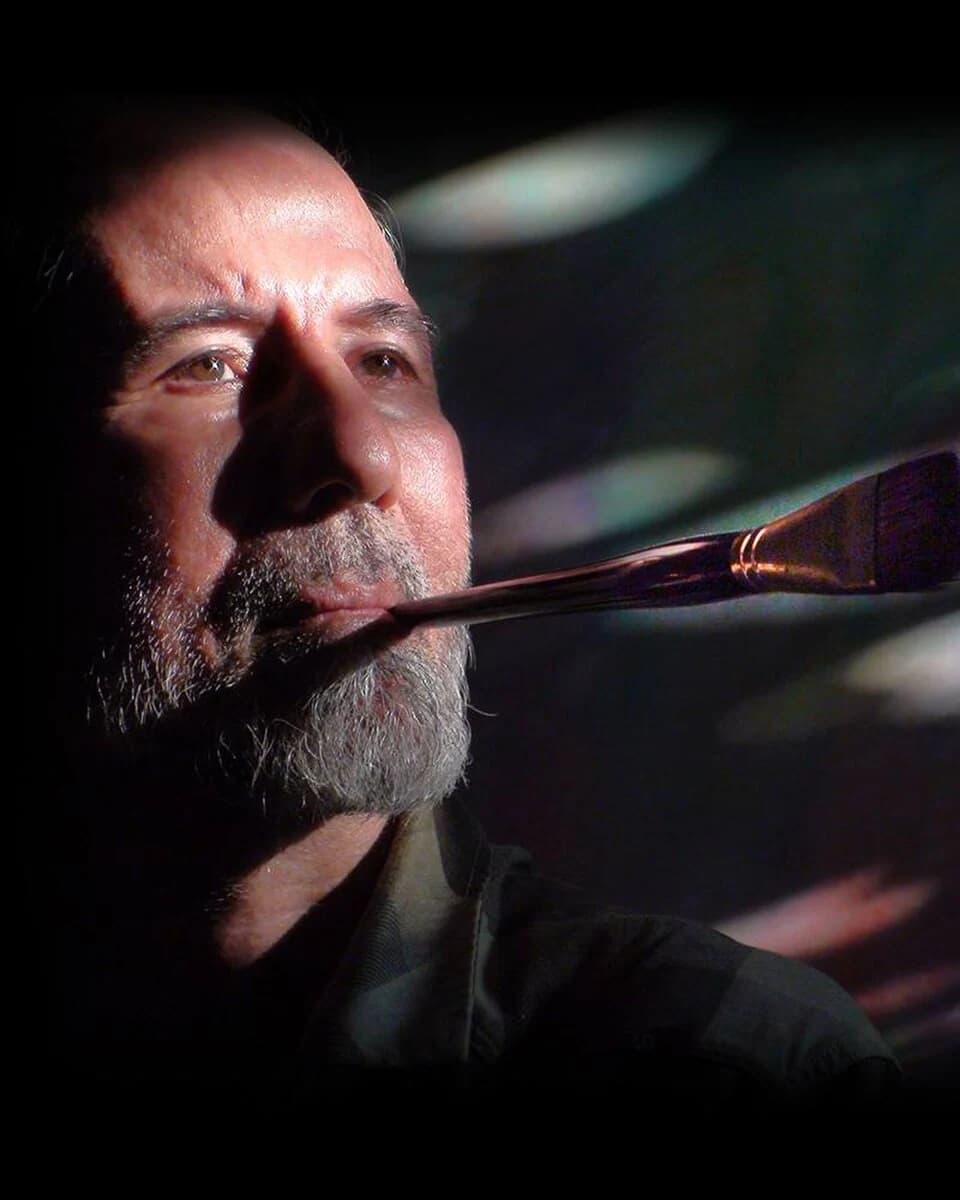
1954–present
Hossein Nuri
Hossein Nuri, a native of Mashhad, wrote his first play while still at school; after his arrest he lost the use of his arms and legs and began to paint with the brush held in his mouth. He is the author of plays staged in the 1980s and 1990s, the director of the film “My Arms Flew” (2019) and the creator of a painting manner called “Reflection”, shown in Paris in 2004.1931–2019
Martha Nasibù
Martha Nasibù was born in Addis Ababa in 1931 and as a small child found herself in Italy. She studied at the Académie des Beaux-Arts in Paris and the Art Students League of New York, and her first exhibition took place in Ethiopia in 1945. She was a founding member of the Ethiopian Artists Club, later lived in Perpignan, and in 2005 published a memoir about the years of the Italian invasion.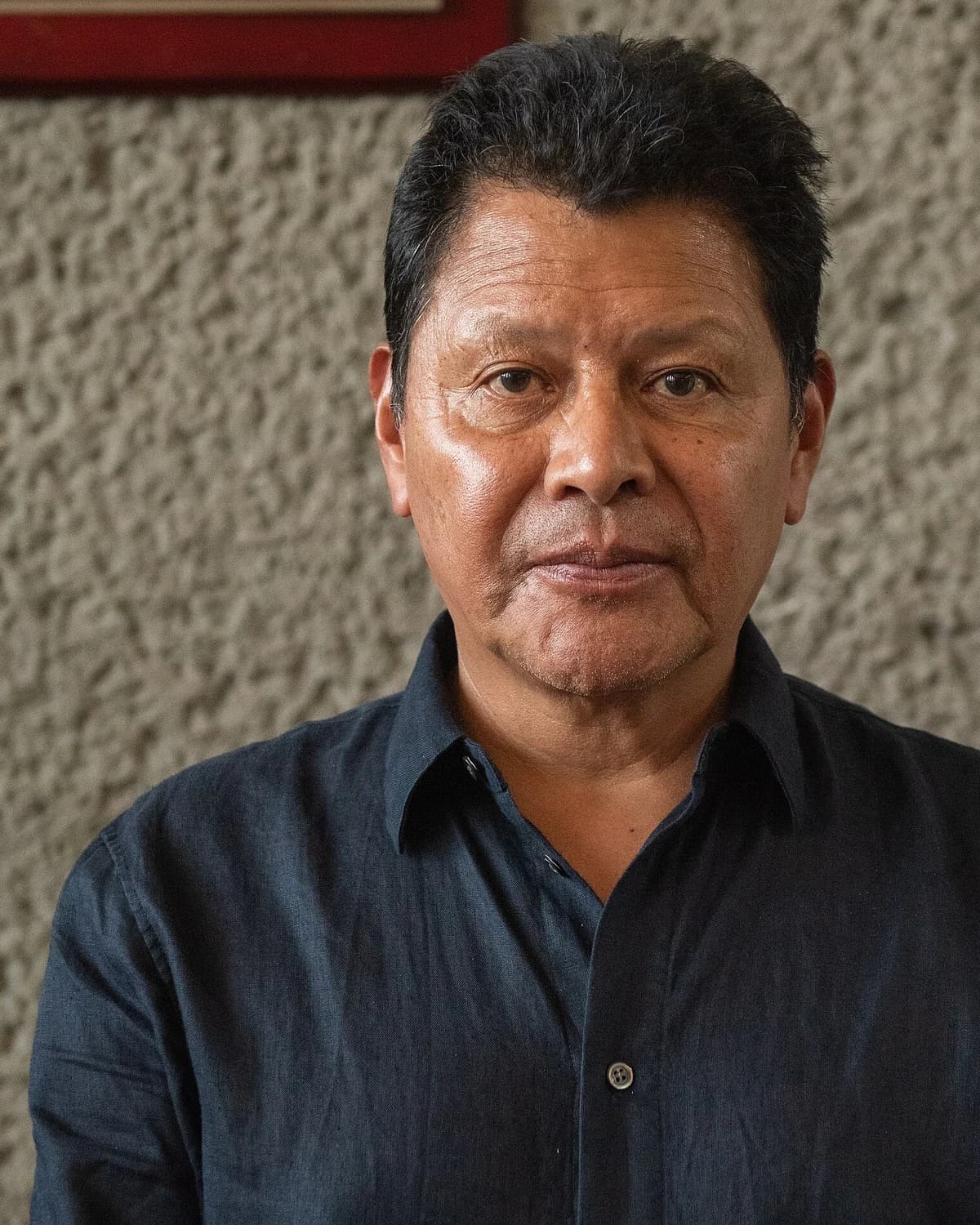
27.03.1964–present
Carlos Jacanamijoy
Carlos Jacanamijoy was born in 1964 in Santiago, in the Colombian department of Putumayo, into the Inga people. He studied painting in Bogotá and Pasto, then took a master’s degree in plastic arts at the National University of Colombia. His paintings, built on colour and light, return to the forests of Putumayo; they have been shown in more than 25 solo exhibitions and are in the National Museum of the American Indian.30.11.1963–present
Andrey Esionov
Andrey Esionov studied in Tashkent but made his name in Moscow: after 2010 he had a series of solo shows at the Russian Academy of Arts, the Moscow Museum of Modern Art and the State Russian Museum. In 2022 his paintings were shown at once in seven churches in Rome, the Pantheon among them. He paints portraits, cityscapes, and historical and philosophical pictures, and promotes watercolour.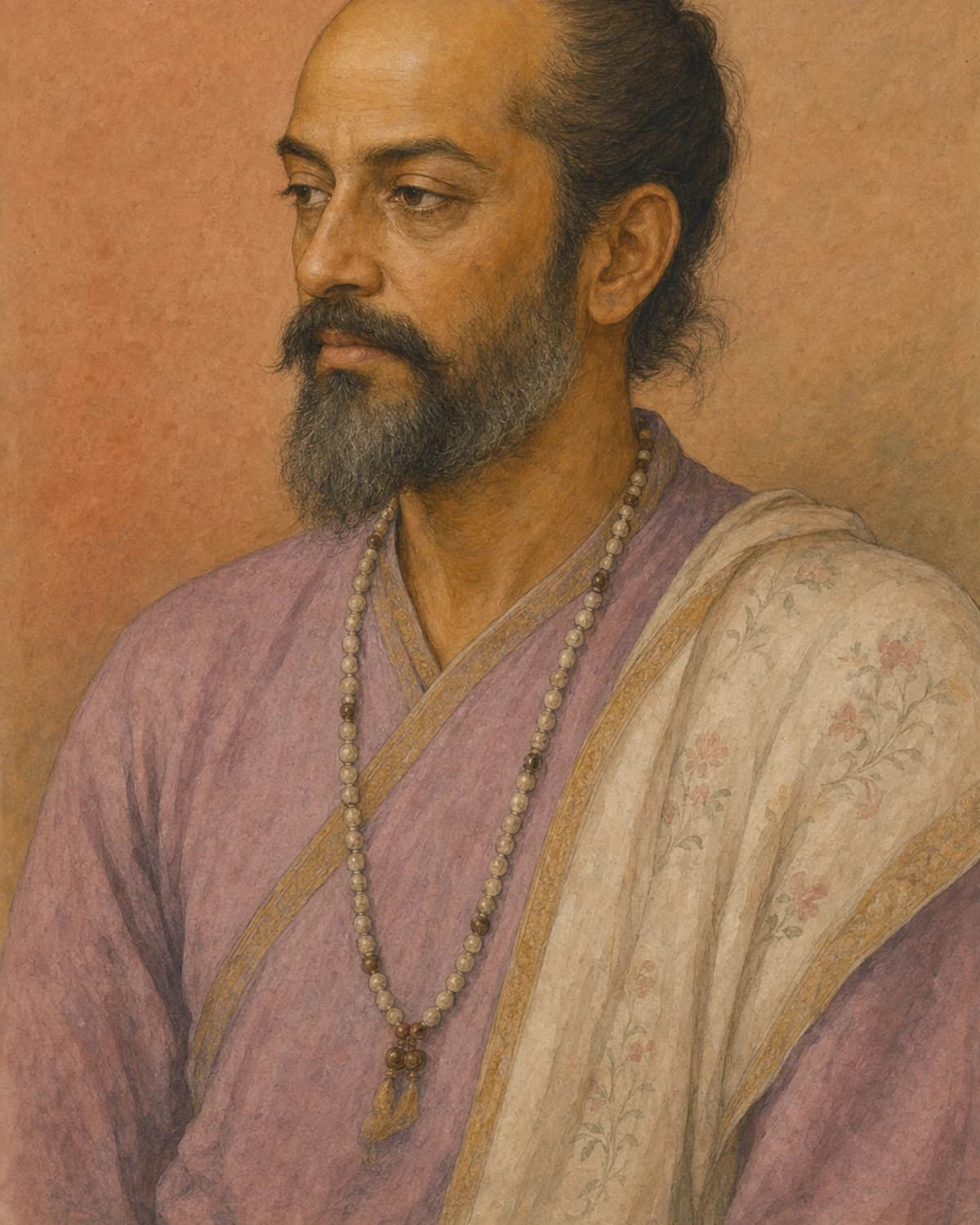
1600–1700
Manohar Das
Manohar Das, son of the court master Basawan, grew up in the imperial workshop of the Mughal court and worked for three rulers: Akbar, Jahangir and, according to some accounts, Shah Jahan. He is known as a master of the miniature portrait and took part in illustrating manuscripts of the Akbarnama and the Jahangirnama. His works are in the British Museum and the Victoria and Albert Museum.25.05.1976–present
Hafida Zizi
Hafida Zizi (born 1976) grew up in Aghbala in the family of a carpet weaver and took up painting and sculpture on her own at twenty-eight. In her pictures Amazigh women prepare food, play music and dance, and large open eyes recur on the faces. Her first solo exhibition was held in Imilchil in 2011, and since 2015 she has run a gallery in Aït Benhaddou.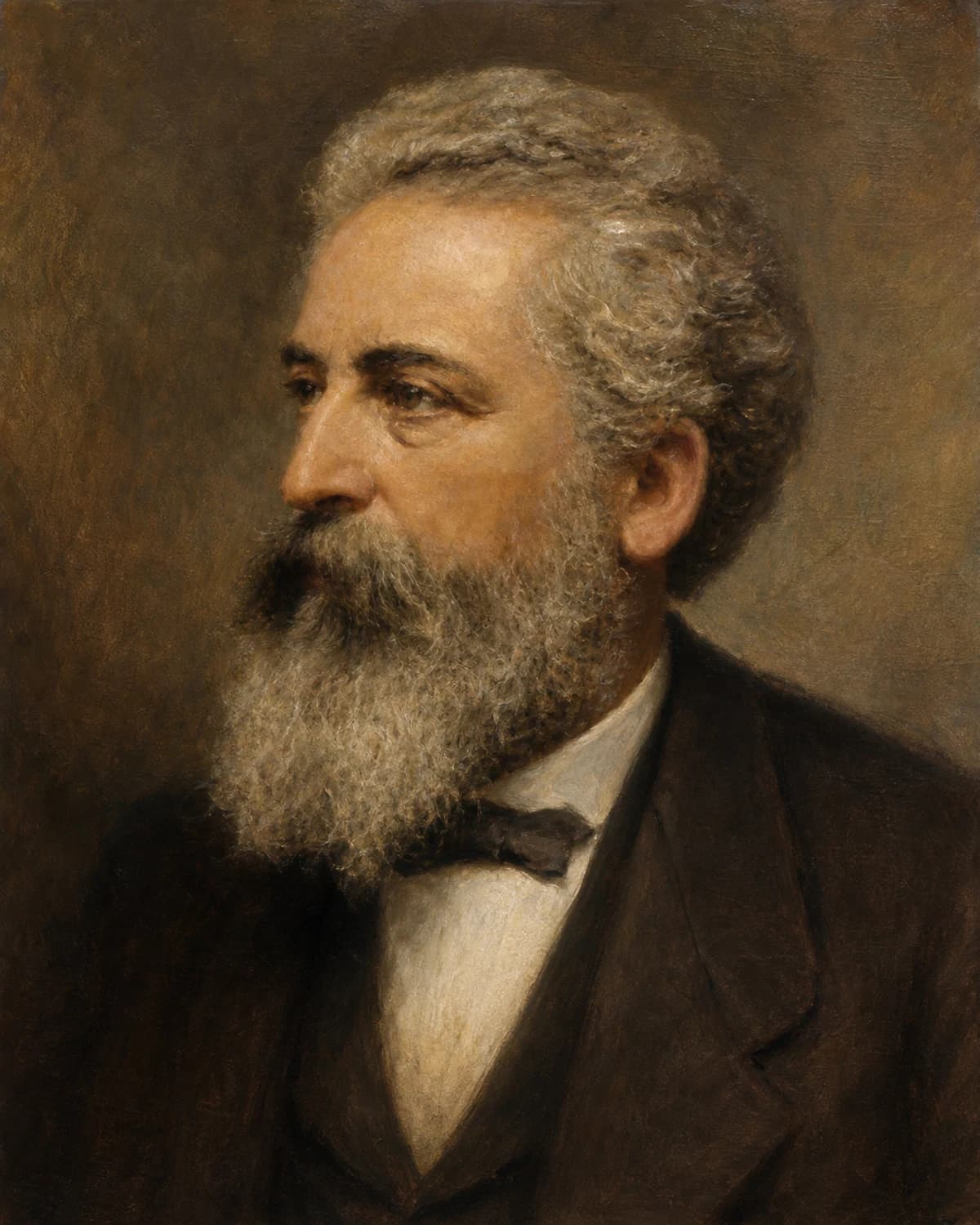
10.1826–23.03.1869
Luis Montero Cáceres
In 1847 Luis Montero of Piura received the first state scholarship in Peru for study in Europe, after a miniature portrait of President Ramón Castilla. He studied in Florence and spent six years there on “The Funeral of Atahualpa”. In 1868 he gave the huge canvas to Congress, and in 1881 Chilean troops carried it off.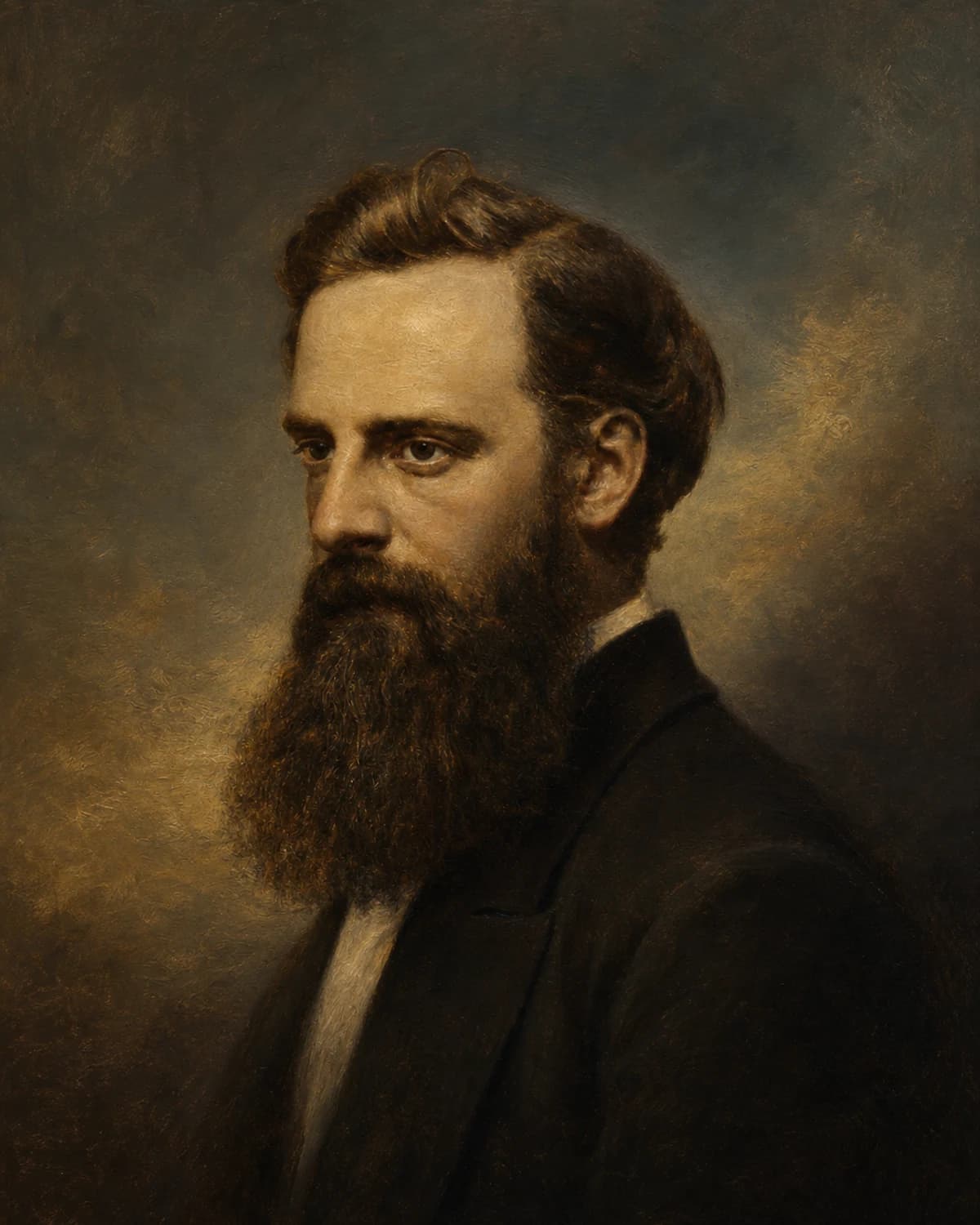
09.05.1828–15.03.1902
Nicholas Chevalier
Nicholas Chevalier was born in St Petersburg into a Swiss-Russian family, studied in Lausanne and Munich, and became best known for his Australian and New Zealand landscapes. In Melbourne he drew for the magazine “Melbourne Punch” and went on expeditions in Victoria; in 1869 he sailed on HMS Galatea with the Duke of Edinburgh, and in London he painted on commission for Queen Victoria.06.10.1887–27.08.1965
Le Corbusier
Charles-Édouard Jeanneret was born in the watchmaking town of La Chaux-de-Fonds, began as an engraver of watch dials, and first signed articles “Le Corbusier” in the journal L’Esprit Nouveau in 1920. He built the Villa Savoye, the Unité d’Habitation in Marseille and the chapel at Ronchamp, and planned Chandigarh. Seventeen of his buildings in seven countries are on the UNESCO World Heritage List.05.09.1946–24.11.1991
Freddie Mercury
Freddie Mercury (born Farrokh Bulsara) trained as a graphic designer, drew the crest of the band Queen himself and in 1972 took a new surname. He wrote “Bohemian Rhapsody”, “Killer Queen” and “We Are the Champions” for Queen and released two solo albums, including “Barcelona” with Montserrat Caballé. His last concert with Queen was in August 1986.28.11.1757–12.08.1827
William Blake
William Blake (1757–1827) spent seven years apprenticed to a London engraver, then devised a way of printing text and picture from a single copper plate and, with his wife Catherine, coloured the impressions by hand. This is how “Songs of Innocence and of Experience” and “The Marriage of Heaven and Hell” were made. In his last year he was working on illustrations to Dante’s “Divine Comedy”.02.07.1877–09.08.1962
Hermann Hesse
Hermann Hesse left the seminary at Maulbronn at fifteen, then trained as a mechanic and a bookseller, and at twenty-seven published his first novel, “Peter Camenzind”. His books include “Demian”, “Siddhartha”, “Steppenwolf” and his last novel, “The Glass Bead Game”; in 1946 he received the Nobel Prize in Literature. In Ticino he also painted watercolours.26.07.1875–06.06.1961
Carl Jung
Carl Jung (1875–1961), a village pastor's son, began as a doctor at the Burghölzli clinic in Zurich and went on to found analytical psychology. From 1907 to 1913 he was Sigmund Freud's closest associate, then broke with him over the nature of libido and the unconscious. For sixteen years he worked on the Red Book, a handwritten volume with his own paintings; it appeared only in 2009.18.06.1942–?
Paul McCartney
Paul McCartney taught himself to play a guitar as a left-hander by reversing the strings, and wrote his first song as a teenager in Liverpool. With the Beatles he recorded “Yesterday”, “Eleanor Rigby” and “Hey Jude”, then founded Wings and released dozens of solo albums. He still writes and performs: in 2022 he headlined the Glastonbury Festival.05.12.1927–13.10.2016
Bhumibol Adulyadej
Bhumibol Adulyadej, King Rama IX of Thailand, was born in Cambridge, Massachusetts, grew up in Lausanne and came to the throne at eighteen after the death of his elder brother. He reigned for seventy years, longer than any other Thai monarch. Alongside this he played jazz on the saxophone, composed about fifty pieces, painted, took photographs and built sailing boats.16.10.1927–13.04.2015