International contemporary art platform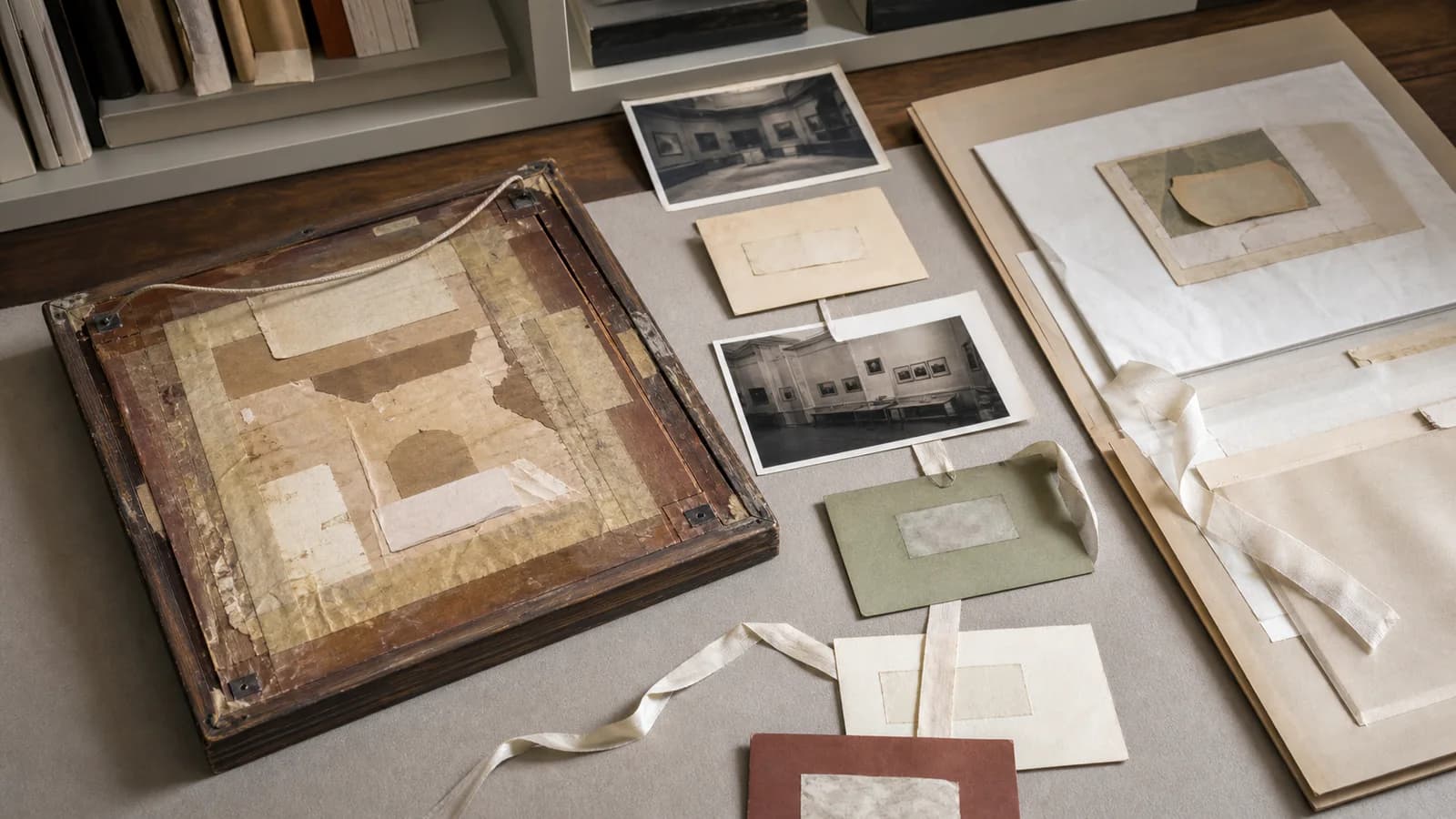
What provenance consists of
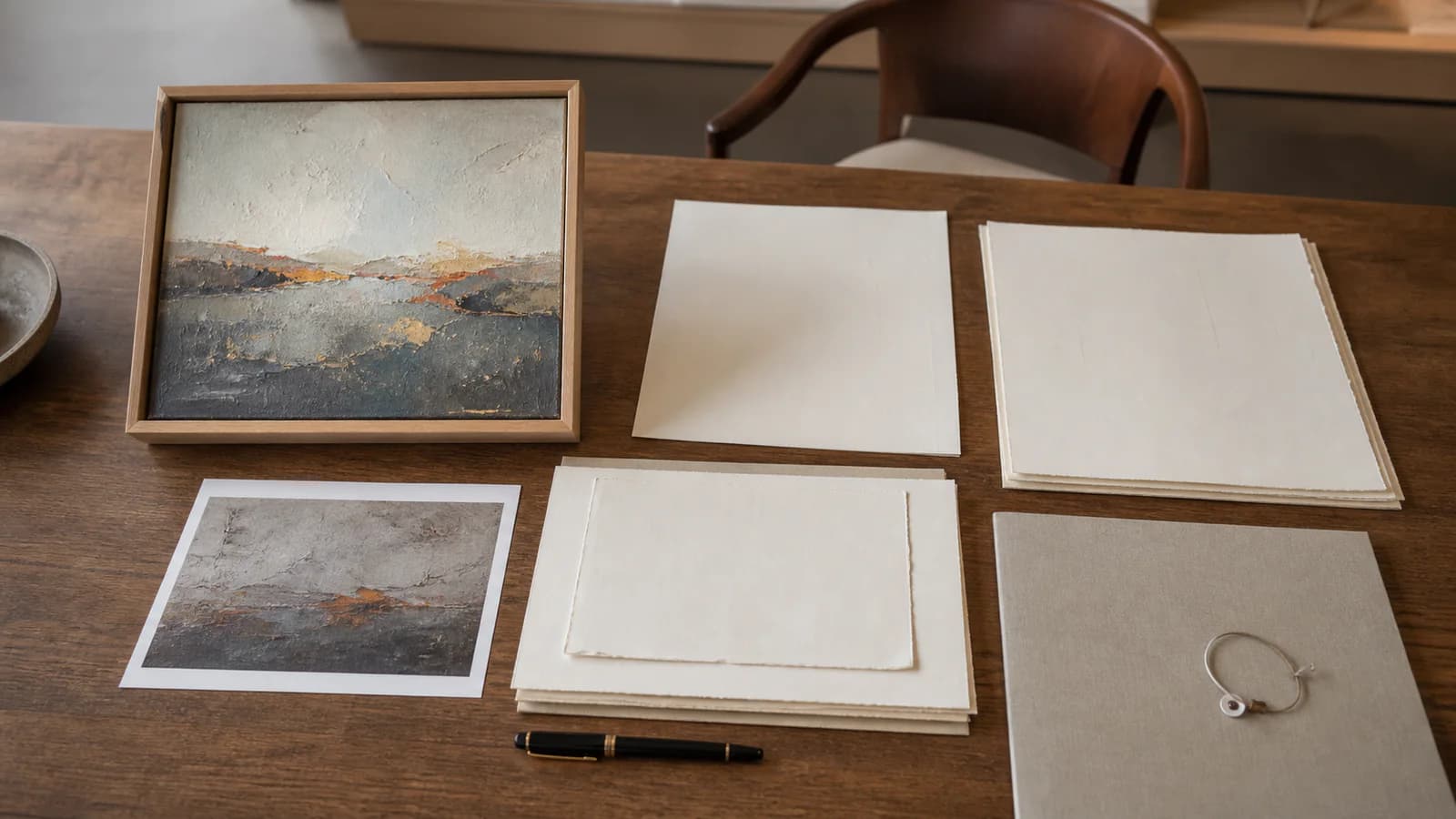
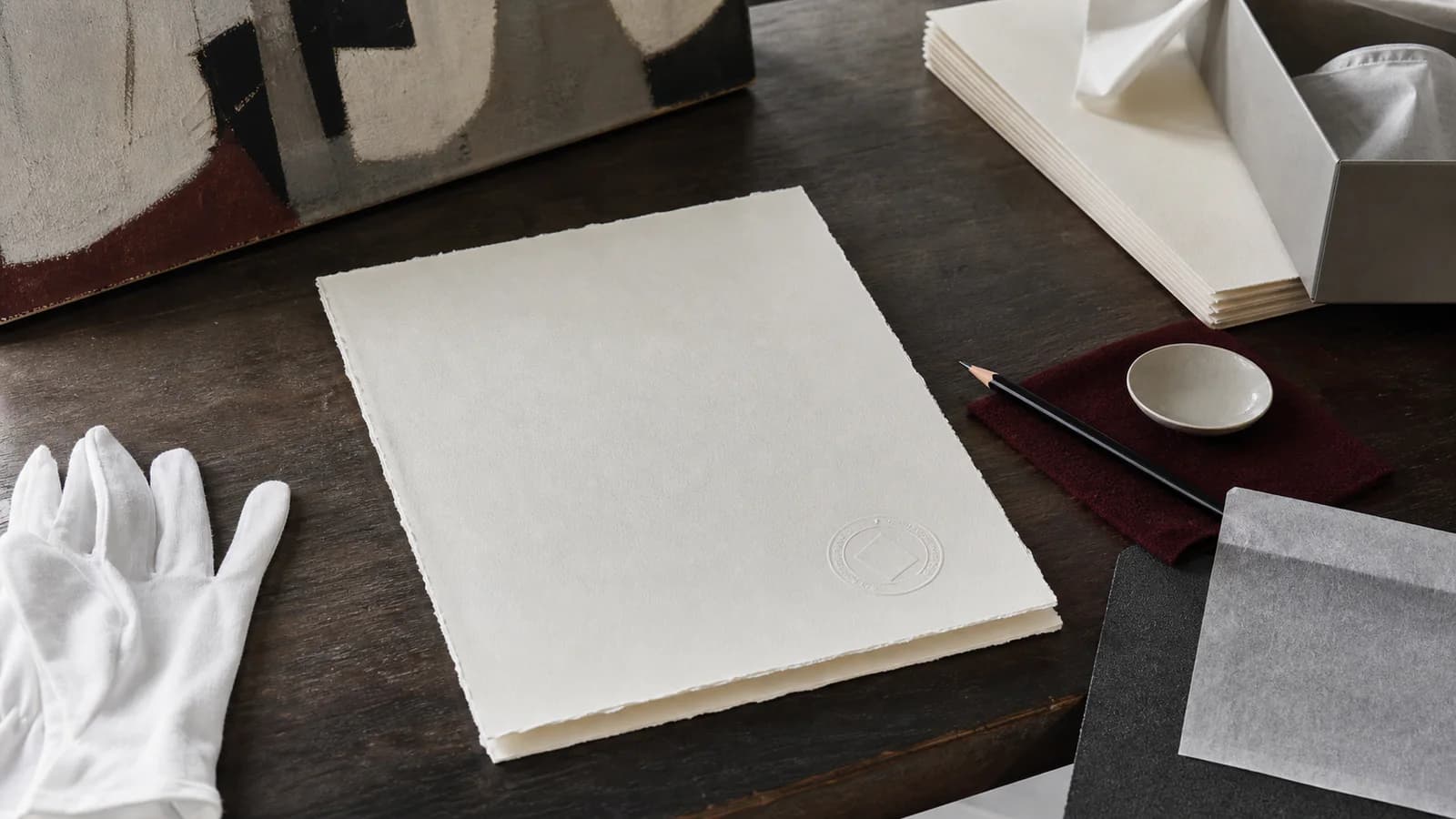
Ideal provenance is an unbroken chain: who owned the work, when, and how it changed hands. Evidence includes contracts and invoices, exhibition and auction catalogues, gallery labels on the reverse, publications, letters, even photographs of the work in owners' homes.
Gaps in the chain are not fatal, but every gap lowers confidence and price. The market is especially wary of periods during which a work could have changed hands involuntarily.
Why provenance drives the price
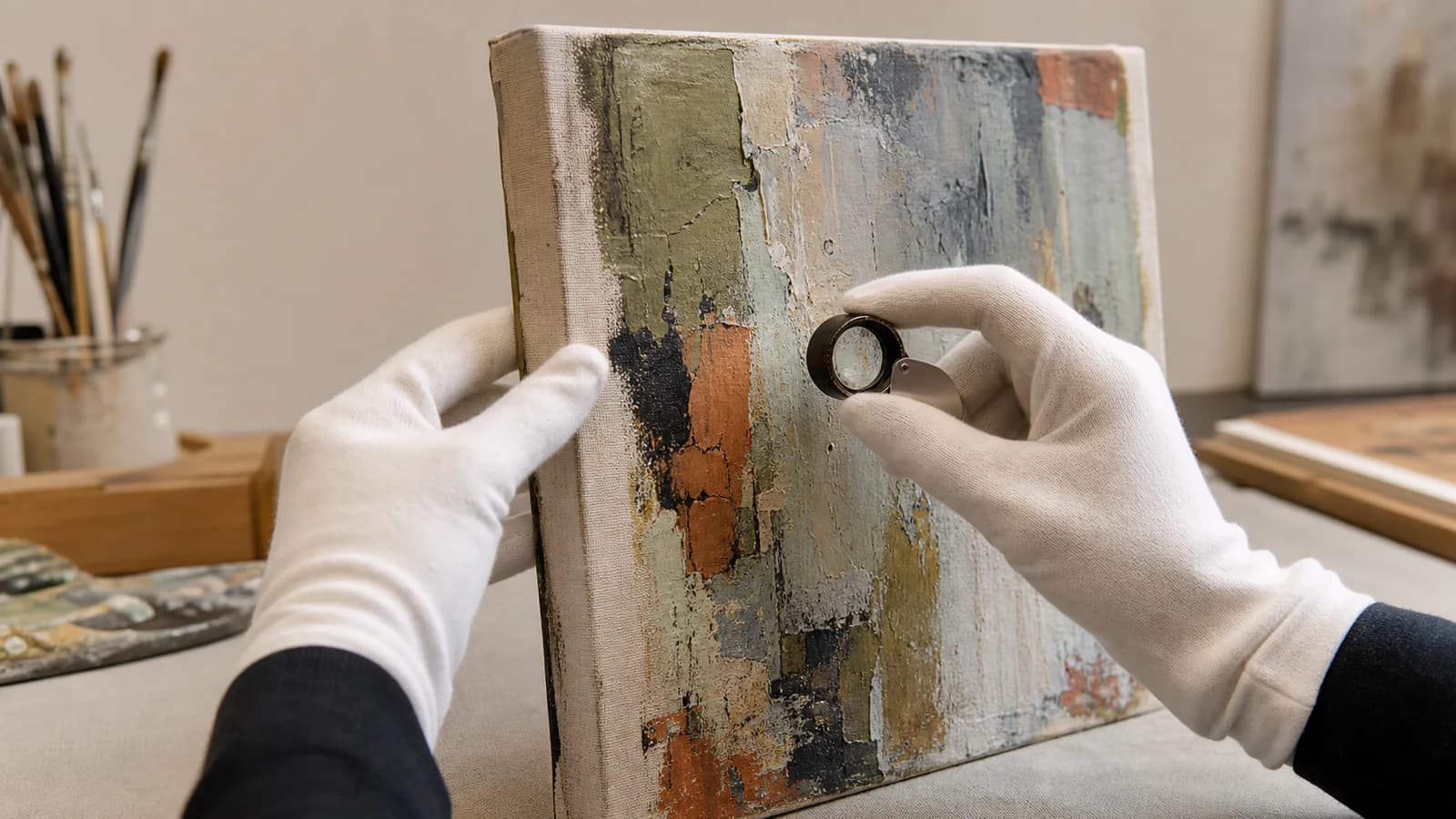
First, it removes the buyer's biggest risk — forgery: a work traceable to the studio is nearly impossible to fake. Second, it protects against legal claims from previous owners. Third, it adds symbolic value: a work from a famous collection or a landmark exhibition is worth more than an identical one with no biography.
For contemporary art, provenance starts with you
A work bought from an emerging artist has a short provenance — and that is normal: you are its first link. Fix the start of the chain: the contract with the artist or gallery, the certificate, photos, the date. Keep catalogues of exhibitions the work takes part in and any press mentions — all of it compounds into value.
NEOARCA records the origin of every work in its listing and sale documents: the 'Provenance' section is a standard part of each catalogue entry.