International contemporary art platform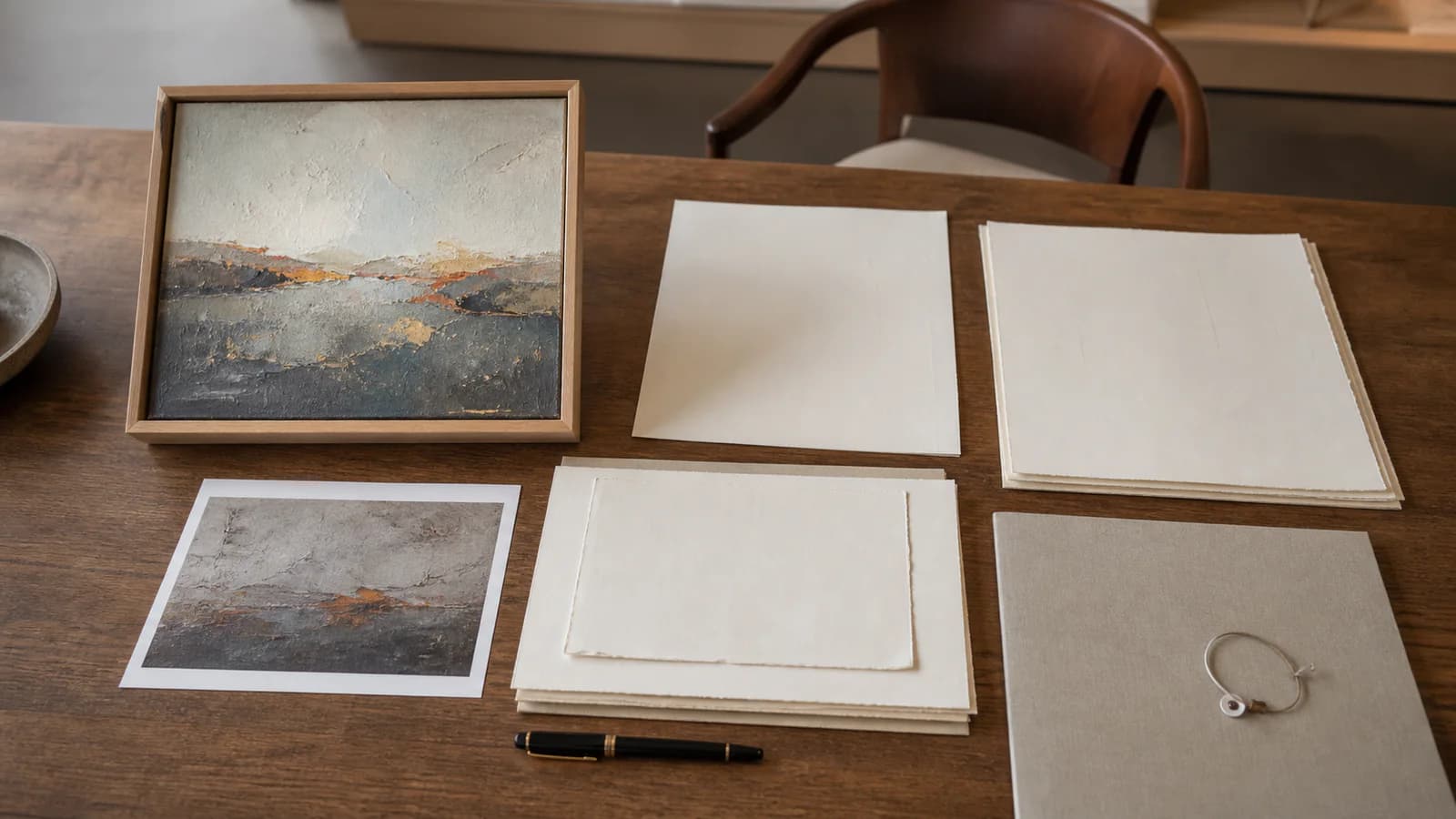
1. The bill of sale (purchase contract)
The core document. It must contain: a full description of the work (artist, title, year, medium, dimensions — precisely, not approximately), the seller's warranty of authenticity and clear title, the price and payment terms, delivery conditions and liability for non-conformity.
The authenticity clause matters most: if the seller warrants authorship in writing, a failed authentication entitles you to rescind the sale. A seller who refuses to put the artist's name in the contract is telling you their own risk assessment.
2. The certificate of authenticity
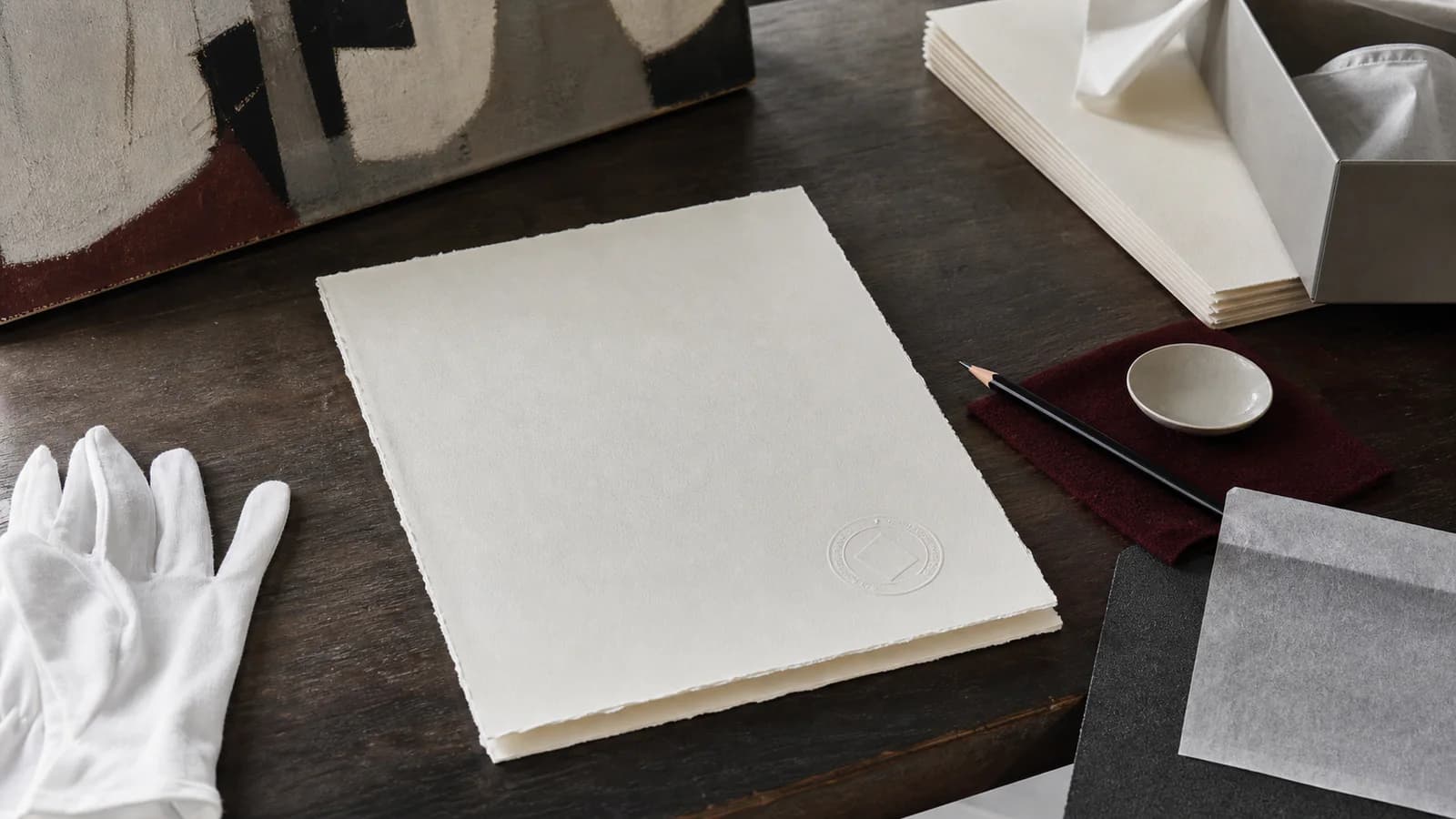
The document stating the work's status: original, artist's edition or copy. Strongest when issued by the artist or their gallery. We cover the mandatory fields in a separate guide; in short: description, photo, type of work, issuer and date.
3. Provenance records
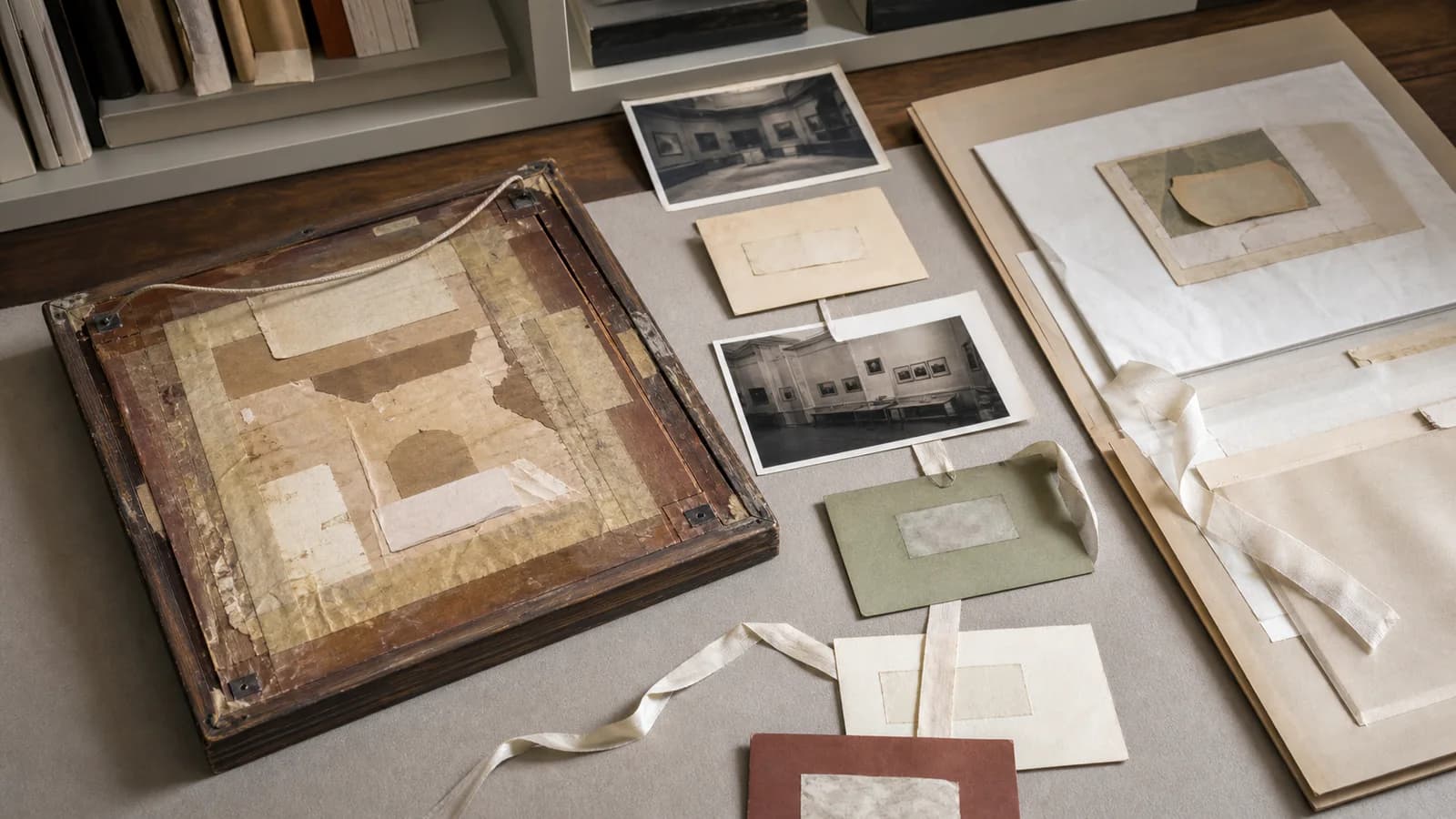
Everything that documents the work's journey to you: previous invoices or contracts, exhibition catalogues, auction results, the artist's letters. For consigned works — confirmation that the gallery has the right to sell on the owner's behalf: at NEOARCA a consigned work is never published without a valid agreement with its owner.
4. Transfer report and proof of payment
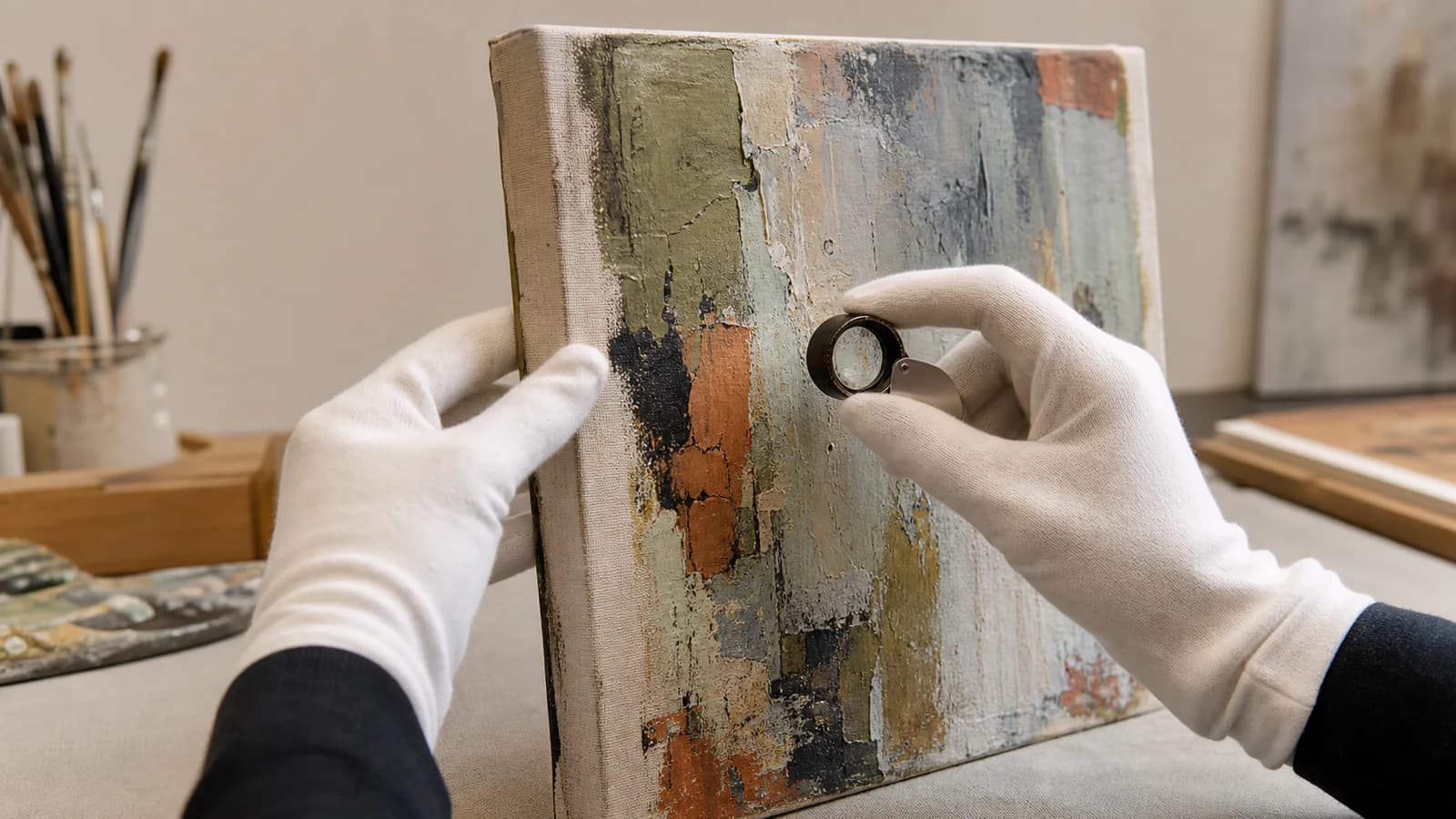
The transfer (condition) report fixes the moment of handover and the state of the work on arrival — with photos if it was shipped. Payment records tie the money to the deal. Together with the contract they constitute proof of your title.
- Contract with full description and authenticity warranty
- Certificate of authenticity with a photo
- Provenance: prior invoices, catalogues, correspondence
- Transfer/condition report and proof of payment
What you do not receive
Buying a painting, you acquire the object — not the copyright. The rights to reproduce, publish and license the image stay with the artist unless the contract explicitly transfers them. This is normal and does not limit your right to own, display and resell the work.