International contemporary art platform
Who can legitimately issue one
For contemporary art, the strongest certificate comes from the artist or their official gallery — they are the primary source. For historical artists, its place is taken by an expert opinion from a recognised specialist, the artist's foundation or authentication committee where one exists.
A certificate from an anonymous 'experts association' connected neither to the artist nor to any recognised institution carries almost no legal or market weight.
The mandatory fields
A good certificate binds the document to one specific physical object — so that it cannot be attached to another work.
- Artist, full title of the work, year of creation
- Medium and materials, exact dimensions
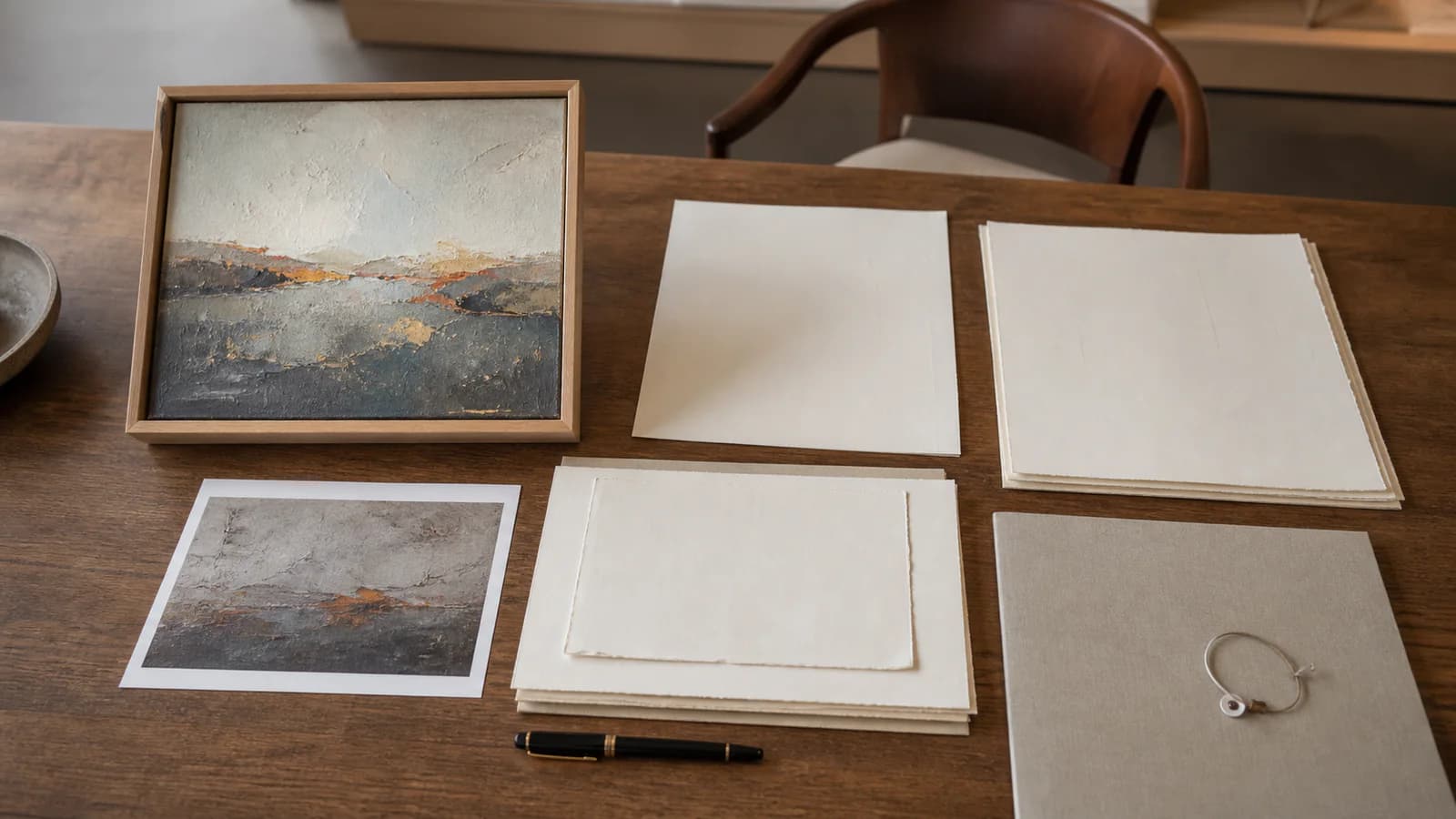
- A photograph of the work, ideally including the signature
- Type: original, artist's print (edition number) or copy
- Issuer: name, role, signature, date, contact details
- A unique number tied to the invoice or inventory record
A certificate is not an expert opinion
A certificate is a statement by the seller or artist about the work's status. An expert opinion is the result of independent examination. For a new work by an emerging artist, a certificate plus a contract is enough; for an expensive work by a deceased master, a certificate without expertise is only the beginning of due diligence.
At NEOARCA the status of every work — original, print, quality copy — is fixed in the catalogue listing and in the sale documents, and a quality copy is always explicitly labelled as not an original.