International contemporary art platform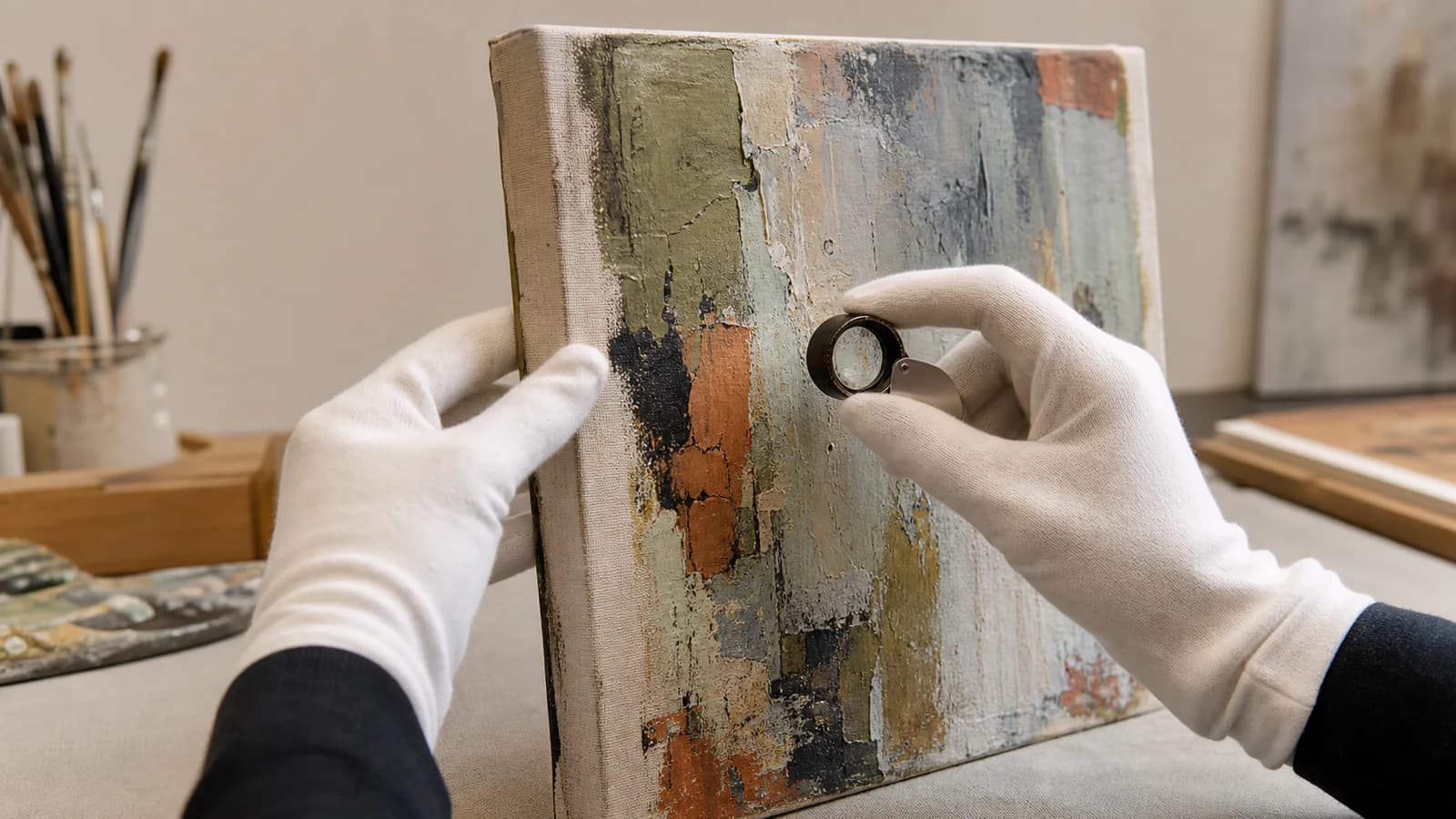
Step 1. Start with the seller, not the painting
A work is roughly as trustworthy as the person selling it. A gallery with a public track record and written contract backs its statements with money and reputation; an anonymous seller offers little beyond their word.
Ask who the artist is, where the work came from, which documents accompany it and what happens if attribution fails. Evasive answers are reason enough to pause.
Step 2. Inspect the work — in person or via proper photos
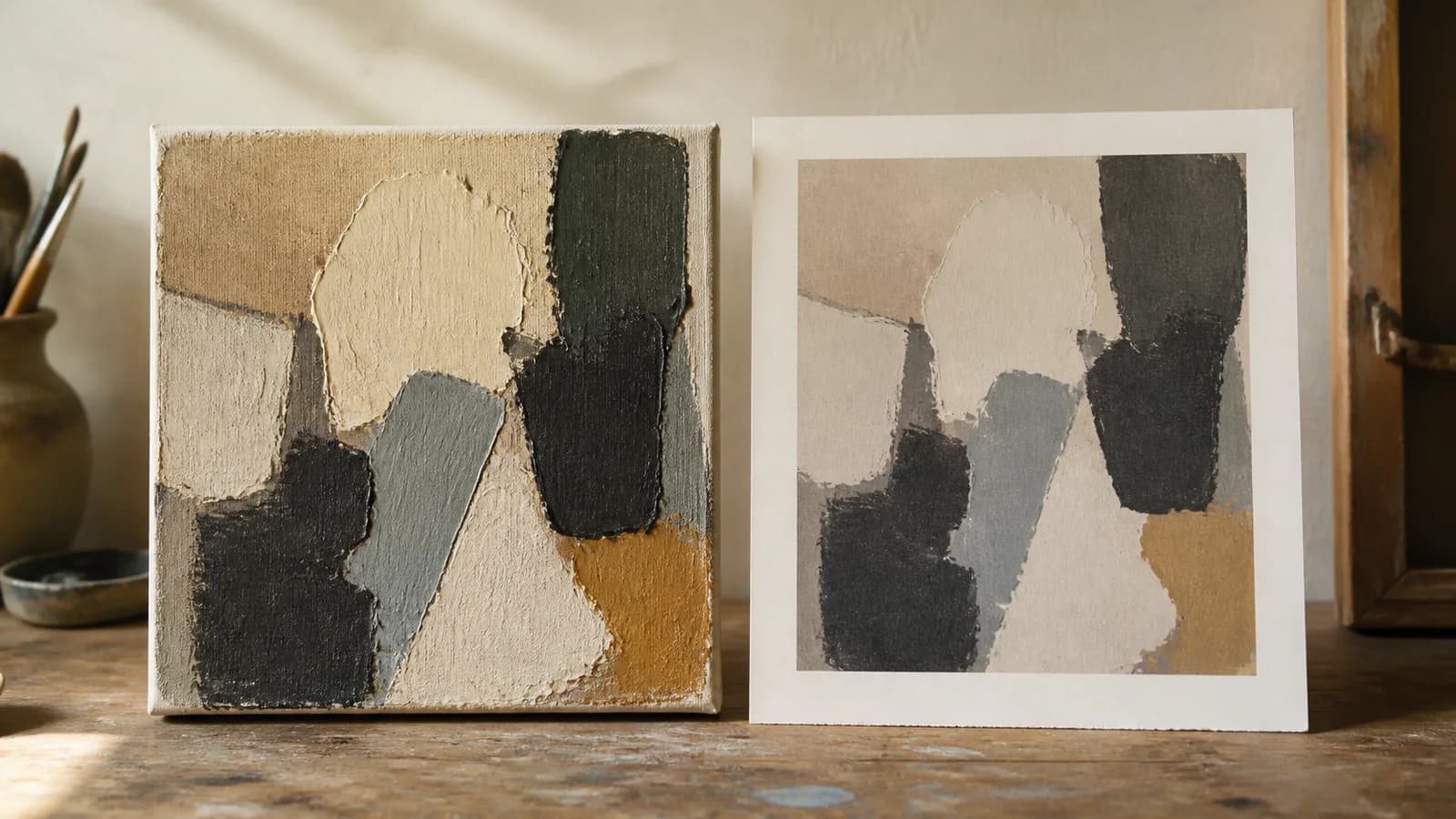
An original painting shows raised brushwork, uneven paint and traces of the hand. A reproduction is usually flatter, and magnification may reveal a regular printing pattern.
Check the reverse as well: canvas, stretcher, fittings, inscriptions and exhibition labels. They help test whether the materials fit the claimed history.
- Raised, textured brushwork on the front
- A signature in the medium of the work, not on top of the varnish
- The reverse: canvas age, stamps, labels, inscriptions
- Dimensions and technique matching the description
Step 3. Check the documents
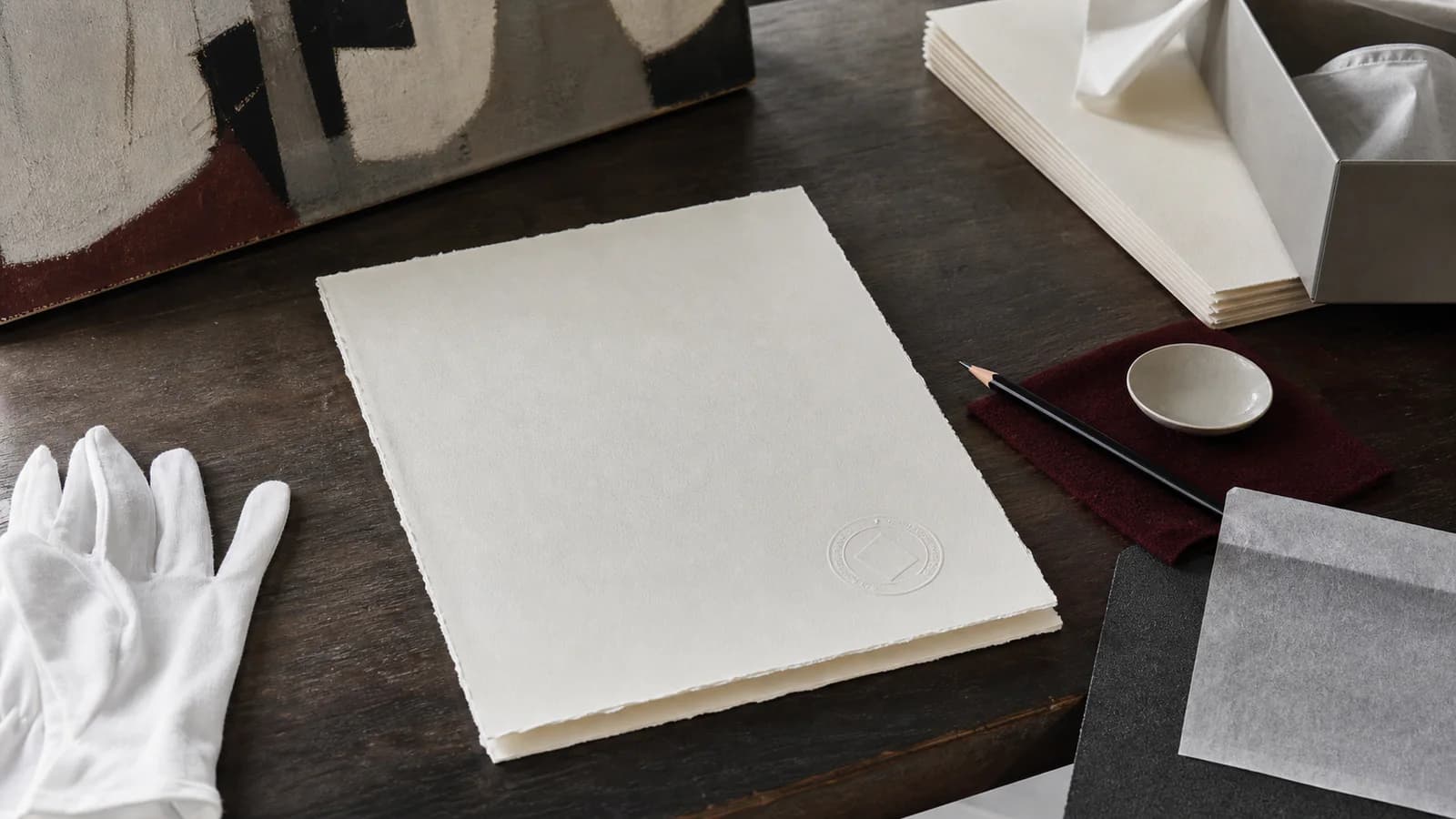
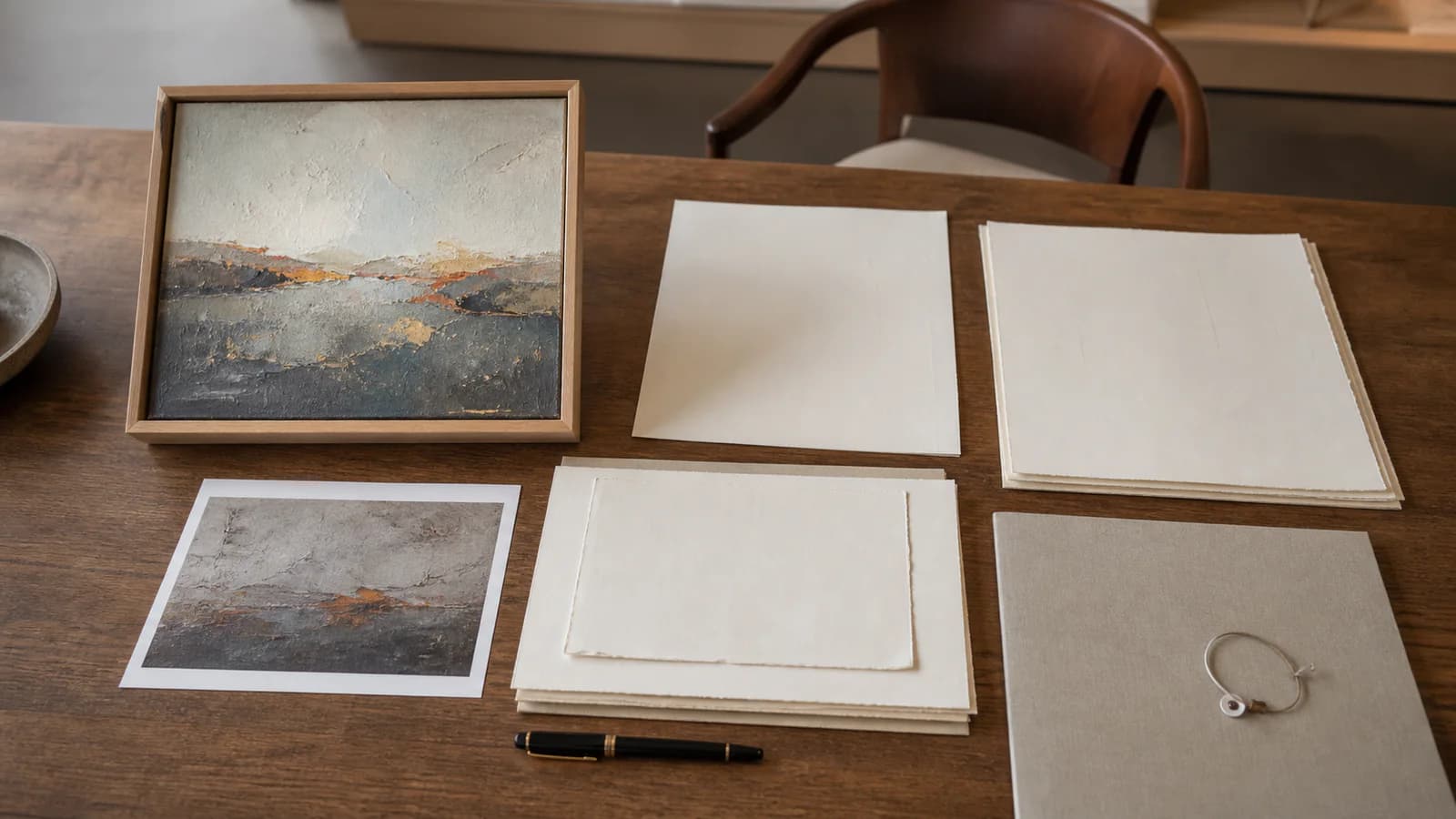
Ask for a certificate, provenance records and a bill of sale naming the artist, title, year, medium and dimensions. Every document must identify this specific physical object.
For a living artist, the artist or representing gallery is the primary source. For an estate, look for a recognised specialist and a catalogue raisonné where one exists.
Step 4. When professional authentication is worth it
Independent authentication matters most when the price is high, the artist has died or ownership history has gaps. A specialist compares style and handling with securely attributed works.
Technical methods add evidence: ultraviolet light reveals later interventions, infrared can show underdrawing, X-ray exposes lower layers, and pigment analysis tests whether materials fit the claimed period.
Step 5. Document everything at the point of sale
Keep the contract, certificate, correspondence and photographs taken on arrival. This file becomes the start of the work's provenance and supports insurance, inheritance or resale.
At NEOARCA every work is published by staff after review, its type — original, print or quality copy — is always stated explicitly, and each purchase is accompanied by a curator.