International contemporary art platform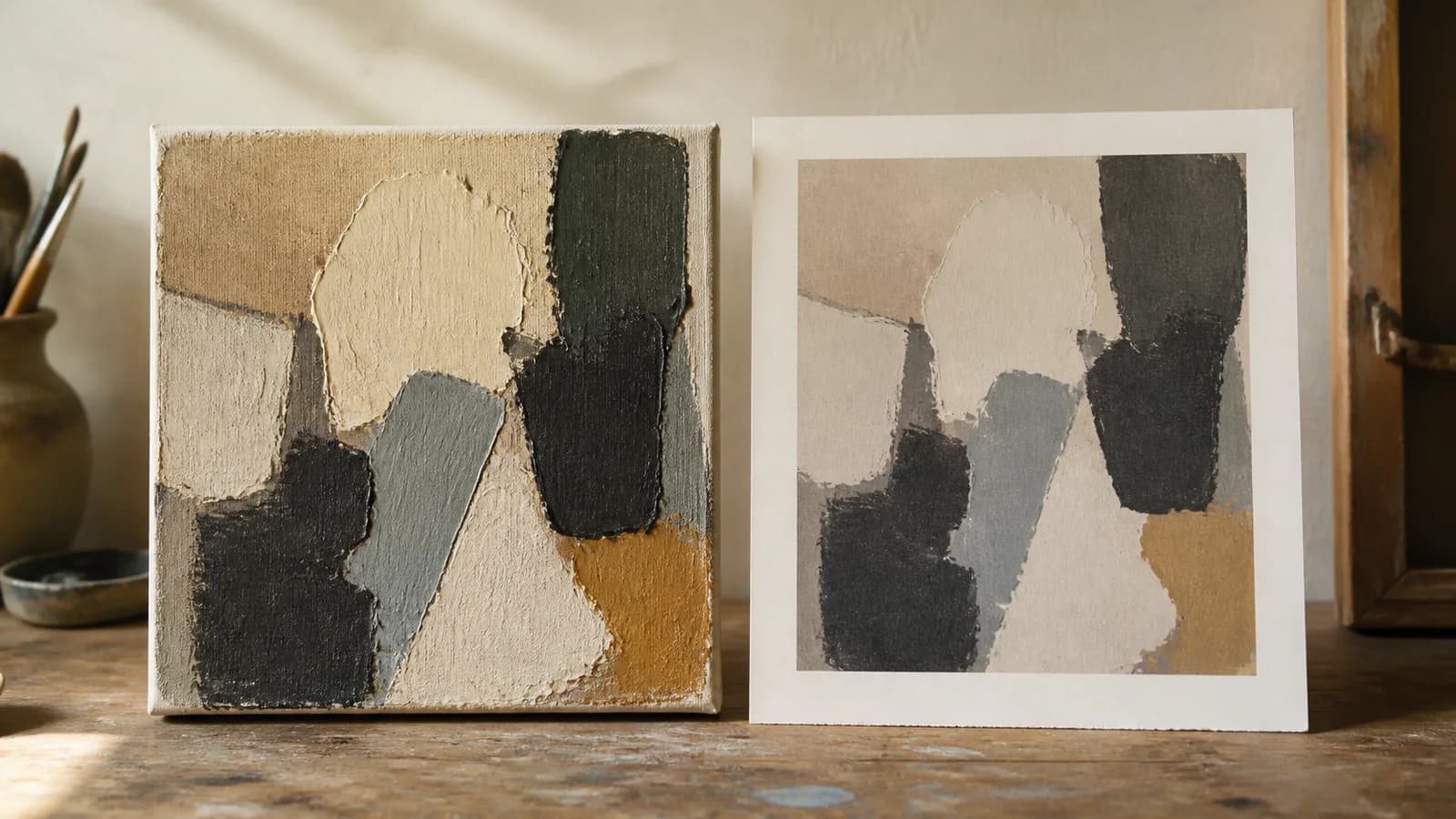
Signs 1–3: the surface
First, brushwork relief. Oil and acrylic paint has height: under raking light you see ridges of paint and the shadows they cast. A print is flat; even 'textured giclée' has a uniform mechanical texture that doesn't follow the image.
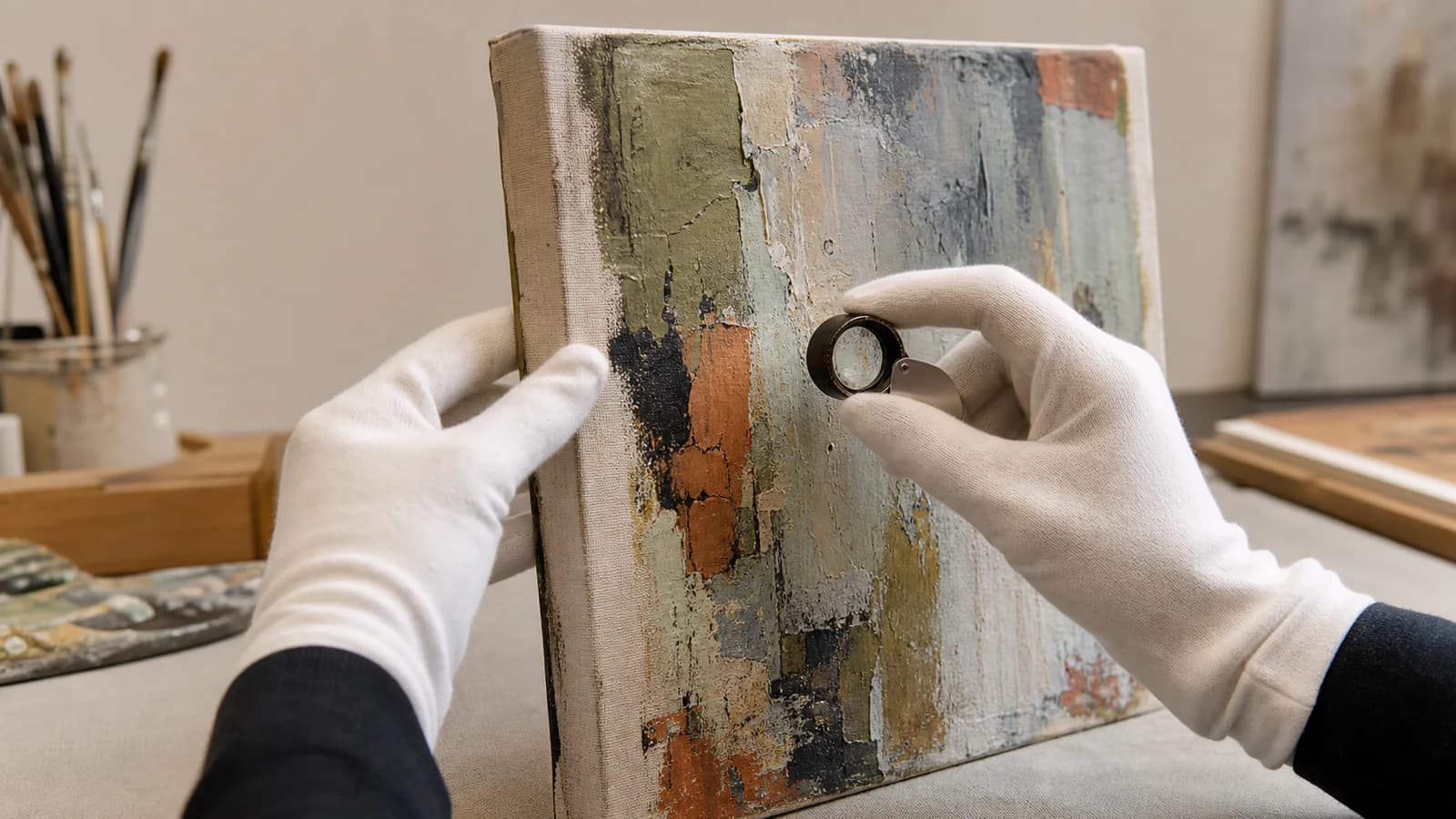
Second, the dot pattern. Look at light areas through a loupe or your phone's macro lens: a regular grid of dots means print, full stop. Third, the canvas edges: an original usually shows paint traces and stray strokes on the sides; a stretched print has either clean edges or a mirrored 'gallery wrap' of the image.
Signs 4–6: signature, reverse, materials
Fourth, the signature. On an original it is made in the same medium as the work and sits within the paint layer. A marker signature on top of the texture — or a signature printed into the image — is a red flag.
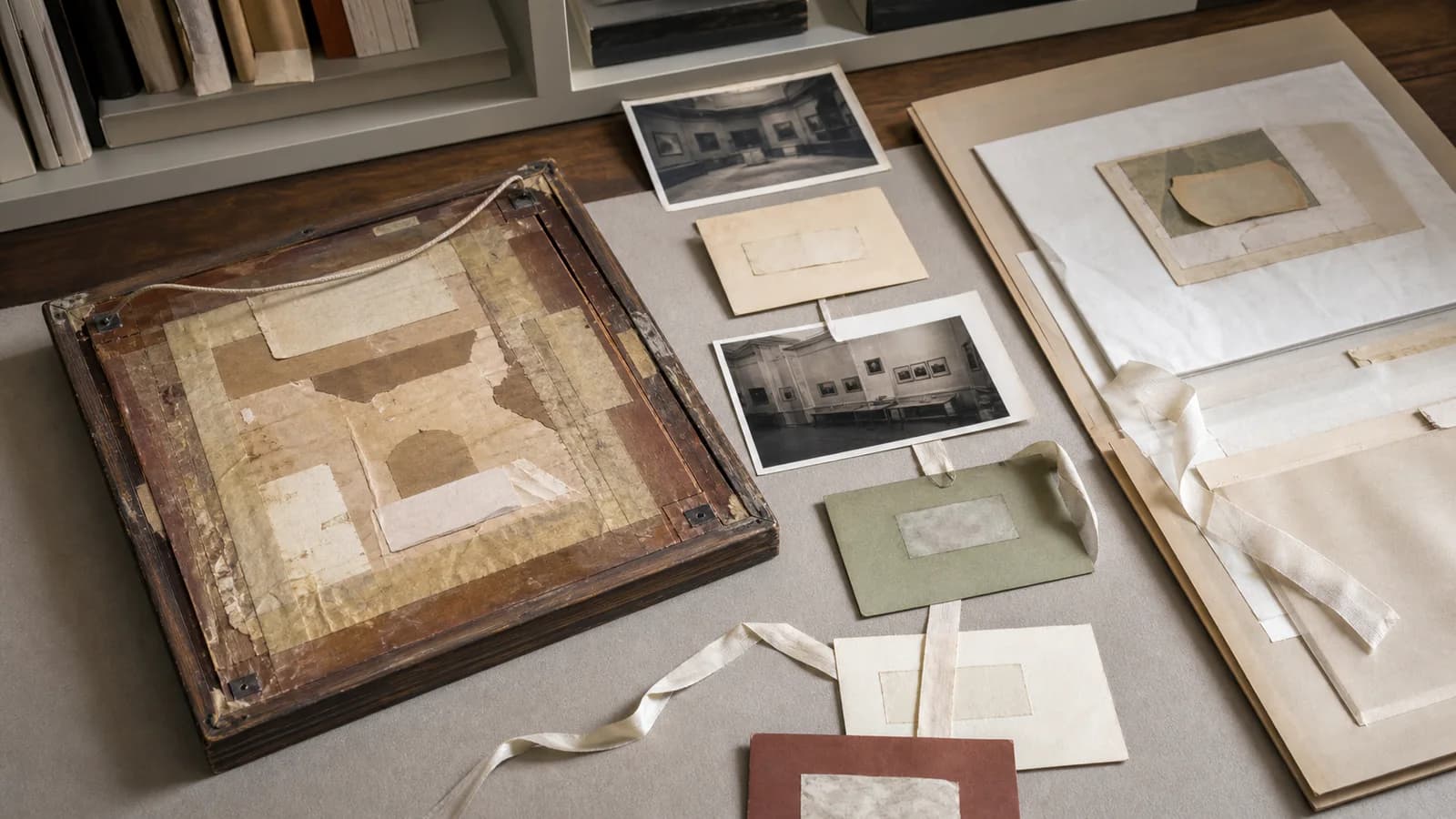
Fifth, the reverse. A factory-fresh canvas with bright white priming on a 'work from 1995', no traces of time, staples on a supposedly vintage piece — these are contradictions. Sixth, materials: the smell of fresh paint on an 'old' work, modern hardware, print-shop labels.
Signs 7–9: price, history, documents
Seventh, price. An original by a recognised artist cannot cost the same as a poster: an abnormally low price is not luck, it is information. Eighth, history: the seller must be able to say where the work comes from. 'From a private collection' with no detail is not an answer.
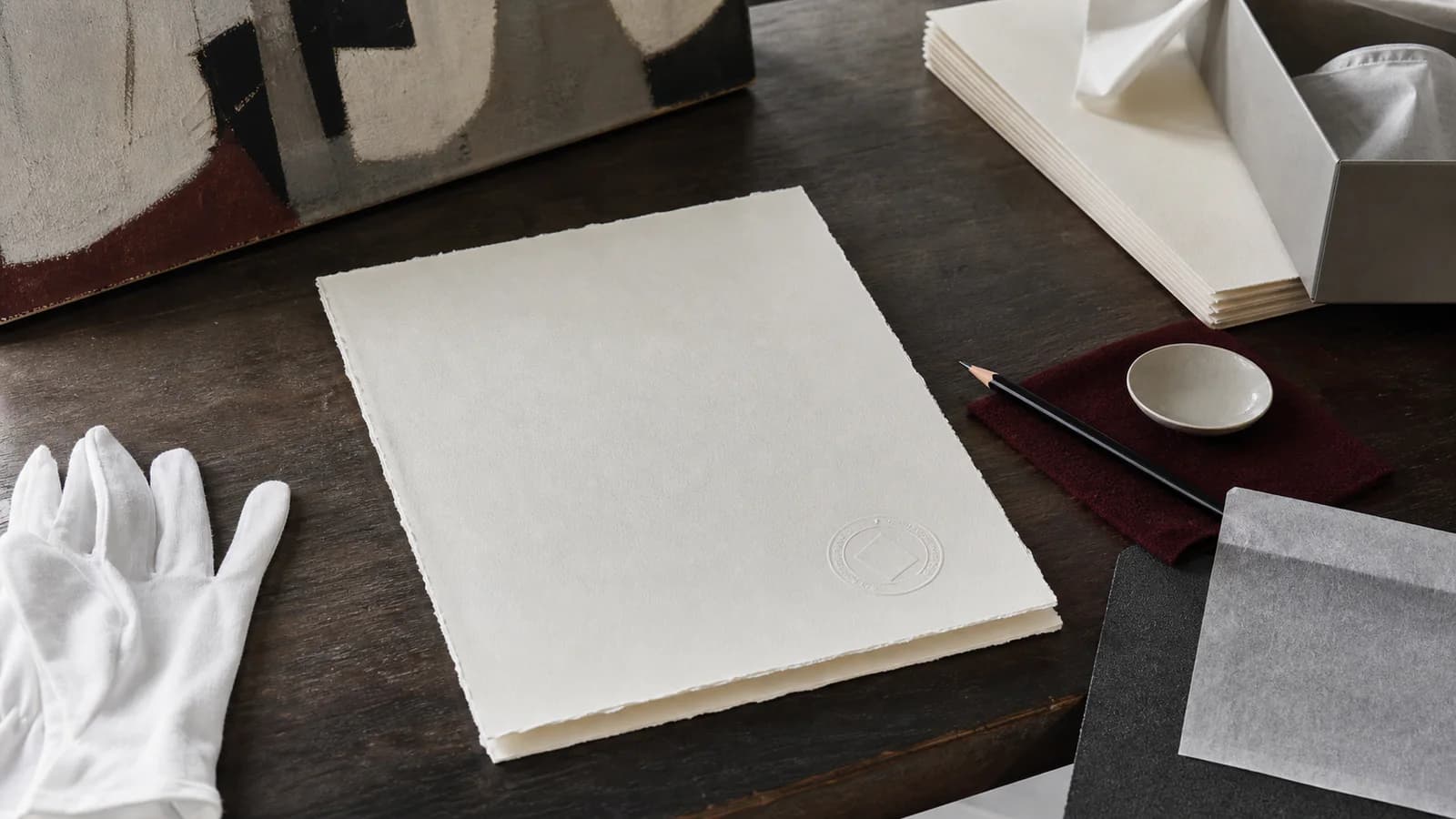
Ninth, documents. A seller calling a work an original while offering no certificate and no contract is the simplest filter of all. An honest seller states the work's status in writing — as NEOARCA does: 'original', 'print' and 'quality copy' are distinct, clearly labelled types.
A special case: the embellished print
A common trick is a printed reproduction with a few real strokes of varnish or paint on top. Under raking light it feels textured. The test: the texture appears only in places and doesn't follow the image, while quiet areas show the print dot pattern under a loupe. Such a piece can be sold honestly as a decorative copy — but never at an original's price.