
1769–09.08.1819
Robert Field
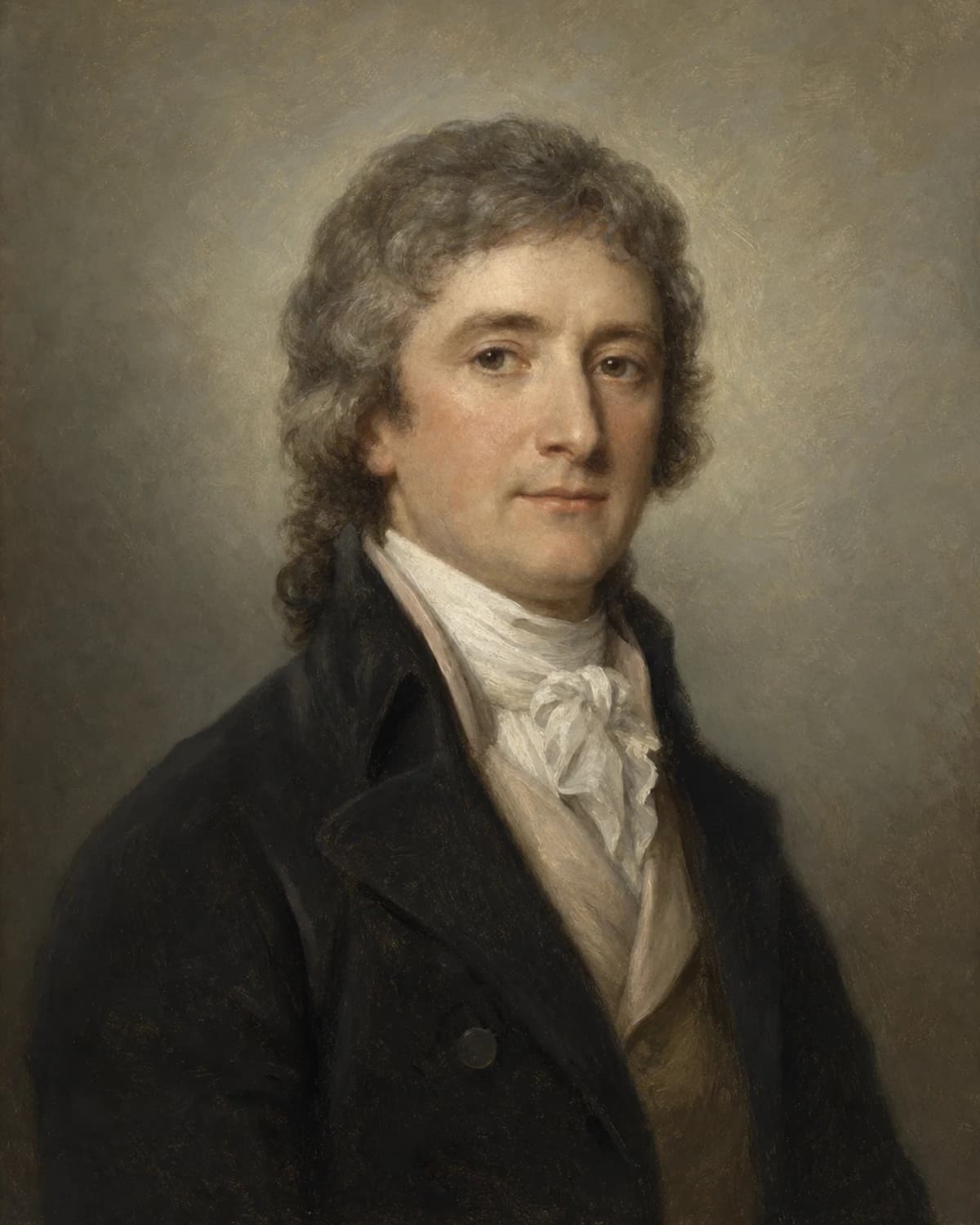
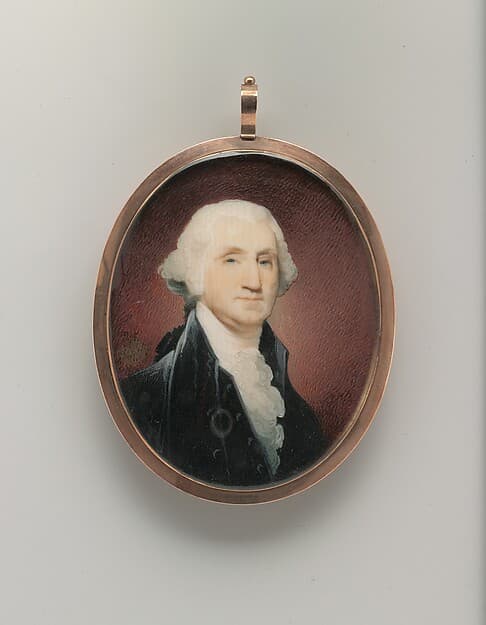
Robert Field (1769–1819) was born in London but made his name as a miniature portraitist in the United States: in 1800, commissioned by Martha Washington, he painted two groups of miniatures of George Washington. In 1808, on the eve of the War of 1812, he moved to Halifax, where in eight years he painted, possibly, about 150 portraits. He died in Kingston, Jamaica.
Biography
In the autumn of 1800, a few months after the death of George Washington, his widow Martha commissioned Robert Field to paint memorial miniatures for friends and family. The commission was timed for the first anniversary of the death of the general and president. Field made two groups: in the first Washington wears civilian dress, in the second the full uniform of a general.
Field was born in London in 1769. The exact date of his birth is not known. He received his early training at the Royal Academy Schools in London, in 1790.
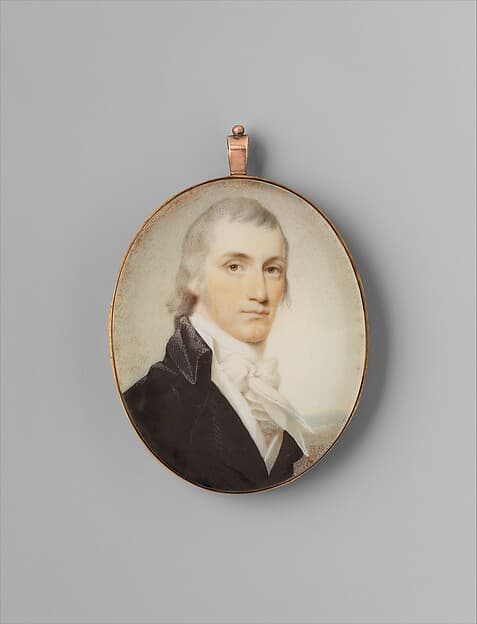
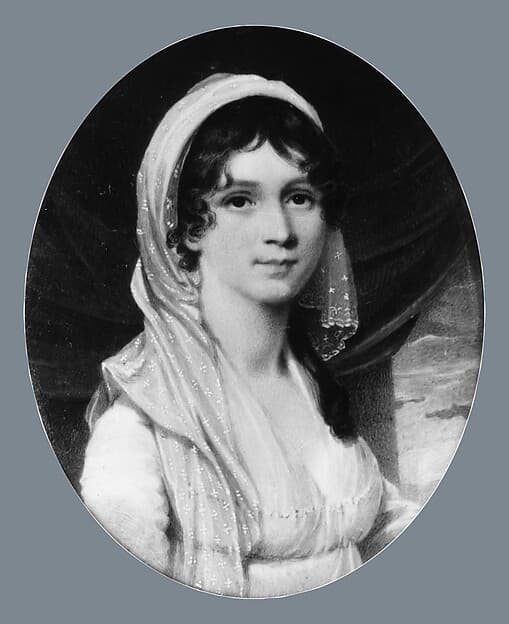
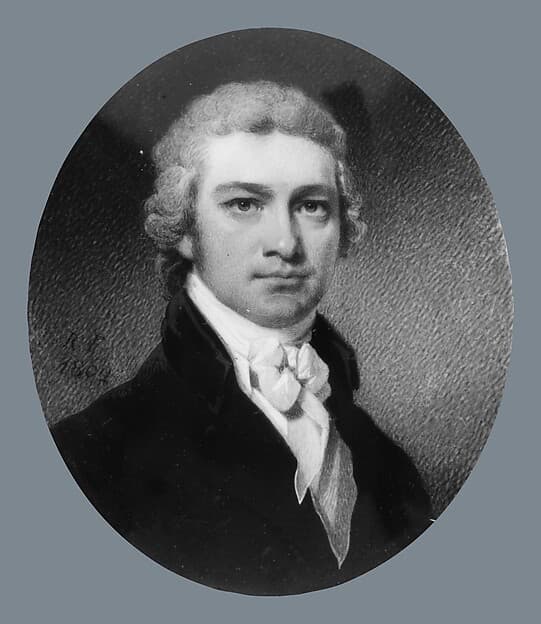
In 1794 he moved to the United States. He lived first in Baltimore, then in Philadelphia, which was then the nation’s capital. In Philadelphia he at once joined the circle of artists around Charles Willson Peale, who founded the Columbianum, or American Academy of the Fine Arts; it was later superseded by the Pennsylvania Academy of the Fine Arts, established in 1805. Field spent fourteen years in the United States, working as a miniature painter in Baltimore, Philadelphia, Washington, D.C., and Boston. Among his sitters were George and Martha Washington, Thomas Jefferson, and many people prominent in the social, economic and political life of the young republic. According to the historian Harry Piers, he was one of the four most sought-after American miniaturists of his time. The British art historian Daphne Foskett, author of “A Dictionary of British Miniature Painters” (1972), called him one of the best American miniaturists of his day. Both Washington groups are now in the Yale University Art Gallery. Field’s manner was the conventional neoclassical portrait style of the late eighteenth century, in the vein of Henry Raeburn and Gilbert Stuart.
When relations between the United States and Britain worsened before the War of 1812, Field remained a loyalist and in 1808 moved from Boston to Halifax, Nova Scotia. In 1812 he served in the 1st Company of the Halifax Volunteer Artillery and was a member of the Charitable Irish Society of Halifax. He did not give up miniatures, but added oil portraits to them: officials, officers, merchants, the local gentry. Among his sitters were Bishop Charles Inglis, the former lieutenant governor Sir John Wentworth, Sir George Prevost, Sir John Coape Sherbrooke and Sir Alexander Forrester Inglis Cochrane, a vice-admiral of the Royal Navy; Cochrane’s portrait was shown at the Royal Academy exhibition in London in 1810. Field set up his studio in a bookshop with Wentworth’s patronage. In his eight years in Halifax he painted, possibly, as many as 150 portraits, both full-scale and miniature. In those years he was, apparently, the most professionally trained painter in present-day Canada, though I find it hard to judge: the comparison rests on a single formulation.
In 1816 Field left for Jamaica, settling first in Montego Bay and then in Kingston. He died there on 9 August 1819 and was buried in an unmarked grave in the old West Ground cemetery, now called the Strangers’ Burial Ground, near the Kingston parish church.
Artist works
Works by the artist
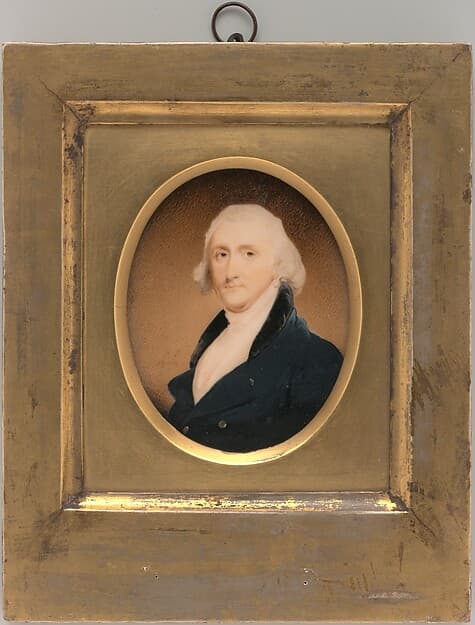
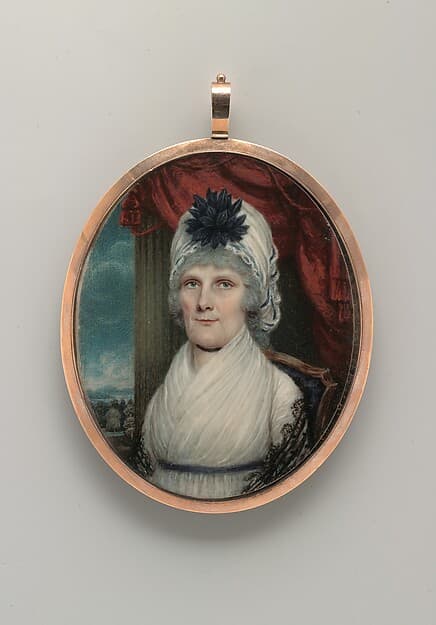
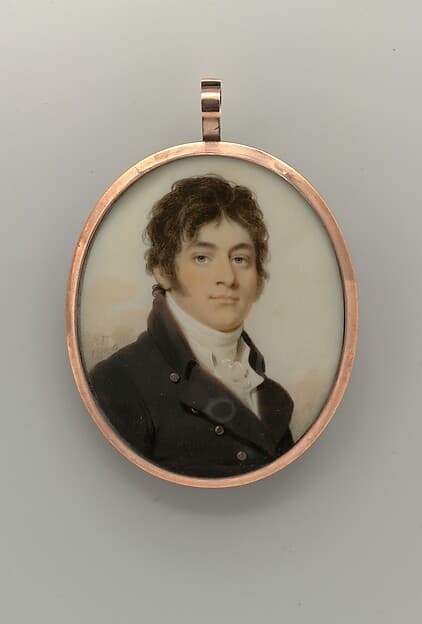
Works by Robert Field available in this edition of NEOARCA.
Related context
Associations
Works connected through artistic movements, cultural context and period. Priced works available in this market appear first.








Profile notes
Profile and sources
Image
Artist image
На основе открытого изображения: Harry Piers; Wikimedia Commons; Public domain.
