
1831–1889
Kawanabe Kyōsai
Kawanabe Kyōsai (1831–1889) became a pupil of Utagawa Kuniyoshi at six and then went through nine years of training in the Kanō school. He made his name with caricatures and prints from the last years of the shogunate. For a satirical drawing made at a drinking party in 1870 he was arrested and sentenced to flogging. Later he painted scrolls and pictures for Western collectors, and his pupils included the British architect Josiah Conder.
Biography
A nine-year-old boy, the story goes, fished a severed head out of the Kanda river and sketched it. The legend of the sketched head has attached itself to Kyōsai from the very beginning, and it is hard to check, but it conveys his reputation well: to draw everything he saw.
He was born on 18 May 1831 (7th day of the 4th month in the Japanese calendar) at Koga, into a samurai family, and was named Shūzaburō. A year later the family moved to Edo, where his father joined the shogunate’s fire brigade. In 1837 the boy was sent to study with Utagawa Kuniyoshi, a master of ukiyo-e (the woodblock print tradition of Edo), who taught his pupils to watch closely people fighting and wrestling. Kyōsai, according to tradition, spent whole days walking through the poor districts with a sketchbook, looking for brawls and quarrels. His anxious father moved him in 1840 to Maemura Tōwa, a painter of the Kanō school. Tōwa nicknamed the boy “the Painting Demon” (gaki): the word was used for the perpetually hungry demons of Buddhist mythology, but it also means “urchin”.
In 1848 Kyōsai moved to the studio of Kanō Tōhaku Tanshin, the main branch of the school, and painted “Bishamonten”, the earliest of his surviving works. In 1849 he received the artist’s name Kanō Tōiku Noriyuki and completed his training. Finishing in nine years was faster than usual: according to Hashimoto Gahō, it normally took eleven or twelve. He also took the name Tsuboyama Tōiku as the adopted son of the painter Tsuboyama Tōzan, but in 1852 he was thrown out of the house for dissolute behaviour. In parallel he studied the Tosa, Rinpa and Shijō schools and ukiyo-e.
In 1855, after the Edo earthquake, the writer Kanagaki Robun commissioned an illustration for his text. The drawing of a catfish (namazu-e) became Kyōsai’s first single-sheet print. In 1857 he married the daughter of the painter Suzuki Kii and became an independent artist, and in 1858 he left the Kanō school and took the name Seisei Kyōsai, in which “Kyō” meant “mad”. Under that name he issued humorous and satirical sheets and albums, among them “One Hundred Pictures by Kyōsai”. In 1863 he took part in a collective series by artists of the Utagawa school, “Gyōretsu Tōkaidō”, devoted to the shogun’s journey to Kyoto. In those years he was arrested several times.
Having entered the Meiji era, he did not change his ways. In October 1870, at a gathering of calligraphers and painters at Ueno, where wine was drunk, Kyōsai drew caricatures of officials of the new government. He was taken into custody, and in January 1871 he was sentenced to fifty strokes of the whip and released. After that he changed the character for “mad” in his name to the one for “dawn”: this is how Kyōsai (暁斎) came about. He illustrated books by Kanagaki Robun, among them “Aguranabe” (1872).
In 1874, with Robun, he brought out the magazine “Eshinbun Nipponchi”, regarded as one of the first manga magazines. It was not a success and closed after three issues. In 1873 his large banner “Empress Jingū and Takenouchi no Sukune” was shown at the Vienna World’s Fair. In 1880 he painted, in four hours, a curtain with demons for the Shintomi-za theatre: seventeen metres wide and four high. In 1881 he received an award at the national industrial exposition for “Crow on a Withered Branch”. He asked an unusually high price for it, one hundred yen; the owner of the confectioner’s Eitarō did pay that sum. The painting came to be called the “hundred-yen crow”.
Foreigners began appearing in his studio in 1876. The French collector Émile Guimet came with the painter Félix Régamey, and they drew each other’s portraits in competition. Guimet described the visit in his book “Promenades japonaises” (1880). The Scottish surgeon William Anderson bought his works, and his collection became the core of the Japanese painting holdings of the British Museum. In 1881 the British architect Josiah Conder came to study with Kyōsai, and Kyōsai gave him the name Kyōei (“English Kyōsai”). He stayed with the artist until the end, and in 1911 published the book “Paintings and Studies by Kawanabe Kyosai”. Kyōsai himself wrote “Kyōsai Gadan” (1885), half autobiography and half painting manual, and kept an illustrated diary, of which some years survive.
He died on 26 April 1889 in Tokyo. He is buried at the temple Zuirin-ji in Yanaka; at his request a natural stone resembling a frog, which he loved to draw, stands on his grave. The Kawanabe Kyōsai Memorial Museum opened in 1977 at Warabi, in Saitama Prefecture. A large solo exhibition was held in Kyoto in 2008.
Artist works
Works by the artist
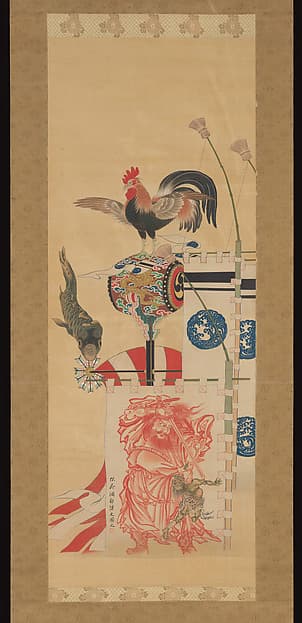
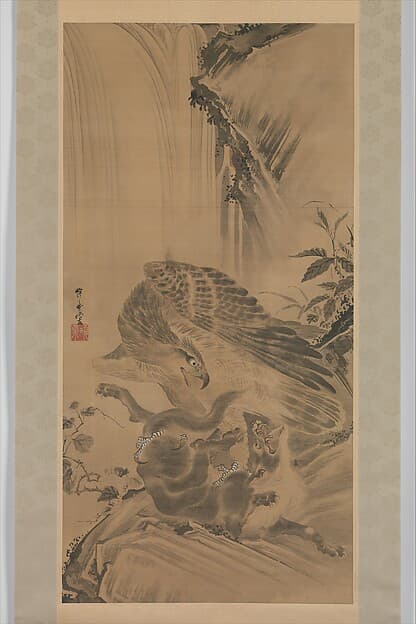
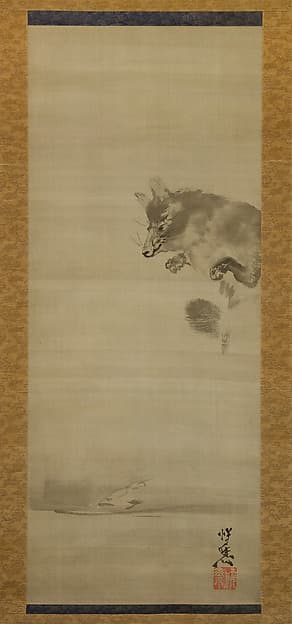
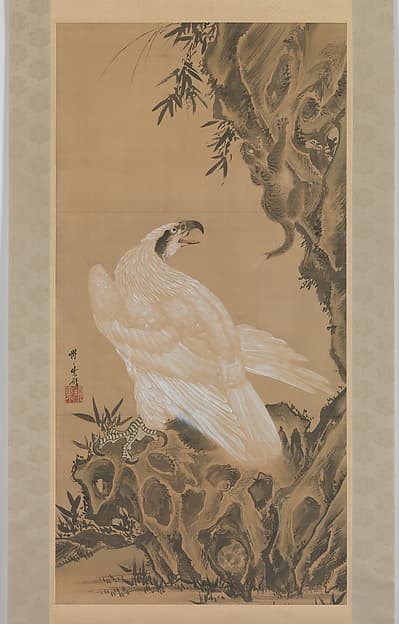
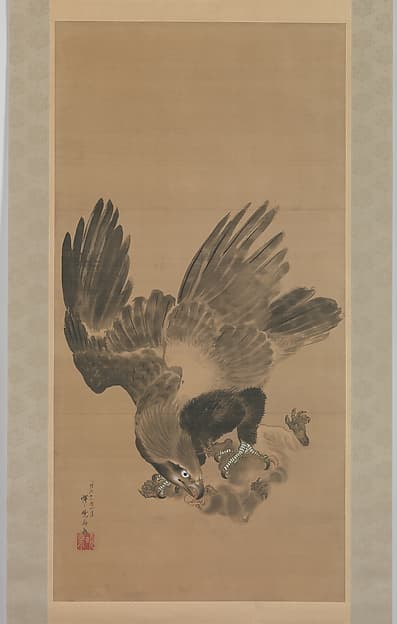
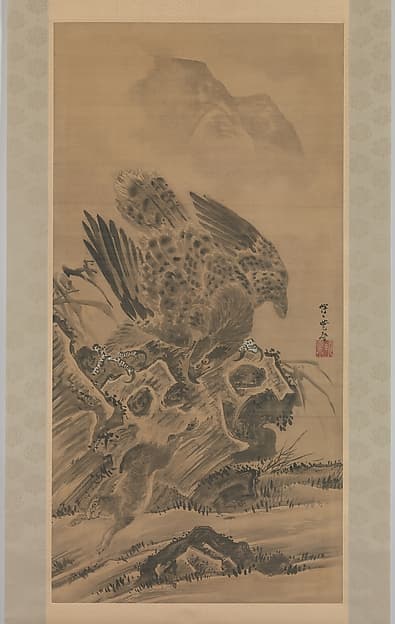
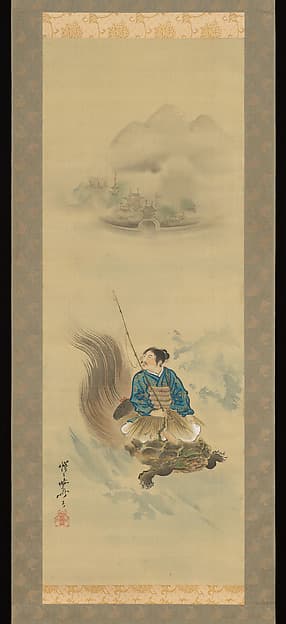
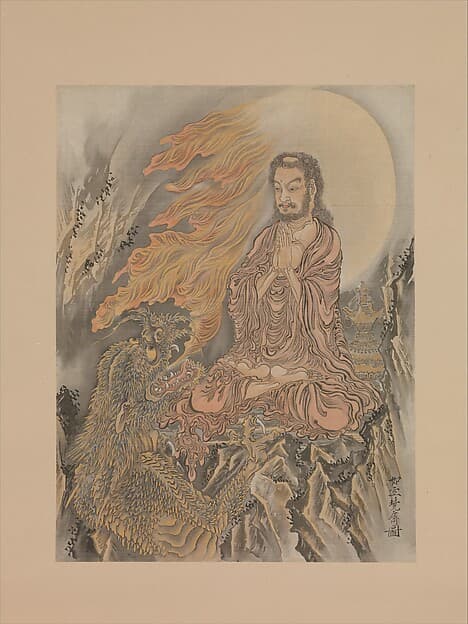
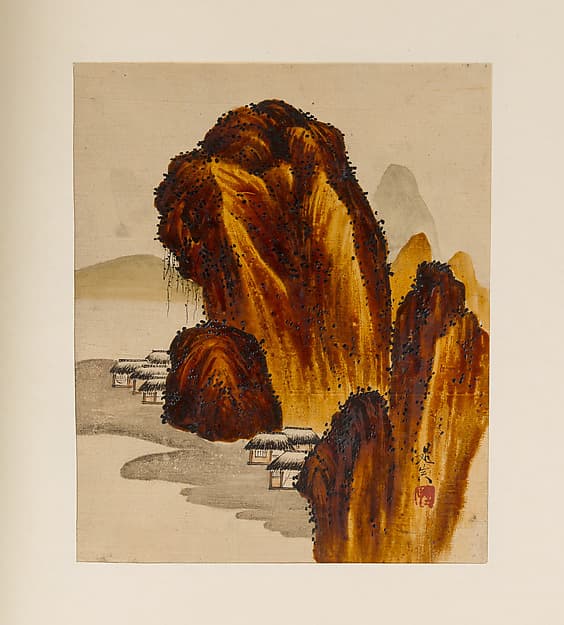
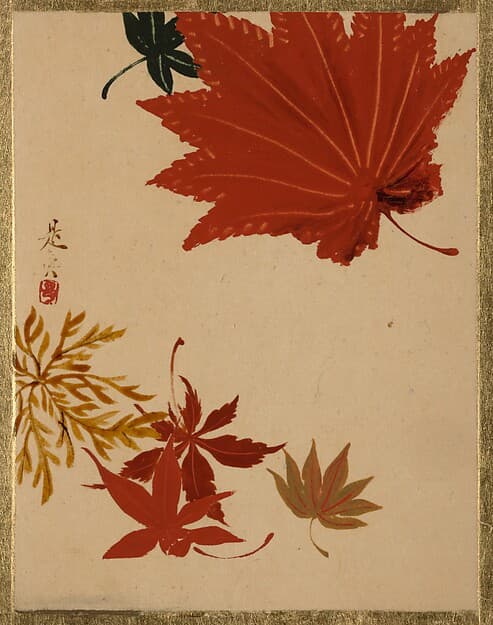
Works by Kawanabe Kyōsai available in this edition of NEOARCA.
Related context
Associations
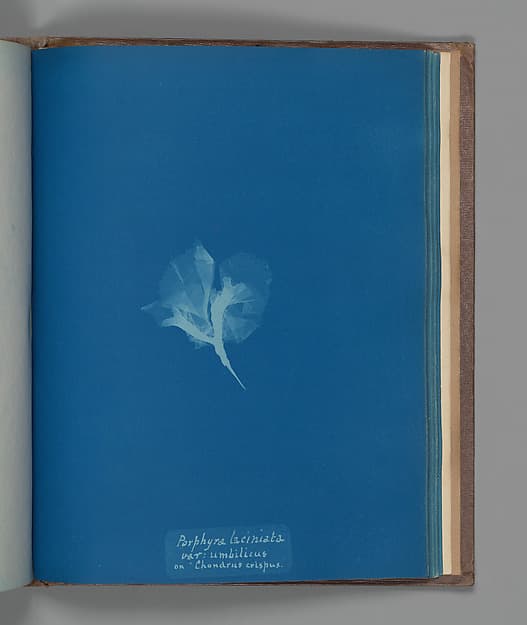
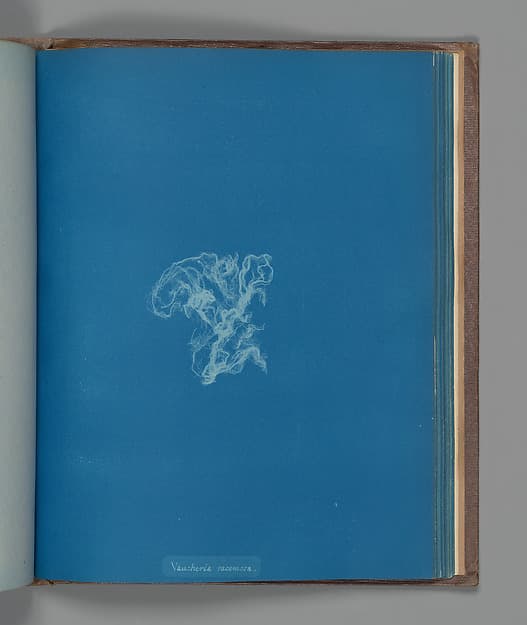
Works connected through artistic movements, cultural context and period. Priced works available in this market appear first.
Profile notes