
1727–1784
Ike Gyokuran
Ike Gyokuran (1727–1784) grew up in Kyoto around her mother’s teahouse, wrote waka poetry and painted folding screens, sliding doors, scrolls and fans. With her husband, the painter Ike no Taiga, she worked in the Nanga style. Her poems were printed in a 1910 collection, and the image of a woman painter is still recreated at Kyoto’s Jidai Matsuri.
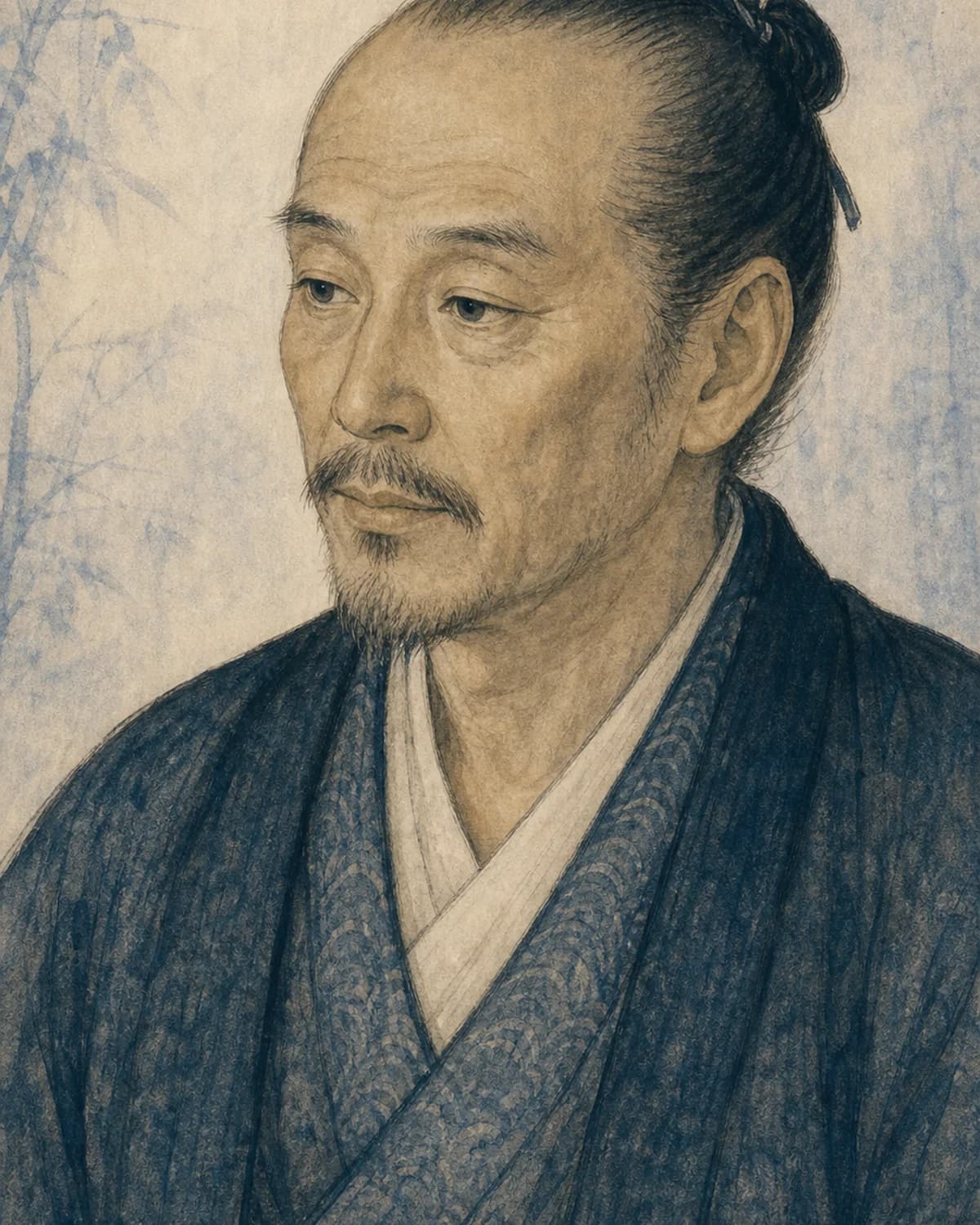
Biography
She was not called Gyokuran when she was born: at birth the girl was given the name Machi. By one account her father was a high-ranking retainer of the Tokugawa shogun; by another, a samurai named Tokuyama. From that surname comes the name Tokuyama Gyokuran, under which she signed her work before marriage. Her mother, Yuri, wrote waka poetry and kept a teahouse in Kyoto.
Machi began to paint and compose poetry as a child. She was taught painting by Yanagisawa Kien (1707–1758), a painter of the Nanga school, who was a regular at her mother’s teahouse. Most likely it was from him that she received the art-name Gyokuran, “Jewel Waves”. He, it seems, also introduced her to another of his pupils, Ike no Taiga. There is no document for the meeting itself; this is a scholars’ supposition.
Taiga became her husband and her next teacher. He taught her Nanga, the Japanese version of Chinese “Southern” painting, which is also called Bunjinga, “literati painting”. In return she taught him waka, in which she was herself accomplished. The couple lived in a small studio next to the Gion shrine in Kyoto, devoted nearly all their time to art and earned little. They often painted together and influenced each other, and in the evenings they made music as equals, which was rare in eighteenth-century Japan, where a woman was considered inferior to a man. They were known for their eccentricity. Gyokuran, it is said, did not shave her eyebrows after the wedding, although custom required this of married women.
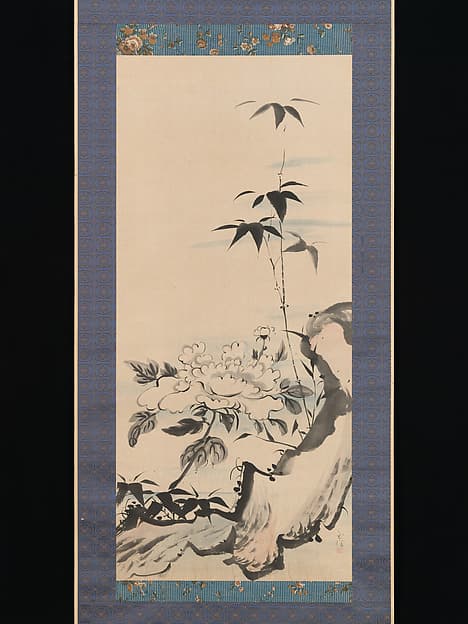
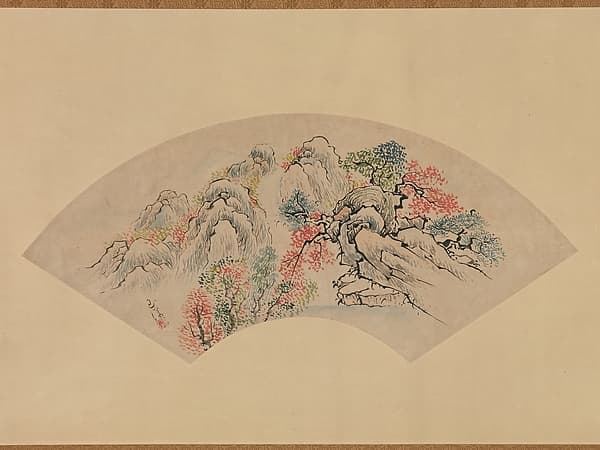
She worked on folding screens, sliding doors, handscrolls, hanging scrolls and fans. She also made small pieces on which she wrote her own poems in calligraphy. Among the favourite subjects of Nanga painters, bamboo, plum blossom, orchid and chrysanthemum are mentioned. One scholar compares her style to the Baroque; to my mind, such a comparison should be tested against the works themselves rather than taken on trust. Anne d’Harnoncourt, director of the Philadelphia Museum of Art, remarked that it was exceptionally rare for women in eighteenth-century Japan to be painters.
Several of Gyokuran’s works are on the list of Japan’s National Treasures and Important Cultural Properties. In 2015 her work was shown in two linked exhibitions in Tokyo, at the Kōsetsu Museum of Art and the Yamatane Museum.
In 1910 the shrine published the Gion sanjo kashū (Poem Collection of the Three Women of Gion), which included poems by Gyokuran, her mother and her grandmother.
Gyokuran died in 1784. By one account she was buried beside her mother. At Kyoto’s Jidai Matsuri, the Festival of the Ages, young women still dress as prominent women of the city’s history, and Gyokuran is among them.
Artist works
Works by the artist
Works by Ike Gyokuran available in this edition of NEOARCA.
Related context
Associations
Works connected through artistic movements, cultural context and period. Priced works available in this market appear first.








Profile notes
Profile and sources
Image
Artist image
На основе открытого изображения: 三熊花顚; Wikimedia Commons; Public domain.
