 International contemporary art platform
07.11.1598–27.08.1664
Francisco de Zurbarán
Francisco de Zurbarán was born on November 7, 1598, in Fuente de Cantos, Spain. He was a prominent Spanish painter of the Baroque period and a representative of the Seville school of painting. Zurbarán skillfully employed chiaroscuro techniques in his work, earning him the nickname "the Spanish Caravaggio." He specialized primarily in religious paintings,…
Biography
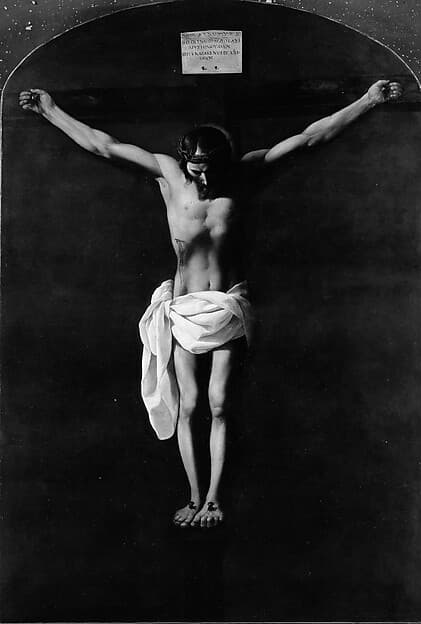
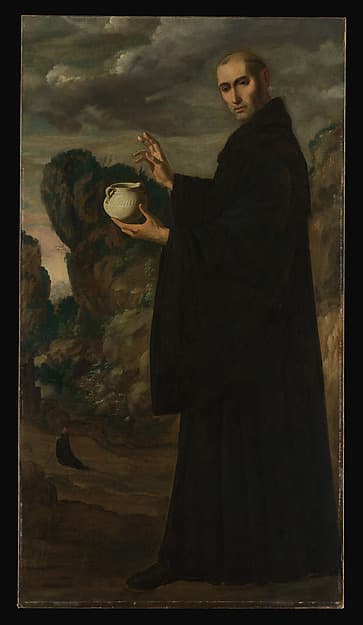
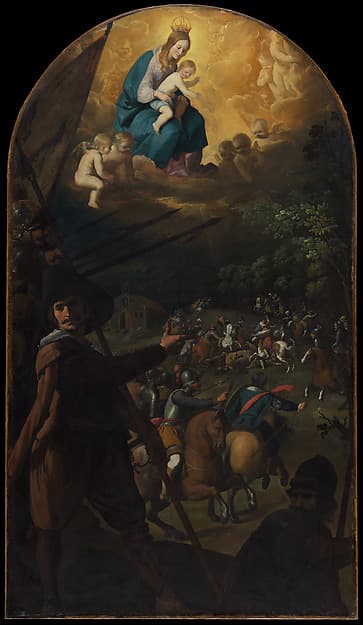
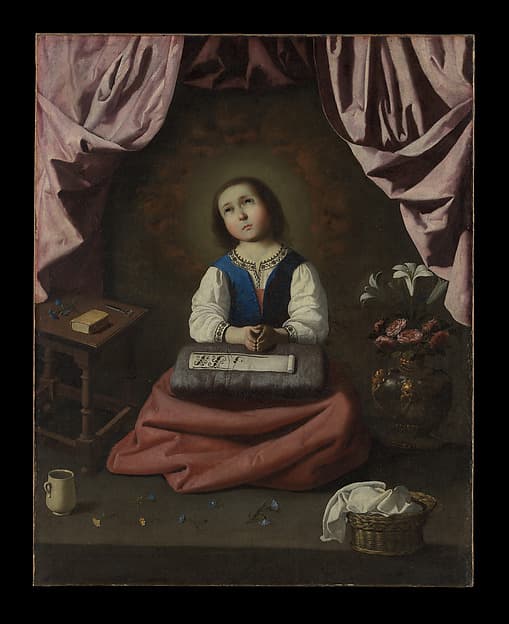
Francisco de Zurbarán was born on November 7, 1598, in Fuente de Cantos, Spain. He was a prominent Spanish painter of the Baroque period and a representative of the Seville school of painting. Zurbarán skillfully employed chiaroscuro techniques in his work, earning him the nickname "the Spanish Caravaggio." He specialized primarily in religious paintings, but also worked in portraiture, still lifes, historical, and mythological genres. His paintings made a significant contribution to Counter-Reformation art and are considered part of the Golden Age of Spanish art. Among his notable works are "Immaculate Conception," "Christ on the Cross," and "Saint Hugh in the Carthusian Refectory." Francisco de Zurbarán passed away on August 27, 1664, in Madrid. His son, Juan de Zurbarán, continued the family tradition as a painter.
Artist works
Works by the artist
Works by Francisco de Zurbarán available in this edition of NEOARCA.
Profile notes