 International contemporary art platform
29.09.1571–18.07.1610
Caravaggio
Michelangelo Merisi da Caravaggio, simply known as Caravaggio, was born on September 29, 1571, in Milan, then part of the Duchy of Milan. He was an Italian painter and reformer of European painting in the 17th century, recognized as a prominent figure of Baroque realism and the Counter-Reformation movement. Caravaggio introduced an innovative style of…

Biography
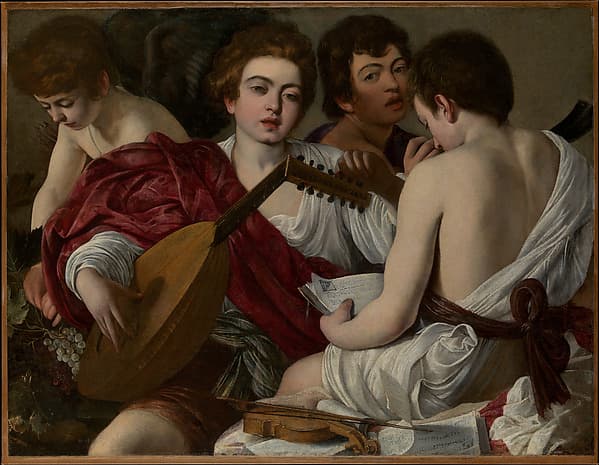
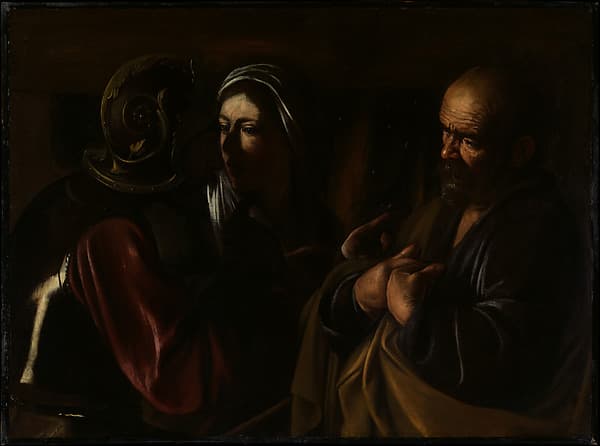
Michelangelo Merisi da Caravaggio, simply known as Caravaggio, was born on September 29, 1571, in Milan, then part of the Duchy of Milan. He was an Italian painter and reformer of European painting in the 17th century, recognized as a prominent figure of Baroque realism and the Counter-Reformation movement. Caravaggio introduced an innovative style of painting known as chiaroscuro—sharp contrasts between light and shadow—as well as the technique of tenebrism, which had a significant impact on the development of painting during that period. Caravaggio worked without preparatory sketches, painting directly from live models onto the canvas. This approach explains why no preparatory drawings by the artist have ever been found. His oeuvre includes religious paintings, still lifes, and genre scenes. Among his well-known works are "The Supper at Emmaus," "Love Victorious," "Medusa," "Basket of Fruit," and "Judith Beheading Holofernes." He spent most of his creative life in Rome, where he enjoyed the patronage of influential church officials. During the last four years of his life, Caravaggio traveled between Naples, Malta, and Sicily. He died on July 18, 1610, in Porto Ercole.
Artist works
Works by the artist
Works by Caravaggio available in this edition of NEOARCA.
Related context
Associations
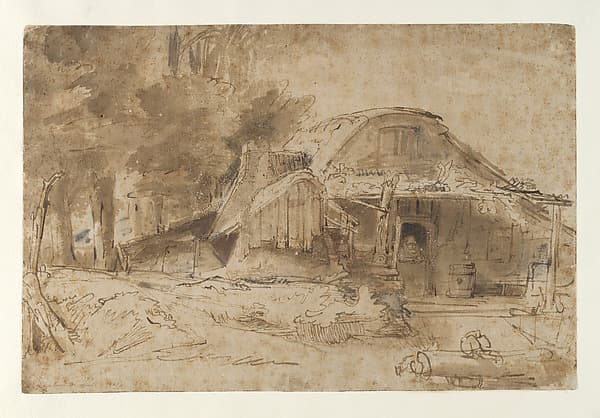
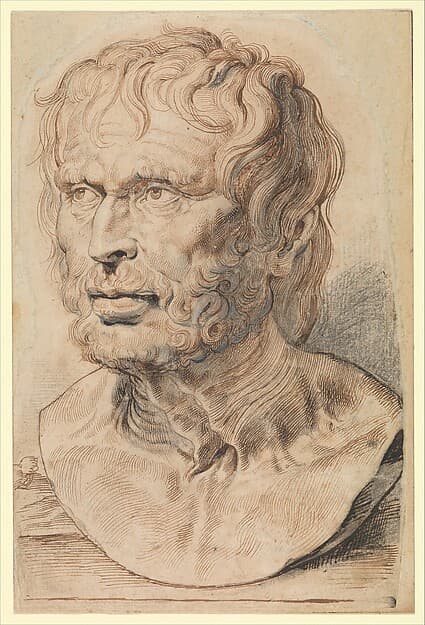
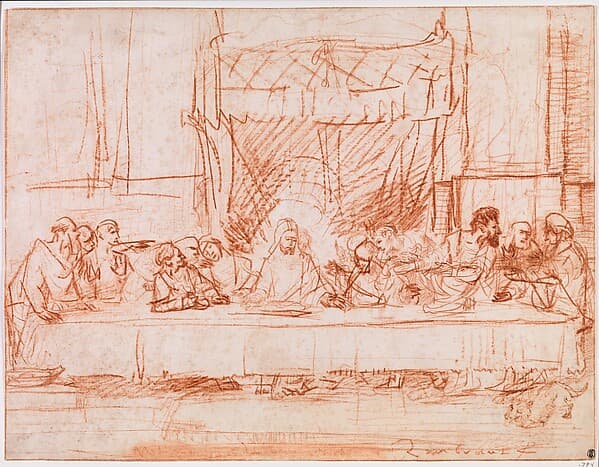
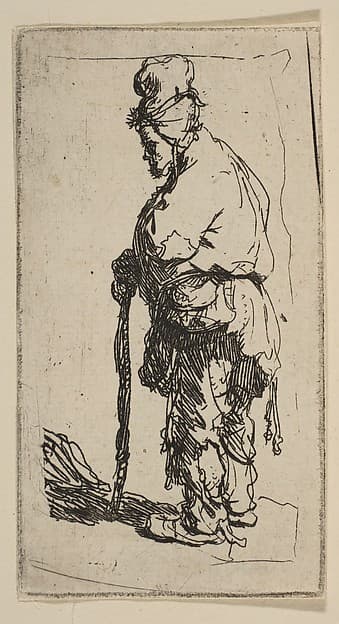
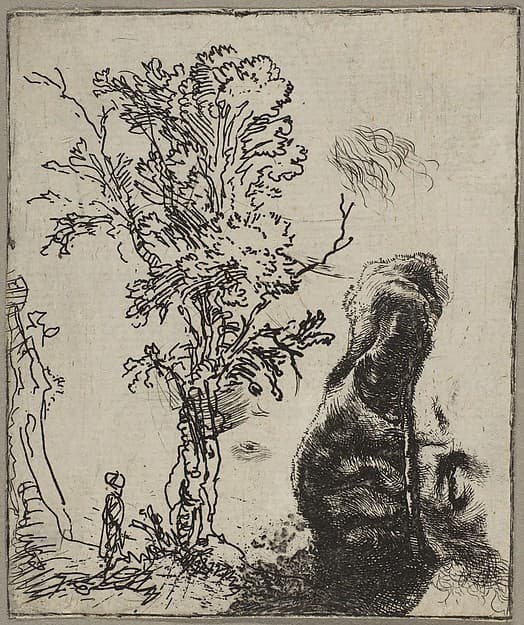
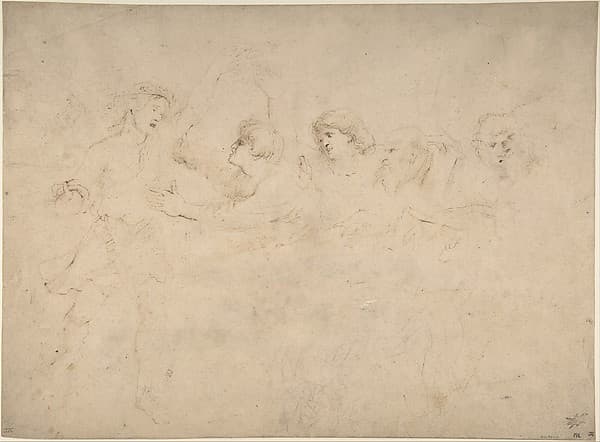
Works connected through artistic movements, cultural context and period. Priced works available in this market appear first.
Profile notes
Profile and sources
Image
AI interpretation inspired by the artist’s period and visual language. It is not a historical portrait or an artwork by the artist.AI editorial interpretation
ИИ-стилизация на основе открытого изображения: Ottavio Leoni; Wikimedia Commons; Public domain.
