
24.02.1694–11.11.1783
Bartolomeo Altomonte
Bartolomeo Altomonte (1694–1783) was born in Warsaw, the son of the court painter of John III Sobieski, studied in Italy and from 1722 worked in Austria. He painted ceilings in the monasteries of St. Florian, Admont, Herzogenburg and Wilhering. In old age he remained faithful to baroque allegory, when many of his contemporaries had already turned to the rococo.
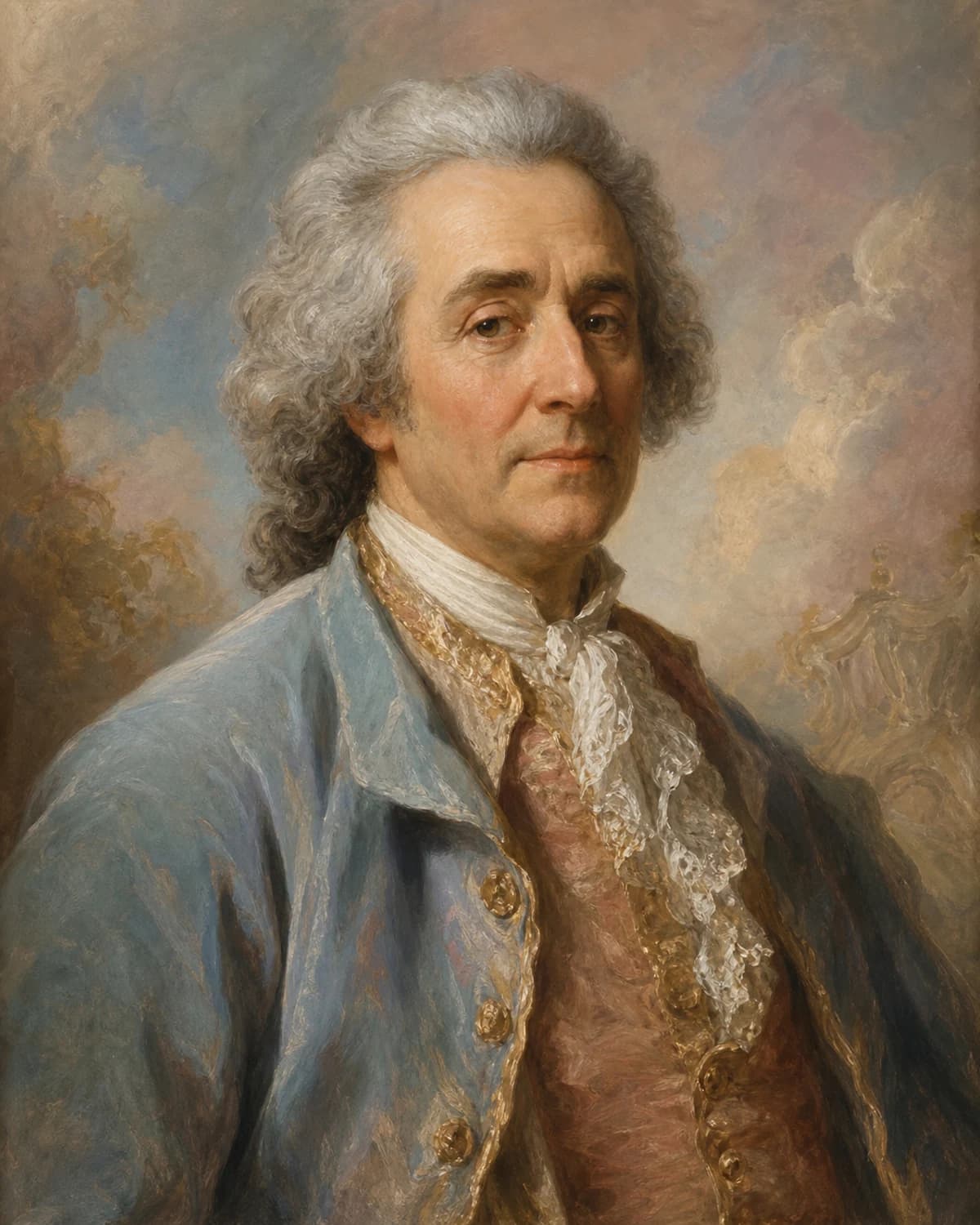
Biography
Bartolomeo Altomonte painted the library of St. Florian’s Priory in 1747 (by other accounts, in 1750): on the ceiling is the union of Virtue and Wisdom, concluded with the help of Religion and the teaching of Augustine. Thirty years later he painted the ceiling of the library at Admont. Almost his whole life lies between these two commissions.
He was born on 24 February 1694 in Warsaw, in a suburb where the court lived. His father, Martino Altomonte, was a painter to John III Sobieski, King of Poland. The family name was Hohenberg; the father had turned it into an Italian form, and Bartolomeo himself signed with both. He was the third of six children. His father gave him his first lessons, and he then studied with Daniel Gran.
In 1717, at twenty-three, Altomonte left for Italy and never returned to Poland. In Rome he worked with Benedetto Luti, and a sketchbook he made at that time is in the Albertina in Vienna. In Naples he studied with Francesco Solimena.
By 1722 he was back in Austria: from that year he worked with his father at St. Florian’s Priory. There in 1730 he married Anna Magdalena Rendl, the daughter of a well-off citizen of Linz. Around 1732 he moved to Vienna, but four years later he was living again in Upper Austria, where most of his work is found. He spent most of his life in Linz.
He painted frescoes and altarpieces. In Linz these include pictures for the Minorite church, the Ursuline church, the Jesuit college, the church of the Brothers of Mercy and, later, the church of the Elisabethines. Ceiling and wall paintings survive in the monasteries of Admont, Kremsmünster, Garsten, St. Florian, Wilhering and Herzogenburg. His principal work is considered to be the frescoes of the former abbey church at Spital am Pyhrn (1737–1740): he painted the figures there, while the illusionistic architecture was the work of Francesco Messenta. Such a division of labour was usual at the time. At Wilhering, too, he painted the figures of the ceilings and Messenta the architectural part. At Seitenstetten Abbey in 1744 he painted the ceiling above the grand staircase; at Herzogenburg in 1753–1755 he worked on the figures of the ceilings in the church, and in 1772–1774 he painted the hall of the priory. At first his father often made the sketches for his frescoes, and sometimes they worked together. An oil painting by him, “The Transfiguration of Christ’s Sufferings”, survives for the Belvedere in Vienna.
The rococo, by common consent, remained foreign to him. He is called one of the last great masters of baroque allegory, and, to my mind, this is already visible in how calmly he held to a single system of images for half a century.
In 1770 he was admitted to the Academy in Vienna. Despite many years of commissions from churches and monasteries, he seems to have become poor in old age: his requests for financial help to the Estates of Upper Austria were refused.
Altomonte died on 11 November 1783 in Sankt Florian, in the monastery where he had begun his independent work more than sixty years earlier. In Linz, a street named in 1954, the Altomontestraße, bears his name together with his father’s.
Related context
Associations
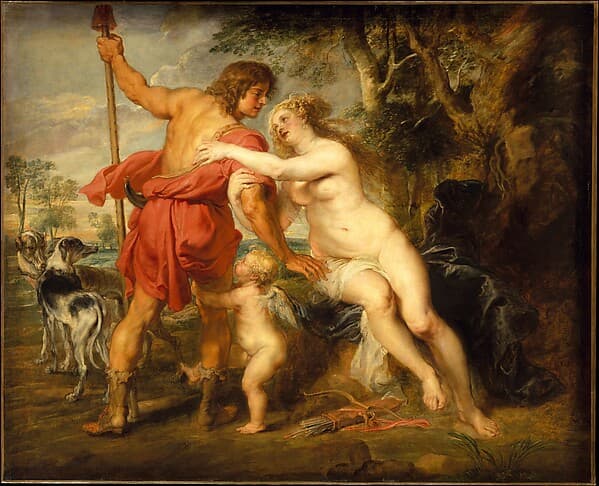
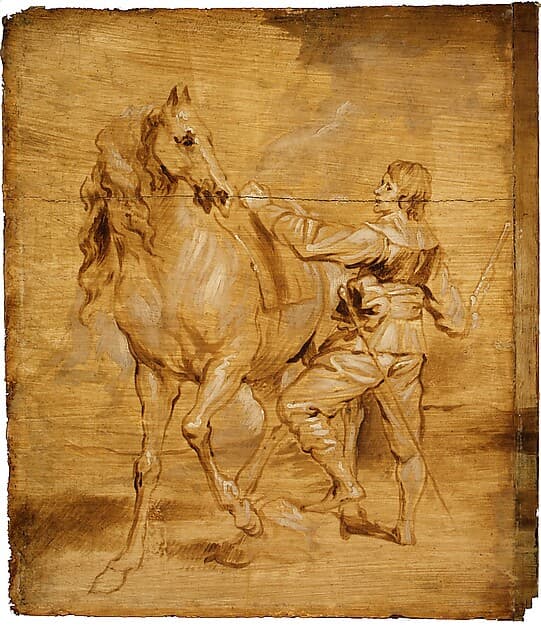
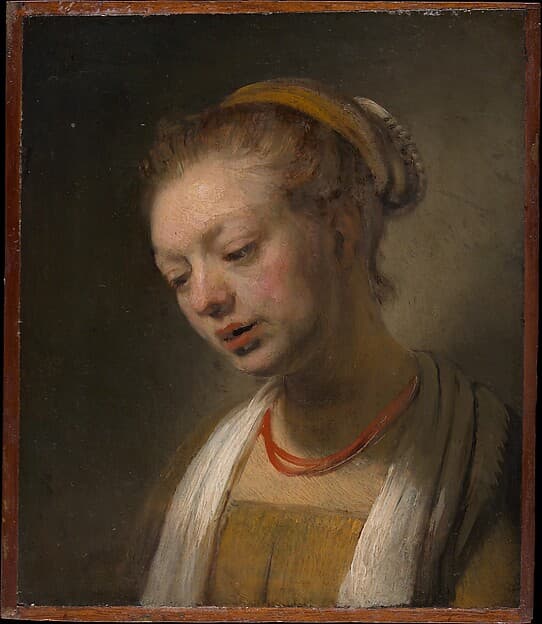
Works connected through artistic movements, cultural context and period. Priced works available in this market appear first.
Profile notes
Profile and sources
Image
Artist image
На основе открытого изображения: Wolfgang Sauber; Wikimedia Commons; CC BY-SA 4.0.
