
1981–present
Ayanda Mabulu
The South African artist Ayanda Mabulu (born 1981) painted a picture in 2010 showing nude politicians, among them President Jacob Zuma. It was barely noticed then, but in 2012 it surfaced in the dispute over Brett Murray’s “The Spear”. His later paintings of Zuma drew condemnation from the African National Congress and the Nelson Mandela Foundation.
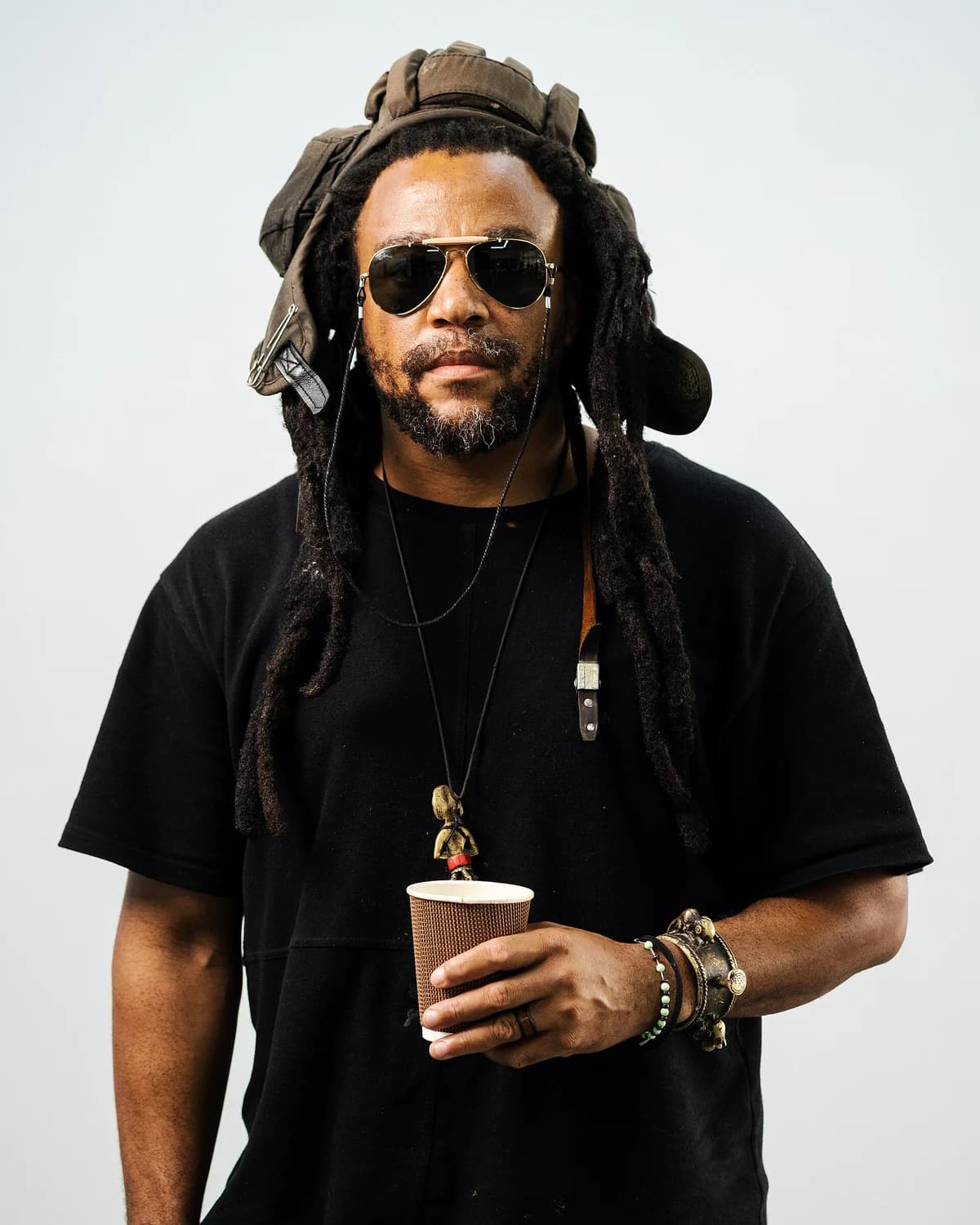
Biography
In May 2012 the scandal over Brett Murray’s painting “The Spear”, in which President Jacob Zuma was shown with his genitals exposed, was still running in South Africa. That was when people remembered a canvas painted two years earlier, which nobody had paid attention to. Its author was Ayanda Mabulu.
He was born in 1981 in King William’s Town (Qonce in Xhosa), South Africa. Nothing is recorded about his childhood, education or first exhibitions, and I will not invent it.
The 2010 painting is called “Ngcono ihlwempu kunesibhanxa sesityebi”, roughly “Better poor than a rich puppet”. The title is in Xhosa. The canvas shows international political figures in the nude, Zuma among them. Next to him are Desmond Tutu, Robert Mugabe, Barack Obama and Nelson Mandela, all treated in a similar manner. Critics hardly responded to the painting in 2010.
Everything changed in 2012. The African National Congress, South Africa’s governing party, and the Nazareth Baptist (Shembe) Church responded sharply to Murray, and the church demanded that he be stoned. Mabulu criticised both the Congress and the church. He asked how their fury at “The Spear” could be explained, when they had left his own work showing the same president without attention. The Worldart Gallery, where other paintings of his had been shown, responded to the dispute.
In 2016 Mabulu showed a new work: Zuma and the businessman Atul Gupta, who had been accused of influencing the president, in a sexual scene. It was called extreme, and many condemned it. South African newspapers wrote about it at length, and opinion in the country was divided.
In April 2017 came another painting, in which Zuma and Mandela are shown in a sexual act. The author explained that he had shown what Zuma had done to Mandela’s legacy. The offence was caused chiefly by the debasing of the image of the widely beloved Mandela. There were also death threats; Mabulu, according to reports, shrugged them off. Statements were issued by the African National Congress and the Nelson Mandela Foundation, and in both, condemnation was combined with an affirmation of freedom of expression. The Foundation wrote that it respects Mabulu’s right to freedom of expression but finds the painting distasteful. The Congress spoke of “crossing the bounds of rationality” and of using art for nefarious ends.
In October 2017 the African National Congress Women’s League called Mabulu a “mentally colonised artist” over a painting of Nkosazana Dlamini-Zuma, then a hopeful for the presidency, in a sexual position while Zuma looks on. In the League’s view, the black painter had been “rented” by white monopoly capital in order to harm these politicians.
Profile notes
Profile and sources
Image
Artist image
ChiefofBeans; Wikimedia Commons; CC0.
