
1802–22.12.1874
Agustín Arrieta
José Agustín Arrieta (1803–1874) spent almost his whole life in Puebla, Mexico, and painted its markets, pulque bars and kitchens, its water-carriers, market women, soldiers and beggars. Even more readily he painted still lifes of local food and kitchenware, although the genre was not even taught at the Academy of San Carlos. He lived in poverty, and real recognition came to him only in the 1940s.
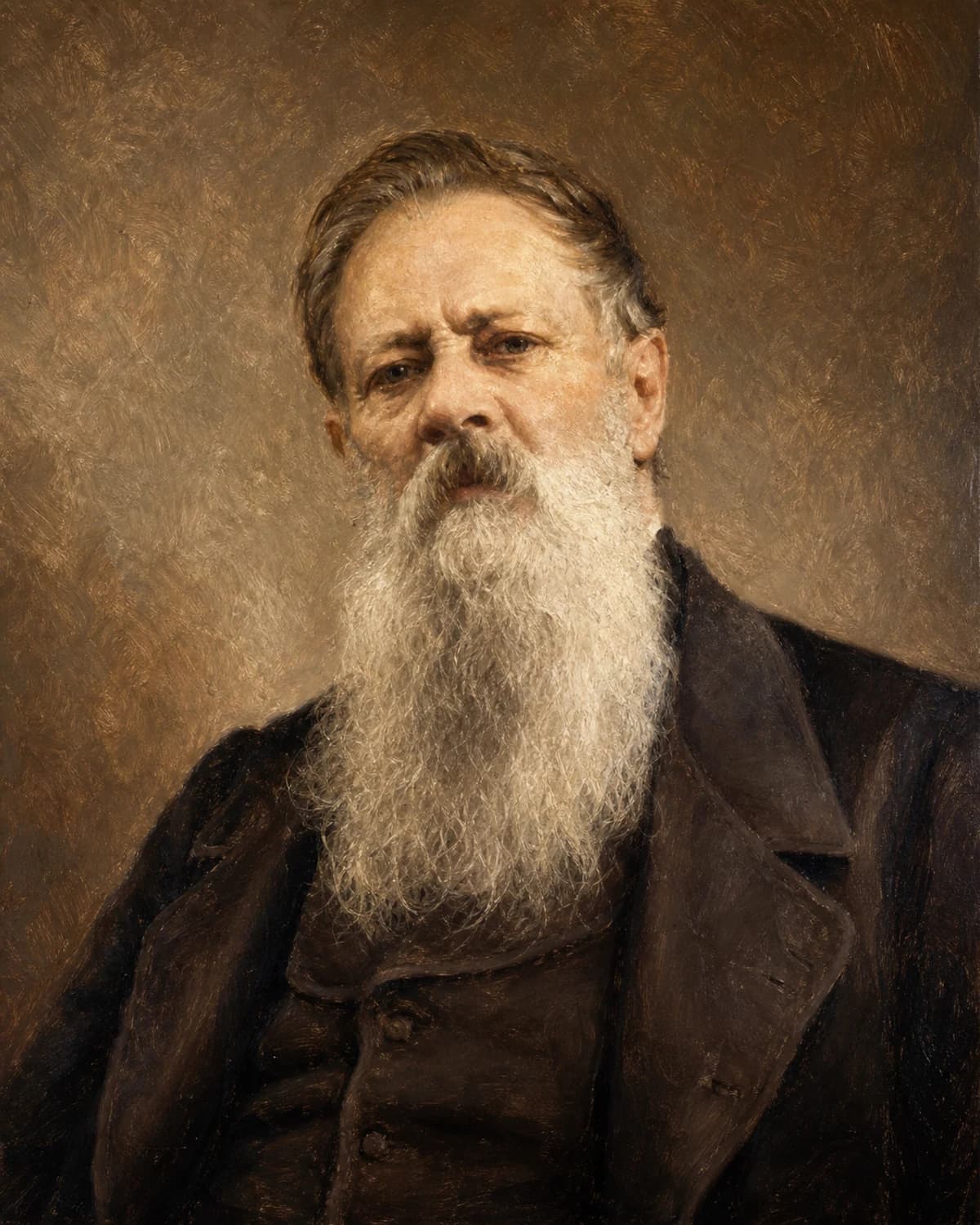
Biography
Hardly any papers survive from Agustín Arrieta’s early years. The earliest firm document is the certificate of his marriage to María Nicolasa Lorenzana Varela, dated 29 August 1826. The same day and month are given as his date of birth: 29 August 1803. The coincidence, to my mind, deserves checking. Apart from this record, all that survives are documents on his membership of the academies of fine arts of Puebla and San Carlos and on his entries in their competitions.
He was born in Santa Ana Chiautempan, in Tlaxcala, when these lands were still part of New Spain, the son of Tomás Arrieta, of Basque descent, and Rita María Fernández. He was brought to Puebla as a child and stayed there for the rest of his life.
He studied at the Academy of Fine Arts of Puebla, where the teachers at the time were Lorenzo Zendejas, Salvador del Huerto, López Guerrero, Ordóñez, the Caro brothers and José Manzo. He remained a member of the academy but set up his own workshop and began painting subjects that the city’s well-off public did not understand; he was paid little. The praise of the Puebla painters in the Guía de Forasteros of 1852 did not improve his position, and to make a living he worked as a caretaker at the State Congress. He also painted for churches. In the Sagrario chapel attached to Puebla Cathedral there is his “Virgin of Guadalupe”, signed and dated around 1826, the year of his wedding, and most likely his gift; another, of 1831, hangs in the church of the convent of the Santísima Trinidad. In 1852 he gave the Hospital of San Juan de Dios a lunette, “The Agony and Death of Saint John of God”, and a “Crucifixion”; the hospital was soon closed under the Reform Laws, and the paintings are now under the choir of the church of San Juan de Dios. For private devotion he painted small images, such as “Saint Paschal Baylon” and “The Archangel Raphael”.
What matters most in Arrieta is everyday life in nineteenth-century Puebla: clothing, food, trades, human weaknesses and virtues. From his pictures one can form a precise idea of Mexican types: the chinaco and the china poblana, the soldier, the water-carrier, the priest, the gentleman and the beggar. He liked the most ordinary places, and in “Tertulia de pulquería” he gathered a company in one of the bars where pulque was drunk, of which Puebla had more than enough. He painted street fights and market scenes in a festive, anecdotal key. Also known are “La cocina poblana”, “Vendedores de horchata”, “La sorpresa”, “Agualojera”, “Escena popular de mercado” and “Procesión en Cholula”. Critics found faults of composition in these works and repetitions of the same figures and characters, and saw the influence of Murillo and Velázquez in his manner. He also painted portraits of prominent citizens of Puebla, and the historian Guillermo Prieto reproached him for clumsily drawn hands and weak drapery.
Still lifes make up the largest part of his work. The Academy of San Carlos did not even teach the genre, but Arrieta set out to revive it, showing in his so-called alacenas, pictures of kitchen cupboards and shelves, Mexican fruit, dishes and the utensils used in the cooking of Puebla. They are admired for their textures, their brilliant fruit and their glass, painted so that it seems real. Critics, however, noted that the objects are sometimes combined without any logic: a cat, as rigid as a statue, sits beside a chicken.
He did not live to see recognition. In 1874 the Puebla art historian Bernardo Olivares Iriarte wrote that “up to now, he has had no rival in the city in works of this kind”. Arrieta died in Puebla on 22 December of that year. His name was restored by the book “Pinturas Poblanas”, which Bello y Zetina wrote in 1943. Today his works are in Mexico City, in Chapultepec Castle and the Museo Soumaya, and in Puebla, in the Museo Amparo, the Casa de Alfeñique and the two museums of the Bello family. For a time a museum in Puebla bore his name.
Related context
Associations
Works connected through artistic movements, cultural context and period. Priced works available in this market appear first.








Profile notes
Profile and sources
Image
Artist image
На основе открытого изображения: Gusvel; Wikimedia Commons; Public domain.
