 International contemporary art platform
1420–26.08.1506
Sesshū Tōyō
Sesshū Tōyō (Japanese: 雪舟, 1420 – August 26, 1506) was a distinguished Japanese artist and Zen monk during the Muromachi period. According to records, he belonged to the Oda clan (小田). His birth name remains unknown. The name “Sesshū” is an artistic pseudonym he adopted in maturity, while “Tōyō” (Japanese: 等楊) is his monastic name (imina), received at…

Biography
Sesshū Tōyō (Japanese: 雪舟, 1420 – August 26, 1506) was a distinguished Japanese artist and Zen monk during the Muromachi period. According to records, he belonged to the Oda clan (小田). His birth name remains unknown. The name “Sesshū” is an artistic pseudonym he adopted in maturity, while “Tōyō” (Japanese: 等楊) is his monastic name (imina), received at Shōkoku-ji temple from the master Shunrin Shuto. Sesshū studied under the renowned master Shūbun Tenshō and became a master of monochrome ink painting. He produced several significant works, including pieces in the portrait painting genre. His art is connected to Japanese cultural traditions, and he was also known as a bhikkhu—an ordained monk—reflecting his spiritual practice. Sesshū was born in Bitchū and died in Masuda on August 26, 1506. Among his notable works are "Autumn and Winter Landscapes," "Landscape," "View of Amanohashidate," "Huike Offering His Arm to Bodhidharma," "Haboku sansui," and "Landscape of the Four Seasons."
Artist works
Works by the artist
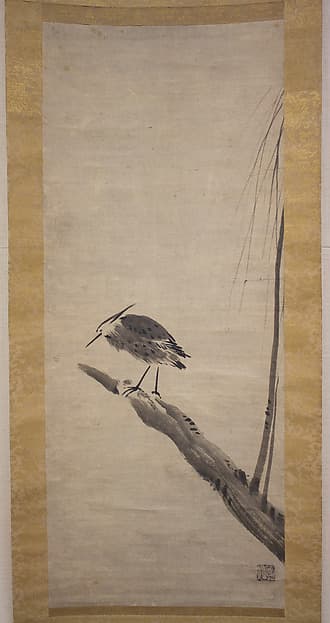
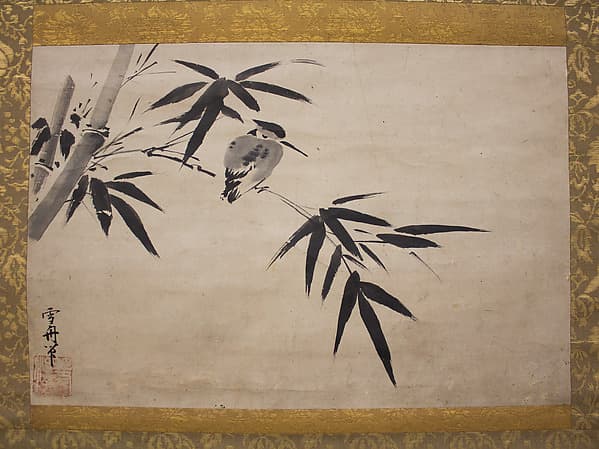
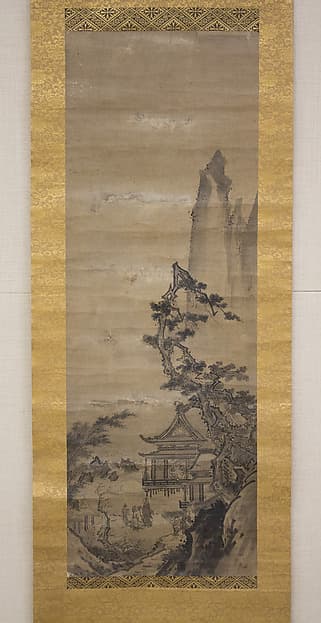
Works by Sesshū Tōyō available in this edition of NEOARCA.
Related context
Associations
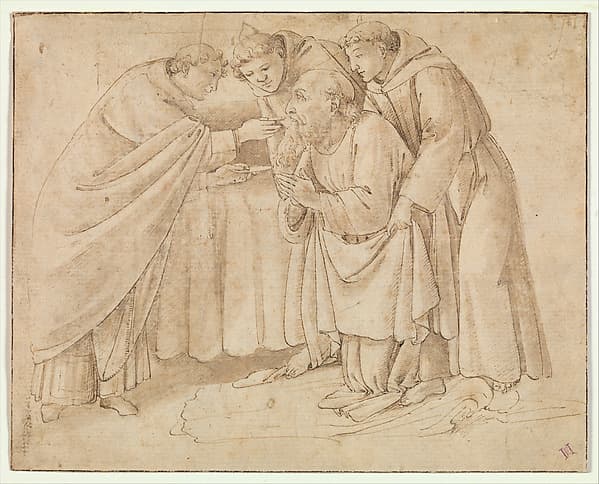
Works connected through artistic movements, cultural context and period. Priced works available in this market appear first.
Profile notes
Profile and sources
Image
AI interpretation inspired by the artist’s period and visual language. It is not a historical portrait or an artwork by the artist.AI editorial interpretation
ИИ-стилизация на основе открытого изображения: 不詳 unknown; Wikimedia Commons; Public domain.
